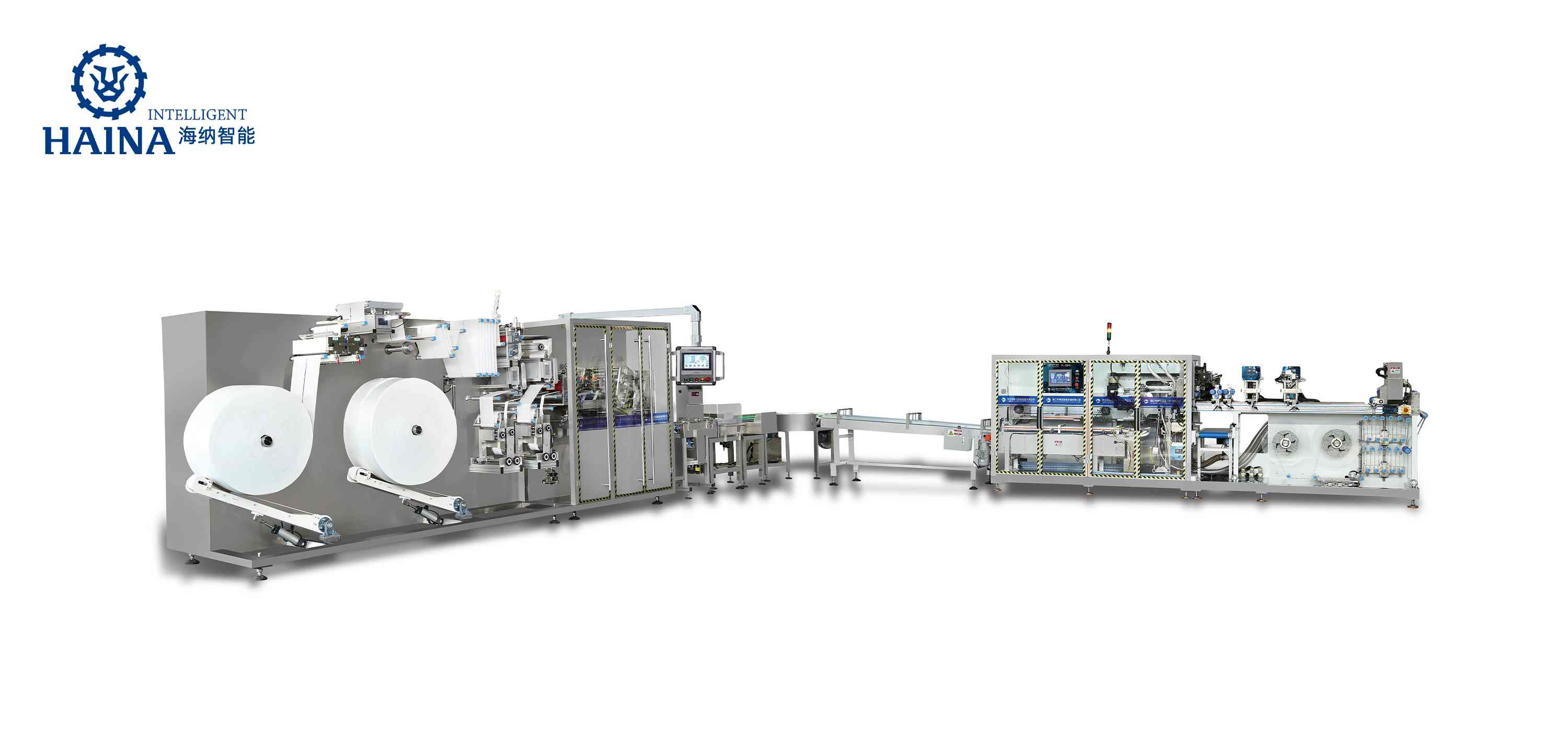
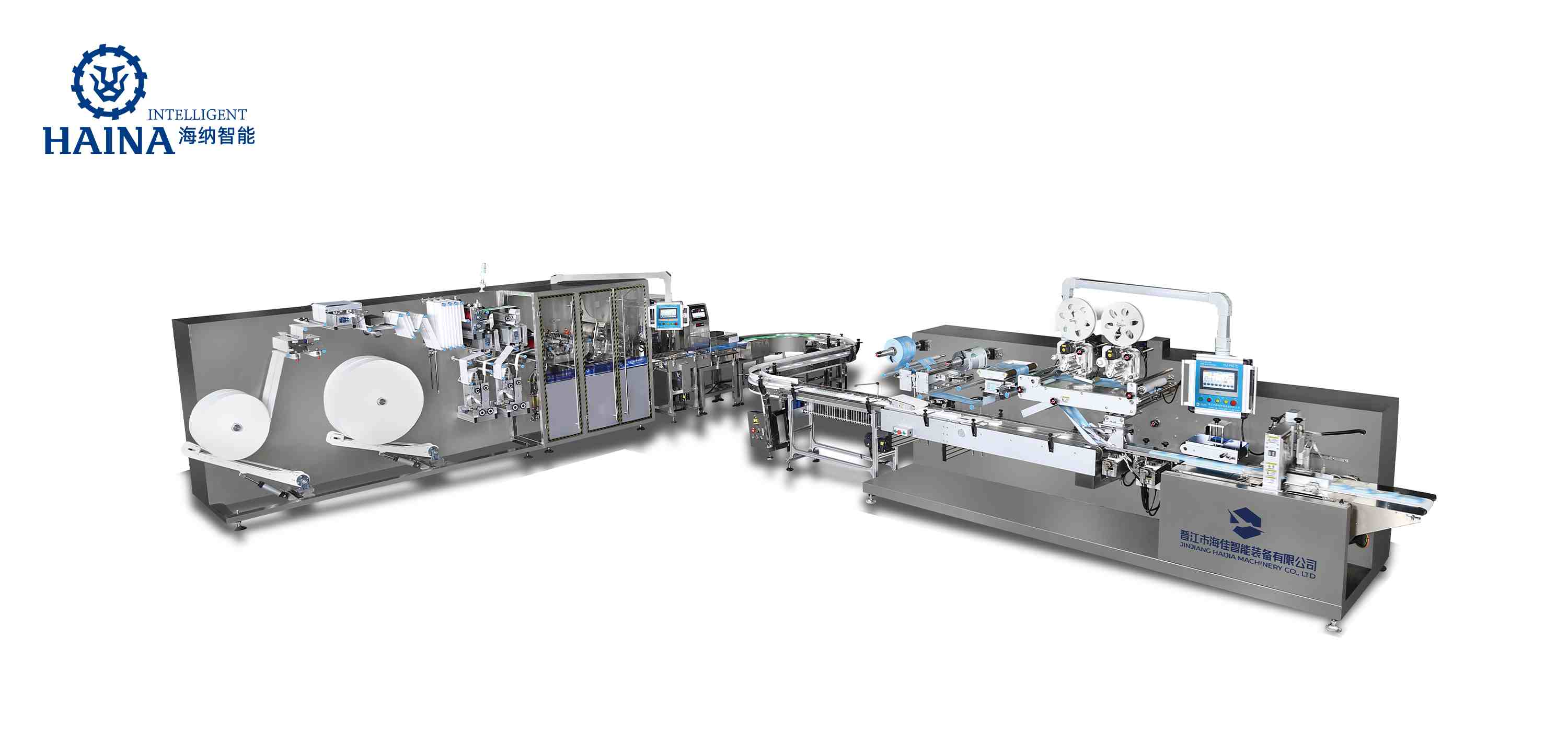
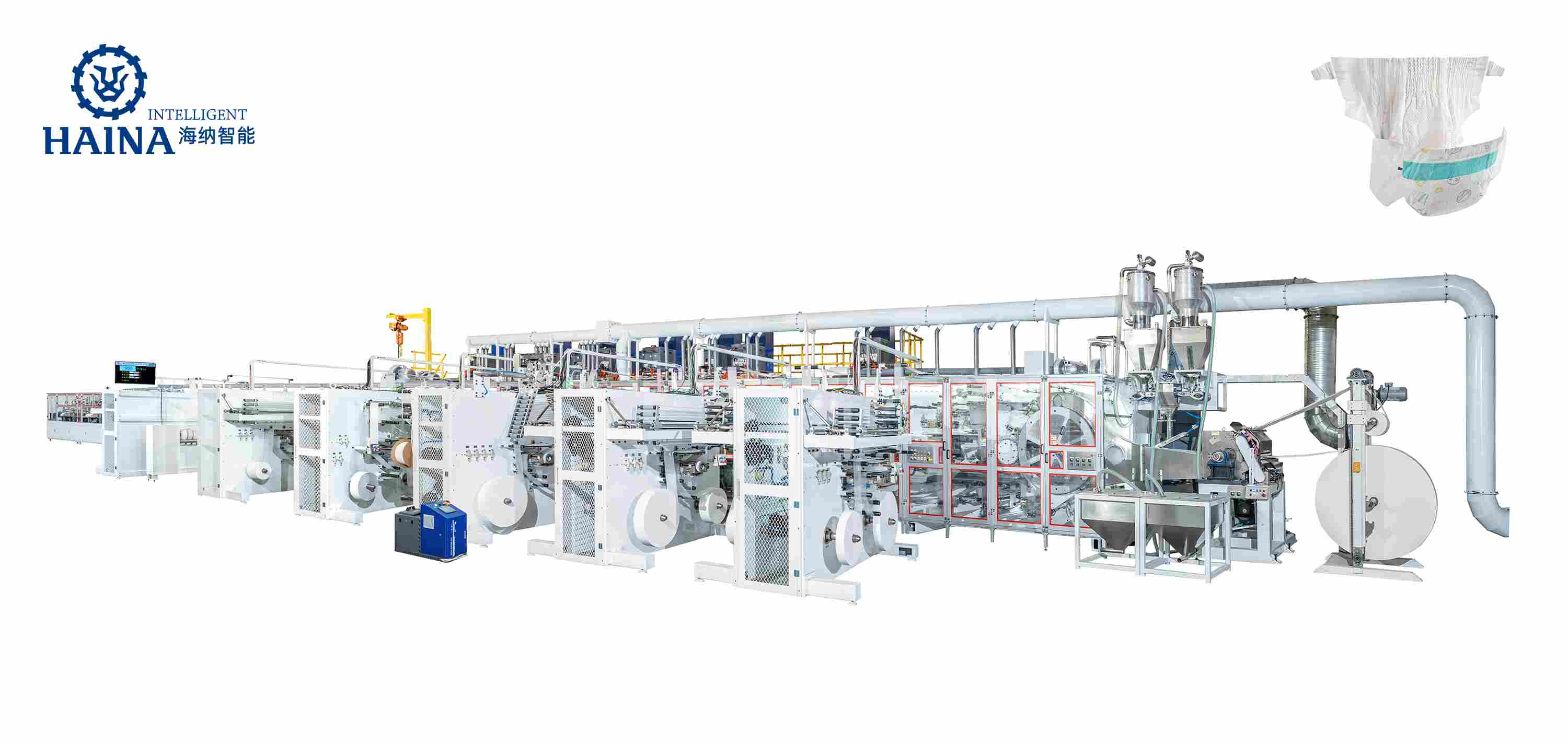
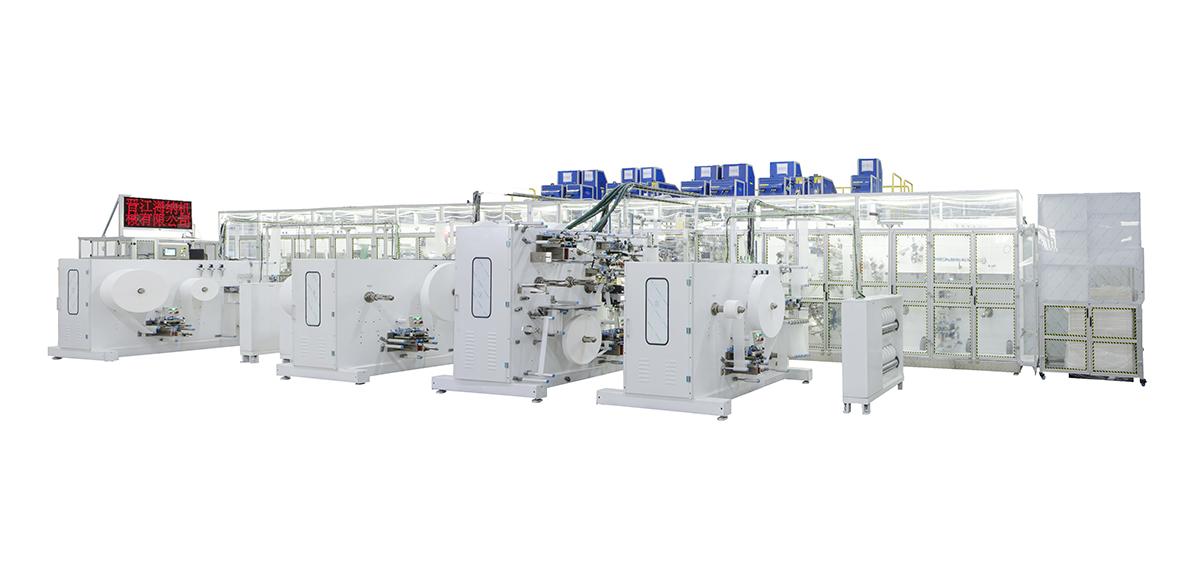
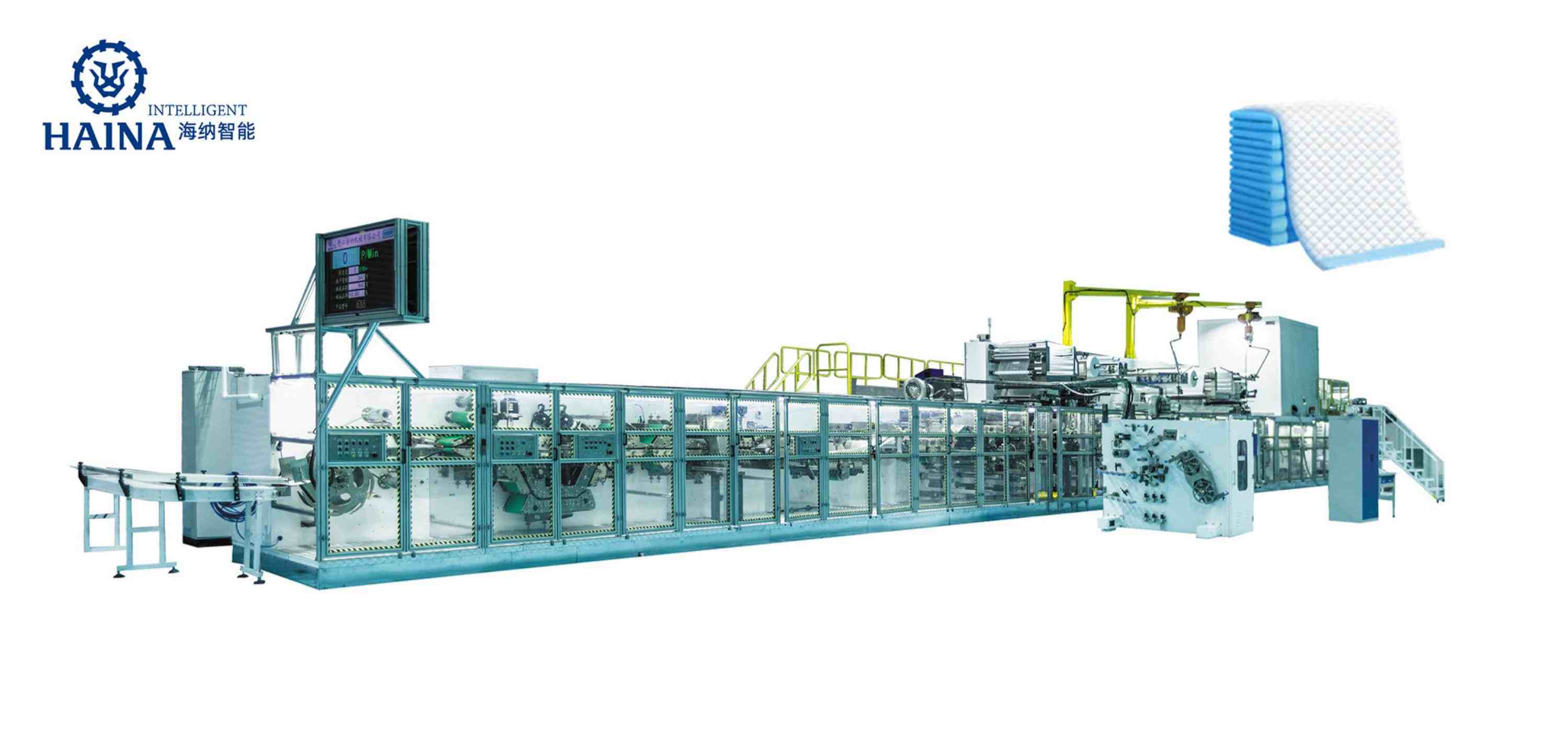
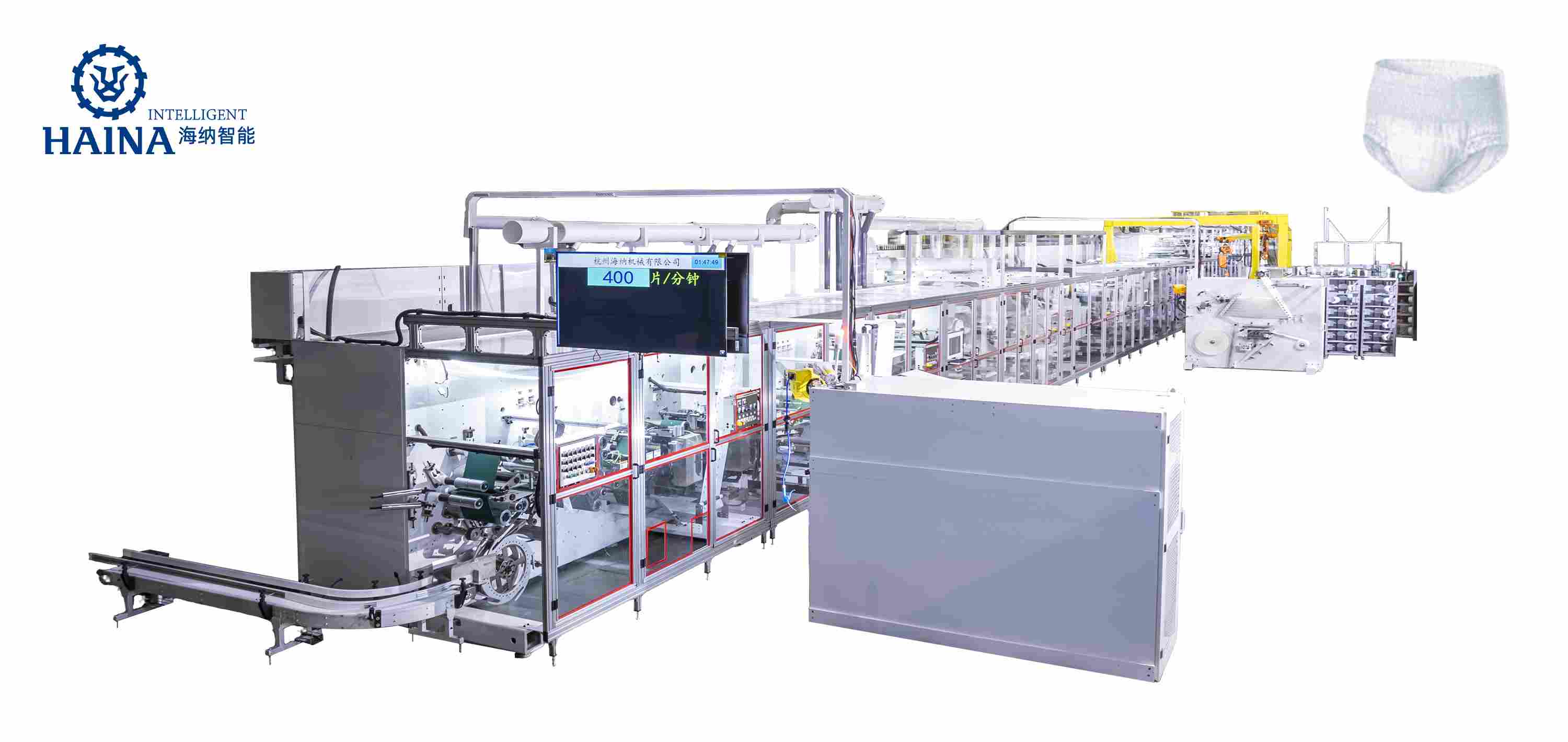
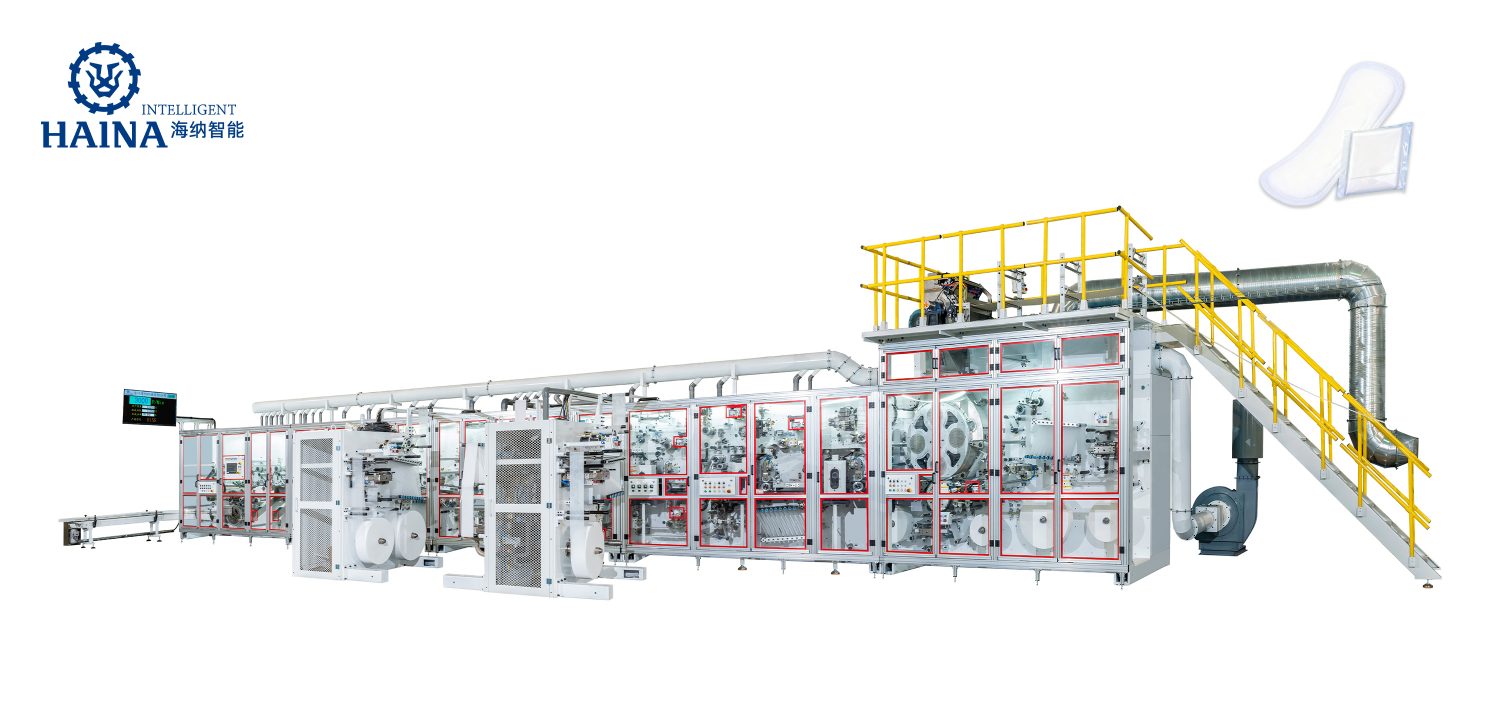
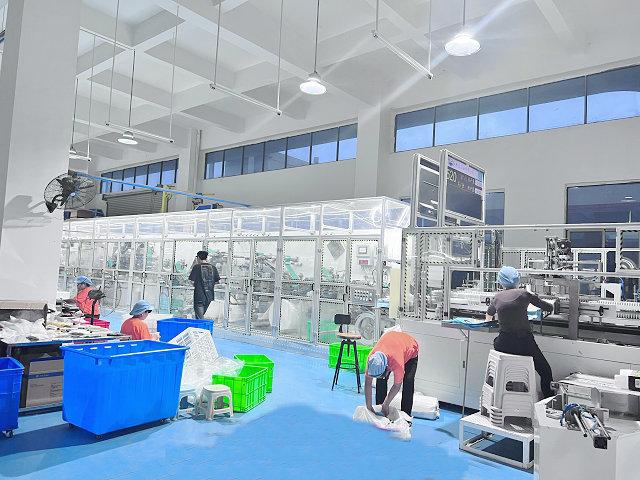
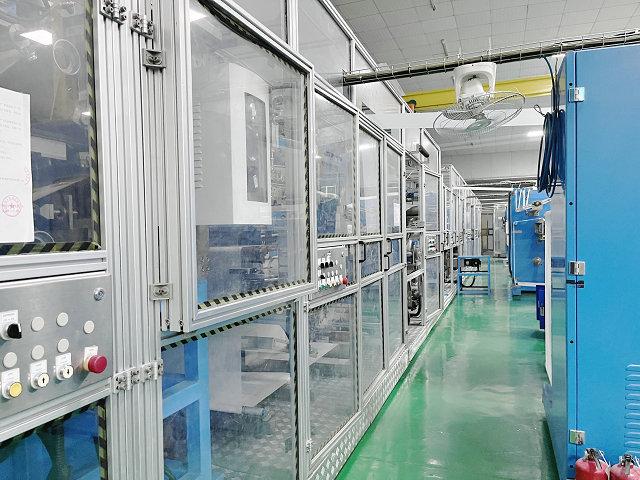
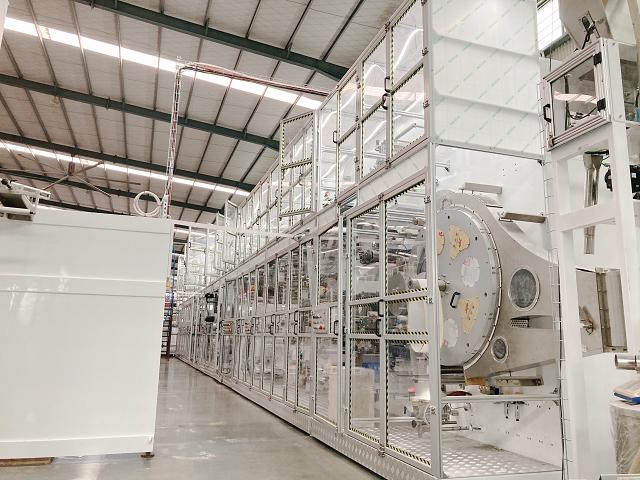
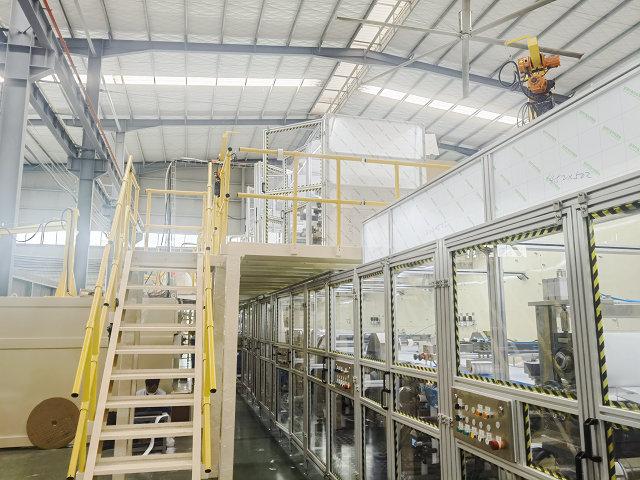
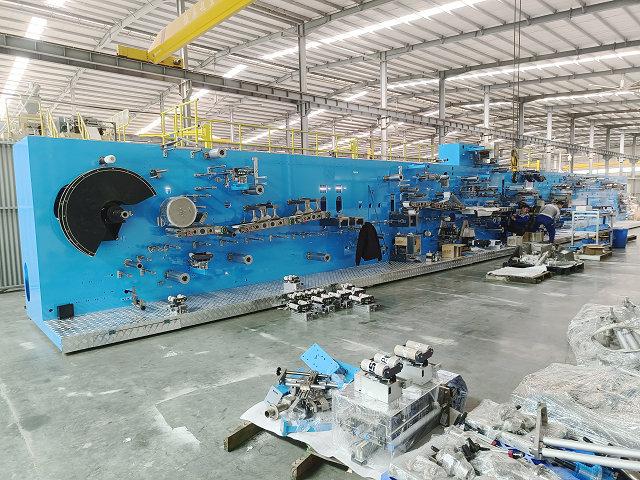
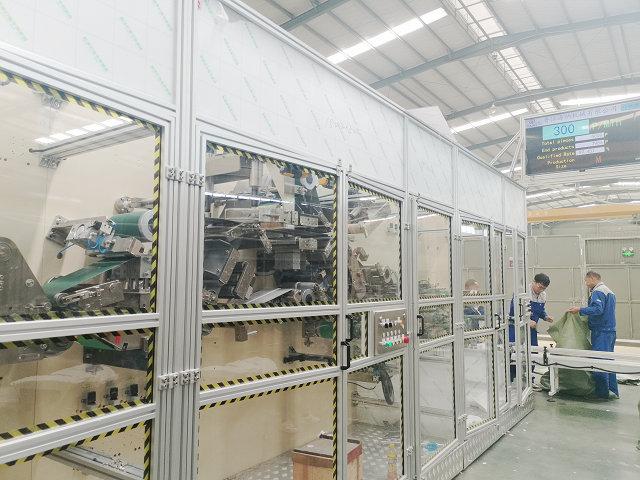
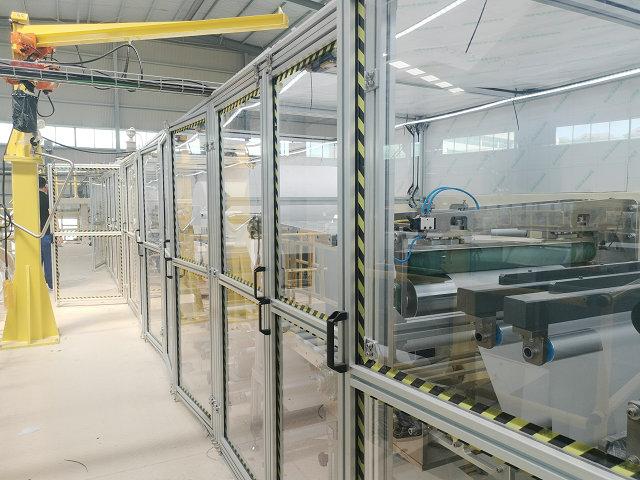
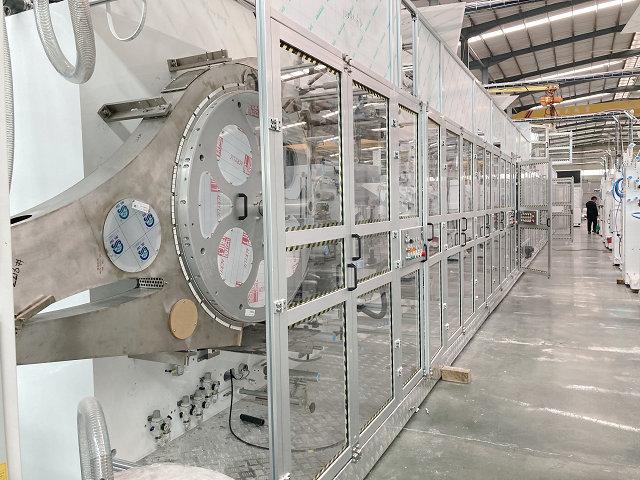
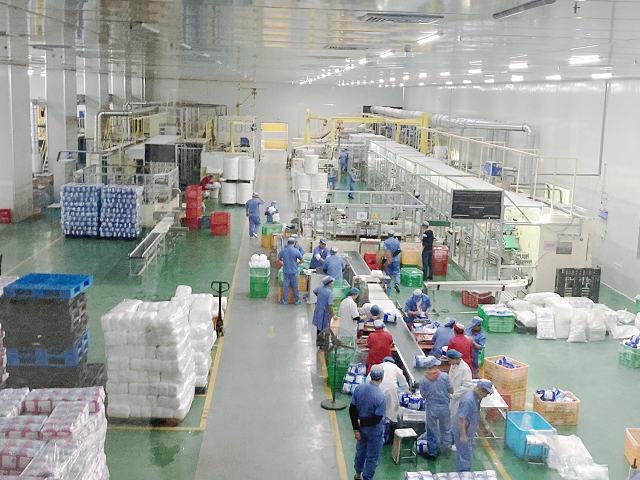
High Yield baby pampers making machine Manufacturer video
Haina Machinery Video CenterPublished: 2023-05-27
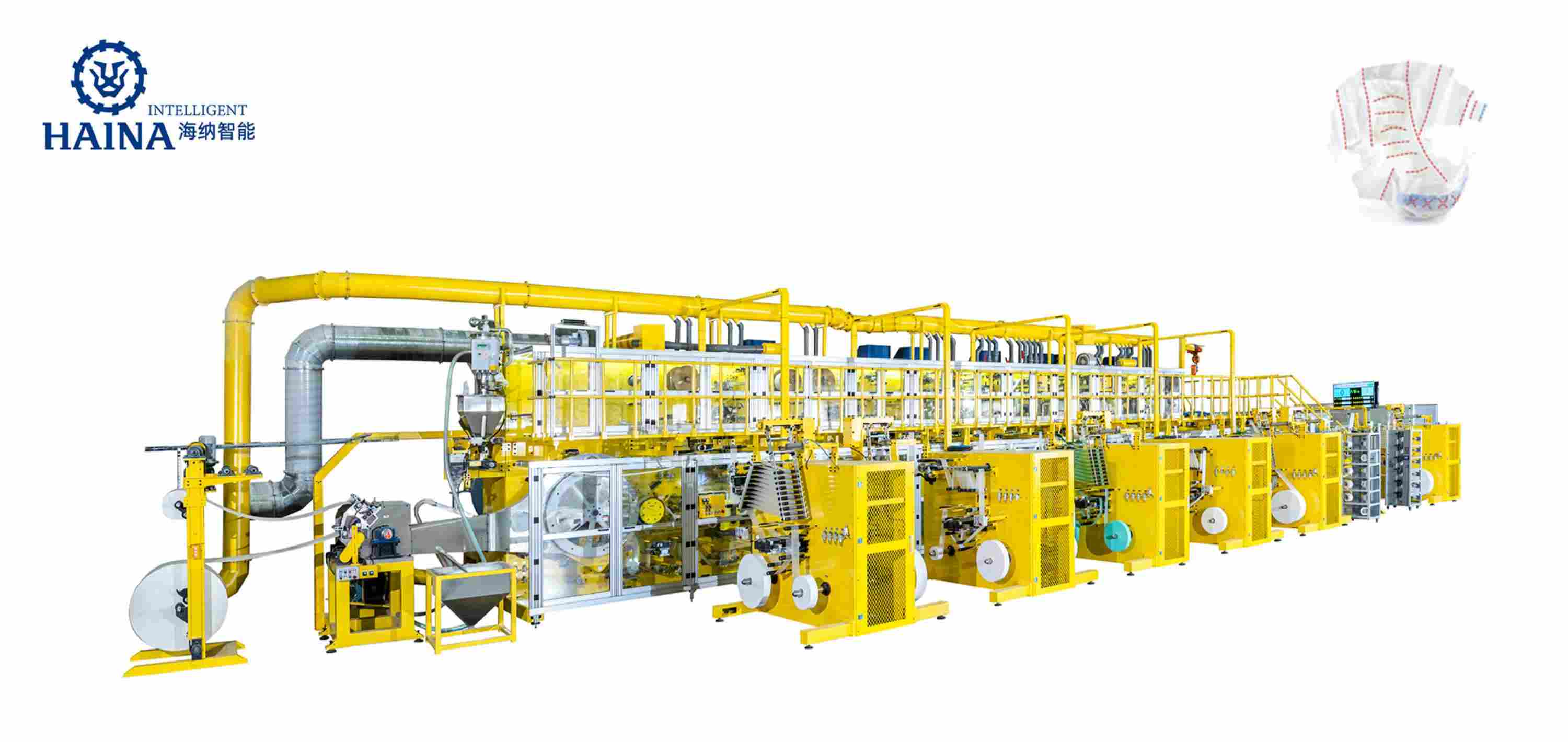
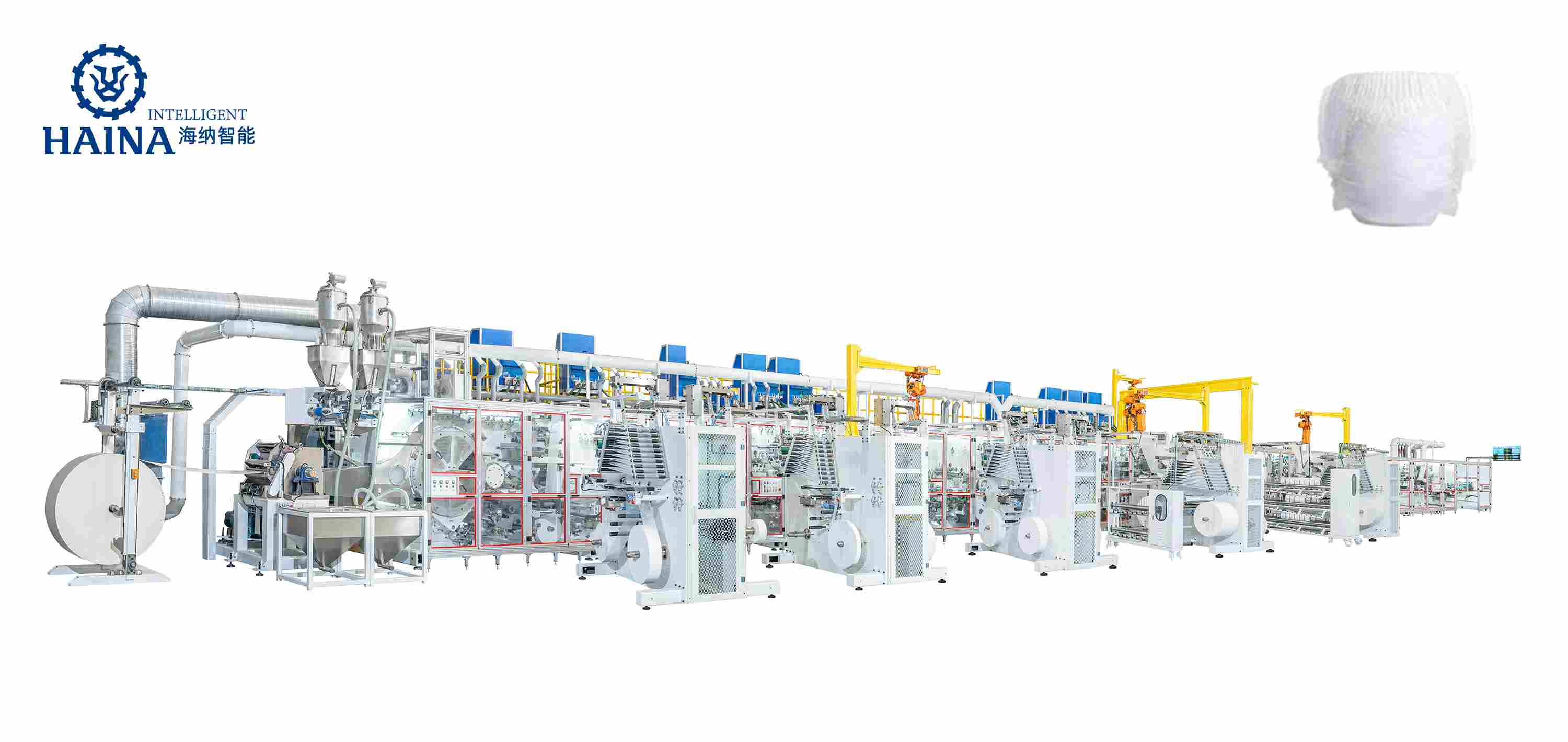
On the guide titled High Yield baby pampers making machine Manufacturer video, watch the taped baby diaper route through two specific lenses: quality inspection close to the source and roll entry and splice recovery. The commercial lens is usable output. HAINA uses the guide to connect filmed movement with documents, material trials and measurable factory acceptance work.
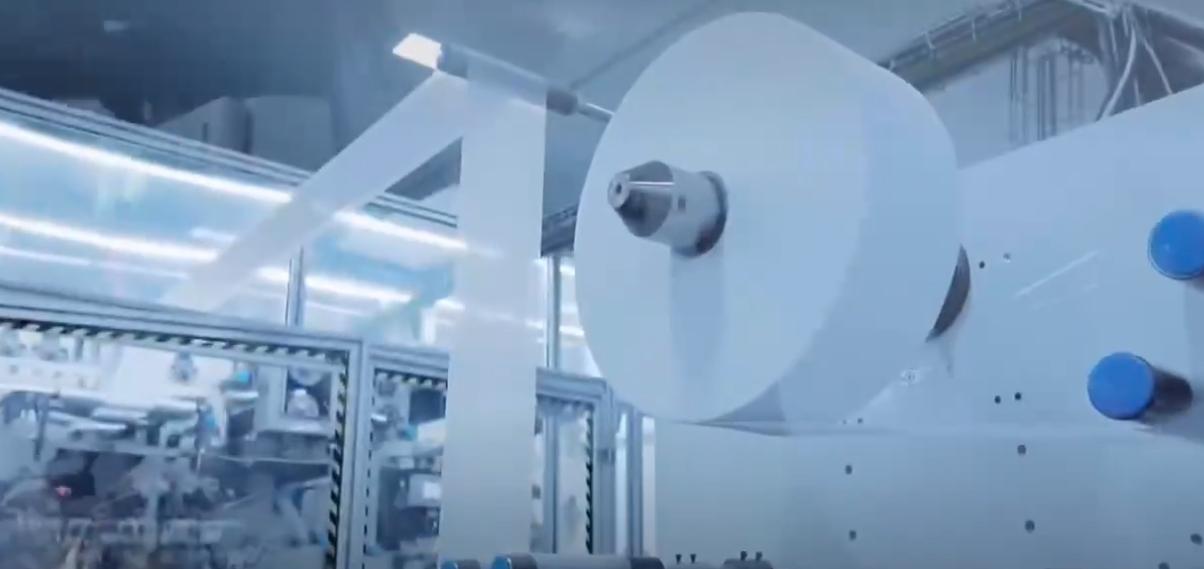
Start at the unwind and follow one product pitch forward when studying the baby pampers making system video; keep open queries beside the relevant installation document.
Start at the unwind and follow one product pitch forward for baby pampers making machine
The displayed HMI value should be tied to the recipe, material lot and retained sample. For this guide, follow the path from core formation and wrap to cutting, folding and discharge. The maintenance lead should concentrate on access, wear parts, cleaning and recovery after intervention while another reviewer notes every edit, intervention or hidden transfer.
Core formation and wrapFor baby pampers making system, compare the handoff toward chassis lamination and link the observation to fold condition.
Chassis laminationFor baby pampers making system, note the handoff toward elastic and cuff placement and link the observation to core position.
Elastic and cuff placementFor baby pampers making system, follow the handoff toward tape or ear registration and link the observation to fastening registration.
Tape or ear registrationFor baby pampers making system, check the handoff toward cutting, folding and discharge and link the observation to leg-cuff symmetry.
Cutting, folding and dischargeFor baby pampers making system, observe the handoff toward core formation and wrap and link the observation to finished dimensions.
Primary evidence at quality inspection close to the source
A useful inspection point sits near the station that creates the defect. This shortens diagnosis and limits the quantity made before correction. Applied to baby pampers making system, this means comparing the filmed condition with core position and leg-cuff symmetry on samples from the same operating period.
The team should observe measurement of the critical feature, then retain the corresponding baby pampers making system sample used to assess fastening registration.
For baby pampers making system, verify inspection location before judging leg-cuff symmetry at the next sampling point.
Around sample frequency, document the system condition and the later finished dimensions outcome instead of relying on appearance.
Use response to an out-of-limit outcome as the observation; use fold condition as the measured outcome for this baby pampers making system review.
Evidence gap: The earlier text for baby pampers making system did not provide a usable measured value. Ask for a timed run that identifies the SKU, approved material lots, conforming output, stops and rejects instead of inferring performance from screen speed.
Usable output for this project
Usable throughput is conforming packed product for a named SKU over a stated period, after stops, splices and rejects are reconciled. In the case of baby pampers making system, request a timed run that reports conforming products, stops, splices, waste, rejects and downstream waiting. Keep the answer separate from the video so an optional module or untested value is not mistaken for conforming scope.
Review layer
Guide-specific check
Film observation
Follow cutting, folding and discharge and mark the transition into core formation and wrap for baby pampers making system.
First measurement
At quality inspection close to the source, check sample frequency against fold condition.
Independent review
Have the maintenance lead examine roll entry and splice recovery for access, wear parts, cleaning and recovery after intervention.
Document request
Request a timed run that reports conforming products, stops, splices, waste, rejects and downstream waiting and the safety layout, interlock list and commissioning checks for the destination plant for the baby pampers making system installation file.
Acceptance note
For baby pampers making system, retain samples showing fastening registration near quality inspection close to the source and reconcile them with stops, splices and conforming downstream output.
Second pass at roll entry and splice recovery
Roll entry reveals whether material preparation and splice handling are treated as part of normal production rather than as an interruption outside the test. This second lens is deliberately different from quality inspection close to the source: for baby pampers making system, it should produce a splice log connected to retained samples and reject counts, with the outcome reviewed by the maintenance lead.
The team should review roll orientation and core size, then retain the corresponding baby pampers making system sample used to assess finished dimensions.
For baby pampers making system, trace reference edge and guide position before judging fold condition at the next sampling point.
Around buffer storage used during a splice, confirm the system condition and the later core position outcome instead of relying on appearance.
Use product condition immediately after the joint as the observation; use fastening registration as the measured outcome for this baby pampers making system review.
For baby pampers making system, the maintenance lead should use guarding and operator access as a third cross-check after reviewing quality inspection close to the source. Filming may occur with conditions that differ from routine production. Safety devices, access doors and reset rules must be confirmed independently. Add the safety layout, interlock list and commissioning checks for the destination plant only when that responsibility is included in the intended line.
Questions raised by the baby pampers making machine recording
What does the baby pampers making machine footage show well?
It helps locate core formation and wrap, quality inspection close to the source and cutting, folding and discharge. For this baby pampers making system review, it does not by itself establish core position over time or confirm the roll entry and splice recovery responsibility outside the camera view.
Which follow-up matters most for baby pampers making machine?
Ask for a control plan linking every critical feature to method, owner and response. Match that note to the same materials and SKU displayed during the baby pampers making system review so that the observation and outcome describe one run.
How should a buyer use this taped baby diaper video?
Use it to prepare queries for roll entry and splice recovery, usable output and finished dimensions. Close those queries through drawings, retained samples and signed acceptance outcomes.
Close the review with traceable evidence
File this footage with the product sample, material list, process drawing, line layout, utility schedule and FAT method for baby pampers making system. Number each open item under quality inspection close to the source, roll entry and splice recovery or usable output; assign an owner and the verification needed to close it.
Before the equipment scope is signed, HAINA can compare the filmed arrangement with the intended module list for baby pampers making system. Final acceptance should use approved materials, agreed measurement methods and retained outcomes from the named test run, including any finding connected to guarding and operator access.