

Can one servo recipe cover all five sizes?
No single recipe is proven by the source. NB through XL are listed, but every contracted size needs its own tooling, settings and measured acceptance sample.


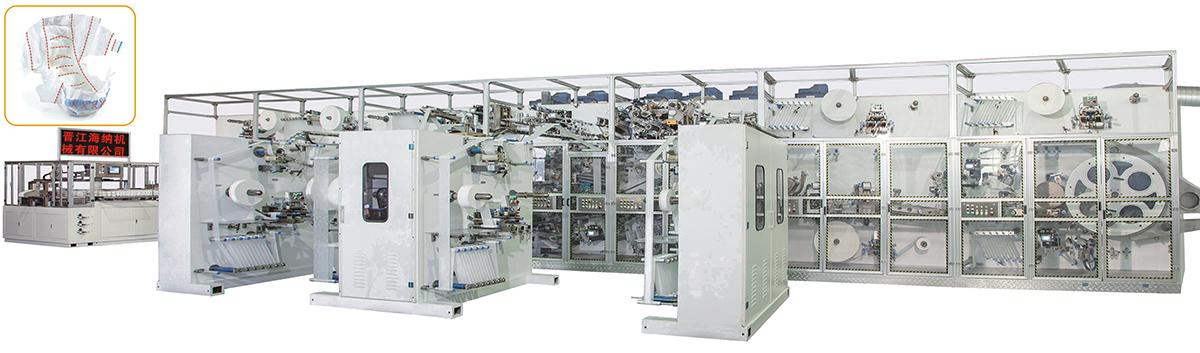
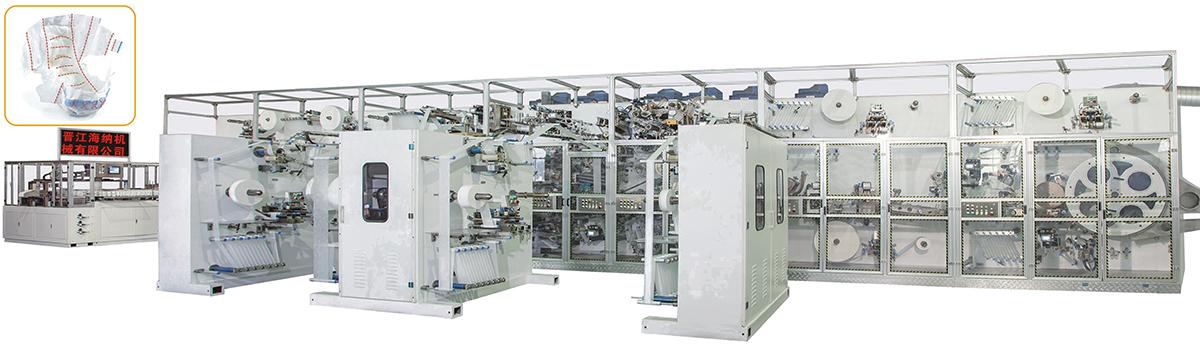
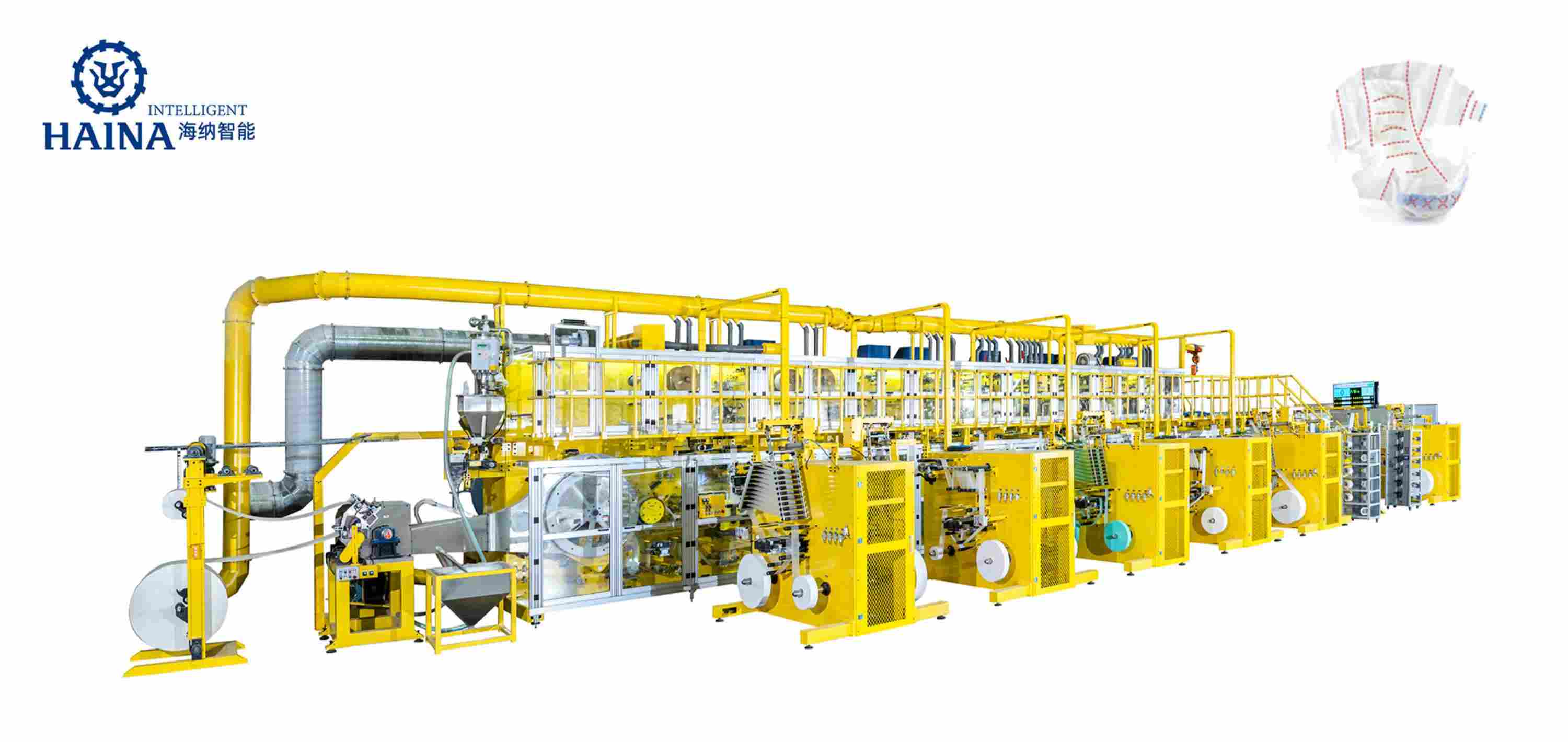
TK600 joins multiple material webs into a T-shape taped baby diaper. The practical question is not how many servos are named; it is which product reference each control loop protects and what evidence shows that the loop recovered after a disturbance.
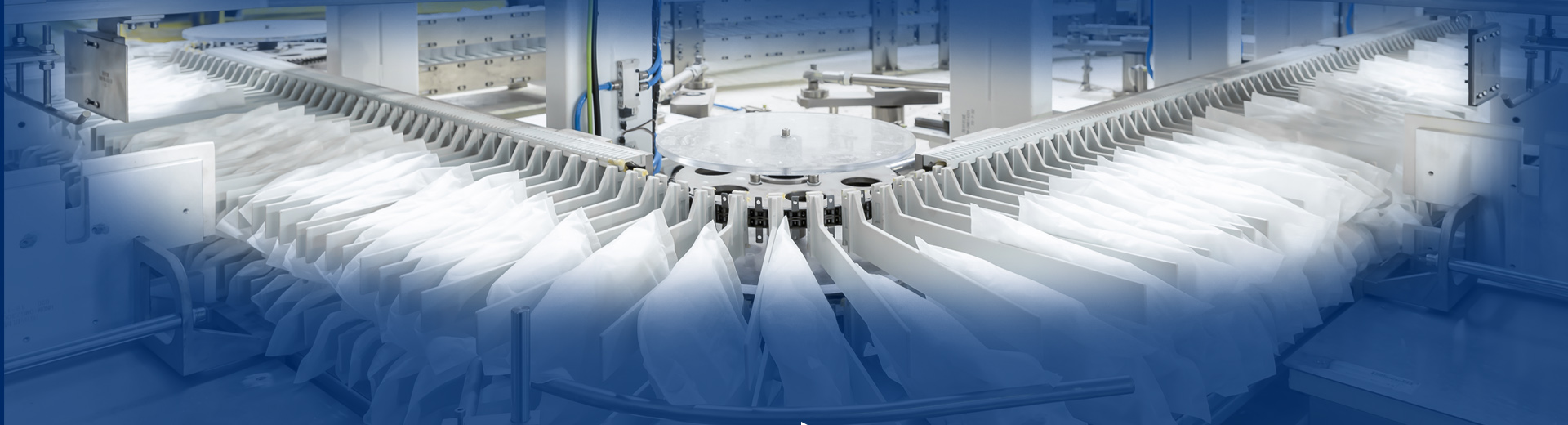
Guiding and buffered tension establish a repeatable web edge before assembly.
Digital size change and synchronized drives coordinate the converting process.
Core, ears, frontal tape, cuffs and waistband must follow the selected recipe.
The saved stacker scope is dual-push, dual-exit with 16-40 pieces per pack adjustable.
The legacy page lists NB, S, M, L and XL, with product width from 260 mm to 350 mm and length from 380 mm to 580 mm. Those ranges should not become one generic recipe. For each contracted size, the project file should identify tooling, cut length, core position, ear position, elastic setting, frontal-tape reference, fold and pack count. Operator permissions and change history matter because an unnoticed edit can change product dimensions while the line continues to run.
Germany BST and USA FIFE are named as web-guiding references in the old material. The purchase schedule should still identify the selected brand and exact locations, since a brand name alone does not define how many webs are controlled.
The saved product structure includes upper and lower tissue, a cotton core mixed with SAP, ADL, backsheet, frontal tape, hydrophilic topsheet, hydrophobic leg cuff, spunbond small ear, elastic big ear and waistband. A useful synchronization test marks one physical datum on each critical component. The team then changes speed, stops, restarts and checks whether those datums return to their tolerances without manual correction being hidden from the record.
Recorded safety provisions include an operating-side guard, emergency stop, safety identification and a drive-side pull wire. Each device should be tested against the stop category documented for the project. Downstream, the dual-push dual-exit stacker and its 16-40-piece adjustable range require handshake signals for ready, stop, reject and recovery. Packaging beyond that boundary should be named rather than assumed.
| Control question | Test action | Evidence to retain |
|---|---|---|
| Does a size recipe restore product references? | Load each approved size and measure the first stable sample set. | Recipe version, tooling list and dimensional report |
| Does zero-speed splice support stable tracking? | Perform a planned splice on the agreed roll station. | Buffer trend, guide response and post-splice samples |
| Can the line hold the recorded 550 pcs/min? | Run the named medium-size product with approved materials. | Timed log, good count, rejects and stop reasons |
| Does the stacker recover from a downstream stop? | Trigger the agreed interface condition. | Signal trace, count reconciliation and restart sample |
The 600 pcs/min value is recorded as design speed, while 550 pcs/min is the stable working value for medium size. Efficiency of at least 85 percent and rejection of no more than 3 percent need written calculation methods before the run begins.
No single recipe is proven by the source. NB through XL are listed, but every contracted size needs its own tooling, settings and measured acceptance sample.
Use marked product datums and measurements through speed changes, stops and restarts. A screen showing normal status is not enough by itself.
The source defines an automatic stacker according to customer need. Any bagger or secondary packaging scope must be confirmed separately.
A TK600 quotation becomes technically useful when the control list is tied to product datums, size recipes and interface evidence. HAINA can then conduct FAT against a fixed T-shape diaper specification rather than a generic full-servo label.
|
Dimensions(L×W×H8) |
28mx4.2mx3.5m |
|
Design Speed: |
600pcs per minute |
|
Stable Working Speed: |
550pcs per minute |
|
Rejection Rate: |
≤3.0% |
|
Efficiency: |
≥85% |
|
Power Source: |
380V,50HZ |
|
Machine Capacity: |
225KW |
|
Air Pressure: |
0.6-0.8Mpa |
|
Machine Weight: |
55 Tons |
The importance of Baby Diaper Production Line maintenance
1. There are many maintenance methods for Baby Diaper Production Line, the most common is condition maintenance. Condition maintenance refers to the use of science and technology to monitor and detect mechanical equipment, so as to infer the health status of mechanical equipment. If equipment failure occurs, condition maintenance can detect and warn in time, so that failure information can be predicted in advance, and maintenance measures can be taken before the failure occurs.
2. Strengthening the timely maintenance of Baby Diaper Equipment can reduce equipment loss, prolong the service life of the equipment, save the funds for buying new equipment, and indirectly improve the economic benefits of the enterprise.
| No. | Raw materials |
| 1 | Hydrophilic NW (Topsheet) |
| 2 | Hydrophobic NW (Legcuff) |
| 3 | Elastic for Legcuff |
| 4 | ADL |
| 5 | Fluff pulp |
| 6 | SAP |
| 7 | Upper tissue/NW |
| 8 | Lower tissue/NW |
| 9 | Pe film |
| 10 | NW for laminating |
| 11 | Frontal tape |
| 12 | Elastic NW for big ear |
| 13 | NW for small ear |
| 14 | Magic side tape |
| 15 | Construction glue |
| 16 | Elastic glue |
| 17 | Wetness indicator glue |

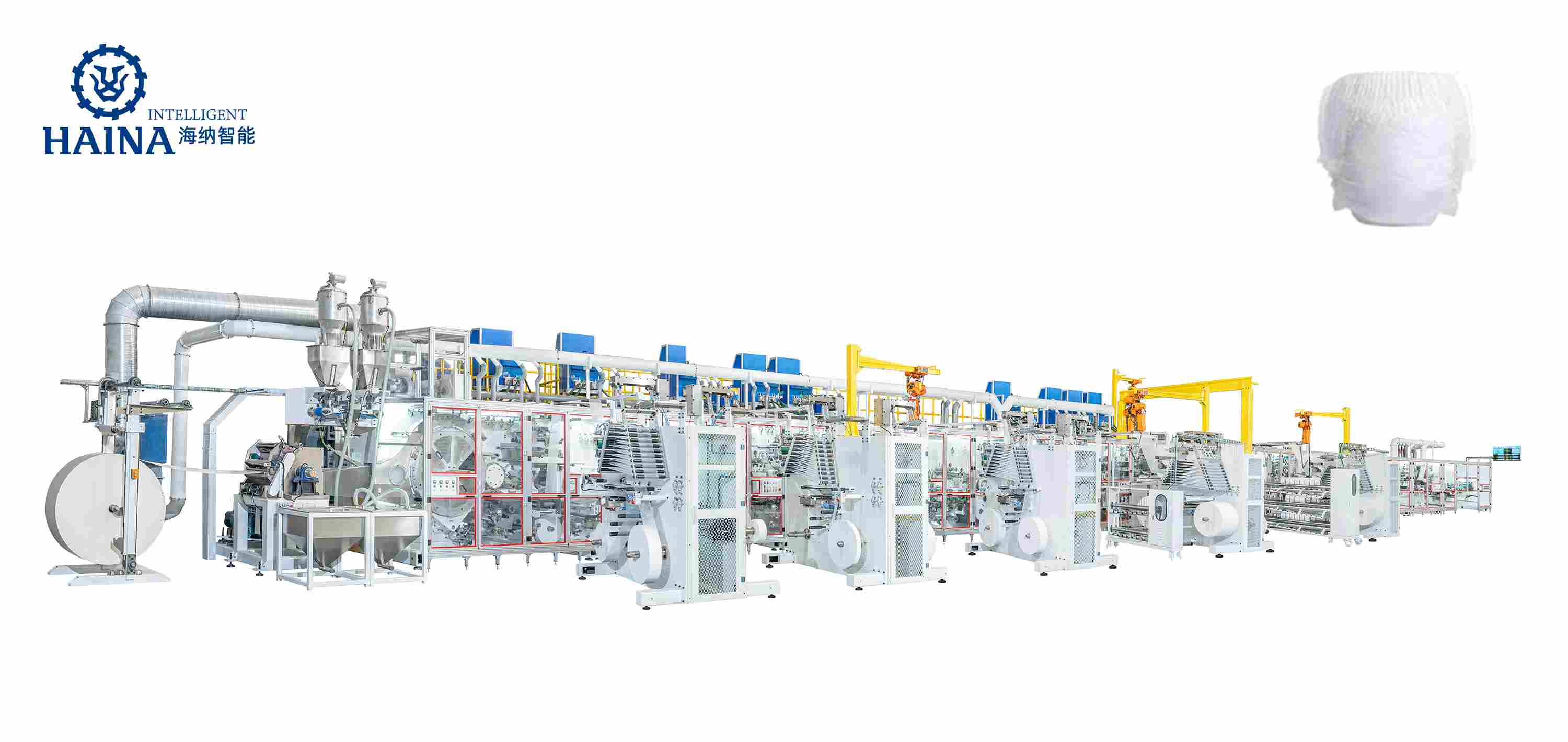
Understand LKQ1000 full-servo Q-shape baby pant controls, web handling, ultrasonic waist sealing, safety, utilities and acceptance checks....
Trace the TK900 full-servo T-shape diaper line from material unwinds and PLC-controlled forming to folding, alarms and auto-bagger scope....
This isMenstrual Pad Machine, also can produce adult pant machine from this machine. The structure is pulp type and ultra thin type, with dual legcuff, can...
Pampers Nappies Manufacturers South Africa. This machine design speed is 700pcs/minm,stable working speed is 600pcs/min. This machine is lastest technolo...


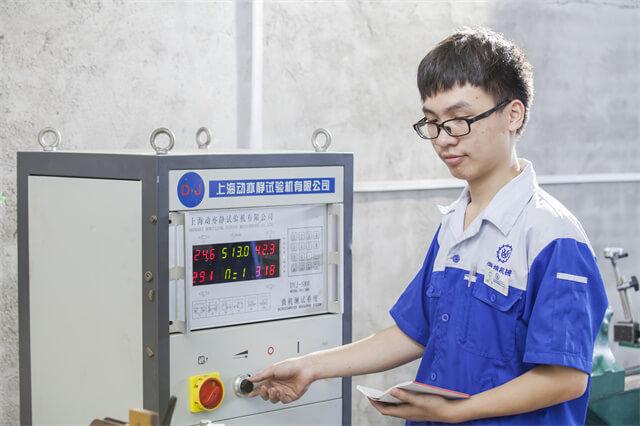
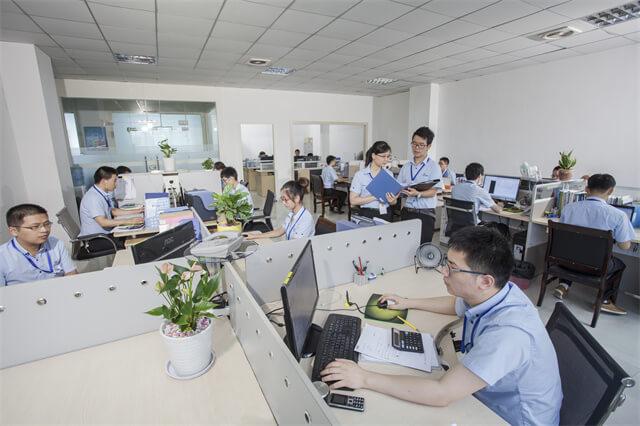
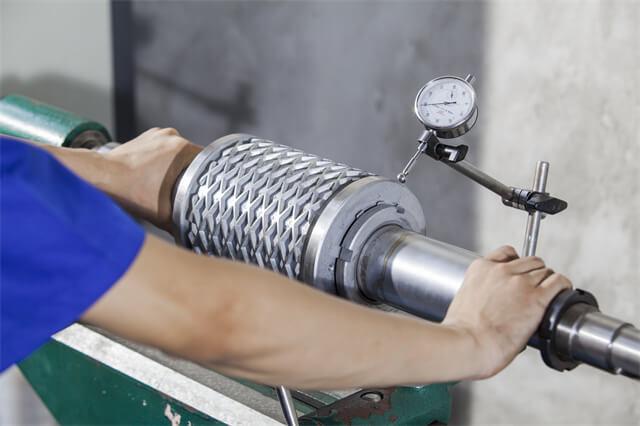




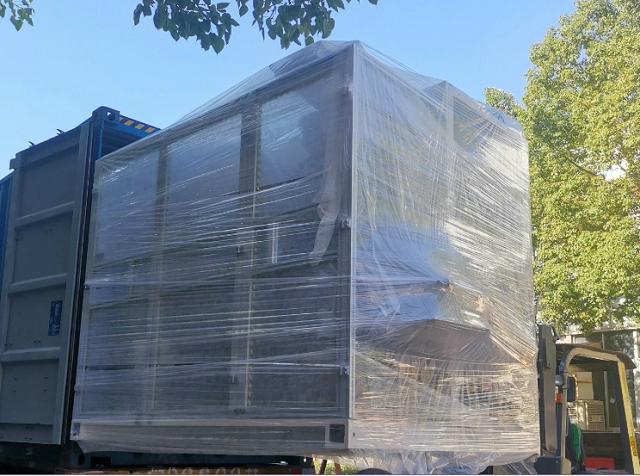
The reliability of the Baby Diaper Machine has given us peace of mind. We can fulfill orders on time without worrying about breakdowns or delays.Henry 2024-05-30
We've seen a significant improvement in production output and product quality since we started using the Baby Diaper Machine. Our customers love the result!Liam 2024-05-30
The Baby Diaper Machine is easy to operate and requires minimal maintenance, saving us time and resources. It's definitely worth the investment.Ethen 2024-05-30
The Baby Diaper machine's flexibility allows us to customize diaper designs according to market trends, giving us a competitive edge. Our customers appreciate the variety.Carter 2024-05-30