

Can 54,000 pieces per hour be used in a sales plan?
It is only the arithmetic result of 900 ppm for 60 uninterrupted minutes. Apply measured efficiency, quality loss, changeovers and packaging availability before using it as a forecast.


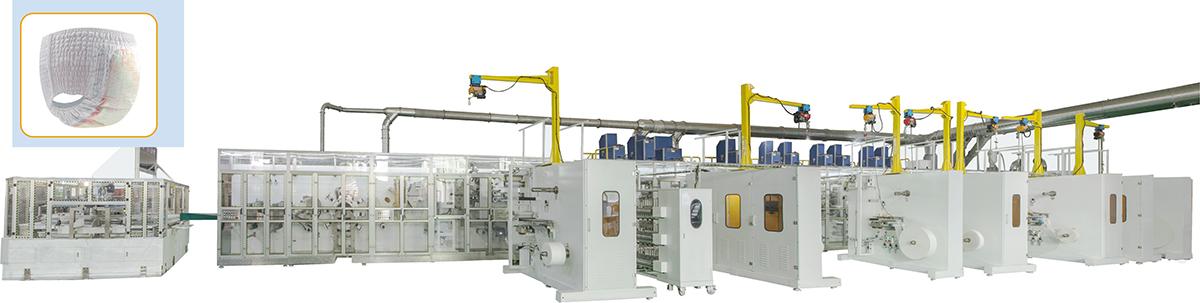
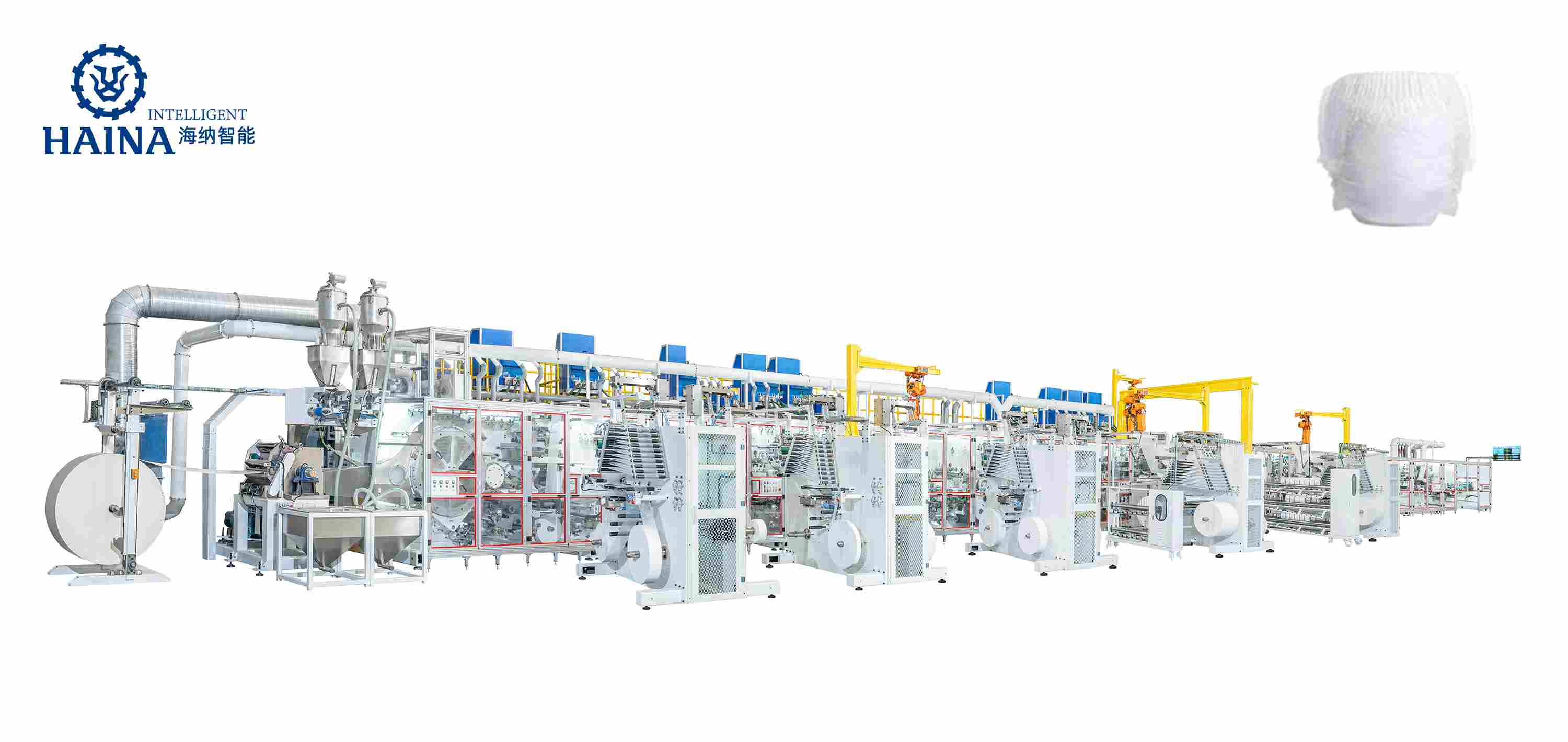
LK1000 is recorded with a 1,000-piece-per-minute design speed and a 900-piece-per-minute stable working speed. Those numbers are useful for planning only after the product size, material set, run duration, efficiency definition, reject rule and packing limit are placed beside them.
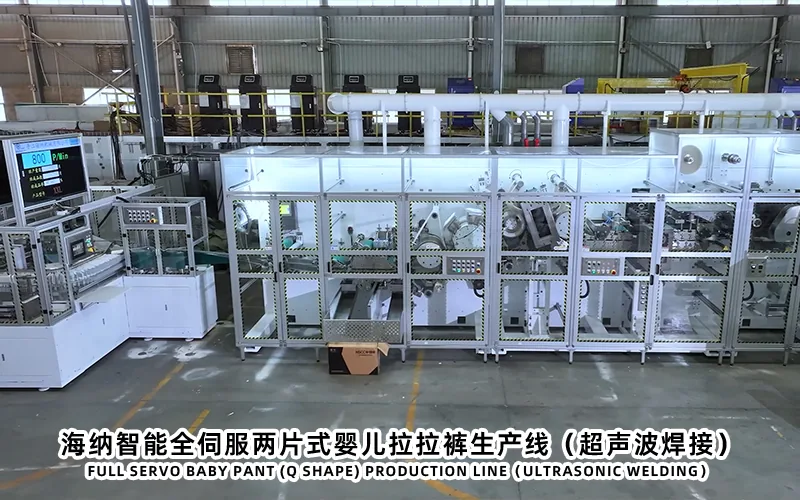
Design speed is the mechanical reference in the legacy table. Stable working speed is the stated production reference. Efficiency of at least 85 percent and rejection of no more than 3 percent are separate entries; the source does not say whether efficiency already excludes quality rejects or which stops are omitted. A forecast that multiplies all four numbers without definitions may look precise while answering the wrong question.
This is the gross count if the line holds the recorded stable speed for a full uninterrupted hour.
This illustration applies the recorded efficiency reference after the speed calculation. It is not saleable output until the FAT definition and reject treatment are agreed.
Shift, day and month forecasts should be built from scheduled minutes, planned changeovers, material splices, cleaning, maintenance and downstream availability. Use the site's figures as inputs to a transparent model, then replace assumptions with measured factory and commissioning data.
| Variable | Recorded or required basis | Why it changes output |
|---|---|---|
| Product sizes | M, L, XL and XXL; customized | Tooling, web usage, elastic application and pack count may differ |
| Stable speed | 900 pieces per minute | Must be tied to a named size and material set |
| Efficiency | At least 85 percent | Requires a denominator and an agreed list of excluded stops |
| Rejection | No more than 3 percent | Needs a quality boundary and counting location |
| Stacker | Dual push, dual exit; 16-36 pieces per pack adjustable | Pack pattern and discharge recovery can constrain the converting line |
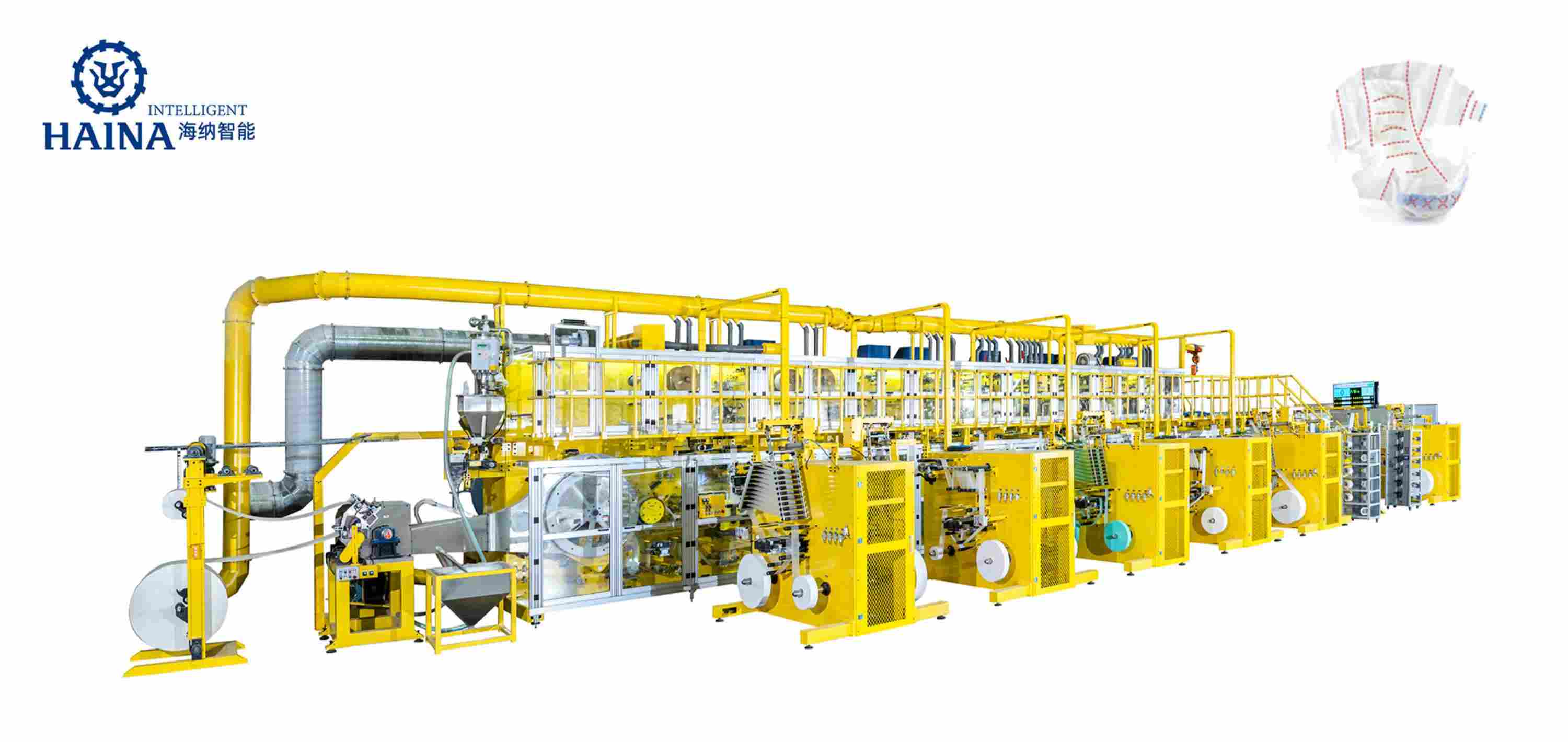
The product structure lists upper and lower tissue or airlaid, a cotton core mixed with SAP, hydrophilic topsheet, ADL, hydrophobic leak cuff, backsheet, waist nonwoven, printed cartoon tissue, waist elastic and easy tape. At the recorded stable rate, each feed, guide, cut, bond, fold and count function must recover from roll changes without allowing an upstream buffer or downstream stacker to become the hidden constraint. The source records buffered tension control, automatic web guiding and a zero-speed splice statement; FAT should identify which unwinds actually have that capability.
The installed-capacity range is not an energy-consumption value. Electrical distribution, measured load, compressed-air flow, room conditions and service access should be confirmed from the final configuration and layout.
Before: record size, recipe, material lots, tooling, pack count and utility condition.
During: record elapsed time, speed trace, good count, rejected count, every stop reason and splice recovery.
After: reconcile stacker output, retained samples, measured product criteria and unresolved alarms.
Decision: report stable output separately from peak speed, efficiency and quality loss.
It is only the arithmetic result of 900 ppm for 60 uninterrupted minutes. Apply measured efficiency, quality loss, changeovers and packaging availability before using it as a forecast.
No. It is recorded as machine capacity. Actual consumption requires measurement for the final equipment and operating condition.
The source lists M, L, XL and XXL. The contract should state which sizes are tested, for how long, with which materials and pack counts.
The value of LK1000 is not established by a single headline rate. HAINA and the buyer need a shared capacity model whose inputs can be traced to the product drawing, material lots, stacker setting and timed-run evidence.
|
Dimensions(L×W×H8) |
34m*2.2m*3.8m |
|
Design Speed: |
1000 pcs per minute |
|
Stable Working Speed: |
900 pcs per minute |
|
Rejection Rate: |
≤3% |
|
Efficiency: |
≥85% |
|
Power Source: |
380V,50HZ |
|
Machine Capacity: |
350-550KW |
|
Air Pressure: |
0.6-0.8Mpa |
|
Machine Weight: |
90 tons |
Baby Pull-ups Diaper Manufacturing Machine
| No. | Raw materials |
| 1 | Hydrophilic NW (Topsheet) |
| 2 | Hydrophobic NW (Legcuff) |
| 3 | Elastic for Legcuff |
| 4 | ADL |
| 5 | Fluff pulp |
| 6 | SAP |
| 7 | Upper tissue/NW |
| 8 | Lower tissue/NW |
| 9 | Pe film |
| 10 | NW for laminating |
| 11 | Frontal tape |
| 12 | NW for S cut |
| 13 | Hook for S cut |
| 14 | Glue for S cut |
| 15 | NW for big waistband |
| 16 | Elastic for big waistband |
| 17 | Construction glue |
| 18 | Elastic glue |
| 19 | Wetness indicator glue |

Understand LKQ1000 full-servo Q-shape baby pant controls, web handling, ultrasonic waist sealing, safety, utilities and acceptance checks....
Trace the TK900 full-servo T-shape diaper line from material unwinds and PLC-controlled forming to folding, alarms and auto-bagger scope....
This isMenstrual Pad Machine, also can produce adult pant machine from this machine. The structure is pulp type and ultra thin type, with dual legcuff, can...
Pampers Nappies Manufacturers South Africa. This machine design speed is 700pcs/minm,stable working speed is 600pcs/min. This machine is lastest technolo...









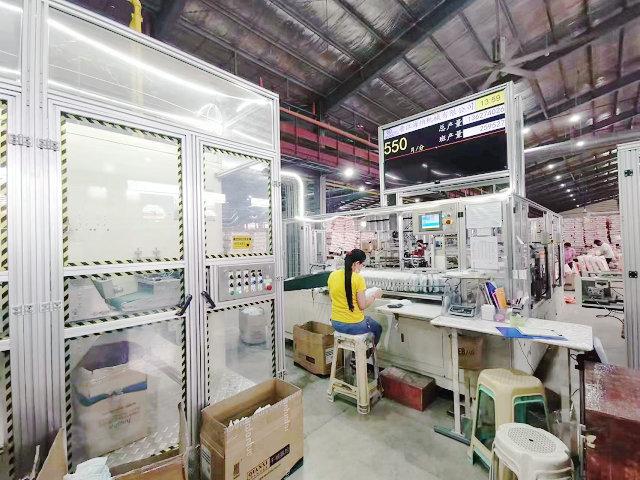
This Baby Diaper Machine has streamlined our manufacturing process and allowed us to deliver diapers that exceed our customers' expectations in terms of comfort and absorbencyMason 2024-05-30
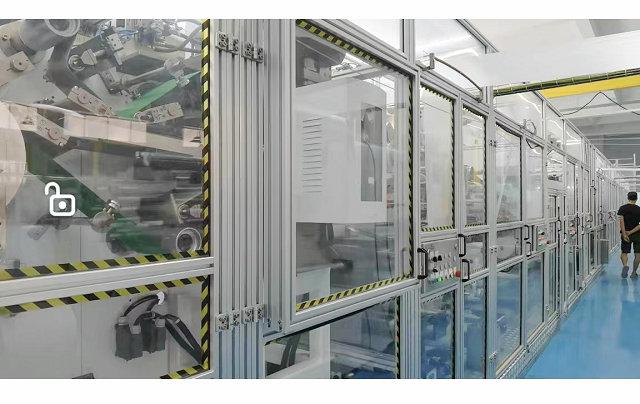
Our operational costs have decreased significantly, thanks to the efficiency of the Baby Diaper Machine. It's a cost-effective solution for any diaper manufacturer.Matthew 2024-05-30
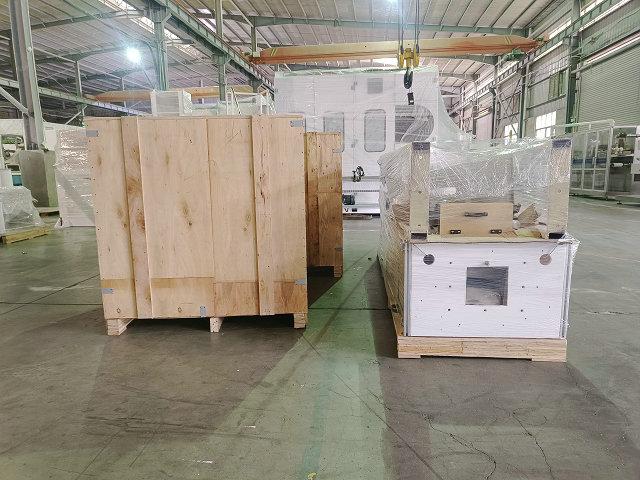
The Baby Diaper Machine efficient, reliable, and produces high-quality diapers consistentlyjone 2024-05-30
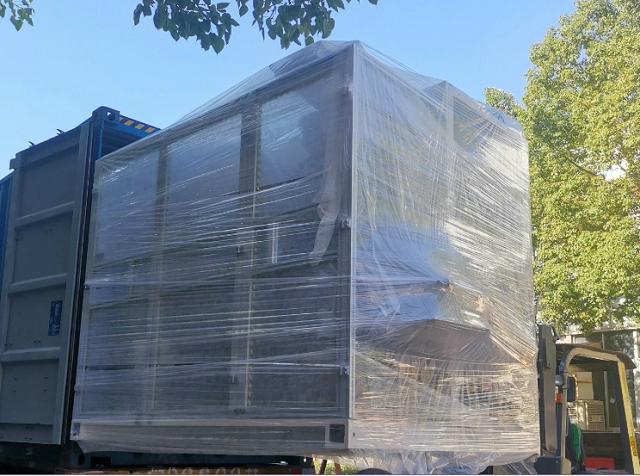
The reliability of the Baby Diaper Machine has given us peace of mind. We can fulfill orders on time without worrying about breakdowns or delays.Henry 2024-05-30