Adult & Baby Diaper Machine,Sanitary Napkins Production Line Blog
Rank baby diaper machine tender exceptions by award consequence and decision authority, then retain accepted departures in the final purchasing record.
Rank baby diaper machine tender exceptions by the decision they require before award, rather than by their contribution to a supplier's overall price score. First identify departures that prevent the buyer from establishing a workable offer. Then separate changes requiring a named technical or business authority from differences that can be resolved through a specific clarification. A low quoted price cannot close an unanswered requirement, and a detailed exception does not automatically make an offer unacceptable. The useful result is a disposition for each departure: reject it, request evidence, accept a precisely bounded alternative, or preserve an unresolved condition that prevents the intended award.
This review applies after bids have arrived and before the buyer commits to a supplier. Its subject is the treatment of departures from the issued tender, not a general comparison of equipment manufacturers. The examples describe a buyer's proposed review method; they do not establish mandatory procurement rules or promise a particular supplier's capability.
Consider a tender exception that appears administrative: the proposed inspection arrangement allows a visit only after the buyer has accepted an unfamiliar report format. Its consequence depends on which decisions that report supports. If the format merely changes where a photograph is placed, clarification may be enough. If it removes the connection between an observed run and the offered configuration, the exception can affect the buyer's ability to judge a technical requirement. The review should trace that dependency before assigning a priority. This illustrative case does not establish a universal scoring rule. It shows why the review team needs to name the affected decision, the information that would be lost, and the person authorized to accept the resulting uncertainty. A bidder may offer an alternative that restores the missing connection, but the team must assess that specific alternative. Marking the response complete because a document has arrived would leave the original consequence unresolved.
Recover the issued requirement basis
Start with the exact tender revision that the bidder received. Retrieve the product formats, material assumptions, equipment boundary, performance definitions, buyer responsibilities, and requested evidence belonging to that issue. A later internal wish list cannot fairly become the basis for calling an earlier offer a deviation. Conversely, an informal conversation should not silently replace an issued requirement without the buyer's controlled revision.
Identify the status of each requirement before ranking its exceptions. A mandatory condition, a preferred feature, and an explicitly optional feature lead to different decisions. If the tender never distinguished them, the appropriate buyer authority must establish how the ambiguity will be handled. Do not let a procurement analyst invent a mandatory condition merely because one supplier offers it.
Keep the requirement's purpose visible beside its wording. A requested inspection interface might serve a particular evidence need; a specified delivery sequence might reflect site readiness. Understanding that purpose helps the reviewer assess an alternative without assuming that any similarly named feature delivers the same outcome. Where the purpose is uncertain, record the question rather than assigning a convenient interpretation.
An exception review concerns the offered project scope, even when several proposals use the same equipment family name.
Make each departure a separate decision
Split a broad statement such as “standard configuration applies” into identifiable departures. The statement may affect tooling, inspection, documentation, or the acceptance method independently. One response against several unrelated requirements makes it difficult to see which issue has actually been resolved. Each entry should cite the original requirement and the supplier's proposed response without paraphrasing away its restrictions.
Describe the practical consequence in buyer terms. Does the proposal remove a required function, transfer work to the buyer, change the proof available at acceptance, or postpone a commitment? A statement that a feature is “different” provides little direction. A statement that the buyer would need a separately sourced interface identifies an actionable dependency and the person who must evaluate it.
Distinguish an explicit departure from silence. If a bidder has not answered a requirement, record an unanswered requirement rather than assuming either compliance or refusal. The clarification can then ask for an affirmative response and its scope. This avoids rewarding the least transparent bid while treating a supplier that openly lists limitations as uniquely problematic.
Identify baby diaper machine award gates
Establish the buyer's award gates before the final negotiation. A gate is a condition that must be resolved for the intended purchasing decision, not simply a heavily weighted score. For example, the buyer may be unable to proceed while the required product construction remains outside the proposed scope. The specific gate and its owner should come from the approved project decision process.
Do not assign universal severity to familiar topics. An omitted size may be essential to one launch and irrelevant to another. A missing document may prevent acceptance if it defines an untested function, whereas a presentation-format difference may be administrative. Assess the consequence against this project instead of relying on a generic red, amber, or green label.
For each gate, state what would close it. Closure could require an amended offer, an acceptable demonstrated alternative, a revised buyer requirement, or withdrawal from consideration. A promise to discuss the issue after order placement is not the same as closure before award. If the buyer deliberately postpones a decision, expose the remaining commitment risk to the approving authority.
Follow dependencies beyond the quoted module
A departure can affect parts of the project that are not mentioned in its original entry. An alternative arrangement might change the available installation space, the interface to downstream equipment, or the material condition used in testing. Ask the relevant reviewers to describe those connections before the commercial team decides that the difference is minor.
Separate confirmed effects from questions. If a proposed transfer arrangement has no agreed receiving interface, state that interface compatibility is unconfirmed. Do not turn the absence of a drawing into a claim that the arrangement will fail. Equally, do not mark it compatible because the bidder expects to settle the details during engineering.
A short dependency map can identify the affected requirement, receiving party, needed evidence, and open decision. Link related entries without merging them. One accepted mechanical alternative might still leave a separate acceptance-method question unresolved. The map should show what remains to be decided when the headline exception is closed.
Use consequence and authority together
The following matrix is an illustrative meeting tool. Its purpose is to decide who must act next and whether the intended award can proceed, not to calculate an artificial numerical total. Replace its categories with the buyer's approved decision rules where those already exist. Keep the consequence statement and supporting evidence alongside the category so that labels remain reviewable.
Departure pattern
Decision needed
Suggested reviewing function
Closure evidence
Required product boundary is excluded
Resolve the award gate or change the requirement formally
Product and project authority
Revised scope or approved change to the purchasing basis
Alternative method is offered with incomplete proof
Determine what evidence can establish the intended outcome
Engineering and quality
Defined alternative plus agreed verification record
Work is transferred to the buyer
Accept or reject the additional responsibility
Owner of the receiving work and procurement
Feasible responsibility assignment with documented boundary
Wording is inconsistent but the proposed scope is identifiable
Obtain a controlled clarification
Requirement owner
Bidder response tied to the affected offer revision
An exception can move between categories when new evidence arrives. Record the reason for that change; do not merely recolour the cell. A technical reviewer may confirm feasibility while the business owner still declines the transferred workload. Technical closure and acceptance of a commercial consequence are separate decisions, even when both concern the same departure.
Assess the consequence of a proposed alternative against the actual requirement it is intended to satisfy.
Control the clarification round
Send a focused question for each unresolved entry. Name the requirement, quote the departure, explain the decision gap, and request an identifiable response. Asking a bidder to “confirm everything” encourages a broad assurance that may not address the original limitation. A useful response states what is offered, what is excluded, and which earlier wording it replaces.
Keep clarification and negotiation visible as different activities. A clarification may explain an existing offer; a negotiated amendment may change it. Preserve both the original position and the revised position so reviewers can assess the actual proposal being considered. If a requirement changes, apply the buyer's established tender process rather than quietly giving one bidder a different basis.
Check related documents when a response appears to close an exception. The supplier may amend its compliance sheet while the equipment list still carries the exclusion. Identify the authoritative revision and ask for the conflict to be resolved. Review completion should depend on consistent scope, not on the presence of an agreeable sentence in the latest email.
Define the boundary of conditional acceptance
If the buyer accepts an alternative subject to a condition, specify that condition precisely. Identify the product, function, project stage, and evidence concerned. A vague instruction to “confirm later” leaves the team unable to distinguish a permitted engineering detail from an unresolved decision that should have prevented commitment.
Assign an owner who can obtain and review the required evidence. Confirm what purchasing or project actions are allowed while the condition remains open, using the buyer's authorized process. This article does not prescribe contract remedies. The practical aim is to prevent a conditional technical opinion from being read as unrestricted permission to proceed.
Consider what happens if the condition cannot be satisfied. The responsible decision group should understand the dependency before it accepts it. A proposed future demonstration that requires unavailable materials or an unconfirmed third-party interface may not provide a usable closure route. Record that limitation instead of giving the condition an optimistic deadline without an evidence plan.
Carry dispositions into the award record
The award recommendation should identify the exact offer and the disposition of each material exception. Preserve accepted departures, buyer obligations, rejected alternatives, and remaining authorized conditions as references to controlled documents. Do not let the final recommendation describe the selected bid as fully compliant if the decision actually relied on accepting specified deviations.
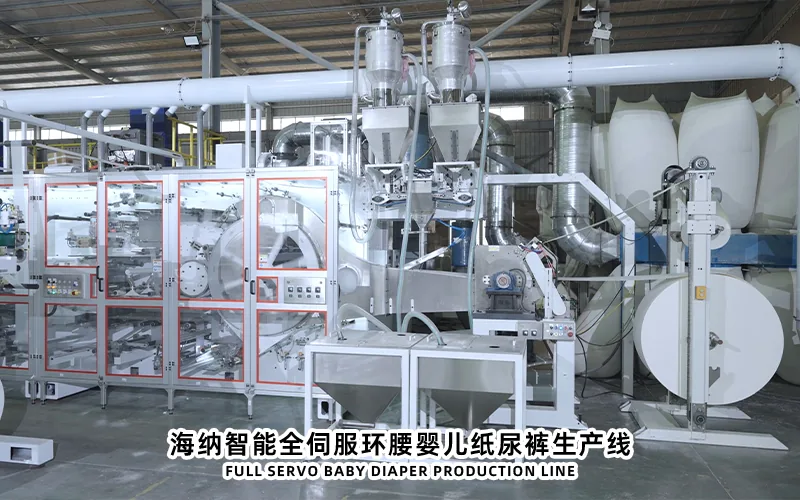
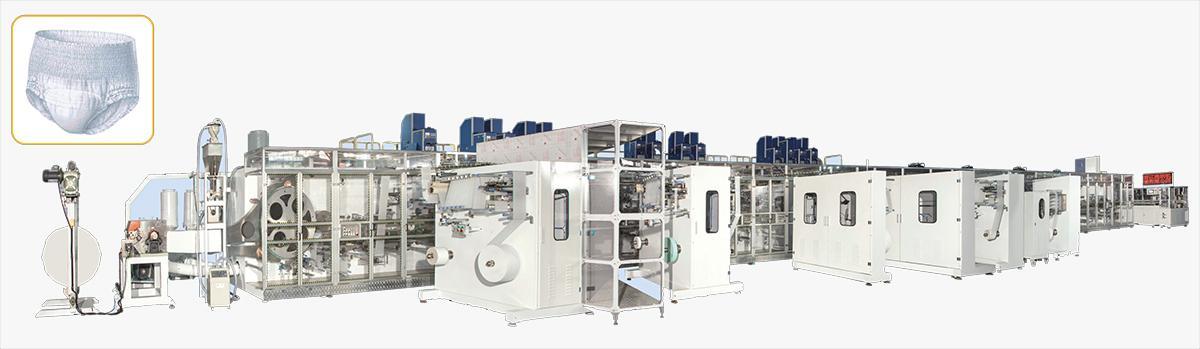
For a project involving the HAINA baby diaper machine product range, ask the project engineering contact to address exceptions against the buyer's issued requirement. The product page identifies the equipment family; it does not answer a particular tender departure or substitute for the amended project offer.
Use a brief final readback: which requirements changed, which alternatives were accepted, and who owns each resulting obligation? Reviewers should be able to answer from the award pack without reconstructing a negotiation thread. This is the point where exception ranking becomes an executable purchasing decision rather than a spreadsheet used only during supplier selection.
The award pack should retain the scope changes that the decision group actually accepted.
Tender exception questions
Should every deviation reduce a supplier's score?
A score cannot replace disposition. Some departures require evidence or an award gate decision; others are acceptable alternatives. First establish the consequence and authority, then apply any scoring method the buyer has approved.
Is a silent response equivalent to compliance?
It leaves the requirement unanswered. Request an explicit scope response and retain the resulting clarification. Treating silence as acceptance can conceal limitations that an openly qualified bid makes visible.
Can procurement accept an engineering exception alone?
The buyer's authority rules govern that choice. Where technical feasibility or product acceptance is affected, involve the function authorized to decide it. A commercial negotiator should not invent that technical approval.
What if a departure appears again after selection?
Refer it to the recorded award disposition and current project change process. Determine whether it is the accepted alternative, an unmet condition, or a new change before assigning its treatment.
Conclusion
A baby diaper machine tender review becomes clearer when exceptions are ranked by the decisions they obstruct. Recover the issued basis, isolate each departure, identify dependencies, and require evidence appropriate to its consequence. Before award, select one accepted deviation and trace it from the original requirement through its authorized disposition into the final offer. If that route is incomplete, repair the award record before relying on its scope.