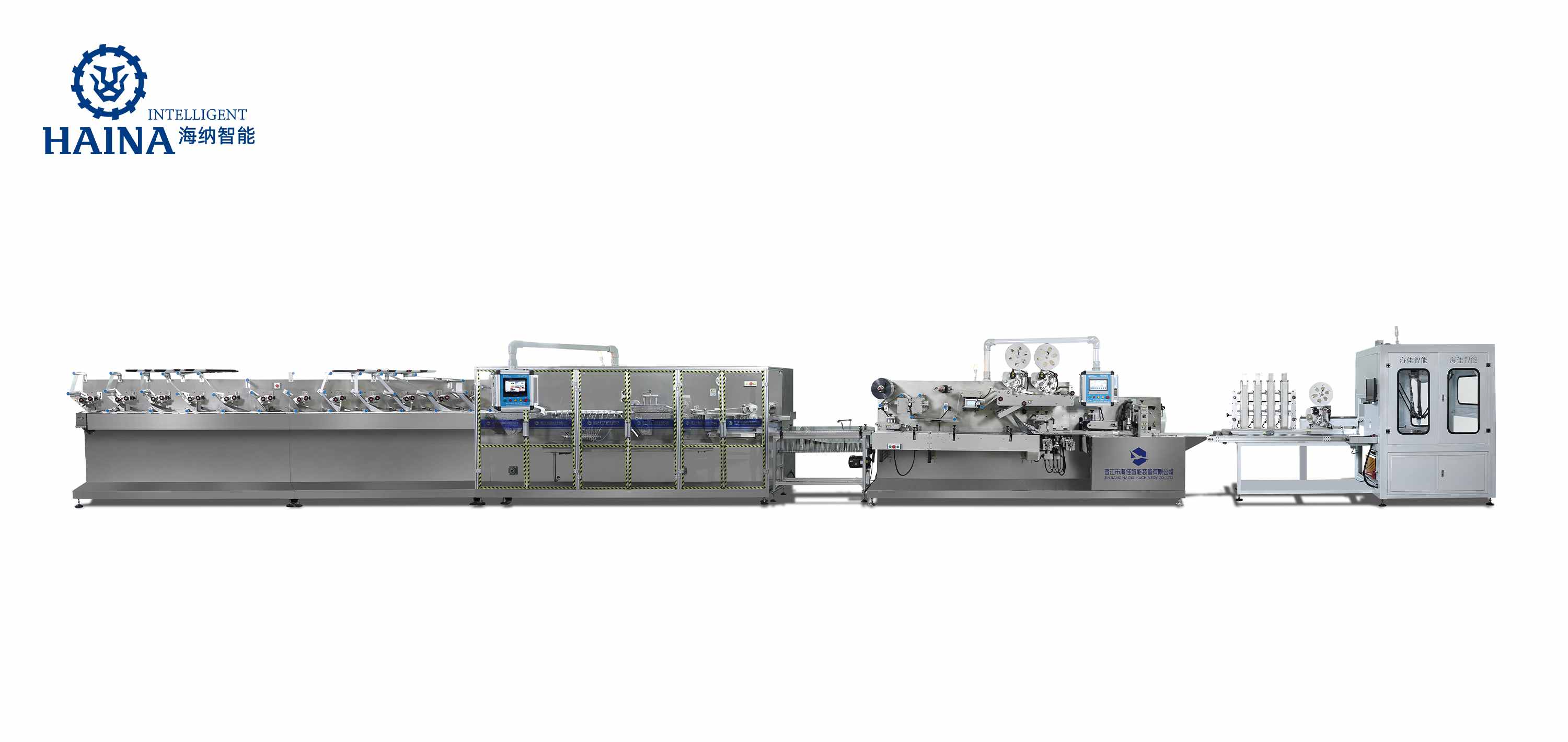
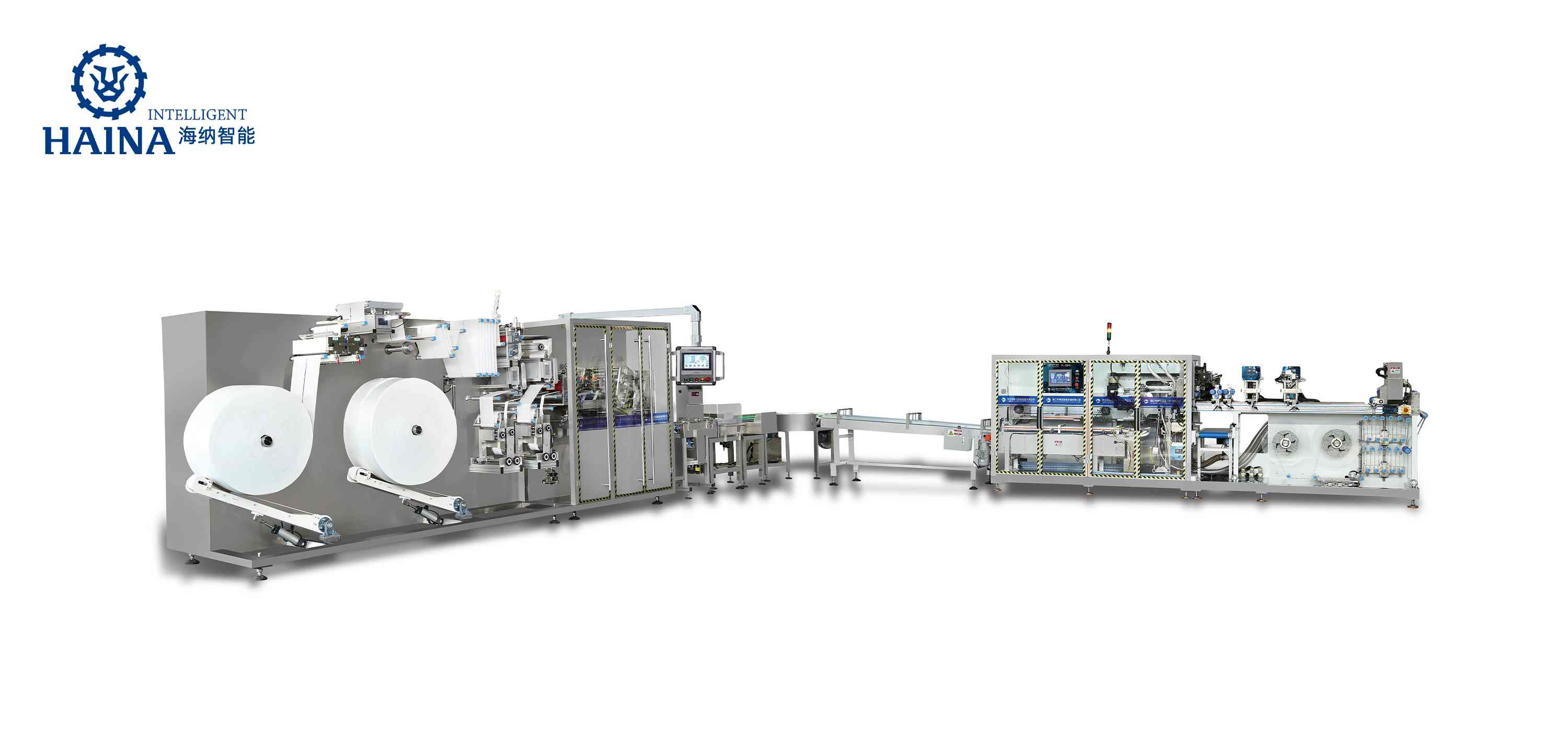
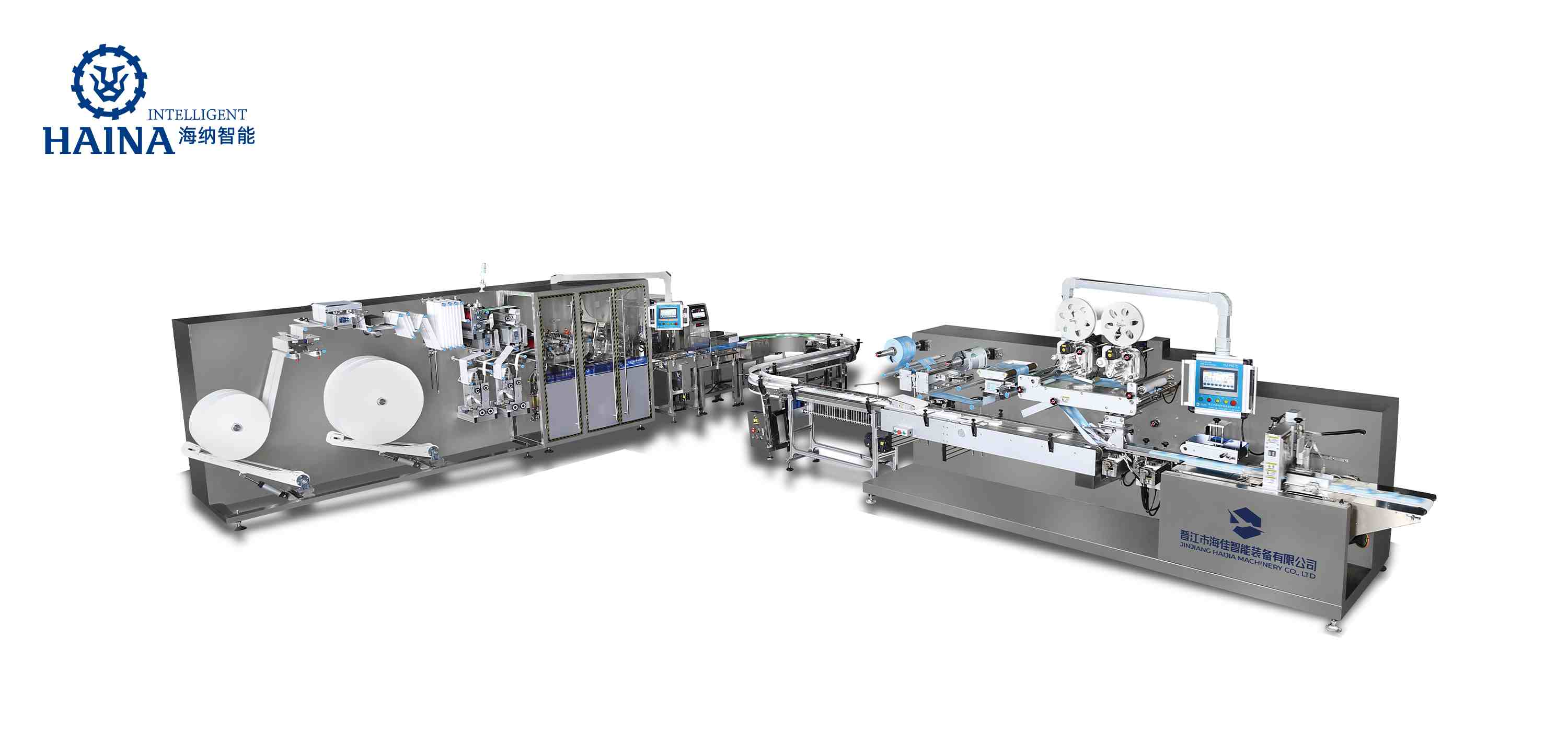
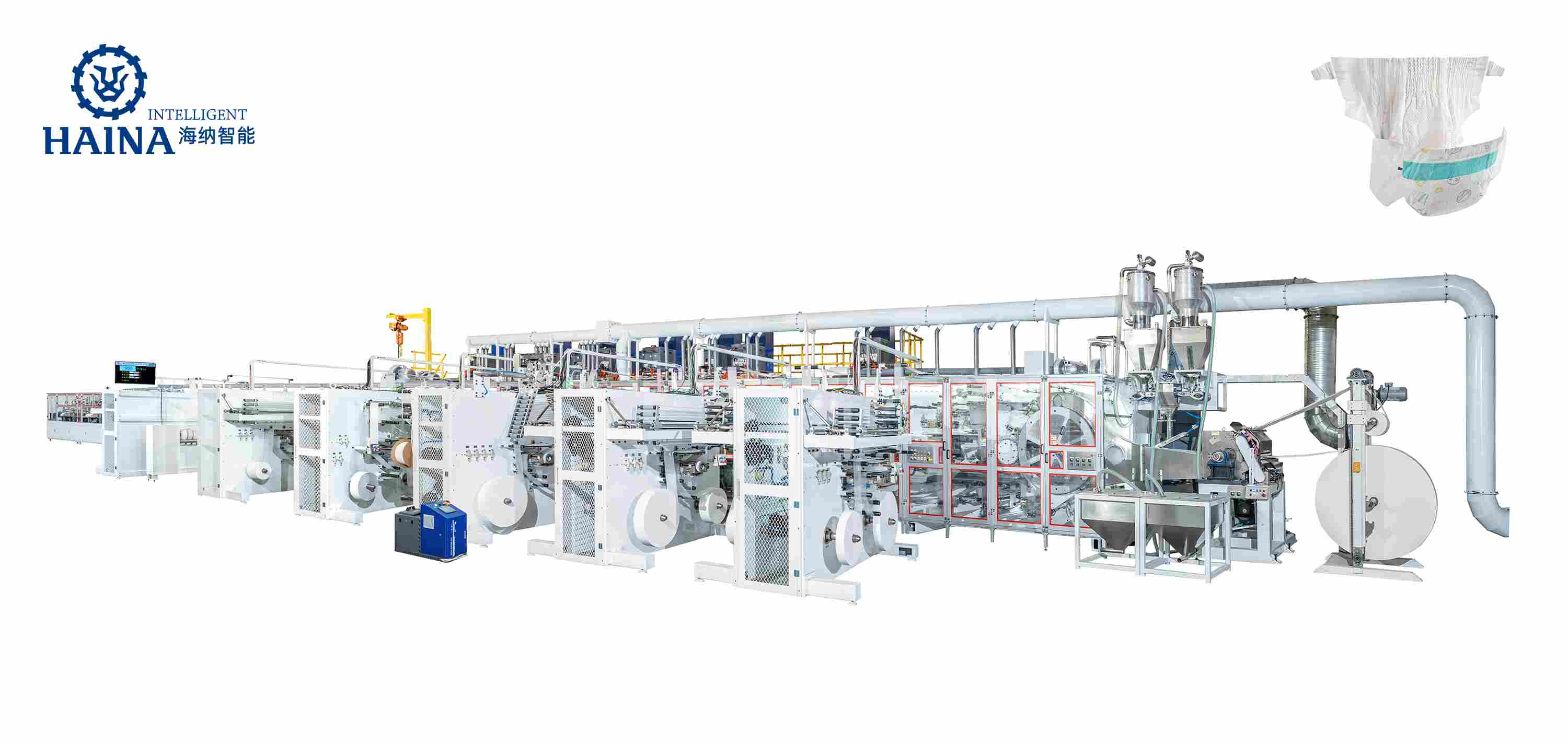
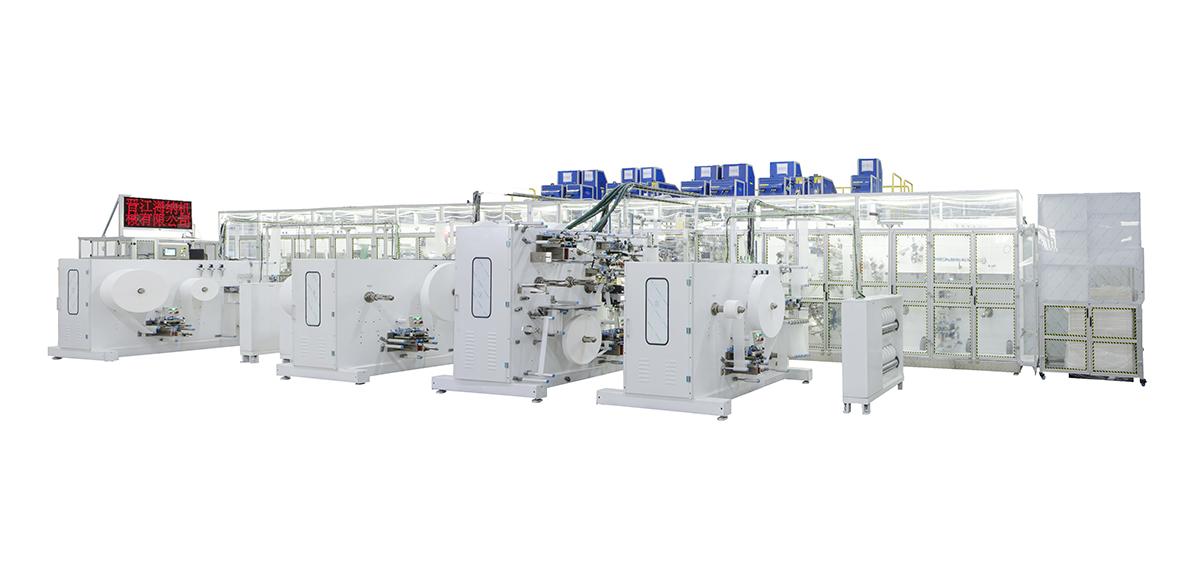
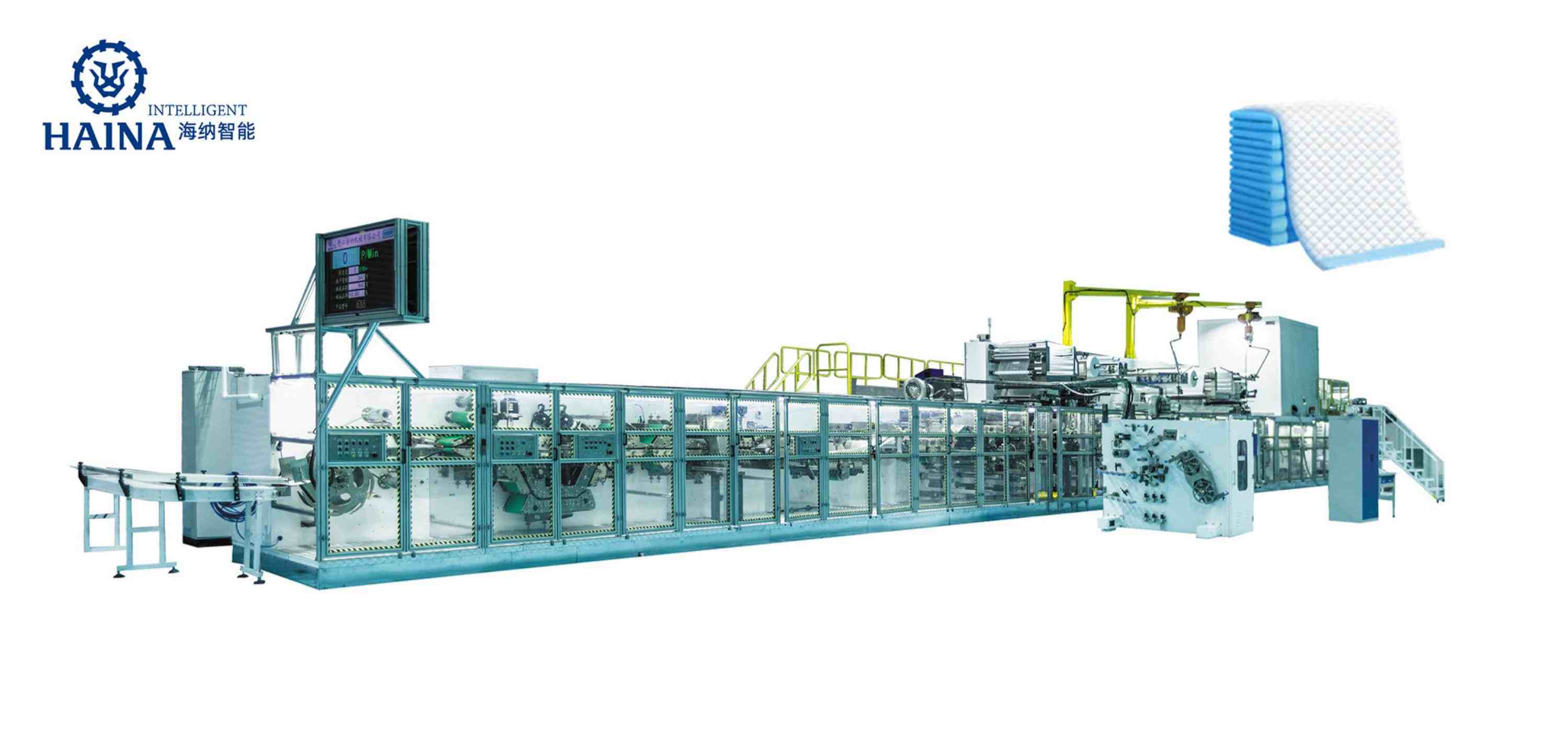
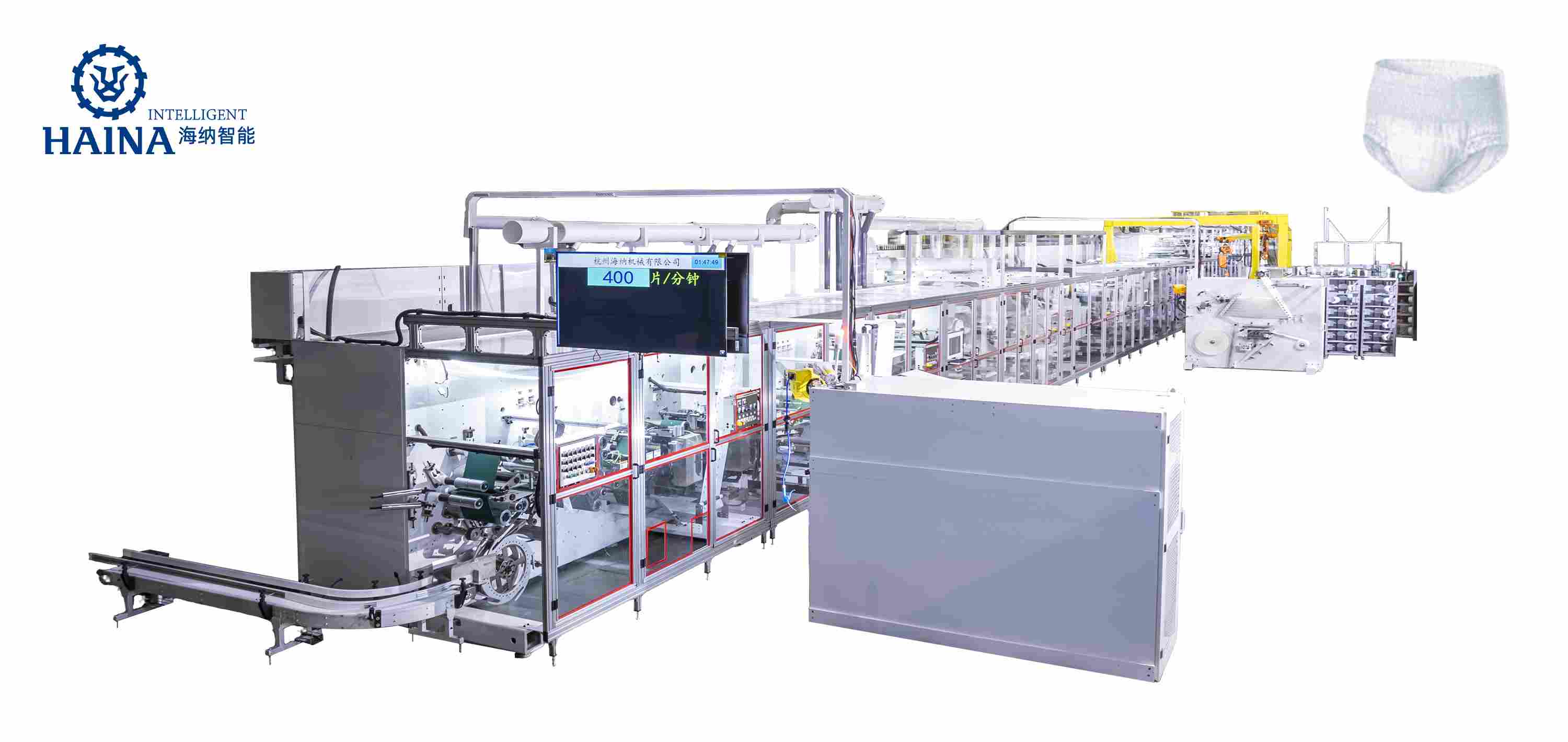
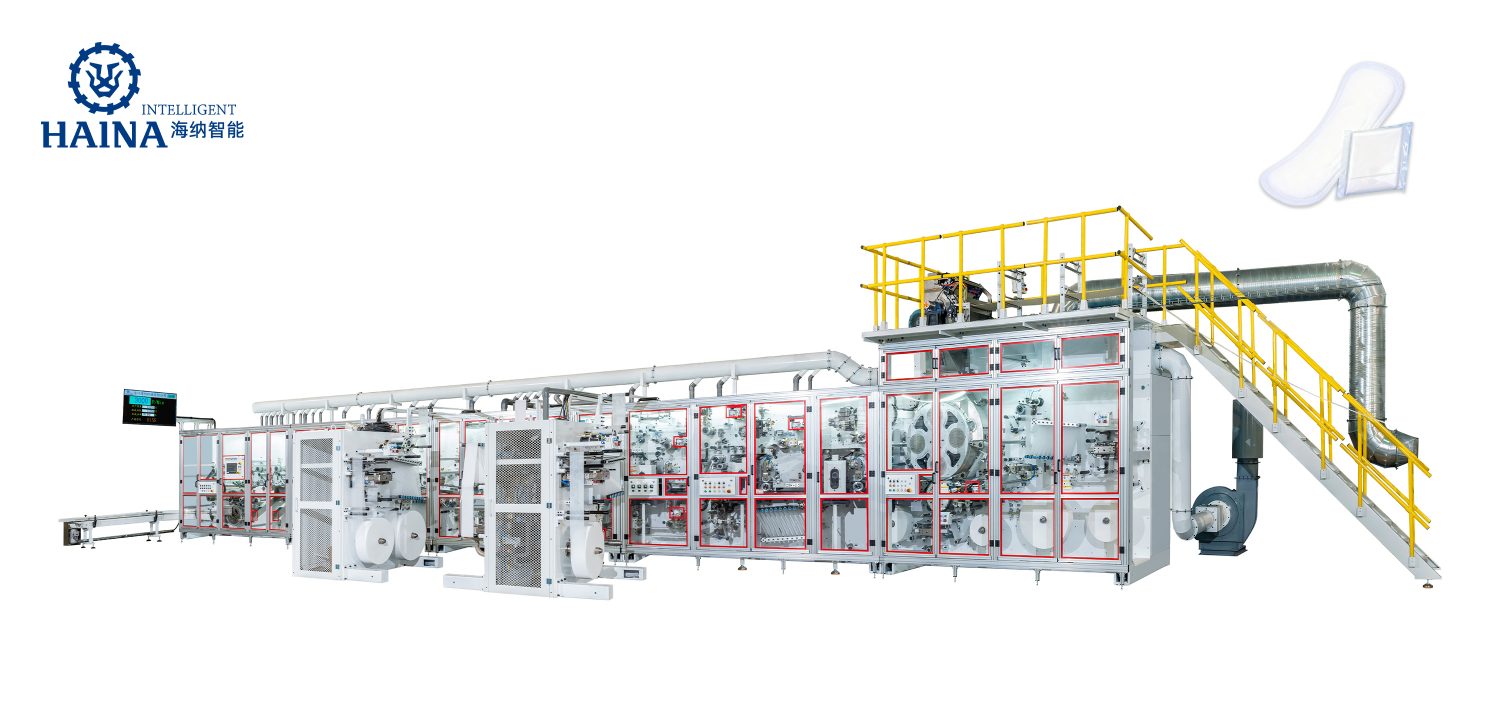
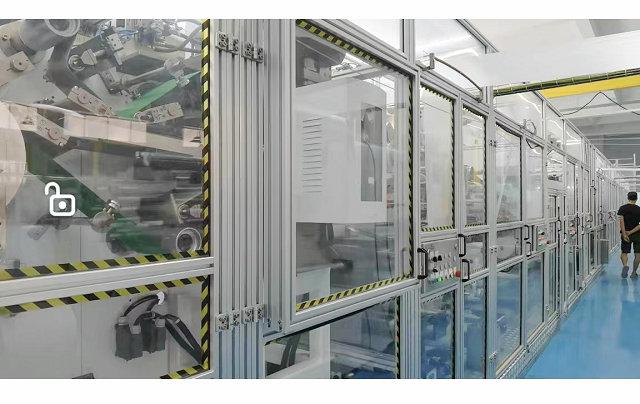
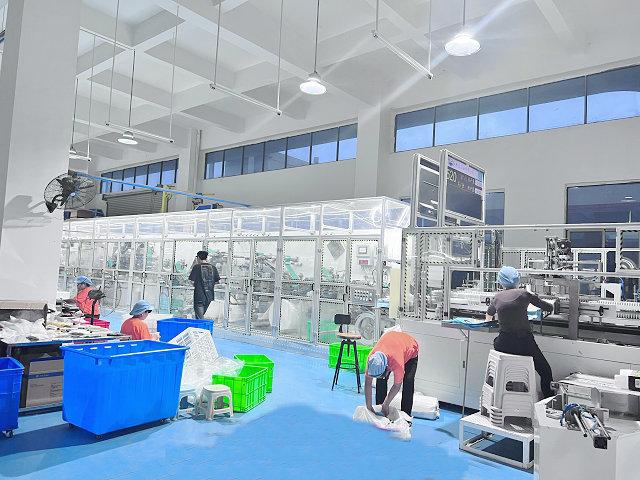
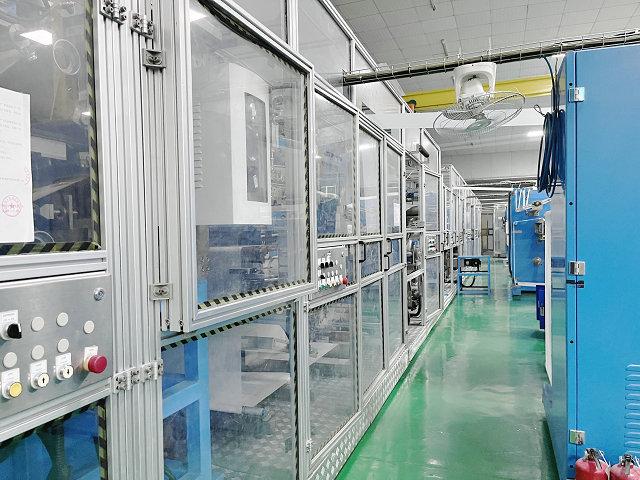
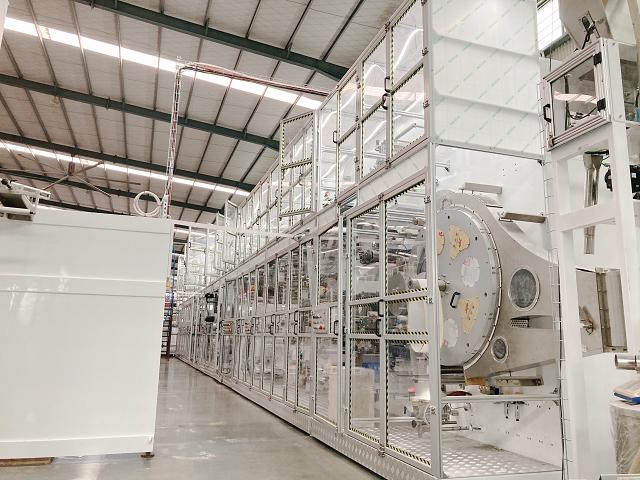
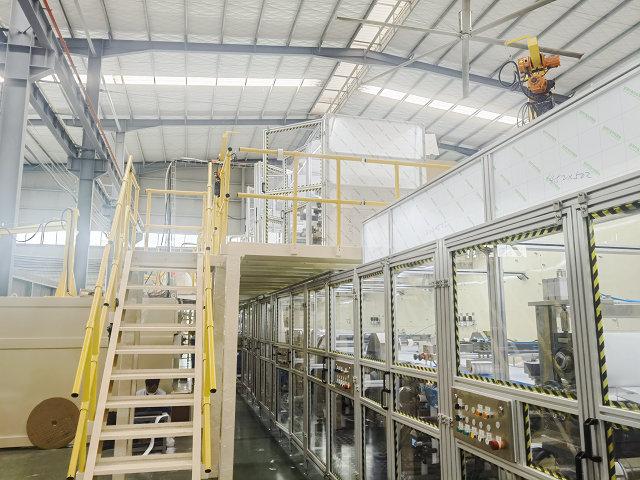
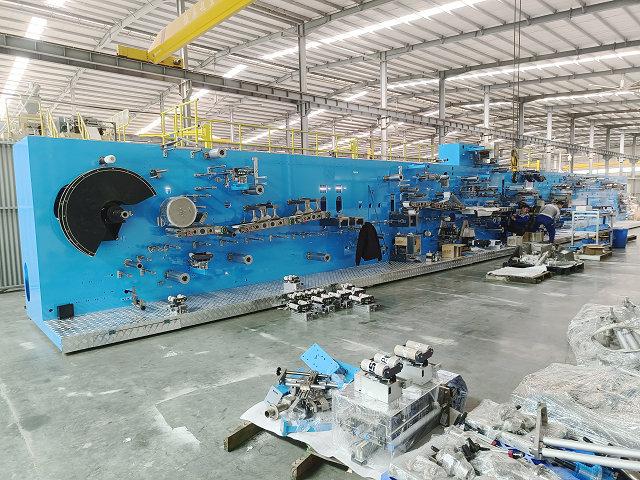
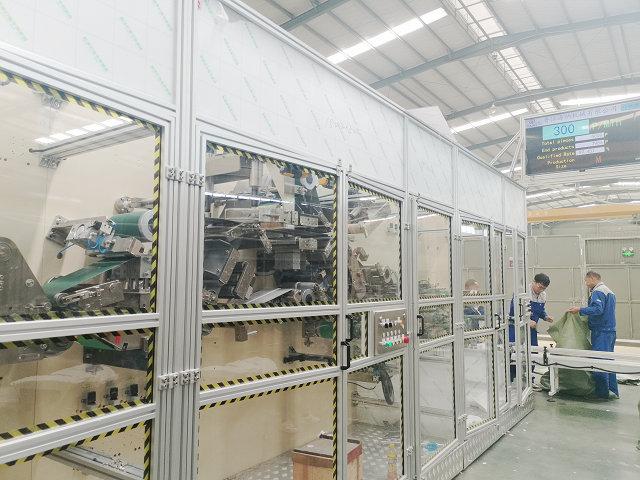
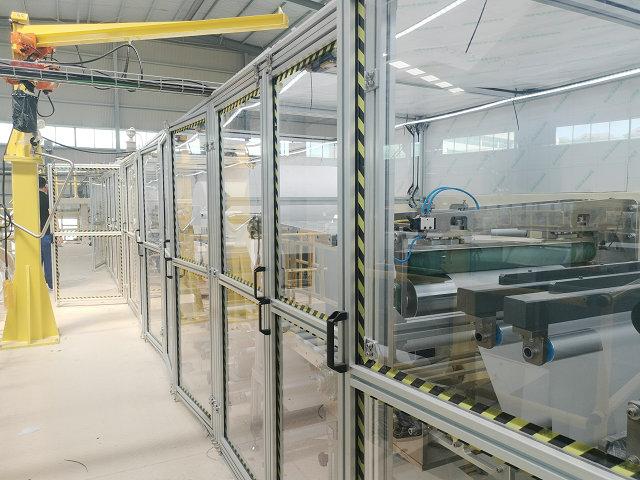
WSJ500 Sanitary Napkin Production Line Semi Servo+Auto Bagger
Haina Machinery Video CenterPublished: 2023-05-29
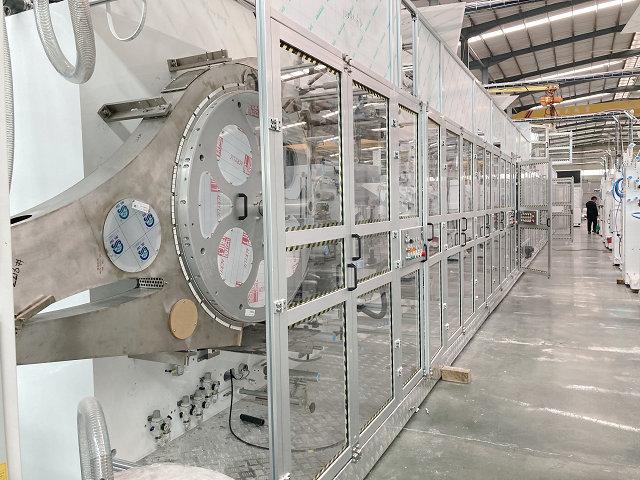
This guide accompanies the page titled WSJ500 Sanitary Napkin Production Line Semi Servo+Auto Bagger. The system displayed concerns sanitary napkin; the useful review is built around cutting and wear-part access, roll entry and splice recovery and servo-control scope. HAINA has retained the existing recording address and title. The notes identify what can be observed and what still needs a drawing, sample or timed test result.
Frame the review around repeatability over a measured run when studying the WSJ500 Sanitary Napkin Production Line Semi Servo+Auto Bagger video; keep open queries beside the relevant installation document.
Frame the review around repeatability over a measured run for WSJ500
A clean image can show arrangement, yet it does not establish tolerance or duration. For this page, follow the path from thin-web feeding to counting or bagger transfer. The electrical engineer should concentrate on control architecture, interfaces, power quality and diagnostic access while another reviewer notes every edit, intervention or hidden transfer.
Thin-web feedingFor WSJ500, observe the handoff toward core preparation and link the observation to pad outline.
Core preparationFor WSJ500, trace the handoff toward pad and wing shaping and link the observation to layer alignment.
Pad and wing shapingFor WSJ500, verify the handoff toward release-paper and pouch application and link the observation to adhesive position.
Release-paper and pouch applicationFor WSJ500, document the handoff toward counting or bagger transfer and link the observation to release-paper placement.
Counting or bagger transferFor WSJ500, compare the handoff toward thin-web feeding and link the observation to wrapper appearance.
Primary evidence at cutting and wear-part access
A clean cut on screen does not show blade life or replacement time. Access, guarding and the wear-part plan matter over repeated shifts. Applied to WSJ500, this means comparing the filmed condition with pad outline and adhesive position on samples from the same operating period.
For WSJ500 Sanitary Napkin Production Line Semi Servo+Auto Bagger, document product support before the cut before judging layer alignment at the next sampling point.
Around cut-edge condition, assess the system condition and the later adhesive position outcome instead of relying on appearance.
Use guard opening space as the observation; use release-paper placement as the measured test result for this WSJ500 Sanitary Napkin Production Line Semi Servo+Auto Bagger review.
In the equipment provider discussion, review tool-change access and connect it to the finished-product test result for wrapper appearance on WSJ500 Sanitary Napkin Production Line Semi Servo+Auto Bagger.
Earlier page note: The original description associated with WSJ500 mentions 500 products per minute. Treat this as a value to verify for the filmed SKU; document the material set, duration, verified count and measurement source before using it in a capacity plan.
Servo-control scope for this project
A full-servo claim needs an axis list and synchronization description, not only a view of the control cabinet or HMI. In the case of WSJ500 Sanitary Napkin Production Line Semi Servo+Auto Bagger, request the axis list, control architecture, recipe matrix and changeover procedure. Keep the answer separate from the video so an optional module or untested value is not mistaken for verified scope.
Review layer
Page-specific check
Film observation
Follow thin-web feeding and mark the transition into core preparation for WSJ500.
First measurement
At cutting and wear-part access, check tool-change access against pad outline.
Independent review
Have the electrical engineer examine roll entry and splice recovery for control architecture, interfaces, power quality and diagnostic access.
Document request
Request the axis list, control architecture, recipe matrix and changeover procedure and speed-linked samples plus the tension and guiding settings used in the run for the WSJ500 Sanitary Napkin Production Line Semi Servo+Auto Bagger installation file.
Acceptance document
For WSJ500 Sanitary Napkin Production Line Semi Servo+Auto Bagger, retain samples showing adhesive position near cutting and wear-part access and reconcile them with stops, splices and verified downstream output.
Second pass at roll entry and splice recovery
Roll entry reveals whether material preparation and splice handling are treated as part of normal production rather than as an interruption outside the test. This second lens is deliberately different from cutting and wear-part access: for WSJ500, it should produce a splice log connected to retained samples and reject counts, with the test result reviewed by the electrical engineer.
For WSJ500, confirm roll orientation and core size before judging release-paper placement at the next sampling point.
Around reference edge and guide position, inspect the system condition and the later wrapper appearance outcome instead of relying on appearance.
Use buffer storage used during a splice as the observation; use pad outline as the measured test result for this WSJ500 review.
For the test protocol, check product condition immediately after the joint and connect it to the finished-product test result for layer alignment on WSJ500.
For WSJ500 Sanitary Napkin Production Line Semi Servo+Auto Bagger, the electrical engineer should use web tension through a speed change as a third cross-check after reviewing cutting and wear-part access. Tension is easiest to judge at transitions. A web that looks calm at one speed may drift, stretch or wrinkle while the line accelerates or recovers. Add speed-linked samples plus the tension and guiding settings used in the run only when that responsibility is included in the intended line.
Questions raised by the WSJ500 Sanitary Napkin Production Line Semi Servo+Auto Bagger recording
What does the WSJ500 Sanitary Napkin Production Line Semi Servo+Auto Bagger footage show well?
It helps locate thin-web feeding, cutting and wear-part access and counting or bagger transfer. For this WSJ500 Sanitary Napkin Production Line Semi Servo+Auto Bagger review, it does not by itself establish pad outline over time or confirm the roll entry and splice recovery responsibility outside the camera view.
Which follow-up matters most for WSJ500?
Ask for a wear-part list, change procedure and cut-quality samples. Match that document to the same materials and SKU displayed during the WSJ500 Sanitary Napkin Production Line Semi Servo+Auto Bagger review so that the observation and test result describe one run.
How should a buyer use this sanitary napkin video?
Use it to prepare queries for roll entry and splice recovery, servo-control scope and wrapper appearance. Close those queries through drawings, retained samples and signed acceptance results.
Close the review with traceable evidence
File this recording with the product sample, material list, process drawing, line layout, utility schedule and FAT method for WSJ500. Number each open item under cutting and wear-part access, roll entry and splice recovery or servo-control scope; assign an owner and the evidence needed to close it.
Before the equipment scope is signed, HAINA can compare the filmed arrangement with the intended module list for WSJ500 Sanitary Napkin Production Line Semi Servo+Auto Bagger. Final acceptance should use validated materials, agreed measurement methods and retained results from the named test run, including any finding connected to web tension through a speed change.