Adult & Baby Diaper Machine,Sanitary Napkins Production Line Blog
Maintain a baby diaper line with route-based condition checks, cutter and controls care, spares, safe work, restart samples, and evidence-led intervals.
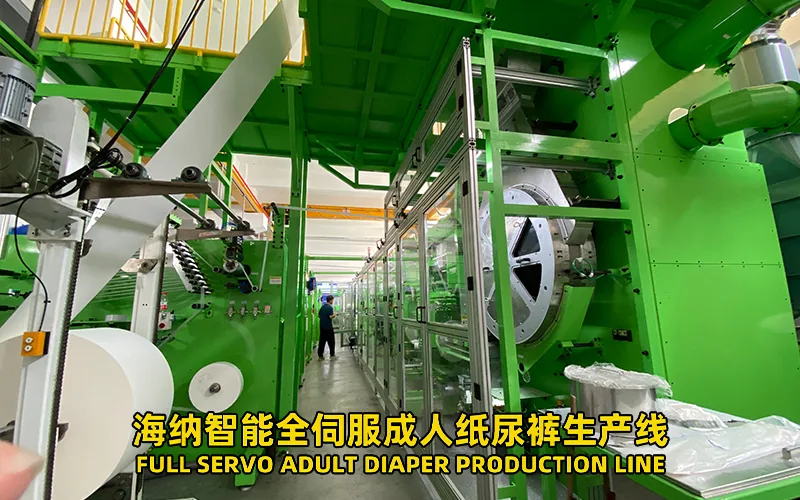
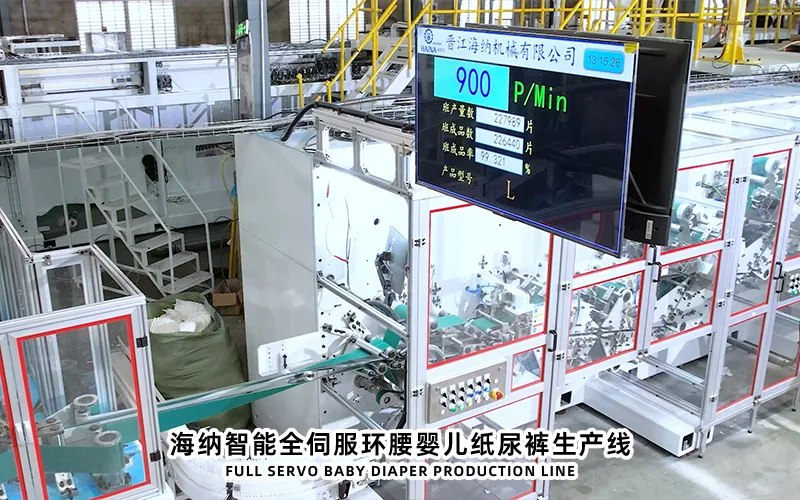
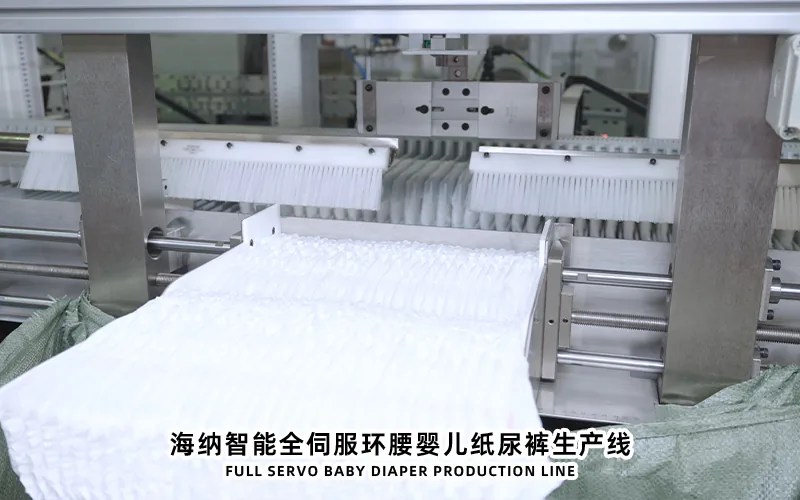
Maintain a baby diaper making production line through safe, route-based condition checks tied to product and stop evidence. Begin with supplier and component instructions, then assign each task an interval or condition trigger, responsible skill, isolation method, tools, parts, acceptance criteria, and record. Inspect material feeds, core forming, adhesive and elastic systems, cutters, transfers, bearings, belts, sensors, inspection devices, reject mechanisms, drives, controls, extraction, and safety functions according to the installed configuration. After work, verify reassembly, guards, settings, backups, housekeeping, and affected diaper characteristics during controlled restart. Adjust the maintenance plan only from documented findings and representative operating history.
Build the maintenance system
Start with the delivered equipment list, layout, manuals, component requirements, drawings, parts data, FAT records, software backups, recipes, and open modifications. Verify that documents match the installed line. Buyer-added packing, coding, extraction, adhesive, lifting, or data systems need their own maintenance ownership and interface checks.
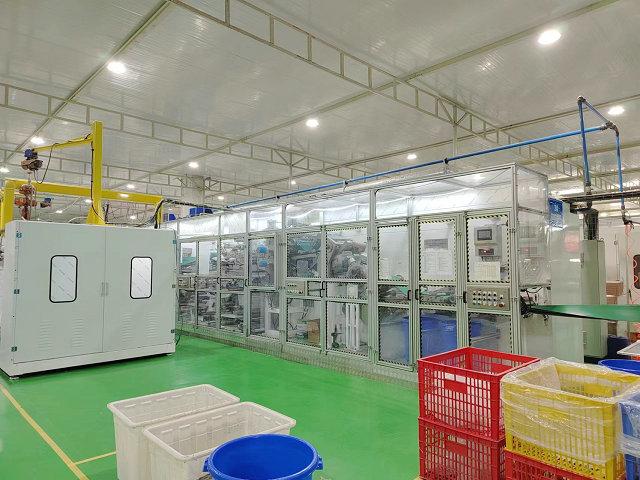
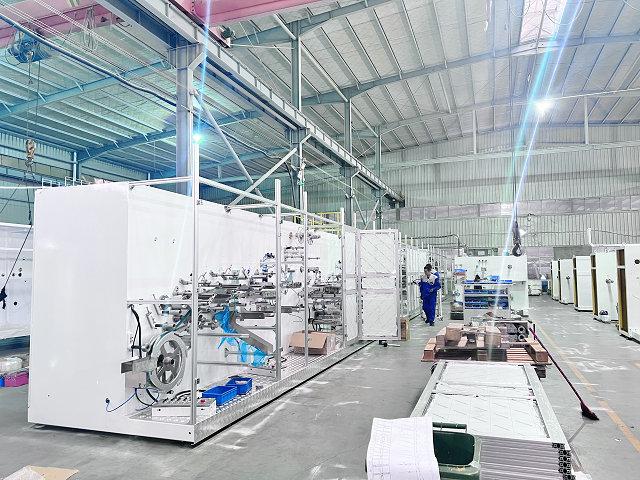
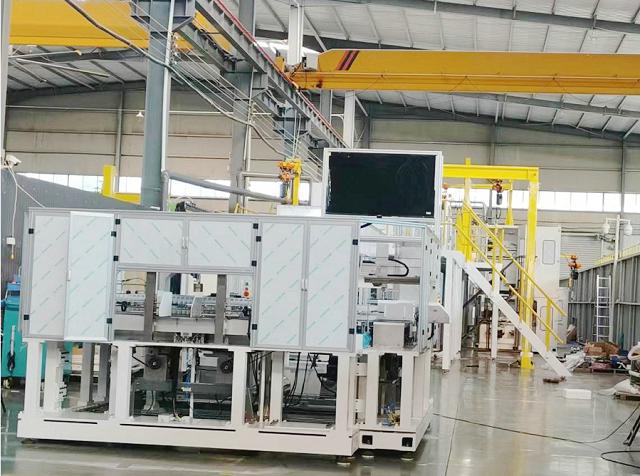
Create an asset hierarchy by process station. Identify the core-forming system, material unwinds, web guides and tension devices, elastic and barrier feeds, tape and frontal applicators, adhesive delivery, layered assembly, cutters, folding and transfer, inspection and rejection, discharge, counting, drives, controls, utilities, extraction, and safety functions. Equipment tags should match drawings, parts, work orders, and alarm references.
For each task, record its technical source, location, hazard and isolation, responsible competence, tools, parts and consumables, steps, measurements, acceptance criteria, interval or condition trigger, post-work test, product check, and evidence. Avoid instructions such as inspect regularly or lubricate as needed without a component, point, material, condition, and decision rule.
Separate operator care, planned maintenance, condition monitoring, corrective work, and engineering improvement. Operators can identify visible deterioration and product symptoms; maintenance can inspect and restore equipment condition; engineering owns changes to design or approved operating ranges. Quality owns product hold and release under the factory system.
An asset hierarchy connects each installed station to tasks, parts, records, skills, and product effects.
Routes for a baby diaper making production line
Use short operator routes at shift start, during operation, and handover. Observe cleanliness, damage, loose parts, web tracking, unusual sound, heat, vibration, leakage, debris, alarm recurrence, splice behavior, adjustment frequency, reject condition, and product symptoms. The route should state what to record and when to stop or escalate. Operators should not diagnose by making uncontrolled setting changes.
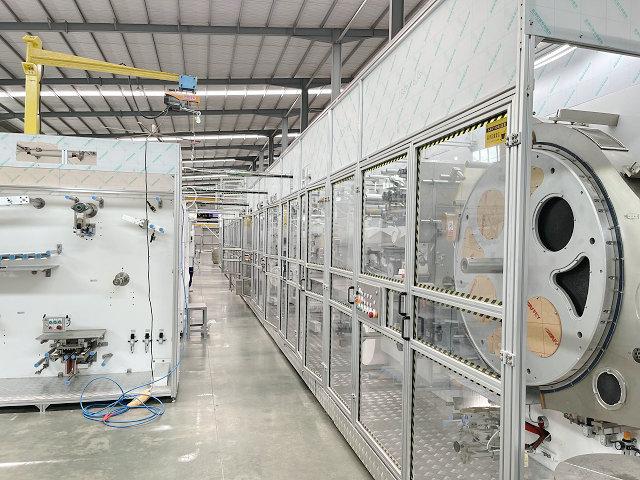
Planned mechanical routes inspect alignment, rollers, guides, tension devices, bearings, belts, couplings, fasteners where specified, cutters, folding and transfer parts, pneumatic or vacuum condition, filters, extraction, and access hardware. Use approved technical methods and criteria. Trend measured or graded condition so deterioration is visible before failure.
Process routes link equipment with diaper characteristics. Core variation may point toward absorbent inputs, formation, containment, extraction, or transfer. Position drift may involve web guiding, reference detection, component feed, applicators, or timing. Cut, fold, bond, elastic, closure, and rejection defects each need a defined first inspection sequence. Preserve samples and material-lot context.
Safety routes verify guard condition, access devices, emergency functions, isolation labels and points, warnings, service access, and evidence of bypass. Function tests require approved starting conditions, expected responses, reset and restart behavior, records, and a failure response. Test intervals must follow the design, supplier information, site risk assessment, local obligations, and operating history rather than an invented universal schedule.
Maintenance route
Condition examples
Product or operating signal
Evidence
Material and web path
Roll supports, guides, tracking, tension, splices, debris
Wrinkles, breaks, position drift, frequent correction
Isolation, guards, interlocks, emergency and restart
Unsafe access, nuisance trip, bypass pressure
Device-specific test and corrective closure
Route-based checks connect physical condition with alarms, product samples, and recurring intervention.
Care for cutting, adhesive, and elastic systems
Cutting systems combine sharp-tool hazards with product-quality risk. Use the approved isolation and handling method. Inspect edge condition, mounting, alignment, debris, wear pattern, mating surfaces, guarding, and any specified adjustment. Store and move tools in protective fixtures. Record tool identity, condition found, replacement or adjustment, and the diaper characteristics checked after restart.
Do not use a single cutter interval without evidence. Product material, operating duty, contamination, alignment, tool specification, and previous handling influence wear. Track cut-edge defects, adjustment frequency, tool condition at replacement, and production history. Use the supplier's or approved engineering criteria and refine the plan through documented condition.
Adhesive equipment may involve heat, pressure, fumes or ventilation requirements, contamination, and sensitive application components. Follow the configured supplier instruction for isolation, cooling or pressure release, cleaning materials, filters, hoses, applicators, nozzles, and restoration. Avoid improvised tools or solvents. Record application pattern and the approved bond or product check after work.
Elastic systems require correct threading, feed condition, guides, sensors, application points, bonding, and material handling. Track breaks, placement drift, roll events, buildup, and the product's elastic position or recovery checks. After maintenance, verify left-right or zone placement on labeled samples under the factory's method.
High-risk component task gate
Confirm current instruction, competent person, production state, and affected product characteristics.
Identify every energy source, stored condition, sharp tool, heat, pressure, lifting, and contamination control.
Establish and verify isolation before access, using the site procedure.
Inspect adjacent mounts, guides, sensors, guards, and interfaces as well as the target item.
Record condition found, part identity, measurement, setting, work, and independent checks.
Restore guards, account for tools and personnel, and restart under authorization.
Inspect related product characteristics and identify the first accepted diaper.
Maintain drives, sensors, and controls
Electrical and control maintenance needs configuration identity. Inventory controllers, interfaces, drives, remote input and output, sensors, inspection systems, safety-related controls, networks, computers, software licenses, programs, recipes, and parameter sets. Record model, version, installed location, backup status, access governance, communication dependency, spare status, and approved replacement route.
Inspect cabinets and devices according to approved procedures for environmental condition, contamination, cooling, filters, connections where specified, damage, fault history, mounting, and labels. Sensors should be checked for physical alignment, cleanliness, reference target, cable condition, settings, and the difference between detecting presence and measuring position. Do not change thresholds merely to silence an alarm.
Backups must be usable, not just present. Define who creates, verifies, approves, stores, retrieves, and restores controller programs, drive parameters, interface projects, recipes, inspection settings, and licenses. Label each backup with machine, component, date, version, and approval status. Test the restoration workflow in a controlled manner appropriate to risk without compromising the accepted production baseline.
A replacement drive, sensor, controller, or software version can change timing, feedback, communication, safety behavior, inspection, or product. Require engineering review, backup, compatibility confirmation, installation record, parameter check, function test, affected product samples, updated documents, and rollback planning. Physical fit does not prove functional equivalence.
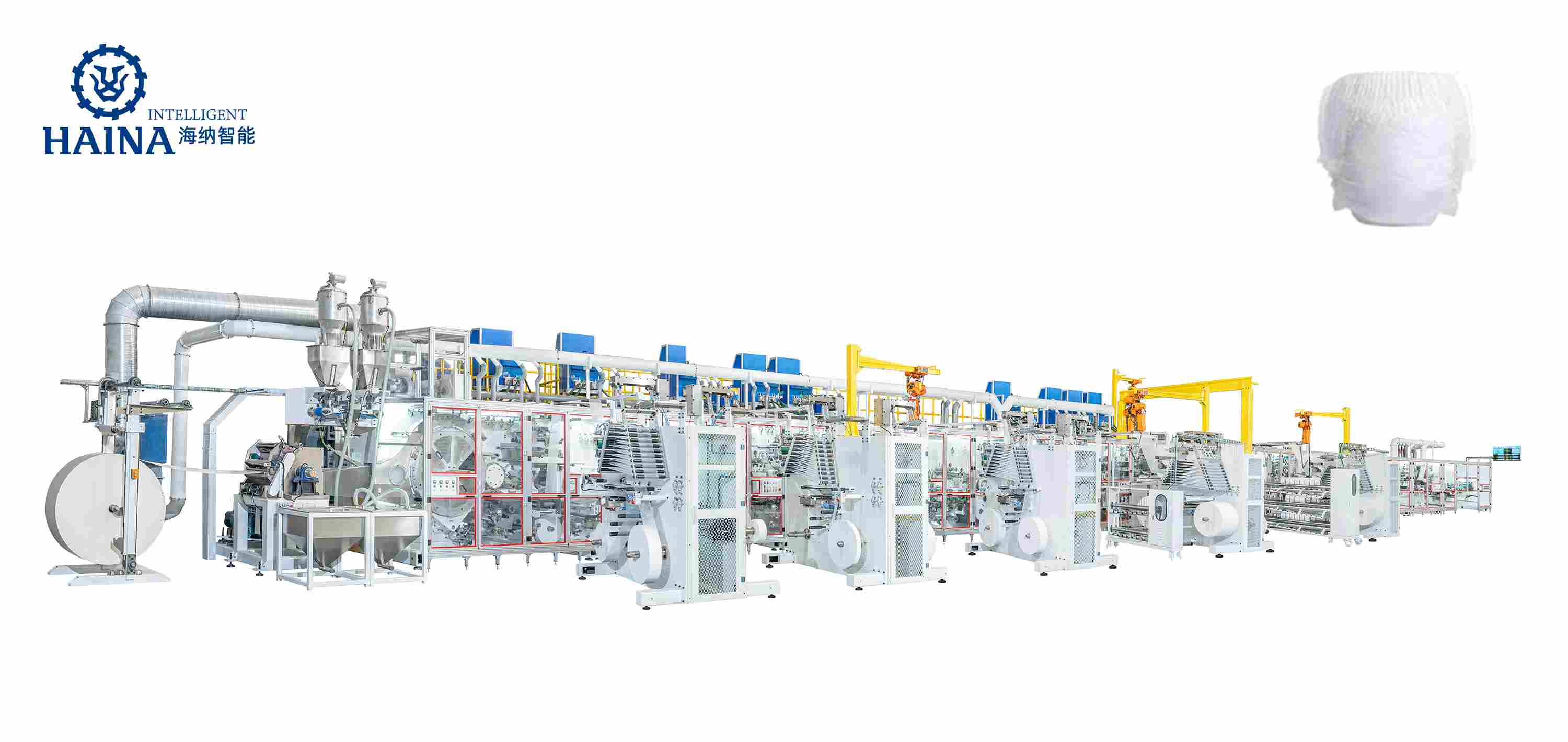
The automatic baby diaper manufacturing machine category establishes the product context. HAINA can support configuration review, FAT baselines, maintenance training, or diagnosis when the plant provides equipment identity, software and recipe versions, alarms, material context, condition findings, and product samples.
Controls care combines physical inspection, version identity, verified backups, function tests, and product evidence.
Plan spares and shutdown preservation
Classify spares as routine consumables, normal wear, startup, critical, repairable, and general replacement. Decide stock from failure consequence, probability, lead-time exposure, installed quantity, commonality, interchangeability, storage life, preservation, repair route, and detectability before failure. A generic list may overstock low-risk parts while missing one unsupported control item.
Parts records should include machine and station, description, manufacturer and supplier reference where available, drawing, quantity installed, approved substitute, settings or alignment, storage, and replacement instruction. Sample the system by selecting a cutter item, bearing or belt, sensor, pneumatic component, drive, and controller. A technician should be able to find, fit, and verify the correct item from controlled information.
Long shutdowns require a preservation plan. Define cleaning, adhesive-system state, release of web tension or pressure as technically required, corrosion and environmental protection, roll and material removal, lubrication or rotation tasks where specified, battery or data protection, cabinet environment, guards, access control, and inspection frequency. Record baseline condition before shutdown.
Restart after storage is a recommissioning activity, not a normal morning start. Inspect preservation condition, utilities, structure, mechanisms, lubricants where specified, controls, backups, sensors, guards, safety functions, extraction, materials, and documents. Use controlled motion, first-piece release, representative samples, and follow-up monitoring.
Control work and production recovery
A work order begins with machine identity, symptom or planned task, product state, safety and quality risk, priority, and authorizer. Add isolation, instruction, parts, tools, measurements, and expected tests. For a breakdown, preserve alarms, event sequence, recipe, material lots, affected samples, and last known acceptable product before dismantling where safety permits.
During work, record condition found and compare it with the assumed cause. Inspect adjacent items that may have created or suffered the failure. If scope changes, reassess hazard, parts, time, and product containment. Temporary repairs require engineering approval, defined operating limitation, inspection, owner, expiry, permanent action, and clear shift communication.
Recovery begins with correct reassembly, connections, alignment, fasteners where specified, settings, lubrication, tool and personnel accounting, housekeeping, and restored guards. Independently verify critical items. Restore energy through authorization and test affected safety, control, inspection, reject, and interface functions through approved methods.
Segregate restart output and inspect characteristics connected to the work. Cutter work may require cut and dimensional checks; tracking work may require position and fold; adhesive work requires application and the approved bond check; control work may require recipe, alarm, reject, count, and interface tests. Record the first accepted product and quality release.
A work order closes after safe restoration, function checks, related diaper samples, release, and recurrence monitoring.
Improve the plan from evidence
Review planned task completion, measured condition, emergency work, repeated faults, minor stops, product defects, rejected and held output, parts consumption, temporary repairs, overdue actions, and support cases. Analyze by station, product, material, and operating context. A total maintenance-hour number cannot explain which work protects output.
Use condition found at replacement to adjust planning. A repeatedly healthy component may need a different inspection or interval, subject to mandatory requirements. A part failing between checks may require shorter monitoring, a better method, operating correction, root-cause work, or design change. Document the technical basis and approve the revision.
Track recurring symptoms through cause and effectiveness. Define the baseline, containment, evidence, cause hypothesis, corrective action, risk to product and safety, representative verification, and follow-up. Replacing the same part repeatedly without addressing alignment, loading, contamination, material, installation, settings, or adjacent condition is not continuous improvement.
Update manuals, routes, parts, drawings, recipes, software records, and training after approved changes. Remove superseded copies and brief affected shifts. Audit a sample at the machine to verify that the current task and part identity are available to the person doing the work.
Frequently Asked Questions
How often should a baby diaper line receive maintenance?
Use supplier and component requirements, operating hours or cycles, condition trends, product signals, environment, risk, and site history. There is no universal interval.
Can operators perform maintenance tasks?
They can perform assigned care tasks when trained, authorized, and supported by safe instructions. Technical repair, isolation, or settings work needs the defined competent role.
Which spares should be stocked first?
Prioritize verified high-consequence and lead-time risks, considering failure probability, installed quantity, commonality, storage, repair options, and approved substitutes.
What product checks are needed after maintenance?
Inspect characteristics that the work could affect, plus safety, controls, inspection, rejection, count, and interface functions as applicable to the intervention.
Conclusion
Maintenance and care of a baby diaper making production line should join route-based condition checks, safe task control, parts and software governance, shutdown preservation, and product-quality recovery. The maintenance supervisor should select one high-risk station and trace its task source, isolation, condition criterion, spare, work record, function test, and diaper release evidence. Ask HAINA to review any configuration-specific gap and provide relevant engineering support. Revise the maintenance plan only after the actual line, identified parts, approved settings, labeled samples, and representative operating history verify the change.