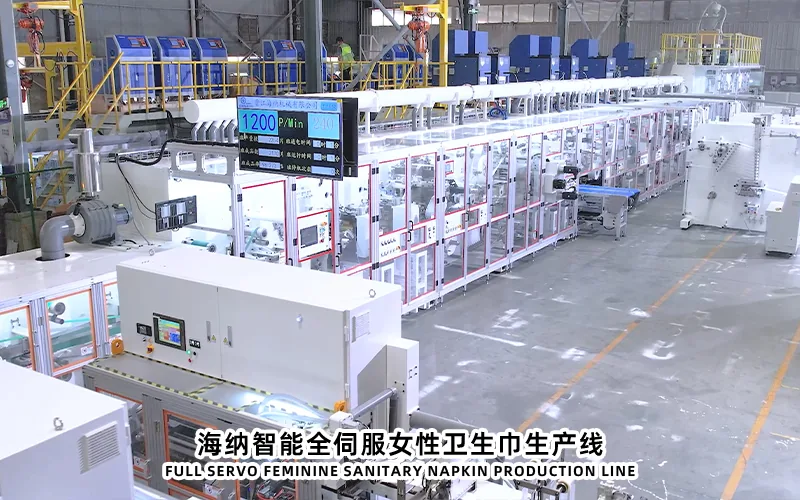
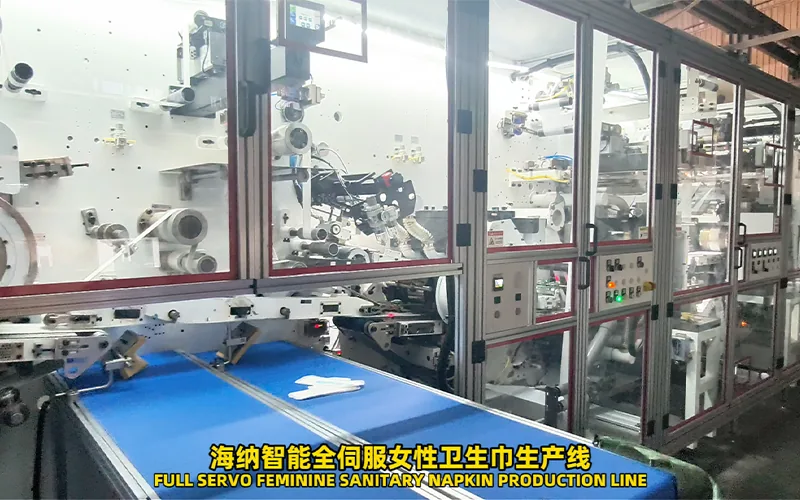
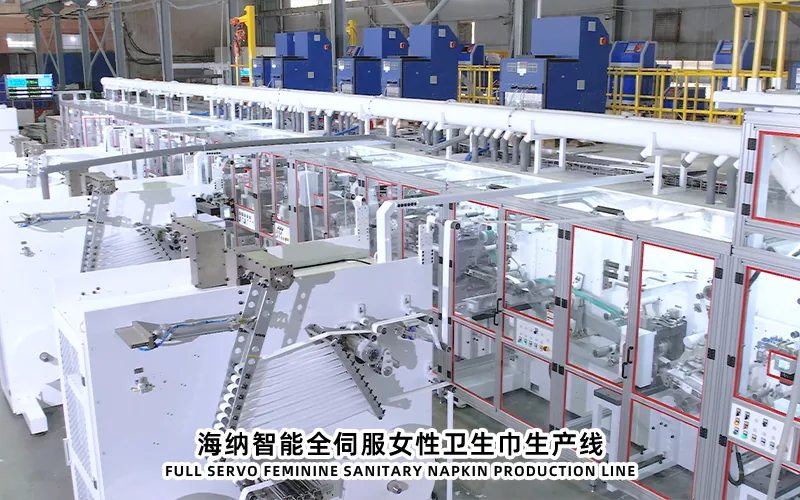
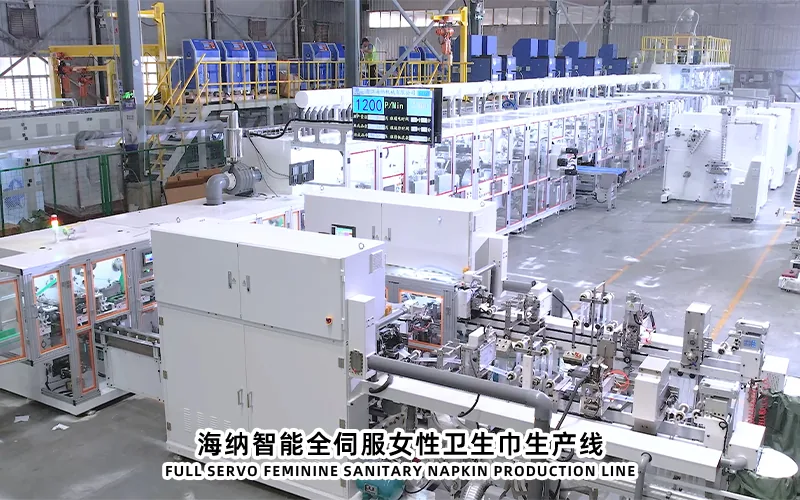
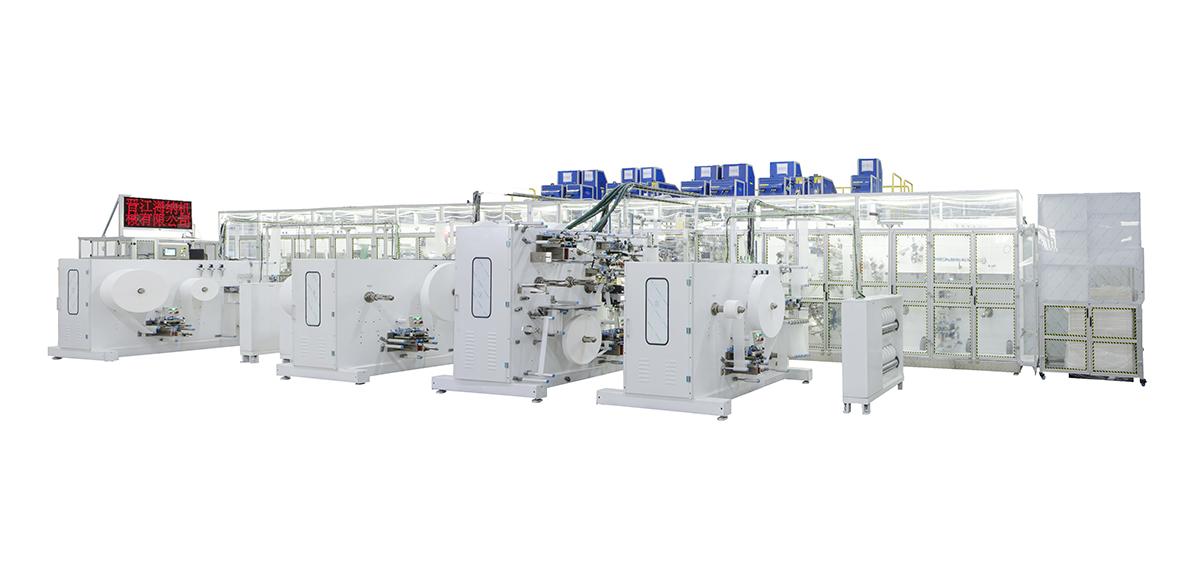
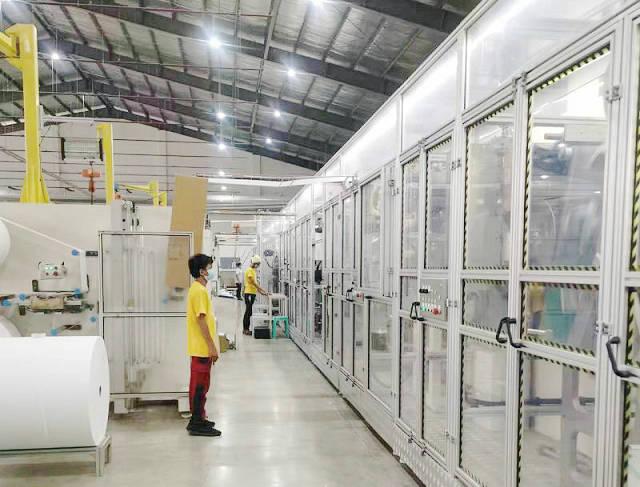
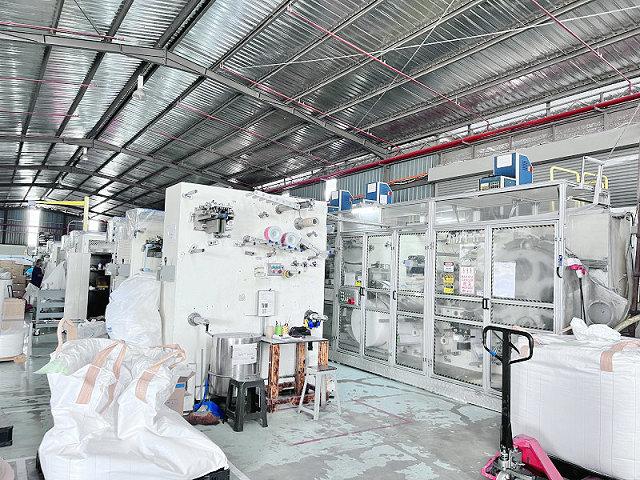
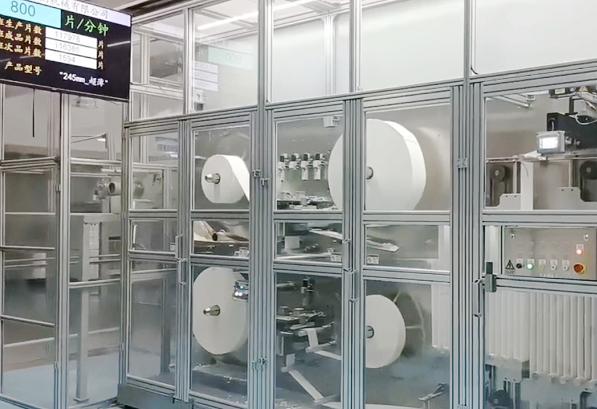
To purchase a sanitary napkin production line, first freeze the target pad constructions, sizes, materials, wrapping and packaging interface, quality methods, factory utilities, and launch plan. Then issue the same requirement pack to shortlisted suppliers and compare technical compliance, exclusions, format parts, controls, safety scope, documentation, training, spares, installation, and acceptance conditions instead of quotation totals alone. Audit how each supplier controls engineering and manufacturing, and use representative buyer materials during FAT. The contract should distinguish confirmed capability from options, define change control and open-item closure, and link payments or release decisions to objective evidence without inventing output, price, or return assumptions.
Purchase Requirements for a Sanitary Napkin Production Line
Begin with a product matrix, not a machine speed. For every launch pad, define straight or winged architecture, open and folded dimensions, absorbent-core design, topsheet, distribution layer where used, backsheet, release paper, adhesive requirements, seal or emboss pattern, individual wrapper, final orientation, and packaging handoff. Identify mandatory launch formats, later options, and excluded products. Provide controlled drawings and samples without making a sample the only specification.
Build a material schedule with grade, function, width, roll dimensions, winding direction, splice, surface or registration requirements, and approved alternatives. Machine performance depends on material behavior, so flag substrates needing trials. HAINA can review this product-and-material package against a proposed configuration and identify tooling, modules, settings, or interfaces that need clarification before quotation comparison.
The purchase specification should map each pad feature to a supplied line function.
Add factory requirements: available layout, access, floor engineering, utility characteristics, environmental and hygiene controls, material logistics, operator and maintenance skills, quality laboratory capability, and packaging equipment. Define the equipment boundary for compressed air, extraction, adhesive systems, conveyors, coding, packaging, and factory data. For each interface, name who designs, supplies, installs, connects, tests, and accepts it.
Create an Evidence-Based Supplier Shortlist
Use a structured request for information. Ask suppliers to state experience with the relevant product architecture and materials, but verify through technical explanation and controlled evidence rather than unsupported customer lists or rankings. Request an initial process diagram, module list, product range matrix, format-parts concept, component strategy, control architecture, FAT approach, documentation index, installation boundary, training scope, and support method.
Mark every response as compliant, partially compliant, alternative, excluded, or unanswered. A supplier's alternative can be valid, but it should explain how the requirement is met and what the buyer must change. Do not reward a simple "yes" more highly than a bounded answer with evidence. Unanswered high-risk items should remain visible in the shortlist score.
Hold a technical clarification meeting with product engineering, production, quality, maintenance, project engineering, and procurement represented. Ask each supplier to walk one product from material loading to wrapped-pad discharge, explaining process controls and likely failure responses. Then walk a size change and a material substitution. The clarity and traceability of these explanations can reveal risk earlier than a polished commercial presentation.
Normalize Quotation Scope and Interfaces
Place offers into a common comparison sheet. Separate base equipment, product modules, options, format tooling, adhesive or core systems, inspection devices, spare parts, consumables for commissioning, documents, training, FAT, packing, transport boundary, installation supervision, commissioning, and site acceptance support. Record buyer-supplied items and taxes or logistics according to procurement policy, but do not invent a generic market price.
Comparison area
Question to normalize
Required evidence
Decision risk
Product scope
Which exact pads and sizes are included?
Product matrix, drawings, tooling list
Missing format discovered after order
Process modules
Which functions are installed or optional?
Process flow and module schedule
Quotation appears complete but excludes a feature
Interfaces
Who supplies and tests each boundary?
Responsibility and interface matrix
Site connection or packaging gap
Acceptance
Under what materials and conditions is output proven?
Draft FAT and product criteria
Headline claim cannot be contractually tested
Lifecycle support
What enables operation after handover?
Document, training, spare, and support scope
Low initial scope creates operating delay
Compare technical ratings only where definitions match. Design speed, configured range, stable working speed, observed operating speed, and contractual acceptance value are different. Ask for the product, material, duration, sampling, quality acceptance, event accounting, and utility conditions behind any output claim. Treat untested future formats separately from demonstrated launch formats.
Quotation normalization reveals which modules and interfaces are actually included.
Evaluate lifecycle cost through variables rather than fabricated totals. Consider site preparation, utilities, material trials, format parts, normal consumables, wear parts, strategic spares, staffing, training, planned maintenance, inspection equipment, packaging integration, and changeover needs. Ask how each estimate is derived and assign sensitivity. Commercial payback depends on demand, product margin, utilization, supply chain, and operating performance outside the equipment supplier's control.
Audit Engineering and Manufacturing Control
Before final selection, audit the processes that control your project. Sample requirement review, drawing approval, purchasing, component substitution, fabrication, assembly, controls development, inspection, nonconformance, testing, documentation, and spares. Trace one product requirement to a drawing and planned test. Trace one critical purchased component from schedule to receiving and installation. Trace one change through technical review and verification.
Inspect work in progress where possible. Check revision control at stations, identification of parts, protection of precision surfaces and electronics, cleanliness of material paths, cable and hose routing, guarding, accessible maintenance points, and segregation of nonconforming work. Review calibration or verification status of measurement equipment used for acceptance. Ask workers to show the instruction they use rather than accepting a general quality-system statement.
Assess engineering response to buyer materials. A competent supplier should discuss width and roll limits, web tension, friction, stiffness, elasticity, surface treatment, adhesive interaction, splice behavior, dust or fragment control, and trial need. It should not declare compatibility solely because the material category is familiar. For automatic sanitary napkin manufacturing equipment, require this analysis before locking unwinds, applicators, guides, and bonding scope.
Issue findings by risk and contract effect. State evidence observed, requirement affected, owner, due date, and verification method. Distinguish a supplier action from a buyer input delay. Do not close a finding through a revised promise if drawings, hardware, or test evidence still conflict.
Write the FAT Plan Before the Contract
Early FAT planning makes capability testable. Define machine identity and configuration, software or recipe versions, target product, buyer materials and quantities, utilities, preconditions, safe tests, setup responsibility, changeover scope, stable-run conditions, sampling, product tests, detection and reject challenges, event and waste accounting, document review, training demonstrations, and open-item rules.
Choose representative and high-risk formats. Testing only the easiest pad can leave wing handling, wrapper registration, material stiffness, widest format, narrowest format, or a critical bond unproven. If every variant cannot be witnessed, use a justified coverage matrix that explains common functions and unique risks. Retain labeled samples and raw records.
The FAT protocol should connect configuration, materials, events, samples, and acceptance criteria.
Agree how stops and adjustments affect the test. A run with repeated intervention should not be called stable without disclosure. Classify setup material, normal process loss, rejects, sampled output, and conforming output using the agreed method. Product quality criteria should come from controlled buyer specifications and methods, not be invented during the FAT meeting.
Define consequences. Safety or critical functional failures may stop the test; product failures may require correction and rerun; incomplete documents may remain open only under an approved closure plan. State which items block shipment, require remote evidence, or need buyer witness. Link commercial milestones to accepted deliverables through legal and procurement review.
Contract Documentation, Installation, and Support
The technical agreement should freeze the product matrix, process modules, layout, interfaces, components or approved substitution method, controls, inspection scope, safety requirements, utility basis, documentation, training, spares, FAT, packing, installation, commissioning, site acceptance, and change procedure. Keep the supplier proposal and later clarification records consistent with the signed baseline.
Define the final dossier by document name, content, language, format, revision, and due date. It may include as-built layout, operation and maintenance manuals, electrical and pneumatic information appropriate to scope, component list, lubrication schedule, spare list, format records, backups, alarm guidance, test reports, certificates for agreed supplied items where verified, and training records. Do not use vague wording such as "standard documents".
Installation and commissioning responsibilities need a matrix. Clarify unloading, storage, lifting, placement, leveling or anchoring basis, utilities, extraction, adhesive equipment, network, packaging interfaces, materials, technicians, translators, tools, test instruments, permits, waste, samples, and approval. Define readiness evidence required before supplier personnel travel or work begins. Avoid unverified promises about time or response.
Support terms should state communication channel, information needed for diagnosis, remote-access governance if applicable, spare ordering data, escalation, training follow-up, and responsibilities. A warranty statement does not replace maintainable documents and competent local staff. Verify how the supplier diagnoses a representative fault and how final component identity is preserved.
Use a Gated Procurement Workflow
Gate one approves the business and product basis: demand assumptions, launch matrix, factory location, quality plan, and budget governance. Gate two releases the technical inquiry with controlled requirements. Gate three approves a shortlist after clarifications. Gate four completes technical and commercial normalization plus audit. Gate five signs the configuration and contract. Later gates cover design approval, manufacturing reviews, FAT readiness, FAT release, shipping dossier, site readiness, commissioning, and final acceptance.
Procurement should maintain a single open-item register across meetings and emails. Duplicate promises and conflicting versions create hidden risk. Require changes to reference the baseline and affected documents. Before each payment or release, verify deliverables rather than relying only on schedule status. Keep evidence local to the project record and accessible to production, engineering, quality, and maintenance teams who will inherit the line.
Gated procurement links each commercial release to confirmed technical evidence.
Frequently Asked Questions
What information is needed before requesting a quotation?
Provide product drawings and matrix, material schedule and supply forms, reference samples, quality tests, packaging interface, factory layout context, utility information, launch plan, and expected responsibilities. Clearly mark unknowns.
How should suppliers with different scopes be compared?
Normalize products, modules, options, format parts, interfaces, acceptance, documents, training, spares, installation, and support in one compliance sheet. Keep exclusions and buyer-supplied items visible beside price.
Should FAT use supplier materials or buyer materials?
Use approved or representative buyer-intended materials wherever the agreement requires product capability. Identify lots and substitutions. Supplier setup material can support preparation but should not silently replace the accepted trial set.
What should block shipment?
The contract should define this. Unresolved safety, critical function, required product acceptance, configuration, or essential document failures commonly warrant a hold. Classify every open item by consequence and closure evidence.
Conclusion
A sound sanitary napkin production line purchase connects a frozen pad requirement to comparable quotations, audited controls, testable FAT conditions, explicit interfaces, and maintainable support. The procurement manager should now issue one compliance matrix and require every shortlisted supplier to mark evidence, exceptions, and trial dependencies. Review the resulting configuration with HAINA, then release the order only after the highest-risk material, format, interface, and acceptance questions have named closure proof.