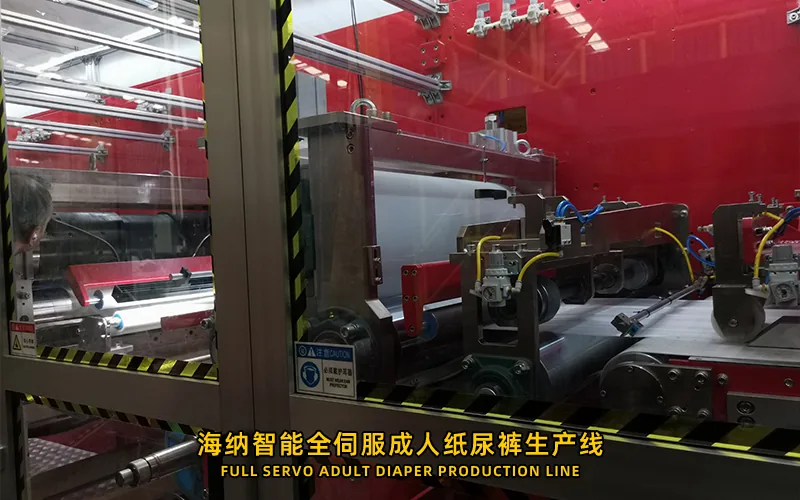
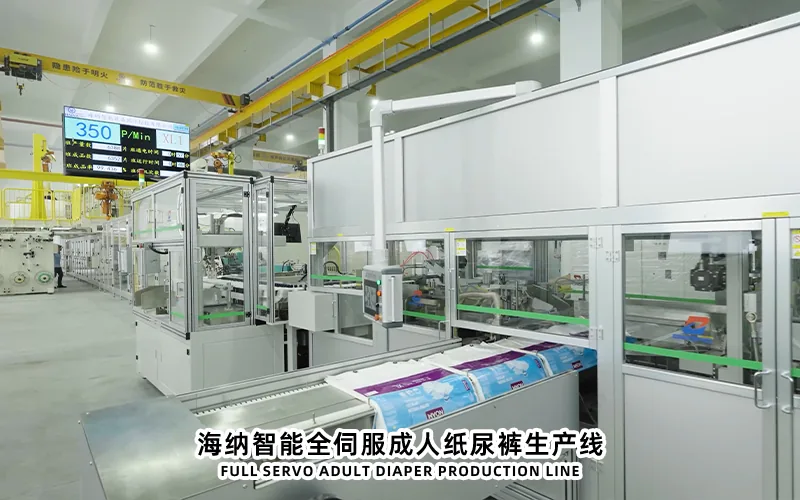
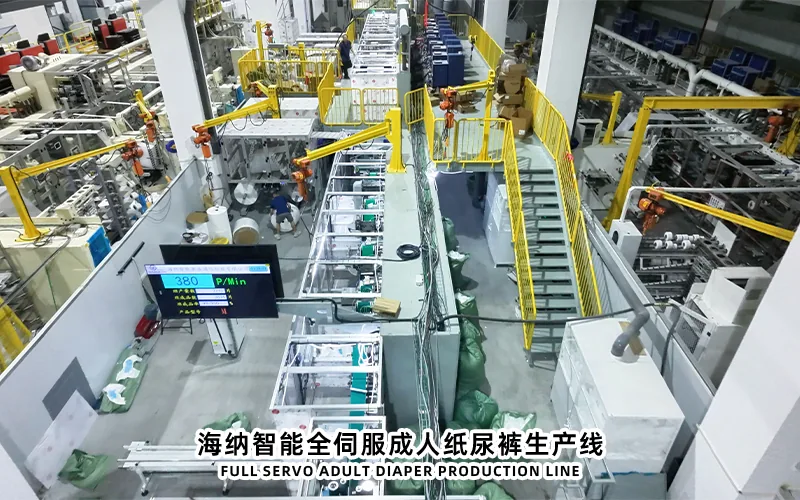
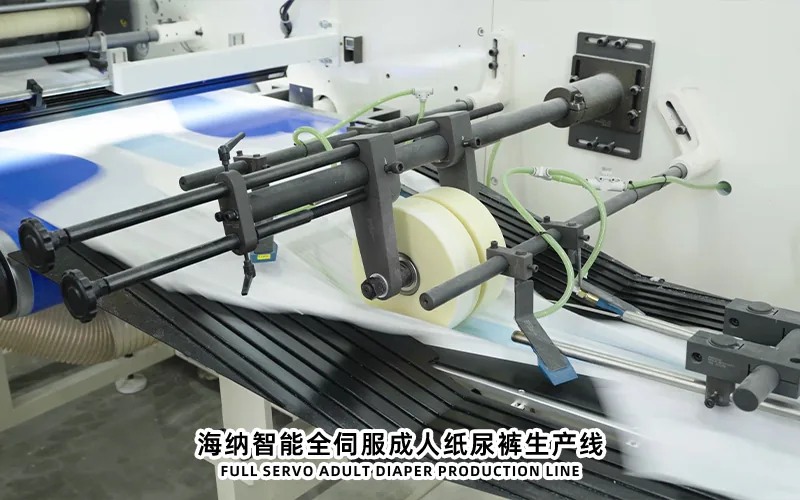
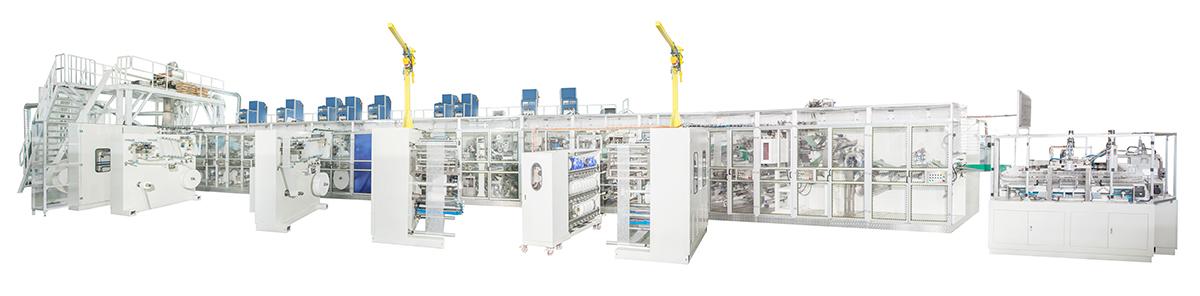
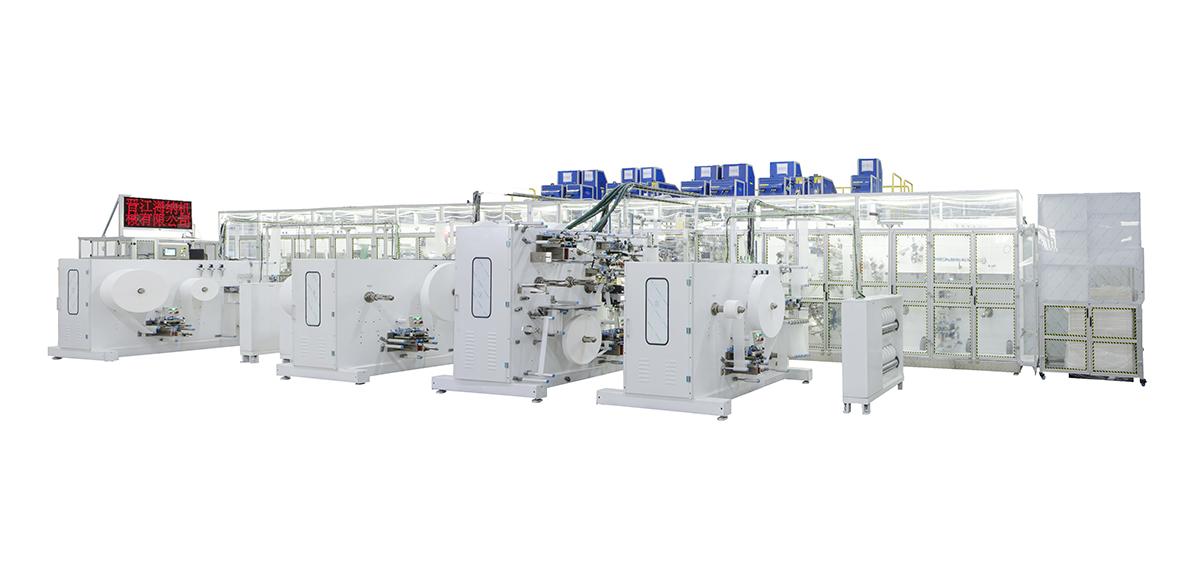
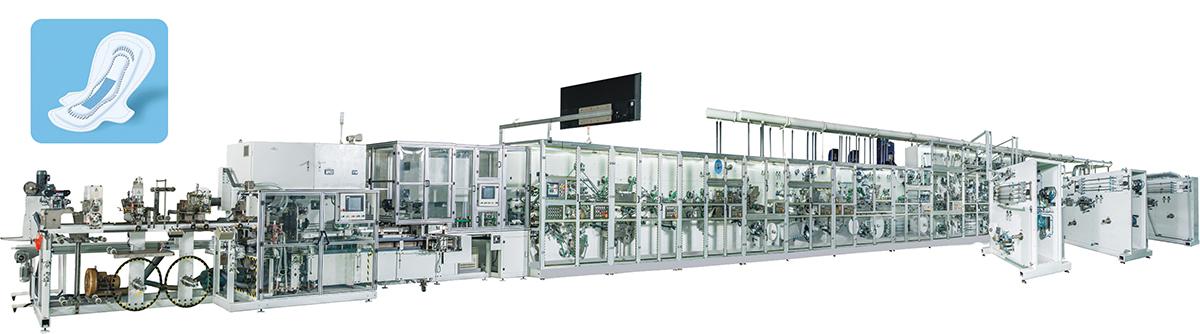
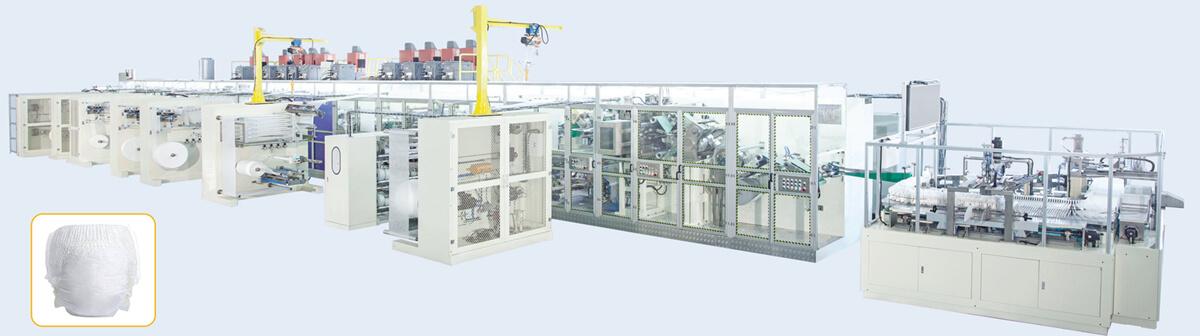
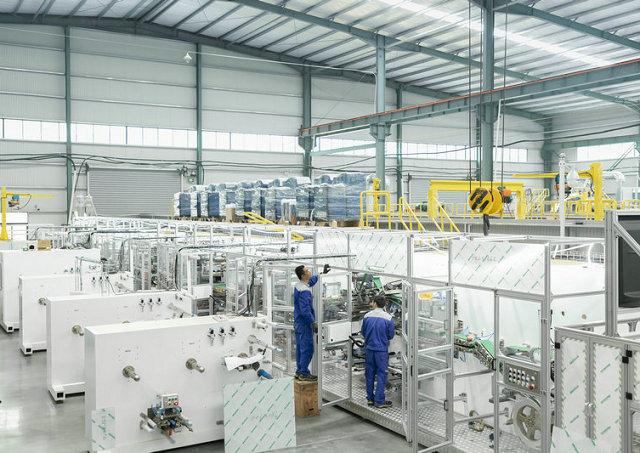
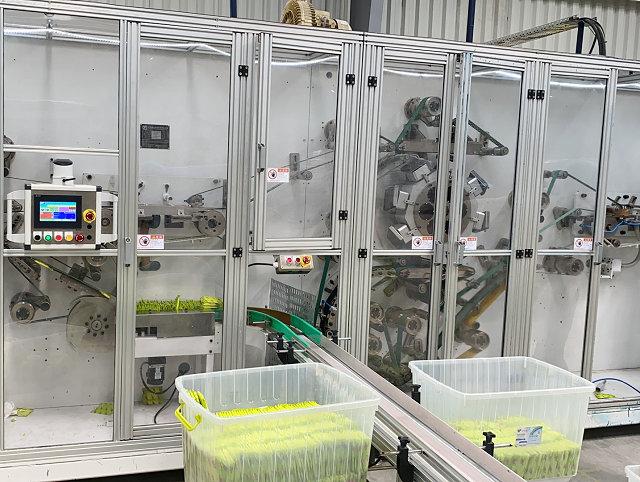
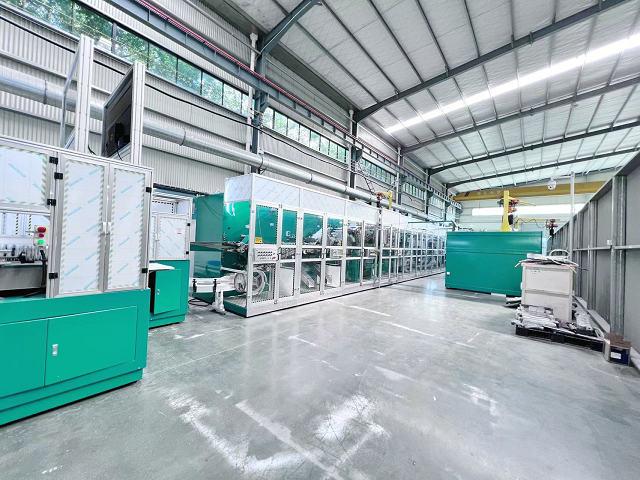
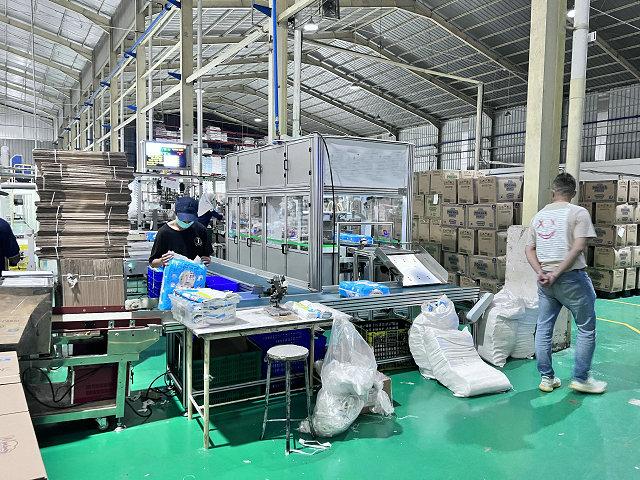
Maintaining an adult diaper production line efficiently requires control of accepted output, not only machine speed. Adult products use wider materials and larger components than baby formats, so roll handling, absorbent distribution, elastic and fastening placement, cutting, folding, reject tracking, and packaging balance need particular attention. The production manager should release the correct format and materials, stabilize the line, monitor product and process trends, prepare replenishment and changeovers, classify losses, and coordinate maintenance before small drift becomes a long stop. Efficiency evidence should separate design speed, operating time, accepted yield, changeover, downtime, and packaging constraints without inventing a universal target.
Adult Diaper Production Line Efficiency Basis
Define efficiency as the ability to convert scheduled time and approved materials into accepted adult diapers with controlled loss and reliable recovery. A single percentage can conceal whether the main issue is no production time, mechanical stops, quality rejects, startup waste, slow changeover, material waiting, or packaging blockage. Track the elements separately before combining any site metric.
The operating basis should identify adult diaper style, size, construction, raw-material schedule, absorbent-core definition, elastic and fastening arrangement, recipe, tooling, quality checks, package format, and line boundary. Different adult products may require materially different web widths, component positions, cut geometry, folds, counts, and package handling. Compare like conditions.
Design speed, stable working speed, operating speed, and contractual acceptance value are separate. Daily operation should use a condition where the entire line produces conforming products and recovers from normal events. A higher setting that increases breaks, misplacement, rejects, or downstream stops can reduce accepted output.
When reviewing adult diaper manufacturing equipment, ask the supplier to demonstrate the defined product and downstream boundary. The buyer's planning model should add its own shift calendar, staffing, materials, quality release, maintenance, and product-mix assumptions.
Efficiency begins with a defined adult product, material set, and complete line boundary.
Control Wide Materials and Absorbent Formation
Adult-product webs and rolls can place different demands on handling, storage, loading, unwind control, and operator access. Confirm roll identity, dimensions, mass and handling method from project data. Inspect damage, winding, edges, splice preparation, orientation, and storage condition. Use suitable lifting and staging so rolls are not damaged or manually handled outside the approved method.
Wide-web behavior needs coordinated tension and guiding. Monitor wrinkles, curl, lateral correction, telescoping, edge contact, roller contamination, and response to acceleration or a splice. A downstream guide should not continually compensate for an upstream alignment or material problem. Trend correction demand when the system provides useful data.
Absorbent formation should be assessed through product evidence. Check distribution, containment, dimensions, mass or other approved core measures, and process cleanliness according to the product plan. Material feed, air or extraction condition where relevant, forming surfaces, screens, seals, and process settings may influence the result. Avoid changing several variables together.
Dust and loose material can affect sensors, bearings, adhesive application, electrical areas, and housekeeping. Verify extraction and collection paths, cleaning intervals, filter or duct condition, and waste removal. An increase in cleanup frequency can be an early sign of a process or containment issue.
Stabilize Elastic, Fastening, and Cutting
Adult diaper fit depends on controlled elastic and fastening component placement according to the product design. Monitor feed, tension or stretch setting, break detection, adhesive or bonding application, position, and restart. Material lot changes can affect handling. When position trends move, check material, web control, sensors, timing, tooling, and drive condition before adjusting the final station alone.
Fastening components require correct orientation, pitch, bond, and edge relationship. Inspection devices may confirm selected presence or position, but the quality plan should include measurements and reaction rules. Reject tracking needs to identify the affected adult product accurately through the distance between detection and ejection, including speed changes and stops.
Cutting larger products or wider webs can expose tooling condition, alignment, debris, and handling issues. Inspect cut profile, blade or die condition, fastening, clearances, roller surfaces, and waste removal under the approved maintenance method. Protect and identify tools during storage and changeover.
Folding should preserve product geometry without trapping or shifting components. Observe fold guides, timing, compression, transfer, and recovery after a stop. A fold defect may begin with an upstream position or product-thickness change, so trace the product history before resetting folding mechanisms.
Component placement and cut condition should be trended through the whole product path.
Loss family
Adult-line evidence
First verification
Management action
Material handling
Roll damage, splice loss, break, web correction
Material identity and unwind condition
Contain roll and inspect handling route
Process quality
Core, elastic, fastener, cut, fold trend
Last accepted sample and change history
Hold scope and assign cause check
Equipment downtime
First alarm, stopped zone, repair timeline
Preserve event and physical condition
Restore, verify, and review recurrence
Changeover loss
Preparation, stopped work, setup output, release
Parts, recipe, access, quality method
Remove a verified task constraint
Packaging constraint
Blocked transfer, count fault, bag or case waiting
Handoff and downstream state
Balance interface rather than raise line rate
Balance Folding, Counting, and Packaging
Adult products occupy more volume and may behave differently during compression, stacking, and transfer. Define the line endpoint: loose discharge, folded product, count or stack, bagged pack, or further packaging. The accepted output calculation must use that same boundary. A fast converting section does not establish packaged capacity.
Check orientation, pitch, transfer height, stack formation, compression, count, accumulation, bag loading, sealing, coding, case handling, and signal exchange according to the supplied scope. Product deformation or jams at a handoff can create upstream stops and quality risks. Observe the complete interface during normal running, planned stop, restart, and full or empty accumulation.
Packaging materials need the same release discipline as product webs. Confirm bag or film identity, dimensions, print or code setup, seal method, count, and package-quality checks. Packaging substitutions can change friction, opening, registration, sealing, and line balance. Approve them through a controlled trial.
Do not solve a packaging bottleneck by building uncontrolled work-in-process. Manual buffering can mix product, lose count, damage shape, weaken traceability, and increase handling. Define safe buffer capacity, identification, first-in sequence if required, and response when downstream is unavailable.
Separate Speed, Yield, and Downtime
Record scheduled production time and planned nonproduction separately. Within available time, capture actual run time and unplanned stops. During run time, distinguish total produced cycles, detected rejects, samples, startup or setup output, and accepted products according to site definitions. This structure shows whether improvement should target schedule, reliability, process quality, or accounting.
Downtime records need first cause, zone, start, end, evidence, action, and release. Secondary alarms should not become separate root events. Classify material, mechanical, electrical or controls, process, quality, utility, packaging, staffing, and waiting where useful. Review the largest repeatable categories rather than all events with equal effort.
Yield loss should be connected to source. Separate startup, size change, roll event, web break, absorbent process, component position, bonding, cutting, inspection reject, jam, fold, packaging, and quality sample. A general "waste" bin does not show which process needs action.
Use rates only with transparent definitions and sufficient periods. Do not compare one shift running a stable format with another performing multiple changeovers without context. Use product-family and campaign views so management does not reward hidden quality holds or deferred maintenance.
Speed, operating time, accepted yield, and downstream output should remain separate evidence streams.
Use Changeover and Maintenance Windows
Adult diaper size changes may involve wide materials, larger tooling, guides, elastic and fastening setups, cut and fold elements, inspection fields, counters, and packaging parts. Prepare parts, materials, tools, lifting, recipes, and quality documents before stopping. Record the full conversion from last accepted old product to first accepted new product.
Use the stop for coordinated maintenance only when scope and time are planned. Inspect known access-limited areas, clean accumulation points, service due lubrication, check tooling and wear, and close small abnormalities. Avoid adding unplanned work that risks incomplete reassembly or delays the quality startup.
Restart through a controlled sequence. Verify parts and settings, guards, tools, utilities, inspection and reject, wrapper or packaging, then segregate first output until quality release. Record trial waste by cause so improvement does not simply shift work from mechanical change to longer stabilization.
Review changeover repeatability by format pair. Averages can hide one difficult conversion. Observe walking, searching, lifting, access, adjustment, and waiting. Improve identification, carts, presetting, reference marks, documents, or role coordination based on measured constraint.
Lead Daily Loss Recovery
Daily review should reconcile output and time before discussing causes. Compare scheduled time, planned stops, run time, accepted products, quality holds, rejects, waste, changeovers, and major downtime. Confirm that counters and packaging records use the same product and period. Resolve data gaps at the line while evidence is fresh.
Select a limited number of verified losses for action. Assign containment, evidence owner, cause analysis, correction, due review, and effectiveness check. A repeated web break, fold jam, or reject fault needs an event sample and physical investigation, not only a new target.
Maintenance, quality, materials, packaging, and production should share the review. Adult-line efficiency crosses ownership boundaries. HAINA can support equipment-side investigation and maintenance or FAT evidence for its supplied line when the factory provides product, material, configuration, timeline, alarms, samples, and actions.
Adult Line Efficiency Scoreboard
Product condition: Format, materials, recipe, tooling, quality trend, held interval, and packaging specification.
Time condition: Scheduled time, planned stop, run time, changeover, maintenance, unplanned stop, and waiting.
A balanced scoreboard keeps product, time, output, process, and actions connected.
Frequently Asked Questions
What is the best operating speed for an adult diaper line?
It is the verified setting where the complete supplied boundary maintains material control, accepted product quality, reliable rejects, stable recovery, and downstream balance.
Why track packaged output separately?
The converting line may discharge products that downstream equipment cannot count, stack, bag, or transfer at the same stable rate. The boundary changes the capacity conclusion.
How should changeover efficiency be measured?
Record offline preparation, stopped work, installation and settings, trial output, inspection setup, and time to first accepted new product for each relevant format pair.
What evidence helps a supplier diagnose repeat losses?
Provide machine identity, product, material, recipe, operating condition, event timeline, first alarms, photographs or trends, samples, recent changes, and attempted corrections.
Conclusion
Maintaining an adult diaper production line efficiently requires control of wider material handling, absorbent formation, elastic and fastening placement, cutting and folding, reject integrity, package flow, changeovers, maintenance, and loss evidence. The production manager should optimize accepted packaged output within safe and stable conditions, not chase a design-speed headline. The next factory verification action is to reconcile one complete campaign from released rolls through accepted packs, assign every lost minute and rejected product to a verified source, then witness the largest recurring loss at the machine before approving any speed increase, setting change, or equipment modification.