

Included converting functions
The legacy description records servo drive, digital size change, an intelligent HMI, tension control with a buffer, automatic web guiding and safety devices. Confirm the final component schedule and control permissions.


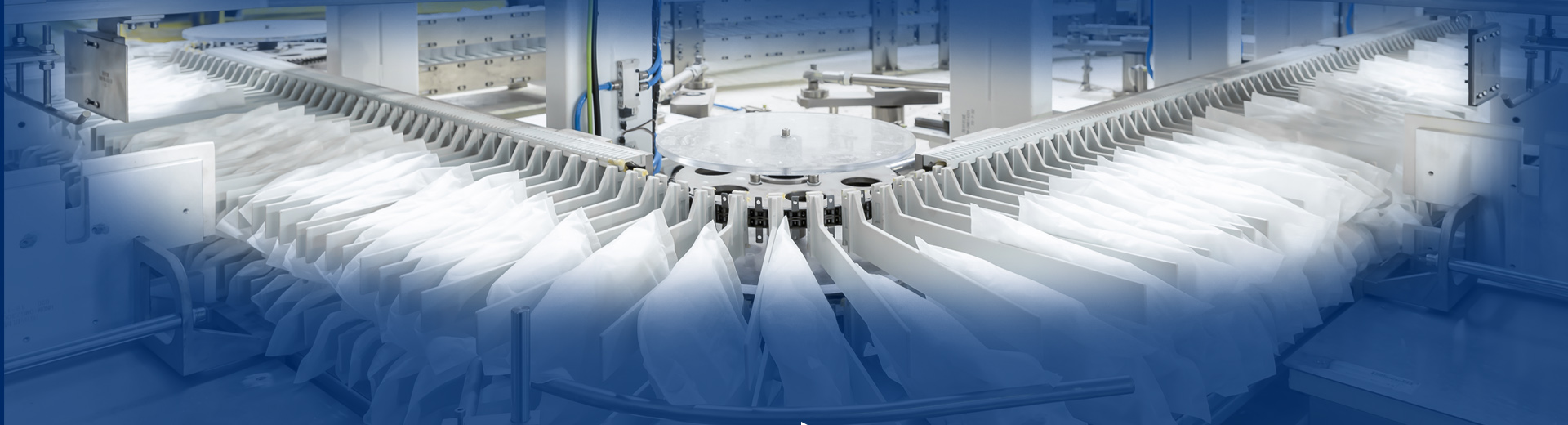
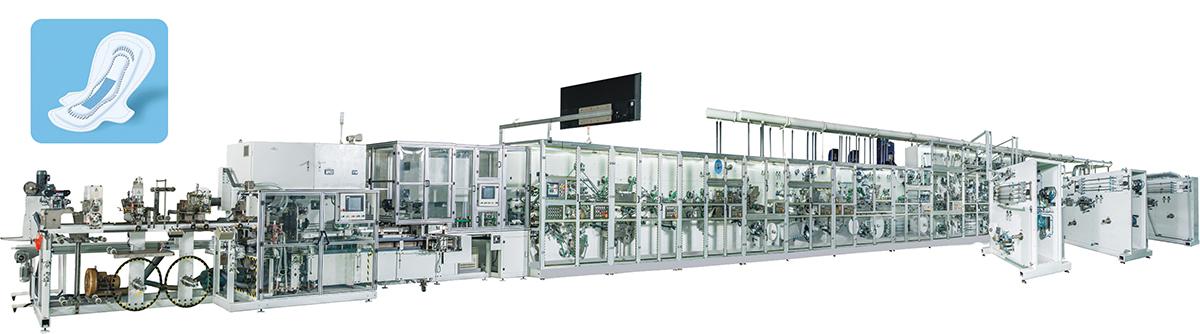
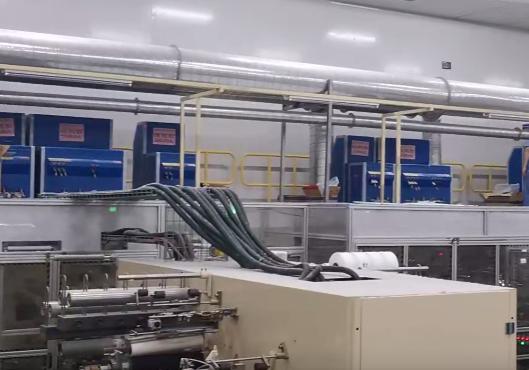
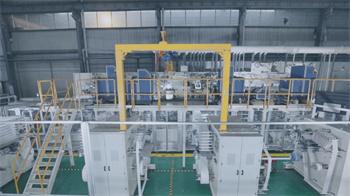
A WSJ1000 procurement decision begins with the finished sanitary napkin and works backward into machine scope. The archived specification lists a 1,000 ppm design speed, an 800-900 ppm stable working range, a 30 m x 6 m x 3 m envelope and a full automatic line description. Those entries are valuable only when the buyer also defines the pad construction, material rolls, individual wrap and boundary of the packing system. This page organizes that work as a sequence of decisions rather than a generic equipment overview.
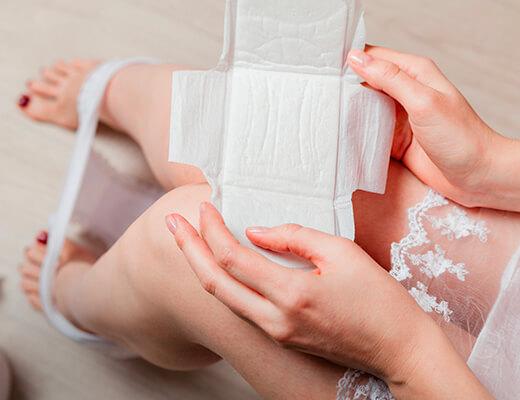
Approve the product length, width, wing geometry, thickness, core route, back release paper and wrapper format. The material record supports either nonwoven or PPF as the topsheet and lists both formed-core inputs and alternative absorbent components, including fluff pulp, SAP, tissue, airlaid paper and SAP paper. The contract should state which route belongs to the purchased recipe.
The legacy description records servo drive, digital size change, an intelligent HMI, tension control with a buffer, automatic web guiding and safety devices. Confirm the final component schedule and control permissions.
The historical scope says the auto stacker and packaging machine are to be defined by customer need. A fully automatic label therefore does not determine bag dimensions, count, sealing method or discharge arrangement.
Roll diameter, width, core size, splice form, print mark and adhesive application conditions are not supplied by these names. They must be added to the engineering input sheet.
| Procurement topic | Archived value | What to confirm before order |
|---|---|---|
| Output reference | 1,000 ppm design; 800-900 ppm stable | Product and material recipe used for acceptance |
| Installed envelope | 30 m x 6 m x 3 m | Service aisles, unwind handling and bagger clearance |
| Electrical reference | 380 V, 50 Hz; 220 kW | Destination supply and final load schedule |
| Compressed air | 0.6-0.8 MPa | Required flow and connection conditions |
| Machine weight | 55 tons | Foundation and unloading plan |
The source records efficiency of at least 85% and rejection of no more than 3%. The agreement still needs a calculation method, test duration, excluded stops, approved material lots, sampling plan and definition of a reject. Stable speed should be witnessed as a sustained production condition, not a momentary HMI reading. HAINA and the buyer should also record restart performance and the transfer from wrapper to the selected packing equipment.
No fixed product size appears in the archived fields for this page. The selected size and construction must be confirmed from a signed drawing and sample.
It is the recorded machine-capacity reference. The final electrical schedule, auxiliaries and local supply conditions should be reviewed before facility design.
The term should be translated into an equipment boundary. Converting, individual wrapping, stacking and bagging interfaces must be listed so neither party assumes an unrecorded module.
Release the WSJ1000 configuration only when the product file, material schedule, line boundary, destination utilities and acceptance protocol agree with one another. A procurement matrix with named owners and dated approvals is more reliable than selecting equipment from the model name alone.
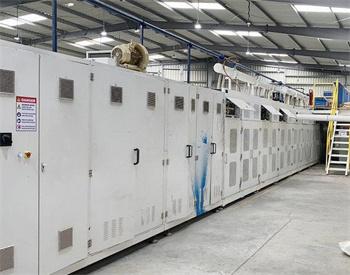
Full Automatic sanitary napkin production line
|
Dimensions(L×W×H8) |
30m*6m*3m |
|
Design Speed: |
1000ppm |
|
Stable Working Speed: |
800-900ppm |
|
Rejection Rate: |
≤3% |
|
Efficiency: |
≥85% |
|
Power Source: |
380V,50HZ |
|
Machine Capacity: |
220KW |
|
Air Pressure: |
0.6-0.8Mpa |
|
Machine Weight: |
55 tons |
Although the sanitary napkin production line has high productivity, the operation of the equipment depends on the effective cooperation of each component. Any damage to the component may cause the equipment to operate abnormally and cause production to stop.
Due to the high cost of equipment safety management and maintenance, some small and medium-sized enterprises often ignore the issue of safety management, and wait until the failure will cause production to stagnate. Lack of daily safety production management, therefore lack of effective operation and fault records, once a fault occurs, the problem cannot be accurately found, and the maintenance time will be increased.
Feminine sanitary napkin production line
| No. | Raw materials |
| 1 | Topsheet(NW or PPF) |
| 2 | Fluff pulp |
| 3 | SAP |
| 4 | ADL N.W. |
| 5 | Tissue |
| 6 | Backsheet |
| 7 | Back release paper |
| 8 | Wings release paper |
| 9 | Pouch film |
| 10 | Easy tape |
| 11 | Air laid paper |
| 12 | SAP Paper |
| 13 | Hydrophobic N.W. |
| 14 | Construction glue |
| 15 | Position glue |
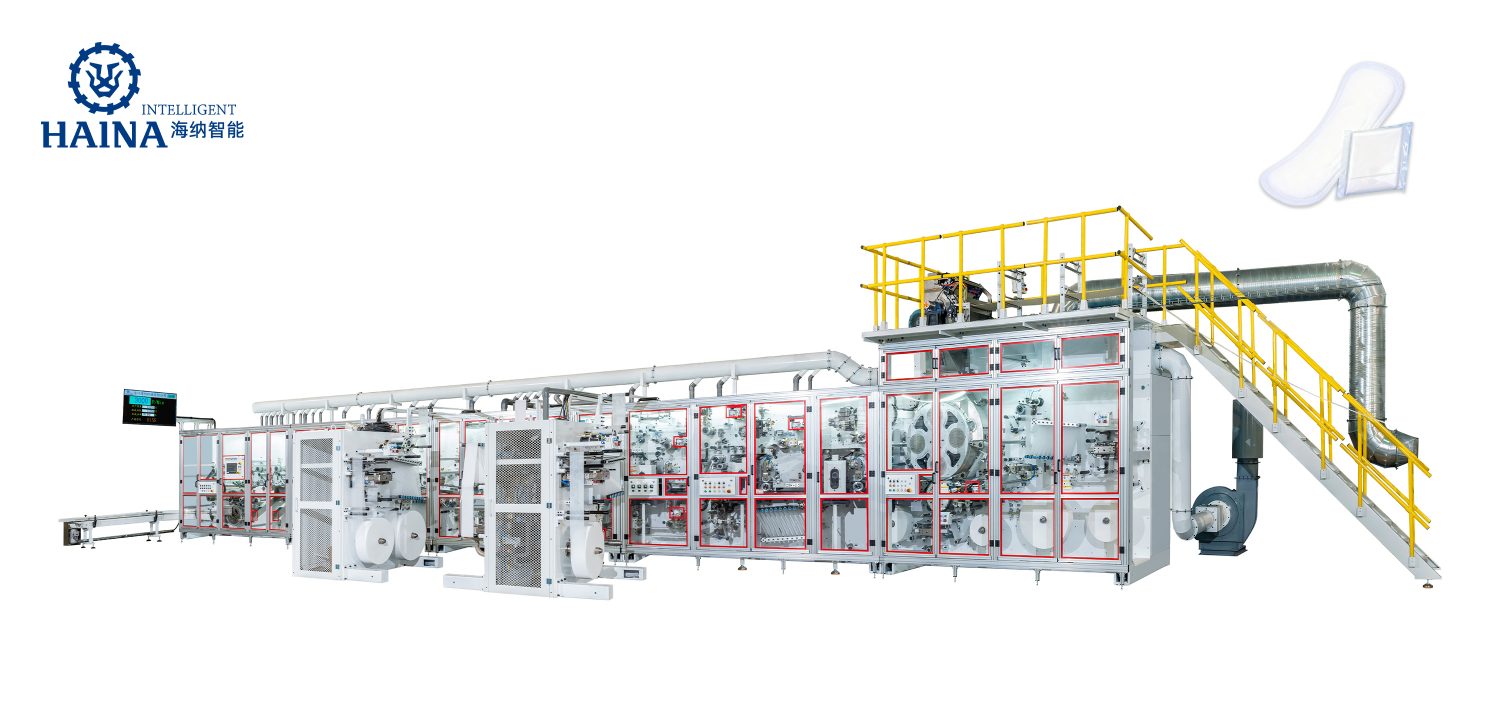
Plan HD3500 pantyliner line delivery through sample approval, scope freeze, engineering, FAT and handover while resolving legacy speed conflicts....
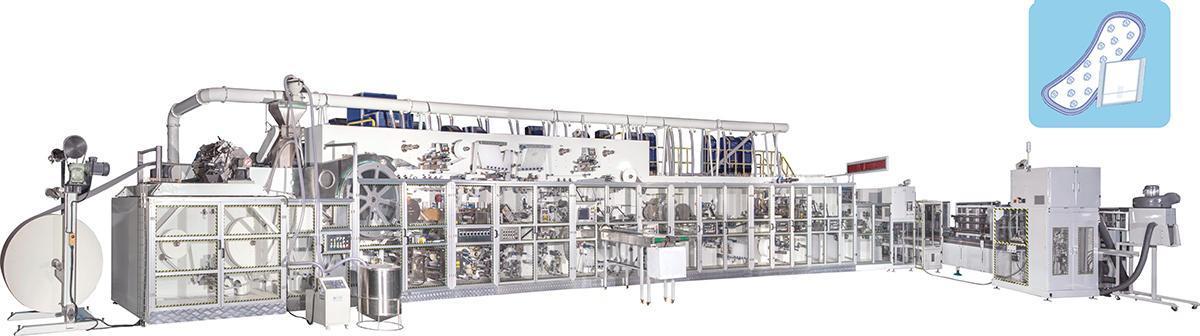
Plan WSJ1000 sanitary pad changeovers with controlled drawings, materials, tooling, recipes, wrapper checks and first-off approval....
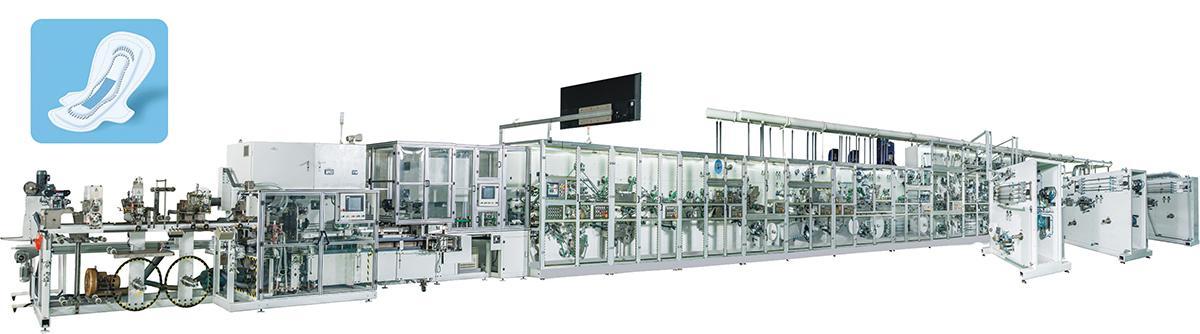
Review the HD1200 sanitary pad machine nameplate, process controls, utilities, material inputs and specification questions before purchase....


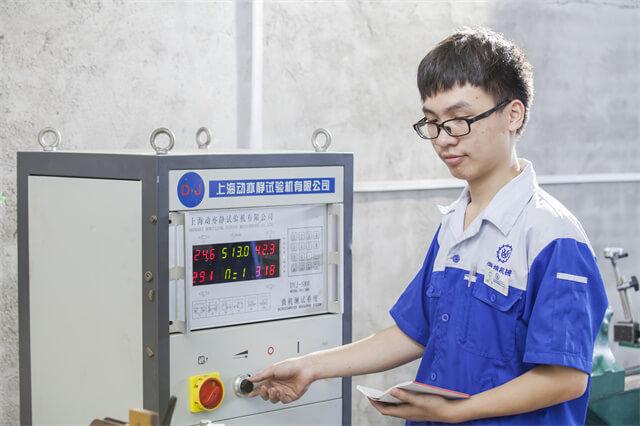




This Feminine Napkin Machine is a workhorse! It's reliable, efficient, and has become an essential part of our production lineJessica S 2024-05-31
Our customers have noticed the difference in the quality of our feminine napkins since we started using this machine. Highly recommendedMegan H 2024-05-31
The support team behind the Feminine Napkin Machine is top-notch,They provided excellent training and assistance when we needed itLaura M 2024-05-31
As a small business owner, I appreciate the durability and performance of this machine. Feminine Napkin Machine has exceeded my expectations in every way.Kimberly S 2024-05-31