

Design speed
The 1,500 pieces-per-minute entry describes the recorded design reference. It does not by itself establish sustained output with every product, wrapper and bag.


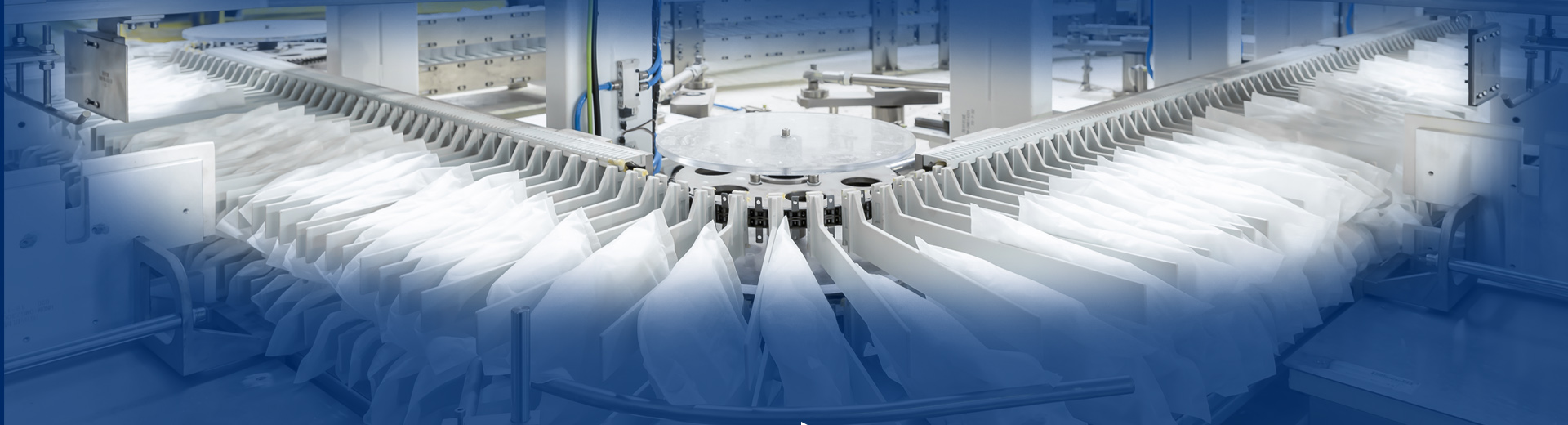
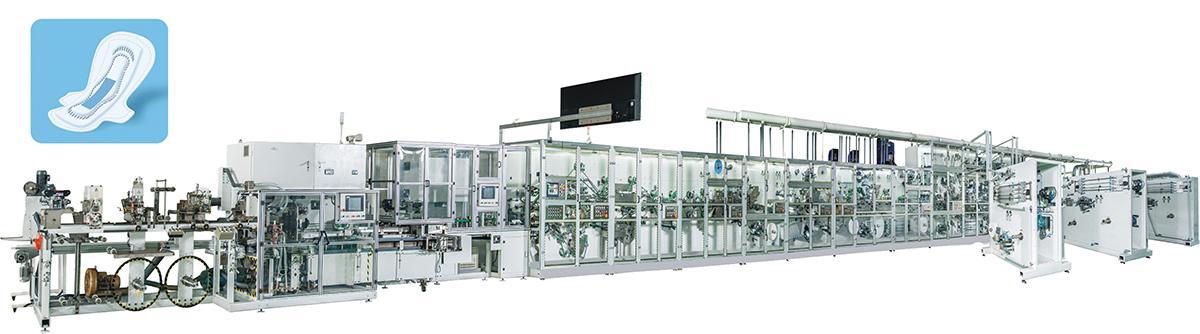
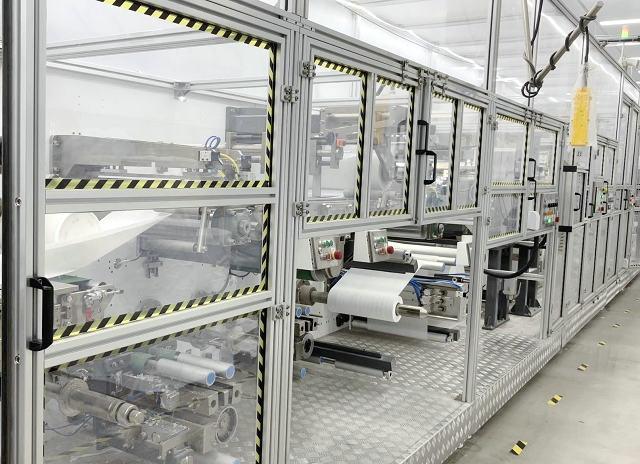
Capacity planning for this page should begin with three different ideas: design speed, stable working speed and saleable output. The archived table lists 1,500 pieces per minute as design speed and 1,300 pieces per minute as stable working speed. It also records efficiency of at least 85% and rejection of no more than 3%. These entries should never be merged into one unsupported promise; each needs a definition, test window and material recipe.
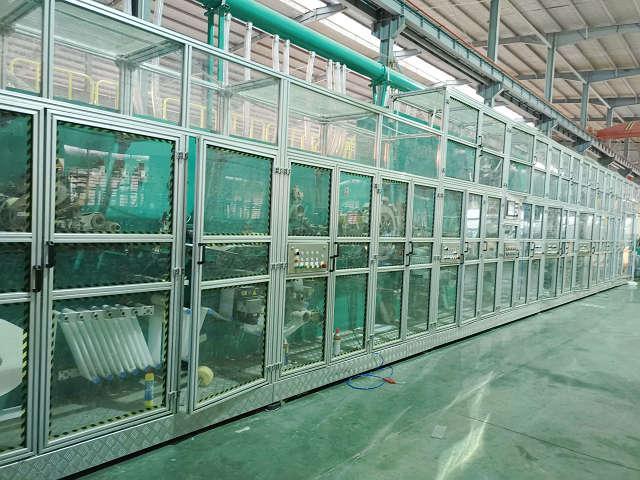
The 1,500 pieces-per-minute entry describes the recorded design reference. It does not by itself establish sustained output with every product, wrapper and bag.
The 1,300 pieces-per-minute entry is the more relevant starting point for a witnessed production run, provided the approved 240 mm product and materials are named.
This is the quantity remaining after defined stops and rejects. It depends on the agreed efficiency and quality calculation, not only the counter rate.
These are transparent arithmetic references, not output guarantees. A planning model must then apply the contract's definitions for scheduled time, operating time, splices, cleaning, changeover, quality holds and packing interruptions. The archived page does not state a shift length or acceptance duration.
| Input | Recorded or derived reference | Contract decision still needed |
|---|---|---|
| Stable counter rate | 1,300 pieces/minute | Approved recipe and sustained test condition |
| Gross hourly arithmetic | 78,000 pieces/hour | Whether the rate is measured before or after packing |
| Efficiency | At least 85% | Time base, included stops and formula |
| Rejection | No more than 3% | Sampling point and definition of a reject |
| Product | 240 mm, to be customized | Signed drawing, tolerances and retained sample |
The legacy control description records servo drive, an intelligent HMI touch-screen interface, tension control with a buffer, automatic web guiding and zero-speed splice support. These controls should be verified with the approved product and web materials during FAT.
Utility availability and line layout affect whether a planned output can be sustained. Confirm the final load schedule, air-flow demand, unwind handling space and service clearance before using floor area in an investment model.
No. It is 1,300 multiplied by 60 and by 8 before downtime and rejects. A saleable-output estimate requires the agreed operating and quality formulas.
No. The title and speed records indicate WSJ1500, while the archived feature field says WSJ1000. The model identity must be confirmed in the contract and FAT documents.
A downstream stop can interrupt the complete line or create uncounted work in process. The agreed pack format therefore belongs in the capacity protocol.
Use the archived values as labeled inputs, then show every assumption in the capacity worksheet. HAINA and the buyer can compare the FAT result with that same worksheet, while keeping the WSJ1500 versus WSJ1000 legacy label conflict visible until formally resolved.
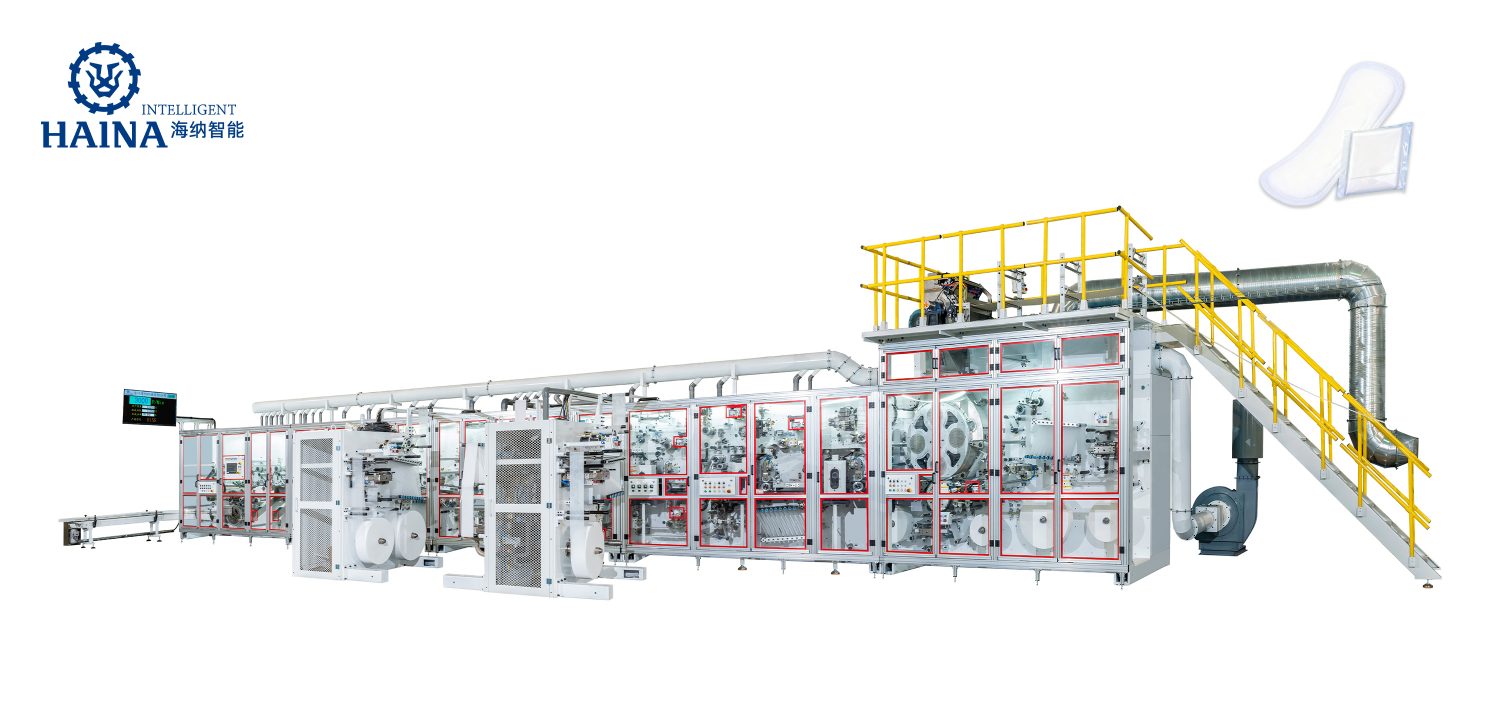
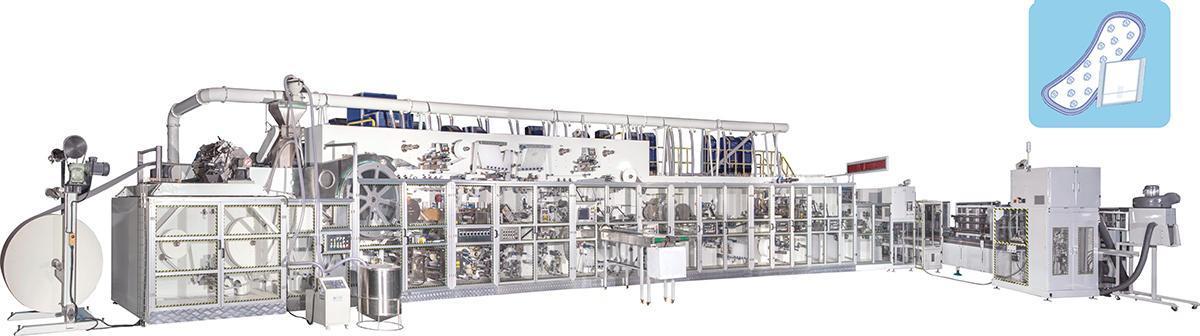
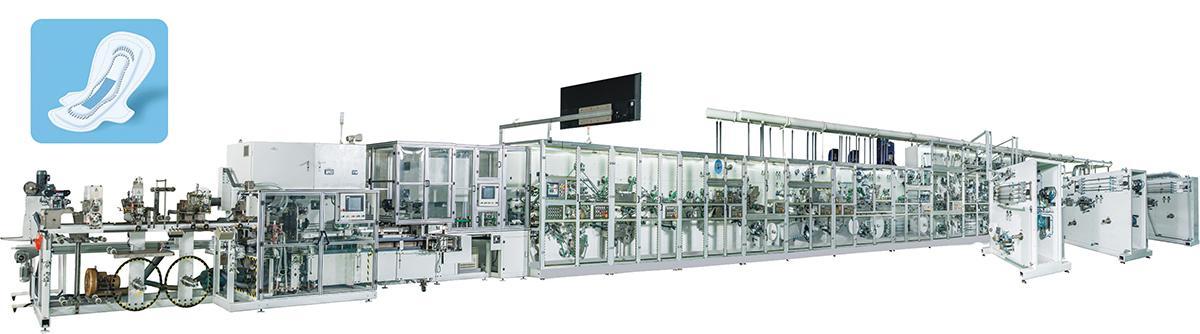
WSJ1000 Sanitary Pads Manufacturing Machine
|
Dimensions(L×W×H8) |
30m*6m*3m |
|
Design Speed: |
1500pcs per minute |
|
Stable Working Speed: |
1300pcs per minute |
|
Rejection Rate: |
≤3% |
|
Efficiency: |
≥85% |
|
Power Source: |
380V,50HZ |
|
Machine Capacity: |
220KW |
|
Air Pressure: |
0.6-0.8Mpa |
|
Machine Weight: |
55 tons |
The sanitary pads manufacturing machine is a state-of-the-art piece of equipment designed to produce high-quality sanitary pads with maximum efficiency. This machine automates the entire process of pad production, including cutting, bonding, and shaping the pads. It is equipped with advanced sensors and control systems to ensure consistent and reliable production.
With a production speed of up to 100 pads per minute, this machine is capable of producing large quantities of sanitary pads in a short amount of time. The production rate can be adjusted depending on the specific needs of the manufacturer, and the machine can be configured to produce a range of pad sizes and shapes.
The sanitary pads manufacturing machine is designed with a user-friendly interface, making it easy to operate and maintain. It is constructed with high-quality materials that are resistant to wear and tear, ensuring durability and long-term use. Overall, this machine is an essential tool for manufacturers looking to streamline their production process and meet the demand for high-quality sanitary pads in the market.
| No. | Raw materials |
| 1 | Topsheet(NW or PPF) |
| 2 | Fluff pulp |
| 3 | SAP |
| 4 | ADL N.W. |
| 5 | Tissue |
| 6 | Backsheet |
| 7 | Back release paper |
| 8 | Wings release paper |
| 9 | Pouch film |
| 10 | Easy tape |
| 11 | Air laid paper |
| 12 | SAP Paper |
| 13 | Hydrophobic N.W. |
| 14 | Construction glue |
| 15 | Position glue |
Plan HD3500 pantyliner line delivery through sample approval, scope freeze, engineering, FAT and handover while resolving legacy speed conflicts....
Plan WSJ1000 sanitary pad changeovers with controlled drawings, materials, tooling, recipes, wrapper checks and first-off approval....
Review the HD1200 sanitary pad machine nameplate, process controls, utilities, material inputs and specification questions before purchase....






The Feminine Napkin Machine has helped us streamline our manufacturing process and reduce costs. It's a fantastic investment for any companySamantha P 2024-05-31
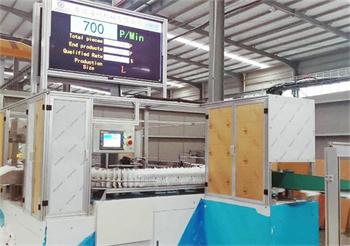
We've seen a significant increase in our production output since incorporating this Feminine Napkin Machine into our operations. It's a game-changer for usSarah L 2024-05-31
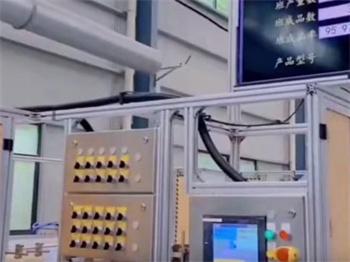
I love how easy it is to operate the Feminine Napkin Machine. It has increased our production capacity significantlyAmanda K 2024-05-31
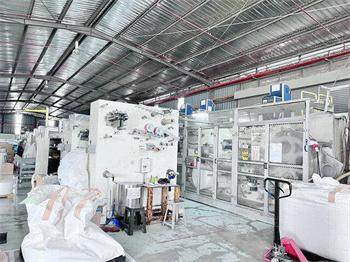
The quality of the feminine napkins produced by this Feminine Napkin Machine is unmatched. Our customers have given us great feedback since we made the switchEmily T 2024-05-31