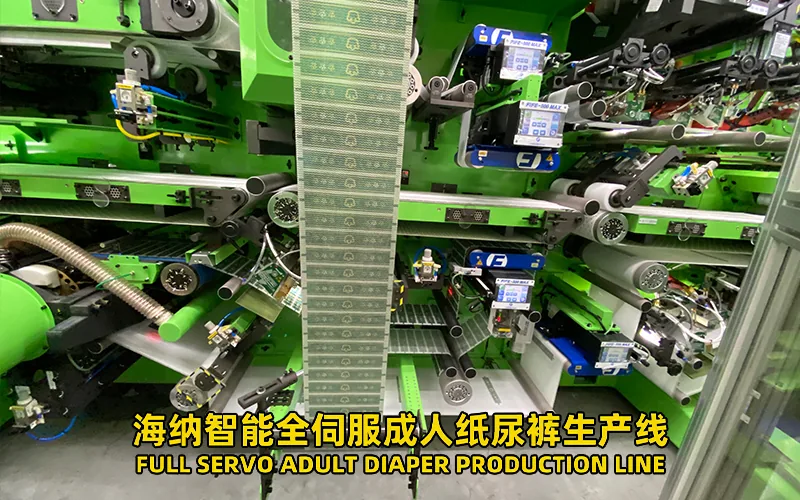
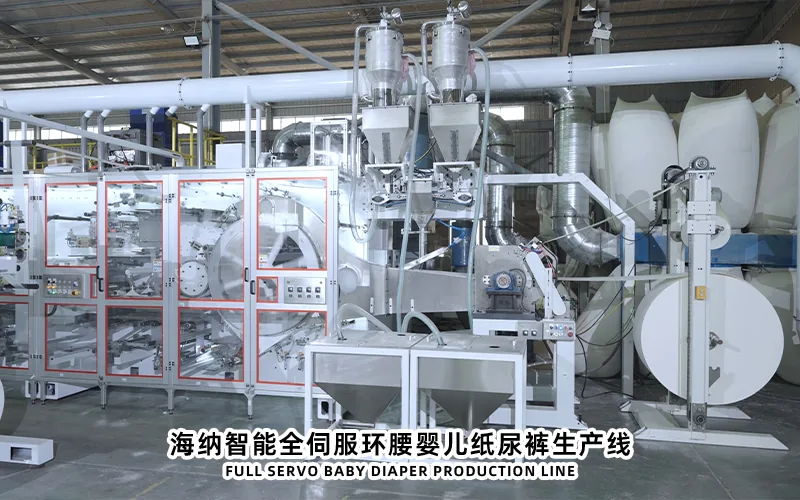
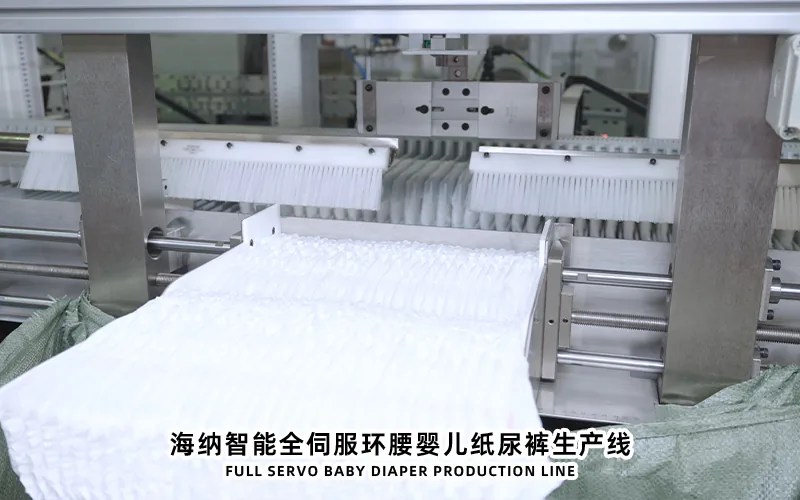
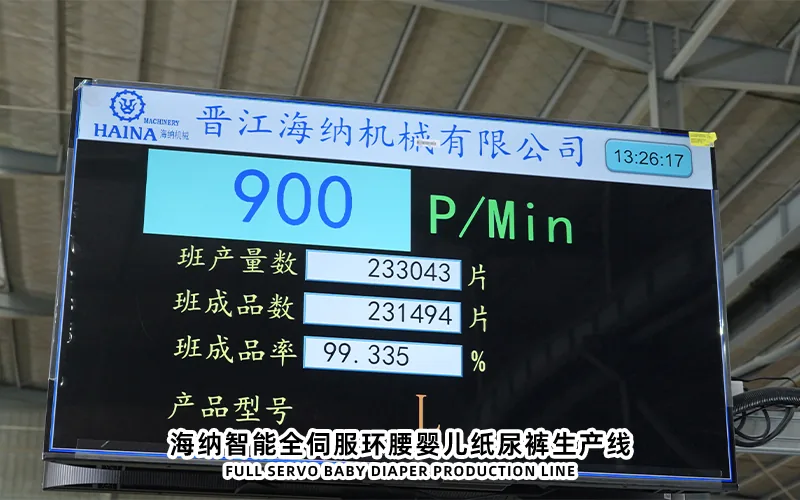
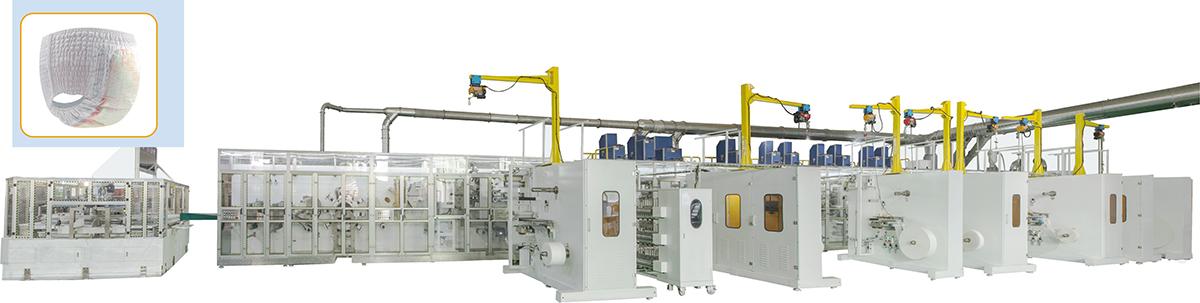
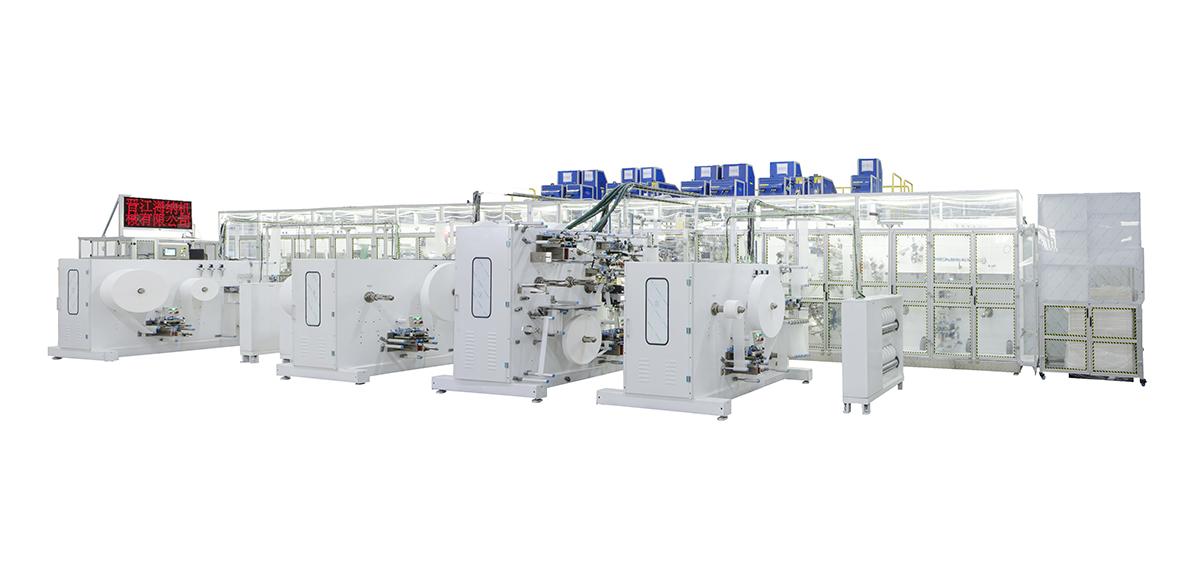
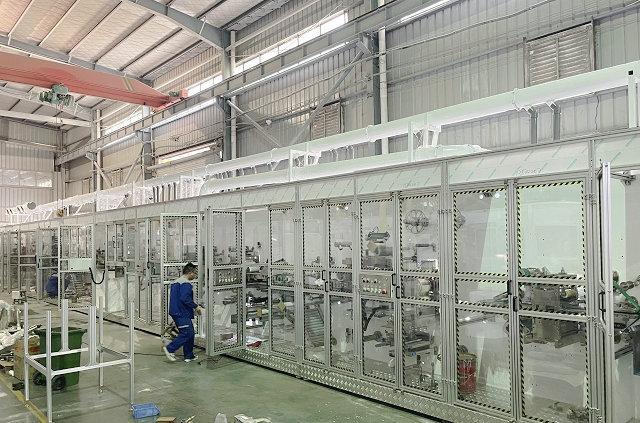
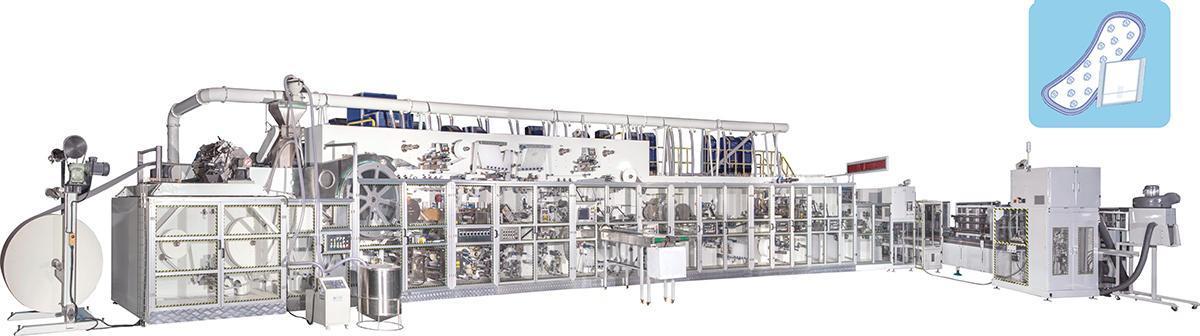
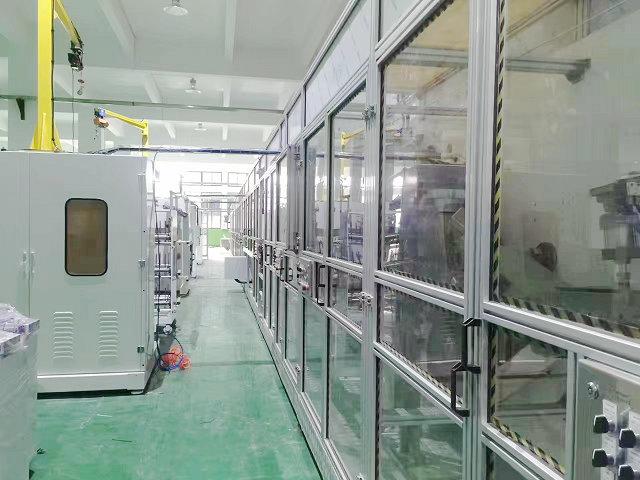
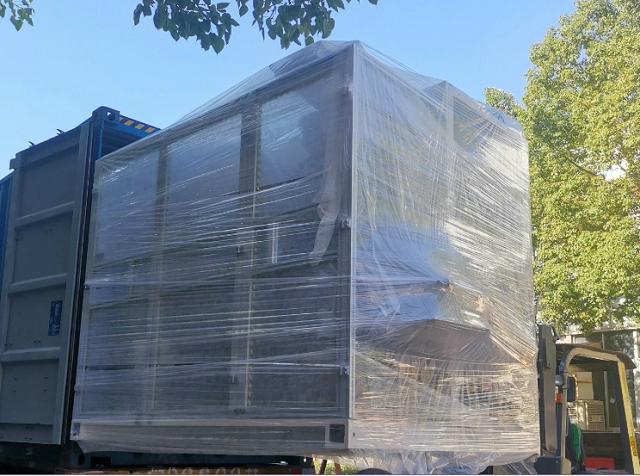
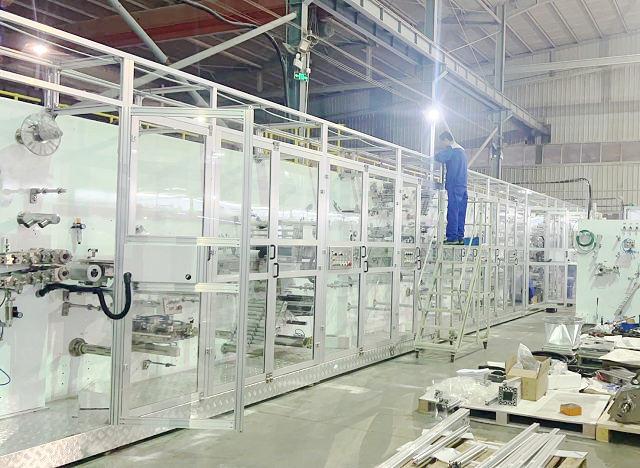
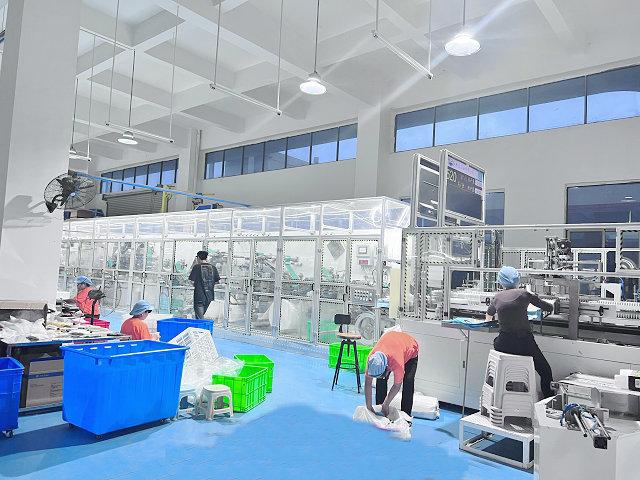
The most useful maintenance tips for a fully automatic baby diaper machine are to protect synchronization, observe developing conditions, control contamination, and verify the entire automatic sequence after any intervention. Daily care should focus on safe external inspection, web paths, sensors, adhesive residue, air leaks, alarms, and product signals. Planned stops should cover drives, guides, cutters, applicators, inspection devices, reject functions, and packing handshakes using approved instructions. Because one station can disturb several downstream functions, technicians should preserve parameters, change one condition at a time, record findings, and prove safe operation and acceptable product before returning the machine to production.
A fully automatic line links unwinds, web control, product conversion, inspection, rejection, transfer, counting, and packaging signals. Maintenance at one station can alter timing or tension elsewhere. A sensor moved to solve a local false alarm may shift a downstream cut or reject event. A belt replacement can affect phase. A packing interface fault can create converter stops that look like an upstream process problem. For this reason, maintenance preparation should identify every related station and interface.
Keep a controlled baseline for recipes, mechanical reference positions, drive parameters, sensor locations, alarm delays, and interface settings appropriate to the delivered system. Access should follow named roles. Before changing a value, record the current state, reason, expected effect, approval, and restoration method. Informal parameter experiments during production make later diagnosis difficult and can cause different shifts to run incompatible configurations.
Automatic production depends on controlled timing and signals across connected stations.
Maintenance teams should distinguish a mechanical reference, a process recipe, and an operator adjustment. Each has different authority. Supplier documentation should state the intended boundaries, while the factory defines who can act within them. When those boundaries are unclear, resolve them during training and acceptance instead of discovering them during an urgent fault.
Use a Shift Condition Route
A short, repeatable route catches changes before they become extended stops. From safe observation points, the operator checks guarding, warning devices, utility indication, unusual noise, odor, vibration, visible leakage, dust or web accumulation, roll behavior, tracking, adhesive residue, alarms, reject trend, and output appearance. Findings should include time, SKU, station, symptom, and whether the condition is changing. "Machine abnormal" is not actionable.
The incoming shift should review open abnormalities with the outgoing team at the machine. Confirm whether a temporary production condition has formal approval, limits, and an expiry. Supervisors should not allow reset counts or minor stops to disappear into a shift total; repeated short interruptions often reveal contamination, unstable materials, worn interfaces, or settings close to a limit.
Once per review period, plot minor stops by station, SKU, material roll, and time since cleaning or changeover. Compare the pattern with maintenance findings and product rejects. This evidence helps the supervisor schedule a targeted inspection and avoids replacing unrelated parts because several downstream alarms followed one upstream disturbance.
Observed symptom
First safe evidence
Possible areas to separate
Release proof
Web drifting
Roll state, guide indication, path photo, SKU
Material edge, tension, roller, guide, alignment
Stable tracking and placement samples
Intermittent cut issue
Defect position, alarm sequence, blade condition
Wear, phase, tension, transfer movement
Dimension and edge checks over a defined run
False rejects
Rejected samples, sensor display, contamination
Product variation, sensor, trigger timing, logic
Challenge test and normal sample review
Packing backup
Interface status, count state, downstream alarm
Transfer, grouping, bagger, communication
Continuous handoff under defined conditions
Adhesive variation
Application sample, temperature indication, residue
Material, supply, nozzle, hose, setting
Application and approved bond evaluation
Maintain Web, Adhesive, and Elastic Functions
Web systems need clean contact surfaces, sound rollers and bearings, stable roll support, working guides, and correct threading. Inspect for deposits, scoring, looseness, uneven wear, and damage that could mark or steer materials. Replacement and alignment work should follow the specified method because small geometric changes can accumulate through several layers. After work, verify tracking at relevant operating conditions rather than only while jogging.
Adhesive equipment involves heat, pressure, material compatibility, and contamination risk. Follow the approved shutdown and safe-service procedure. Inspect hoses, connections, filters, pumps, heated parts, nozzles, and guards according to the equipment documents. Use the specified cleaning method and avoid hard tools that can damage precision surfaces. A clean appearance does not prove correct application; check the resulting pattern and approved product test.
Web guides and application points should be inspected as interacting process functions.
Elastic delivery and application depend on feed condition, guiding, tension, cutting where applicable, and attachment. A local adjustment can alter contraction or placement. Preserve approved references, verify material identity, and inspect multiple products after intervention. Trend the defect position: a regular repeating signal may point toward a rotating element, while random variation may direct attention toward material feed or contamination.
Control Cutting, Detection, and Rejection
Cutting units combine sharp hazards, precision surfaces, fastening, phase, and wear. Only trained personnel should service them under the factory's isolation procedure. The task should specify inspection points, permitted repair or replacement, suitable handling, and how condition is recorded. Do not compensate indefinitely for physical wear by changing timing or pressure; that can hide the cause and damage related parts.
After cutting work, inspect edges, dimensions, repeating patterns, noise, temperature trend where relevant, and fastening after the approved confirmation period. Retain samples identified with SKU, time, and machine state. If adjustment affects phase, check downstream folding, placement, detection, and transfer rather than judging the cutter alone.
Inspection and rejection functions need planned challenge tests. Clean sensors with compatible materials, inspect mounts and cables, confirm reference positions, and use known samples or a documented simulation method to show detection and physical rejection. Verify that rejected units remain segregated and that counters and alarms respond as intended. A detector that signals correctly but fails to remove the product is not a functioning quality control.
Manage Controls, Data, and Utilities
Control-system care includes cabinet environment, fans and filters where fitted, connections, network components, storage devices, backups, user accounts, and version records. Electrical inspection must be performed by qualified personnel under applicable safety procedures. Avoid uncontrolled software updates, unrecorded replacement devices, or borrowed parameter files. Keep verified backups offline or in the factory's controlled system and periodically test the restoration process on an approved basis.
Controls maintenance should preserve configurations, alarms, interfaces, and recoverable backups.
Utilities are part of machine condition. Record compressed-air pressure and quality at the required point under realistic demand, electrical events, vacuum performance, temperature, and humidity where they affect the process. A fault that appears inside the line may originate in a shared plant system. Compare the event time with utility records before replacing components.
For buyers reviewing fully automatic baby diaper manufacturing equipment, maintenance discussions should include diagnostic access, backup ownership, alarm documentation, component revision control, and packing-system interfaces. These details determine how confidently the factory can recover automatic operation.
Restore the Full Automatic Sequence
Return-to-service begins before power restoration. Account for tools, removed parts, temporary supports, and cleaning materials. Confirm correct assembly, connections, lubrication, covers, guarding, interlocks, and isolation release under the approved procedure. Review whether the work changed settings, format references, software, or calibration status and update controlled records before running.
Use staged startup. First verify affected functions at the safest authorized mode. Then introduce utilities and materials according to the operating procedure, watching web paths and synchronization. Confirm upstream and downstream handshakes, alarms, detection, rejection, counting, and packing transfer. Segregate startup output until the defined product checks pass. Record the test conditions and authorizing roles.
HAINA maintenance support can be used to review complex recovery evidence when a fault affects synchronized functions or protected configuration. The factory should provide station identity, event order, current revision, recent changes, alarms, measurements, and actions already taken. Remote advice must still be executed through local safety and authorization controls.
Symptom-to-Action Diagnostic Sequence
1. Stabilize: Stop or hold the process under the approved method, protect personnel, segregate questionable output, and preserve the first alarm.
2. Describe: Identify the exact symptom, station, SKU, material roll or lot, timing, repeating pattern, and recent change.
3. Separate: Distinguish product material, mechanical condition, sensor input, control logic, utility supply, and downstream interface hypotheses.
4. Test: Follow approved checks, changing one controlled factor at a time and recording the result. Escalate outside competence.
5. Correct and verify: Restore configuration, test the affected function and connected sequence, examine identified products, and authorize release.
6. Learn: Set a follow-up check, update the failure history, and review task intervals, spare levels, or training if the event could recur.
Recovery is complete only after the whole automatic sequence and resulting product are verified.
Frequently Asked Questions
Why do small stops matter on an automatic line?
Repeated brief stops can indicate contamination, unstable sensing, marginal alignment, material variation, or an interface timing problem. Record their location and pattern. Aggregated downtime alone hides the evidence needed to prevent a larger interruption.
Can a technician adjust parameters to compensate for wear?
Only within approved authority and procedure. Repeated compensation can hide physical deterioration and shift defects downstream. Diagnose the wear mechanism, compare with the controlled baseline, and approve any configuration change with a verification and rollback plan.
How should the line be tested after sensor maintenance?
Confirm mount, connection, cleanliness, reference position, input response, alarm or logic action, physical reject action where applicable, counter behavior, and product flow. Use identified challenge samples or an approved simulation and retain the result.
Which spares deserve priority?
Prioritize by safety and production consequence, sourcing exposure, failure pattern, configuration specificity, and storage feasibility. Tie every stocked item to the delivered revision and inspect it on receipt instead of relying only on a generic component name.
Conclusion
Maintenance of a fully automatic baby diaper machine should protect synchronization from material unwind through detection and packing, not merely restore a stopped component. The practical factory action is to choose one recurrent symptom and run the six-step diagnostic sequence with maintenance, production, and quality personnel, documenting every observation and release check. Before the next planned shutdown, verify controlled baselines, critical spares, safe work instructions, challenge samples, and backup restoration so the team can demonstrate a repeatable return to stable, acceptable production.