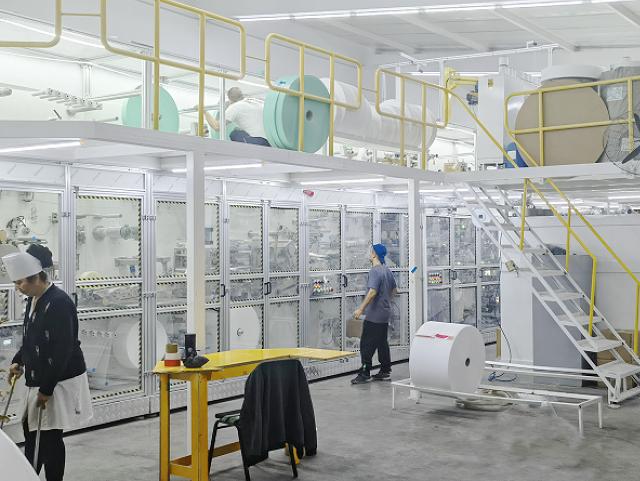
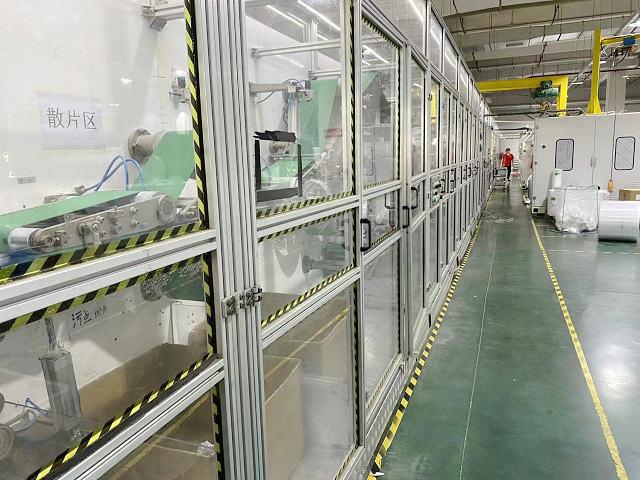
The cost of a diaper manufacturing production line cannot be reduced to one machine price. A usable budget combines the converting line, product-specific modules, packing automation, auxiliaries, change parts, factory utilities, freight, installation, trial materials, training, spares, and working capital. Buyers should compare suppliers against one frozen product and responsibility scope, then model both initial investment and recurring operating costs. The correct budget depends on diaper construction, size range, automation boundary, material handling, target sellable output, local labor and utilities, maintenance capability, and site readiness. Keep quoted amounts separate from buyer estimates and retain contingency for unresolved interfaces rather than hiding uncertainty in a single total.
Set the Budget Boundary Before Requesting Prices
Begin with a product brief and a responsibility matrix. Define the diaper type, size matrix, material structure, absorbent core method, waistband and tape features, final fold, quality checks, pieces per bag, packaging format, and required documents. State whether the project includes only converting equipment or also auto bagging, case handling, laboratory equipment, utility systems, and installation support.
The quotation currency and commercial basis also affect the budget. Record what is included in packing, inland transport, freight, insurance, duties, taxes, unloading, and final site delivery. These terms must be interpreted with the actual contract and logistics route. A low equipment quote can appear expensive after missing modules and site costs are added, while a broader quote may initially look high but include important project work.
Create three columns for every amount: supplier quote, buyer estimate, and confirmed commitment. This prevents a preliminary allowance from being mistaken for a fixed supplier price. Add an assumptions field beside each number. If product materials, electrical voltage, or building location changes, the affected costs can then be found and updated.
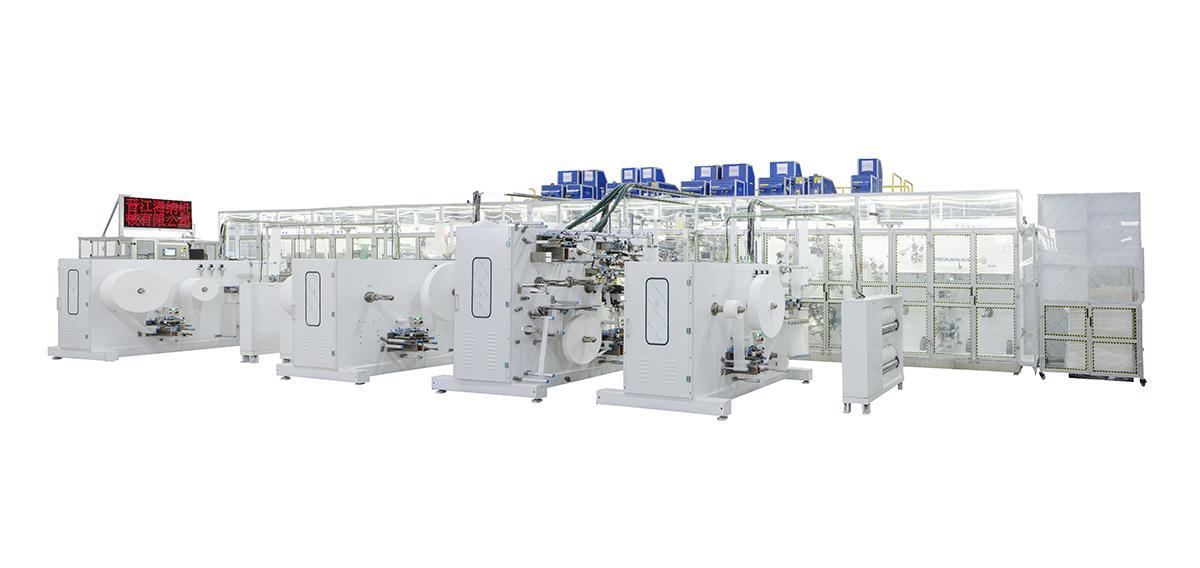
A production line budget begins with the exact equipment and responsibility boundary.
Separate the Base Line From Product Options
The base line should contain the functions needed to make one clearly defined reference product. Ask the supplier to identify which feeding systems, forming units, applicators, cutters, drives, inspection devices, guards, controls, and discharge modules are included. Then list options by the business requirement they serve, not by a marketing label.
Additional sizes may require wider material paths, exchange tools, cutters, forming parts, folding components, recipe work, and trial time. Product features such as elastic waist elements, special tapes, printed web registration, or a different core structure can require dedicated stations. Higher automation may add automatic splicing, powered roll loading, vision inspection, stack handling, or auto bagging. Each option should show its product purpose, dependencies, changeover impact, utility effect, and FAT method.
Avoid paying for undefined future flexibility. If an option is not required at startup but may be added later, request the mechanical, electrical, software, space, and utility provisions needed for a future installation. Compare the cost and disruption of later addition with the value of installing it now. The decision should be documented instead of assuming every possible feature belongs in the first purchase.
Include Auxiliaries and Downstream Packing
Auxiliary equipment is often distributed across separate quote sections. Depending on line design, the project may need adhesive melters and applicators, vacuum equipment, pulp preparation, dust extraction, air treatment, chillers, transformers, lifting devices, coding, metal detection, tool carts, and laboratory instruments. Confirm whether installation materials such as hoses, ducts, cables, trays, terminals, and connection hardware are included.
Downstream scope deserves its own budget. Define whether the main line delivers individual products, counted groups, compressed stacks, or sealed bags. Price the stacker, auto bagger, conveyors, accumulation, coding, seal inspection, case packing, and pallet handling separately. Include the engineering needed to integrate controls and stop logic, especially when different suppliers provide the converting and packaging systems.
Packaging format influences equipment as well as recurring material cost. Prepare sample bags, count ranges, compression expectations, seal type, code area, and case patterns before final selection. Test the slowest and most difficult format, not only the easiest demonstration pack.
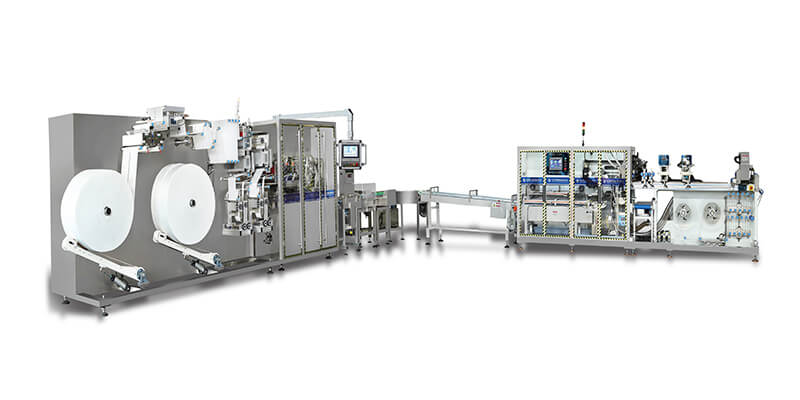
Counting, stack transfer, bagging, coding, and case interfaces require a separate scope review.
Budget the Factory and Utility Interfaces
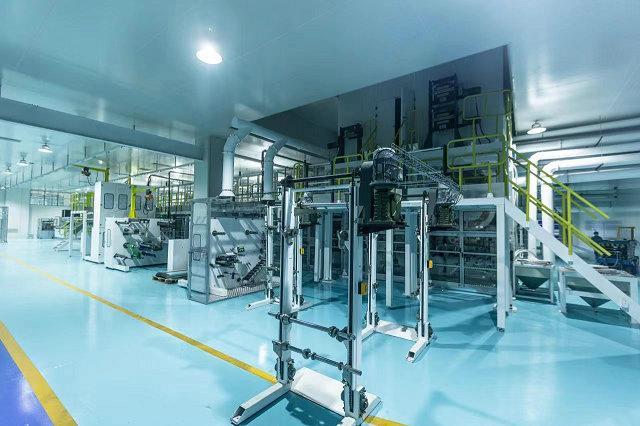
The machine price does not prepare the building. Budget floor assessment, access doors, unloading space, foundations where required, service clearances, platforms, lighting, fire provisions, environmental control, material storage, waste routes, quality areas, and finished-goods movement. Use an approved line layout with operating, guarding, maintenance, and component-removal envelopes.
Utility costs can include electrical distribution, transformer or voltage conditioning, compressed air generation and drying, vacuum and extraction, cooling, adhesive exhaust, network connections, and backup power for controlled shutdown where selected. Request zone loads and connection locations from the equipment supplier. The buyer's engineer should calculate distribution systems and diversity rather than simply adding nameplate ratings or accepting an unsupported estimate.
Site conditions influence both capital and operating costs. Ambient temperature, humidity, dust, elevation, local power quality, water availability, and maintenance skills may change auxiliary selection. Record these conditions in the technical agreement so a later site modification does not appear as an unexpected supplier obligation.
Add Delivery Installation and Startup Costs
Create a logistics allowance from the final packing list and commercial terms. Include export packing, loading, freight, insurance where selected, import handling, storage, unloading, internal movement, lifting, and disposal of packing material. Verify building access and lifting capacity before shipment. Oversized sections or restricted doors can create costly site work.
Installation and commissioning costs depend on the responsibility split. Define travel, visas, accommodation, local transport, interpreters, working hours, site labor, lifting, tools, consumables, materials, and utilities. State what conditions must be ready before technicians arrive and how delays caused by either party are handled. Budget training for operators, maintenance, controls, quality, and managers rather than treating one brief introduction as complete transfer.
Trial production consumes raw materials, adhesive, packaging, utilities, and labor while the team learns settings and closes issues. Estimate these quantities by test plan and planned ramp-up stages, not by a promised single start date. Include samples for laboratory checks and retained references.
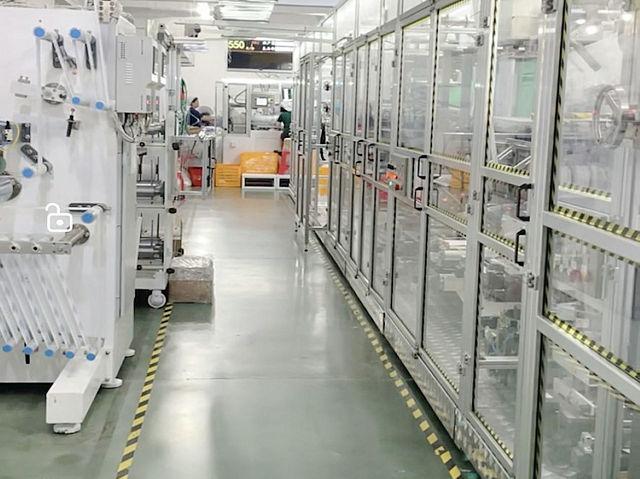
Installation cost depends on site readiness, local resources, trial materials, and defined responsibilities.
Model Operating Cost With Plant Data
Operating cost should be calculated per sellable product, not per machine minute. Build a model using material consumption, measured scrap, labor by role and shift, electrical demand, compressed air, vacuum or extraction, adhesive, packaging, maintenance parts, planned service, and quality testing. Add downtime and speed losses through a realistic output model.
A useful relationship is: sellable pieces equal scheduled minutes multiplied by demonstrated operating rate, less losses from planned stops, unplanned stops, changeovers, startups, and rejected products. Do not substitute design speed for demonstrated operating rate. Use several scenarios because new products, new teams, and mature production do not perform identically.
Materials usually deserve the greatest modeling detail because small consumption differences repeat across every product. Use approved bills of material and weigh actual samples during trials. Separate unavoidable process trim from defects and startup waste. Record cost ownership for adhesive filters, blades, belts, tooling refurbishment, sensors, software support, and critical spares.
Compare Lifecycle Scenarios Instead of One Total
Develop at least a conservative, expected, and constrained scenario. The conservative case may use lower demand and slower ramp-up. The expected case should use supported sales and operating assumptions. The constrained case should test a serious risk such as delayed packaging, limited skilled labor, expensive utilities, or a difficult material supply. This reveals which decisions remain acceptable when one assumption changes.
Compare automation options through the tasks they remove or control. Labor savings depend on staffing design, shift pattern, roll handling, bag supply, quality sampling, case packing, warehouse movement, and local practices. Maintenance cost depends on installed components, skill availability, spare strategy, and recovery support. Avoid fixed ROI claims that ignore these plant variables.
When reviewing an automatic baby diaper manufacturing machine, ask HAINA to separate standard scope, selected options, buyer work, and assumptions. Use those answers as inputs to the buyer's financial model, not as a replacement for independent demand, cost, and risk analysis.
Run sensitivity checks on the few inputs that can change the decision. Typical variables include sellable volume, material consumption, reject level, operating rate, changeover time, staffing, pack format, utility cost, spare lead time, and financing schedule. Change one assumption at a time, then test combinations that could occur together. The purpose is not to predict one perfect total. It is to identify which technical and commercial facts require stronger evidence before funds are committed.
Use a Controlled Budget Table
Budget block
Cost drivers
Evidence source
Control action
Base converting line
Product construction, width, process modules, controls, and safety
Approved quote and technical agreement
Compare identical functional boundaries
Options and change parts
Sizes, features, inspection, splicing, recipes, and tools
Product-option matrix
State now, future-ready, or excluded
Packing and auxiliaries
Pack formats, utilities, dust, adhesive, lifting, and laboratory
Interface and auxiliary schedules
Assign supplier and integration owner
Site and delivery
Building, utility distribution, freight, unloading, and access
Layout, packing list, and local quotations
Keep estimates separate from commitments
Startup and operation
Technicians, training, trial material, labor, energy, waste, and spares
Commissioning plan and plant model
Run several volume and performance scenarios
Apply Budget Gates From Concept to Ramp Up
Concept gate: approve target products, demand range, packaging boundary, and site assumptions.
Quotation gate: normalize supplier scopes and log all exclusions, options, and provisional amounts.
Design gate: update building, utilities, logistics, and installation budgets from approved drawings.
FAT gate: confirm open items, spares, packing list, training, and shipment-related costs.
Ramp-up gate: replace estimates with measured material, labor, utility, waste, and downtime data.
Budget accuracy improves as approved project evidence replaces preliminary assumptions.
Production Line Budget FAQ
Why can two diaper line quotations differ greatly?
They may cover different products, automation, inspection, change parts, auxiliaries, packing, documents, service, and commercial terms. Normalize the scope before comparing totals.
Should buyers include working capital in the project budget?
Yes. Initial raw materials, packaging, adhesive, spare parts, labor, utilities, inventory, and receivables can require funding beyond fixed equipment investment.
How should contingency be set?
Tie contingency to named uncertainties such as site work, freight, exchange rates, unresolved interfaces, material trials, and schedule risk. Do not use it to conceal missing scope.
Can design speed be used in the financial model?
Use it only as an engineering limit. Operating scenarios should use supported stable rates, availability, changeover, startup, and reject assumptions.
Conclusion
A defensible diaper manufacturing production line budget links every amount to a product, scope, responsibility, assumption, and evidence source. Separate base equipment from options, include the factory and startup work, and calculate recurring cost from sellable output. Update the model at each project gate so decisions reflect current evidence instead of an early headline price.