

Web entry
Inspect unwind condition, roll centering, splice preparation, buffer travel and guide-sensor cleanliness according to the equipment manual.


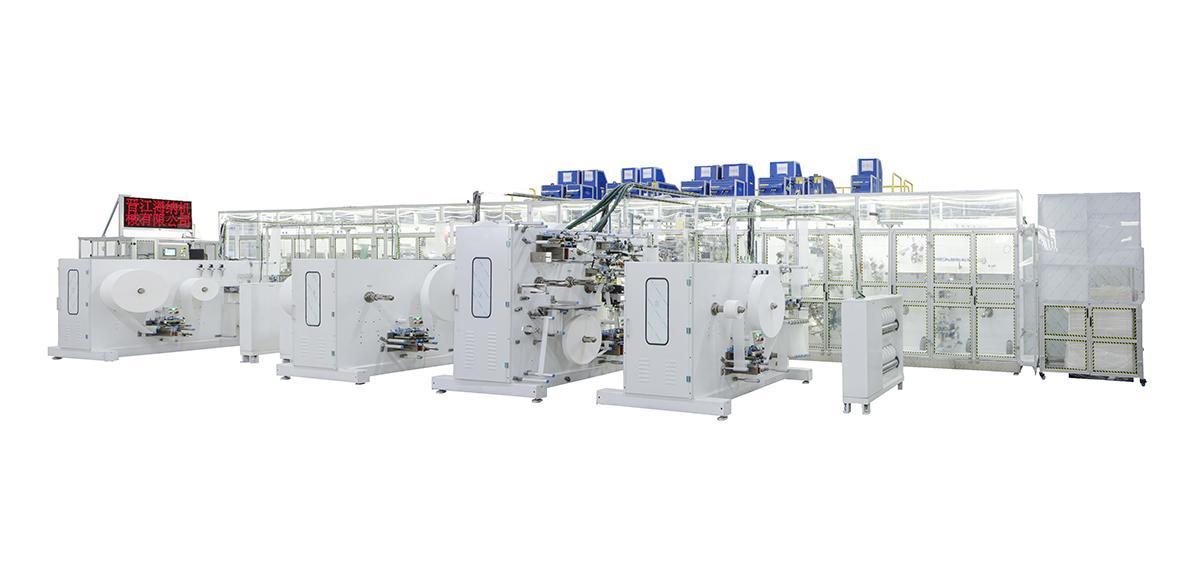
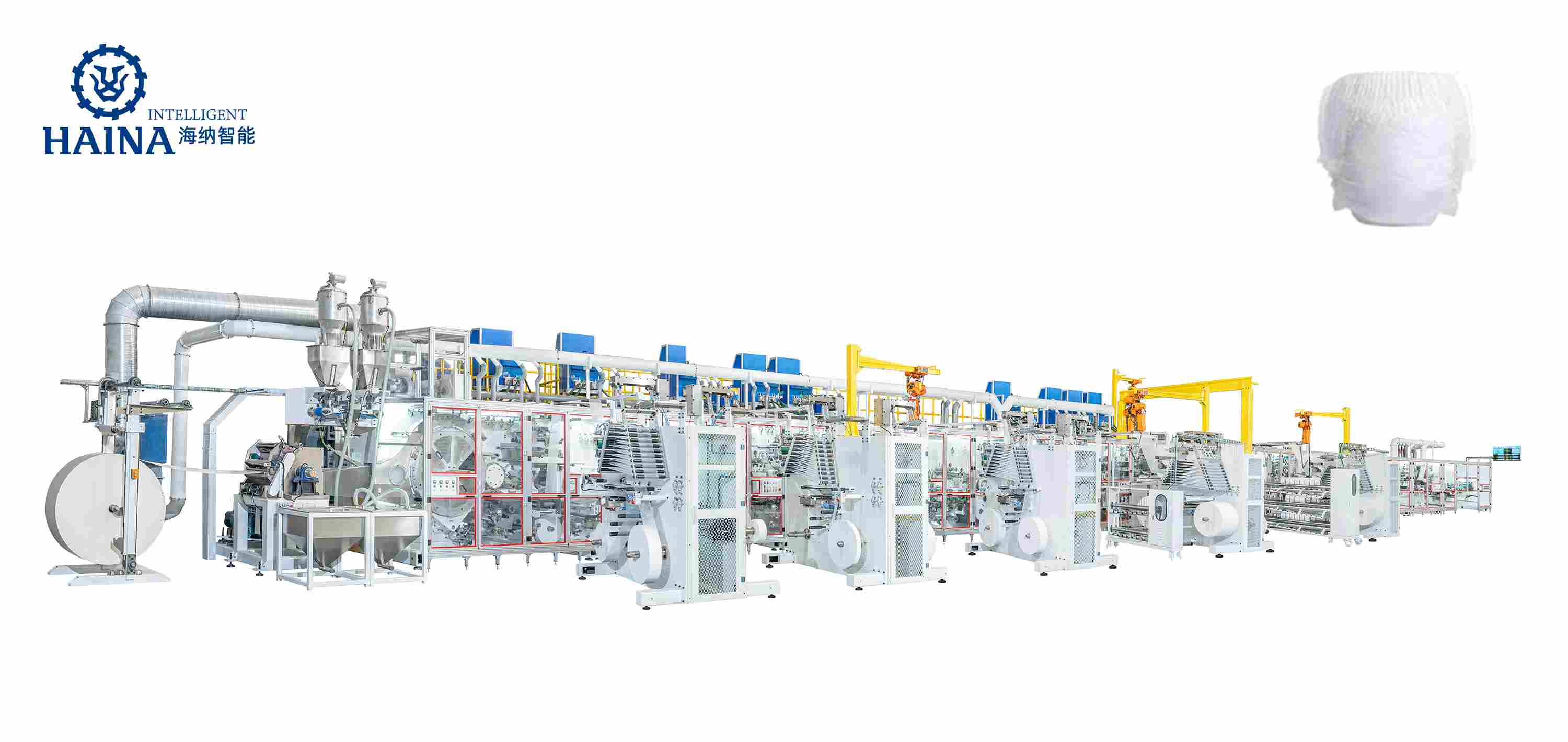
This LK600 page carries two different product signals: its technical table is headed as a pull-up baby diaper machine and its materials include inner and outer waist nonwovens with waist elastic, while older generic prose mentions frontal-tape attachment. Service work should follow the contracted product format and drawings, not the broad label alone.
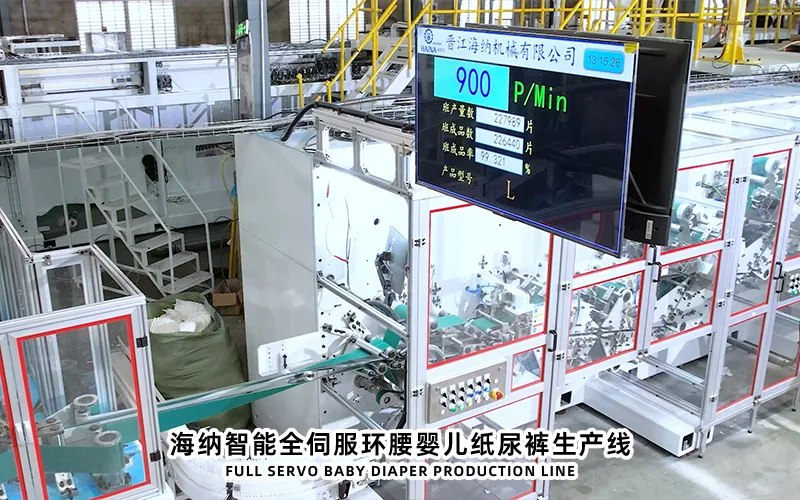
Before diagnosing an intermittent defect, retain one accepted product, its active recipe, material lots and the line condition at which it was made. The source records servo drive, an HMI, buffered tension control, automatic web guiding and digital size change for the LK600 platform. These systems provide useful evidence only when alarm history, operator changes and measured product results are kept together.
Name the product defect, station, speed, size, roll and time.
Check the accepted sample, recipe and last known-good material lot.
Move upstream from the defect to the first changed datum or alarm.
Change one controlled variable and record the action.
Retain restart samples and a stable-run record before release.
| Observed symptom | First evidence to inspect | Controlled follow-up |
|---|---|---|
| Web edge drifts after a splice | Roll edge, winding direction, buffer position and guide-sensor reference | Repeat the planned splice and retain products until registration is restored |
| Waist position or contraction changes | Inner and outer waist rolls, elastic lot, recipe and adhesive condition | Compare conditioned samples with the approved pull-up drawing |
| Core distribution varies | Fluff pulp and SAP lots, feed condition, upper and lower wrap path | Isolate the affected interval and verify the product method before release |
| Folding or count is inconsistent | Finished-product datum, discharge timing and downstream status | Run a count-reconciliation and restart test at the agreed pack setting |
| Stops repeat at one speed | Alarm sequence, servo state, guide position and material tension | Reproduce safely from a lower condition and document the first trigger |
Inspect unwind condition, roll centering, splice preparation, buffer travel and guide-sensor cleanliness according to the equipment manual.
Control pulp and SAP housekeeping, material identification and the wrap path. Do not infer dosing tolerances because the legacy page supplies none.
Check the identified material rolls, applicator condition, reference marks and retained samples after intervention.
Verify guards, emergency stops, safety identifiers, the drive-side pull wire and the downstream recovery logic after maintenance.
A repair should first be proven at a controlled condition, then at the contracted stable-run condition. The 32 m x 1 m x 4 m dimension is inherited from the old table; the one-metre width should be checked on the signed layout rather than used as a service-clearance fact.
Maintenance quality is visible in the restart evidence. A machine that moves after repair is not yet a released process; the diaper must return to its approved dimensions and construction.
The recorded technical and material data point to a pull-up configuration. The generic frontal-tape statement conflicts with that evidence, so the signed product drawing and actual tooling list control.
Not automatically. Establish a safe repeatable condition, identify the cause, then prove recovery through the agreed ramp and stable-run test.
The source gives no verified intervals. Use the supplier manual, operating hours, condition records and risk at each station to set the schedule.
A service program for LK600 should preserve causes, actions and product evidence, not only replacement history. That record lets HAINA and the operating team distinguish material drift, control response and mechanical intervention without inventing a diagnosis.
Pull-ups Baby Diaper Machine
|
Dimensions(L×W×H8) |
32m*1m*4m |
|
Design Speed: |
600ppm |
|
Stable Working Speed: |
500ppm |
|
Rejection Rate: |
≤3% |
|
Efficiency: |
≥85% |
|
Power Source: |
380V,50HZ |
|
Machine Capacity: |
320KW |
|
Air Pressure: |
0.6-0.8Mpa |
|
Machine Weight: |
80 tons |
LK600-baby pampers making machine
| No. | Raw materials |
| 1 | Hydrophilic NW (Topsheet) |
| 2 | Hydrophobic NW (Legcuff) |
| 3 | Elastic for Legcuff |
| 4 | ADL |
| 5 | Fluff pulp |
| 6 | SAP |
| 7 | Upper tissue/NW |
| 8 | Lower tissue/NW |
| 9 | Pe film |
| 10 | NW for laminating |
| 11 | Waist inner NW |
| 12 | Waist outer NW |
| 13 | Elastic for waist |
| 14 | Construction glue |
| 15 | Elastic glue |
| 16 | Wetness indicator glue |
Understand LKQ1000 full-servo Q-shape baby pant controls, web handling, ultrasonic waist sealing, safety, utilities and acceptance checks....
Trace the TK900 full-servo T-shape diaper line from material unwinds and PLC-controlled forming to folding, alarms and auto-bagger scope....
This isMenstrual Pad Machine, also can produce adult pant machine from this machine. The structure is pulp type and ultra thin type, with dual legcuff, can...
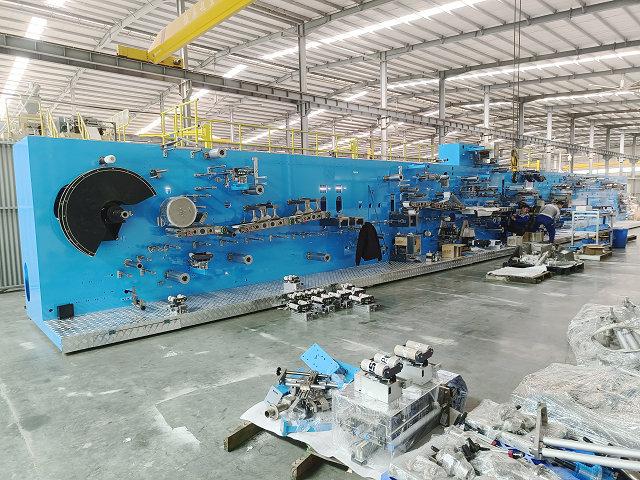
Pampers Nappies Manufacturers South Africa. This machine design speed is 700pcs/minm,stable working speed is 600pcs/min. This machine is lastest technolo...


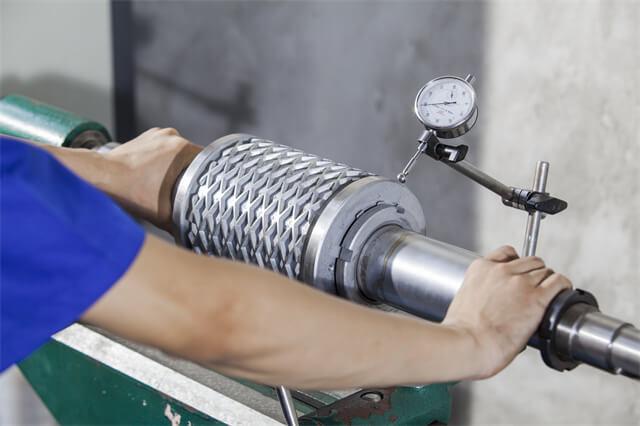




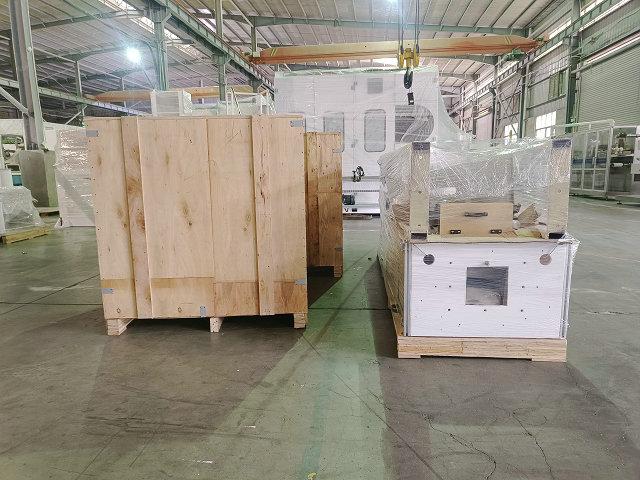
The Baby Diaper Machine efficient, reliable, and produces high-quality diapers consistentlyjone 2024-05-30
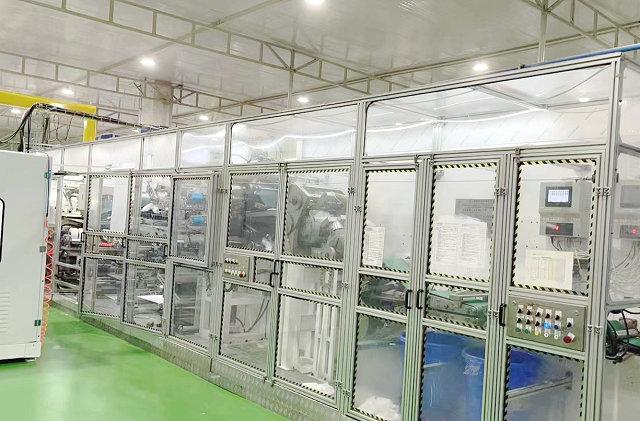
The Baby Diaper machine's flexibility allows us to customize diaper designs according to market trends, giving us a competitive edge. Our customers appreciate the variety.Carter 2024-05-30
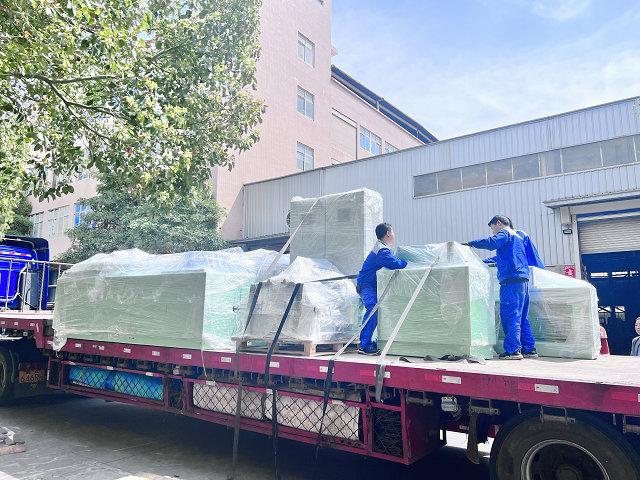
The Baby Diaper machine technical support provided by the manufacturer has been excellent, ensuring that our production runs smoothly without any hiccups.amy 2024-05-30
This Baby Diaper Machine has streamlined our manufacturing process and allowed us to deliver diapers that exceed our customers' expectations in terms of comfort and absorbencyMason 2024-05-30