Warranty options for a diaper machine commonly take the form of base defect coverage, negotiated extensions, paid service agreements, spare-parts arrangements, and remote or on-site technical support. Their duration and content are supplier- and contract-specific, so a buyer should not assume that every component, labor cost, travel expense, consumable, or production loss is covered. Compare options through a written coverage schedule that identifies covered assemblies, exclusions, start and end events, claim evidence, response process, parts shipment responsibility, software support, maintenance obligations, and remedies. Link the schedule to FAT, installation, training, and acceptance records before signing.
Understand the available warranty structures
Base warranty coverage is usually the first layer discussed in a machinery purchase. It should state the supplier's obligation when a covered defect in design, material, manufacture, or another expressly agreed category is established. The exact wording controls the remedy. Replacement of a failed part, repair guidance, technician support, and reimbursement are different obligations. Procurement should ask the supplier to describe each remedy and the conditions that trigger it.
An extended warranty changes a time boundary but does not automatically broaden coverage. Confirm whether its definitions, exclusions, remedies, and buyer duties are identical to the base provision. A paid service agreement may instead buy scheduled inspections, diagnostic access, support availability, or agreed labor. It is not necessarily a warranty and should be evaluated as a separate service scope.
Other useful structures include a recommended critical-spares package, consignment or replenishment arrangements where offered, training refreshers, remote diagnostic support, and planned on-site service. These can reduce lifecycle exposure even when they sit outside warranty. Compare them through total responsibility and operational fit, not by the label attached to the package.
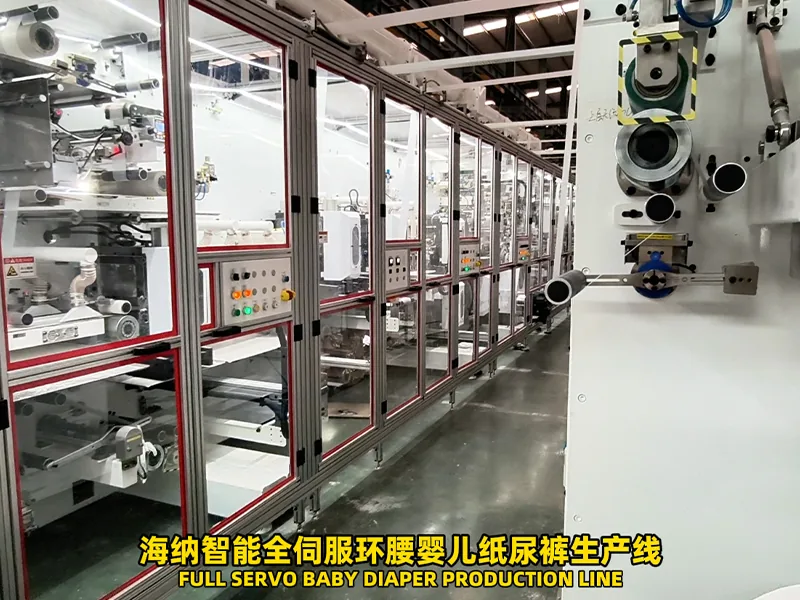
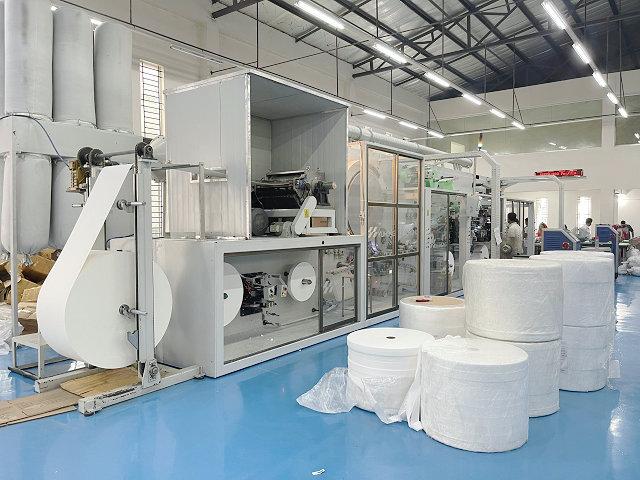
Coverage should identify actual assemblies and remedies rather than referring only to the complete production line.
Coverage and exclusions for a diaper machine
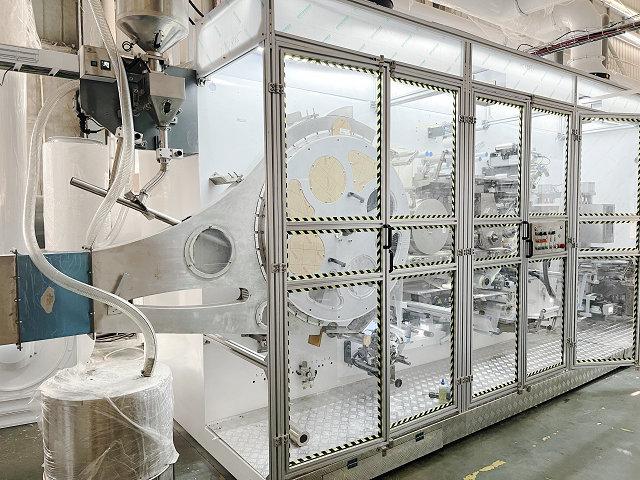
Build a coverage schedule at assembly level. Include the structure, driven mechanisms, forming and cutting stations, material feed systems, guards, electrical cabinet, controllers, drives, operator interfaces, sensors, inspection devices, and supplier-provided auxiliaries. For purchased components, clarify whether the machine supplier administers the claim or directs the buyer to the component maker. Record serial or version information needed to establish identity.
Exclusions often create more risk than the headline coverage removes. Ask about normal wear, cutting tools, belts, bearings, seals, adhesive-system service items, filters, lamps, fuses, damage from unsuitable materials, incorrect utilities, contamination, corrosion, unauthorized settings, unapproved modification, missed maintenance, improper storage, and accidents. This is not a universal exclusion list; it is a prompt for supplier-specific confirmation. Any ambiguous phrase such as misuse or consumable should be defined by examples and component lists.
Consequential losses require explicit treatment. Lost production, rejected material, delayed orders, product recall costs, and third-party charges may be limited or excluded by contract. The buyer's legal and commercial teams should review those provisions under the governing agreement. Technical staff should focus on practical containment: available spares, diagnostic records, safe recovery instructions, and escalation contacts.
Changes made after delivery need governance. A different material, added module, revised software, locally fabricated part, or changed process window may affect coverage for the altered area. Require a written route for technical review and approval before modification. Preserve the original condition and the approved change record so a later failure can be assessed fairly.
Define when the warranty clock runs
The start event can materially change usable protection. Possible events include shipment, arrival, installation, commissioning, provisional acceptance, final acceptance, or another contract milestone. Do not assume which applies. The schedule should address storage or site delays, delayed utilities, postponed installation, partial operation, and tests that cannot proceed because production materials are unavailable.
State the end event with the same precision. Calendar duration, operating hours, production quantity, or the earliest of several limits can produce different results. If hours or production are relevant, define the authoritative counter, access to records, reset controls, and treatment of replaced control devices. Avoid adding a numeric period unless it is in the supplier's binding offer.
FAT and site acceptance also have different purposes. FAT can establish that the configured equipment and agreed functions were demonstrated under documented factory conditions. Site acceptance can address installation, utilities, integration, and operation in the receiving factory. A warranty clause should explain whether open FAT findings, shipping damage, installation defects, or delayed site tests are handled through warranty, punch-list obligations, transport insurance, or another contract route.
Clause area
Question to resolve
Evidence to retain
Risk if vague
Coverage trigger
What type of defect activates the supplier remedy?
Shipment, installation, commissioning, and acceptance dates
Protection expires during an avoidable delay
Exclusions
Which parts, conditions, and buyer actions are outside scope?
Component list, maintenance plan, approved change records
Critical items are assumed covered but are not
Remedy
Who diagnoses, repairs, supplies parts, and pays related costs?
Claim decision and authorization trail
A replacement part does not resolve labor or logistics
Response
How are severity, acknowledgment, escalation, and updates handled?
Ticket timestamps and communication log
Both parties expect different support behavior
Repeated failure
What happens after recurrence or an unsuccessful repair?
Failure history, root-cause report, verification run
Temporary fixes continue without closure
Specify the claim and response pathway
A good claim process starts with safety and evidence preservation. The operator isolates the affected area as required, protects product and materials from uncontrolled release, records the alarm and sequence, and avoids dismantling beyond authorized steps. The buyer then sends a claim through the named channel with machine identity, date, operating condition, product and material context, symptoms, photographs or video where permitted, data files, samples, and actions already attempted.
The contract should distinguish acknowledgment, initial technical assessment, remote session, parts decision, dispatch, on-site intervention, and final closure. A guaranteed response time should be included only if the supplier agrees to it in writing, with the time zone, working calendar, severity definitions, communication channel, and buyer access obligations clearly stated. Otherwise, collect the supplier's proposed workflow and evaluate whether it fits the factory's risk.
Define escalation for a safety-related condition, complete line stop, reduced operation, quality risk, and minor defect. Severity should reflect business and product impact, but it must not encourage unsafe continued running. Identify decision makers on both sides and substitutes for absence. Require regular status updates for open critical claims and a written closure record that states the cause, remedy, affected parts or software, and verification performed.
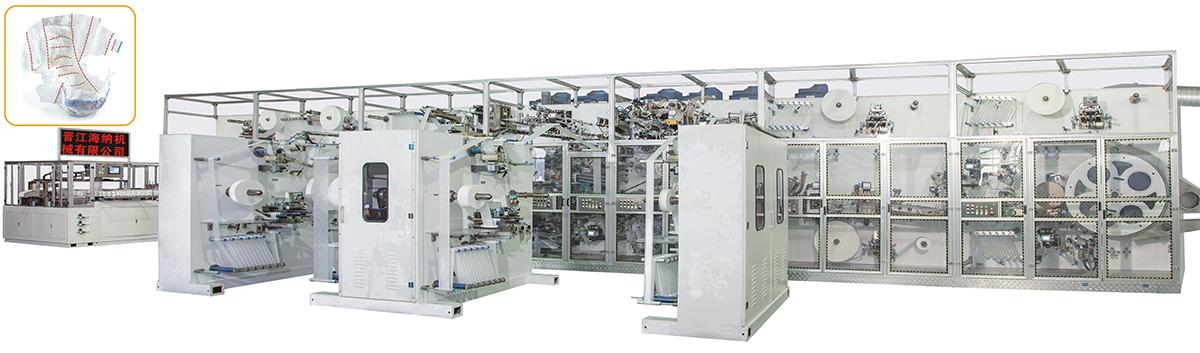
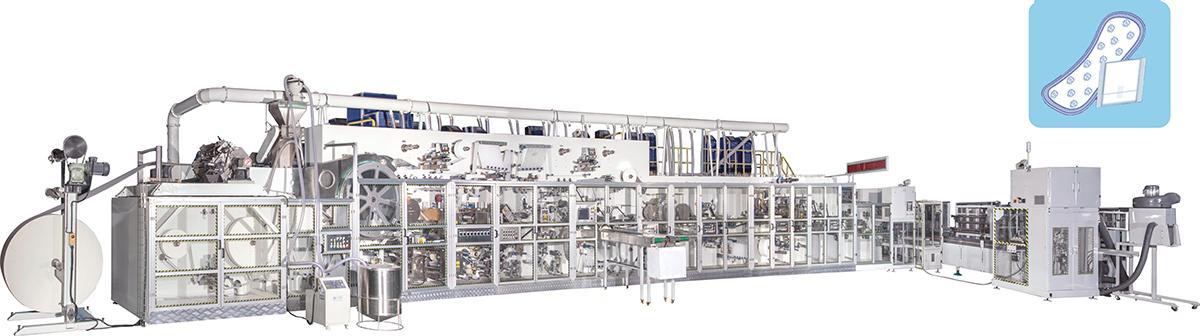
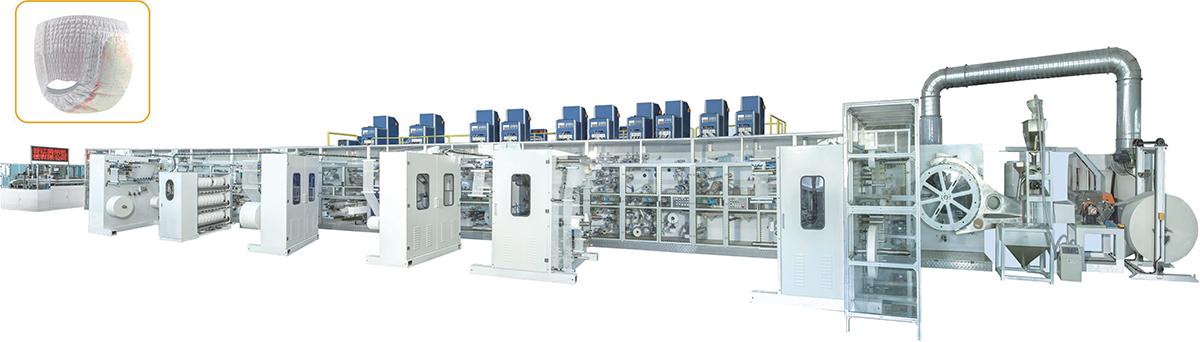
For the equipment context, the automatic baby diaper manufacturing machine page provides a category reference. A buyer should still bind support obligations to the purchased configuration and serial records. HAINA can review the support evidence expected during contract preparation and FAT so later diagnosis begins from an agreed machine and recipe baseline.
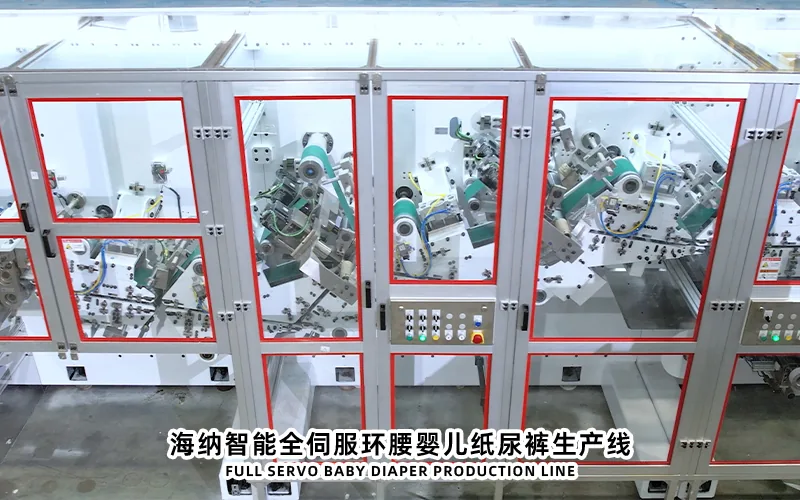
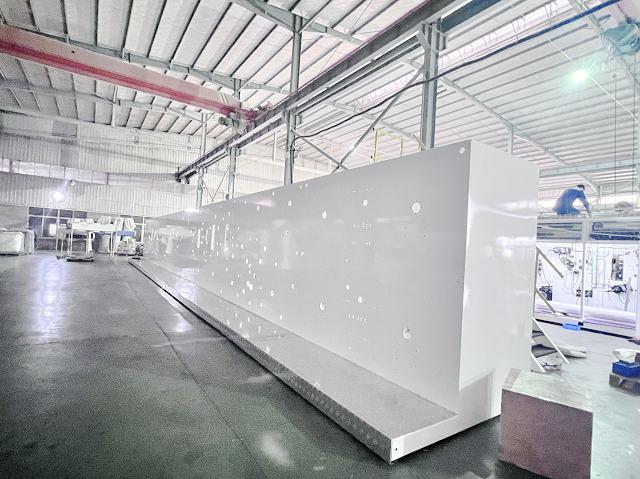
Useful claim evidence links the symptom to the operating sequence, settings, material context, and affected section.
Govern parts, labor, travel, and software
A no-charge replacement part can still involve freight, import, taxes, removal, installation, alignment, programming, and production verification. State which party approves shipment, chooses freight, carries transport risk, handles customs, returns the failed part, and pays each cost. If the failed item must be returned before a decision, define how the factory maintains operation and how evidence is preserved.
Labor coverage needs location and scope. Remote diagnostic time, local technician work, supplier technician work, overtime, travel days, visas, transportation, lodging, site access, and safety induction are separate cost and scheduling elements. For on-site support, identify who provides tools, lifting equipment, utilities, test materials, operators, and quality personnel. A repair is not complete until safe reassembly and product verification occur.
Software deserves its own schedule. Record controller, drive, interface, vision, and recipe versions at acceptance. Clarify backup ownership, access levels, cybersecurity or connection requirements, restoration procedure, license dependencies, and whether updates are corrective, optional, or needed for replacement hardware. No one should load an update on production equipment without backup, compatibility review, authorization, and a rollback route.
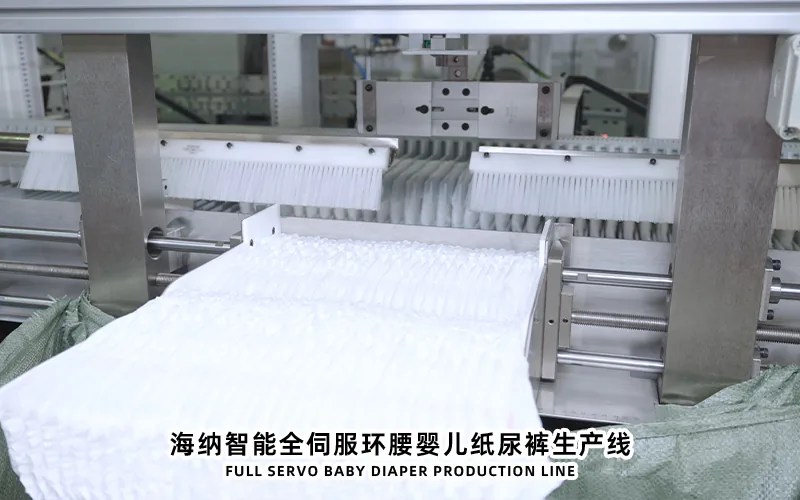
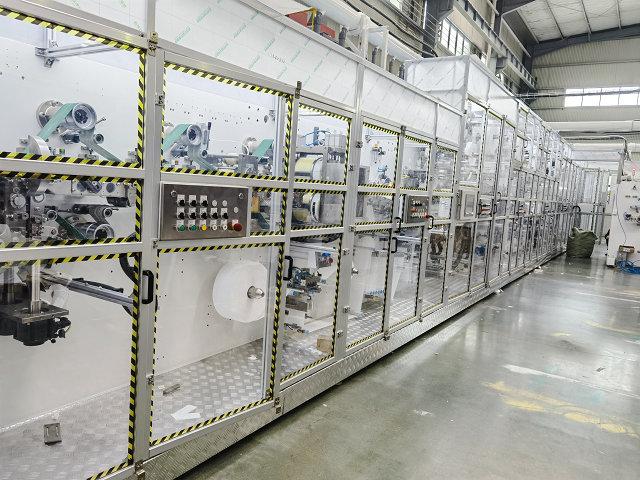
Parts identity, control versions, backups, and approved installation steps reduce ambiguity during a claim.
Connect maintenance and acceptance evidence
Warranty duties should align with the maintenance documentation delivered to the buyer. Obtain task descriptions, intervals or condition triggers, lubricant specifications where applicable, inspection limits, wear criteria, replacement procedures, and record templates. Confirm which tasks require supplier authorization or specially trained personnel. If failure to perform maintenance can affect coverage, the required record must be practical and available from day one.
Training records should show competence in relevant work, not merely a participant list. Keep supervised task sign-offs for operation, changeover, cleaning, inspection, isolation, troubleshooting, and controlled restart. Preserve maintenance work orders, replaced-part identity, measurements, settings, alarm exports, and approved modifications. These records help establish whether a failure arose from a covered condition, predictable wear, process misuse, or an external cause.
Acceptance records form the original evidence baseline. Retain the configured bill of equipment, drawings, serial lists, settings or recipe references, software backups, signed FAT and site test reports, samples, unresolved punch items, and corrective-action closure. Photograph machine condition before shipping and after installation where practical. A complete baseline protects both parties from relying on memory after months of operation.
Build a warranty risk register
Procurement evidence register
List every covered assembly and purchased component with the responsible claim route.
Attach definitions for wear items, consumables, misuse, approved material, and authorized modification.
Record start and end events plus the treatment of shipment, storage, installation, and buyer-caused delay.
Map claim severity to contacts, evidence, remote diagnosis, parts approval, escalation, and closure.
Assign freight, import, return, labor, travel, and verification responsibilities.
Link maintenance tasks, training evidence, version backups, and change records to the coverage schedule.
Test the claim pathway with a tabletop scenario before final acceptance.
Score unresolved items by impact and uncertainty rather than assigning arbitrary confidence. A missing definition for normal wear can affect many assemblies. An unclear overseas parts route can extend recovery. A delayed warranty start may be valuable only if storage obligations are achievable. Review the register with procurement, engineering, maintenance, operations, finance, logistics, and legal representatives before award.
Do not wait for a real breakdown to learn the process. Use a tabletop exercise: choose a plausible component failure, identify the safe response, assemble the claim package, locate the contact, trace shipment and return responsibilities, and define the product verification needed after repair. Gaps found during this exercise belong in the contract or support plan.
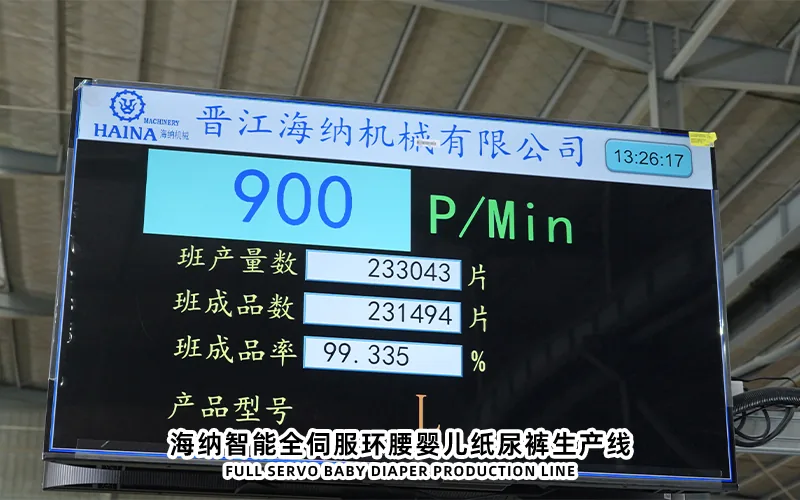
A warranty register connects equipment scope with contacts, records, parts logistics, and recovery verification.
Frequently Asked Questions
Is an extended warranty always better than a service contract?
No. An extension may continue limited defect coverage, while a service contract may provide planned inspections or support activities. Compare actual obligations, exclusions, remedies, and cost.
Are wear parts normally included in diaper machine warranty coverage?
There is no universal answer. Require the supplier to identify wear items and covered exceptions at component level, then plan stock and maintenance for excluded items.
Can an unauthorized modification affect a claim?
It may, depending on the contract and its relationship to the failure. Use written engineering review and approval before changing hardware, software, materials, or operating limits.
What is the strongest evidence for a warranty claim?
Preserve machine identity, baseline configuration, alarms, operating sequence, material and recipe context, failed parts, maintenance records, clear media, and the controlled verification after remedy.
Conclusion
Warranty options for a diaper machine become useful only when the buyer converts them into precise coverage, timing, claim, cost, maintenance, and remedy obligations. Procurement should compare the base provision, extension, service agreement, parts plan, and technical support as separate risk controls. Before award, send HAINA a clause matrix tied to the actual machine configuration, ask for written answers to every exclusion and responsibility gap, and run a tabletop claim using the proposed contacts and evidence. Accept the warranty package only after the technical agreement, FAT baseline, maintenance duties, parts route, and final claim workflow agree.