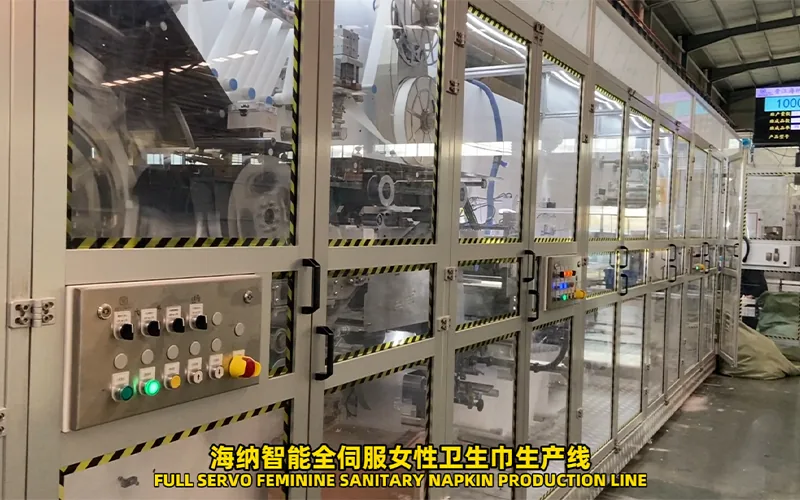
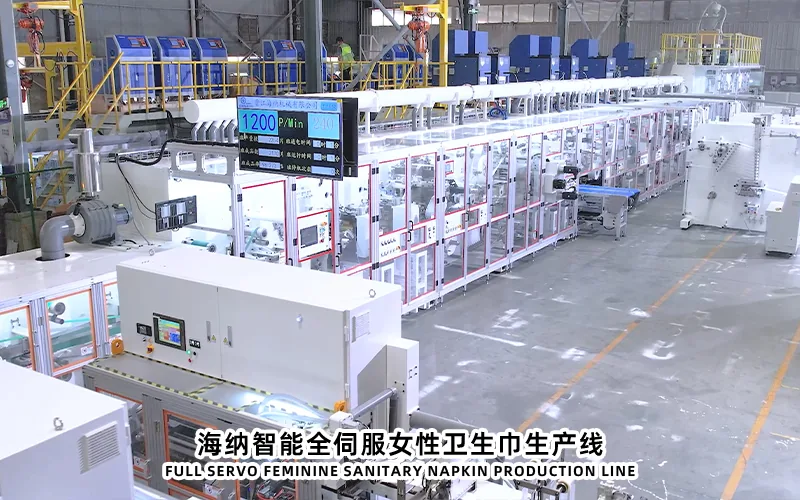
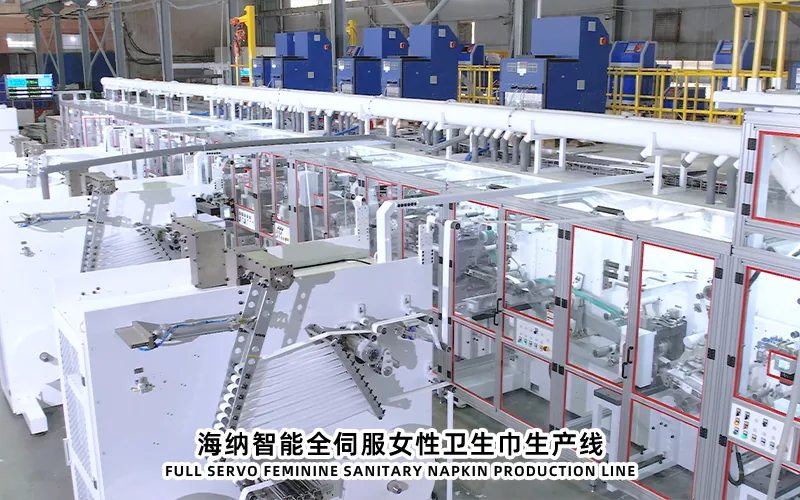
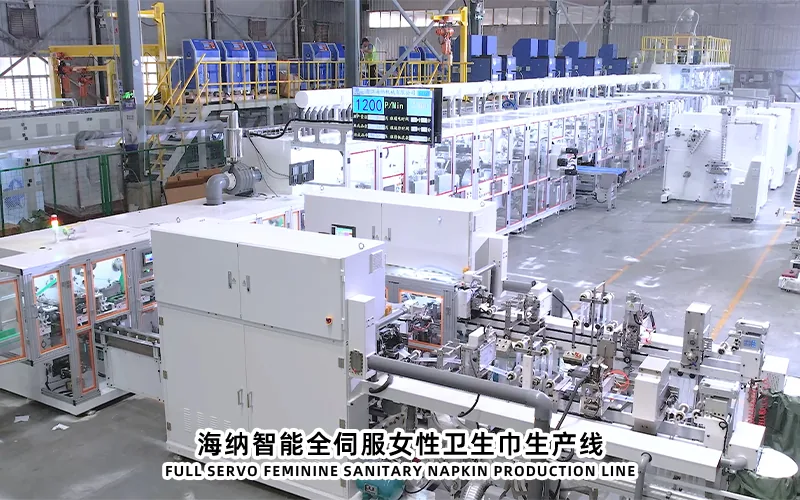
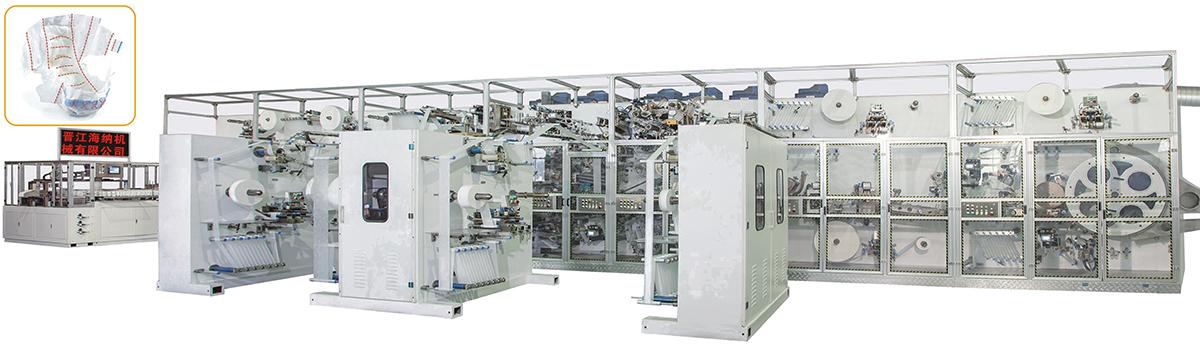
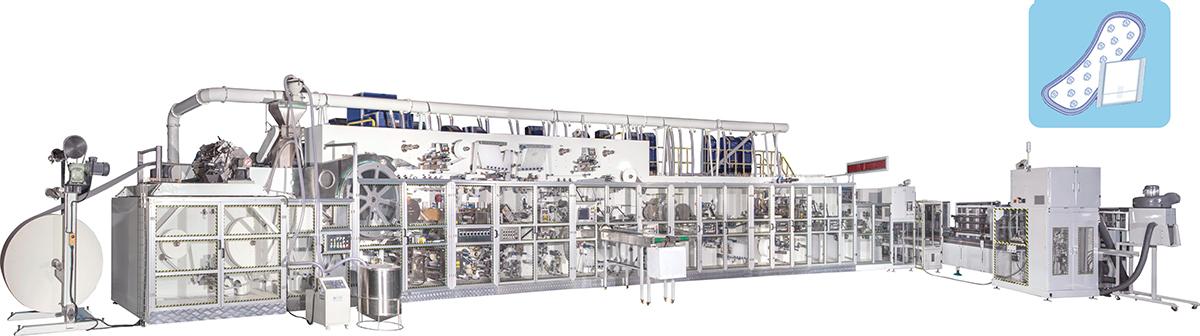
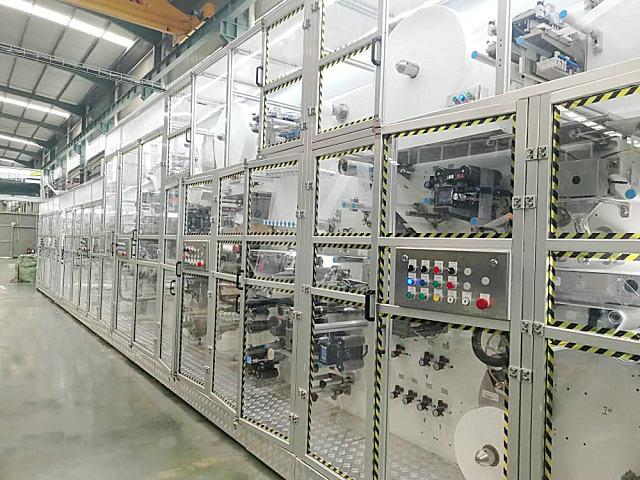
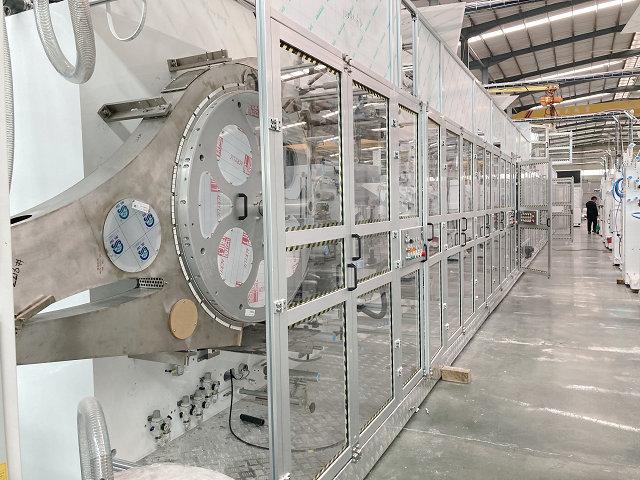
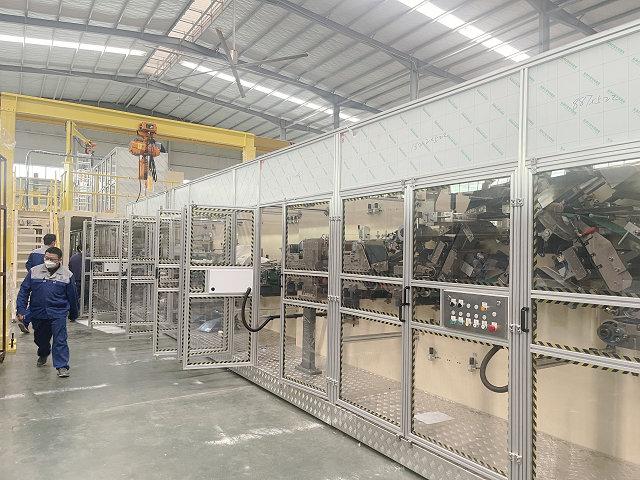
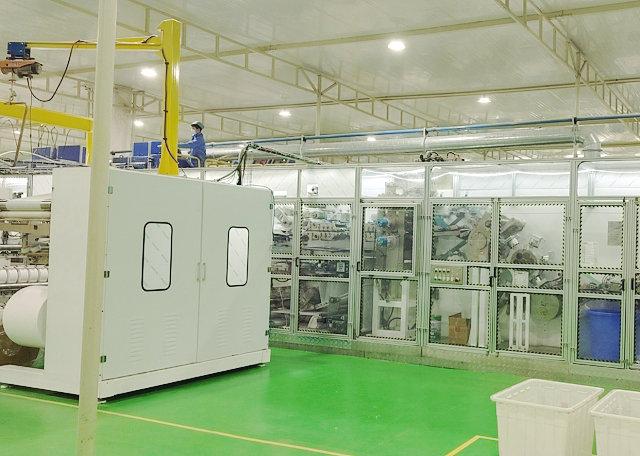
The maintenance requirements for a sanitary pad machine are safe isolation, hygienic cleaning, scheduled lubrication, condition inspection, calibration control, compatible spare parts, and a documented return to production. Each shift should monitor web tension, material tracking, core formation, adhesive application, sealing, cutting, folding, detection, and reject behavior. Planned work must follow the delivered manuals and the factory's risk assessment because task intervals depend on configuration, materials, operating pattern, and environment. After maintenance, the team should restore guards, verify utilities and controls, run a defined trial, inspect affected pad characteristics, and record approval before normal output resumes.
Core Maintenance Requirements for a Sanitary Pad Machine
A complete requirement is more than a calendar entry. It states the machine zone, safe state, task, method, reference, required skill, tools, consumables, evidence, and release authority. Build the plan around unwinds, absorbent-core preparation, tissue or wrapping layers, topsheet and backsheet transport, acquisition or distribution layers where applicable, release paper, adhesive delivery, embossing or sealing, wing formation, cutting, folding, individual wrapping, detection, reject, and discharge. The actual configuration governs which zones apply.
Begin with supplier documents and the as-delivered component list. Reconcile those sources with site electrical and pneumatic diagrams, approved materials, cleaning rules, and the product quality plan. HAINA may assist with equipment-specific maintenance and training requirements during project review, but factory management must authorize local isolation practices and determine who is competent for each task. Whenever a modification changes guarding, drives, controls, heating, or material routing, revise the maintenance basis before release.
Maintenance requirements should be mapped to the delivered line zones and access points.
Protect Hygiene During Cleaning
Cleaning has two purposes: protect product hygiene and expose equipment condition. Define cleaning zones based on contact risk and process behavior. Product-path surfaces, guides, transfer elements, vacuum openings, cutting areas, and wrapper paths need methods that do not leave fibers, liquid, incompatible chemicals, or loose tools. Adhesive deposits require an approved removal method that does not scratch precision surfaces or push contamination into bearings and sensors.
Use controlled tools, labeled materials, and a sequence from cleaner areas toward dirtier collection points where practical. Avoid unverified compressed-air cleaning that spreads absorbent dust or fragments into electrical cabinets, glue systems, bearings, or finished-product areas. Vacuum methods, collection containers, and waste handling should match the site's hygiene and safety rules. Technicians should inspect for abrasion, damaged coatings, corrosion, loose fasteners, oil migration, and inaccessible buildup while surfaces are visible.
The frequency should reflect deposit formation and risk. Core dust, adhesive strings, film fragments, nonwoven fibers, and release-paper debris behave differently. Set visual or measured condition limits so a shift does not postpone cleaning until quality fails. Where contamination recurs unusually fast, investigate extraction, vacuum leakage, material slitting quality, adhesive setup, static, enclosure condition, and housekeeping rather than simply adding labor.
Inspect Mechanical and Material-Path Condition
Mechanical checks should follow the direction of product flow. At unwinds, observe roll seating, chucks or shafts, brakes or drives, edge guidance, splice behavior, and tension feedback. Along the web path, check roller surfaces, free rotation, alignment, guide wear, belt tracking, vacuum transport, nip condition, and fastener security. Downstream, inspect cutters, anvils, folding devices, transfers, and discharge elements for wear patterns that explain a specific pad defect.
Do not adjust several stations at once. If component placement drifts, preserve a sample and identify where the deviation first becomes measurable. Compare web position before and after each guide, then examine tension, phase, sensor response, contamination, looseness, and recent material changes. If a cut deteriorates, evaluate blade and anvil surfaces, engagement, timing, product stack thickness, debris, and bearing condition. The most obvious worn item may not be the initiating cause.
Following the material path helps connect mechanical observations with pad defects.
Control Adhesive and Thermal Systems
Hot-melt systems combine burn risk, pressure, contamination risk, and product-quality influence. Follow the adhesive equipment instructions for isolation, depressurization, temperature state, filter work, hose handling, and nozzle service. Record actual adhesive type and approved process references because viscosity and delivery behavior are related to material and temperature. Never clear a nozzle or open a pressurized connection with improvised methods.
Trend heat-zone stability, pressure or delivery indication where available, nozzle pattern, startup response, leakage, filter condition, and char or contamination evidence. A bond problem can arise from adhesive delivery, substrate surface, compression, timing, application position, open time, or web tension. Maintenance should confirm equipment condition while process engineering and quality confirm the joining result. Replacing a heater or nozzle does not by itself prove that a pad bond is acceptable.
For sealing or embossing stations, inspect temperature-control response if heat is used, surface condition, parallelism, pressure mechanism, bearings, timing, and contamination. Use approved references instead of copying settings from another product format. Following extended shutdown, heat-related equipment should be inspected for leakage, degraded residue, loose connections, sensor damage, and controlled warmup behavior before materials enter the station.
Maintain Sensors, Timing, and Calibration
Automation devices need physical care and configuration control. Clean photoelectric and contrast sensors with suitable materials; inspect mounts, connectors, cables, air lines, encoder couplings, and target alignment. Record the reference before adjustment. A sensor moved to cure one material condition can cause a hidden detection gap on another format. Keep backed-up parameter sets under revision control and limit access according to factory authorization.
Calibration should be tied to measurement risk and evidence. Identify instruments that influence adhesive temperature, web tension, pressure, dimensions, timing, detection, or acceptance tests. Define reference equipment, method, tolerance, status label, record, and action for an out-of-tolerance finding. The critical question is not only whether an instrument can be adjusted, but whether products made since its last valid result require review.
Sensor maintenance includes mounting, signal behavior, timing, and controlled parameter records.
After work on detection and reject functions, perform a documented challenge using approved test conditions. Confirm that the detector recognizes the intended event, tracking logic associates it with the correct product, the reject mechanism activates at the correct time, and rejected material remains segregated. Repeat under relevant product formats when geometry or timing changes. An output signal on a screen is not enough evidence that physical rejection works.
Assign Tasks by Risk and Competence
Operators are well placed to perform authorized visual checks, routine housekeeping, normal setup observations, and early escalation. Mechanical technicians should own guarded access, drive elements, alignment, wear measurements, and mechanical restoration within competence. Electrical or controls personnel should handle cabinets, protective circuits, drives, sensors, code or parameter governance, and electrical testing. Quality personnel define affected product checks and release requirements. Production management coordinates downtime and ensures output pressure does not bypass the maintenance gate.
Separate execution from verification for high-consequence work. The person who replaced a cutter, altered phase, restored a safety device, or changed a control parameter should provide the work evidence; another authorized person should confirm the defined result. The buyer can review configuration options for a feminine sanitary napkin machine, but the maintenance responsibility matrix must reflect the equipment actually delivered and the skills available at the receiving factory.
Training records should name the task and observed competence, not merely attendance. Include isolation, hygienic access, adhesive safety, threading, tool control, fault diagnosis, drawing use, parameter backup, restart, and escalation. Refresh competence after significant changes or where records reveal repeated human-error patterns. Contractors need the same boundary, hygiene, tool, and release requirements as internal staff.
Document Fault Recovery and Restart
When a fault stops the machine, make the area safe and preserve evidence before resetting alarms. Record the active message, first product symptom, machine zone, material lot, format, recent change, and running state. Check upstream causes before changing settings. If production resumes under a temporary control, document its owner, expiry condition, inspection burden, and prohibition against becoming an undocumented permanent repair.
Restart requires staged confirmation. Inspect assembly and tool accountability; restore guards and utilities; verify rotation and jog functions where authorized; then thread materials using the approved method. Observe tracking, core transport, adhesive pattern, seals, cuts, folds, wrappers, detection, and rejection. Produce a defined trial and retain samples from the startup sequence. The quality review should focus on attributes connected to the intervention, while still applying the normal release plan.
A controlled trial confirms that maintenance restored both equipment function and product output.
The work order closes only when the symptom, cause, action, part, settings, test, samples, and follow-up are traceable. If the cause remains uncertain, state that honestly and assign observation criteria. Review repeated events by zone and failure mode. Recurrence after replacement usually indicates that loading, alignment, contamination, environment, specification, operation, or diagnosis still needs attention.
Frequently Asked Questions
Does a sanitary pad machine need daily maintenance?
It normally needs defined shift observations and hygiene tasks, but the exact content must come from the delivered equipment, materials, risk assessment, and site conditions. Intrusive tasks should not be labeled daily without a safe method and evidence that the interval is appropriate.
How should lubricant contamination be prevented?
Use only specified products and quantities, label dispensing tools, control storage, protect nearby webs, wipe excess, and inspect seals or leakage sources. Record the point serviced and keep lubricant away from product-contact and bonding areas unless the design specifically requires otherwise.
When should a sensor be recalibrated or reset?
Follow its documented requirement and review it after movement, replacement, impact, unexplained detection drift, control changes, or an invalid verification result. Preserve the former reference and assess whether previous products could have been affected.
What proves that maintenance was successful?
Successful work has a safe restoration record, correct assembly, stable equipment observations, passed functional challenges where applicable, conforming trial products, quality approval, and a follow-up plan for conditions that can settle or drift.
Conclusion
The maintenance requirements for a sanitary pad machine must connect hygiene, mechanical condition, adhesive safety, sensor integrity, competent ownership, and controlled product release. A maintenance supervisor should now choose one product format and walk the entire line with production and quality, checking every task against the installed machine and its evidence. Ask HAINA to resolve equipment-document or training gaps, then witness one fault recovery from isolation through accepted samples before approving the program for routine use.