Place of Origin: CHINA
Brand Name: HAINA
Configuration: Confirmed per project
Model Number: CLK350 disposable nappy machine
Payment & Shipping Terms:
Order Scope: Confirmed equipment modules
Quotation: Based on product and automation scope
Export Packing: Confirmed in offer
Lead Time: Confirmed in contract
Payment Terms: Confirmed in contract
Delivery Scope: Confirmed in technical agreement
CLK350 has a recorded 350ppm design reference and a 250-300ppm stable working range. Troubleshooting should begin from the accepted product recipe and the physical evidence around a fault. That approach prevents a material, adhesive or changeover problem from being labelled as a machine failure without proof.
Envelope
45m*10m*4m
Capacity
400KW
Air
0.6-0.8Mpa
Source-record facts used in this maintenance baseline
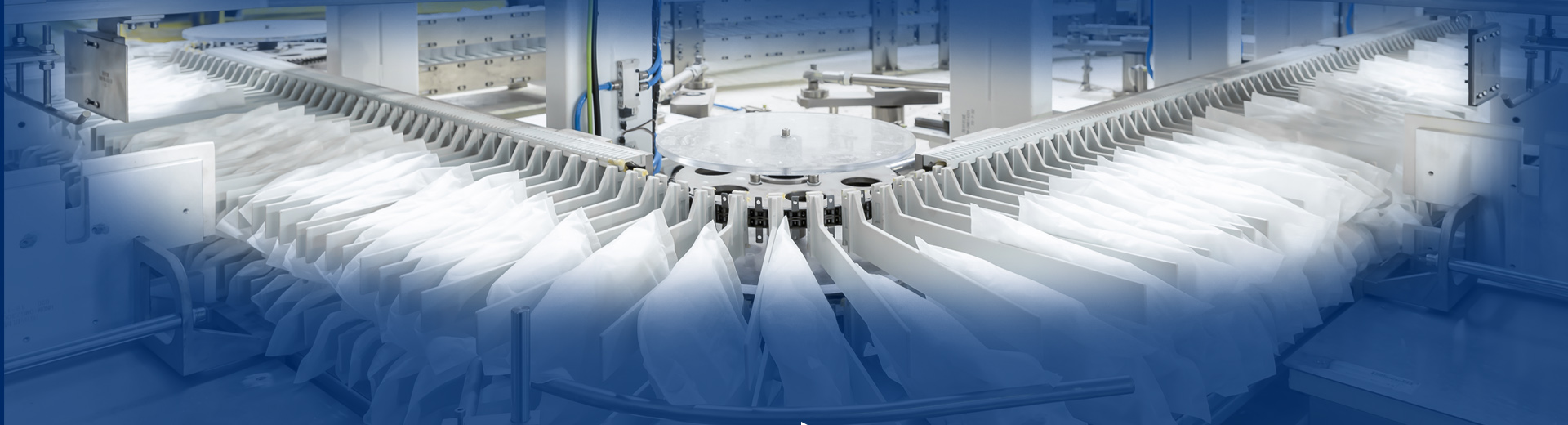
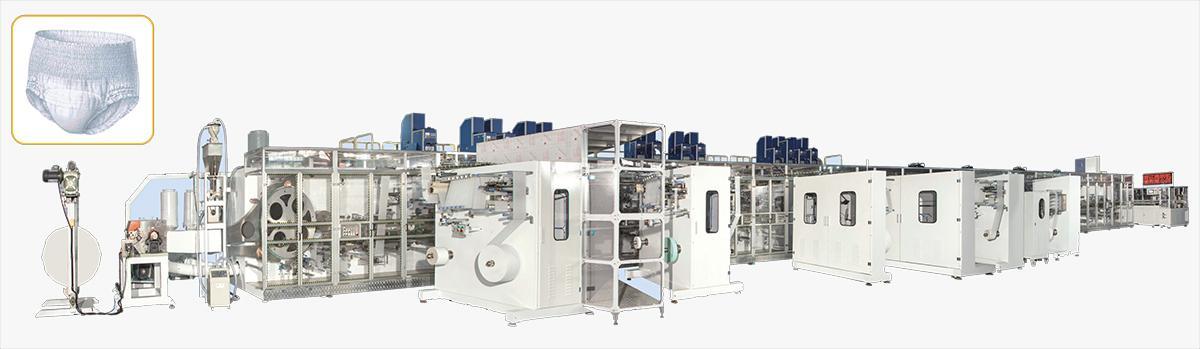
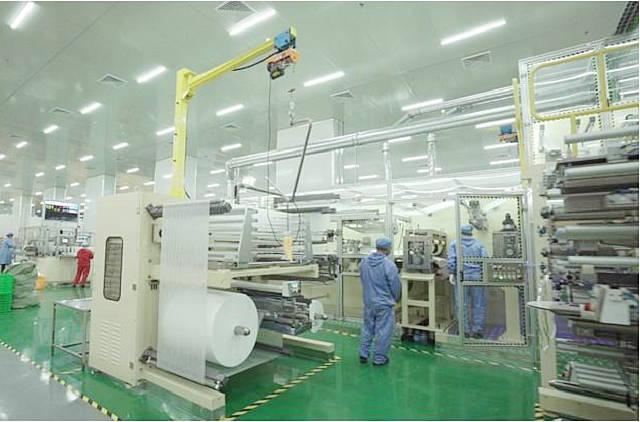
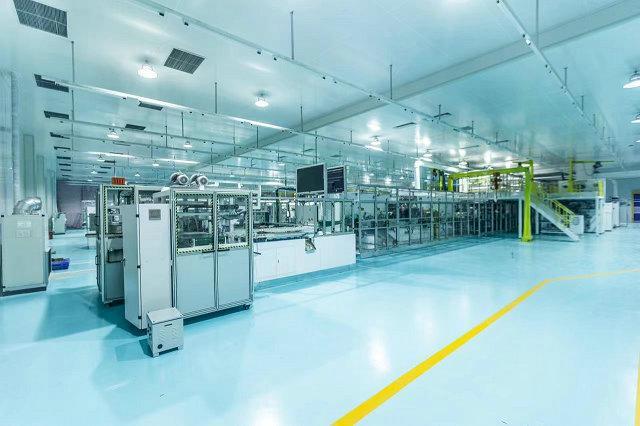
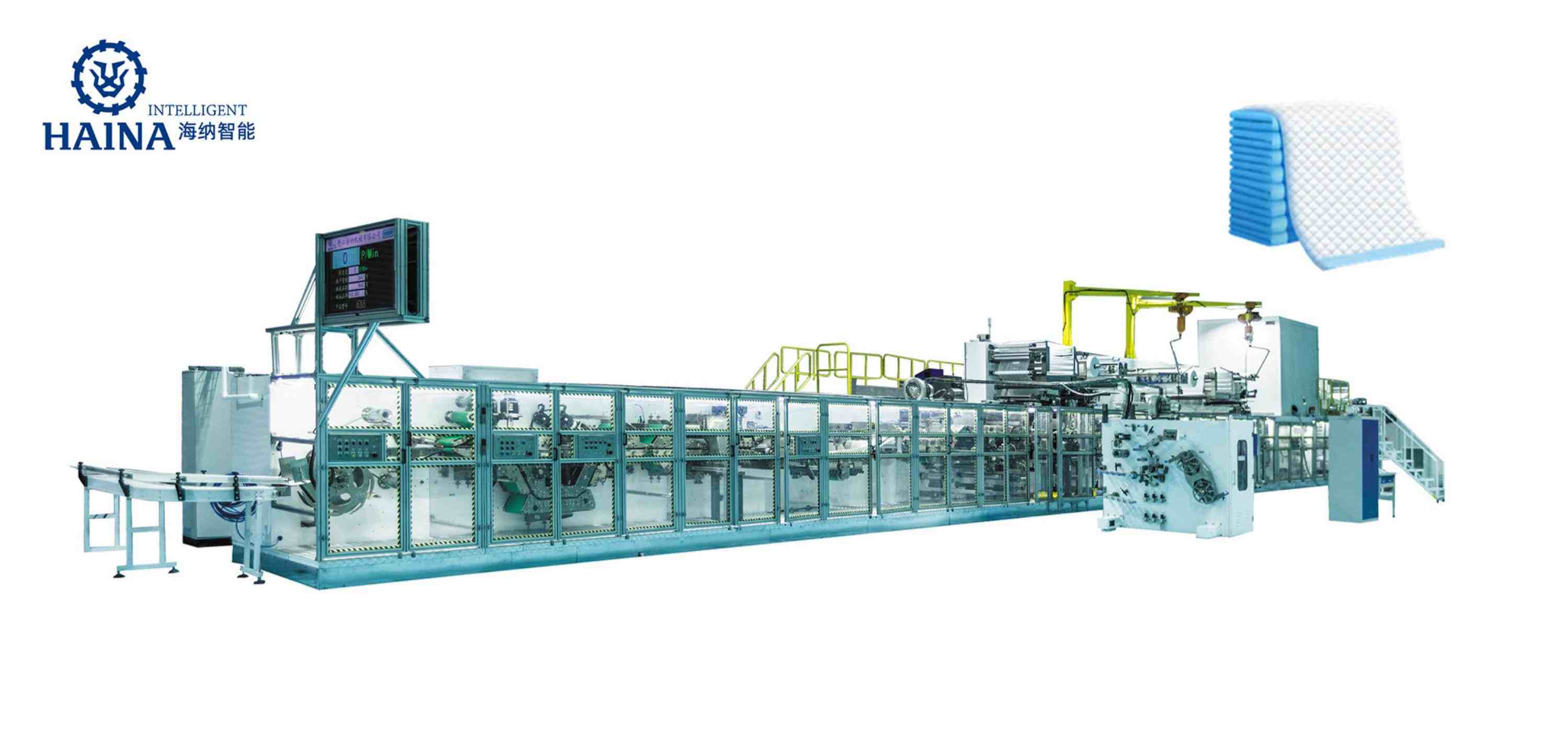
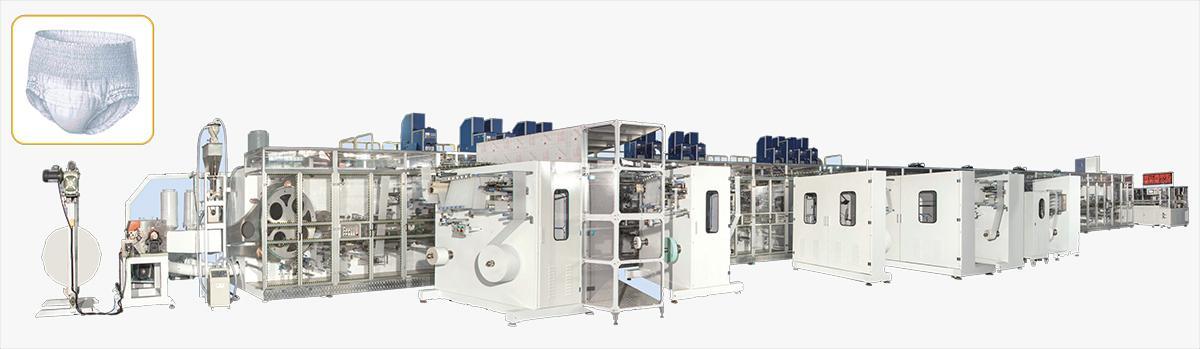
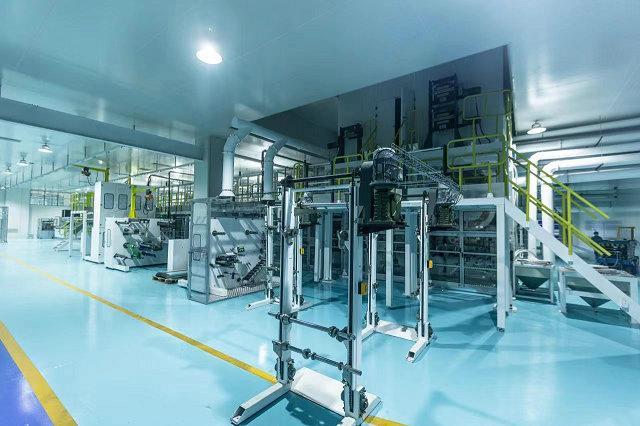
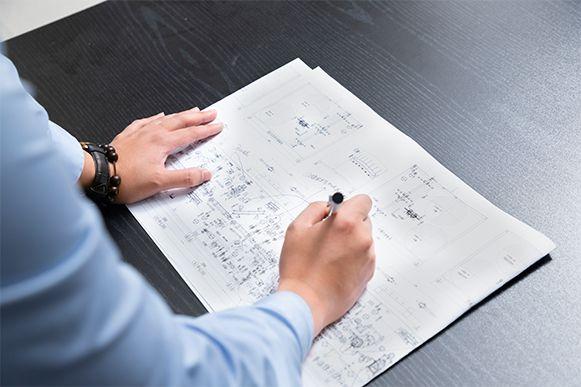
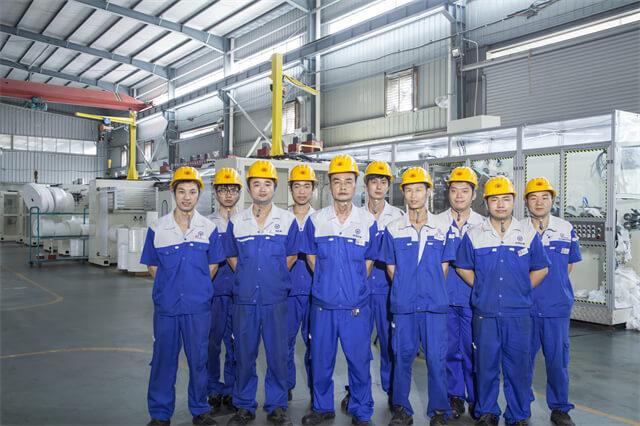
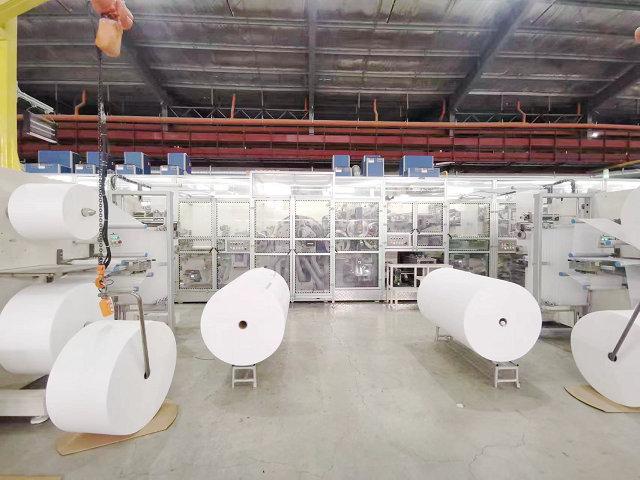
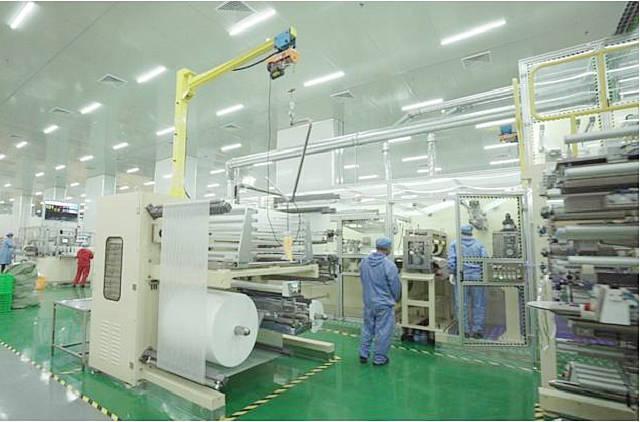
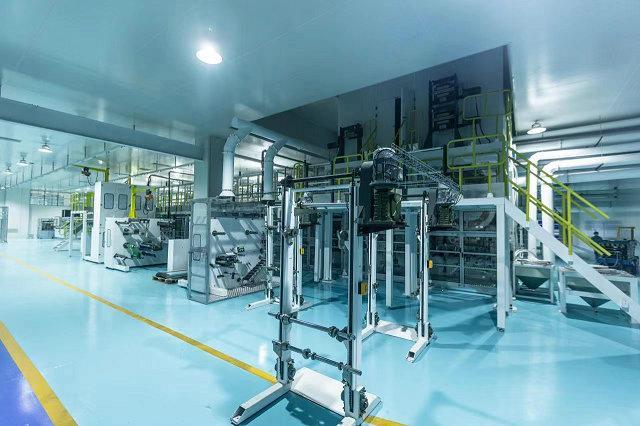
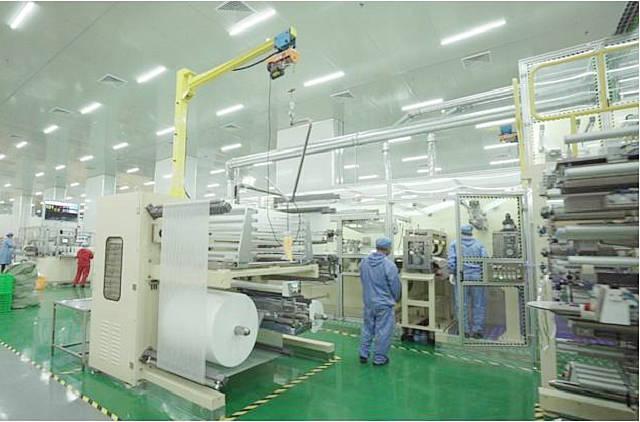
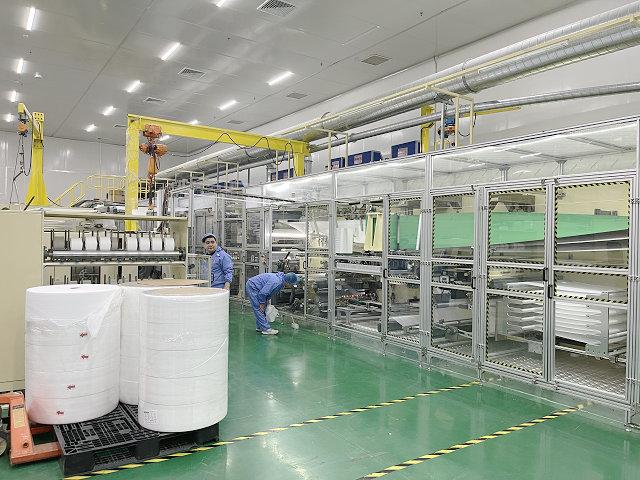
Overview for service-route and utility checks. Access area for planned inspection. Converting section for defect-origin review. Line detail for maintenance documentation.
Set the diagnostic baseline before touching settings
Record the diaper sample, material lots, current recipe, speed at the event, alarm text and the last operator action. The source table also lists ≥85% efficiency and ≤4% rejection. Those percentages only become useful maintenance indicators after the plant defines how time and rejects are counted. A single rejected piece or short speed peak cannot establish a recurring equipment condition.
Follow the defect upstream
Web edge moves
Check roll loading and the affected web path first. Note where the movement begins before changing a guide or tension value.
Core distribution changes
Preserve consecutive samples, then compare fluff pulp, SAP and tissue inputs with the approved recipe and the event history.
Waist or cuff fit varies
Check the relevant nonwoven and elastic lots, application position and the first accepted sample after changeover.
Bonding becomes unstable
Separate construction glue, elastic glue and wetness-indicator glue observations; document the material batch and affected location.
Use one fault card for every intervention
Fault-card field
What to capture
Why it matters
Product evidence
Accepted and affected pieces in production order
Shows whether the deviation began suddenly or drifted.
Input condition
Material name, lot, splice and loading direction
Separates an input change from an equipment change.
Operating event
Speed, stop, alarm and recent adjustment
Reconstructs the condition without relying on memory.
Corrective action
One change at a time and its verification result
Prevents several adjustments from hiding the cause.
Maintenance points follow the material architecture
Absorbent and cover materials: hydrophilic topsheet, hydrophobic leg-cuff nonwoven, ADL, fluff pulp, SAP, upper tissue or nonwoven, lower tissue or nonwoven and PE film.
Waist construction: waist inner nonwoven, waist outer nonwoven and elastic for waist.
Bonding inputs: construction glue, elastic glue and wetness-indicator glue.
The title uses the broad term disposable nappy machine, while the saved material list includes a distinct elastic-waist construction. The signed product drawing must decide the actual format. Until that identity is frozen, maintenance spares, change parts and acceptance samples should not be assumed from the title alone.
Plan work around events, not generic intervals
Start-up
Review visible web paths, guards, emergency devices, utility condition and unresolved alarms.
Material change
Record the new lot and splice, then approve the first product before returning to the run target.
Format change
Confirm recipe and change parts; retain the first acceptable sample with the change record.
Abnormal stop
Keep the alarm and affected product sequence before reset, then verify one corrective action.
Planned shutdown
Clean, inspect and document wear or replacement at the named station.
CLK350 maintenance questions
Is 350ppm the normal maintenance baseline?
No. The table identifies 350ppm as design speed and 250-300ppm as stable working speed. Use the FAT value for the approved product.
Which spare parts should be ordered first?
The source does not provide a spare-parts list. Build it from the final configuration, critical stations, installed components and agreed service plan.
Can a higher reject rate prove a mechanical fault?
No. Compare product samples, material lots, splice history, recipe and alarms before identifying the cause.
Make every recovery auditable
A useful CLK350 maintenance program leaves a trail from symptom to evidence, action and verification. HAINA can review that trail during support, while the factory retains control of its product recipe and material history. This is more reliable than repeated setting changes that are not tied to a named defect or accepted sample.
We can offer customized design for your demand and make sure the solutions are satisfied.
Global Presence
HAINA with distribution networks and partnerships worldwide. This allows them to cater to the diaper demands of various regions and serve a diverse customer base.
Efficiency and Productivity
With their efficient production processes, Haina diaper machinery manufacturers can produce a large volume of diapers within a short period, enabling them to meet market demands and fulfill orders promptly.
Related Quality Control
HAINA Is Professional Manufacturer Of CLK350 disposable nappy machine In China,
The company was founded through one group of technicians and designers with experience in the production of machines for baby diapers, incontinence adult diapers, lady sanitary napkins and panty liners.
Adult Diaper Machine have saved us time and resources
Sophia2024-05-30
The ease of use and minimal training required for the Adult Diaper Machine have saved us time and resources. It's an excellent investment for any manufacturer
The precision and consistency of the Adult Diaper Machine
Harper2024-05-30
The precision and consistency of the Adult Diaper Machine have resulted in a reduction of product defects. Our customers appreciate the high quality of the diapers
improvement in the adult diapers produce
Emma2024-05-30
Our clients have noticed the improvement in the adult diapers we produce. The machine has allowed us to meet their demands with ease
Adult Diaper Machine has positively impacted our bottom line
lisa2024-05-30
We've experienced cost savings on labor and materials since implementing the Adult Diaper Machine. It has positively impacted our bottom line
Start Customizing Your Machines Now!
Contact US
Manufacturer Address:222 Qiantong Road, Anhai Town, Jinjiang City, Fujian Province, China
Sale Tel: +86-17750870135
MP/Whatapp: +86-17750870135
Email: marketing@fjhaina.com










The ease of use and minimal training required for the Adult Diaper Machine have saved us time and resources. It's an excellent investment for any manufacturerSophia 2024-05-30
The precision and consistency of the Adult Diaper Machine have resulted in a reduction of product defects. Our customers appreciate the high quality of the diapersHarper 2024-05-30
Our clients have noticed the improvement in the adult diapers we produce. The machine has allowed us to meet their demands with easeEmma 2024-05-30
We've experienced cost savings on labor and materials since implementing the Adult Diaper Machine. It has positively impacted our bottom linelisa 2024-05-30