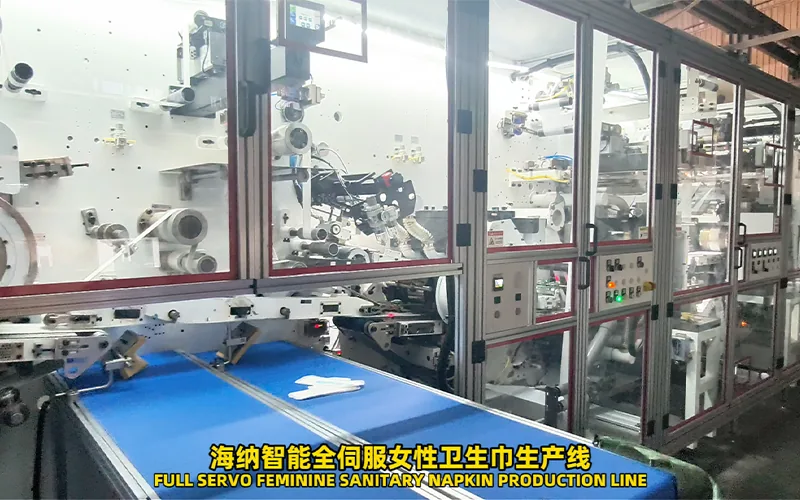
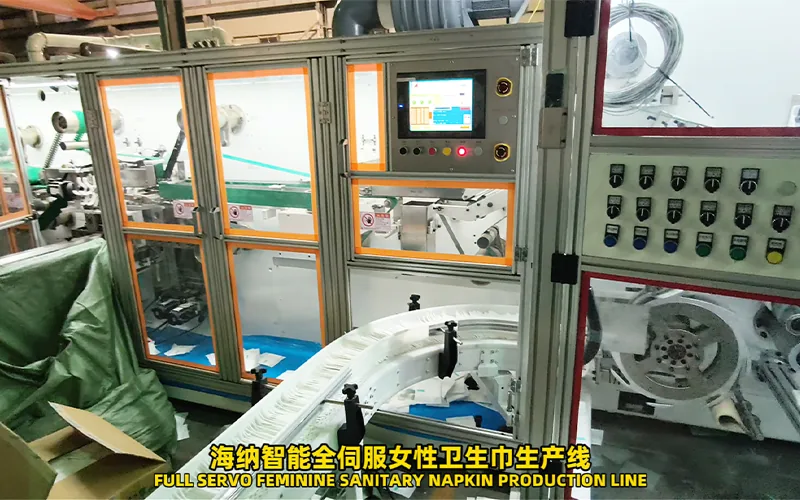
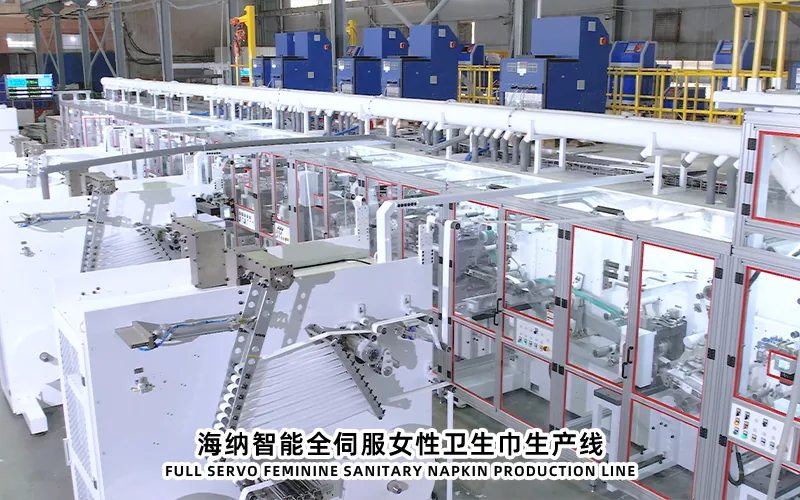
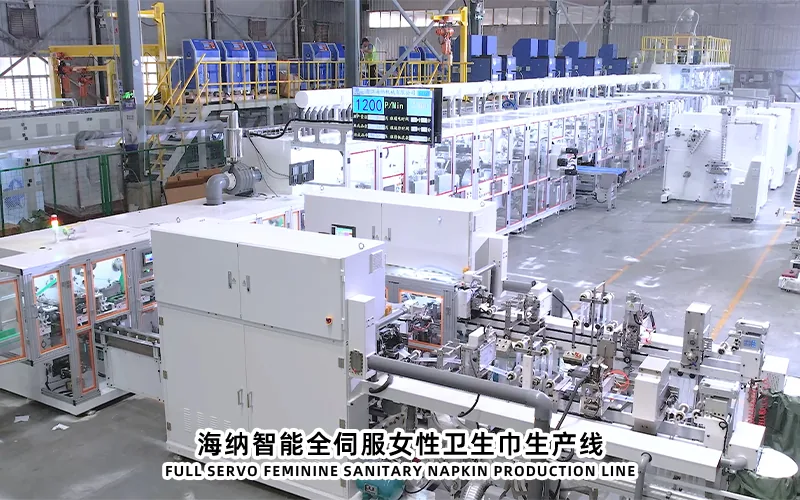
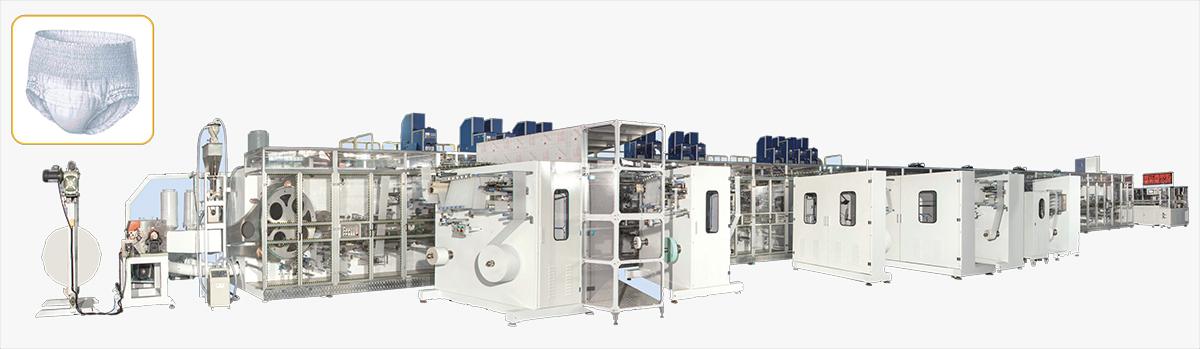
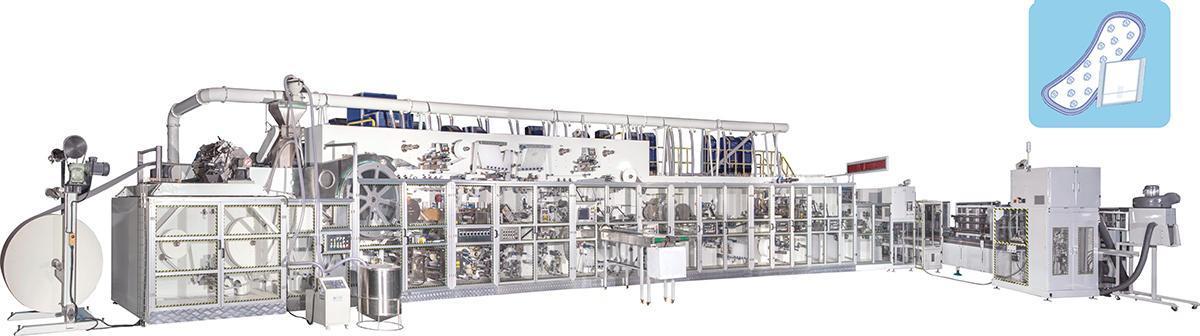
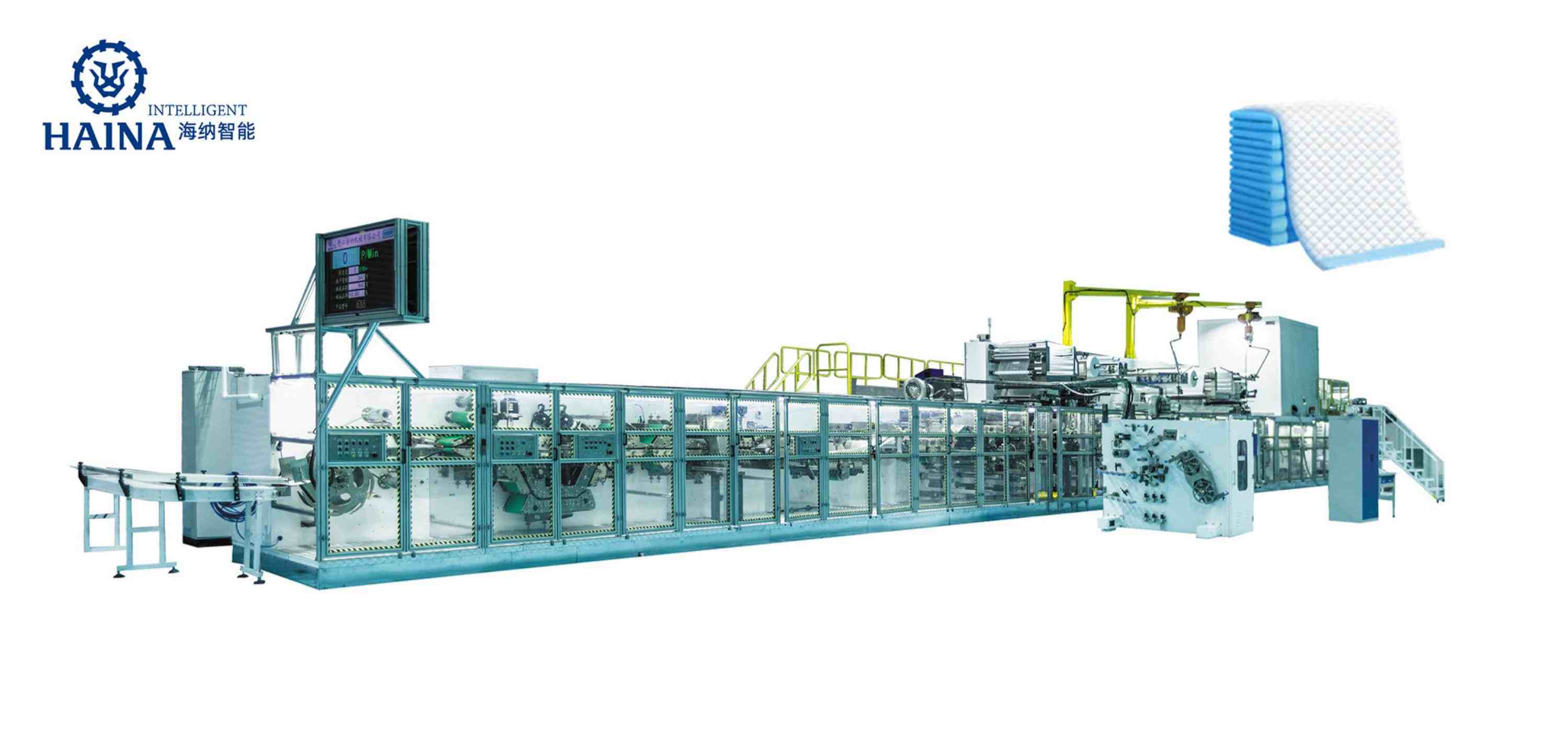
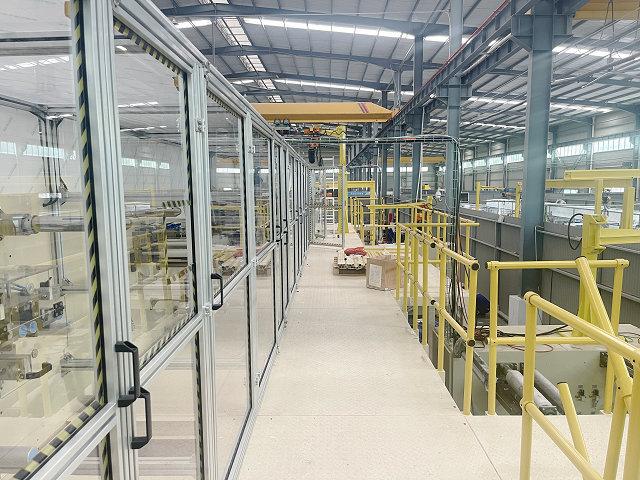
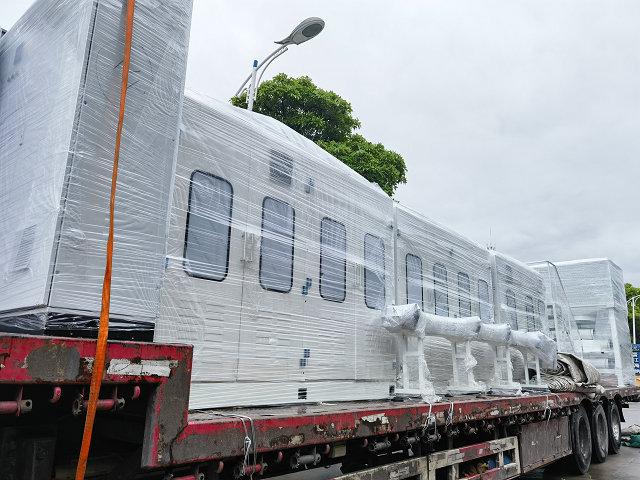
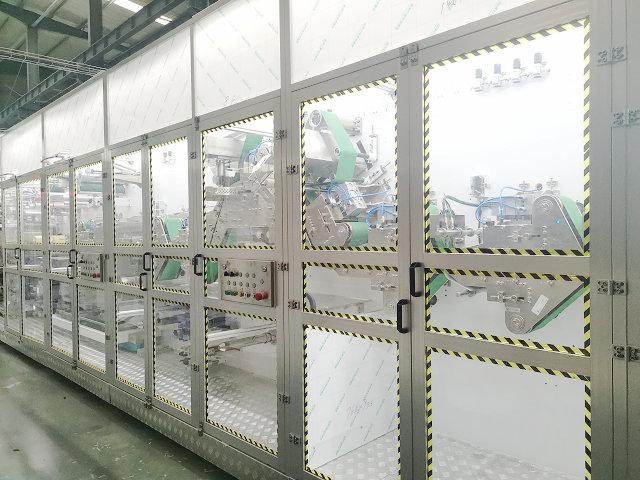
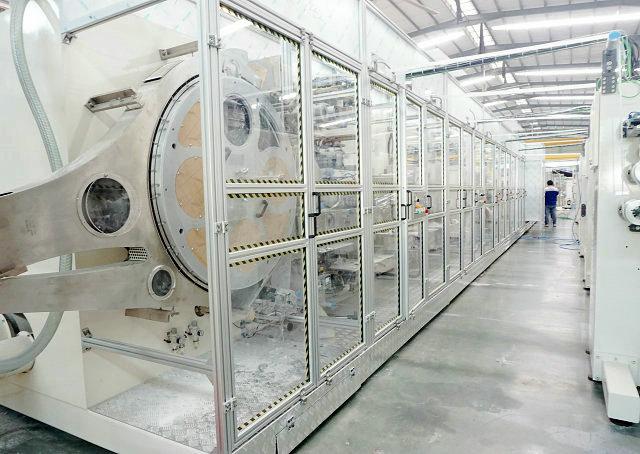
Operating a sanitary napkin production line well requires controlled requirements, reliable process interfaces, stable utilities, verified startup, disciplined quality response, and clear responsibility for every release decision. Project engineers should convert pad drawings and materials into approved recipes, format settings, utility limits, inspection points, and interface tests. Operators then verify line clearance, materials, tooling, adhesives, sensors, rejects, and packaging readiness before production. During running, trend web tracking, component placement, core condition, bonds, cuts, folds, wrappers, alarms, and losses. Changes must be recorded and accepted with product evidence; automatic operation does not justify untracked adjustments or bypassed verification.
Operating Requirements for a Sanitary Napkin Production Line
A project engineer should create an operating basis before routine startup. It should identify approved pad formats, material bills, product drawings, process flow, equipment modules, format parts, recipes, normal adjustment authority, quality plan, utility references, safety constraints, packaging interface, cleaning and maintenance boundaries, and records. The basis must reflect the as-built line rather than an early quotation.
Define machine states such as isolated, maintenance, line clearance, setup, controlled trial, quality hold, normal production, planned stop, fault recovery, and handover. For each state, specify allowed movement, material status, protective measures, who controls the line, and what evidence permits transition. HAINA can support equipment-specific operating and training review, while the factory approves its product limits and site procedures.
An as-built operating basis links pad requirements with actual machine modules and line states.
Keep control references by product and material set. A recipe should have version, owner, approval date, tooling requirements, and linked acceptance samples. Mechanical reference sheets should identify web paths, guide positions, phase points, sensor locations, and change parts. Operators need clear normal ranges and escalation boundaries; unrestricted access to every parameter undermines repeatability.
Control Process and Equipment Interfaces
The line combines unwinds, core or absorbent handling, web guiding, layer placement, adhesive or bonding, sealing or embossing, wing formation, release paper, shaping, folding, wrapping, inspection, rejection, and discharge according to configuration. Each station receives material and timing from upstream and creates conditions for downstream work. A local adjustment can move a defect instead of removing it.
Use interface sheets between critical stations. Define incoming product state, outgoing state, positional reference, tension or transfer behavior, timing, signal exchange, failure indication, and ownership. For example, a wrapper issue may begin with an irregular fold or discharge spacing; a poor fold may begin with cut phase or layer displacement; a bond issue may begin with substrate or adhesive delivery. Diagnose from the first detectable departure.
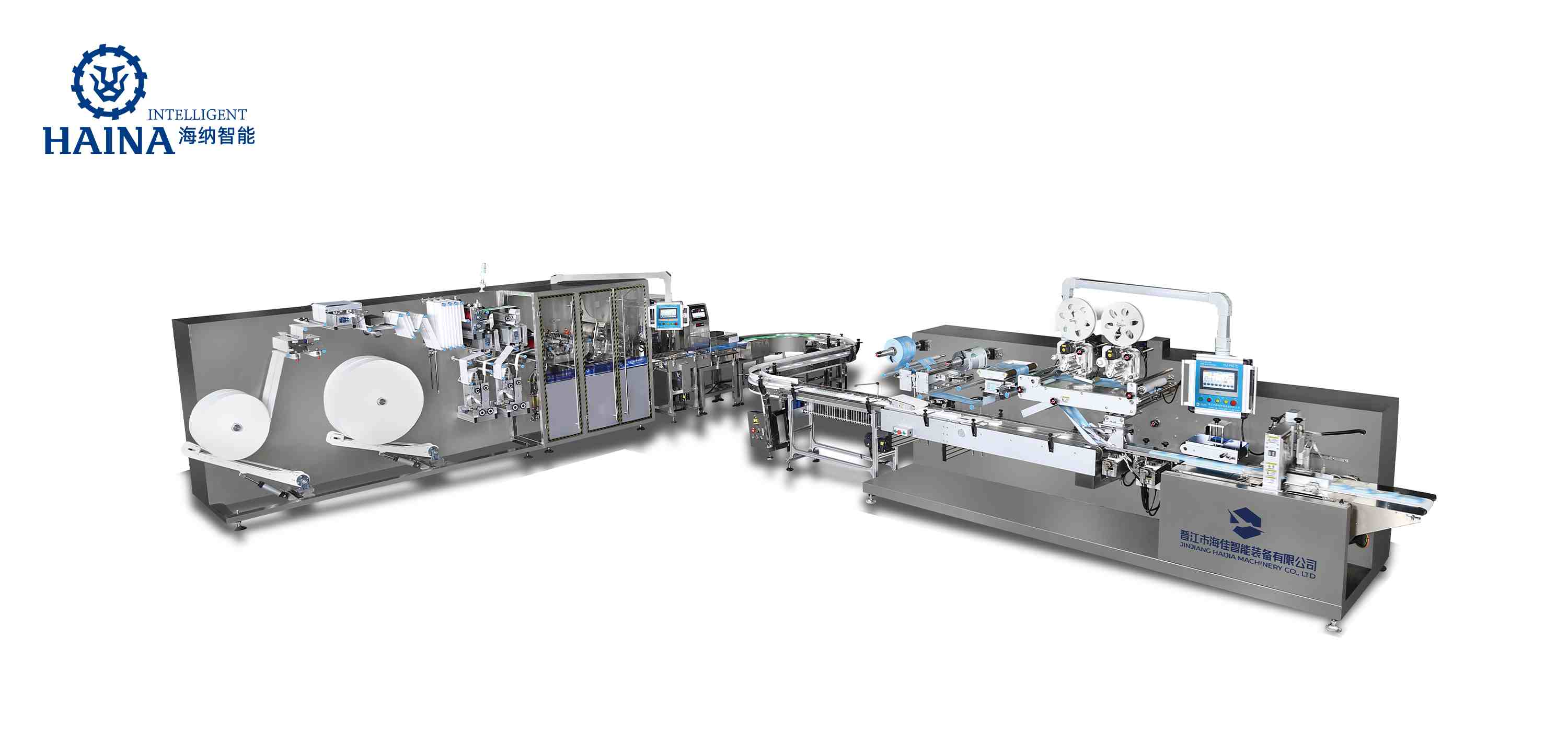
The packaging boundary deserves explicit engineering. Confirm product orientation, spacing or count, transfer height, conveyor behavior, accumulation, stop and ready signals, reject status, and recovery after downstream interruption. Identify whether individual wrapping is part of the converting line or a separate module. Prevent mixed product status when a packaging jam or manual removal occurs.
Keep Utilities Inside the Verified Window
Utilities influence process stability. Electrical supply disturbances can affect drives, heating, and controls. Compressed-air quality and dynamic availability influence actuators and pneumatic devices. Vacuum and extraction affect material transfer, core containment, and cleanliness. Environmental conditions influence materials, static, adhesive response, and operator comfort. Adhesive systems introduce their own temperature, delivery, and safety controls.
Define utility references from the final equipment and site engineering. Record where conditions are measured, instrument status, alarm response, and ownership. Avoid publishing generic numbers or copying settings from another line. Validate behavior under simultaneous operating load because an idle measurement may hide distribution restriction or pressure loss. Trend recurring utility alarms against quality and stops.
Interface or utility
Routine evidence
Possible product effect
Project control
Web transfer
Edge, tension response, wrinkle and handoff stability
Layer displacement or poor folding
Approved path and reference by material
Adhesive delivery
Pattern, thermal response, leakage and alarm state
Weak bond or contamination
Qualified bond pair and safe service method
Air and vacuum
Dynamic indication, leak and filter condition
Unstable actuation, core or product transfer
Load test and clear ownership
Electrical and controls
Supply and communication status, event history
Timing disturbance or uncontrolled stop
Protected distribution and backup governance
Packaging handoff
Spacing, orientation, signals and accumulation
Damage, jam, or mixed product status
Integrated normal and stop-state tests
Stable interfaces depend on material behavior, utilities, timing, and clearly assigned controls.
When a utility leaves the approved condition, protect product status. Identify the affected time or product window, place output on hold as required, and investigate rather than repeatedly resetting. After restoration, verify the utility under load and check the connected process and product attributes. A recovered pressure or temperature indication alone does not release pads made during the disturbance.
Use a Project-Engineered Startup Verification
Startup starts with order and line clearance. Confirm correct product, recipe, materials and lots, format tooling, previous-product removal, work-order closure, guards, utilities, waste routes, inspection devices, and packaging availability. Check adhesive readiness through the approved procedure. Identify all setup material as non-saleable until quality release.
Thread and move the line under the documented mode. Observe each web at its first guide and each component at its first placement. Verify direction, edge control, tension response, core transfer, adhesive pattern, sealing, phase, cut, fold, wrapper, detection, reject, and downstream handoff. Alter one controlled variable at a time and record the starting reference.
Stabilization must be defined. Design speed is an engineering reference; momentary operating speed is what the machine displays; stable working speed requires sustained acceptable operation for the product and material set; contractual acceptance is whatever the agreed test defines. Routine operation should use an approved condition that maintains quality and manageable interventions, not a headline number.
Quality release should identify sampling points and tests connected to product design. These may cover dimensions, component placement, core integrity, bonds or seals, elastic location where present, cut quality, fold, wrapper, appearance, contamination, and functional performance under buyer methods. Challenge detection and physical rejection where applicable. Retain initial accepted samples for shift comparison.
Contain Deviations Before Adjusting
At the first defect or abnormal trend, contain potentially affected output and record time, sample sequence, material lots, current recipe, alarms, and recent changes. Locate where the deviation first appears. Inspect material condition and upstream interfaces before altering downstream settings. Preserve a sample from before, during, and after the event when possible.
Use symptom-specific diagnosis. Component drift calls for checks of roll loading, guides, tension, sensor mounting, phase, transfer, applicator, and looseness. Weak bonding calls for substrate, adhesive delivery, temperature response, position, compression, timing, and contamination review. Cut or fold defects require product thickness, phase, surfaces, debris, tooling, transfer, and mechanical condition checks. Wrapper problems need both incoming pad geometry and wrapper-material behavior.
Diagnosis should follow the first product deviation upstream to its initiating interface.
Changes outside the normal operating window require technical authorization. Record old and new values, reason, expected effect, product and material scope, samples, and approval. Temporary controls need owner and expiry. If repeated compensation becomes necessary, open a condition or material investigation instead of allowing the offset to become an undocumented master setting.
Restart through the relevant gates. Confirm machine restoration and product release separately. Segregate material created during diagnosis. Update standard work only after the new condition has been reviewed and shown effective on a relevant run. This prevents one emergency fix from silently becoming the procedure for every pad.
Assign Operating and Technical Responsibility
The operator owns approved startup checks, material identity, routine observations, in-range adjustments, segregation, and escalation. The line leader controls state, staffing, downtime classification, and handover. Quality owns sampling methods, product disposition, and release. Maintenance owns intervention and equipment restoration. Project or process engineering owns baseline, interfaces, recipes, trials, and technical changes. Safety and site utility functions own their respective governance.
Define who is responsible, accountable, consulted, and informed for high-risk tasks: recipe release, format conversion, first production, material substitution, utility deviation, protective-device fault, sensor bypass, adhesive work, controller restore, reject challenge, and temporary repair. There should be one accountable owner, even when several roles execute checks.
Training should mirror this matrix. Observe people performing the tasks they are authorized to do and recognizing when to stop. An operator who can start the line but cannot preserve alarm evidence or control suspect product is not fully competent for fault response. A technician who repairs hardware but cannot state the product recheck leaves the recovery incomplete.
When comparing sanitary napkin production equipment, ask the supplier to demonstrate task boundaries and training scenarios. Use the demonstration to develop site standards before commissioning ends. Translate equipment screens and terms into the language used by local teams without changing technical meaning.
Connect Acceptance to Routine Monitoring
FAT and site acceptance establish evidence for a defined configuration, product, materials, utilities, and test condition. Convert that evidence into routine references: approved recipes, samples, inspection points, alarm responses, material schedule, tooling list, utility checks, and preventive tasks. Preserve source records so production can distinguish an original baseline from later adjustment.
Monitor leading indicators such as repeated guide corrections, sensor adjustments, adhesive pattern drift, utility alarms, format-specific setup time, reject causes, process loss by station, and maintenance observations. Monitor product outcomes through the quality plan. Review both together; product checks alone can discover issues late, while machine indicators alone cannot prove pad conformity.
Routine monitoring should preserve the relationship between accepted machine state and pad output.
Set an engineering review when the product, material supplier or grade, tooling, control version, utility source, packaging interface, or key process changes. Determine which acceptance tests need repetition. Keep unresolved restrictions visible in recipes and production orders. A prior FAT does not validate an unreviewed future configuration.
Frequently Asked Questions
Which checks should happen before every startup?
Verify order, approved materials, recipe and tooling, line clearance, maintenance release, guarding, utilities, adhesives, inspection and reject devices, waste control, packaging readiness, and segregation of setup output.
How should an operator handle a material change?
Confirm approval and lot identity, compare supply condition, start from the controlled reference, observe handling and product response, record necessary in-range adjustments, and escalate any behavior outside the validated window.
Can automatic controls correct all process drift?
No. Automatic correction works within designed and configured capability. It can mask changing material, contamination, looseness, wear, or sensor drift. Trend corrections and investigate repeated or boundary-level compensation.
What should be included in shift handover?
State order and material status, line mode, accepted reference, quality holds, trends, adjustments, alarms, downtime, waste, maintenance work, temporary restrictions, packaging condition, and the next required action and owner.
Conclusion
Strong operation of a sanitary napkin production line depends on engineering the product, process, utilities, responsibilities, and acceptance evidence into one controlled daily system. The project engineer should now witness a complete startup and one induced interface stop, tracing signals, product status, diagnosis, recovery, and release. Review equipment-specific gaps with HAINA, then update the operating basis only after the affected pad attributes and connected interfaces are verified with recorded samples.