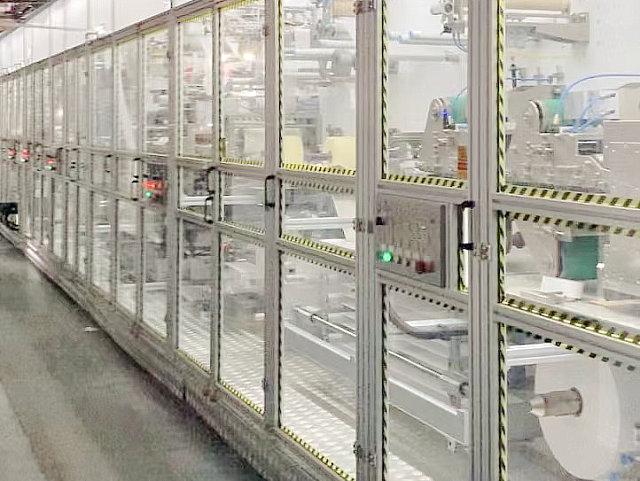
The perfect fully automatic baby diaper machine is the configuration that makes your approved diaper sizes and structures with stable quality, manageable changeovers, suitable factory interfaces, and evidence-based acceptance. Buyers should freeze a launch format matrix, identify every material and converting function, define the automation boundary through packing, and test normal operation with representative rolls. Compare how each line controls the absorbent core, elastic components, tapes, web alignment, cutting, folding, inspection, and rejects. The final decision should rely on witnessed samples, run records, changeover evidence, maintainability, documentation, and support responsibilities rather than one advertised speed.
Select the Diaper Platform
Start by deciding which product family the investment must serve. Record open or closed diaper form, intended baby size range, core concept, waist and leg elastic arrangement, fastening system, side-panel construction, acquisition and distribution layers, leak-guard structure, back-sheet form, and final folding pattern. Add the downstream count and pack presentation. These choices influence material paths, applicators, tooling, control recipes, inspection points, and the physical length of the line.
Use three product groups in the specification. Launch formats are fully defined and must be accepted. Planned formats have enough information for tooling and interface review but may be commissioned later. Concepts are recorded only to protect reasonable expansion space. This classification keeps speculative features from inflating the base line while preventing a supplier from assuming that one demonstrated size proves the entire range.
Obtain controlled drawings and bills of material from product development. Each format needs a revision, dimensions, component positions, material codes, and quality tests. If a reference sample is used, label it and state whether the drawing or sample governs when they conflict. Product definition is the foundation of equipment selection because even capable machinery cannot be accepted against a moving target.
The equipment platform should follow the intended diaper chassis, component set, and final product handoff.
Map a Fully Automatic Baby Diaper Machine
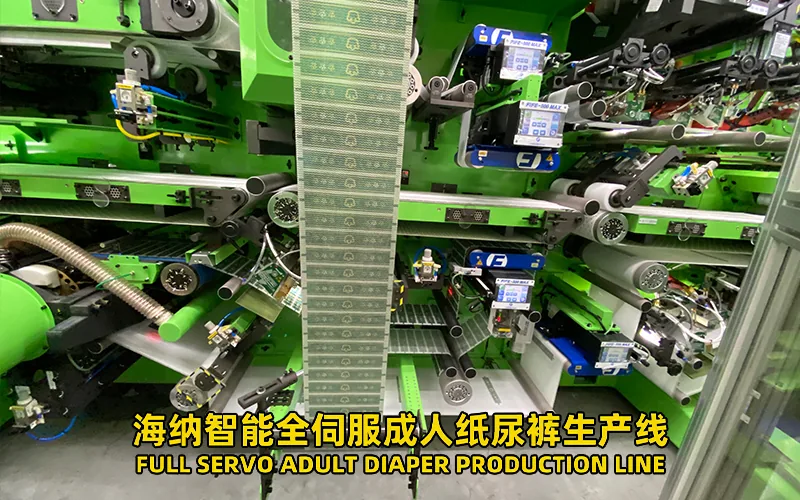
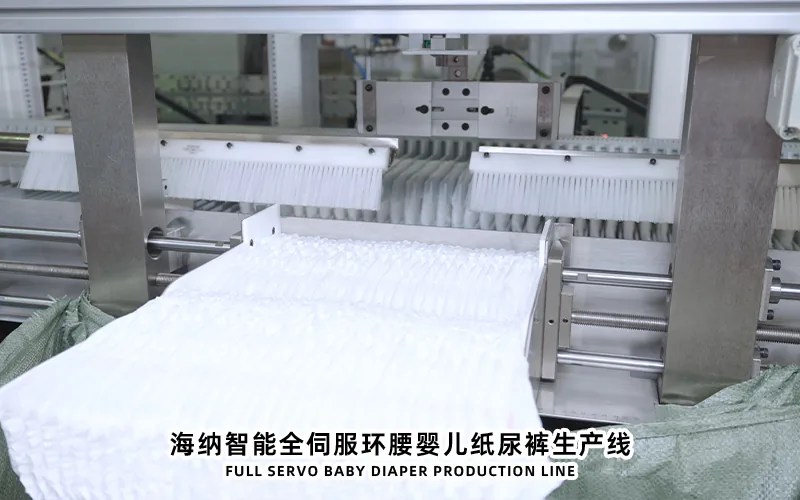
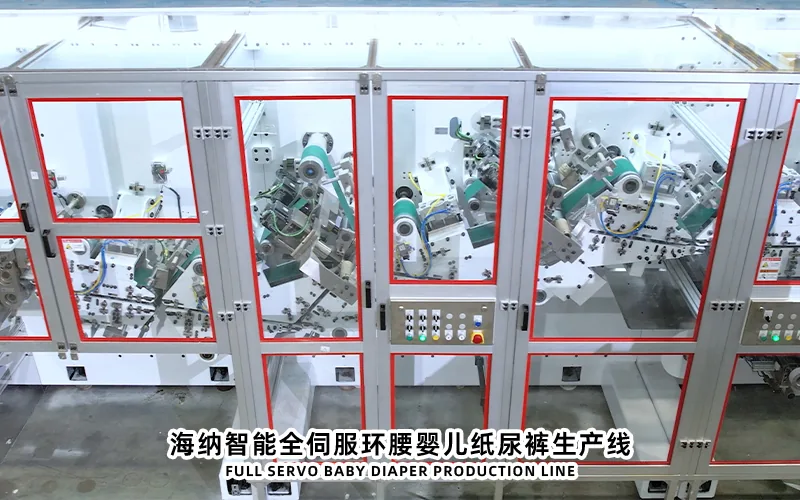
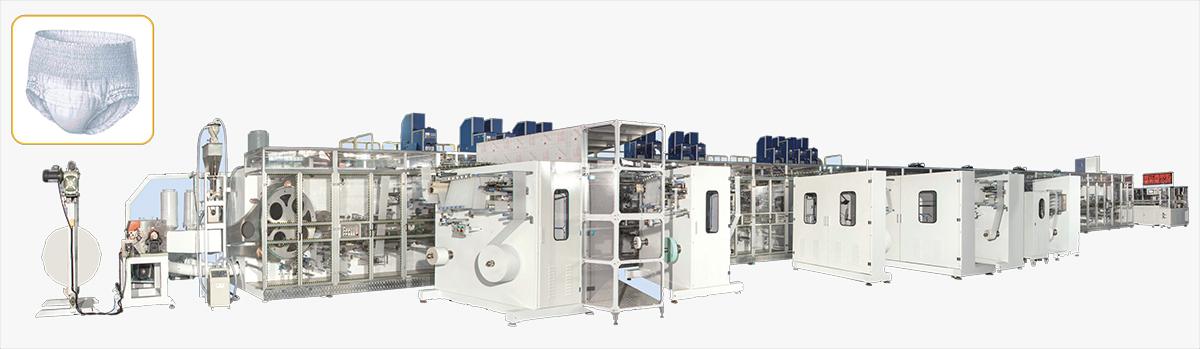
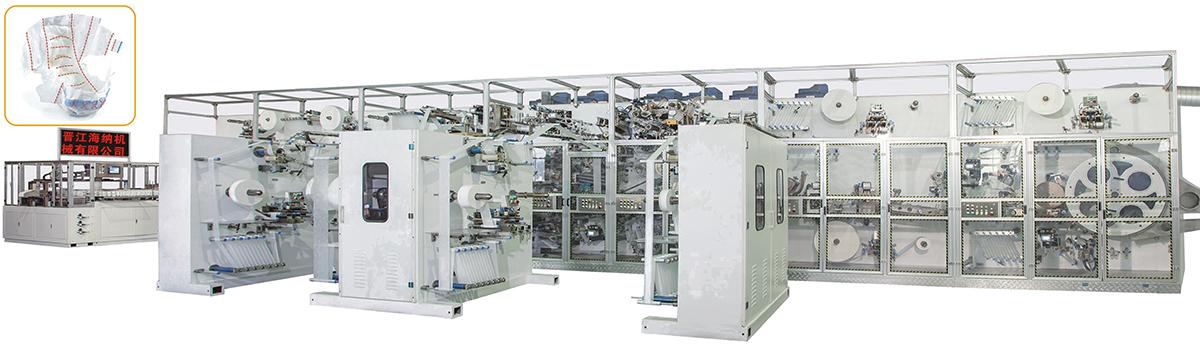
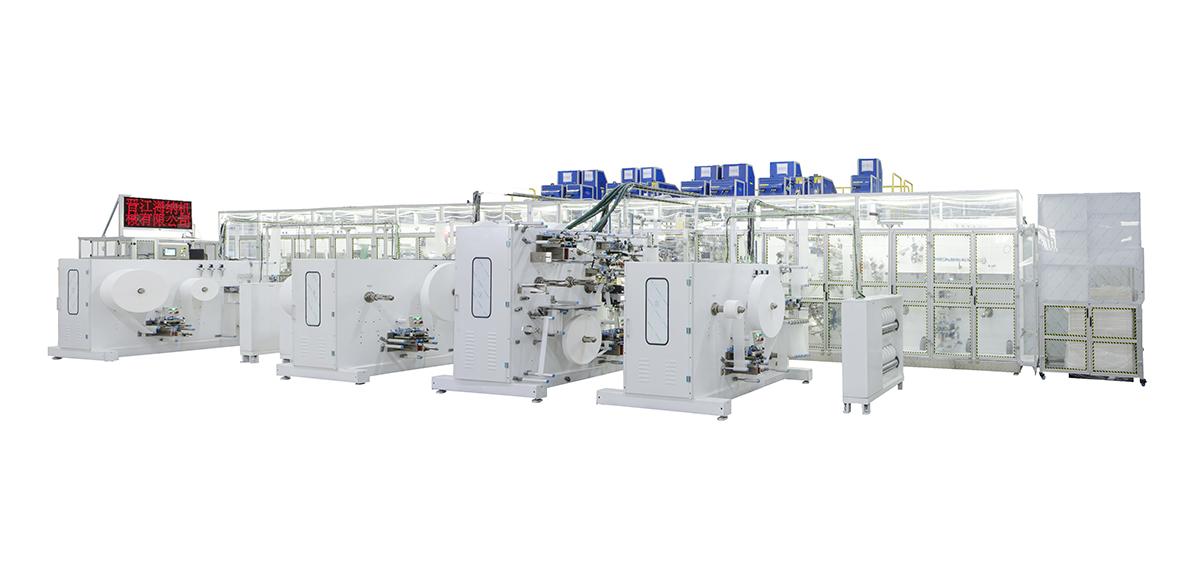
Map the proposed process from material staging to finished-product transfer. Identify unwinds and splice methods, web guiding, absorbent-core preparation, tissue or core wrap, polymer dosing where applicable, acquisition-layer placement, elastic and leak-guard application, waist or side-panel functions, fastening components, adhesive systems, compression, contour cutting, folding, inspection, rejection, counting, stacking, and packing connection. The actual configuration varies by product, so the supplier should mark included, optional, and buyer-supplied functions.
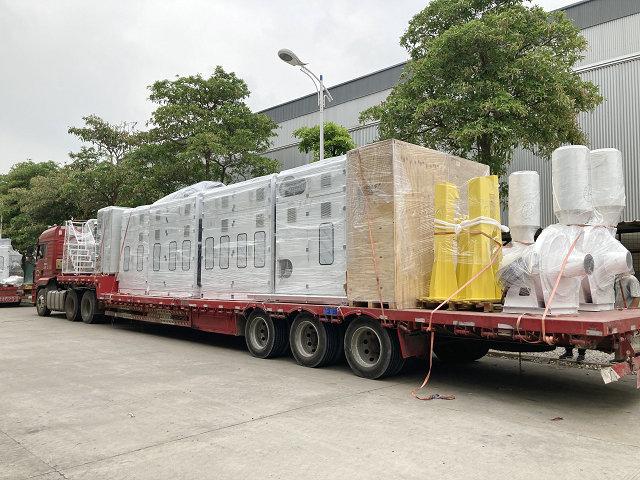
Fully automatic describes coordinated operation, not the absence of people or auxiliaries. State who loads rolls, prepares splices, replenishes consumables, handles adhesive, removes scrap, samples products, transfers stacks, and responds to alarms. Draw battery limits for compressed air, electrical supply, extraction, network connections, packing, and waste handling. Name responsibility for cables, pipes, platforms, ducts, lifting equipment, and commissioning materials.
Review equipment flow together with the factory layout. Confirm incoming roll routes, storage near the line, tool-change areas, operator sight lines, service access, panel clearance, cleaning access, reject removal, and finished-goods movement. A configuration that fits the drawing can still be difficult to operate if a column blocks roll loading or a narrow corridor prevents maintenance removal.
Control the Absorbent Chassis
Baby diapers depend on coordinated placement and bonding of multiple flexible components. Ask the supplier to explain each control point affecting core distribution, component alignment, elastic tension or placement, leak-guard geometry, fastening position, adhesive pattern, web tracking, cutting, and fold. The buyer does not need to dictate proprietary design, but every critical product characteristic needs a visible process owner and a verification method.
Supply representative material data and trial rolls. Include widths, diameters, core dimensions, basis weights, winding direction, splice form, thickness or stretch information where relevant, and approved substitutions. Nominally similar materials may respond differently to tension, vacuum, heat, pressure, static, cutting, or adhesive. Trial evidence should identify the exact material lot so a later production issue can be compared with the accepted condition.
Define sample checks through the product quality plan. Dimensions and component positions require identified instruments and methods. Core integrity, elastic behavior, fastening, folds, bonds, visible contamination, and product appearance need approved criteria. Functional laboratory tests belong to the buyer's validated methods. Do not accept a brief visual inspection as proof of all product requirements.
Each material route should be matched to roll data, tension behavior, splicing, and component placement requirements.
Qualify Size and Format Changes
Size range should be expressed as actual qualified formats, not a broad claim that the line is adjustable. For each size, identify recipe changes, manual settings, guides, cutters, drums, folding parts, applicator positions, inspection parameters, count recipes, and any other interchangeable equipment. Request a tooling register with identification, quantity, storage method, lifting need, and inclusion status in the quotation.
Witness a change between two commercially relevant sizes. Prepare the next tooling and materials before the stop, then record shutdown, line clearance, cleaning, mechanical work, recipe selection, threading, initial setup, sample measurement, correction, and quality release. Keep active conversion time separate from waiting. This shows the staffing and production planning consequences of the range more accurately than a supplier estimate.
Evaluate repeatability by returning to a previously qualified format or reviewing records from several setups. Settings should come from an approved centerline and recipe version, not operator memory. Change parts need positive identification and condition checks. After each modification, affected safety functions and product inspections must be verified before normal output is released.
Align Capacity With Stable Quality
Calculate required acceptable output from demand by size, shift pattern, planned production days, expected format mix, and downstream pack capacity. Include scheduled cleaning, preventive maintenance, roll changes, product transitions, sampling, and credible operational interruptions. Keep assumptions visible so finance can test demand changes without turning a planning model into a performance guarantee.
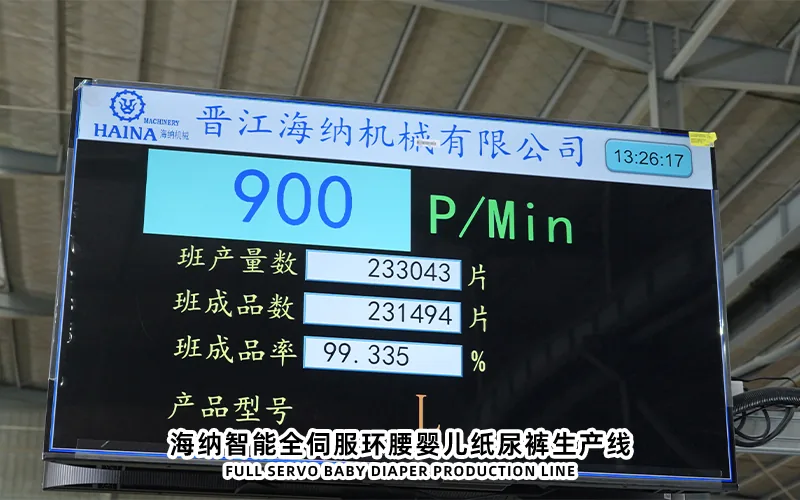
Ask candidates to define design speed, stable working speed, operating range, and proposed acceptance value in separate lines. Stable output must identify the diaper format, material set, quality plan, operator arrangement, downstream boundary, test duration, and treatment of stops. A high instantaneous display is not the same as sustained acceptable units delivered for packing.
At a demonstration, log stop start, stop end, cause, material status, rejects, adjustments, samples, and good output. Observe behavior during roll depletion, splicing, minor disturbances, and controlled restart. The best line is not the one that never experiences a staged event; it is the one whose response is safe, understood, and repeatable while product quality remains controlled.
A timed trial should record product quality, station balance, interruptions, and recovery across the full line.
Review Automation and Reject Control
Review the operator interface by performing tasks. Select a recipe, inspect protected parameters, acknowledge an alarm, view event history, use manual mode under permitted conditions, restart after a controlled stop, and back up approved settings. Confirm user levels and change logs. The system should help technicians locate the affected sequence without encouraging uncontrolled parameter changes.
Inspection and reject systems need a challenge plan. For each supplied function, state the detected condition, sensor or logic response, reject point, confirmation method, alarm behavior, and action after repeated faults. Use safe, supplier-approved test pieces or simulations. Ensure rejected and uncertain products cannot silently return to accepted flow. Also determine what the machine does not inspect so the quality plan covers those characteristics offline.
Data needs should be defined before purchase. Decide which production counts, alarm events, recipe versions, quality results, and maintenance records are required, where they are stored, and how they are retrieved. Do not assume compatibility with plant systems. Any interface should have an agreed signal list, data ownership, cybersecurity review, and acceptance test.
Score Engineering Evidence
Use gates for essential fit, then score differentiators. Essential gates may include launch-product compatibility, site and utility fit, accepted safety design review, complete scope response, representative trial materials, and an agreed FAT concept. Score only what is documented or demonstrated, and keep unresolved statements in a clarification register.
Selection dimension
Required proof
Strong indication
Warning sign
Product platform
Format-to-module matrix
Every component has a defined function
Generic range with missing tooling
Material capability
Traceable trial rolls and results
Settings and samples tied to lots
Unidentified demonstration materials
Format change
Witnessed sequence
Controlled parts, recipe, and release
Time claim without first-good sample
Automation
Task and fault demonstration
Clear permissions, history, recovery
Controls shown only in steady run
Lifecycle support
Documents, training, parts plan
Responsibilities and deliverables indexed
Broad service statement only
Shortlist evidence gate
Signed product and materials matrix with revision status.
Included module list plus explicit options and exclusions.
Layout, utility loads, access zones, and battery limits.
Qualified-format and change-parts register.
Product-specific FAT draft with objective acceptance rules.
Training, documentation, backup, and spare-parts deliverables.
Accept the Line and Transfer Knowledge
The FAT should trace the specification to witnessed evidence. Check identification and completeness, guards and interlocks, manual and automatic sequences, recipes, alarms, inspection and reject functions, representative diaper quality, sustained operation, size change, document status, backups, and open items. Establish trial duration, staffing, material quantity, lot identity, sampling, stop treatment, and retest rules before testing begins.
Training is part of acceptance readiness. Operators should demonstrate preparation, threading, startup, routine checks, controlled stop, alarm response, cleaning, and format support. Maintenance personnel should demonstrate inspections, lubrication, adjustment controls, diagnostic retrieval, part identification, and backup handling. Quality personnel should connect process events with sample traceability. Attendance sheets alone do not prove task competence.
Review the automatic baby diaper manufacturing machine configuration as a reference for your module discussion, then ask HAINA to mark the exact included process, tooling, interface, and FAT scope for the proposed project. Preserve the response in the contract pack so site acceptance can compare delivered equipment with the same baseline.
Final review should connect every physical module to product requirements, acceptance evidence, and trained ownership.
Frequently Asked Questions
Does one machine configuration make every baby diaper design?
No. Product forms and components can require different applicators, controls, tooling, or line architecture. Submit a format matrix and require the supplier to identify qualified, optional, and unsupported products.
Why are representative materials important during FAT?
Flexible webs and absorbent inputs influence feeding, tension, bonding, cutting, dust, and quality. Traceable production-intent materials make the demonstration relevant to the receiving factory.
Should all size changes be accepted by recipe selection alone?
No. Some settings can be recipe controlled, while others require guides, tooling, applicator movement, inspection changes, or mechanical verification. Document the real sequence for each format.
What is the most important FAT record?
The indexed requirement-to-result matrix is central because it links each obligation to conditions, measurements, samples, witness status, and open-item closure. Supporting logs and media should remain attached.
Conclusion
A fully automatic baby diaper machine deserves approval only when its product platform, materials, tooling, automation, factory fit, and support package are defined in the same language as the buyer's launch plan. Replace broad claims with traceable trials and task demonstrations. Before issuing final technical approval, ask every shortlisted supplier to complete the format-to-module matrix, run the approved diaper under recorded conditions, execute a size change through first accepted product, challenge agreed alarms and reject functions, and close document and training gaps. That verification creates a defensible choice and a practical baseline for site startup.