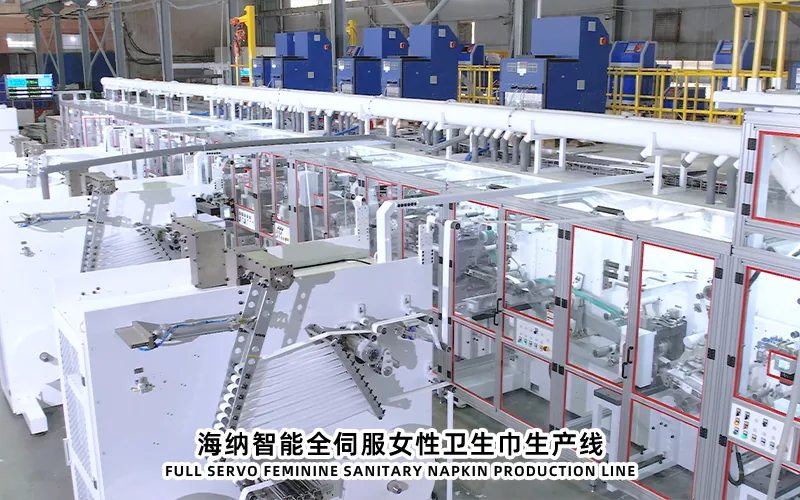
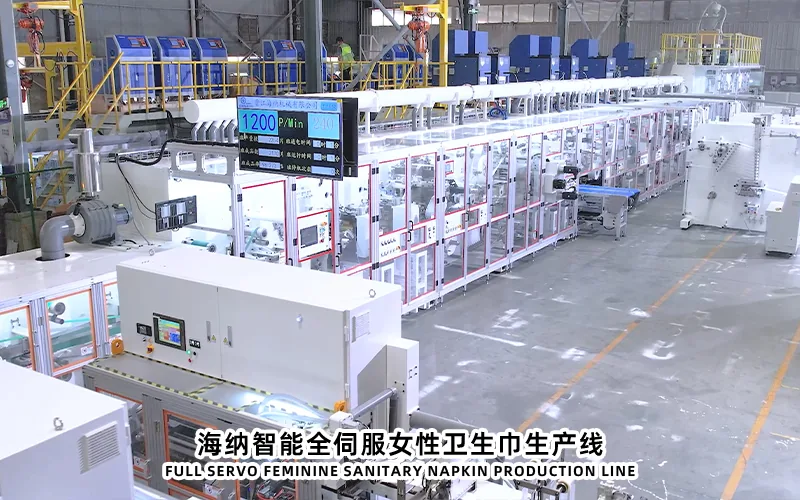
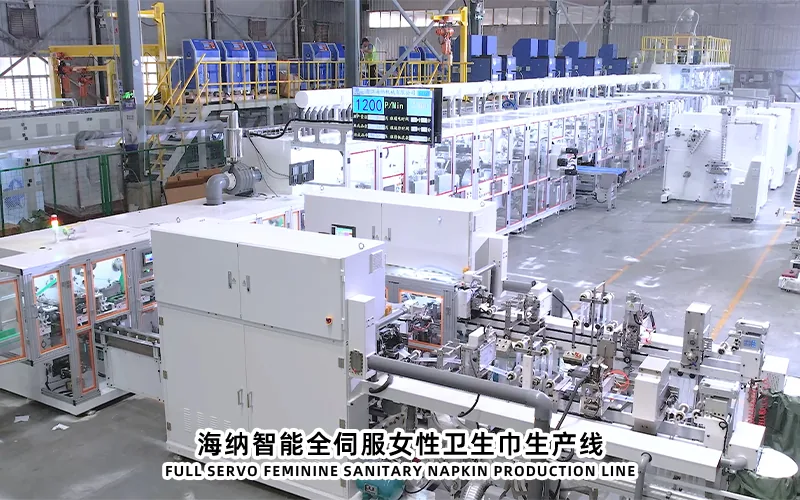
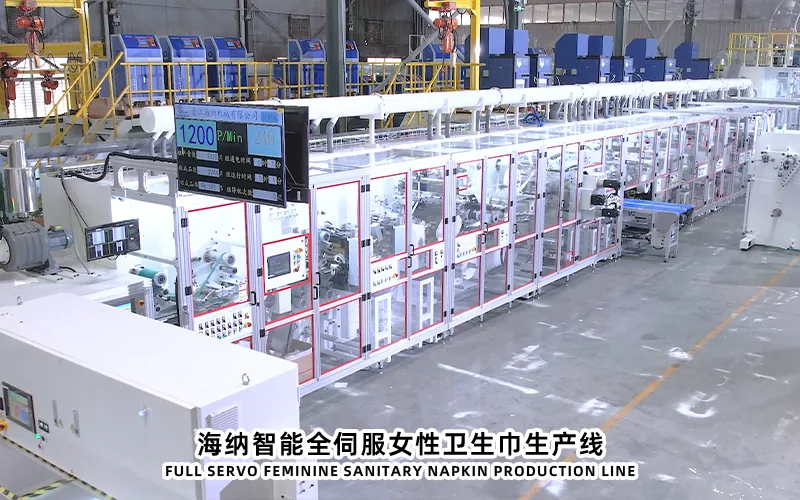
Adult & Baby Diaper Machine,Sanitary Napkins Production Line Blog
Select sanitary napkin sealing equipment by seal boundary, material compatibility, process controls, quality tests, changeover, safety, and FAT evidence.
Choose a Sanitary Napkin sealing machine only after defining which seal is required: process-layer bonding, individual wrapper sealing, or outer bag sealing. These are different operations with different materials, controls, inspection methods, and interfaces. For an integrated napkin line, the buyer should map the seal location, wrapper or film specification, heating or bonding principle, product pitch, registration needs, reject method, and downstream handoff. Compare suppliers by stable seal quality under agreed material and production conditions, not by heater rating or design speed alone. Final approval should use representative materials, destructive and visual checks, controlled changeovers, and documented FAT acceptance criteria.
Define the Sanitary Napkin Seal Before Selection
The word sealing can refer to several boundaries. Layers within the absorbent product may be joined by adhesive, thermal, ultrasonic, mechanical, or combined processes according to product design. An individual napkin may be folded and enclosed in a wrapper that needs longitudinal and end seals. Counted products may then enter an outer bag that is sealed by separate packaging equipment. A procurement specification should name the exact boundary instead of requesting one general sealing machine.
Draw a packaging and process map from the last upstream operation through the accepted downstream handoff. Mark product orientation, fold state, wrapper feed, registration mark if used, seal locations, tear or opening features, code or label requirements, inspection points, reject destination, count, bagging, and transfer. Suppliers should identify which functions are included in the sanitary napkin production equipment and which require external packaging modules.
Define the result in functional language. A seal may need to remain closed during handling and storage, open through an intended user action, avoid damage to the napkin, and meet the buyer's appearance and contamination requirements. The buyer's product and quality teams must translate those needs into measurable checks. An instruction such as "good sealing" is not suitable for engineering selection or FAT.
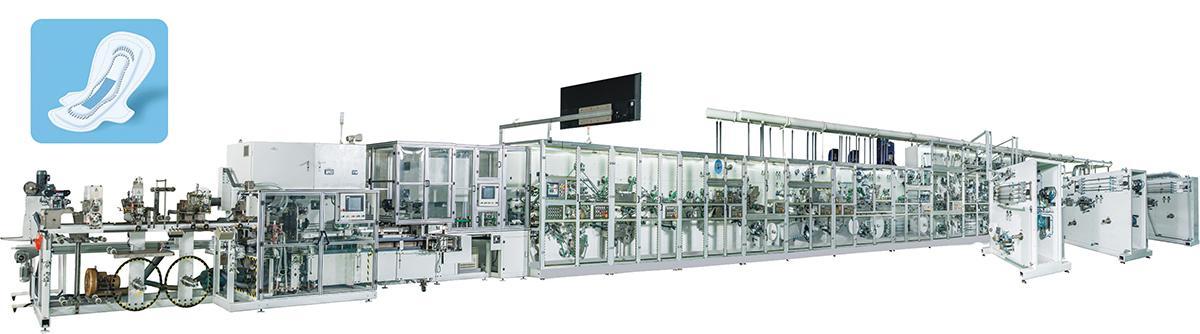
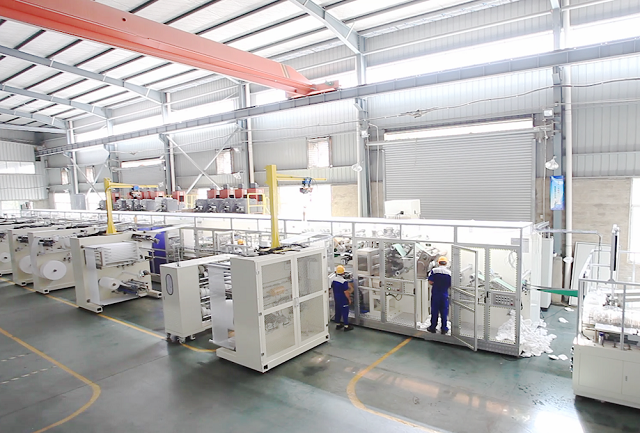
The selected sealing boundary must be located within the complete product and packaging flow.
Match the Sealing Method to the Material
Seal behavior depends on material construction. Film layers, coatings, inks, thickness variation, surface treatment, contamination, and storage condition can change the operating window. Provide suppliers with identified launch materials and proposed alternatives. The review should include roll width and build, winding quality, splice method, print repeat or registration marks, sealant layer, and any supplier guidance available for processing.
Thermal sealing requires a compatible sealant system and a controlled combination of heat, pressure, and exposure. Ultrasonic or other bonding methods have their own material, geometry, tooling, and setup needs. The correct method cannot be chosen from the product name alone. Ask the equipment supplier and material supplier to explain the proposed mechanism, expected process window, limitations, and evidence from a representative trial.
Material trials should investigate normal variation rather than a single ideal sample. Include roll starts, splices where relevant, printed-registration variation, and the anticipated range of storage or factory conditions when practical. Record the material identity and test setup. A result from unidentified film cannot support later troubleshooting or procurement control.
Alternative materials require change governance. A film described as equivalent may respond differently to heat, tension, or registration. Define who may approve a substitution, what line settings are reviewed, which seal tests are repeated, and how recipes and records are updated. This prevents purchasing changes from quietly moving the process outside its verified window.
Control Temperature, Pressure, and Contact Time
For heat sealing, displayed temperature is only one process variable. Heat transfer at the seal depends on heater design, sensor position, jaw condition, contact pressure, dwell or contact time, line speed, material path, and ambient effects. Two machines with the same setpoint can produce different interface temperatures. Selection should therefore examine control architecture, sensor location, warm-up logic, alarm limits, recipe protection, and verification method.
Pressure must be uniform over the intended seal geometry. Mechanical alignment, jaw parallelism, resilient surfaces, contamination, wear, and pneumatic or servo condition can create weak areas even when average pressure appears acceptable. The maintenance plan should include checks for tooling condition and alignment. If tooling is changed for different wrappers or formats, its identity and setup reference need control.
Contact time interacts with line speed and motion profile. A stable seal at a slow trial speed does not prove stable performance at the contractual acceptance condition. Likewise, raising temperature to compensate for insufficient contact may distort film, affect printed surfaces, contaminate tooling, or narrow the process window. FAT should challenge the agreed normal condition and observe recovery after a planned stop or restart, because stationary heated tooling can create different risks.
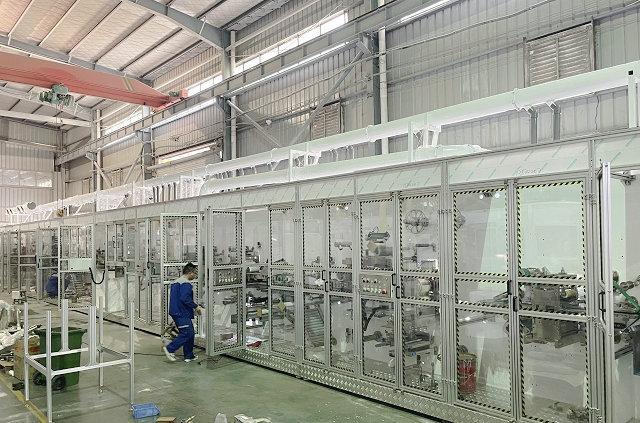
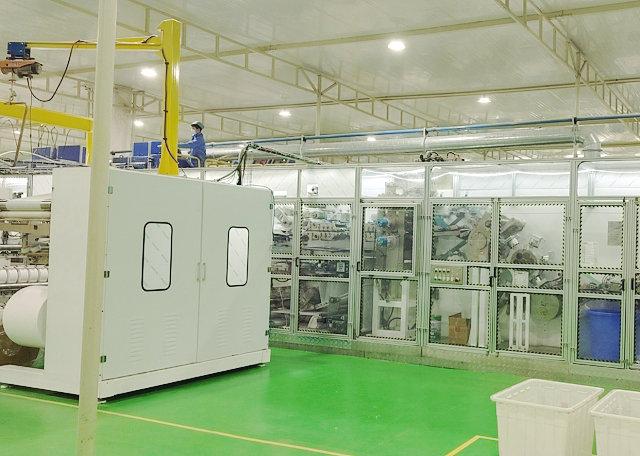
Seal consistency depends on coordinated material feed, tooling condition, and process controls.
Selection factor
What to define
How to verify
Risk if vague
Seal boundary
Layer, individual wrapper, or outer bag
Approved process map and battery limits
Wrong equipment scope
Material window
Identified films, coatings, print, and variation
Representative material trials
Settings work only on one sample
Process window
Controlled heat, pressure, time, and speed
Recorded challenge at agreed conditions
Weak, damaged, or inconsistent seals
Quality test
Method, sample point, frequency, and limit
Joint measurement during FAT
Subjective acceptance dispute
Integration
Orientation, timing, rejects, and stop logic
Complete-interface functional test
Jams or untracked defects downstream
Manage Registration and Product Flow
Printed wrappers or defined opening features may require registration control. The system must detect the mark reliably, relate it to product position, correct web movement within a defined range, and respond when the mark is lost. Ask how sensors handle contrast, print variation, splice sections, dust, and web flutter. The reject or stop response should protect against producing unverified packages.
Product flow into the wrapper is equally important. The napkin must arrive in the correct orientation, fold condition, spacing, and position. Variability upstream can become a sealing defect that cannot be corrected by the sealer. Review guides, timing mechanisms, accumulation, synchronization, and jam detection. During testing, classify whether each rejected package began with a product-position, wrapper-feed, registration, or seal-process issue.
Reject handling should maintain traceability. Define detection point, rejection point, confirmation, collection, and response when rejection is not confirmed. If inspection occurs after several products have moved beyond the sealing station, the control logic must identify the affected item accurately. Buyers should not assume that an inspection sensor automatically produces reliable reject tracking.
Stops and restarts deserve a planned sequence. The line may need to open or cool jaws, remove material held in a heat zone, clear product, re-establish registration, and segregate initial output. Observe operator actions and alarm guidance. Restart product should remain under defined inspection until the process returns to a stable state.
Verify Seal Quality With an Agreed Test Plan
Build the test plan around failure modes. Visual checks can identify wrinkles, burns, contamination, incomplete seal areas, misregistration, cuts, or damage. Opening or peel tests may assess functional integrity when a suitable buyer method exists. Leak, burst, or package-specific tests may be relevant to an outer package, but should not be imported without confirming that they fit the product requirement. The quality team owns the test method and acceptance basis.
Specify where and when samples are taken: startup, normal run, after a splice, after a planned stop, after a changeover, and at defined intervals during the FAT sequence. Include samples across the web and around the seal geometry where nonuniform pressure is possible. Record machine settings, material identity, tooling identity, and observed result with the sample.
Design speed, stable working speed, operating speed, and the contractual acceptance value must remain separate. The test protocol should identify the value being judged and how interruptions or rejected output affect the calculation. If a setting is adjusted during the test, record the reason and restart the affected acceptance sequence where appropriate.
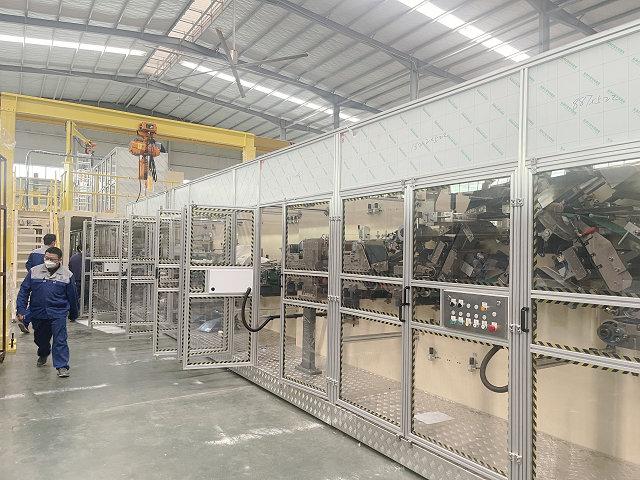
FAT should connect seal samples to settings, material identity, and operating condition.
Review Changeover, Cleaning, and Maintenance Access
Changeover may involve wrapper width, print repeat, seal length, folding components, guides, sensor positions, recipes, tooling, and downstream counts. Request a matrix that separates adjustments from exchanged parts. Witness one representative conversion and record preparation, mechanical work, threading, setting confirmation, first-off samples, process adjustment, and quality release. A quoted mechanical-change time that excludes setup and approval has limited planning value.
Sealing surfaces collect film residue, adhesive transfer, dust, or ink deposits depending on the application. Cleaning instructions should state isolation, cooling, approved tools and agents, inspection points, and acceptance before restart. Harsh scraping or unapproved chemicals can damage coatings and change heat transfer. Tooling must be protected and identified when removed for storage.
Inspect access to heaters, sensors, jaws, drives, guards, web paths, and wear components. Maintenance staff need a safe way to diagnose uneven sealing, replace elements, verify temperature controls, align tooling, and restore settings. Critical spare identification should connect to the as-built configuration. HAINA can review these maintenance and FAT access points during requirement development for the supplied line.
Integrate Safety, Controls, and Downstream Equipment
Hot surfaces, closing jaws, cutting elements, moving webs, drives, and stored pneumatic or electrical energy require a machine-specific risk review. Guards and interlocks should allow normal operation while supporting safe cleaning, threading, jam clearing, and maintenance. The buyer must integrate the supplied equipment into its site isolation, training, and emergency arrangements.
Control interfaces should define ready, run, speed reference, product timing, stop categories, fault status, emergency behavior, reject information, and recovery. Mechanical interfaces should define product orientation, transfer height, pitch, support, and accumulation. Agree which party verifies the complete line behavior and at what stage.
Documentation should include the configured process description, electrical and pneumatic information, tooling and change-part list, settings or recipe control, maintenance tasks, spare identity, test records, and software backup. Compare document tags with the physical machine during FAT. Generic manuals that do not identify the delivered station make later fault finding unnecessarily difficult.
Sealing Machine Acceptance Workflow
Scope gate: Mark the exact seal and supplied battery limits on the product-flow drawing.
Material gate: Approve identified launch films or wrappers and document controlled alternatives.
Process gate: Establish a repeatable window for heat or bonding input, pressure, contact, speed, and registration.
Quality gate: Agree sample locations, test methods, limits, stop rules, and disposition before FAT begins.
Handover gate: Close changeover, cleaning, safety, spares, backups, training, and downstream-interface evidence.
Acceptance should verify the seal within the complete material and product flow.
Frequently Asked Questions
Is wrapper sealing part of every sanitary napkin production line?
No. Scope varies by project. Confirm whether individual wrapping, counting, bagging, and outer-bag sealing are integrated, optional, or supplied as separate downstream equipment.
Can a higher temperature solve weak seals?
Not by itself. Weak seals can result from material incompatibility, contamination, pressure nonuniformity, insufficient contact, misalignment, or tooling wear. Diagnose the failure mode before changing settings.
How should printed wrapper registration be tested?
Use representative print and roll conditions, challenge normal variation and splices where agreed, verify lost-mark response, and confirm that rejection tracks the correct package.
What belongs in seal FAT evidence?
Keep material identity, machine and tooling configuration, settings, operating condition, sample method, results, stop history, adjustments, exceptions, and closure or retest evidence.
Conclusion
The right Sanitary Napkin sealing machine is defined by a particular seal, identified materials, a controlled process window, synchronized product flow, measurable quality checks, and clear upstream and downstream interfaces. Buyers should reject vague comparisons based only on speed or heating method. The practical next step is to supply representative product and wrapper materials, mark the exact seal on a process map, approve a joint sampling and test method, and witness normal running, a stop and restart, and one representative changeover during FAT before accepting the sealing configuration.