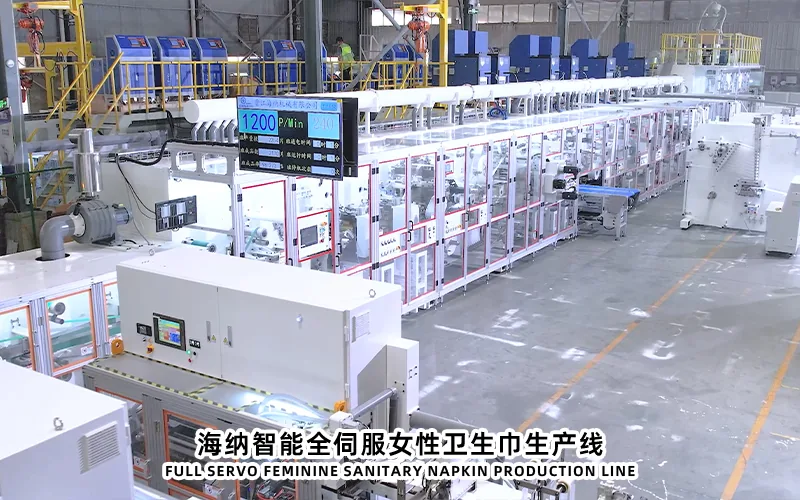
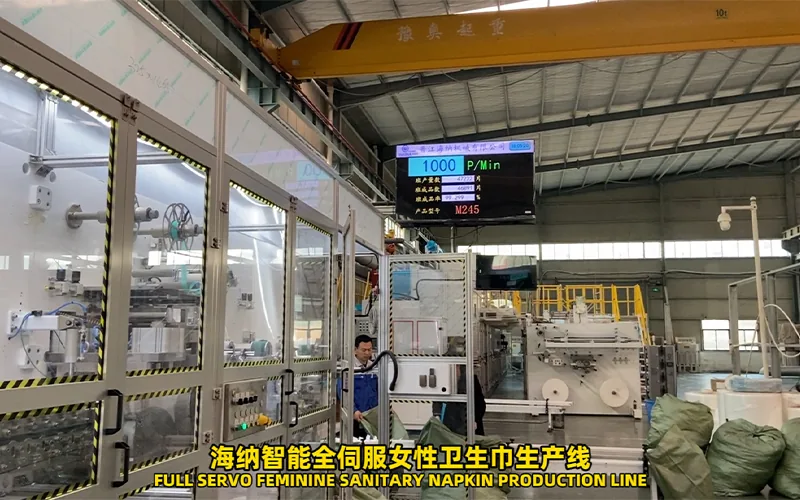
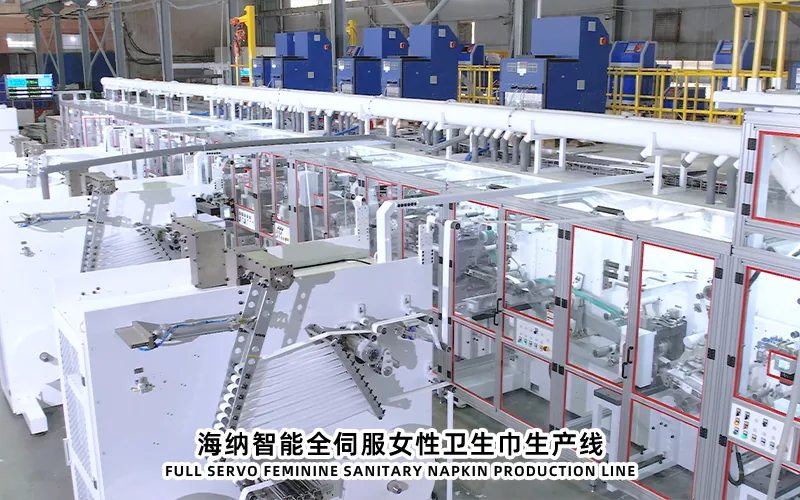
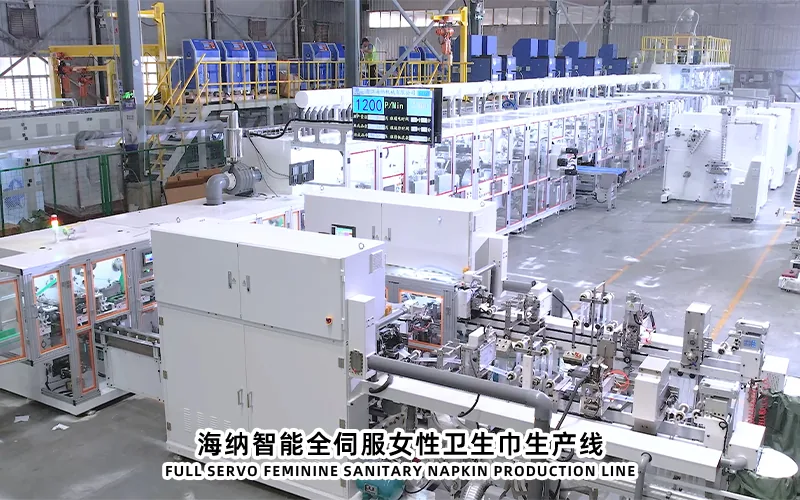
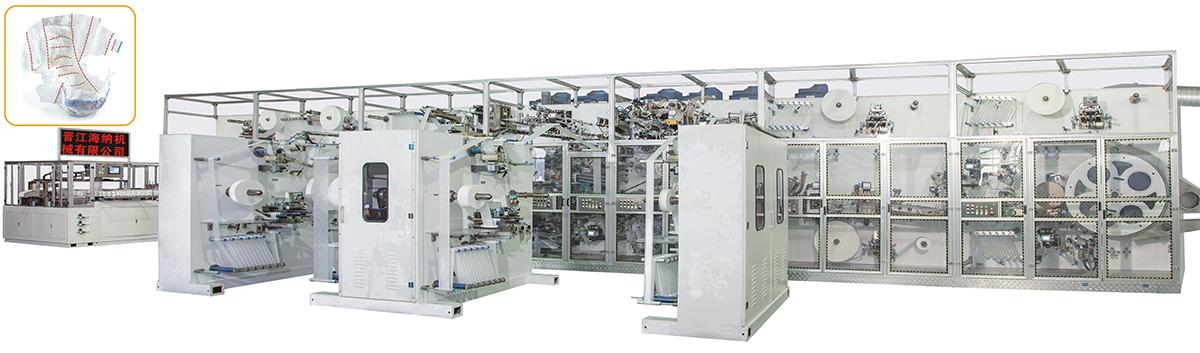
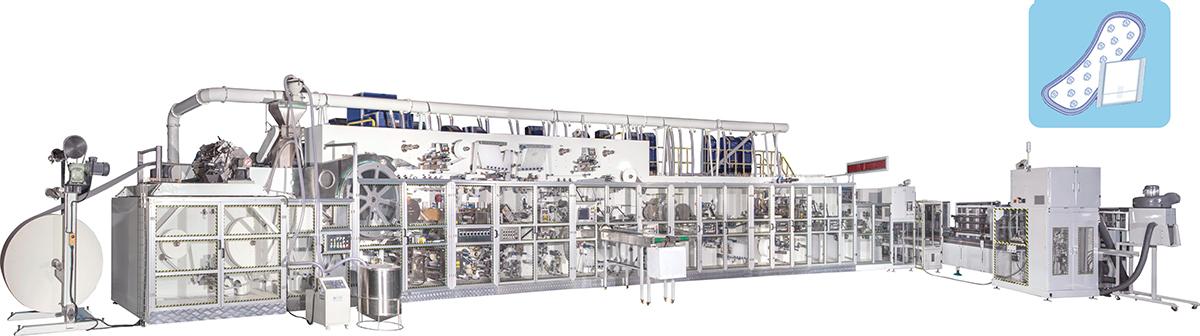
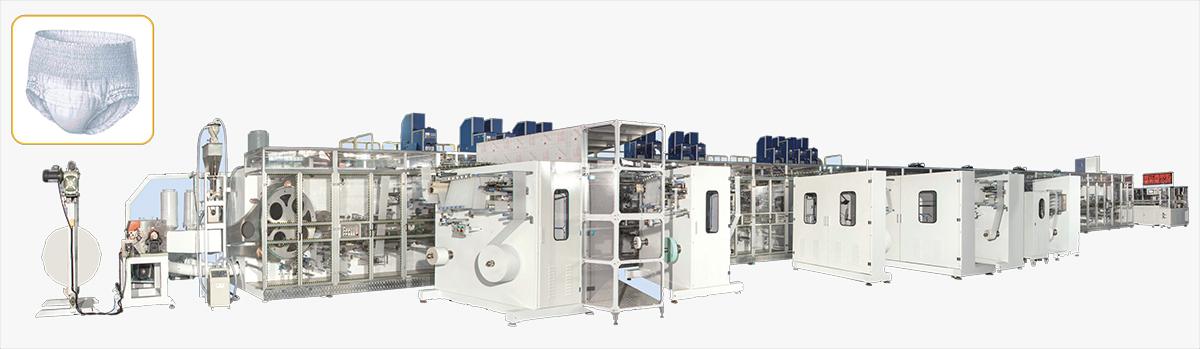
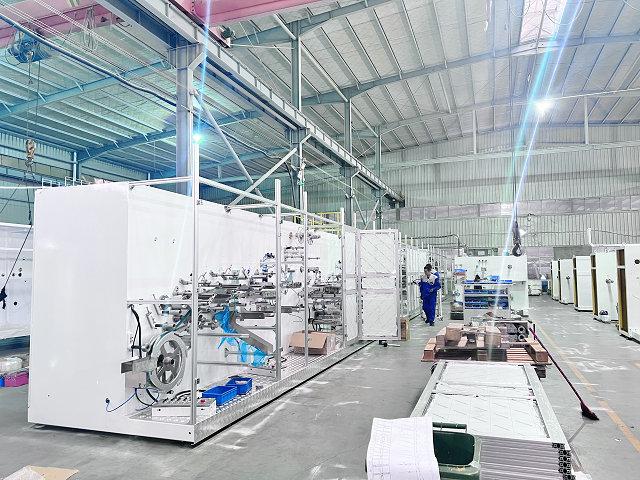
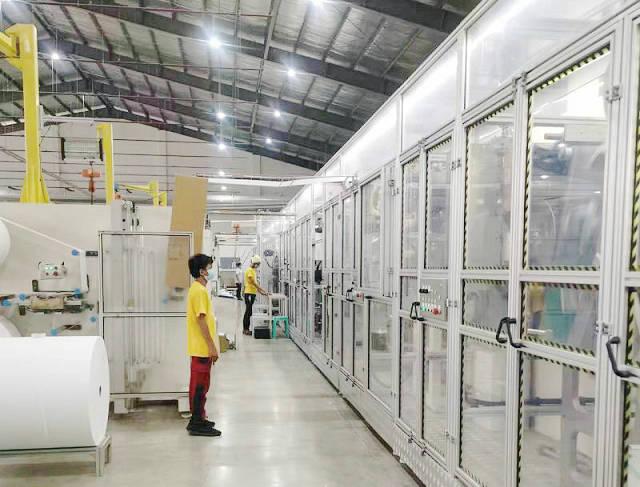
A sanitary napkin production line improves product knowledge when engineers use it to connect every finished-product feature to a material specification, machine function, process setting, inspection method, and acceptance record. Product knowledge is not a list of component names. It explains why each layer is present, how webs and absorbent material interact, which stations create dimensions and placement, where variation enters, and what evidence proves the intended result. A project engineer should build this knowledge before equipment selection, validate it during design and FAT, and transfer it into operating and quality documents so the sanitary napkin production line supports reproducible products rather than trial-and-error settings.
Translate Product Features into Engineering Data
Begin with a controlled product definition for each intended SKU. It should identify finished dimensions, shape, layer arrangement, absorbent-core geometry, topsheet and backsheet requirements, distribution or acquisition features where used, adhesive locations, release paper, wing construction if applicable, wrapper, fold, pack count, labeling, and approved quality characteristics. Marketing language such as comfort or protection must be translated into measurable product and material requirements by the brand owner and its qualified teams.
Create a critical-to-process map. For every product characteristic, ask which material properties and machine functions influence it. Finished length may depend on web control, timing, cut, and transfer. Component placement can depend on material edge condition, tension, guiding, application reference, and synchronization. Bond performance can depend on adhesive, substrate surface, application condition, pressure, and time. This map prevents a single setting from being treated as the only cause.
Product knowledge grows when every critical feature is traced to its creating and controlling stations.
Document the required variation range and the test method, not just a target. Sampling location, conditioning, instrument, operator technique, and calculation can change results. If no approved method exists, the project has an unresolved product-development task. The equipment supplier can support process trials, but it should not be expected to invent the brand's product acceptance criteria during FAT.
Understand Material and Process Interfaces
Material identity includes more than a trade name. Engineers should define relevant dimensions, basis or mass properties, thickness where used, roll width and edge quality, winding and splice condition, surface behavior, mechanical response, storage, lot traceability, and test requirements. Which properties matter depends on the material and function. Avoid inventing universal limits; obtain approved specifications and supplier evidence.
Review each interface as a relationship. A topsheet must unwind and track, interact with application systems, combine with other layers, survive cutting and folding, and support the intended product evaluation. Release paper must match the application geometry and removal expectation while running through guiding and cutting. Wrapper material must seal or close through the selected packaging method and maintain print or registration where applicable.
Representative trial materials are essential because nominally similar webs can behave differently. Define which production-intent lots will be used for factory and site tests, how much is needed for setup and accepted runs, who approves substitutions, and what incoming results accompany them. A trial conducted with convenient but unrepresentative material proves only that temporary combination.
Product feature
Key interfaces to investigate
Line evidence
Acceptance evidence
Core distribution
Material feed, forming, flow, transfer, web speed
Station checks and identified samples
Approved distribution or mass method
Layer placement
Roll edge, tension, guiding, reference, bonding
Tracking and position trend
Dimension checks across a defined sample
Bond condition
Adhesive, substrate, application, compression
Application inspection and setting record
Approved product bond evaluation
Cut and shape
Web tension, phase, blade, anvil, transfer
Wear and timing evidence
Edge and dimensional inspection
Wrapper and pack
Fold, transfer, count, material, sealing or closure
Interface and alarm check
Complete pack appearance and integrity review
Map Sanitary Napkin Production Line Functions
The functional map should trace material from storage and roll preparation through unwinding, tension control, web guiding, absorbent-core formation, layer introduction, application, wing or shape formation, release-paper placement, cutting, folding, individual wrapping where configured, inspection, rejection, counting, transfer, and secondary packing. The exact sequence depends on the offered configuration, so confirm it against drawings and a physical build review.
For each function, identify inputs, outputs, adjustable variables, fixed references, sensors, alarms, failure effects, inspection points, maintenance access, and downstream dependency. This turns a process flow into an engineering document. It also reveals supplier and buyer scope boundaries, such as upstream raw-material preparation, adhesive supply, dust or extraction interfaces, laboratory tests, and packaging equipment.
A function map should include process inputs, controls, failure effects, and downstream interfaces.
Do not confuse a station's presence with demonstrated capability. A sensor description should state what condition it can detect, at which location, under which product and material conditions, and what action follows. An automatic reject function needs proof that the intended unit is removed and segregated. A recipe system needs revision, permission, backup, and restoration rules. Convert every important function into a review or test.
Define Utilities, Controls, and Layout Boundaries
Process knowledge includes the conditions around the machine. Ask for utility requirements by quality, stability, connection, isolation, and realistic demand, not only nominal capacity. Electrical supply, compressed air, vacuum or extraction where required, environment, network, adhesive preparation, and packaging interfaces can influence line behavior. The buyer should compare supplier requirements with measured or engineered site capability.
Layout review should include roll storage and staging, handling and lifting, operator positions, material loading, sampling, reject and waste removal, maintenance clearance, cleaning access, tool and spare storage, laboratory flow, finished-product movement, fire and emergency paths, and future format or expansion needs. A machine that fits geometrically may still conflict with the operating process.
Controls architecture should identify machine zones, user roles, recipes, alarm history, data ownership, backups, interfaces, remote-support controls, and cybersecurity obligations under the buyer's system. Define who can change protected values and how changes are approved. FAT should include selected backup, permission, alarm, and interface scenarios without compromising supplier intellectual property or factory security.
Build a Product Verification Plan
The verification plan should trace each requirement to evidence. Document review can confirm drawings and component schedules. Inspection can confirm build, access, labeling, and installed functions. Functional tests can challenge alarms, sensors, rejection, recipes, and interfaces. Product trials can demonstrate conversion using stated materials and SKUs. No single test method proves everything.
Verification should link configured machine functions to identified product samples and test records.
Define the FAT conditions before the test: machine revision, product drawings, representative materials, SKU sequence, setup rules, speed definitions, run basis, sampling times, quality methods, allowed planned stops, treatment of interruptions, pack interface, data collection, and deviation handling. Stable working speed is meaningful only with those conditions. It should not be replaced by design speed or a brief display peak.
Include challenge and recovery scenarios. Introduce approved known conditions to verify selected detection and rejection functions. Conduct a controlled size or product change. Stop and restart the line to evaluate threading and release. Review an alarm and evidence trail. Verify startup product segregation. The tests should reflect how the buyer intends to operate, not create unnecessary demonstrations unrelated to the requirement.
At site, repeat checks affected by shipping, installation, utilities, local materials, or connected equipment. Define which FAT evidence can be accepted without repetition and which interfaces need site confirmation. Close deviations with objective evidence and update the final product-process map.
Transfer Knowledge and Responsibility
Product knowledge belongs across product development, process engineering, production, quality, maintenance, procurement, and planning. Create role-specific documents from the common map. Operators need approved setup, reaction, and handover information. Quality personnel need sampling, test, isolation, and release rules. Maintenance needs station risks, baselines, inspection methods, and post-work checks. Procurement needs controlled material and spare specifications.
Training should require people to demonstrate tasks. Ask an operator to trace one SKU from material issue to packed release. Ask a technician to explain how intervention at an applicator affects downstream verification. Ask quality personnel to define the product boundary after a failed check. Capture questions and update documents through controlled approval, not handwritten permanent notes.
During engineering review, HAINA can map the proposed automatic sanitary napkin manufacturing configuration against the buyer's product-process matrix. The buyer remains responsible for approved product specifications and claims, while the supplier should identify configuration limitations, interfaces, and test conditions clearly.
Product Knowledge Evidence Register
Requirement source: Identify the approved product drawing, material specification, pack standard, quality method, and revision owner for each SKU.
Process link: Name the station, fixed references, controlled settings, sensors, utilities, and downstream functions that influence the feature.
Risk statement: Describe how variation can enter, what product signal may appear, and which output interval could be affected.
Verification: Choose document review, build inspection, functional challenge, material trial, product test, or site interface check and define acceptance.
Transfer status: Record final documents, trained roles, open deviations, temporary controls, and owner for continuing process development.
The evidence register connects the intended product to final equipment, test results, and operating ownership.
Review the register at design freeze, before FAT, after FAT deviations close, and at site acceptance. If a requirement cannot be traced to a machine function or test, decide whether it belongs to material development, factory quality control, packaging, or an unresolved supplier scope. Leaving the gap unnamed invites late trial-and-error.
Frequently Asked Questions
What product information should be ready before requesting a line?
Prepare SKU drawings, layer and material specifications, critical dimensions and placement, pack formats, quality methods, launch range, and representative material availability. Clearly mark preliminary items so the supplier can identify design and test risk.
Can the machine supplier define the finished product?
The supplier can explain configuration capability, process interactions, and trial observations. The brand owner should approve product requirements, materials, test methods, claims, and release criteria with appropriate expertise and local obligations.
Why are representative materials necessary for FAT?
Web behavior, surface interaction, application, forming, cutting, folding, and packing can change with material properties. Tests with nonrepresentative material cannot establish performance for the intended product without explicit limitations and later verification.
How should product knowledge be kept current?
Control product, material, recipe, machine, test, and pack revisions in linked records. Review the map after approved changes, repeat failures, new SKUs, or revised methods, and train affected roles before the change enters routine production.
Conclusion
A sanitary napkin production line enhances product knowledge only when the factory traces features through materials, station functions, utilities, controls, tests, and responsible roles. The practical buyer action is to choose one launch SKU and build the evidence register from product drawing to finished pack, marking every unsupported assumption or unassigned interface. Before FAT, review that register with HAINA, freeze representative materials and acceptance methods, and require each critical function to produce identifiable evidence that can later be transferred into operating, quality, maintenance, and change-control documents.