A baby diaper machine manufacturer can support applications that differ by diaper construction, size range, material combination, closure system, elastic arrangement, packaging interface, and target quality profile. The practical boundary is not the marketing name of a diaper; it is whether the proposed line configuration can feed, place, bond, cut, inspect, reject, and transfer every specified component under repeatable factory conditions. Before presenting a product opportunity, a business development manager should convert the market concept into drawings, material data, sample criteria, format quantities, and acceptance tests, then obtain written confirmation of included capability, optional equipment, exclusions, and validation evidence.
Map a market concept to a producible diaper
Terms such as economy, premium, thin, soft, breathable, customized, or environmentally preferred do not define a machine application. Each term must be translated into an actual product construction. Begin with a layer drawing and bill of materials that identify the topsheet, acquisition or distribution layer if used, absorbent core inputs, tissue or wrapping layers, backsheet, leg and waist elastic elements, tapes or other closure components, frontal area, standing barriers, and any optional feature. Add finished dimensions, component positions, basis or dimensional data supplied by the material owner, and the checks used to release the product.
Clarify the intended age or weight segment only as market context. The machine needs engineering information: product size codes, unfolded length and width, core geometry, elastic layout, closure construction, and pack presentation. A product family with several sizes may require common and size-specific parts, recipes, guides, cutters, or handling settings. A broad sales statement that a line makes all sizes is not enough to establish how changeover works or what hardware is included.
Forecast also matters, but it should not be converted into an unsupported machine output promise. Provide the expected product mix, order pattern, changeover frequency, shift arrangement, planned maintenance, and packaging assumptions. The supplier can then discuss configurable range and demonstrated operation. Keep design speed, stable working speed, normal factory operating speed, and contractual acceptance values distinct throughout the proposal.
An application starts with the actual layer construction and the functions needed at each process station.
Application boundaries for a baby diaper machine
A configured baby diaper line typically addresses open diaper products that use side tapes or related fastening arrangements. Pull-on pants, adult incontinence products, underpads, sanitary napkins, and household waste processing are different product or process categories. Some upstream functions may sound similar, but their constructions, forming sequences, cutting arrangements, elastic systems, handling, and acceptance requirements differ. A buyer should never infer cross-category capability from a general reference to absorbent hygiene machinery.
Within open baby diapers, applications can vary in core structure, tape system, frontal landing component, standing barrier design, elastic pattern, topsheet or backsheet selection, and the presence of optional features. Each variation affects material feed stations, control points, web paths, applicators, cutting tools, inspection logic, and reject handling. Even a visually small feature may require dedicated hardware or software and may alter usable operating conditions.
The business development manager should state three boundaries in every opportunity brief. First is the product boundary: the exact formats and sizes under discussion. Second is the process boundary: included feeding, forming, bonding, cutting, inspection, and transfer functions. Third is the delivery boundary: what happens before the first unwind and after product discharge, including utilities, material handling, dust collection, packaging connection, laboratory testing, and factory services. This prevents an attractive concept from becoming an ambiguous scope.
Translate material design into process functions
Material compatibility is an engineering question, not a simple yes or no. The supplier needs representative specifications and preferably production-intent rolls. Important inputs can include width, thickness or basis information, roll diameter and core, winding direction, splice construction, surface condition, extensibility, friction behavior, stiffness, and allowable storage conditions. Adhesive interaction, dust, static behavior, and deformation under tension may also affect the process.
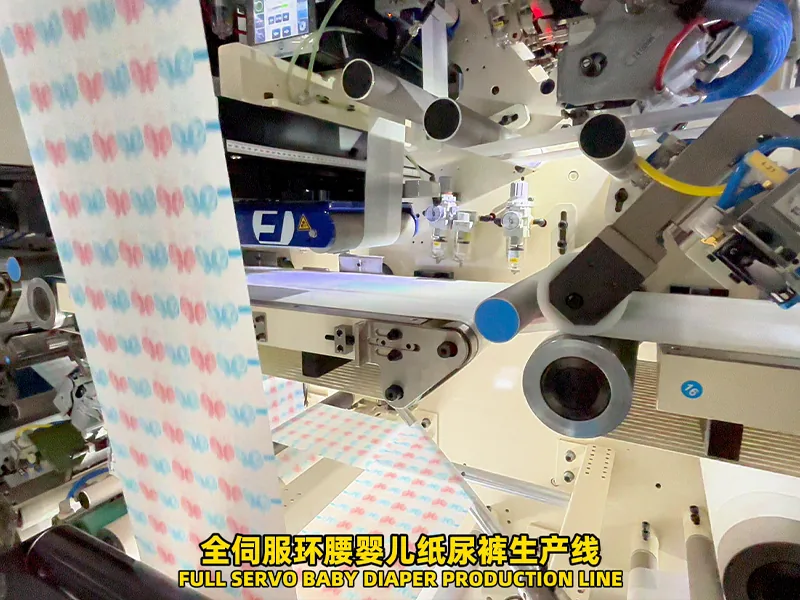
For each component, identify what the line must do. A nonwoven web may need unwinding, guiding, tension control, folding, bonding, and cutting. Elastic material may require controlled stretching, positioning, bonding, and relaxation. Absorbent inputs require formation and containment appropriate to the approved design. Tapes and frontal components need accurate feeding, cutting, placement, and bond verification. Printed or marked material may need registration detection. These functions create the real application map.
Product proposal
Process questions
Boundary to confirm
Useful validation evidence
Multiple taped diaper sizes
Which stations and parts change for each size?
Included size range, change parts, recipe control, changeover method
Size matrix, part list, setup record, accepted samples
Alternative core construction
How are absorbent inputs formed, distributed, and contained?
Material specification, feeding arrangement, dust control, inspection method
Trial records, core measurements, process observations
New closure or frontal system
Can the component be fed, cut, registered, and bonded?
Dedicated applicator, allowable dimensions, material behavior
Station drawing, application trial, placement and bond results
Printed backsheet or feature
Is registration required and how is loss of reference handled?
Sensor and control scope, print tolerance, reject logic
Reference-detection test and traceable rejected samples
Packaging integration
What orientation, count, spacing, and transfer signal are required?
Mechanical and control interface between suppliers
Interface document and witnessed transfer test
Do not replace material trials with data-sheet comparison alone. Two materials with similar nominal descriptions can behave differently during unwinding, tensioning, cutting, or bonding. If production-intent material is unavailable during early engineering, record the assumption and require later validation before final acceptance.
Every added component must have a defined feed path, application function, control method, and acceptance check.
Check the receiving factory requirements
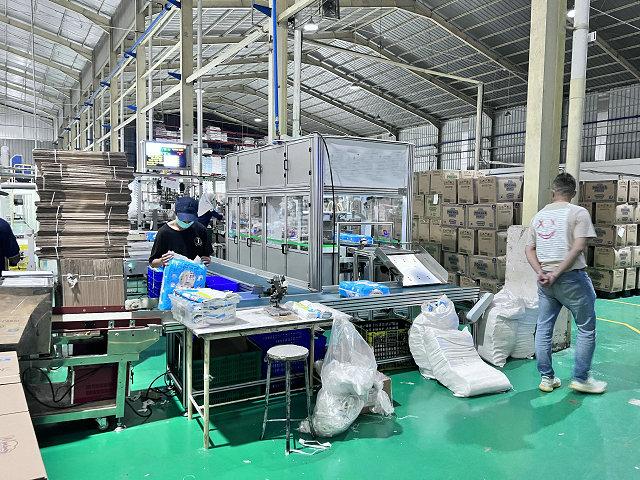
The same production concept may be feasible in one building and impractical in another. Gather the proposed floor area, access route, floor loading review, ceiling and service clearance, environmental conditions, electrical supply, compressed air provision, extraction needs, and material storage arrangement. Include operator movement, roll delivery, change-part storage, maintenance access, waste removal, sample flow, and emergency routes in the layout review.
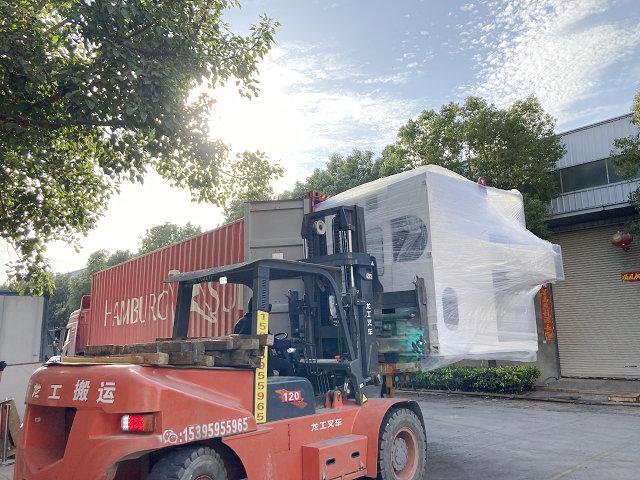
Define ownership for all interfaces. The equipment supplier may provide connection requirements, while the buyer prepares site distribution, foundations where required, utilities, unloading, installation access, and local safety integration according to the agreed contract. Packaging, coding, conveying, laboratory equipment, and production data systems may involve other suppliers. Their signal lists, elevations, product orientation, accumulation logic, and test responsibilities should be coordinated before installation.
People are part of readiness. Identify who will operate, maintain, inspect, plan materials, administer recipes, and approve product release. Training should be tied to tasks and evidence, not attendance alone. Operators need supervised startup, normal running, stop response, changeover, cleaning, and quality checks. Maintenance staff need isolation procedures, drawings, component identification, preventive tasks, diagnostic methods, and controlled restart practice.
Separate base capability from options
A clear commercial scope divides functions into included base configuration, selected options, future provisions, buyer-supplied systems, and explicit exclusions. For example, an inspection function may range from simple presence sensing to more detailed vision or measurement arrangements. A material feed may be included for one component design but require another applicator for a different design. Future-ready language should identify the installed provisions; it should not imply that an absent module can be activated without mechanical, electrical, software, and validation work.
Use a configuration schedule linked to the quotation, layout, technical agreement, and acceptance plan. Assign a revision number. When the product definition changes, record the impact on stations, parts, controls, utilities, trials, documents, and timing for commercial review. This protects both the buyer and manufacturer from quiet scope expansion.
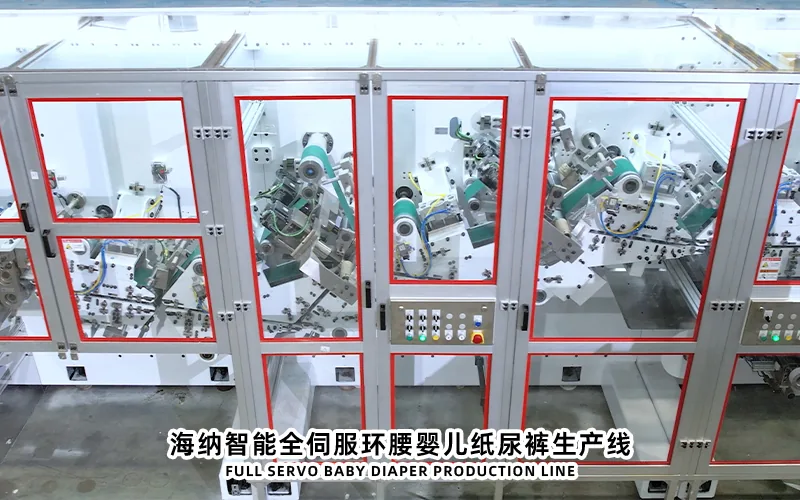
The relevant automatic baby diaper manufacturing machine category can help frame an equipment discussion, but a specific application still requires a signed requirement set. HAINA can review product drawings, planned materials, factory interfaces, and test objectives during engineering; the resulting configuration should then be verified against production-intent samples.
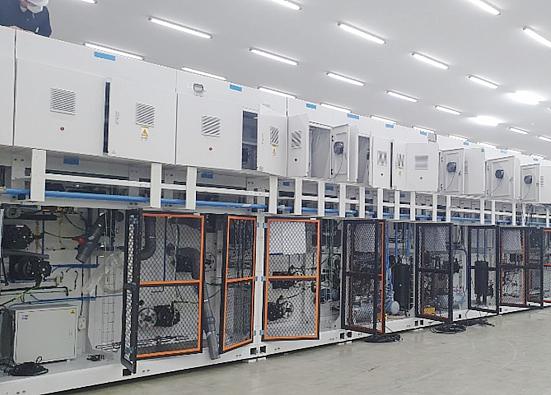
Configuration reviews should distinguish installed modules, interface points, future provisions, and excluded systems.
Validate an application claim with evidence
Application validation should move from documents to materials, then to a witnessed run. Review drawings, bill of materials, component tolerances, control narrative, size matrix, spare and change-part lists, and inspection plan. Confirm that test instruments and sample methods are agreed. Production-intent materials should be identified by lot and available in sufficient quantity for setup and the defined trial.
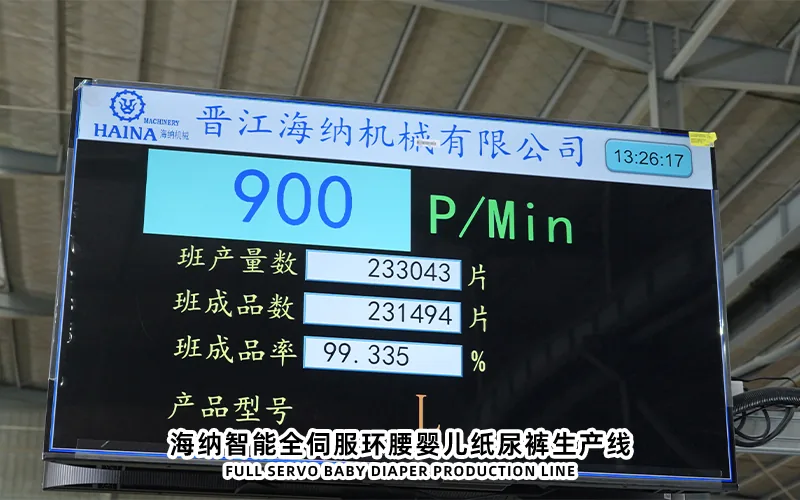
During FAT, witness material loading, recipe selection, startup, stable operation under the agreed condition, normal stops, defect or reject checks where practical, size change activities if in scope, sample collection, and data recording. The protocol should define the run conditions, observation period, sampling plan, acceptance values, treatment of interrupted tests, and closure of findings. A short demonstration clip or a few attractive samples cannot establish sustained capability by themselves.
After the trial, reconcile input materials, accepted product, rejected output, held samples, and recorded interruptions as required by the protocol. Review deviations and classify them as corrected, accepted with documented rationale, or open with an owner and verification plan. Preserve approved samples, parameter records, inspection data, software or recipe references, and signed reports as the baseline for installation and later change control.
Build an opportunity qualification gate
Evidence gate before committing an application
Receive a controlled product drawing, size matrix, and component list rather than only a market description.
Obtain material data and identify which production-intent rolls will be supplied for testing.
Map each required product feature to a line station, control function, and inspection method.
Record the factory layout, utilities, environmental assumptions, staffing, and upstream or downstream interfaces.
Mark every capability as included, optional, future provision, buyer supplied, or excluded.
Release the commercial commitment only after engineering and operations close material uncertainties.
This gate helps business development qualify opportunity quality, not merely opportunity size. An incomplete project can remain open while assumptions are tested, but it should not be described as confirmed capability. Assign a named owner and due date to every missing input. If a feature has not been demonstrated, state the planned engineering or trial route instead of presenting it as proven.
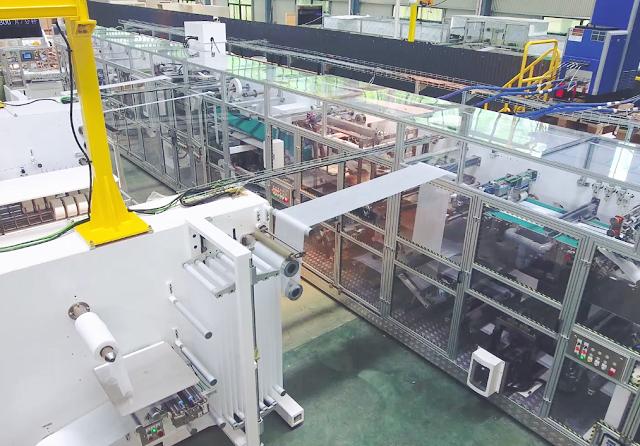
A witnessed review connects the proposed diaper, installed functions, factory conditions, and acceptance evidence.
Frequently Asked Questions
Can one baby diaper line make every diaper product?
No. Capability depends on the configured product construction, size range, materials, stations, change parts, controls, and validation. Other hygiene product categories can require substantially different processes.
Is a sample diaper enough for a manufacturer to quote accurately?
A sample is useful but incomplete. Add controlled dimensions, bill of materials, component specifications, size matrix, quality criteria, expected product mix, and factory interface information.
How should customized features be handled?
Describe the feature as measurable product and process requirements, identify the dedicated hardware or software, test representative materials, and include the result in the acceptance protocol.
What proves that a proposed format is supported?
Strong evidence combines an approved configuration, station mapping, production-intent material trial, witnessed operating record, inspected samples, and closed deviations under agreed test conditions.
Conclusion
The diverse applications of a baby diaper machine manufacturer are defined by engineered product and process compatibility, not by a broad catalog claim. A business development manager should connect each proposed diaper feature to material behavior, installed functions, factory interfaces, changeover needs, and measurable release criteria. Before presenting a firm offer, issue an application sheet with the product drawing, size and material matrix, included options, exclusions, and FAT plan. Ask HAINA to confirm the configuration in writing, then verify the selected application with identified materials, witnessed production, inspected samples, and a signed evidence register.