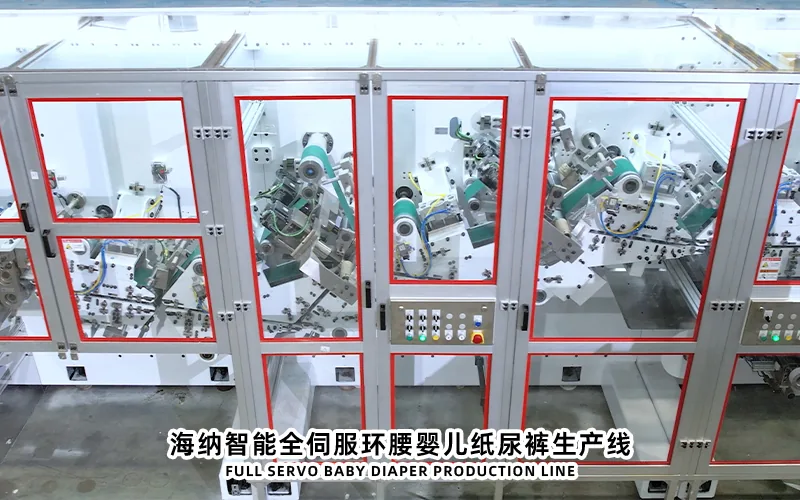
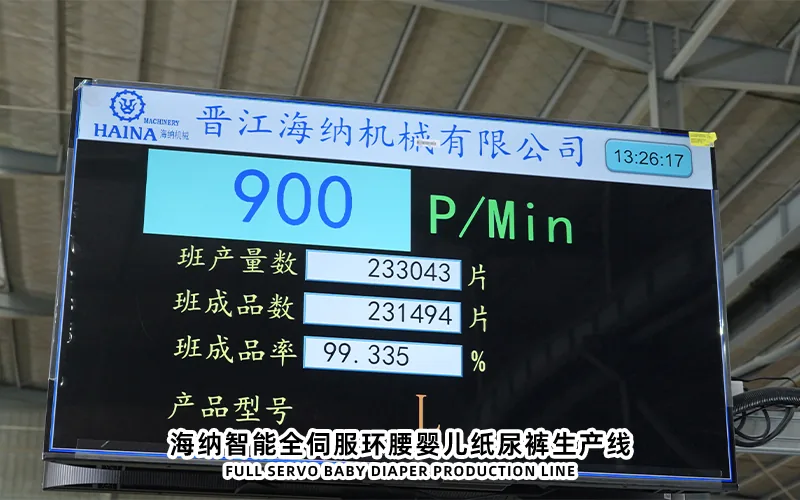
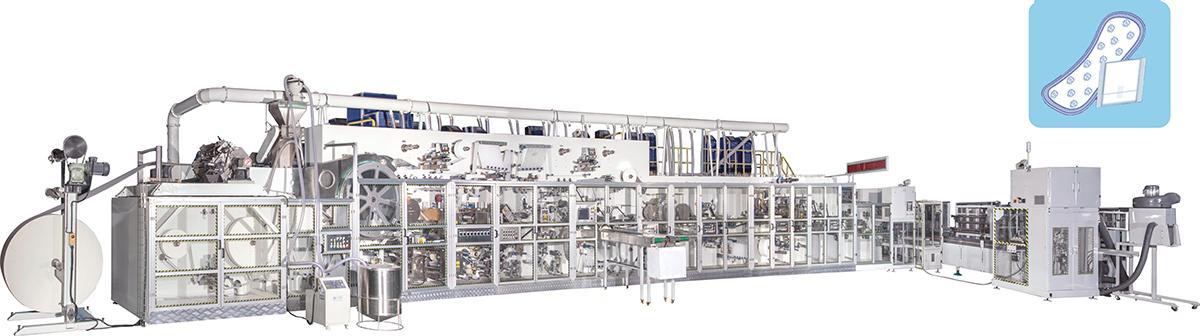
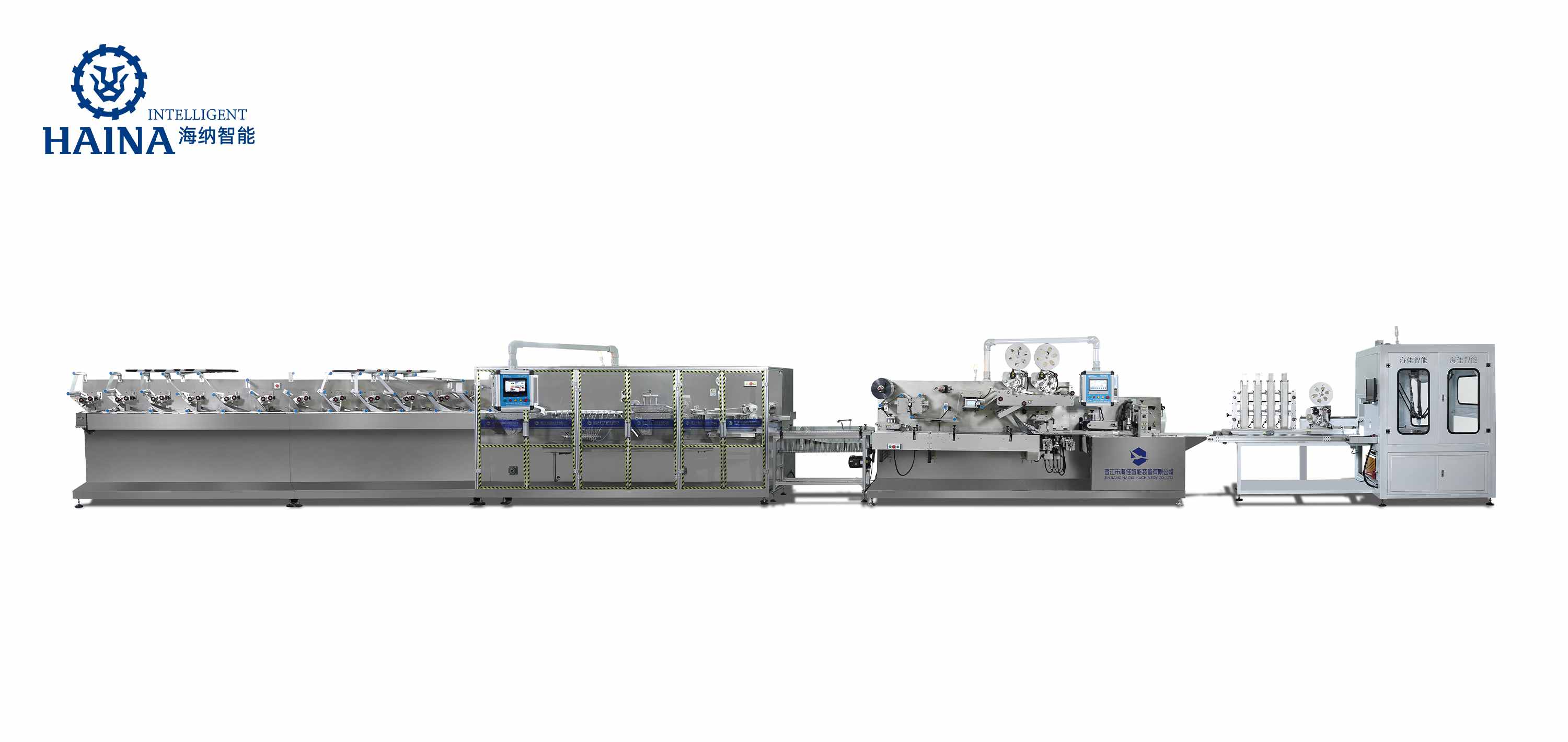
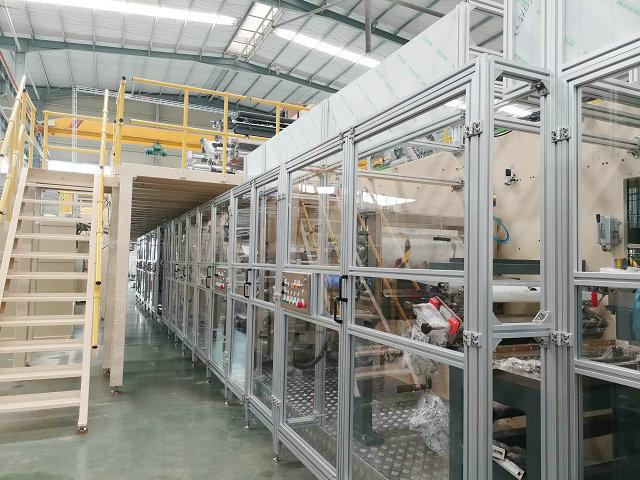
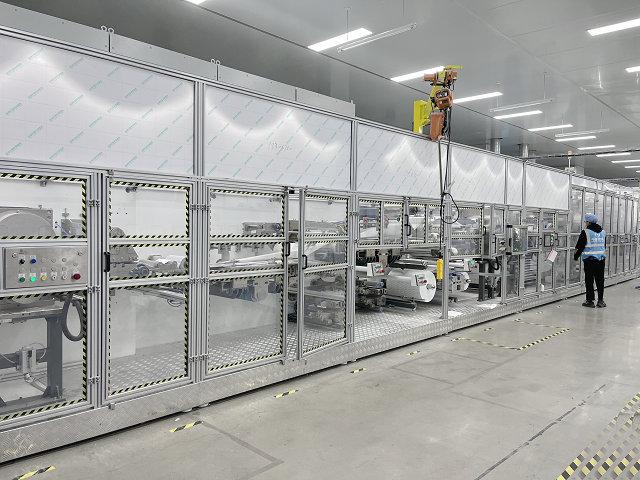
Installation efficiency for a fully automatic baby diaper machine improves when the project team completes engineering decisions before equipment arrives, freezes interface data, assigns responsibilities, and commissions in controlled stages. The fastest installation is not the one with the fewest recorded hours; it is the one that avoids rework, unsafe improvisation, utility surprises, and unclear acceptance. A project manager should coordinate layout, foundations, access, power, air, environmental conditions, material flow, lifting, staffing, documentation, and test materials against one readiness plan. The fully automatic baby diaper machine should then progress through receipt, positioning, connection, dry checks, material trials, training, and signed acceptance evidence.
Freeze the Installation Basis
The installation basis is the controlled set of documents that tells every party what will be installed, where, and under which conditions. It normally includes the final equipment list, revision-controlled layout, module arrangement, service clearances, loads and support information, utility schedule, connection points, cable and pipe boundaries, material flow, access routes, environment requirements, safety interfaces, packing equipment interfaces, and acceptance plan. Use the supplier's final approved data, not an early sales drawing.
Manage changes after the freeze through a formal request. The request should state why the change is needed, affected drawings and interfaces, cost and schedule effect, safety and product risks, test consequences, and approvers. A relocated utility drop or altered module position may appear small but can affect cable lengths, guarding, operator access, web alignment, material routes, and future service.
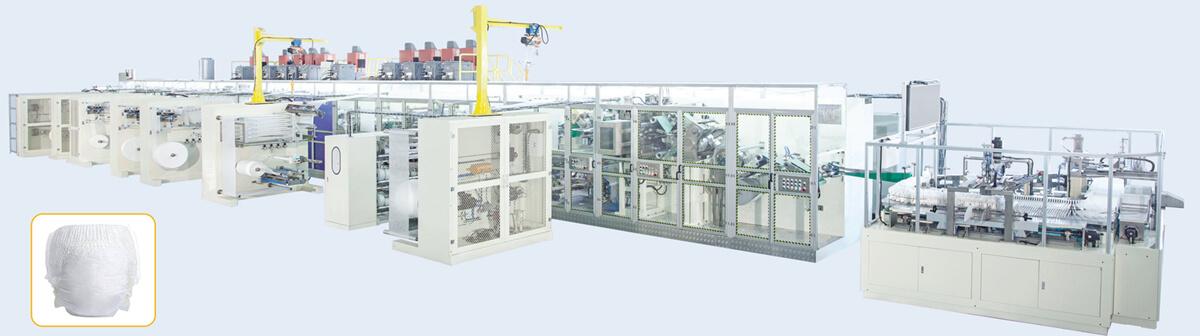
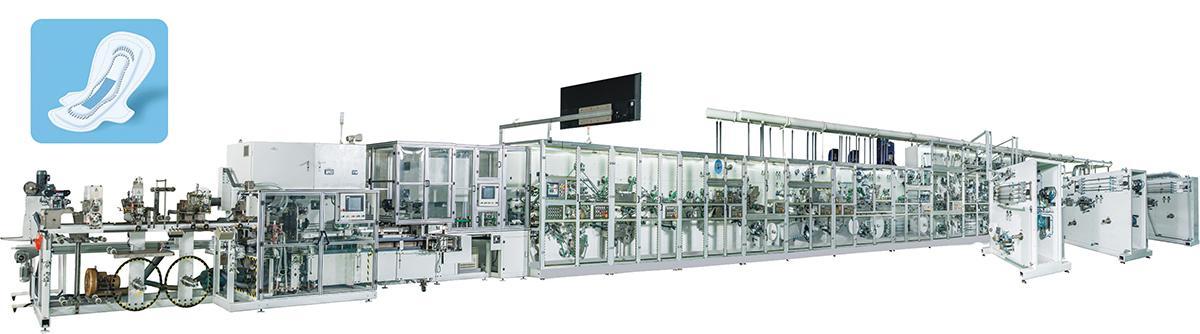
The installation basis should match the final module sequence and required service clearances.
Create an interface register. For each connection or boundary, identify the supplier input, buyer work, responsible designer, approval status, installation owner, and verification evidence. Interfaces include more than utilities: raw-material handling, adhesive supply, data and network links, inspection sampling, reject removal, packaging communication, exhaust or dust controls where applicable, maintenance lifting, and emergency systems all need an owner.
Verify Site and Utility Readiness
A scaled site survey should compare the drawing with the actual room. Measure access doors, columns, ceiling and overhead services, floor levels, pits, drains, wall clearances, temporary storage, crane or forklift routes, and emergency egress. Confirm that equipment can reach its final position in the intended sequence. A finished room can still be unready if the last large module cannot pass an earlier installed section.
Building and foundation decisions require qualified local engineering using supplier loads and machine requirements. Verify floor or support capacity, flatness, anchoring method where applicable, vibration interactions, and location of embedded services. Do not infer structural suitability from appearance. Record survey references and close discrepancies before shipping where possible.
For utilities, review required voltage and frequency, available capacity, protection and isolation, power quality, grounding, compressed-air quality and stability, vacuum or extraction interfaces, temperature, humidity, lighting, drainage, network, and any other delivered-system requirement. Measure actual conditions at representative factory demand. A compressor rating does not prove adequate pressure or quality at the line connection.
Readiness item
Evidence before delivery
Typical rework risk
Release authority
Final layout
Signed drawing checked against site survey
Blocked access or incorrect service clearance
Project and plant engineering
Floor and supports
Local engineering approval using supplier data
Leveling or anchoring redesign
Qualified building representative
Electrical supply
Measured and designed distribution at connection
Protection, cable, or power-quality changes
Authorized electrical role
Compressed air
Capacity and quality check under demand
Pressure loss, contamination, unstable actuation
Utilities owner
Material and pack flow
Route simulation with storage locations
Cross-traffic, handling delay, blocked aisle
Production and logistics
Plan Delivery, Lifting, and Positioning
Obtain the packing list, package dimensions and weights, center-of-gravity and lifting information where supplied, handling restrictions, storage requirements, and shipment sequence before arrival. The lifting plan should be prepared by competent local personnel using approved equipment and actual site conditions. Define exclusion zones, communication, temporary supports, weather protection, route capacity, and contingency for damaged packaging or delayed modules.
On receipt, inspect package identity and visible condition before moving it. Photograph permitted evidence, note damage on records, and preserve packaging if a claim or supplier review may be needed. Reconcile modules, loose parts, change parts, tools, documentation, and spares with the packing list. Place items in marked laydown zones corresponding to the installation sequence so the team does not repeatedly move sensitive equipment.
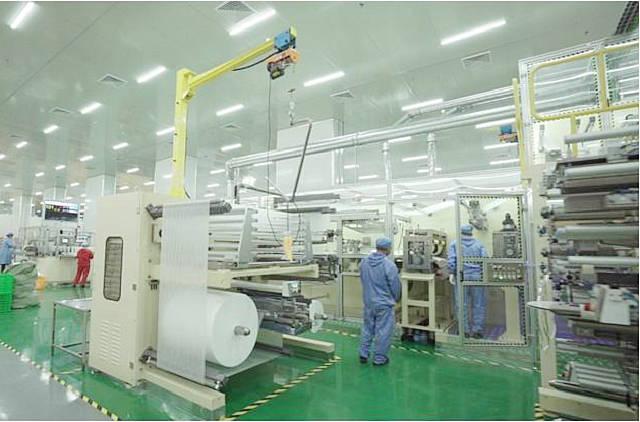
Sequenced laydown and handling reduce repeated movement and protect precision modules.
Position from stable references defined in the approved plan. Confirm centerline, elevation, module order, service spacing, operator access, and packing interface before final connection. Record measurements and any authorized deviation. Do not use utility pipes, flexible cables, or guards to pull modules into place. Preserve factory reference points needed for later alignment checks.
Sequence Assembly and Connections
Assembly should follow supplier documentation and the agreed supervision boundary. Before joining modules, inspect mating surfaces, transport locks, reference features, fasteners, cables, hoses, guards, and concealed damage. Keep removed shipping restraints identified until the supplier confirms whether they must be retained for future transport. Protect exposed product paths from construction dust and debris.
Use a connection checklist by module. Mechanical joining and alignment generally precede permanent utility connections that could restrict movement, but the exact sequence depends on the machine. Verify electrical identity, protective measures, cable routing, pneumatic cleanliness, pipe support, connection labeling, and network boundaries through qualified personnel. Pressure, energization, and rotation checks require authorized procedures.
Maintain a punch list with priority, owner, due date, evidence required, and effect on commissioning. Separate cosmetic completion from conditions that block safe energization, product trials, training, or acceptance. Close items with inspection records, updated drawings, photos where useful, or functional tests. Verbal assurance is not a closure method.
Commission from Functions to Product
Commissioning should progress from documented static inspection to controlled dynamic function and finally product verification. First confirm assembly, guarding, connections, labels, lubrication, cleanliness, software and hardware revision, backups, and safe access. Then verify utilities, emergency and protective functions, individual drives and actuators, sensor inputs, alarms, manual or setup modes, and station movements according to the approved protocol.
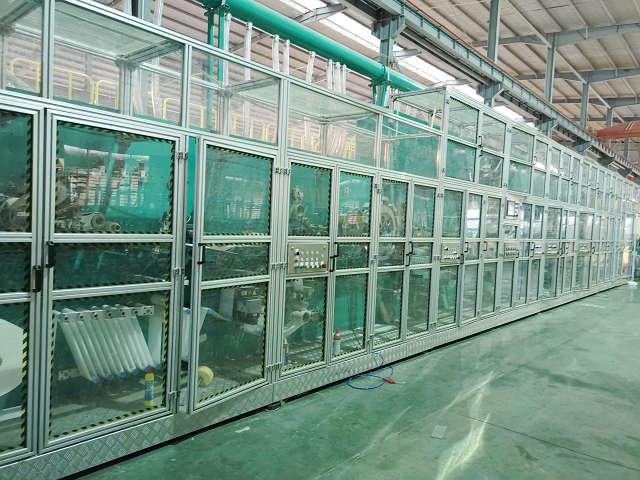
Staged commissioning verifies safe functions before representative materials enter the line.
Material trials require approved representative materials, released SKU documents, identified samples, and a reaction plan. Thread and stabilize one function at a time while observing tension, guiding, forming, dosing, application, elastic placement, cutting, folding, detection, rejection, transfer, and packing. Keep startup and test product segregated. Record settings and changes instead of relying on the memory of commissioning personnel.
Acceptance criteria should define products and materials, test duration or quantity basis, sampling, quality limits, speed terminology, planned exclusions, handling of stops, calculation method, and required documents. Design speed, stable working speed, operating choice, and contractual acceptance value must remain separate. Site conditions also need to be within the agreed basis before performance results are interpreted.
Training should use real tasks: safe startup and shutdown, roll and material changes, recipe selection, quality reaction, fault evidence collection, cleaning, selected maintenance, reject challenge, and shift handover. Attendance alone does not demonstrate competence. Use observed exercises and record any role that still requires supervision.
Assign Project Responsibility
The project manager should maintain one responsibility matrix across supplier, buyer, building contractor, utility teams, logistics, safety, production, quality, maintenance, controls, and packaging. Each deliverable needs one accountable owner even when several groups contribute. Clarify who approves drawings, prepares services, unloads, positions, connects, supplies consumables, provides test materials, handles translation, executes tests, disposes of trial output, and signs acceptance.
Daily coordination during active installation should review safety, completed work, next-day access, parts and tools, utility status, quality of installation, punch-list changes, and decisions needed. Record agreements and drawing revisions. A short factual meeting prevents different contractors from acting on outdated assumptions. Escalate blockers early with the evidence and decision date required.
When considering automatic baby diaper manufacturing line configurations, ask HAINA to provide final interface data and a proposed installation and commissioning responsibility boundary. The buyer should reconcile it with local contractor scope and site rules before shipment, then preserve the agreed matrix through site acceptance.
Gate 1 - Design ready: Final scope, layout, interfaces, loads, utilities, access, material flow, safety actions, and acceptance method are approved.
Gate 2 - Site ready: Building work is complete, routes are measured, utilities are tested, laydown areas are marked, and local permits or controls are in place.
Gate 3 - Delivery ready: Packing and lifting data are available, competent handling resources are booked, receipt inspection is assigned, and sequence is agreed.
Gate 4 - Energization ready: Assembly and connections are inspected, blockers are closed, safeguards are present, and qualified authorities approve utility introduction.
Gate 5 - Trial ready: Representative materials, SKU documents, trained roles, sampling tools, quarantine space, and test protocol are ready.
Gate 6 - Acceptance ready: Required tests pass, documentation and backups match the machine, training gaps close, and residual punch items have formal disposition.
Acceptance should follow verified readiness gates rather than calendar pressure alone.
Frequently Asked Questions
What causes the most avoidable installation delay?
Common avoidable causes include outdated drawings, unfinished utilities, blocked access, missing lifting data, unclear responsibility, late test materials, and open product criteria. A dated interface register exposes these conditions before the machine arrives.
Should modules be positioned before all utilities are complete?
Only under an approved sequence that protects access and equipment. Confirm that remaining construction will not contaminate, damage, or trap the modules and that final connection points are verified. The project risk review should decide the boundary.
What materials are needed for commissioning?
Use approved representative raw materials and packaging for the selected test SKUs, plus enough identified material for setup, verification, training, and agreed acceptance runs. Confirm specifications, lots, storage, handling, and disposal before shipment or trial.
When is installation complete?
Physical assembly alone is not completion. Define completion through safe connections, passed functional and product tests, updated drawings and backups, training evidence, accepted documentation, and formal disposition of punch-list items under the contract.
Conclusion
Efficient installation of a fully automatic baby diaper machine is achieved by closing design and site decisions early, sequencing physical work, and commissioning against objective evidence. The practical project action is to hold a readiness review several weeks before planned delivery and refuse the gate until the layout, access route, utilities, lifting plan, responsibilities, test materials, and acceptance protocol have named owners and verified status. At handover, walk every interface with the final drawings and record remaining gaps, evidence, due dates, and operational restrictions before signing site acceptance.