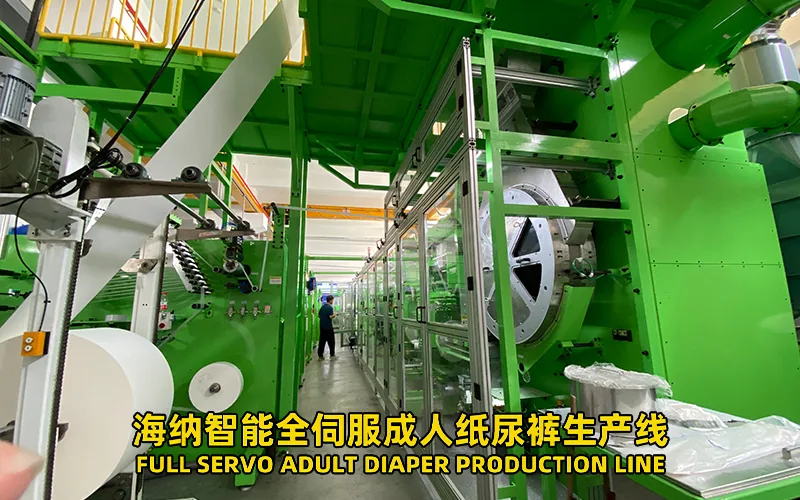
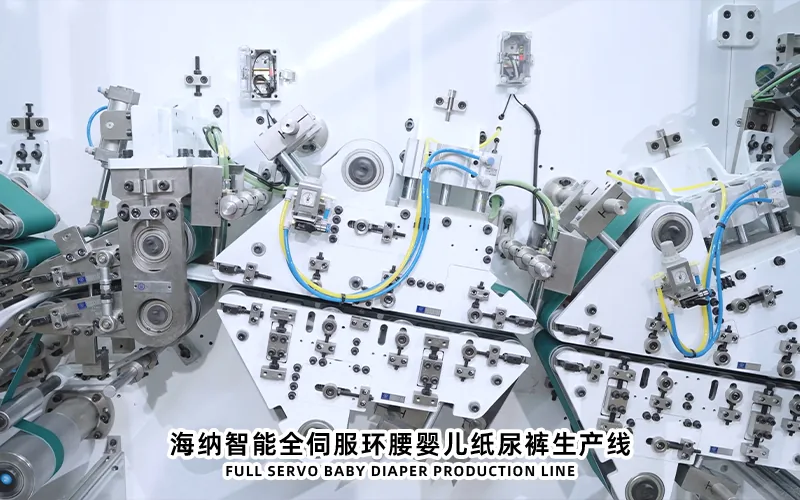
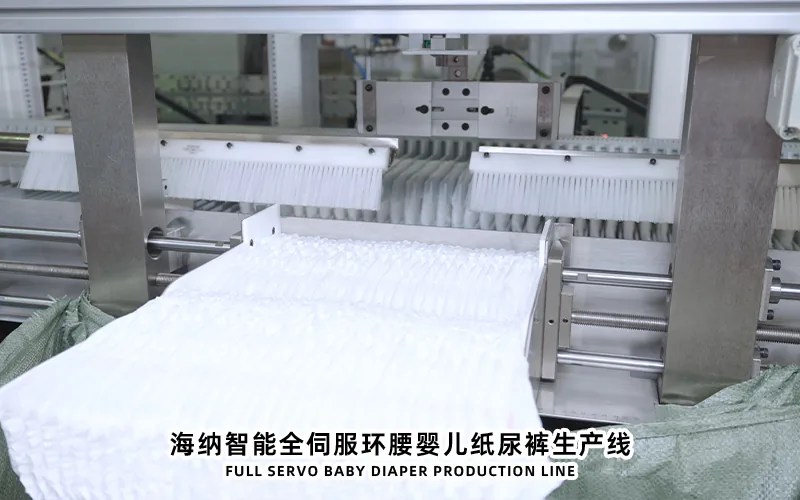
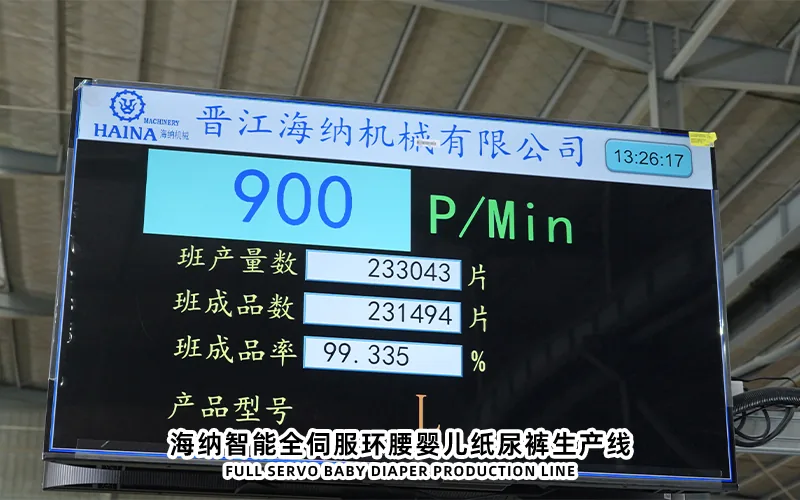
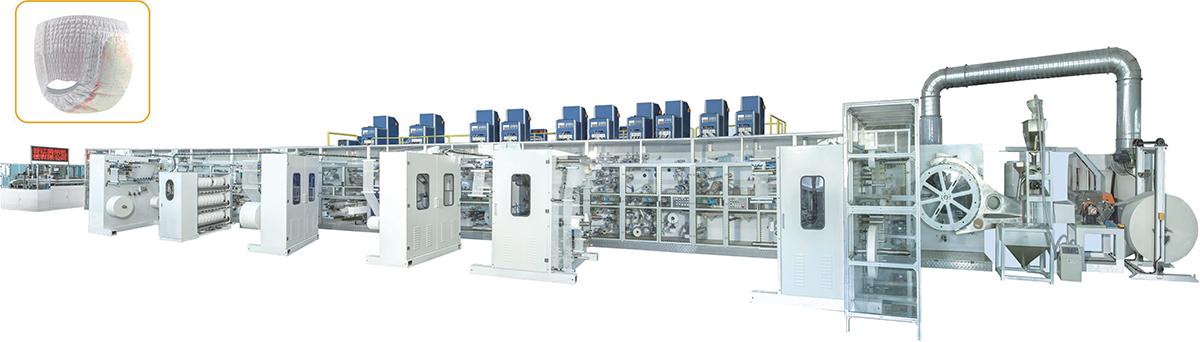
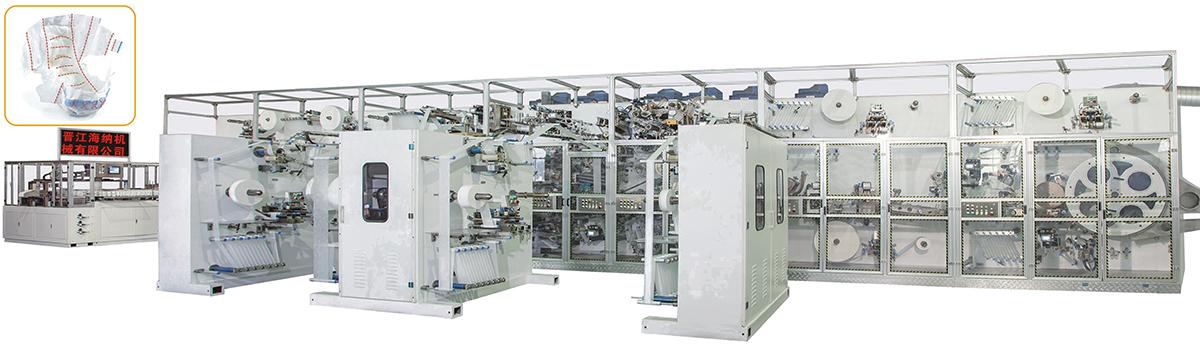
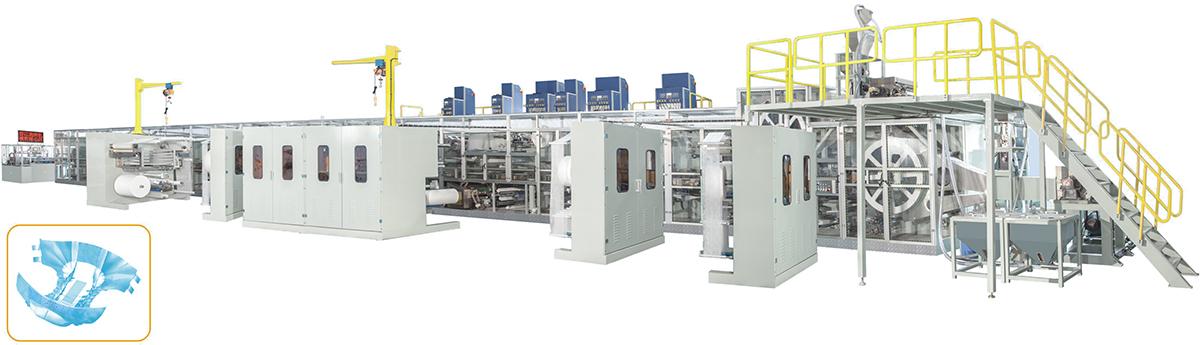
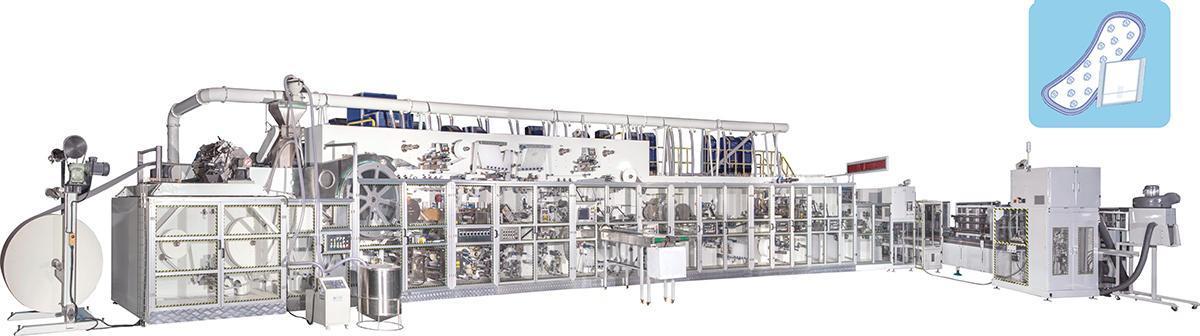
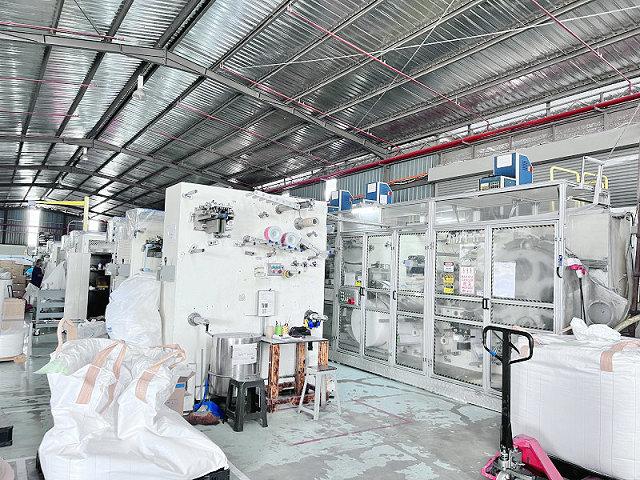
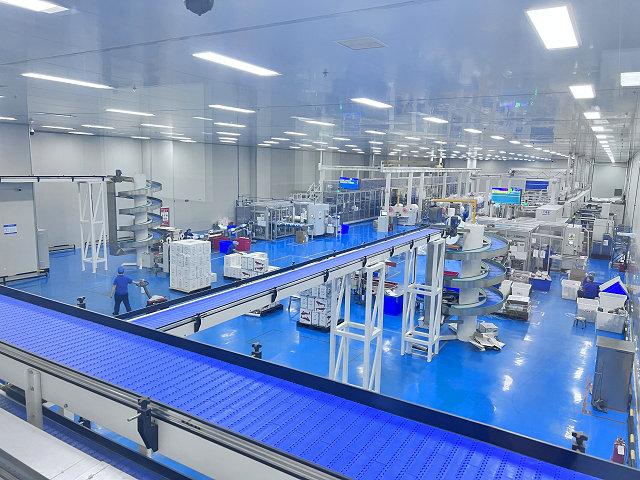
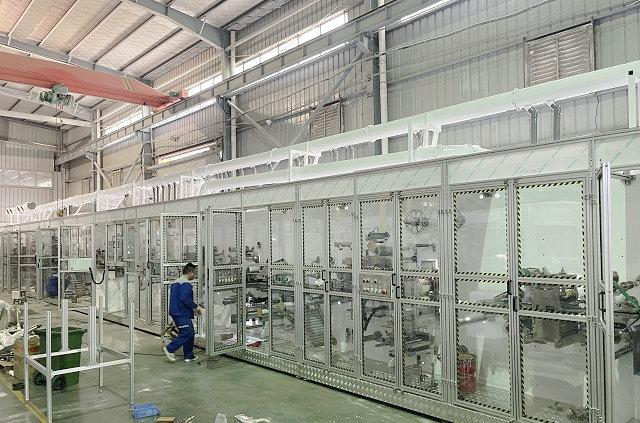
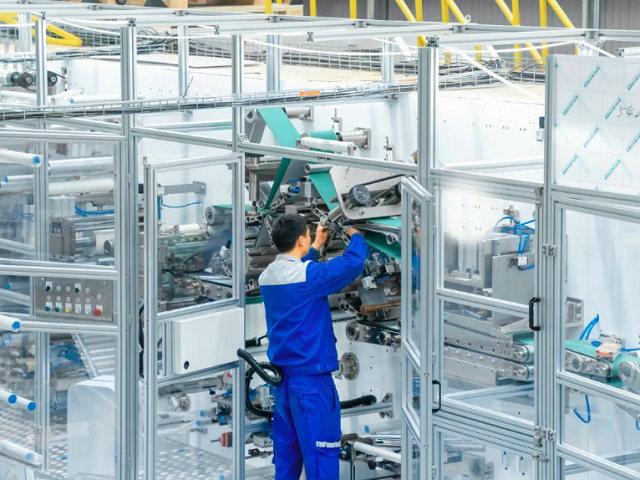
The three-level maintenance system for a baby diaper making production line divides care into Level 1 operator ownership, Level 2 planned technical service, and Level 3 major restoration or overhaul governance. Level 1 keeps the line clean, observable, correctly operated, and promptly escalated. Level 2 uses qualified maintenance staff for planned inspection, adjustment, condition checks, functional testing, and component service. Level 3 manages intrusive repair, major replacement, alignment, controls changes, and full recovery with engineering and cross-functional approval. The levels are not simply daily, monthly, and yearly intervals. They define competence, risk, scope, records, and handoffs so no task is unowned or performed beyond authorization.
Understand the Purpose of Three Maintenance Levels
The model allocates work by competence and risk while creating escalation from frequent observation to specialist intervention and major restoration. It prevents two common failures: treating operators as passive users who report only after breakdown, and asking operators to perform technical work for which they lack authorization, isolation, tools, or training.
Define levels for the installed equipment and local safety system. Level 1 may include approved external cleaning, visual checks, material-path observations, simple replenishment, and reporting. Level 2 may include isolated guarded-zone work, technical measurement, lubrication, planned adjustment, sensor and reject testing, and approved wear-part service. Level 3 may include major disassembly, base alignment, drive or control replacement, structural repair, safety modification, software change, and revalidation.
Classification rule: a task belongs to the level whose risk, competence, and technical control it requires, not the level whose schedule happens to include it. A frequently performed electrical or guarded-zone task does not become Level 1 merely because it is frequent.
The three levels coordinate routine observation, specialist service, and major controlled restoration across the line.
Level 1: Operator Care and Early Escalation
Level 1 keeps normal conditions visible. Operators follow approved startup, threading, running, changeover, cleaning, and shutdown standards. They inspect accessible areas from safe positions for leakage, unusual sound, loose or damaged visible parts, material buildup, roll damage, web wandering, abnormal tension behavior, product defects, sensor contamination that the task permits, and repeated alarms. They protect product and escalate at defined thresholds.
Level 1 instructions must be specific. Name the point, normal condition, allowed action, prohibited action, and record. For example, an operator may clean an accessible external guide surface under the defined stopped state but may not reach through guarding, adjust a drive, bypass an inspection, or realign a sensor without authorization. Use clear visual or condition references rather than vague commands to "check everything."
Operators also preserve diagnostic evidence. Before resetting an allowed alarm, they record time, machine mode, product, material event, displayed message, and visible condition. They mark suspect product from the last known good check and call the designated role. This evidence helps Level 2 staff distinguish a material, operating, mechanical, control, or inspection problem.
Verify the correct product order, materials, recipe, size parts, and area clearance before startup.
Perform only authorized cleaning, observation, replenishment, and basic checks.
Record abnormalities by exact location and symptom without declaring an unsupported cause.
Protect suspect output and identify the last known acceptable product check.
Transfer line condition, temporary controls, material state, and open findings at shift handover.
Supervisors verify Level 1 competence at the machine. The operator should identify boundaries and demonstrate the task, record, escalation, and product containment. Training attendance or a signed checklist is not enough if the person cannot recognize the normal condition or know when to stop.
Level 2: Planned Technical Service
Level 2 converts findings and due tasks into qualified technical work. It covers detailed inspection, approved measurements, isolated cleaning, lubrication, fastening checks, alignment verification, belt and coupling inspection, blades and wear parts, vacuum and extraction, applicators, drives, electrical and control devices, sensors, inspection, rejection, and functional testing. Different tasks may require mechanical, electrical, controls, or lubrication competence.
The work package states asset, symptom or due trigger, safe isolation, tools, parts, drawings, method, acceptable condition, product characteristics affected, and recovery test. Technicians record the as-found state before cleaning or replacement. They distinguish confirmed cause from suspected cause and preserve failed parts when useful.
Level
Primary owner
Typical evidence
Release authority
Level 1
Trained operator and shift lead
Condition observation, cleaning record, alarm context, product hold
Within authorized operating standard; escalate outside it
Level 2
Qualified maintenance specialist
As-found condition, measurement, parts, task result, functional test
Technical completion plus production and quality handoff
Level 3
Maintenance manager with engineering and cross-functional team
Work package, change review, alignment, safety validation, acceptance trial
Named plant authority after all discipline approvals
Stable condition, approved standard, competence and risk review
Formal reassignment; never informal task drift
Level 2 service uses qualified methods and condition evidence beyond routine operator care.
After work, Level 2 restores parts, fasteners, routing, settings, lubrication, cleanliness, guards, and affected safety functions. Staged function checks precede material. Quality verifies product characteristics that the intervention could affect. The work remains open when follow-up under heat, load, speed, or a certain SKU is still required.
Level 3: Overhaul and Engineering Governance
Level 3 manages work with broad scope, significant risk, extensive disassembly, complex alignment, configuration change, or cross-system acceptance. Examples include major drive or shaft work, base and module alignment, cutter rebuild, extensive vacuum restoration, control hardware or software replacement, safety-system modification, structural repair, relocation, or coordinated shutdown overhaul.
The maintenance manager treats Level 3 as a project. Define scope, asset boundaries, failure and condition evidence, engineering requirements, risk assessments, qualified labor, lifting and access, parts and repairs, controlled drawings, schedule interfaces, cleanliness, emergent-work rules, quality plan, safety validation, and acceptance protocol. Freeze the planned scope and manage new findings through authorized review.
Changes need impact assessment. Determine effects on mechanical and electrical drawings, software and recipes, spare compatibility, maintenance tasks, guards and safety functions, training, product quality, inspection, and downstream interfaces. Preserve backups and configuration baselines before approved changes. Update the site master after acceptance.
Diagnose and scope: establish evidence, boundaries, engineering requirements, and success criteria.
Handover and isolate: clear product and materials and transfer the line under controlled authority.
Execute and inspect: preserve as-found evidence, control disassembly, and inspect emergent conditions.
Restore configuration: verify alignment, installation, controls, documentation, and physical completion.
Validate protection: test affected guards, interlocks, stops, alarms, inspection, and rejection.
Accept product: run representative SKUs, changes, stops, and loaded conditions in the protocol.
Close governance: update records, spares, training, tasks, open items, and follow-up.
For automatic baby diaper manufacturing equipment, the buyer should agree on supplier involvement in Level 3 work during handover. HAINA can support equipment-specific engineering review and testing, while plant authority, local safety compliance, and production release remain defined by the factory.
Control Baby Diaper Making Production Line Handoffs
The Level 1 to Level 2 handoff should include exact symptom, time, asset location, machine mode, SKU, material lot or event, recipe, alarm, product status, last known good check, setting changes, and actions already taken. Level 2 accepts ownership explicitly. The operator should not continue repeated resets while waiting unless an approved temporary operating standard permits it.
The Level 2 to Level 3 handoff occurs when scope exceeds authorization, repeated repair fails, engineering requirements are unclear, major disassembly is needed, safety or controls change, a design deficiency is suspected, or representative recovery cannot be achieved. Preserve removed parts, measurements, photographs allowed by site rules, software state, drawings, and failed hypotheses. Escalation should add evidence, not restart the investigation from memory.
Handoffs transfer machine state, product containment, technical evidence, and clear ownership between levels.
Return handoffs are just as important. Level 3 provides the approved configuration, limits, documents, open follow-up, and training updates to Level 2. Level 2 converts new requirements into tasks and technical standards. Level 1 receives updated operating observations, allowed actions, alarm responses, and escalation thresholds. Do not transfer a new responsibility until competence and documents are verified.
Production and quality participate at every return to service. Maintenance confirms technical completion; safety roles confirm affected protection; production verifies configuration and operating readiness; quality approves samples and product disposition. The designated authority then releases the line. No level can sign for another discipline's evidence unless the site formally assigns that competence and authority.
Audit the Three-Level System in Practice
Start with the task matrix. Select representative work from unwinds, core, applicators, cutting, drives, controls, inspection, and safety. Confirm that each task has one level, authorized role, machine state, acceptance condition, record, escalation, and recovery requirement. Resolve duplicate or unowned tasks.
Level 1 sample: observe an operator inspection, abnormality report, product hold, and shift handover.
Level 2 sample: trace a planned technical task from condition trigger through loaded follow-up.
Level 3 sample: review a major work package, change approval, safety tests, and acceptance evidence.
Escalation sample: confirm timestamp, evidence, accepted ownership, and absence of unauthorized work.
Return sample: confirm documents, training, product release, and open action transfer to lower levels.
Effectiveness sample: verify that a recurring condition did not return under comparable production.
A practical audit follows work and evidence across all levels instead of reviewing schedules alone.
Review boundary drift. Over time, experienced operators may take on unapproved adjustments, technicians may make software changes without engineering review, or major work may be split into small work orders to avoid governance. Correct the assignment, training, access controls, and supervision. Convenience does not redefine risk.
Use balanced evidence: operator findings, task quality, repeated faults, overdue critical work, unauthorized changes, product holds, recovery failures, and effectiveness checks. A large number of Level 1 reports can indicate good early detection rather than poor performance. Interpret each measure with context.
Frequently Asked Questions
Are the three maintenance levels based on time intervals?
No. Frequency can influence planning, but levels are primarily defined by task scope, hazard, competence, authorization, technical control, records, and recovery requirements.
Can trained operators perform Level 2 work?
Only if the factory formally qualifies and authorizes them for the specific task, safe method, tools, judgment, and recovery. Job title alone neither grants nor prevents competence.
When should a Level 2 repair escalate to Level 3?
Escalate when risk, scope, repeated failure, major disassembly, design uncertainty, safety or control change, engineering approval, or acceptance complexity exceeds the Level 2 work package and authority.
How is work returned to a lower level?
Provide the accepted configuration, revised documents, task and spare updates, operating limits, open follow-up, and competence training. Formally approve the new responsibility before routine use.
Conclusion
The three-level system makes maintenance ownership visible: operators preserve normal condition and escalate early, specialists perform planned technical service, and management with engineering governs overhaul and major change. Apply the model to the baby diaper making production line by assigning every task a level, safe state, competent role, evidence standard, escalation point, and product-release requirement. The practical verification is to observe one real task at each level and trace both upward and return handoffs. Before approving the system, the plant maintenance manager should close unauthorized work, missing ownership, weak acceptance evidence, and training gaps revealed by that audit.