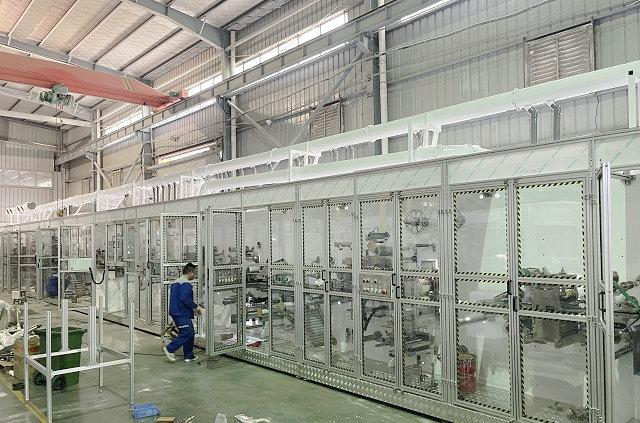
Compare fully automatic diaper machine suppliers through evidence in six areas: product and material fit, complete equipment scope, demonstrated stable output, factory and engineering capability, project delivery, and lifecycle support. Normalize every quotation to the same product drawings, formats, utilities, packaging boundary, test materials, and acceptance method before considering price. A serious comparison also checks machining and assembly, controls, changeover, inspection, spares, documentation, training, remote service, and open exclusions. The preferred supplier is the one whose verified scope and responsibilities best match the buyer's plant, team, quality plan, and risk tolerance, not the one with the longest feature list.
Normalize the Requirement Before Comparing
Issue one controlled requirement package to every candidate. It should contain product drawings, size matrix, material schedule, package formats, intended production model, utility conditions, available factory space, environmental conditions, inspection needs, data interfaces, training expectations, delivery boundary, and acceptance principles. Mark options separately from mandatory scope.
Require each supplier to respond in the same structure: included, optional, excluded, buyer supplied, clarification required, or not available. A yes or compliant response without explanation is weak evidence. Ask for the proposed technical method, component range, drawing reference, demonstration plan, and any dependency on the buyer's material or building.
Control revisions. When the product or packaging specification changes, send the same revision to all candidates and request an impact statement. Otherwise one quotation may include a waistband, auto bagger, inspection module, or larger size that another never received. The comparison then measures document history rather than supplier value.
Commercial rule: Do not compare total prices until every major difference has been placed into included scope, option, exclusion, buyer cost, or unresolved risk.
A common requirement package makes technical and commercial proposals comparable.
Verify Product and Material Fit
Ask candidates to convert the buyer's finished-product drawings into a process and web map. Review core dimensions, component positions, elastic paths, tape or ear construction, cuff geometry, waistband, bonding, cut pitch, fold, stack, and package. Confirm the smallest and largest included products and any construction that requires unique tooling or controls.
The material schedule should include width, roll diameter, core, winding direction, thickness or basis information, elasticity, splice method, and approved variation. Confirm unwind and guide ranges, tension zones, applicator widths, cutter limits, vacuum transfer, sensor capability, and storage or handling restrictions. A broad statement that common materials are supported does not define usable range.
Request trials using representative production materials. Record roll identity, conditioning, settings, speed condition, samples, measured features, defects, and open points. If substitutes are used, document what remains to be tested. Avoid accepting hand-made samples as evidence that the complete line can handle the material dynamically.
Ask who owns product performance. The equipment supplier can demonstrate controlled manufacture under agreed conditions, while the buyer controls product specifications, approved raw materials, laboratory methods, and consumer requirements. Put responsibilities for sample approval and later material changes into writing.
Compare the Complete Equipment Scope
Break the line into functions: pulp handling, core formation, SAP dosing, material unwinds, splicing, tension and guiding, elastic application, adhesive, tape or ear systems, waistband, cutting, combining, vacuum transfer, folding, inspection, rejection, counting, stacking, bagging, coding, case handling, and waste extraction. Mark every included module and its battery limits.
Compare controls as an architecture. Identify mechanically linked and servo-driven functions, PLC and HMI scope, recipe management, alarm history, trends, user roles, software backups, network, inspection interfaces, and remote access. A large servo count is not automatically better; the relevant question is whether each controlled axis provides useful repeatability, adjustment, or diagnosis for the product.
Utilities and building work belong in total scope. Compare incoming power, transformers where needed, compressed air, vacuum, extraction, cooling, adhesive ventilation, cabling, ducts, platforms, lifting, foundations if applicable, and spare capacity. The general arrangement drawing should show operating, loading, guard-opening, cleaning, maintenance, and major-part removal space.
Module-by-module comparison reveals exclusions hidden by a single complete-line description.
Audit Factory and Engineering Capability
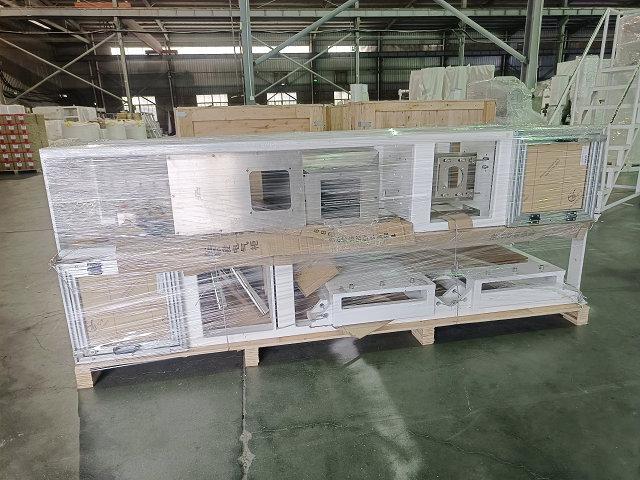
A factory audit should follow the proposed machine from design through machining, incoming inspection, fabrication, assembly, wiring, software, testing, packing, and service. Confirm that the company being evaluated controls the promised work. If major modules are subcontracted, identify the supplier, technical boundary, quality controls, and support responsibility.
Review engineering change control. Ask how product requirements become drawings and bills of material, who approves revisions, how software versions are controlled, how deviations are recorded, and how final as-built documents are produced. Inspect examples for traceability without treating another customer's confidential information as evidence you are entitled to copy.
Observe workmanship and measurement practices on equipment in progress. Look for frame and roller alignment methods, part identification, cable routing, guarding, lubrication access, sensor mounting, pneumatic organization, cleaning, and preservation. Check calibration control for instruments used in the project. A clean showroom is less informative than controlled work on the factory floor.
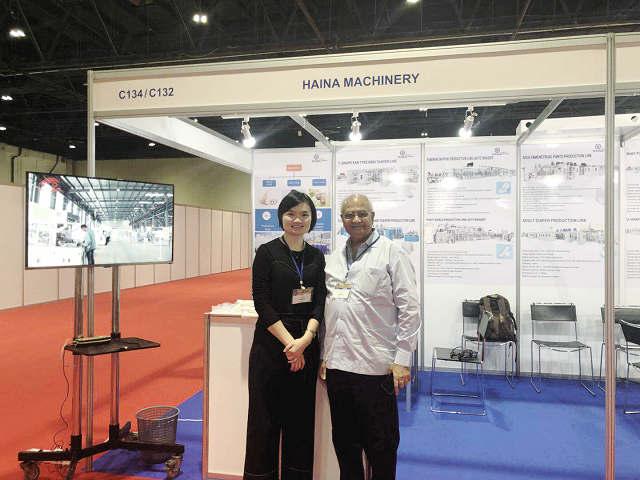
Discuss project staffing. Identify the mechanical, electrical, software, process, FAT, installation, and service owners for the buyer's line. Confirm communication language, design-review stages, issue tracking, and the escalation path when scope or schedule changes. HAINA can provide project-specific evidence during a buyer review; conclusions should be based on the inspected scope and records.
Compare Performance Evidence and FAT
Require every supplier to state design speed, proposed stable working speed conditions, product and material limits, changeover assumptions, and the contractual FAT value separately. Routine operating speed at the buyer's plant will also depend on crew skill, raw materials, utilities, quality standards, maintenance, packaging, and environment. Do not collapse these terms into one speed number.
Write a common FAT protocol covering approved materials, included sizes, test duration, startup, acceleration, stable production, splices, normal stops, restart, size change, product sampling, defect definitions, waste boundary, packaging, alarms, safety functions, documentation, and training. Define how planned test disturbances are excluded or counted.
Evidence should include machine records, identified product samples, measurement results, accepted output, rejected output, stops by source, material use, package quality, and unresolved observations. Test the smallest and largest sizes plus unique constructions. Repeat affected sections after significant corrections.
Evidence to request before award
Technical compliance response tied to the buyer's revision.
Process map, web path, preliminary layout, and utility schedule.
Included module list, key component list, and buyer-supplied items.
Proposed FAT protocol and sample measurement methods.
Project organization, schedule assumptions, and issue process.
Document, backup, spare, training, installation, and support registers.
A common FAT protocol compares stable output, quality, disturbances, and recovery on the same basis.
Review Delivery Training and Support
Compare schedule definitions rather than one delivery date. Identify requirement freeze, design approval, long-lead release, assembly, supplier testing, buyer FAT, correction, packing, shipment, site readiness, installation, commissioning, training, site testing, and handover. Ask which buyer approvals and materials control each milestone.
Training should be role based and practical. Specify tasks for operators, maintenance, quality, supervisors, and internal trainers. Require attendance and competence records, final manuals, drawings, alarm guides, changeover sheets, lubrication schedules, spare lists, software and recipe backups, and restoration instructions. Confirm the language and final revision date.
Support comparison needs channels, availability, evidence required, remote access controls, escalation, on-site terms, excluded costs, spare lead-time method, and responsibility after unauthorized modification. A response-time promise is not the same as a repair guarantee. Evaluate how the supplier diagnoses cases and records changes.
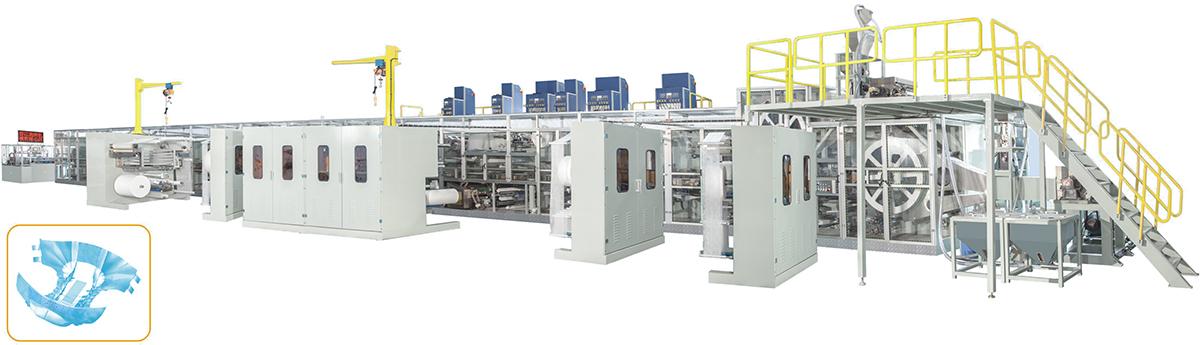
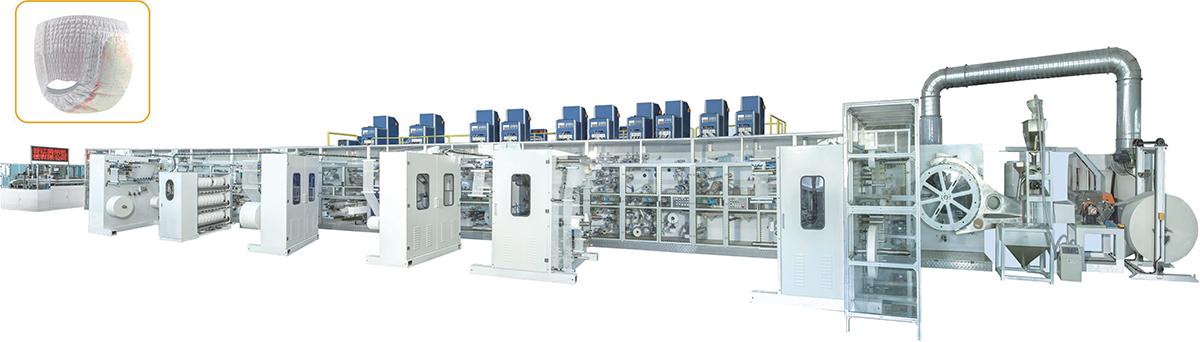
For product-level review, compare the proposed fully automatic diaper machine configuration with the buyer's actual factory and package scope. A product page or brochure begins the discussion; the signed technical agreement controls the delivered project.
Use a Weighted Supplier Scorecard
Evaluation category
Evidence basis
Example risk if unclear
Decision owner
Product and material fit
Controlled drawings web map trials and samples
Line cannot make a boundary SKU reliably
Product and quality teams
Equipment and utilities
Module list layout battery limits and load schedule
Unexpected buyer equipment or civil work
Engineering and operations
Stable performance
Common FAT method records and measured output
Peak speed mistaken for sustainable production
Production and quality
Factory capability
Audit of design build control testing and staff
Promised work depends on unmanaged third parties
Engineering and procurement
Delivery and lifecycle
Schedule documents training spares and service terms
Delayed ramp-up or long recovery after failure
Project and maintenance teams
Choose weights before final commercial negotiation and make them reflect the project. A new plant with limited technical staff may place greater weight on training, documentation, and ramp-up support. A mature plant may focus more on architecture compatibility, spares, and integration. Do not let one team score categories outside its competence without review.
Use evidence grades as well as numerical scores. Mark verified, documented but not witnessed, promised for later, excluded, and unresolved. A high score built on promises should not outrank a slightly lower score supported by inspected records. Keep assumptions and minority concerns visible to the final decision group.
Convert the Selection into Contract Clarity
Attach the final requirement, compliance matrix, product drawings, material schedule, layout, module list, utilities, component list, software and data scope, FAT protocol, site conditions, training plan, document register, spare list, warranty terms, support process, price schedule, and exclusions. Resolve conflicts among documents through a stated order of precedence.
Define change control. A change should describe reason, technical effect, price, schedule, performance, documents, testing, and approval. Informal messaging can support discussion but should not replace an authorized revision. Maintain one open-point register through FAT and site handover.
Link payments or release milestones to defined evidence where commercially appropriate. Examples can include approved design documents, completed FAT, corrected critical points, shipment documents, site commissioning, training, and handover. The exact terms belong to the parties and applicable contract process; they should not be inferred from a generic supplier checklist.
The final contract should preserve every verified scope, acceptance condition, and responsibility used in selection.
Supplier Comparison Questions
Should the lowest machine price receive the highest score?
No. Normalize included scope, buyer costs, utilities, packaging, testing, installation, training, spares, support, and unresolved risk before comparing value.
How can a buyer verify that a supplier is a real manufacturer?
Audit the proposed work through design, machining or controlled sourcing, assembly, wiring, software, testing, change control, packing, and service responsibility.
What speed should be compared?
Compare design reference, proposed stable working conditions, FAT acceptance value, and expected operating constraints separately. Do not compare one unlabeled headline number.
Can supplier references replace FAT?
No. References may inform due diligence, but project acceptance must use the buyer's agreed products, materials, scope, test method, and evidence.
Conclusion
A useful supplier comparison starts with one controlled requirement and ends with contract attachments that preserve the decision. Verify product and material fit, complete scope, factory capability, stable performance, delivery, training, documents, spares, and support. Score evidence and risk, not sales volume. A clear FAT and responsibility matrix make price comparable and give the selected supplier and buyer a practical basis for project execution.