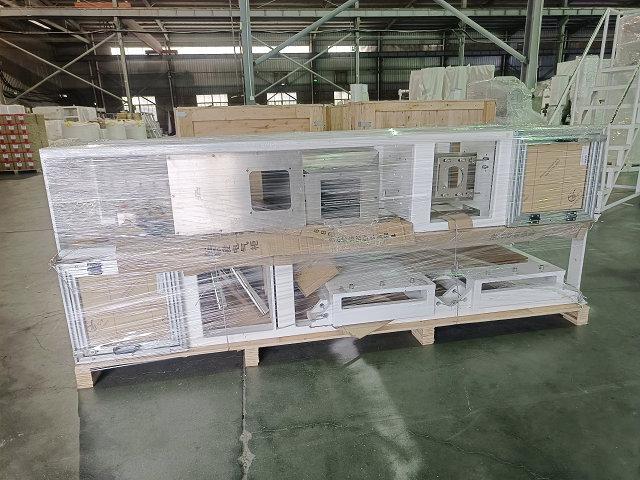
To compare adult diaper machine quotes, first convert every offer to the same product, material, output, packaging, service, and acceptance boundary. A lower total may exclude an unwind, dust collection, adhesive system, inspection, stacker, bagger interface, change parts, installation work, or essential spare parts. Build a line-by-line scope matrix and mark each item as included, optional, supplied by the buyer, or not applicable. Then compare stable working conditions and FAT evidence separately from design speed. The commercial decision should follow the complete installed and accepted scope, not the first price shown on a quotation cover.
Normalize the Quotation Basis
Issue the same request package to every shortlisted supplier. It should include controlled drawings for each launch size, a product bill of materials, raw material roll data, package specifications, intended shift pattern, utility conditions, factory location and access information, required documents, training needs, and the proposed acceptance method. When suppliers quote against different assumptions, their totals cannot be compared responsibly.
State which adult product is required. A tab style diaper, pull up product, underpad, and menstrual pant have different process paths even when broad marketing terms overlap. Define core structure, cuffs, elastic positions, closure parts, folds, pack counts, and future options. Ask suppliers to list every deviation from the request, rather than silently substituting their standard construction.
Separate output terms. Design speed describes a target capability under stated conditions. Stable working speed should be tied to an agreed product, material set, duration, and quality criteria. Normal operating speed can change by size, material, staffing, and downstream conditions. FAT acceptance values belong in a signed protocol. A quotation should not present these four ideas as one unqualified number.
Comparison rule: Use one controlled requirement revision and require every supplier to return a deviation list. An unanswered requirement is not automatically included.
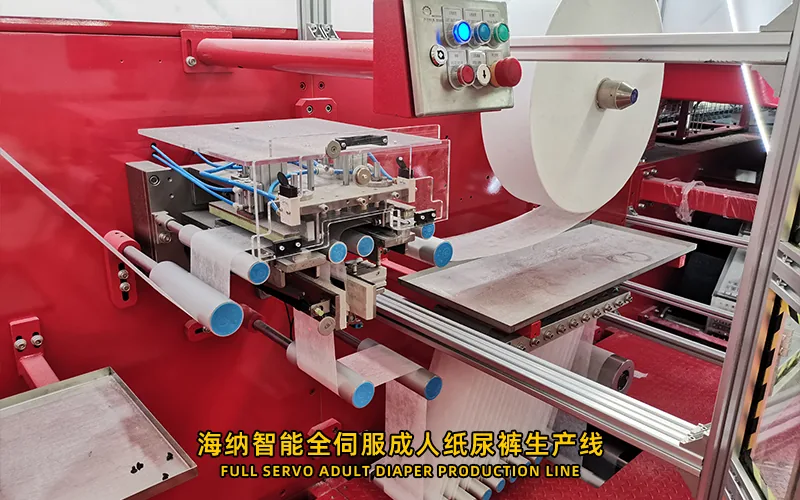
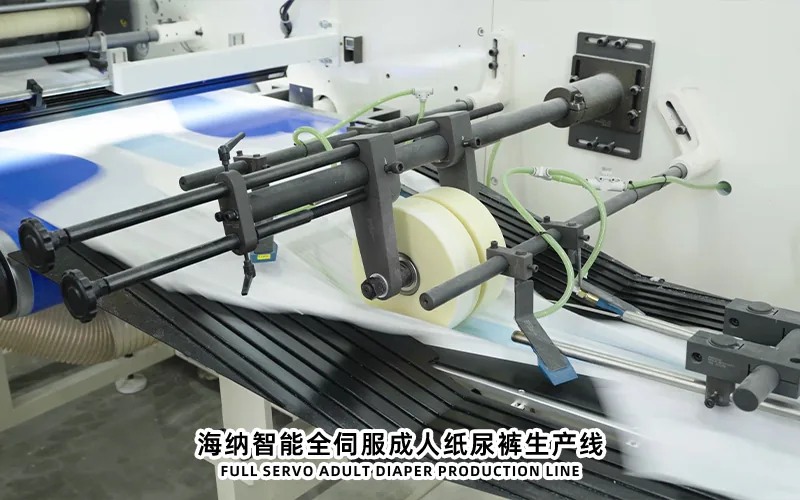
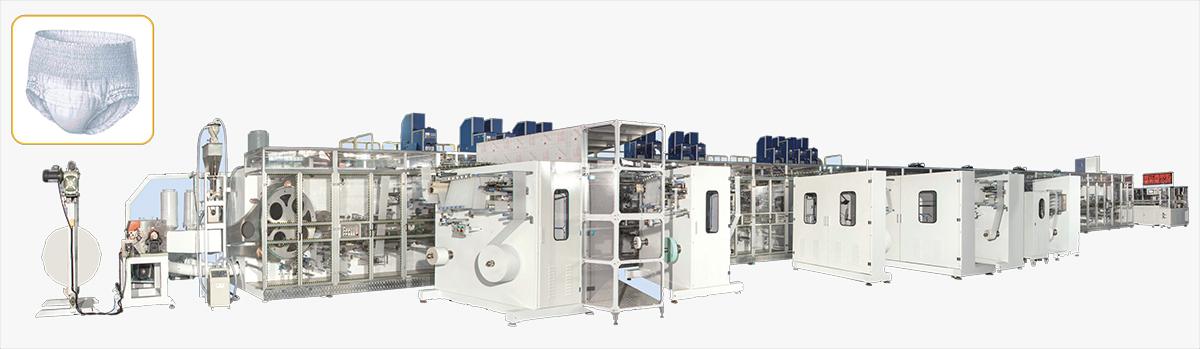
A quote should map the complete converting process rather than only the visible main frames.
Trace Every Main Process Module
Follow the product through the proposed line. Start at fluff pulp and SAP handling or another agreed core supply method. Continue through tissue or core wrap, topsheet, acquisition layer, backsheet, standing cuffs, leg and waist elastic, frontal tape, side fastening components, adhesive application, cutting, transfer, folding, rejection, counting, stacking, and discharge. Mark the supplier responsible for each material feed and process.
Unwinds are frequent sources of scope differences. Compare shaft or shaftless design, lifting arrangement, maximum roll conditions, edge guiding, tension control, splice method, end-of-roll detection, and the number of stands. A line description may say automatic while a critical web still requires a stop and manual joining. That may be acceptable, but the operating consequence should be visible in the comparison.
Core formation also needs explicit boundaries. Identify the pulp mill or feeder, SAP dosing, forming drum or other core process, dust extraction connection, trim recovery where applicable, vacuum requirements, and containment. Ask whether the dust collection equipment is supplied, whether only connection points are provided, or whether the buyer must design the entire system.
For tapes, elastics, cutters, and folding devices, request the quantity of included size parts and change parts. A machine may support several sizes in principle while the base quote includes tooling for one size. Add every required launch size to the commercial matrix and state whether installation, recipes, trial materials, and samples are included.
Check Controls Inspection and Data Scope
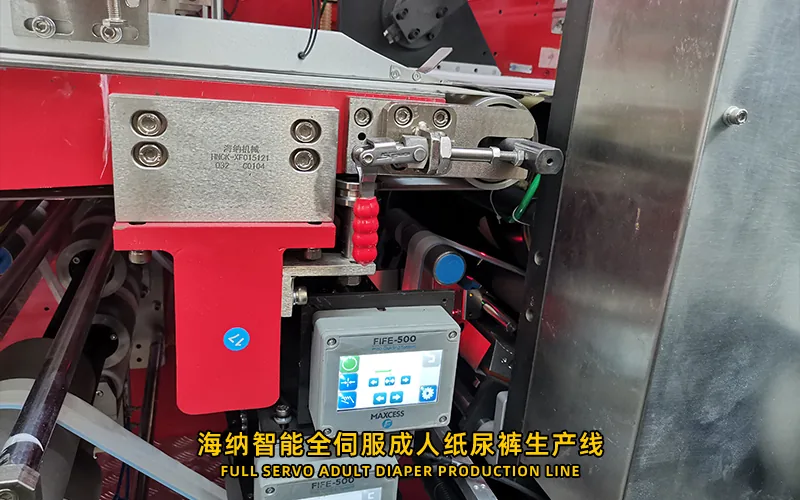
Control architecture affects operation, maintenance, and future support. Compare the number and location of drives, recipe functions, HMI languages, alarm history, parameter access, user levels, software backup, electrical drawings, component identification, remote diagnostic method, and network responsibility. Brand names alone do not reveal whether the control scope is complete or maintainable.
Inspection must be defined by function and location. List web-break sensors, material-end detection, splice detection, registration controls, component-presence checks, adhesive monitoring where included, vision inspection, metal detection if required by the buyer, reject actuation, reject confirmation, and reject-bin management. Ask what defect conditions the system is designed to detect and how those functions will be challenged during FAT.
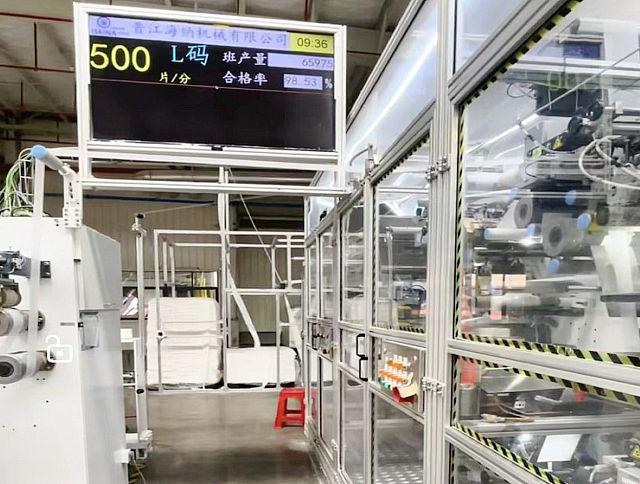
Data collection can range from basic counters to detailed event and recipe records. Define the buyer's real need before paying for an option. Useful questions include whether good count and reject count share the same boundary, whether stops receive reason codes, how data are exported, which system owns timestamps, and what happens during a network interruption. Cybersecurity and factory integration responsibilities should be agreed by the buyer's technical team.
Controls inspection and material feeds need separate line items in the quotation matrix.
Define the Packaging Boundary
The phrase complete line can end at very different points. One offer may discharge individual folded products. Another may include counting and stacking. A third may include compression, bag opening, product insertion, sealing, coding, and transfer. Secondary packing, case sealing, palletizing, conveyors, and warehouse movement are usually separate decisions unless stated otherwise.
Describe the interface in physical and control terms. Define product orientation, count, stack compression, transfer height, speed range, accumulation, signals, stop response, reject handling, recovery sequence, and responsibility for guarding between machines. Confirm who proves the interface with real products and bags. An upstream line that reaches design speed without a connected packer does not demonstrate packed output.
Packaging flexibility also has a cost. Different adult sizes, product thicknesses, folds, pack counts, and bag materials can require recipes, format parts, changeover work, or dedicated equipment. Ask which formats are included in the base scope and which require options. If manual packing is planned initially, reserve practical space and utilities for a later bagger without blocking current material and operator flow.
Add Site Service and Ownership Costs
An equipment total is not the installed project cost. Add freight boundary, export packing where relevant, unloading, storage, internal transport, foundations or floor work, electrical distribution, compressed air, vacuum, dust extraction, cooling, adhesive ventilation, lighting, network, fire and safety work, raw material for testing, laboratory tools, and downstream logistics. Assign each item to the buyer or supplier before award.
Installation and commissioning offers should state the number and type of specialists, working days or task boundary, travel treatment, local transport, accommodation, interpreter needs, tools, lifting equipment, buyer staffing, utility readiness, and the action taken when the site is not ready. Avoid relying on a short phrase such as installation included without a responsibility schedule.
Review training by audience and evidence. Operators need startup, threading, recipes, normal stops, quality response, cleaning, and safe shutdown. Maintenance personnel need isolation, inspection, alignment, lubrication, replacement, diagnostics, backups, and escalation. Quality personnel need sampling, challenge checks, rejection controls, and traceability. State language, materials, duration, practical assessment, and document handover.
Spare parts should be identifiable by drawing or part number, quantity, location, expected use, and lead-time category. Separate commissioning spares, wear parts, critical spares, consumables, and tools. A low quote that defers necessary change parts and critical spares can create a larger post-order gap.
Compare Quotes with a Scope Matrix
Scope block
Questions to normalize
Acceptable evidence
Commercial treatment
Product and sizes
Which drawings materials and launch sizes are included?
Signed product matrix and deviation list
Base optional excluded or buyer supplied
Core and converting modules
Which unwinds forming feeds joins cutters and folds are supplied?
Marked process flow and module list
Price each missing required module
Controls and inspection
Which drives recipes sensors defects rejects and records are included?
Control architecture and FAT challenge list
Separate essential and optional functions
Packaging boundary
Does scope end at product discharge stack bag case or pallet?
Interface drawing signal list and product trial
Add omitted downstream equipment
Site utilities
Who provides power air vacuum dust extraction cooling and network?
Utility schedule and responsibility matrix
Add buyer infrastructure and installation
Service and handover
What FAT commissioning training documents and spares are supplied?
Deliverable register schedule and acceptance records
Add open service and lifecycle items
Give each row a clarification number and close it in writing. A final evaluated cost can then combine the supplier total, mandatory options, buyer-side infrastructure, excluded services, and risk allowances approved by management. The objective is not to force all suppliers into identical engineering, but to expose where each proposal satisfies the same business requirement differently.
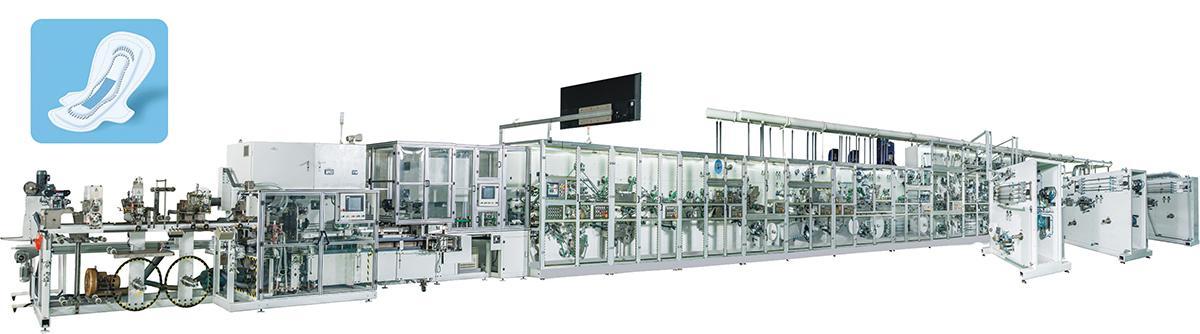
Physical module review helps confirm whether each quoted function is actually present.
Review Commercial Red Flags
Quotation red flag checklist
The title says complete line but the endpoint and packaging scope are undefined.
One speed number appears without product size material condition duration or quality boundary.
Optional modules are shown in drawings or photographs but excluded from the price list.
Utilities are listed only as a total without quality peak demand or connection details.
Several launch sizes are promised but only one set of tooling recipes or trials is included.
Inspection is described as vision control without a defect list challenge method or reject confirmation.
Installation training warranty response and software backup use broad wording without deliverables.
Payment milestones are not connected to approved drawings FAT shipment documents or open-item closure.
Red flags do not automatically disqualify a supplier; they signal an unresolved commercial or technical risk. Send a numbered clarification and require an answer that changes the controlled quotation or contract attachment. Verbal explanations during a meeting should be captured in the revised offer.
Close Clarifications Before Award
Hold a final technical and commercial alignment meeting with procurement, production, engineering, quality, maintenance, safety, and finance. Review the product matrix, process flow, general arrangement, utility schedule, module list, packaging interface, FAT protocol, training plan, documentation register, spare parts list, schedule, payment terms, warranty boundary, and change-control process.
Each open point needs an owner, answer, due date, and status. Update the evaluated cost only after the answer is incorporated. Attach the final scope matrix to the purchase agreement so that the same document guides design review, FAT, delivery, installation, commissioning, and handover.
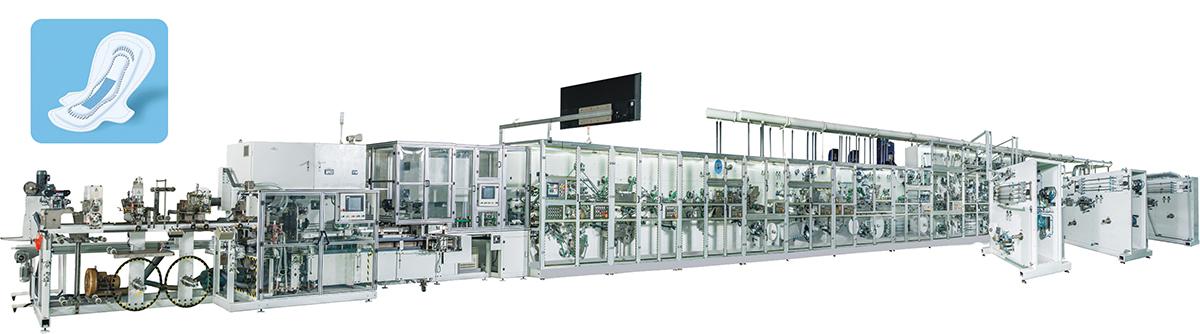
When HAINA is one of the candidates, buyers can compare its stated adult diaper machine scope with the same matrix used for other proposals. Final modules, performance conditions, services, and acceptance values should be those shown in the signed project documents.
The final commercial scope should match the machine arrangement documents and acceptance plan.
Quote Comparison FAQ
Why can two adult diaper machine quotes differ greatly?
The proposals may cover different products, modules, automation levels, packaging endpoints, size tooling, services, documentation, spares, and acceptance conditions. Normalize those boundaries before interpreting the price difference.
Should buyers compare price per unit of design speed?
No. Design speed does not capture material compatibility, stable good output, rejects, changeovers, packaging limits, service, or excluded modules. Compare the complete accepted production system.
What is the most commonly missed downstream item?
The packaging handoff is often unclear. Confirm whether counting, stacking, compression, bagging, coding, case handling, signals, guarding, and full-line testing are included or separately supplied.
How should optional modules be treated?
Classify each option as mandatory for launch, justified for a defined future need, or unnecessary. Include mandatory options in the evaluated cost and document the interface for any deferred module.
Conclusion
Reliable adult diaper machine quote comparison begins by forcing all proposals onto one requirement and responsibility basis. Trace every material and product through the line, expose controls and inspection, define the exact packaging endpoint, and add site work, service, training, documentation, and spares. Keep design speed separate from stable and accepted output. A signed scope matrix and closed clarification log will show the real installed boundary, allowing procurement to evaluate price without discovering essential modules after the order.