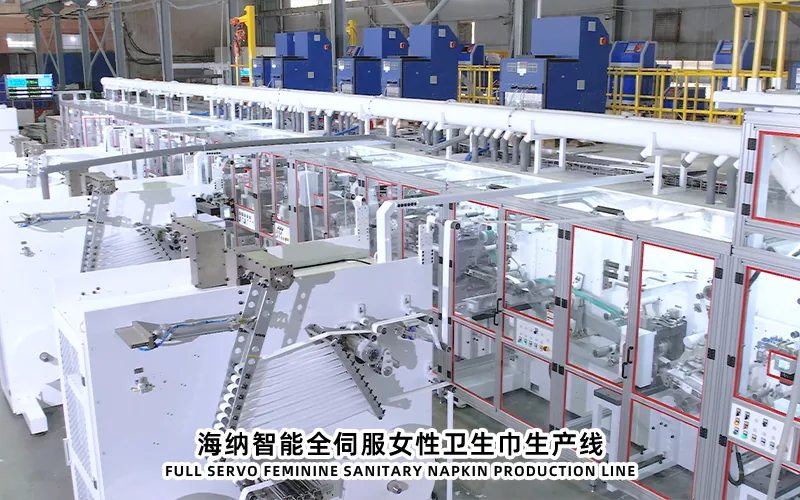
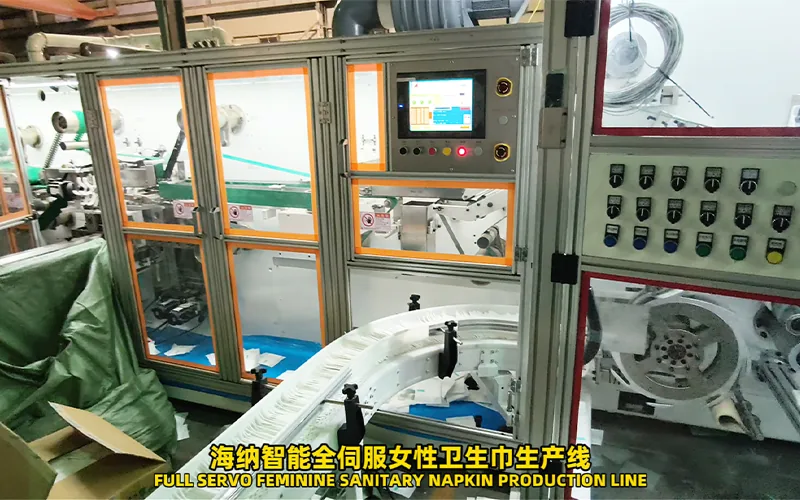
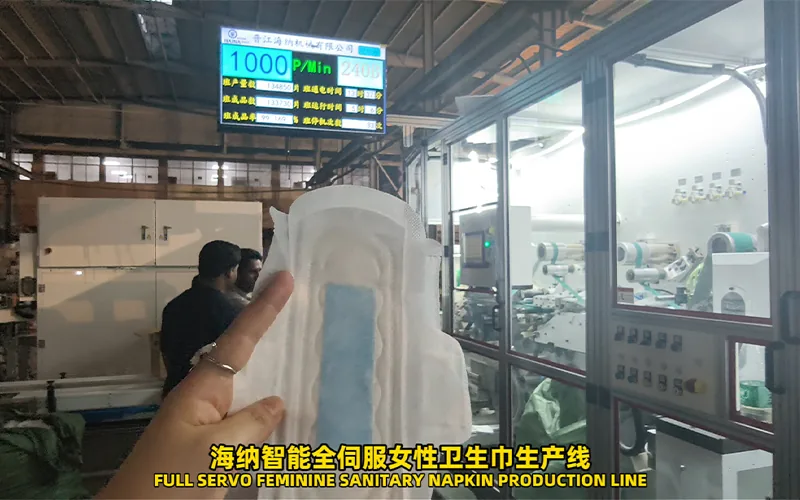
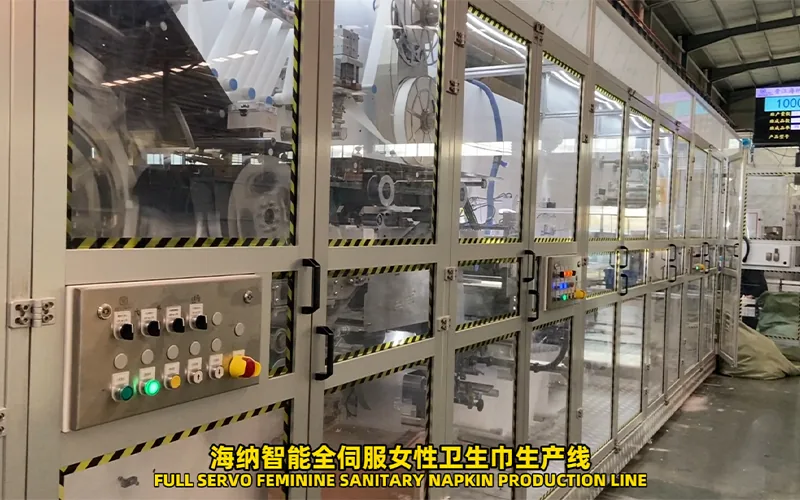
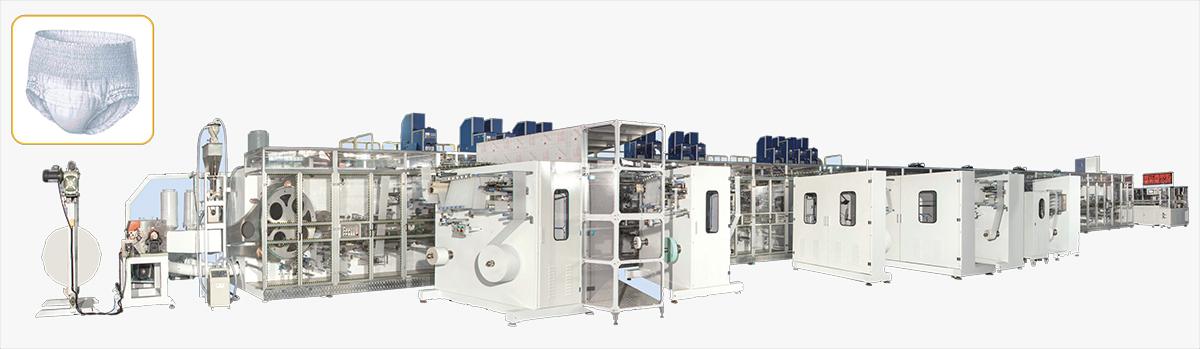
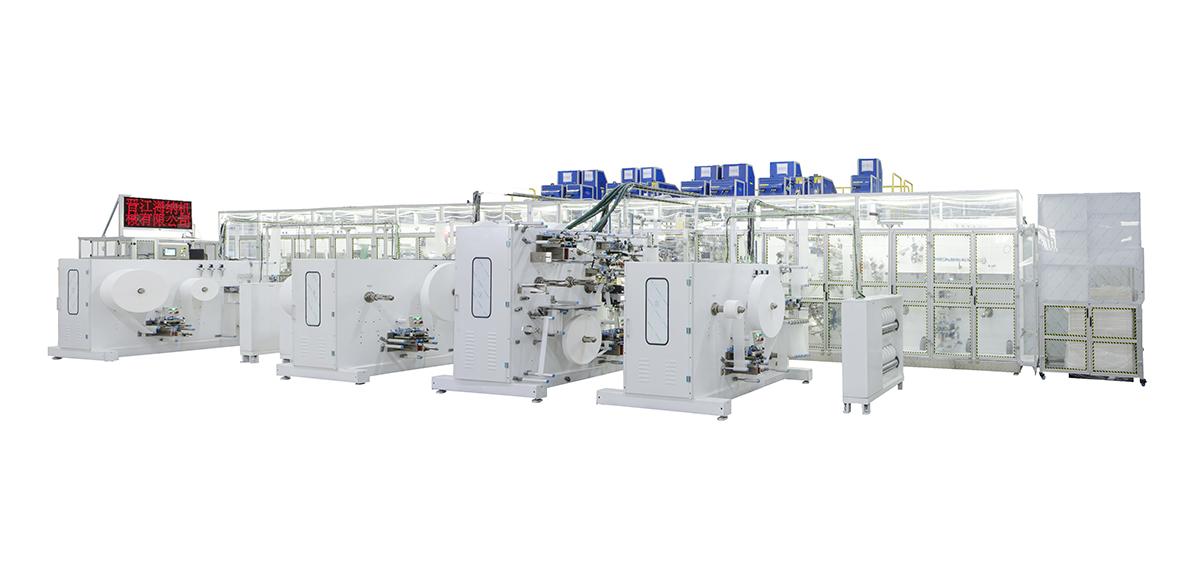
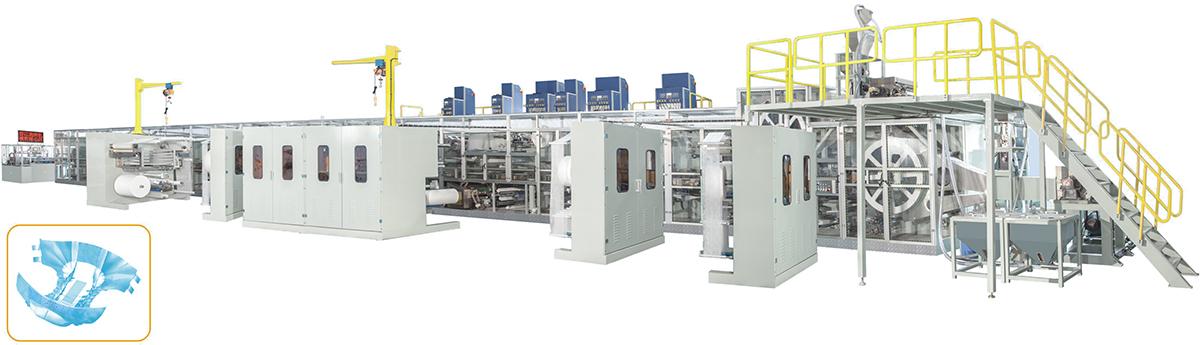
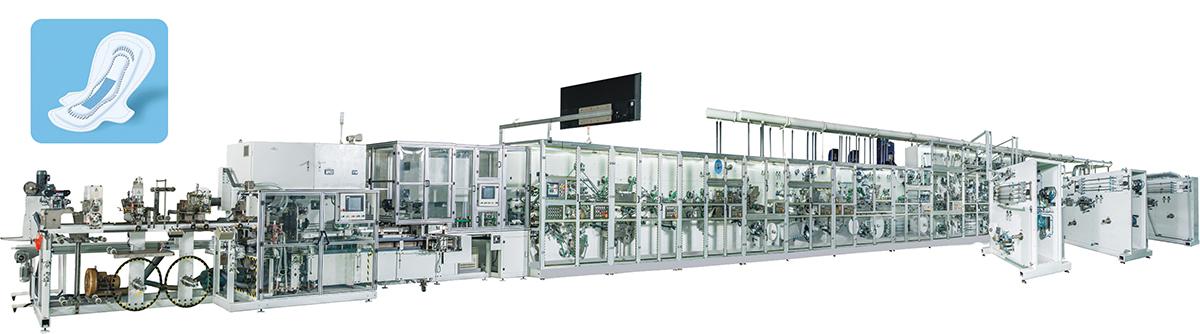
A fully automatic sanitary pad machine needs an auto bagger when manual packing limits saleable output, creates count or orientation errors, requires excessive repeated handling, or cannot keep pace with the approved product mix. The decision should be based on the complete pack process, not main-line design speed alone. Buyers must define pad discharge condition, stack count, bag specification, compression, sealing, coding, inspection, case-packing boundary, accumulation, fault response, and changeover. An auto bagger is justified only when its sustained capacity, material supply, labor plan, maintenance support, and interface logic are verified with representative products and bags.
Identify the Real Packaging Bottleneck
Observe the existing or proposed packaging work over a representative shift. Record product arrival, manual counting, stack formation, compression, bag opening, insertion, sealing, coding, inspection, case packing, pallet movement, bag replenishment, breaks, changes, jams, and rework. Separate direct packing labor from support work and identify when the main line slows or stops because downstream handling cannot accept products.
A short hand-packing demonstration can be misleading. Skilled workers may keep pace briefly while errors, fatigue, breaks, product changes, and material replenishment appear later. Use accepted pack output over time and include rejected or reworked packs. Determine whether the constraint is counting, handling, bag quality, sealing, case packing, internal logistics, or staffing. An auto bagger will not solve a bottleneck that remains farther downstream.
Clarify the business need without inventing one universal return period. Automation may be considered for capacity, count consistency, product protection, labor availability, ergonomic exposure, traceability, or space. Assign a measurable current condition to each reason. The investment comparison should include equipment, integration, bags, utilities, maintenance, spares, training, floor work, and retained operator duties.
Packaging needs should be derived from sustained accepted flow rather than peak machine speed.
Define the Main Line Discharge Condition
The interface begins with the physical state of each pad. Identify whether it is unfolded, folded, individually wrapped, sealed, oriented, spaced, and already inspected. State discharge height, direction, speed reference, pitch, acceptable variation, and reject status. Automatic handling becomes difficult when products arrive in changing orientation or when a rejected pad remains inside an otherwise normal stack.
Define where counting occurs and which device owns product identity. A reject upstream must adjust the downstream count. During acceleration, deceleration, or a stop, the system should preserve tracking or deliberately clear the affected products. Ask how a missing product, double product, skewed wrapper, or sensor loss changes stack logic.
Mechanical transfer needs stable support without crushing or marking the product. Review conveyors, air or vacuum assistance where supplied, guides, gates, diverters, stacker pockets, pushers, and accumulation. Test the lightest, bulkiest, shortest, longest, and most difficult approved products. A single format at slow speed does not establish the complete operating range.
Specify Stack Bag and Seal Requirements
Create a pack matrix with product code, pad dimensions, product bulk, count, orientation, stack dimensions, compression condition, bag type, bag dimensions, film or premade-bag properties, print registration, opening method, seal layout, code location, finished-pack appearance, and case-packing method. Mark the pack formats included at launch and those requiring separate change parts.
Bag material behavior affects feeding and sealing. Verify thickness, stiffness, slip, static, opening, print marks, dimensional tolerance, and seal response. Bags that work in manual packing may not feed consistently through an automatic magazine or opening system. Obtain production samples from the intended bag supplier and include bag changes and low-supply conditions in trials.
Compression should protect the product and meet the approved pack design without deforming pads, damaging wrappers, exposing adhesive, or creating unstable seals. Define how stack height is measured and how the bagger responds when it is outside the permitted range. Coding and inspection should detect the agreed features, with clear rules for rejected packs and rework.
Product orientation, stack geometry, bag behavior, and sealing form one packaging recipe.
Balance Sustained Capacity Across the Line
Compare capacity at a common boundary. Main-line design speed, demonstrated stable working speed, accepted pad rate, stack rate, bagger cycle rate, accepted pack rate, case-packing rate, and pallet flow are different measures. Convert each approved pack format into the relevant units, but keep assumptions visible. Do not claim that the slowest published maximum alone defines real output.
Model normal events: roll splices, samples, quality holds, product rejects, bag replenishment, bag changes, seal temperature recovery where applicable, coding supply, planned cleaning, pack-format change, and case removal. Determine whether accumulation can absorb short interruptions and how much controlled capacity it provides. Excess accumulation can increase product mix risk or make fault recovery harder.
Decide what the upstream line does when packaging cannot accept products. Options may include controlled slowdown, planned stop, diversion, accumulation, or rejection depending on the agreed equipment. The response must preserve quality and tracking. Repeated abrupt stops can create web or registration losses upstream, so packaging reliability affects more than the finished pack.
Engineer the Control and Safety Interface
Define exchanged signals and their owners. The systems may share readiness, running state, speed reference, product tracking, reject information, stack request, downstream capacity, warning, fault, stop request, emergency state, and reset permission. Create a sequence description for startup, normal operation, planned stop, fault, clearing, and restart. Each signal should have a source, destination, meaning, timing, and failed-state behavior.
The safety review should define zones and interactions without assuming that a communications signal alone provides the required protective function. Guards, emergency stops, access, isolation, stored pressure, heating, and moving pushers need project-specific assessment. An operator clearing the bagger must not be exposed to an unexpected upstream transfer or automatic restart.
Software versions, recipes, access levels, alarm language, event history, backups, and change control should be included in handover. When different suppliers provide the main line and bagger, name the lead integrator and test responsibility. Shared problems should not be left between two service teams after installation.
Signal ownership and safe operating sequences must be agreed across the main line and bagger.
Plan Fault Recovery and Pack Changeover
List common abnormal scenarios: a missing pad, skewed transfer, incomplete stack, bag not opened, bag supply low, seal fault, code fault, discharge blockage, rejected pack, sensor failure, and loss of downstream capacity. For each, define automatic state, product disposition, safe access, reset conditions, tracking cleanup, first-pack inspection, and required record.
Recovery should be practical for trained operators. If every small jam requires extensive rethreading or uncertain count reconciliation, actual output will fall and bypass risk will rise. Use clear physical access and HMI guidance while retaining authorization for safety and quality decisions. Challenge representative faults during FAT instead of testing only uninterrupted automatic operation.
A pack changeover may involve product tooling, stack count, pusher, compression, bag magazine, opening device, sealer, coder, inspection, discharge guides, and case pattern. Separate recipe values from mechanical parts and identify all change tools. Time from a controlled last-good pack to the first approved new pack, including line clearance and quality release.
Evaluate Labor and Maintenance Honestly
An auto bagger can reduce repetitive manual insertion and sealing, but people still replenish bags, remove packs, supply cases, inspect quality, clear faults, change formats, clean, and maintain equipment. Staffing depends on plant logistics and downstream scope. Compare the complete shift task map before and after automation, including support outside the bagger fence.
Maintenance requirements increase in controls, sensors, actuators, vacuum or air devices, heating and sealing components, conveyors, and software. Request preventive tasks, wear parts, critical spares, diagnostic screens, backups, and training. Access should allow safe cleaning and replacement without moving unrelated equipment. Bag dust, film fragments, adhesive contamination, or heat can affect reliability and should be included in inspections.
For buyers considering HAINA's fully automatic sanitary pad machine, the bagger decision should be reviewed as a project interface. The quotation and FAT should identify main-line discharge, approved packs, supplied modules, signal ownership, factory readiness, and acceptance evidence.
Lifecycle staffing and maintenance are part of the auto bagger decision.
Use an Auto Bagger Decision Table
Decision condition
Evidence to collect
Auto bagger may add value when
Reason to delay or redesign
Manual capacity
Accepted packs by format over representative shifts
Close software backups, documents, training, spares, and interface punch points.
Auto Bagger Integration FAQ
Does a high-speed sanitary pad machine always need automatic bagging?
No. The choice depends on sustained accepted flow, product and pack mix, manual capacity, quality risk, labor, downstream handling, and project economics.
Can the bagger be added after the main line starts?
It may be possible if space, transfer height, controls, safety, utilities, accumulation, and product tracking interfaces were protected. Retrofit limits should be reviewed before the main-line order.
Which supplier should own integration?
Name one lead party for the connected operating sequence while documenting responsibilities for both machines, controls, bags, products, installation, and acceptance.
What should be tested besides maximum rate?
Test normal sustained flow, pack changes, bag replenishment, rejected products, count loss, faults, stops, safe clearing, restart, and first-approved-pack recovery.
Conclusion
An auto bagger belongs beside a fully automatic sanitary pad machine when it resolves a verified packaging constraint and the complete interface is controlled. Define the product discharge, pack recipe, sustainable capacity, signals, safe states, recovery, changeover, labor, and maintenance before ordering. Then test the connected system with representative products and bags. This decision process prevents an automatic module from becoming a new bottleneck and gives the plant a realistic basis for staffing and output planning.