Adult & Baby Diaper Machine,Sanitary Napkins Production Line Blog
Choose an infant diaper production line by defining products, materials, capacity, automation, layout, FAT criteria, maintenance, and supplier evidence.
Choose an infant diaper production line by matching one verified machine configuration to your finished-product specification, raw materials, sellable capacity target, package flow, factory utilities, staffing, and service capability. Begin with product drawings and samples, not a speed request. Ask suppliers to separate design speed from stable working and acceptance conditions, identify every included module, and test representative materials. The right line is the one that can repeatedly make the planned sizes and constructions within agreed quality limits while leaving enough access, documentation, spares, and technical support for the factory to sustain production.
Freeze the Infant Diaper Product Definition
Machine selection changes when the diaper construction changes. Define the size range, core structure, pulp and SAP distribution, topsheet and backsheet, acquisition or distribution layers, standing cuffs, leg elastics, waist system, frontal tape, side tapes, fastening geometry, printing or registration needs, folding, and package count. Provide controlled drawings with critical dimensions and tolerances.
List the intended raw materials by property, width, basis weight where relevant, roll diameter, core size, splice requirement, and approved supplier status. A sample alone may not reveal variation across lots. Where the product has not been finalized, identify open decisions so the equipment supplier can state which areas require later trials or tooling changes.
Separate launch products from future possibilities. Buying tooling and process capability for unconfirmed formats can add cost and complexity. Conversely, omitting a likely size or waist construction may make later expansion expensive. Use demand evidence and product-development readiness to decide what belongs in the first acceptance scope.
The correct line starts with a controlled finished-product definition.
Trace the Complete Process Architecture
Ask for a process flow from every unwind to finished-product discharge. Review material loading, splicing, tension, web guiding, core forming, SAP dosing, tissue wrapping, compression, elastic application, bonding, cutting, waist and fastening placement, shaping, sealing, folding, rejection, counting, stacking, and transfer to packaging. The exact architecture depends on the product.
For each module, ask what product characteristic it controls, how operators set it, what sensors verify, which defect appears when it drifts, and how maintenance accesses it. This conversation is more useful than a catalog list. It shows whether the supplier understands the interaction between material, tooling, controls, and quality.
Five interfaces that deserve early engineering review
Jumbo-roll dimensions, lifting method, and automatic or manual splice preparation
Absorbent-core recipe, dust extraction, material recovery, and cleaning access
Elastic and adhesive application at the intended operating range
Registered components such as tapes, frontal material, printing, or waist features
Finished-product discharge, accumulation, stacking, and packaging speed balance
Calculate Sellable Capacity Instead of Nominal Speed
Start with demand by size and package, planned shifts, working days, planned maintenance, and inventory policy. Convert that demand into required sellable pieces per scheduled hour. Then include expected changeovers, roll changes, minor stops, quality rejects, material shortages, and downstream packing constraints. The result is the stable capacity requirement the project must demonstrate.
Ask suppliers to define design speed, recommended working range, tested speed, and contractual acceptance value. Record the product, materials, duration, sampling method, allowed adjustments, stop rules, and quality limits for each claim. A line running one simple size briefly does not prove the output of a mixed production plan.
Material behavior and web control affect configuration and trial requirements.
Select Automation and Controls Around the Operating Team
Automation can cover web guiding, tension, splicing, recipe setup, registration, defect detection, rejection, counting, stacking, and packaging transfer. Identify which functions reduce a real bottleneck or quality risk in your factory. Also map remaining manual work during roll loading, setup, sampling, cleaning, fault recovery, and product changeover.
Review PLC, HMI, servo drives, industrial networks, alarm history, user permissions, recipe protection, data retention, and software backups. The controls should help operators identify the affected zone and recover in a defined sequence. Confirm which settings are product recipes and which require engineering authority.
Training should match roles. Operators need startup, shutdown, monitoring, threading, approved adjustments, quality response, and basic fault handling. Maintenance needs isolation, mechanical setup, electrical diagnosis, backups, calibration, and component replacement. Management needs a clear interpretation of output, stops, waste, and quality data.
Verify Layout, Utilities, and Material Flow
Place the proposed line in the real building before the contract is final. Check length, width, height, floor loading, columns, doors, ventilation, lighting, emergency routes, operator positions, maintenance clearance, tool removal, jumbo-roll handling, waste movement, laboratory access, and finished-goods transfer. Include connected bagging and conveying equipment.
Verify voltage, frequency, electrical capacity, grounding, compressed-air pressure and quality, dust collection, environmental control, adhesive storage, fire protection, network, and lifting equipment. Ask the supplier to mark each utility point and define consumption under stated conditions. Local engineers should review the interface rather than relying on a generic utility sheet.
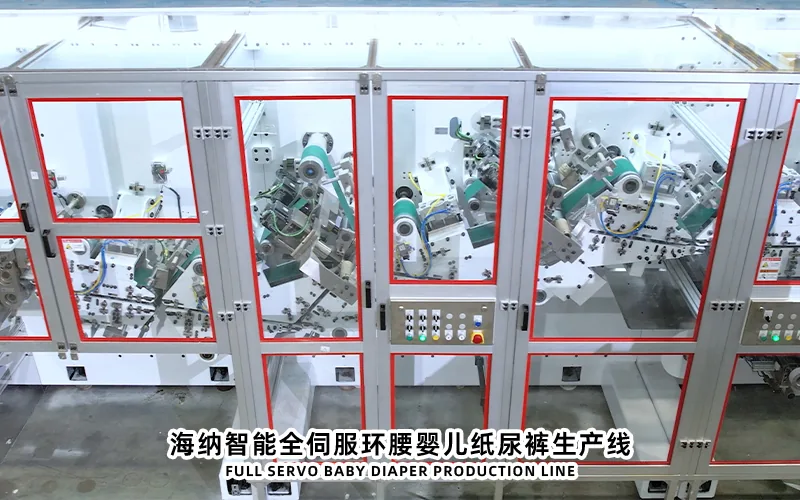
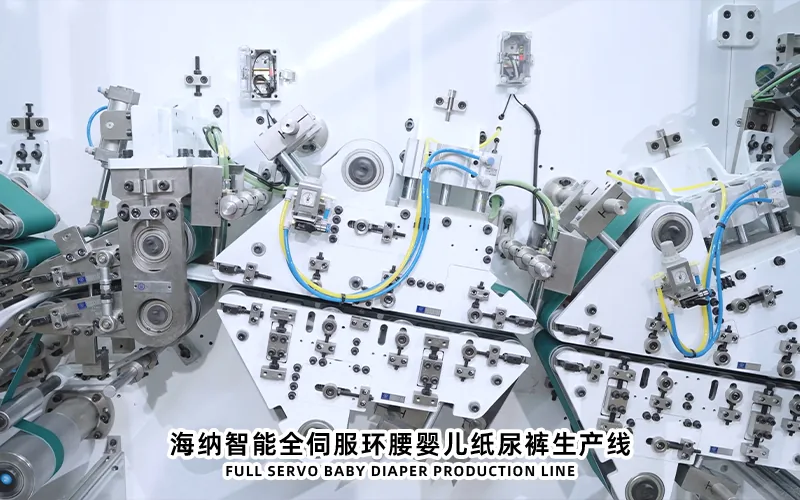
Buyers can use HAINA's infant diaper production line configurations as one technical proposal to evaluate against the same site model. The final layout and utilities should be approved for the exact ordered scope.
Automation decisions should include staffing, recovery, changeover, and maintenance.
Score Line Options with Evidence-Based Criteria
Set weights before final quotations arrive so the largest discount does not redefine the decision. Every score should point to a drawing, test, record, observation, or written commitment. Unproven claims can be scored separately from verified capability.
Selection area
What to verify
Typical evidence
Decision risk
Product fit
Sizes, construction, materials, and future formats
Requirement response, drawings, samples, and trials
Line cannot make the commercial product
Stable capacity
Sellable output under agreed conditions
FAT protocol, stop log, quality and waste records
Nominal speed does not become production
Process control
Tension, registration, dosing, bonding, rejection, and recipes
Process explanation, control screens, and test results
High variation or operator dependence
Factory fit
Layout, utilities, logistics, access, and packaging
Approved interface drawings and local review
Delay or expensive site modification
Lifecycle support
Documents, training, spares, remote help, and service
Delivery list, support process, and handover plan
Slow ramp-up and recovery
Design FAT, Site Acceptance, and Ramp-Up Together
The FAT should test the line against representative products and materials before shipment. Define product sizes, operating range, duration, stop classification, output calculation, waste method, quality checks, alarms, safety functions, changeover tasks, and documentation. Prepare enough material and name the instruments and people responsible for measurements.
Site acceptance confirms the machine after transport, installation, utilities, and integration. It should not quietly introduce a completely different performance definition. Record the baseline settings and retained samples from FAT, then control changes made during installation. Close transport damage, missing items, software revisions, and open factory actions before the final run.
Plan ramp-up by product rather than declaring the whole line released after one successful size. Establish a release sequence, approved recipe, material lot, quality sample, operator signoff, and unresolved-action limit for each commercial format. This allows the factory to start controlled production while keeping development work visible.
Confirm site readiness and incoming-material availability.
Install, align, connect, and verify the ordered scope.
Train operators and maintenance by role.
Run controlled products from simpler to more demanding formats.
Track stops, waste, quality, adjustments, and unresolved defects.
Release production only after the agreed evidence is complete.
FAT evidence should connect operating conditions to sellable product quality.
Establish a project change process before the first drawing approval. Every requested change should identify its reason, affected product, mechanical and electrical impact, software or document revision, cost, schedule, and acceptance consequence. Suppliers should not implement verbal changes without buyer authorization, and buyers should not assume that a late product revision has no effect on tooling or tests. A clean change record protects the final machine identity.
Review service readiness at the same gate. Confirm escalation contacts, time-zone coverage, diagnostic information, remote-access controls, field-service terms, local component availability, and the process for shipping proprietary parts. The value of support lies in a repeatable recovery route, not a general promise that assistance will be available.
Finally, assign an internal owner for the acceptance baseline. That person should preserve approved drawings, recipes, samples, measured results, open deviations, and commissioning changes. Future disputes and troubleshooting become easier when the factory can show exactly what configuration was accepted and what changed afterward.
Frequently Asked Questions
Can one infant diaper line make both tape diapers and pull-ups?
Not by assumption. Their structures and processes differ. Require the supplier to identify the exact supported formats, change parts, modules, and tested conditions.
How much spare capacity should the line have?
Use demand scenarios, planned downtime, product mix, and ramp-up risk to set a margin. Avoid selecting margin from design speed without an efficiency model.
Should all raw materials be chosen before ordering?
Representative materials should be defined early. Open alternatives need documented compatibility trials and clear responsibility for changes.
What should be locked before manufacturing starts?
Lock the product and machine scope, key drawings, utilities, components, acceptance protocol, document list, project schedule, and change-control process.
Conclusion
Choosing the right infant diaper production line requires a chain of evidence from finished-product definition to stable sellable output. Trace the process, qualify materials, model capacity, select useful automation, verify the site, and score suppliers against documents and trials. Put FAT, site acceptance, training, spares, and ramp-up responsibilities into the order. The best technical decision is not the line with the largest isolated specification; it is the line whose complete operating assumptions can be tested and sustained by the buyer's factory.