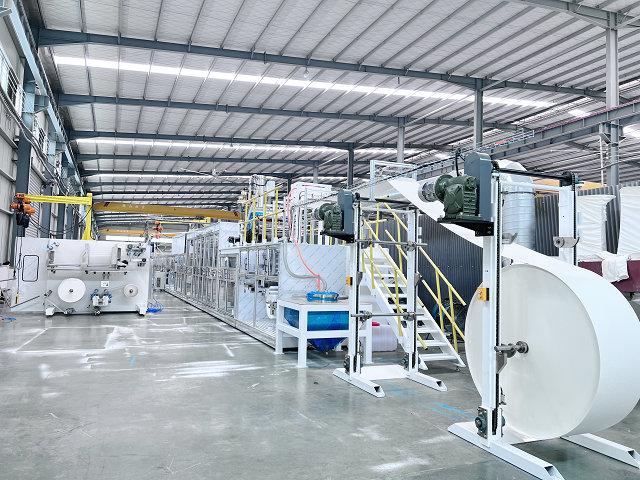
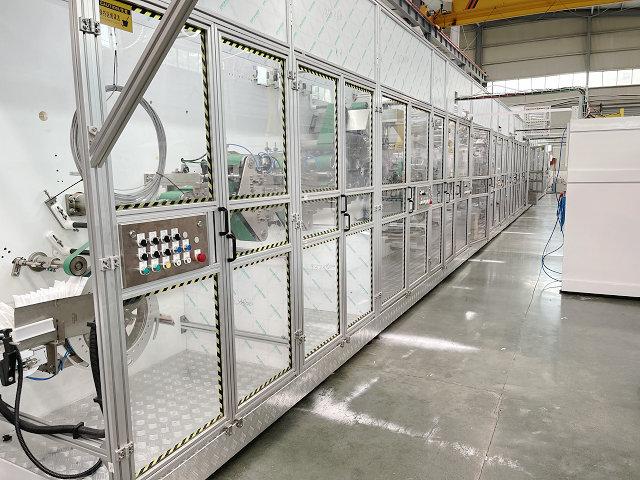
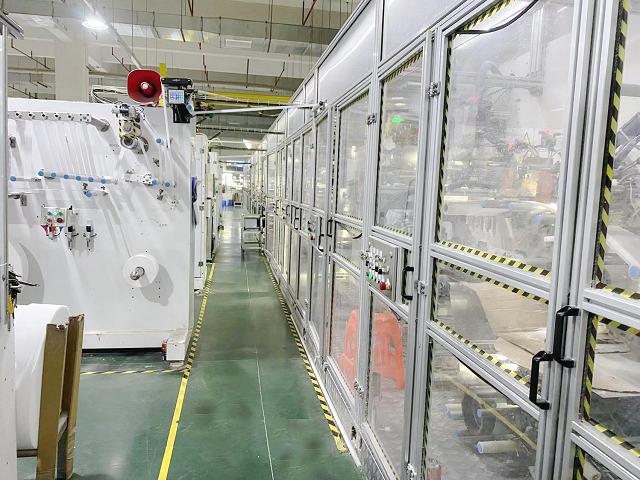
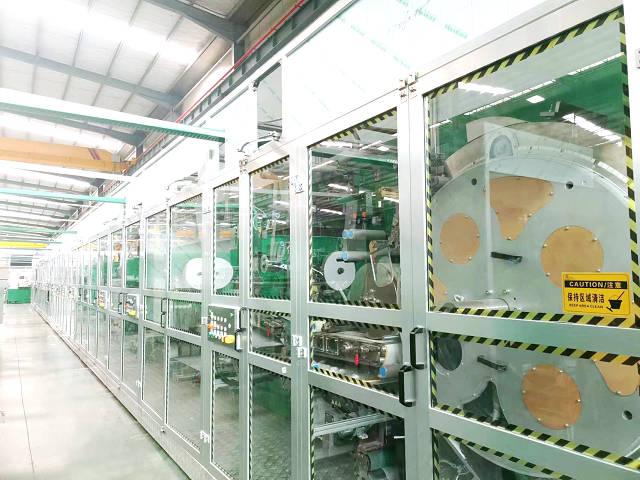
The best baby diaper production line is not a universal model; it is the configuration that proves the buyer's product matrix at its important boundary conditions. Define the smallest and largest diapers, most demanding core and closure designs, production-intent materials, required quality checks, changeover pattern, factory utilities, and packing interface. Compare suppliers through mandatory compatibility gates and a weighted evidence score covering stable conforming output, process control, inspection, maintainability, documents, training, parts, and support. Require FAT tests for representative and high-risk cases. Do not award the project from design speed, option count, or price until scope and acceptance evidence are normalized.
Define best for the operating case
Best must be translated into priorities and risks. A high-volume, limited-format factory may value long stable campaigns and straightforward maintenance. A mixed-size business may put more weight on changeover, recipe control, size parts, and packing flexibility. A new plant may need deeper installation, training, and ramp-up support. None of these priorities proves a supplier claim; they determine how evidence is weighted.
Prepare controlled drawings and bills of material for planned diaper sizes. Define core construction, topsheet, distribution layer where used, core containment, backsheet, elastics, barriers, tapes, frontal component, adhesives, dimensions, component positions, cut, fold, discharge, and pack presentation. Add the quality checks, methods, sample frequencies, acceptance values, and reaction plans that the factory will use.
Document the operating case: product mix, campaign lengths, size-change frequency, shift arrangement, material suppliers, planned maintenance, staffing and skills, downstream packing, factory environment, and expected future product changes. Do not convert demand forecasts into an unsupported line-capacity promise. Use them to choose test cases and identify constraints.
Define mandatory gates before weighted scoring. If a line cannot support an essential product construction, required size, critical closure system, factory interface, safe layout, or acceptance commitment, a high score in optional features cannot compensate. The gate decision should cite controlled evidence.
The selection baseline links actual products and factory duty to required process functions and evidence.
Boundary conditions for a diaper production line
A range claim is only useful when its boundary cases are identified. Determine which size has the smallest web or component, the largest product geometry, the widest or narrowest material, the most demanding core distribution, the most complex elastic layout, the least forgiving tape or frontal system, and the pack format most likely to constrain transfer. These cases may not all occur in one product.
Create a boundary matrix with product, material, station range, dedicated part, recipe, inspection method, downstream format, and risk. Ask the supplier to mark each case as demonstrated, engineered but not yet demonstrated, requiring a trial, requiring an option, or excluded. This is more informative than a check mark beside size range.
Examine future products cautiously. Future-ready should identify actual installed space, mechanical mounting, controls capacity, signal provision, software architecture, utility allowance, and validation work. It should not imply that an absent applicator or inspection system can be activated without project work. Record future assumptions separately from current acceptance.
Use representative test cases to reduce the matrix without hiding risk. Select a product that exercises common functions, then add boundary cases for stations or materials not challenged by it. Define which evidence can be shared and which feature needs a dedicated trial. Procurement and engineering should approve the rationale before FAT.
Compare configured process functions
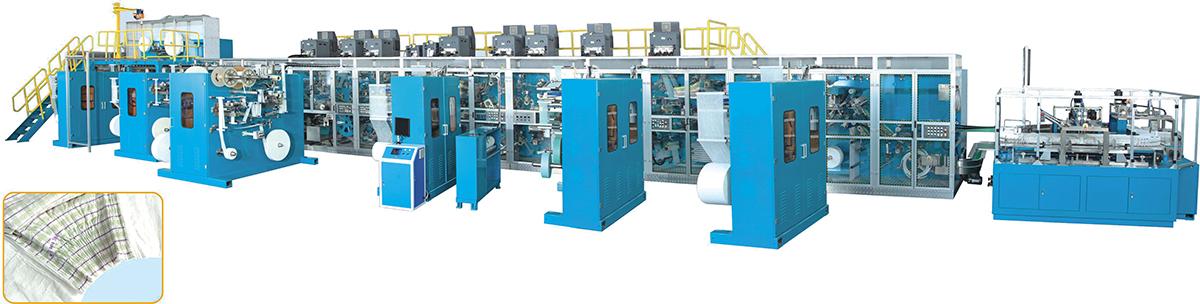
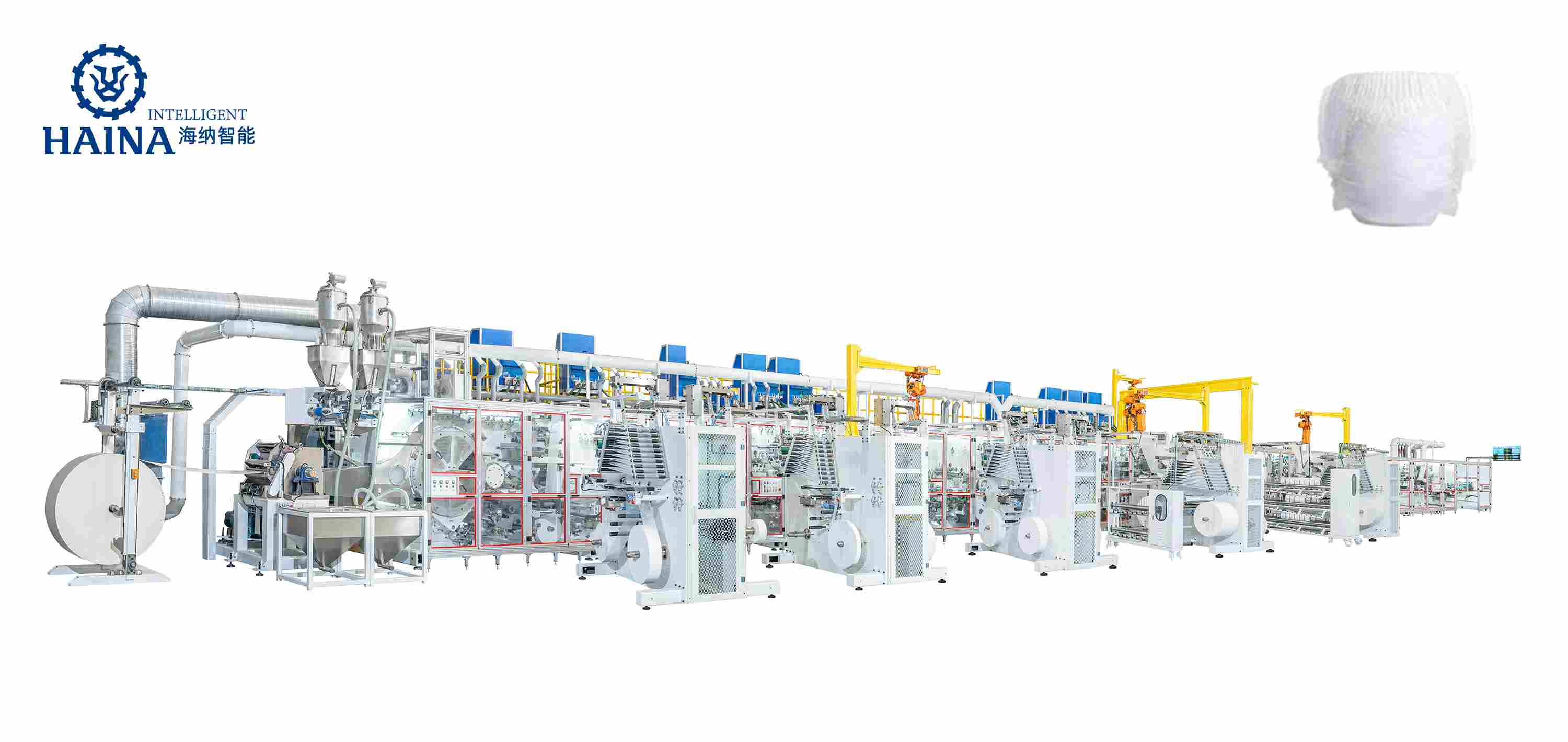
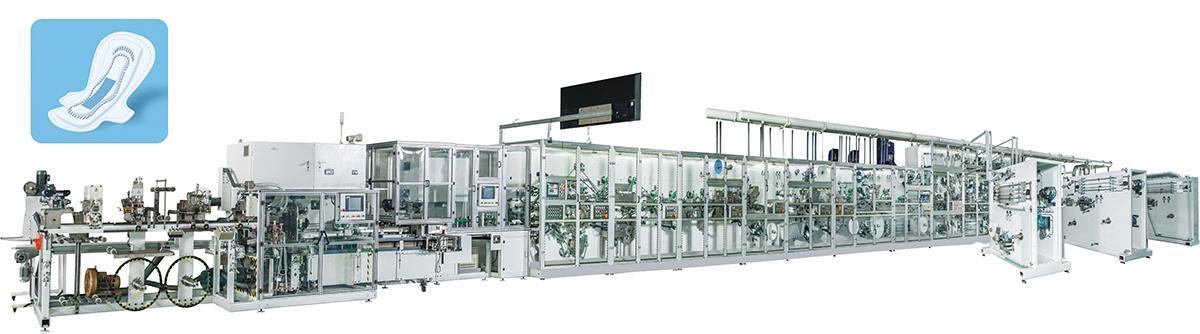
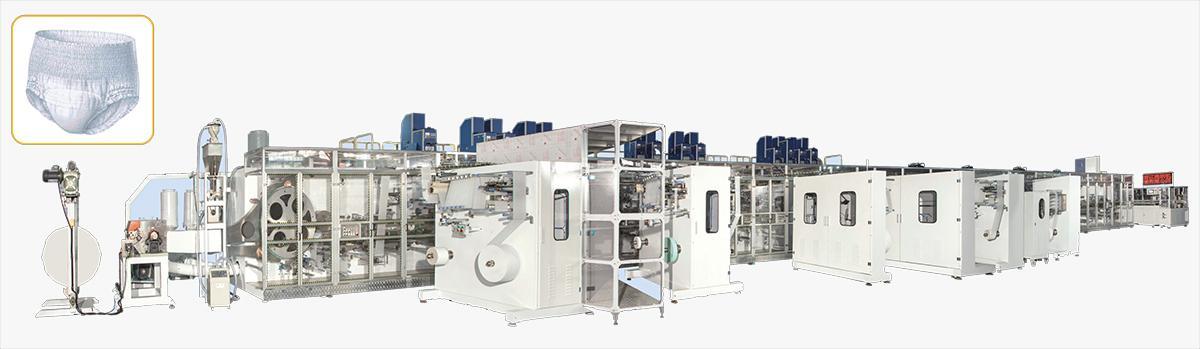
Map each product element through absorbent input handling, core formation and containment, web unwinding, guiding and tension control, elastic and barrier application, tape and frontal component feeding, adhesive delivery, layered assembly, cutting, folding, transfer, inspection, rejection, counting, and packing interface. Record station range, controls, change parts, access, and acceptance method.
Separate base equipment, selected options, future provisions, buyer-supplied systems, and exclusions. A proposal may mention inspection without defining covered defects, detection points, thresholds, tracking, physical rejection, reject confirmation, and data. It may mention automation while manual roll handling, splicing, sampling, changeover, waste, or packing tasks remain. Labor and interface planning need the real task boundary.
Ask for process narratives and configuration drawings. A station list shows what exists; a narrative shows how materials and product move, how reference is maintained, what occurs during a stop, and how output is contained after an abnormal event. Review control access, recipe versions, alarm history, backup, and restoration as part of the configured function.
Boundary case
Configuration proof
FAT challenge
Selection risk
Smallest planned format
Station ranges, guides, cutters, recipe, parts
Tracking, placement, cut, fold, inspected samples
Nominal range does not hold acceptable geometry
Largest planned format
Web and component widths, transfer and discharge scope
Stable flow, component positions, interface transfer
Physical fit exists but downstream handling constrains it
Demanding closure system
Applicators, reference controls, material data
Feed, placement, bond, detection, rejection
Line is proven only with a different closure material
Complex core construction
Input and forming scope, containment, extraction
Distribution and dimensions across the run
Output claim ignores core quality variation
High-changeover mix
Parts, tools, recipes, storage, release sequence
Last-good to first-good representative change
Mechanical setup claim excludes threading and quality
Every important product feature should trace to installed hardware, controls, change parts, and a test method.
Stress material and factory interfaces
Material compatibility is a boundary condition. For each input, record the proposed supplier and diaper role, trial-lot identity, web width, unwind orientation, outer roll size, inner core size, splice, surface condition, thickness or basis information, extensibility, stiffness, and storage needs. Include absorbent inputs, nonwovens, film or laminate, tissue or wrap, elastics, tape, frontal material, adhesives, and options.
Similar nominal materials can behave differently in unwinding, tracking, tensioning, cutting, bonding, elastic application, or transfer. Use production-intent rolls for the acceptance cases where feasible. If substitutes are used, state what they do and do not prove, then retain an open confirmation trial for the production material.
Factory utilities and layout can constrain a capable line. Verify access route, floor and service conditions, ceiling and maintenance clearance, roll delivery, staging, lifting, waste flow, sample route, change-part storage, electrical supply, air, extraction, environment, network, and operator positions. Assign responsibility and acceptance method for every connection.
Downstream interface deserves a challenge test. Define orientation, spacing, count, elevation, accumulation, control signals, fault behavior, reject handling, product identity, and commissioning ownership. A line that forms diapers correctly but cannot transfer them under the planned pack condition is not the best configured system.
Interface acceptance workflow
Approve a common mechanical, electrical, signal, safety, and product-handling interface document.
Confirm the tested product orientation, size, spacing, count, and pack-system readiness.
Witness normal transfer, controlled slowdown, accumulation within design, and blocked-downstream response.
Verify product identity, count, rejection, restart, and segregation after an interface event.
Record unresolved ownership, modifications, and retest evidence before acceptance.
Challenge stable output and quality
Write FAT around the selected representative and boundary conditions. Reference equipment identity, installed options, drawings, material lots, recipes, inspection methods, instruments, test sequence, observation periods, stop rules, samples, changeover, interface tests, deviation handling, and deliverables. Compare the engineered maximum, sustained supplier demonstration, planned factory setting, and binding test target as four separately defined conditions.
Witness startup and first-piece release. During stable tests, record alarms, stops, minor events, settings, manual interventions, rejected and held output, samples, material changes, and packing state. Inspect products throughout the run, not only at the end. Reconcile accepted output under the protocol rather than using an isolated counter value.
Challenge agreed inspection and reject functions safely. Confirm defect coverage, threshold control, tracking, physical removal, reject confirmation, and response to failed rejection. Test normal stop and controlled restart. Include a representative size or format change when flexibility drives selection, measuring from last accepted old product to first accepted new product.
The automatic baby diaper manufacturing machine category gives buyers the correct product context. HAINA can review the requirement and boundary-test matrix during engineering; accepted answers should become signed configuration and FAT records rather than remain sales statements.
Boundary testing should measure stable released product, stops, interventions, quality, and interface behavior.
Evaluate lifecycle delivery
Maintainability should be observed, not inferred. Sample access to cutters, guides, bearings, belts, sensors, adhesive components, drives, inspection devices, filters, and control cabinets. Confirm isolation, stored-energy control, tools, lifting, alignment, parts identity, settings, and safe restart. Require task-level instructions with interval or condition trigger and acceptance criteria.
Review a document sample set before award: operation, maintenance, changeover, alarm explanation, electrical drawing, parts page, software backup, recipe handling, FAT form, and training plan. Check correspondence to the proposed configuration, language, revision, and user clarity. A long document list cannot compensate for unusable content.
Training should produce role competence. Operators demonstrate release, material events, normal monitoring, quality reaction, changeover, cleaning, and recovery. Maintenance staff demonstrate isolation, inspection, replacement, alignment, diagnosis, backup, and restart. Quality staff demonstrate sampling, measurement, defect classification, hold, and release.
Assess parts and support as workflows. Ask how a component is identified, quoted, approved, shipped, installed, and verified; how obsolescence or substitutes are handled; and how a technical problem is received, diagnosed, escalated, and closed. Warranty duration, response, costs, and availability should be scored only from binding supplier terms.
Apply an evidence-weighted scorecard
First apply mandatory compatibility gates. Then weight product and material fit, boundary evidence, stable conforming output, quality control, changeover, factory integration, maintainability, documentation, training, spares, software, warranty, and project support according to the buyer's risk. Commercial price is compared only after technical boundary and included scope are normalized.
Every score should cite a clause, drawing, test, sample, record, or document example. Mark unverified claims as assumptions rather than giving partial evidence credit. Assign owners and due dates to close assumptions before award. Where a trial is not yet possible, define the later test, failure consequence, and commercial treatment.
Compare total project boundary: equipment, options, change parts, inspection, auxiliaries, packing integration, freight responsibilities, site preparation, installation, commissioning, test materials, tools, spares, software, documents, training, and acceptance. Do not calculate a guaranteed ROI from unverified speed, waste, uptime, energy, staffing, or demand.
Use scenario analysis with inputs labeled supplier-quoted, FAT-tested, buyer-measured, engineering-estimated, or unresolved. Test the uncertain variables most capable of changing the decision. The best line should remain a reasonable choice under conservative operating conditions, not only under the most favorable spreadsheet case.
Selection scores become defensible when every rating is tied to common scope and objective evidence.
Frequently Asked Questions
Which baby diaper production line is best?
The best line is the configuration proven for the buyer's products, materials, boundary cases, factory, quality plan, changeovers, support needs, and commercial scope.
Should the largest and smallest sizes both be tested?
Use risk-based representative and boundary tests. If sizes challenge different stations or materials, both or equivalent dedicated evidence may be necessary.
Is more automation always better?
No. Automation should solve defined tasks with maintainable controls, clear interfaces, suitable inspection, trained support, and verified product benefit.
How should price enter the final score?
Compare price after normalizing equipment, options, interfaces, services, spares, site work, test scope, and lifecycle obligations. Keep unresolved risks visible.
Conclusion
Choosing the best baby diaper production line requires proof at the buyer's meaningful boundary conditions, not a universal ranking. Freeze product and material matrices, factory interfaces, quality methods, and lifecycle scope; apply mandatory gates; then weight traceable evidence. Send HAINA the representative and high-risk test matrix and require every configuration claim to be marked as demonstrated, pending trial, optional, or excluded. Approve selection only after witnessed stable output, labeled quality samples, safe reject and restart checks, representative changeover, packing-interface tests, document review, and closed deviations support the final score.