

Position drift
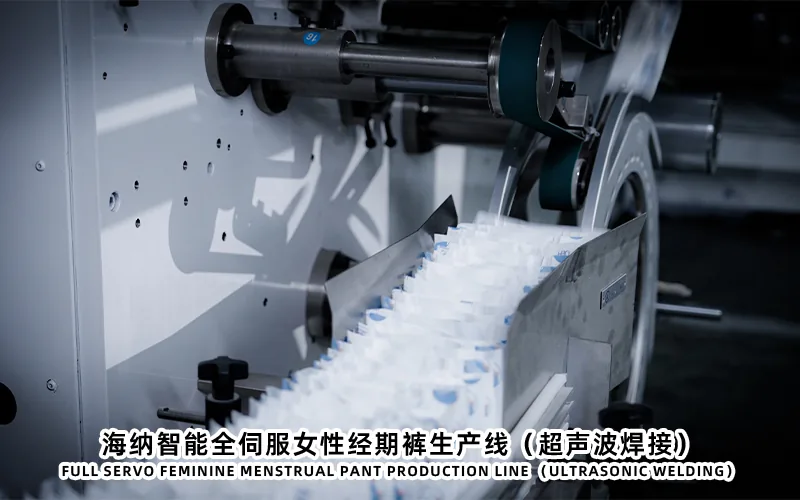
Record which layer moved, the direction of drift, roll lot, splice time and the first station where the change is visible.


CLK350 maintenance field guide
The word best in the locked title is not a technical result. A buyer can make the page useful by asking how the CLK350 responds when a product drifts, a web stops tracking or output falls after a restart. The old record supplies operating references and a material list, but it also mixes a sanitary-napkin title with menstrual-pants specifications. Troubleshooting must start by identifying the actual product and station, not by accepting a broad ranking claim.
Record which layer moved, the direction of drift, roll lot, splice time and the first station where the change is visible.
Separate pulp and SAP input records from the downstream symptom. Retain pieces before and after the adjustment.
Confirm the product form first. Leg-cuff and waist materials appear in the legacy list, but they may not belong to a flat sanitary-pad configuration.
Count the pieces from stop to accepted production and attach the alarm, material splice and operator action to that interval.
Hold suspect output and mark the time window. Do not blend it into accepted samples.
Find the earliest station where the defect appears, then inspect the relevant web, setting and recent change.
Record the adjustment and avoid simultaneous changes that make the result impossible to interpret.
Measure the agreed product feature and retain samples from a stable period.
Update the maintenance or setup record only after the same condition is reproduced.
Operating time, stop reason, restart waste, accepted count and rejected count.
Supplier grade and lot for topsheet, ADL, pulp, SAP, tissue or nonwoven, PE film and applicable elastic or adhesive inputs.
Station, symptom, setting before and after, parts changed and measured result.
Product drawing revision, tooling, operator setting and downstream configuration.
The source lists 350 ppm as design speed and 250-300 ppm as stable working speed, together with at least 85% efficiency and no more than 4% rejection. A maintenance program should keep these measures separate. A lower accepted count may come from a stop, a reduced running rate, increased rejection or a downstream interruption; each needs a different corrective action.
legacy machine envelope
legacy power source
legacy installed capacity
legacy air pressure
legacy machine weight
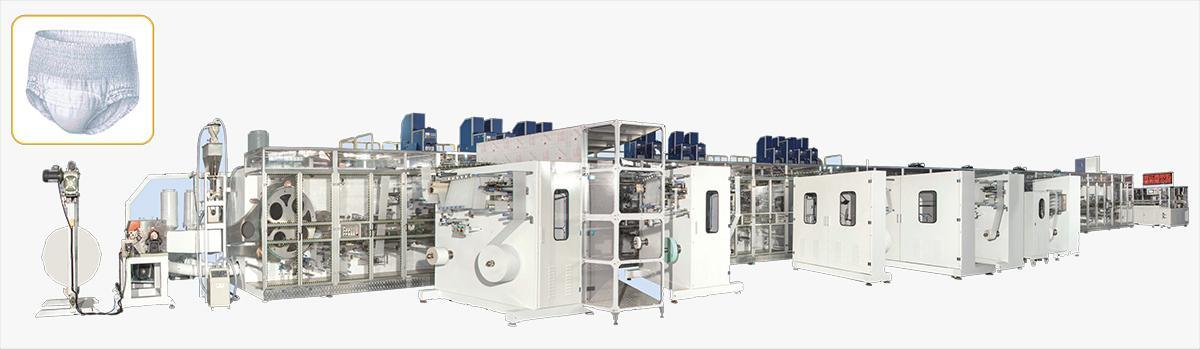
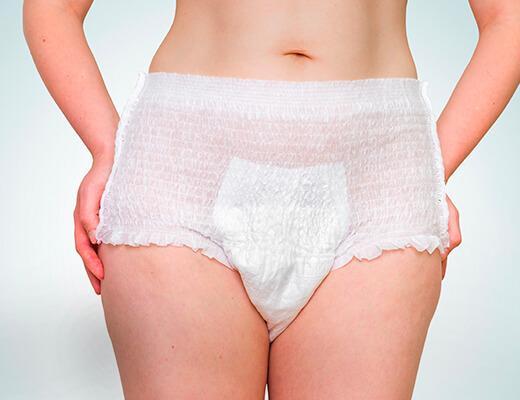
Contract and FAT confirmation required: the title identifies sanitary napkins, while the old specification says Automatic Menstrual Pants Machine and the raw-material list includes waist and leg-cuff components. Maintenance checklists, wear parts and product measurements must follow the confirmed configuration.
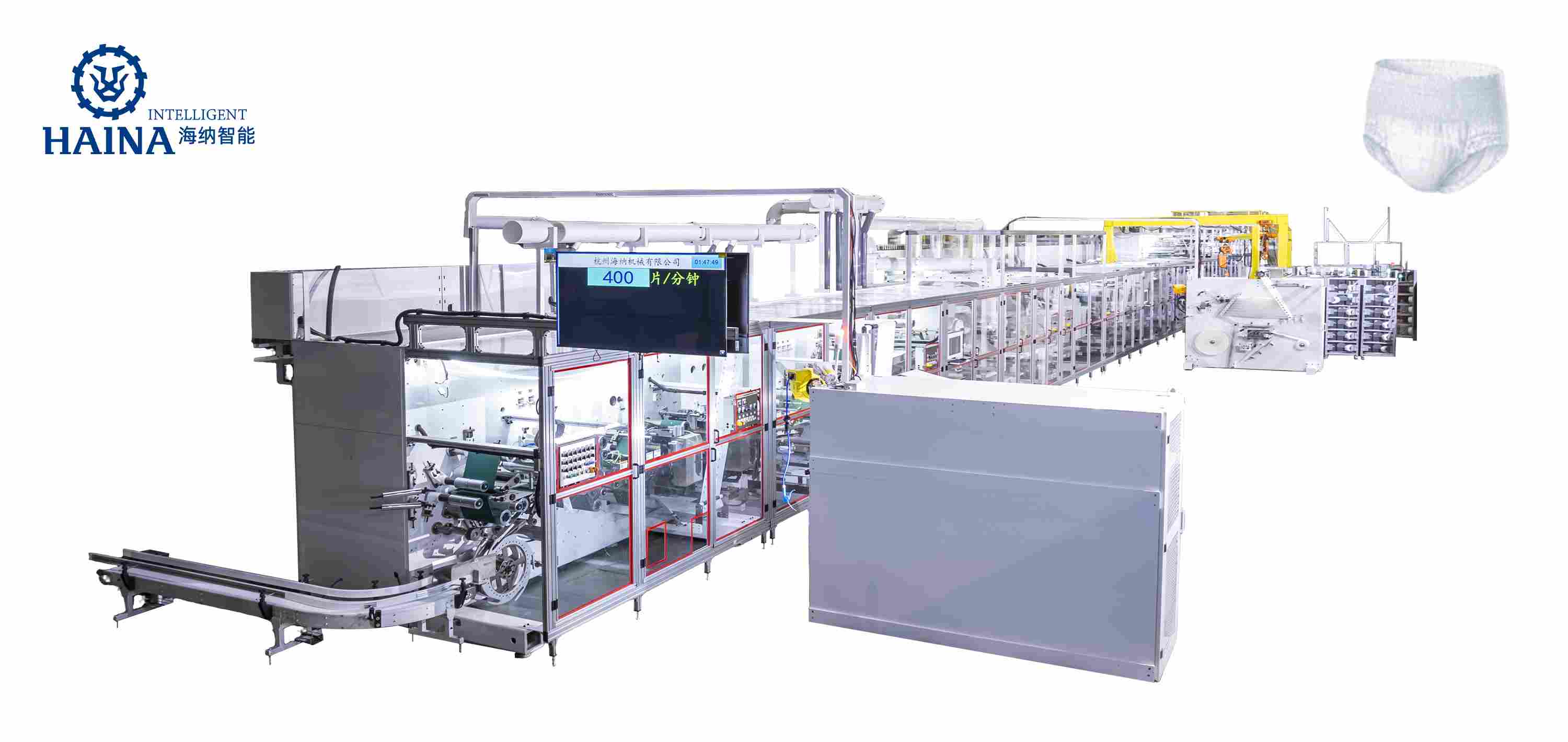
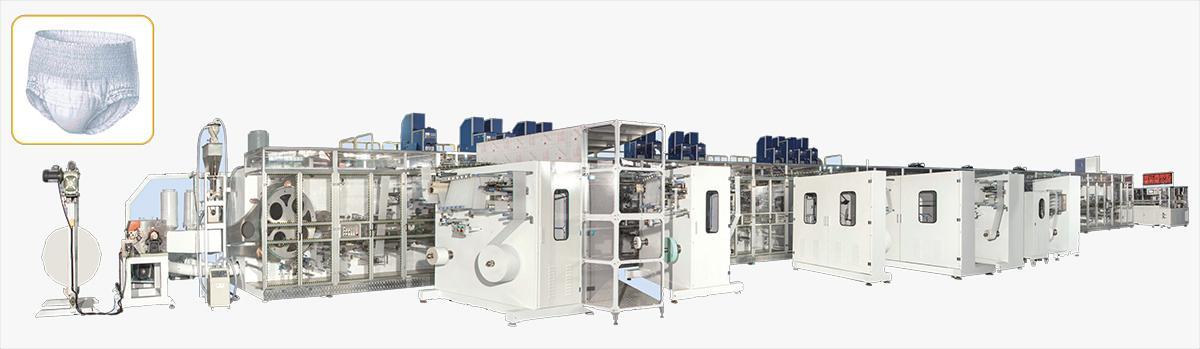
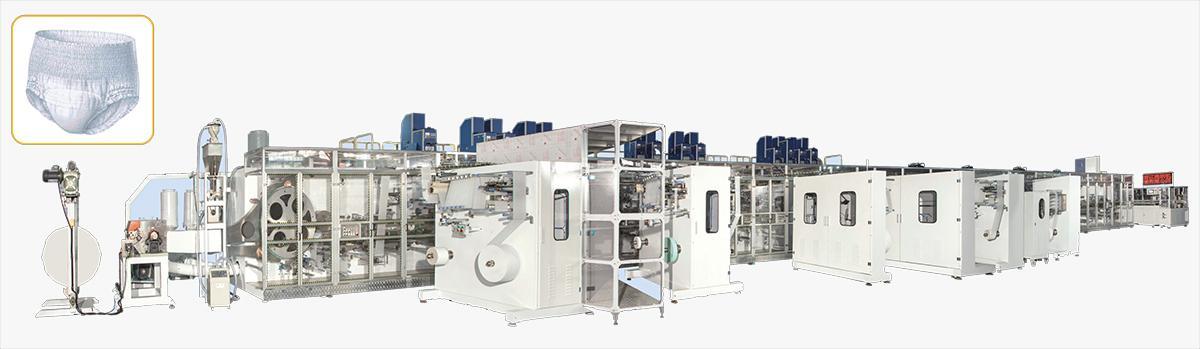
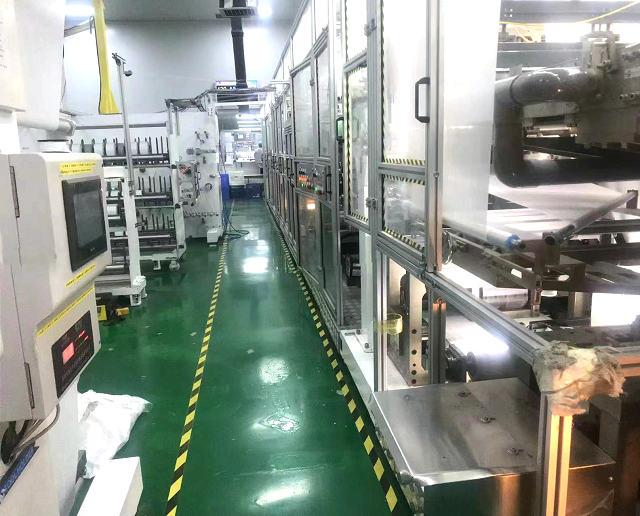
Automatic Menstrual Pants Machine. Design Speed: 350ppm. Stable Working Speed: 250-300ppm. Power Source: 380V,50HZ. Machine Capacity: 400KW. Air Pressure: 0.6-0.8Mpa. Machine Weight: 95 tons. The recorded inputs include Hydrophobic NW (Legcuff) and Elastic for waist. These are historical fields, so technicians must apply them only to the contract-confirmed product route.
No. Compare suppliers with the same product sample, input materials, FAT duration, counting rules, documentation and support scope.
Identify the affected web and earliest visible drift, then review roll condition, splice timing and the local guiding or tension response before changing other stations.
No. HAINA and the buyer must first confirm whether the ordered configuration is a flat sanitary-pad line or a menstrual-pants line and approve its component list.
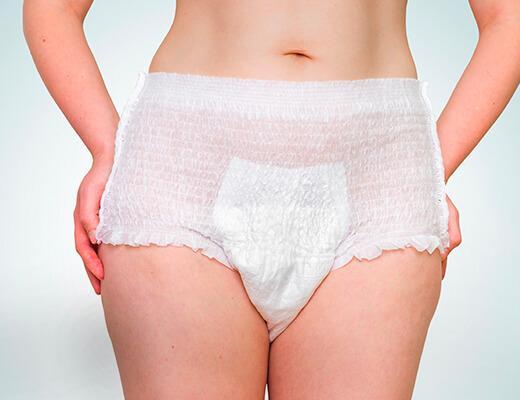
Automatic Menstrual Pants Machine
|
Dimensions(L×W×H8) |
45m*10m*4m |
|
Design Speed: |
350ppm |
|
Stable Working Speed: |
250-300ppm |
|
Rejection Rate: |
≤4% |
|
Efficiency: |
≥85% |
|
Power Source: |
380V,50HZ |
|
Machine Capacity: |
400KW |
|
Air Pressure: |
0.6-0.8Mpa |
|
Machine Weight: |
95 tons |
Automatic Menstrual Pants Manufacturing Machine
| No. | Raw materials |
| 1 | Hydrophilic NW (Topsheet) |
| 2 | Hydrophobic NW (Legcuff) |
| 3 | Elastic for Legcuff |
| 4 | ADL |
| 5 | Fluff pulp |
| 6 | SAP |
| 7 | Upper tissue/NW |
| 8 | Lower tissue/NW |
| 9 | Pe film |
| 10 | Waist inner NW |
| 11 | Waist outer NW |
| 12 | Elastic for waist |
| 13 | Construction glue |
| 14 | Elastic glue |
| 15 | Wetness indicator glue |





I love how the Menstrual Pants Machine has reduced my environmental impact by eliminating the need for disposable products.Logan 2024-05-31
The quality of the menstrual pants produced by this machine is top-notch.Luna 2024-05-31
It's a revolutionary product that has simplified my menstrual care routine.John 2024-05-31
Menstrual Pants Machine so convenient and easy to use, and it has made managing my period a breezeBenjamin 2024-05-31