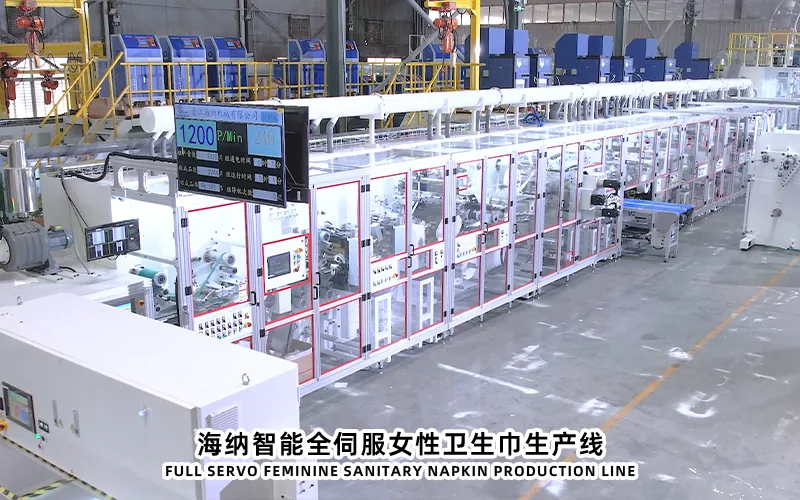
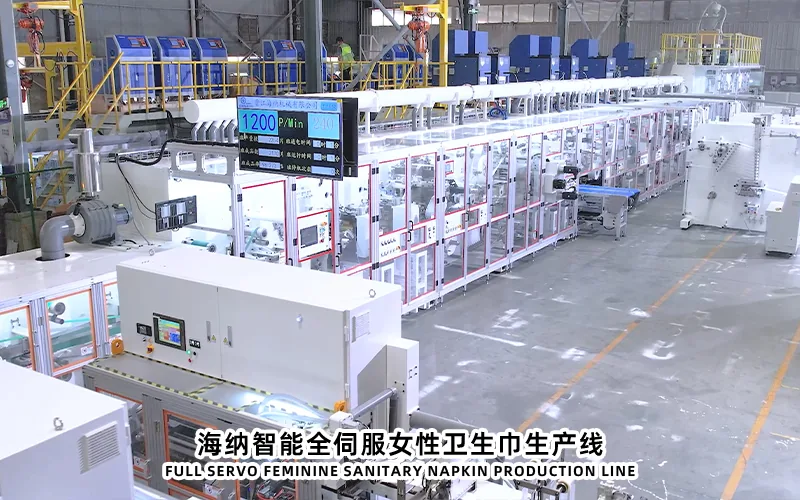
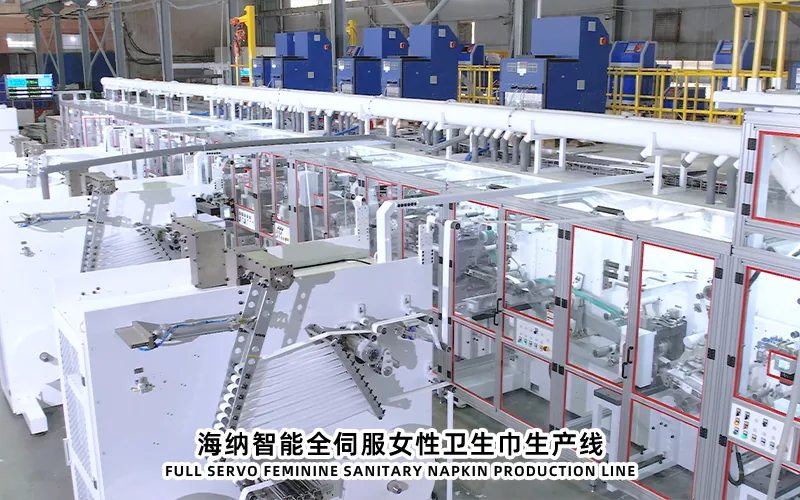
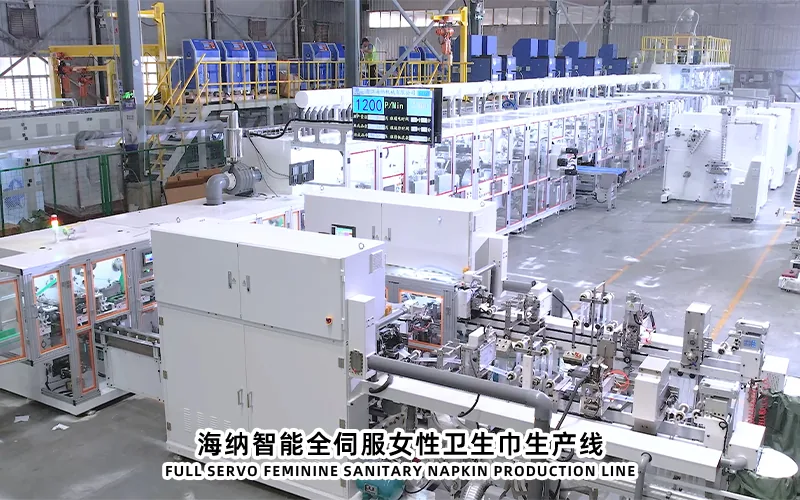
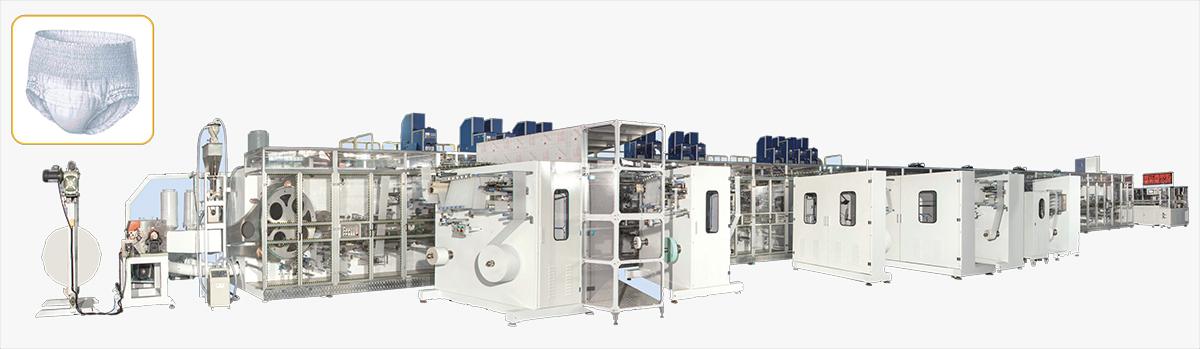
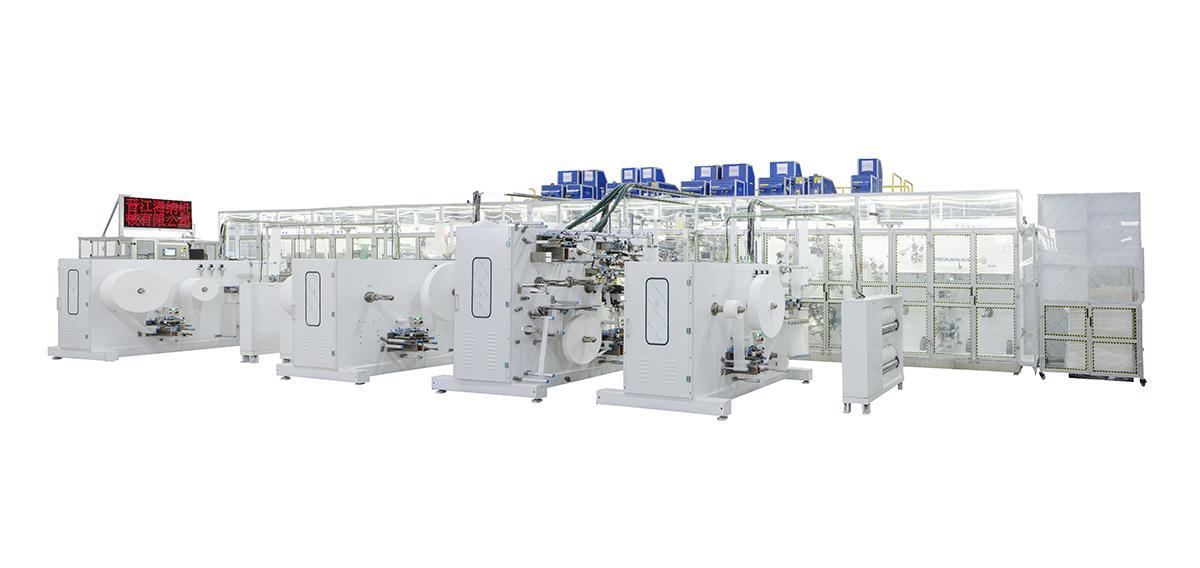
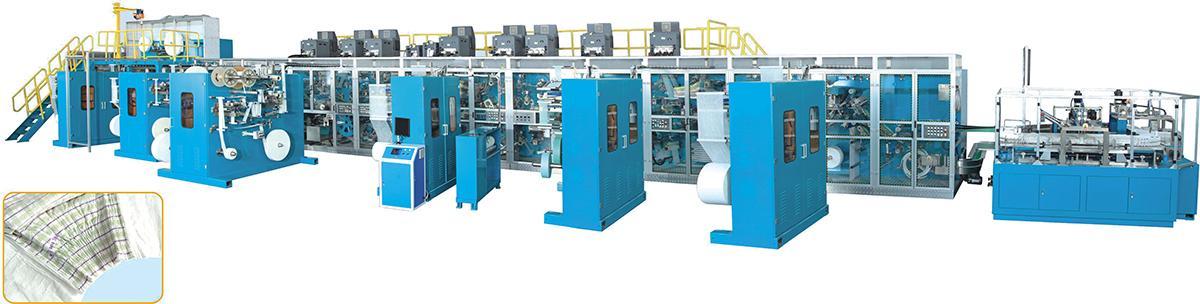
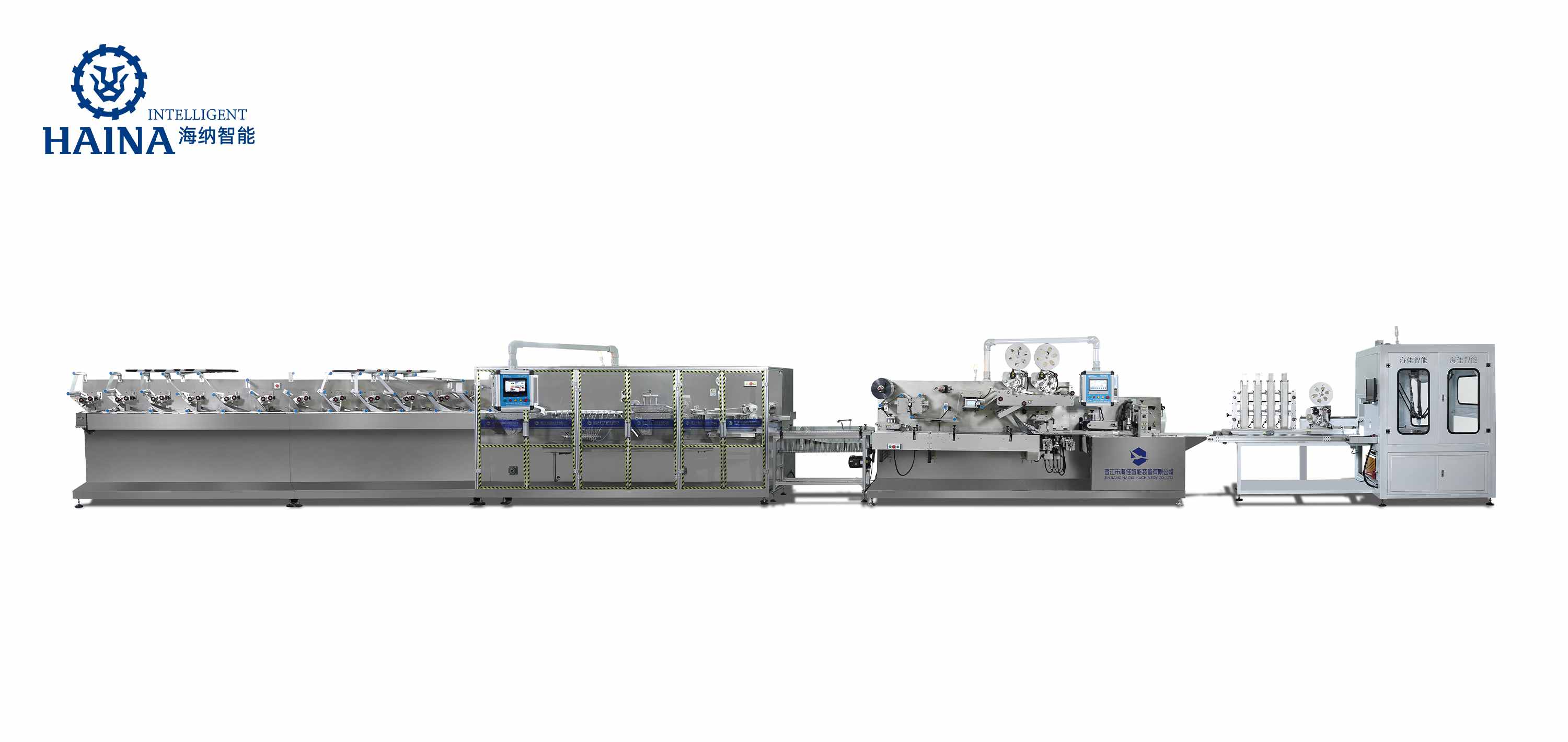
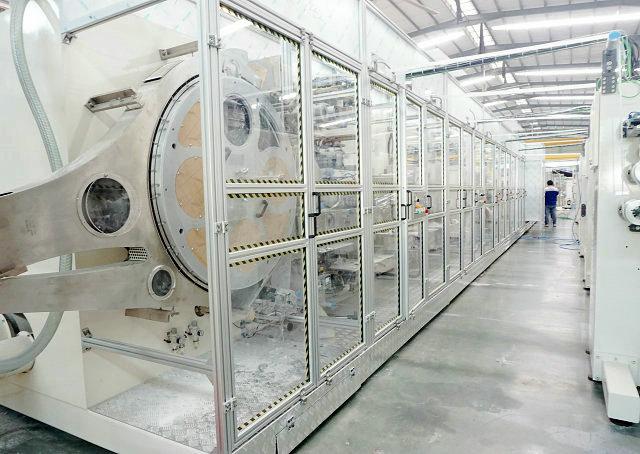
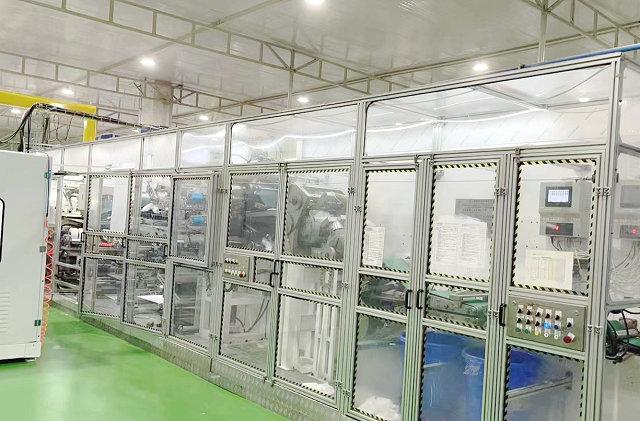
The perfect Sanitary Napkin making machine is a configuration that can produce the buyer's defined pad styles and materials at stable, accepted quality inside the actual factory. Selection should begin with product construction, size range, wrapper and packaging boundary, then move to process modules, material handling, controls, changeover, utilities, safety, and service. Do not select from design speed or a broad automation label. Require suppliers to document inclusions, exclusions, manual tasks, and acceptance conditions. Use representative material trials and FAT to verify stable working output, product measurements, reject control, changeover, documentation, and recovery before approving the delivered line.
Define the Sanitary Napkin Portfolio
A line cannot be selected from product length alone. Define pad styles, size range, wings or no wings, layer construction, absorbent-core concept, acquisition or distribution elements if used, release paper, individual wrapper, fold, and downstream package format. Include dimensional and appearance characteristics that the quality team will measure. Separate initial products from possible later products so the design is not overloaded by undefined flexibility.
Create a material schedule for each construction. Identify nonwovens, films, pulp or absorbent inputs, tissue, release materials, adhesives, elastics where applicable, wrapper film, and other project-specific webs. Include roll dimensions and properties supplied by the approved material source. Different webs respond differently to tension, guiding, cutting, bonding, folding, and heat, so a generic material name does not provide enough engineering input.
Define test methods alongside limits. Component position, overall dimensions, bond condition, absorbent distribution, wrapper registration, seal integrity, fold, and appearance may require buyer-specific checks. Where product performance tests are used, state preparation, conditioning, equipment, sampling, and responsibility. Supplier and buyer must use the same method during acceptance.
Product styles and material constructions set the machine configuration boundary.
Convert Product Needs Into Line Modules
Map each product layer through the process. A proposed line may include absorbent forming and distribution, core wrapping, layer feeding, adhesive application, release-paper placement, embossing or bonding, contour cutting, wing formation, folding, individual wrapping, seal and cut, counting, and product transfer. The exact modules vary with product design. Ask the supplier to mark every required function on a process diagram.
Clarify the end of scope. Individual wrapping may be integrated, while bagging or carton handling may remain downstream. Inspection can cover selected material presence, position, registration, splice events, or visible features, but it does not replace a full quality system. Reject handling may be included at one or more points. List these inclusions and exclusions in the commercial and technical schedules.
Review manual work. Roll loading, splice preparation, web threading, adhesive replenishment, change-part exchange, cleaning, quality sampling, reject removal, and packaging may need operators. Automation labels conceal these tasks unless the process is walked step by step. Estimate staffing only after roles and intervention frequencies are known.
A review of sanitary napkin manufacturing equipment should also identify reserved interfaces. Space or signals for a future module are useful only when mechanical, electrical, control, and validation implications are understood.
Qualify Raw Material Handling
Material handling begins at roll storage and loading. Verify allowable roll dimensions and mass for the selected unwind, the safe loading method, shaft or chuck design, brake or drive control, end detection, and access. A material may fit by width but exceed the expected roll build or handling method. The factory layout must provide staging and lifting routes as well as machine clearance.
Splice arrangements should match the webs and operating model. Manual splice, assisted splice, and automatic splice descriptions need a defined sequence, preparation method, speed condition, detection, and product disposition around the splice. Demonstrate important events with representative material. Do not assume one splice design performs identically on film, nonwoven, release paper, tissue, and other inputs.
Web guiding and tension control should be divided into suitable zones. Review sensor suitability, correction range, loss-of-signal behavior, threading, and adjustment. Lightweight materials may stretch, wrinkle, curl, or shift when tension and acceleration are poorly coordinated. Ask how settings are established and protected for each product recipe.
Representative webs should be used to verify unwind, splice, guide, and tension behavior.
Selection question
Required project input
Supplier response
Acceptance evidence
What products?
Style, sizes, layers, fold, wrapper
Configuration by product
Representative accepted samples
What materials?
Identified webs, rolls, adhesives, alternatives
Handling limits and settings basis
Material trial and event recovery
What output?
Demand model and quality definition
Design and stable working conditions
Agreed FAT calculation
What flexibility?
Launch and future format priorities
Recipes, adjustments, parts, physical limits
Witnessed representative changeover
What handover?
Site, staffing, language, support needs
Documents, training, spares, interfaces
As-built package and practical exercises
Judge Stable Output and Quality Together
Supplier speed statements require definitions. Design speed is an equipment design reference. Stable working speed is demonstrated output under stated product, material, and process conditions. Operating speed is the setting chosen in daily production. The contractual acceptance value is the threshold and method written into the agreement. A buyer should never substitute one term for another.
Count acceptable products, not only machine cycles. Define how rejects, startup output, planned test interruptions, material splice events, and stops affect the calculation. Record product format, raw-material identity, machine configuration, utilities, run period or sequence, sampling, and quality results. If the line runs rapidly but produces inconsistent dimensions or bonding, the trial has not demonstrated useful capacity.
Review line balance from unwind through wrapper and discharge. Material replenishment, forming, cutting, folding, registration, sealing, counting, and downstream packaging can each constrain stable flow. Ask for stop and fault data during the trial, then investigate repeated categories. A single uninterrupted snapshot may miss recovery problems that matter on shift.
Quality control should combine in-process devices and offline measurements. Sensors can detect selected process states; operators and quality personnel still need a sampling plan. Define reaction to a trend, a failed sample, lost inspection signal, or rejected-product handling problem. Acceptance evidence should show both detection and response.
Plan Size Change and Future Products
Build a changeover matrix for every launch size. Separate recipe parameters, indexed adjustments, manual settings, exchanged tools, guide changes, material widths, print-registration changes, folding elements, wrapper settings, and downstream counts. Identify which work can be prepared offline and which requires stopped-line access.
Witness a complete representative changeover. Start at the last accepted product of the old format and end at quality release of the new one. Record preparation, isolation, part exchange, setting, threading, trial material, adjustments, inspection setup, and first accepted output. This evidence helps schedule production and highlights access or error-proofing improvements.
Future products should be evaluated against physical limits and process capability. A supplier can show reserved space, drive capacity, control expansion, or interface provisions, but that is not the same as a validated future product. Document what is included now, what requires new parts or modules, and what needs a new material trial and product validation.
Changeover evidence should include mechanical work, settings, trial output, and quality release.
Check Layout, Utilities, and Staffing
Place the proposed line in a scaled factory layout. Include material staging, roll movement, operator stations, reject and trim removal, quality sampling, finished-product transfer, cabinets, service clearances, tooling carts, lifting, emergency paths, and utility routes. Verify structural and floor requirements through qualified project roles using supplier project data.
Utility schedules should state connection locations, operating and peak definitions, quality, permitted variation, monitoring, and ownership. Electrical supply, compressed air, extraction or dust handling, adhesive services, environmental conditions, networks, and fire or safety systems can affect readiness. Do not copy values from another line model.
Staffing depends on actual tasks, material logistics, quality sampling, maintenance strategy, and packaging scope. Ask suppliers to map operator interventions and training modules. Then let the factory assign roles based on its layout and working practices. A salesperson's general operator count is not a substitute for a task analysis.
Maintainability should be reviewed in the same layout. Guards need safe access for cleaning, lubrication, inspection, tooling changes, sensor work, and fault finding. Withdrawal space and lifting points may be unusable if walls or adjacent equipment are too close.
Turn FAT Into a Selection Gate
Write the FAT protocol before the final commercial decision when possible. It should cover machine identity, configuration, documents, safety functions, material threading, manual and automatic modes, alarms, recipes, product run, quality checks, stable output, splice or replenishment events, reject challenges, representative changeover, stop and restart, and backup evidence according to the project scope.
Set prerequisites and stop rules. Testing should not begin while safety-critical work or essential configuration remains incomplete. Define how adjustments are recorded, when a test restarts, which items block shipment, and who approves punch-list closure. Keep signed results and final settings with the delivered record.
HAINA can work with the buyer on requirement review, material preparation, FAT scope, training, and maintenance handover for the offered line. The buyer should bring operations, quality, maintenance, and project representatives to acceptance so each discipline verifies its own evidence rather than relying on procurement alone.
The final machine should match the frozen product, factory, and acceptance register.
Frequently Asked Questions
Can one sanitary napkin line make every pad style?
No. Capability depends on product architecture, dimensions, materials, modules, tooling, controls, and physical limits. Require a format-specific configuration matrix and trial evidence.
How should machine speed be compared?
Compare stable accepted output under the same defined product, materials, quality criteria, run method, and supplied line boundary. Keep design speed separate.
Should packaging be selected with the production line?
Yes, at least at interface level. Define individual wrapping, counting, bagging, transfer, signals, accumulation, orientation, and ownership even if downstream equipment is purchased separately.
Who should attend FAT?
Include buyer representatives for operations, quality, maintenance, controls or engineering, and project acceptance. Each role should have assigned tests, evidence, and approval authority.
Conclusion
The perfect Sanitary Napkin making machine is not a universal model. It is the line whose modules, material controls, quality plan, stable output, flexibility, layout, utilities, documentation, and support match a frozen buyer requirement. Build the selection around traceable evidence rather than broad claims. The next factory action is to prepare one representative launch product pack containing drawings, identified materials, measurement methods, wrapper and downstream boundary, then require each shortlisted supplier to return a marked configuration and demonstrate that pack during a witnessed FAT with a complete as-built handover.