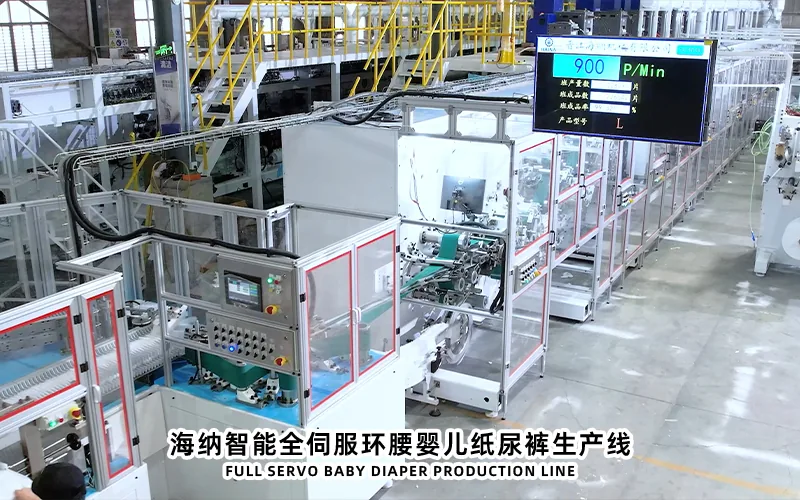
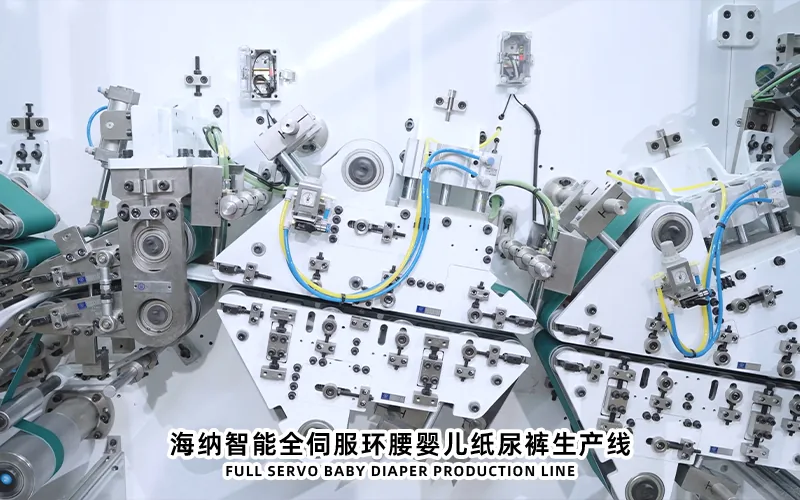
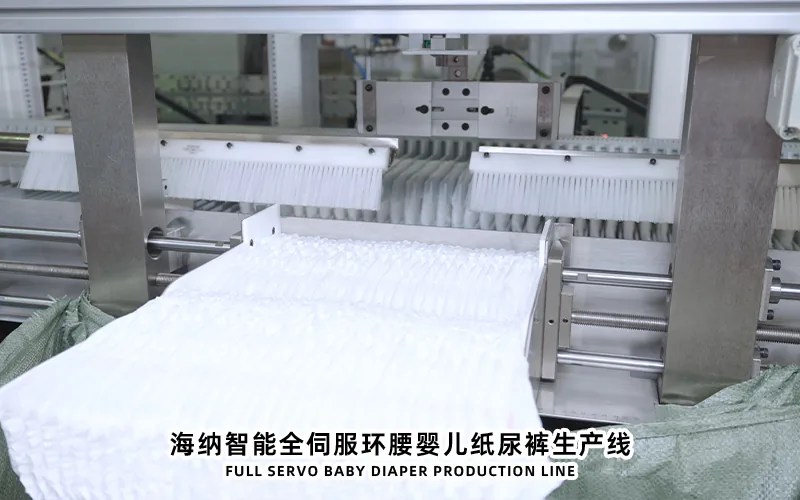
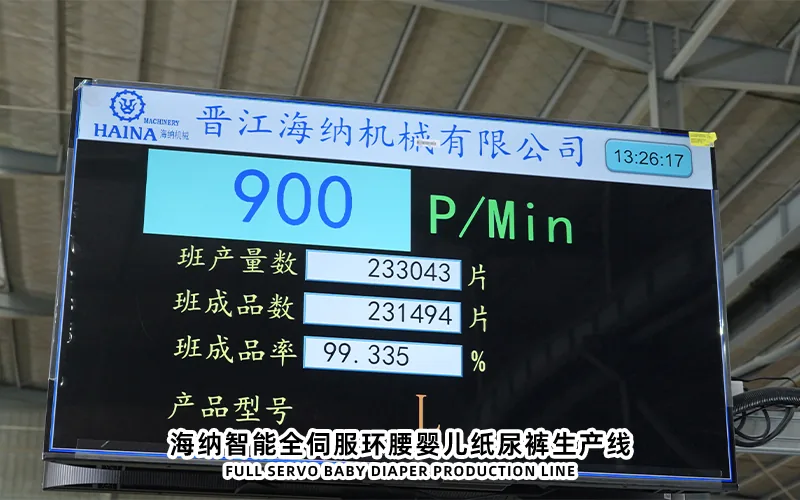
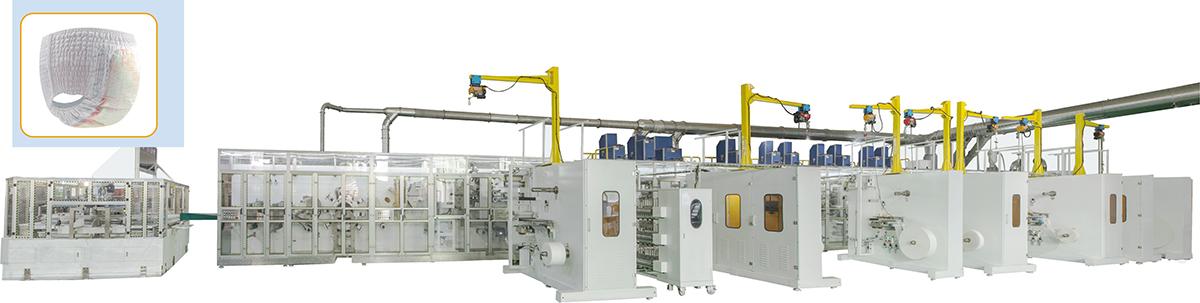
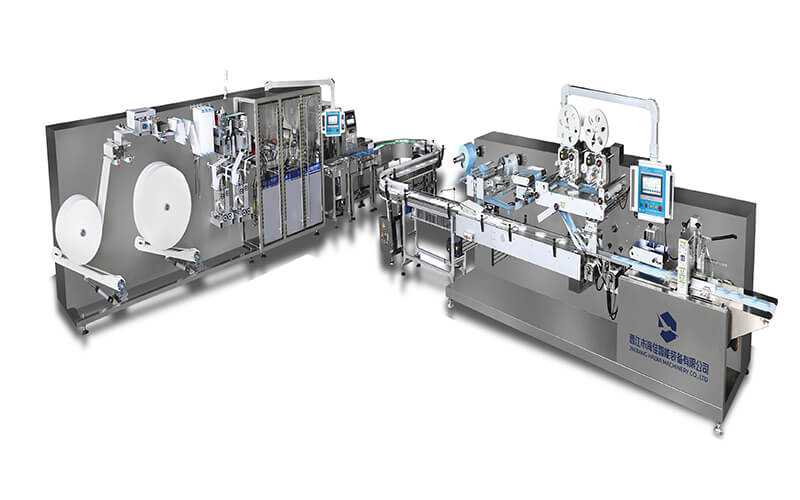
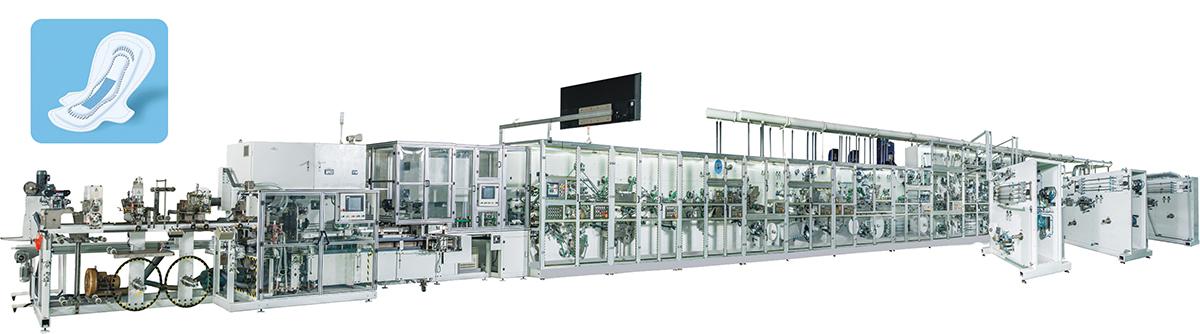
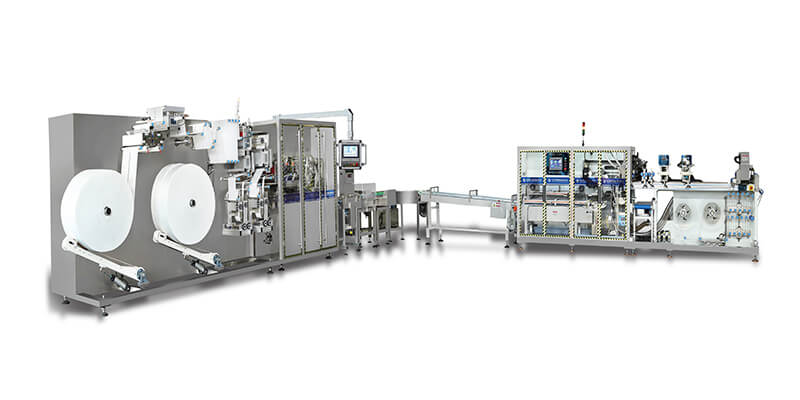
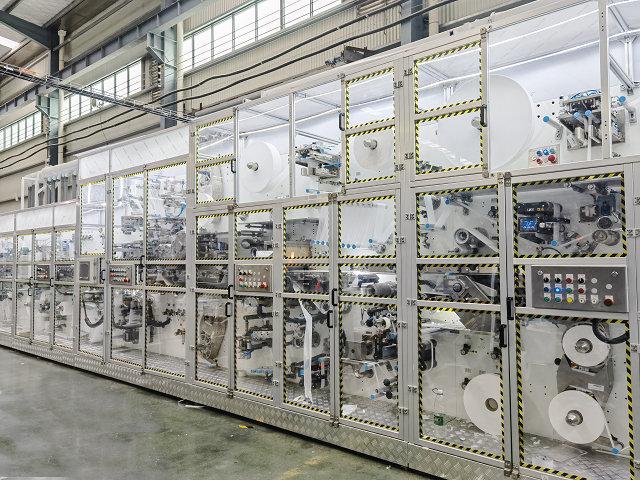
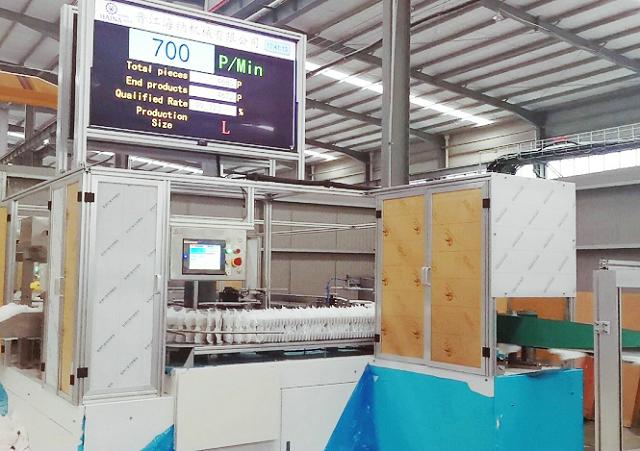
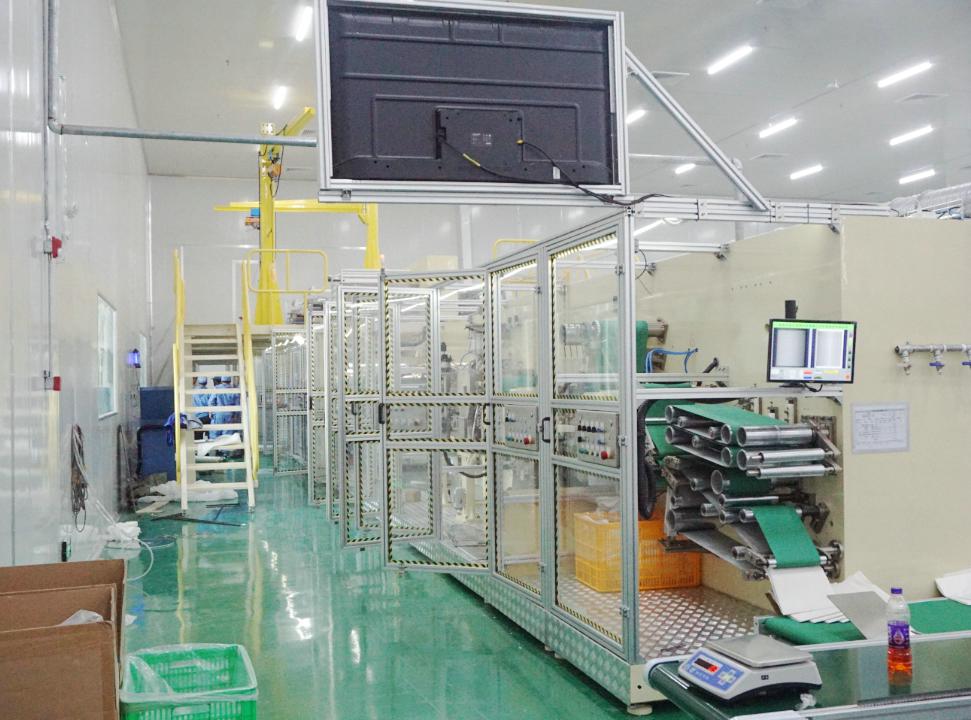
Utilization of an infant diaper production line means converting released materials into conforming packed diapers through a controlled production campaign. The production manager should begin with an approved work order and SKU, clear the previous product, verify materials and recipe, stage startup, and release output only after product and packing checks pass. During the run, operators should control web paths, forming, application, cutting, folding, detection, rejection, and downstream transfer while recording stops and material losses by cause. An infant diaper production line is used effectively when its schedule, quality response, changeovers, maintenance windows, and shift records support repeatable saleable output rather than an unsupported speed target.
Release a Production Campaign
A production campaign groups a defined quantity of one SKU or a deliberately sequenced set of compatible SKUs. Its release package should state product revision, bill of materials, approved material references, pack format, planned quantity, recipe revision, sampling plan, traceability fields, staffing, scheduled maintenance, and disposition of startup and test output. Open technical or quality deviations must be visible to the shift, with limits, approvals, and expiry.
Sequence campaigns using more than due date. Consider material availability and shelf controls, change-part needs, cleaning scope, product similarity, packing format, labor coverage, warehouse space, quality testing, and planned maintenance. A sequence that reduces mechanical setup but creates a packaging or laboratory bottleneck simply moves delay to another area.
Campaign release should connect the SKU, materials, machine setup, quality plan, and pack requirement.
Freeze the definition before issuing materials. If product, material, or pack details change, review machine fit, inventory impact, test needs, and schedule through the plant change process. Do not allow a production order to become the place where unresolved product development is improvised.
Prepare Materials, Machine, and People
Material preparation verifies identity, release status, lot, roll or package condition, storage history where relevant, width or other controlled properties, splice identification, and quantity. Stage rolls and consumables in the planned loading sequence while protecting them from damage and mix-up. Record substitutions before use and assess whether they require setup or product re-verification.
Machine preparation begins with line clearance. Remove prior webs, printed items, packaging, documents, change parts, labels, and products. Inspect guards, service status, cleanliness, roll mounts, web routes, guides, adhesive systems, cutting and folding zones, sensors, reject path, counters, and packing interface. Confirm utilities and close blocking abnormalities. The outgoing line condition should be traceable.
People preparation assigns a line lead, operators by zone, material handler, pack support, quality contact, maintenance coverage, and escalation authority. Conduct a short campaign briefing: SKU differences, recent issues, control points, sample times, planned stops, material risks, temporary instructions, and reaction limits. Confirm that the shift understands which settings are adjustable and which require authorization.
Campaign input
Release evidence
Owner
Hold condition
Product definition
Approved drawing, features, and pack revision
Product and quality
Conflicting or preliminary requirement
Raw materials
Correct identity, lot, status, and condition
Stores and quality
Damage, mix-up, or unapproved substitute
Machine state
Clearance, setup, utilities, and open-work review
Production and maintenance
Unsafe or uncontrolled condition
Recipe and format
Released revision and verified change parts
Line lead
Missing reference or unknown setting
Pack readiness
Materials, count, code, transfer, and storage plan
Packing and logistics
Converter output has no controlled destination
Start and Stabilize the Infant Diaper Production Line
Follow a staged startup sequence from utility and safety readiness to station functions, web introduction, synchronized conversion, inspection, rejection, and packing transfer. Avoid simultaneous changes. First confirm material path and tracking, then evaluate forming and dosing, layer placement, adhesive and elastic application, closure features, cutting, folding, detection, and pack handoff. The actual order should follow approved machine instructions.
Identify all startup output and keep it outside saleable stock. Select samples across the stabilization period, not just the final pieces. Check approved characteristics such as dimensions, core condition and distribution, component placement, application, bonds, edges, elastic or closure arrangement, fold, appearance, contamination, count, packaging, and labels. Use controlled methods and instruments.
Startup should be stabilized through sequential station checks and identified product samples.
The release condition should include materials and lots, recipe, format parts, operating condition, sample identifiers, results, time, and approvals. A brief display speed does not define stability. The confirmation window should be agreed for the product and test purpose, with design speed, stable working speed, normal operating choice, and contractual acceptance kept separate.
Hold Control During the Run
During steady production, operators should compare process signals and product results against reaction limits. Watch roll behavior, web guiding and tension indication, material supply, adhesive condition, forming stability, cut and fold quality, sensor state, reject trend, packing backup, utility alarms, and abnormal sound or residue. Record a developing trend before it becomes a failed sample.
When a product check fails, identify the last acceptable result and the first known failure, then protect output within the uncertainty boundary. Stop or continue only under the approved reaction plan. Inspect relevant materials and stations, change one controlled factor at a time, and re-verify before release. Sorting should not become a substitute for restoring process control.
Automated inspection has a defined scope. For each sensor, operators should know what it detects, which conditions can create false results, how alarms and physical rejection work, and how the function is challenged. Record rejected samples by reason where practical. A sudden increase in false rejects can consume capacity and may signal contamination, material variation, or timing drift.
Use hour-by-hour or campaign-phase review where it helps the team detect loss. Compare saleable output, stops, reject causes, material changes, and quality trend with the plan. The purpose is early response, not pressure to hide planned quality holds or safe maintenance work.
Coordinate Changeover, Maintenance, and Packing
Changeover planning starts during the current campaign. Stage released materials, cleaned and inspected format parts, tools, instructions, sample forms, and packaging. Decide what external preparation can occur safely before the line stops and what internal work needs shutdown and isolation. Account for removed parts and preserve reference positions.
Changeover control includes converter setup, product verification, and downstream packing readiness.
Use planned changeovers as maintenance opportunities only when the task list, parts, safety, competence, and release checks are prepared. Unplanned extra work can extend the stop and introduce uncontrolled settings or contamination. Record any discovered condition and decide whether it blocks startup or enters a formally scheduled work order.
Packing should be part of the campaign plan. Confirm transfer timing, count, grouping, compression where applicable, bag material, code, label, sealing or closure, case quantity, and finished-goods route. A packing interruption can force frequent converter stops and increase startup loss. Track it as a connected process constraint, not an unrelated department result.
Buyers reviewing infant diaper manufacturing equipment should ask how recipes, format parts, detection, rejection, output transfer, and packing communication support the planned campaign structure. Those functions should be demonstrated with representative SKUs during acceptance.
Reconcile Output, Stops, and Materials
At campaign close, reconcile released packed output, startup product, quality rejects, machine-fault waste, roll-end and splice material, samples, work in process, returned materials, and unexplained variance. Use consistent units and conversion rules. Material issued minus finished pieces is not automatically process waste because packing inventory, retained samples, and measurement differences may be present.
Classify stops by the first constraining event: planned setup, maintenance, material, quality, conversion station, detection or rejection, packing, utility, or organizational wait. Record station, time, SKU, material lot, first alarm, and corrective action for significant events. Review repeated short stops as well as long events. A large "other" category prevents useful improvement.
Shift and campaign handover should state current machine state, recipe, material lots, output status, isolated products, open deviations, temporary settings, maintenance findings, recurring alarms, pending tests, and next planned action. Conduct the handover at the line and storage locations where possible. Both parties confirm the transfer instead of leaving an unstructured note.
Campaign Control Board
Plan status: SKU, quantity, pack, material lots, recipe, scheduled window, and approved deviations are visible.
Release status: Clearance, machine condition, quality sample, packing check, and authorizing roles are complete.
Current constraint: The line identifies the first limiting station or resource, evidence, owner, and expected next decision.
Quality boundary: Last acceptable check, affected output location, isolation status, investigation, and re-release evidence are current.
Close status: Saleable output, material reconciliation, stop categories, open maintenance, and handover actions are reviewed.
A campaign board should show current control and open decisions, not only cumulative output.
HAINA can review a proposed campaign workflow during project training or FAT so machine functions and records align with the factory's roles. The final board should remain a factory document tied to its specifications and decision process. Do not display targets that encourage bypassing safety, quality holds, or planned care.
Frequently Asked Questions
What is the best production campaign length?
There is no universal length. Balance demand, inventory, material and pack availability, changeover effort, cleaning, quality risk, storage capacity, and maintenance windows. Model alternatives using actual factory evidence and review the result as product mix changes.
Why should startup output be separated?
Startup includes threading, adjustment, synchronization, and verification before continuous release. Identifying this output prevents uncertain products from mixing with saleable stock and provides evidence for loss analysis and process improvement.
How should a production manager react to repeated minor stops?
Record station, first alarm, time, material, SKU, and recent change; group the events; preserve samples; and investigate the first cause with maintenance and quality. Repeated resets hide a developing condition and distort campaign capacity.
When is a campaign complete?
Completion requires released output, identified and dispositioned nonconforming product, reconciled materials, categorized losses, preserved records and samples, restored or documented machine condition, and accepted handover to the next plan.
Conclusion
Utilization of an infant diaper production line is best managed as a complete campaign from approved order to reconciled handover. The practical production action is to select the next SKU and build one control board covering materials, clearance, recipe, startup release, quality boundaries, packing, stops, planned maintenance, and close evidence. During factory or site acceptance, run the same campaign logic with representative materials and require the team to demonstrate how output is released, isolated, counted, and traced before routine utilization targets are approved.