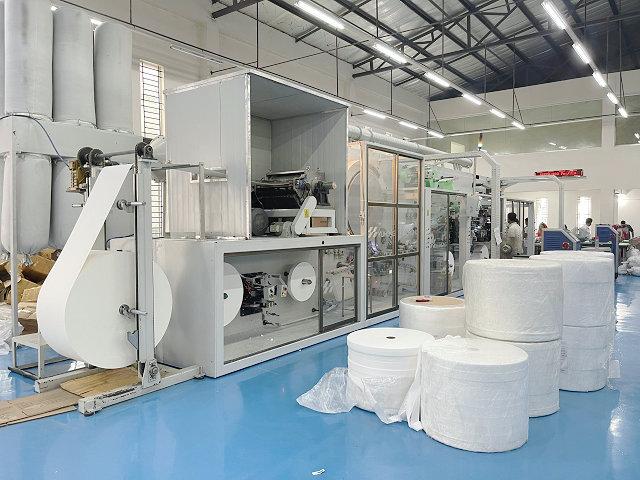
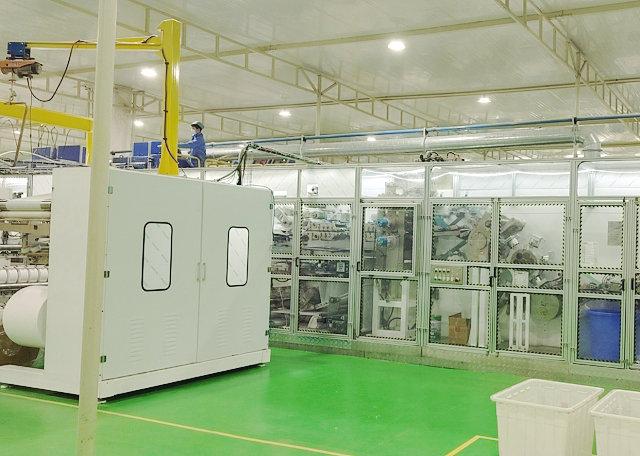
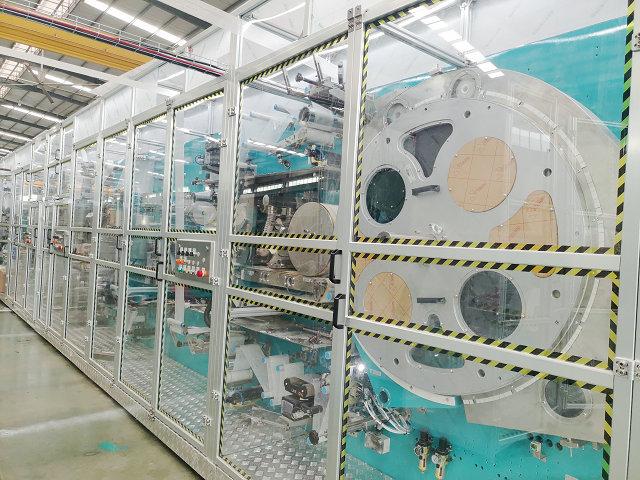
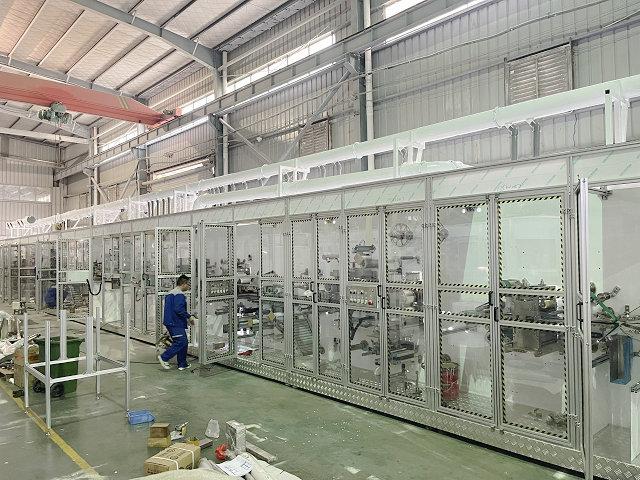
Operating an infant diaper production line safely and consistently requires a defined operating envelope for product, materials, utilities, settings, inspection, and response. The team should verify the production order and line clearance, load the approved recipe and format, inspect machine condition, stage materials, and start stations in the documented sequence. Continuous production begins only after identified samples and packing checks pass. During the run, operators must watch trends and react to alarms, web instability, application changes, product variation, and downstream constraints without bypassing safeguards. The infant diaper production line should be stopped, isolated, investigated, and re-released whenever conditions move outside approved limits.
Define the Operating Envelope
The operating envelope is the approved set of conditions under which a SKU can be made and released. It includes product revision, raw materials and relevant properties, format parts, recipe, permitted operator adjustments, utility quality, environmental needs, line state, inspection functions, sampling, and downstream pack conditions. Values should come from controlled technical documents and validated factory practice rather than from an informal "normal" setting.
Separate design capability from released production. Design speed describes an engineering basis. Configurable range describes available settings. Stable working speed is demonstrated under stated conditions. Actual operating speed is selected according to current process, quality, and schedule. A contractual acceptance value belongs in an approved protocol. Operators need the released envelope, not a sales figure.
The operating envelope ties each released SKU to known materials, settings, utilities, and checks.
Define response boundaries. A control limit can call for adjustment or investigation before a product specification fails. A safety or equipment alarm may require immediate stop. A material substitution may require engineering and quality approval. The instruction should identify who can decide and what evidence is needed to resume.
Complete Pre-Start Authorization
Pre-start begins with work-order verification and line clearance. Confirm the intended SKU, quantity, pack, recipe, format, material list, quality plan, and current revision. Remove previous materials, labels, packaging, products, documents, and change parts. Reconcile returns and scrap. Unidentified items are a hold condition.
Inspect the machine from safe access points: guards, emergency and protective devices, maintenance status, cleanliness, loose items, rolls and mounts, threading references, guides, applicators, cutters, folders, sensors, reject path, counters, and packing interface. Confirm approved utilities and that isolation from previous work has been formally released. Open abnormalities need documented disposition.
Verify staffing and roles. The shift needs named operators by zone, a line lead, material handling, packing support, quality release, maintenance escalation, and authority for stop or adjustment. Review unusual materials, first-run features, temporary controls, scheduled samples, planned care, and communication signals. A technically ready line can still fail if responsibility is ambiguous.
Operating state
Entry evidence
Permitted activity
Exit evidence
Not ready
Open safety, material, setup, utility, or document gap
Authorized corrective preparation only
Gap closed and recorded
Setup
Line cleared, isolated as required, approved format available
Alarm, defect, uncertain output, or envelope breach
Protect output and approved diagnosis
Cause disposition and re-release evidence
Thread, Start, and Release Production
Thread materials according to the approved route and safe access method. Verify roll orientation, material identity, guide positions, contact surfaces, splices, and tension references. Protect webs from damage and contamination. Account for tools before closing guards. If a path differs from the instruction, stop and resolve the revision rather than creating an undocumented alternative.
Start in stages. Establish required utilities and preparation conditions, test authorized station functions, bring in webs, and confirm guiding. Observe core forming, layer assembly, adhesive and elastic application, closures, cutting, folding, detection, rejection, transfer, counting, and packaging as applicable. Change one controlled factor at a time and record deviations from the released recipe.
Controlled threading and staged station startup preserve traceable settings and material condition.
Segregate startup output. Take identified samples through the stabilization period and assess approved dimensions, core condition, placement, adhesive or bond evidence, elastics and closures, cut, fold, appearance, contamination, detection and rejection, count, and pack. Record material lots, recipe, time, operating condition, results, and authorization. Only then define the saleable release point.
Control the Infant Diaper Production Line in Operation
Operators should monitor both machine signals and products. Web edge or tension changes, unusual dust, residue, air leakage, noise, temperature indication, alarm frequency, reject trend, packing backup, and product measurements may reveal a developing condition. Record the first change and its context: station, time, SKU, roll, recent adjustment, and downstream effect.
Use only authorized adjustments inside the documented range. Record material- or product-dependent changes and observe their effect through enough samples to support a decision. Repeatedly moving several settings can mask a worn component or material issue. If the stable condition cannot be restored within the reaction plan, stop and escalate.
Quality checks should follow the sampling plan and may be intensified after startup, material change, stop, maintenance, or trend warning. Automated sensors need periodic challenge under the approved method. Operators should know their limits and verify physical rejection and segregation, not just an on-screen signal.
Coordinate upstream and downstream flow. Ensure rolls and consumables arrive without forcing emergency changes. Communicate expected packing stops and avoid accumulating uncontrolled product. Track the first constraint when several alarms occur. Production control concerns conforming packed output, not the converter display in isolation.
Respond to Alarms, Defects, and Stops
For an alarm, preserve the first event before resetting. Identify station, time, machine mode, SKU, material, and recent change. Follow the alarm guidance and permitted checks. Downstream alarms may be consequences of one upstream event, so reconstruct sequence from history and physical state. Escalate beyond operator authority.
Alarm response should preserve event order and separate the first cause from downstream effects.
For a product failure, identify the last acceptable sample and the first known failure. Hold the uncertain boundary, considering production time, material path, downstream accumulation, inspection capability, and any process delay. Examine likely material, machine, setting, utility, and test causes. Correct under approved authority, then repeat required startup or product checks before release.
For jams or breaks, stop using the documented procedure and isolate hazardous energy before entering guarded areas. Do not pull material from moving components. Inspect for damaged guides, belts, blades, sensors, cables, guards, and foreign items. Clear and re-thread under the approved method, then segregate and verify restart products.
Repeat events should create a maintenance or engineering action with evidence. A reset that restores motion is not a root-cause correction. Trend event counts by SKU, material lot, station, time since cleaning or changeover, and operator observation. Review effectiveness after the correction has run through a relevant operating condition.
Shut Down, Handover, and Preserve State
Planned shutdown should control material stopping points, adhesive or thermal-system procedure, web tension, station sequence, utilities, remaining product, and packing reconciliation. Identify any product that may be affected during deceleration. Follow supplier and factory instructions rather than creating a generic sequence for all configurations.
Clean only approved accessible points during routine shutdown. Technical access follows isolation and maintenance procedures. Record leaks, buildup, wear signals, damaged materials, alarms, and work requests. Preserve current settings and recipes; do not leave undocumented temporary values for the next shift.
Handover should include SKU, recipe, material lots, produced and held quantities, last quality results, current machine state, repeated alarms, temporary controls, maintenance status, upcoming roll changes, packing condition, and planned work. Review physical locations and records together. The incoming shift confirms what it accepts.
Retain a dated startup and shutdown sample record for each newly released SKU until the factory confirms a stable history. This gives engineers a reference when later changes in materials, settings, maintenance condition, or packing behavior need to be separated.
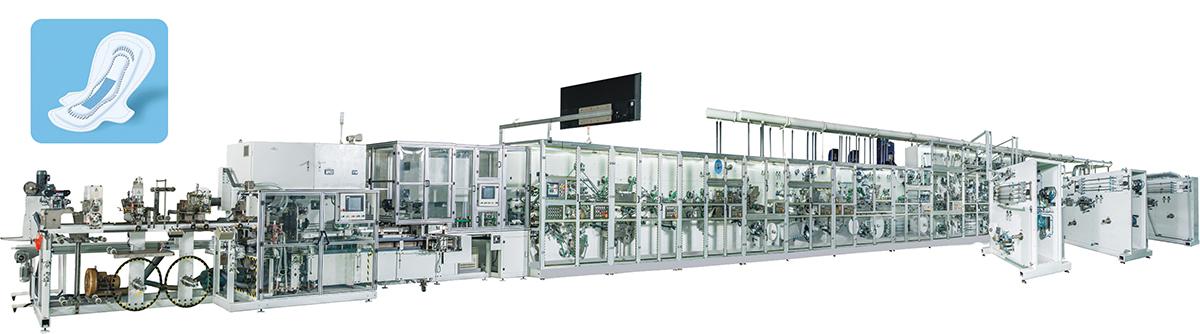
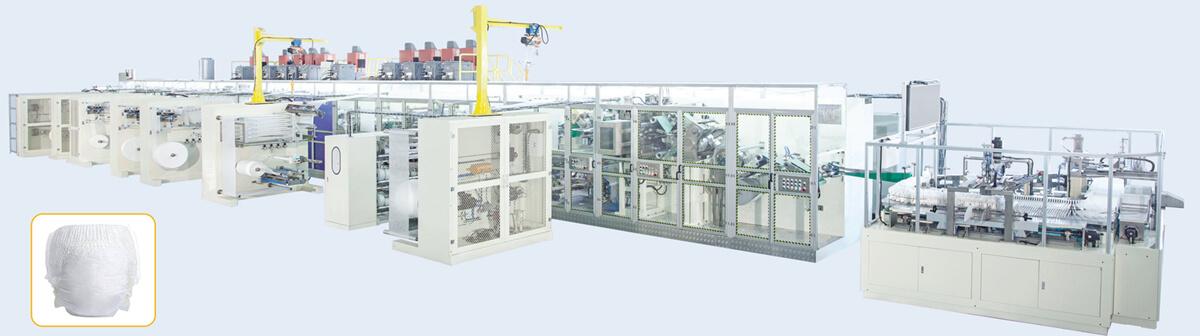
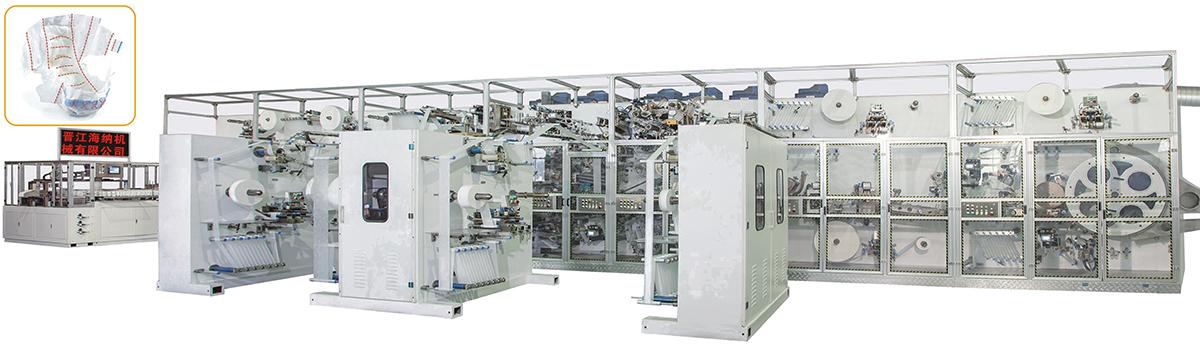
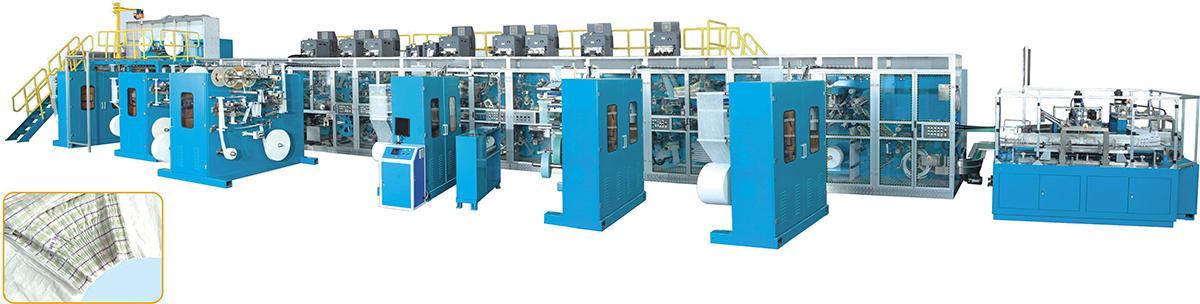
For project preparation, HAINA can demonstrate an operating sequence on the offered automatic infant diaper manufacturing equipment during FAT and training. The factory should convert that demonstration into approved local procedures that incorporate its safety, quality, material, and staffing systems.
Operating Envelope Decision Tree
Is safety or guarding abnormal? Stop or prevent startup, apply the factory safety process, and obtain authorized closure before any production release.
Are product, material, recipe, or format identities uncertain? Hold setup and reconcile controlled records. Do not start on visual similarity.
Are utilities and machine functions within approved condition? If no, correct or escalate; if yes, proceed through staged startup.
Do identified product and pack samples pass? If no, contain startup output and diagnose; if yes, authorize continuous production.
Does a trend or alarm leave the envelope? Protect affected output, stop when required, preserve evidence, correct the cause, and re-release.
The decision tree makes hold, startup, production, and re-release boundaries explicit.
Frequently Asked Questions
Who may change machine settings during production?
Only trained roles within documented permissions and ranges. Recipe or engineering changes need appropriate review, evidence, and revision control. Record adjustments that affect product or process release and provide a rollback state.
When should the operator stop the line?
Stop for safety triggers, conditions required by machine instructions, inability to remain within the approved process or quality reaction plan, uncontrolled material or recipe identity, jams requiring access, or an escalation decision from authorized roles.
Can automatic inspection replace product sampling?
No. Automated inspection covers defined detectable conditions. Product tests and sampling remain necessary for dimensions, construction, bonds, absorbent performance, appearance, pack characteristics, and other requirements outside the sensor's verified scope.
How is production restarted after maintenance?
Account for tools and parts, restore guards and configuration, test affected functions, follow staged startup, challenge relevant detection, segregate startup output, inspect products and pack, and record authorization before saleable release.
Conclusion
Operating an infant diaper production line is a controlled progression through authorization, setup, startup, released running, response, shutdown, and handover. The practical factory action is to post a SKU-specific operating-envelope sheet at document-controlled access and observe one shift against it, recording every setting change, alarm, quality boundary, and release decision. Before routine production, require operators to demonstrate a normal startup and an abnormal hold-and-recovery scenario with representative materials, then close any missing instruction, permission, challenge test, or escalation path.