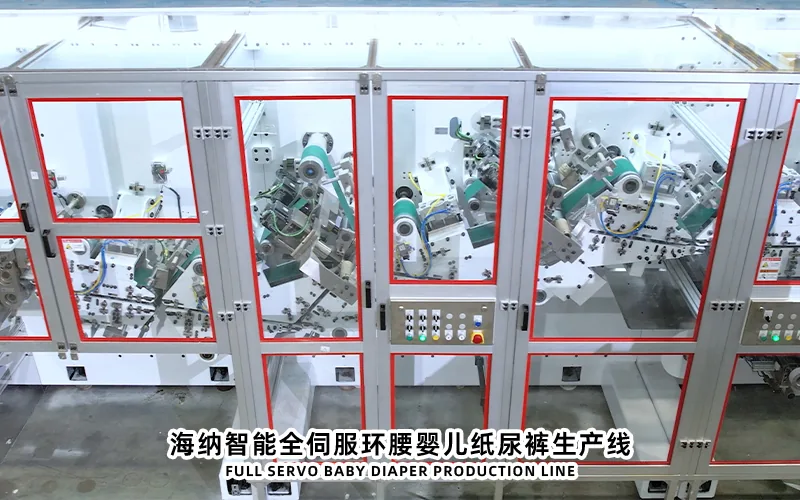
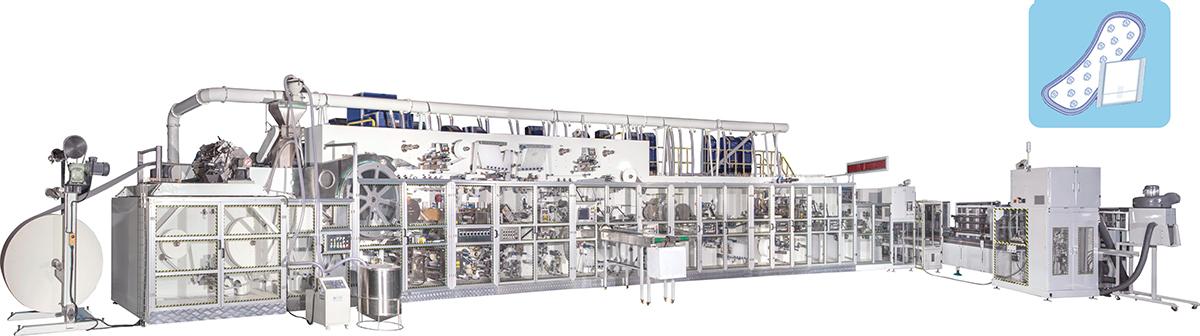
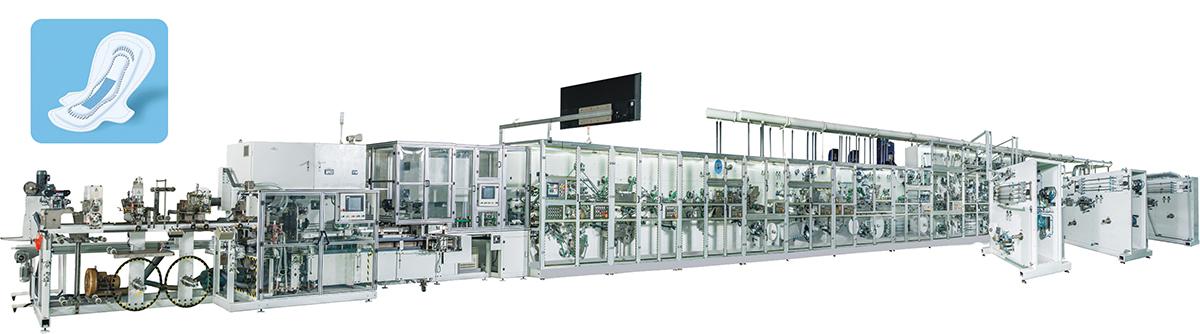
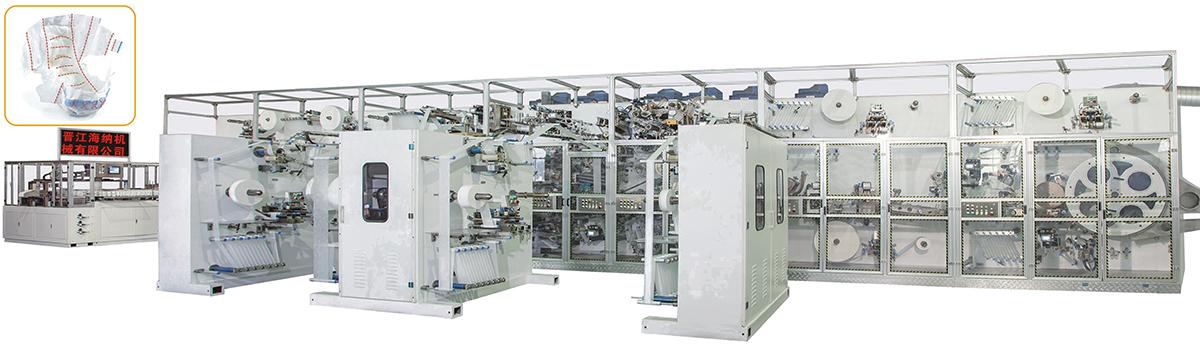
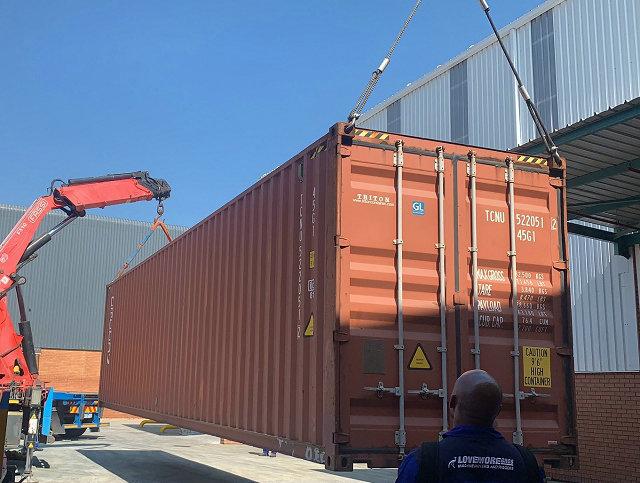
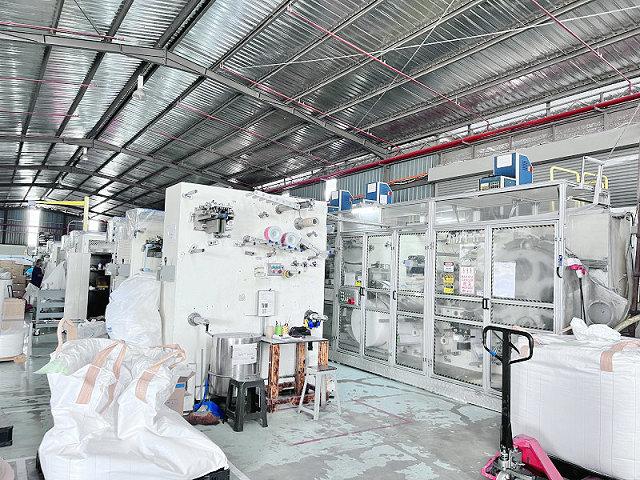
Baby diaper machine manufacturers should make maintenance part of equipment design and handover, not leave it as a generic customer obligation. A factory auditor should verify safe access, identified lubrication and inspection points, wear-part replacement routes, aligned component tags, preventive-task instructions, software and parameter backups, spare-part traceability, and practical maintenance training. The supplier should also show how assembly findings, FAT exceptions, field failures, and engineering changes update the delivered maintenance package. The buyer then adapts intervals to actual duty and site conditions. Approval should depend on representative maintenance demonstrations and complete as-built evidence, not on a short checklist or broad support promise.
Maintenance Duty of Baby Diaper Machine Manufacturers
The equipment supplier controls design information that the buyer cannot reconstruct easily: component selection, access assumptions, alignment references, lubrication needs, protected settings, tooling tolerances, replacement procedures, and software configuration. These inputs should be converted into project-specific maintenance documents before delivery. Generic component manuals can support detail but do not explain how the complete line is assembled or safely serviced.
The factory auditor should look for maintainability in engineering reviews. Ask whether technicians can inspect, clean, lubricate, adjust, remove, align, and replace important components after guards, cabinets, ducts, and adjacent modules are installed. Review lifting points and withdrawal space. A task that was easy during open-frame assembly may become impractical on the finished machine.
Maintenance scope should follow the actual supplied boundary. If the baby diaper manufacturing equipment interfaces with adhesive systems, extraction, packaging, utilities, or buyer-supplied modules, identify which party documents and maintains each interface. Unowned handoffs lead to delayed diagnosis and conflicting instructions.
Maintainability should be reviewed after all guards, modules, and interfaces are represented.
Design for Safe Maintenance Access
Map routine and major tasks against hazards. The line contains drives, rollers, cutting and bonding stations, hot systems where applicable, stored pneumatic or electrical energy, suspended loads, sharp tooling, and tensioned webs. Each procedure should state the required stop, isolation, release of stored energy, guarding condition, and verification before work. The buyer integrates these instructions into its site lockout and permit system.
Access should not encourage bypass. Grease points hidden behind moving webs, sensors that can only be adjusted inside an active zone, or filters blocked by fixed structures create predictable workarounds. The supplier should reroute service points, provide safe observation, add suitable platforms or removable guards, or define a safe stopped method. Audit several common tasks physically rather than relying on drawings.
Heavy or delicate parts need handling plans. Tooling, rollers, motors, gear units, and assemblies may require lifting fixtures, support, balance points, and protected storage. Document mass or handling information from verified engineering data and identify special tools. Observe whether removal can occur within the buyer's proposed layout without dismantling unrelated structures.
Restart is part of the task. Procedures should include tool and part count, guard restoration, setting confirmation, manual checks, controlled movement, first-product inspection, and release responsibility. A maintenance instruction that ends at "install new part" leaves the highest-risk transition undefined.
Deliver a Component-Based Maintenance Plan
Organize tasks by machine hierarchy and component tag. Each entry should identify the location, purpose, failure mode or maintenance reason, method, initial interval basis, required condition, tools, consumables or parts, responsible skill, safety state, completion evidence, and escalation trigger. This is more actionable than broad statements to inspect the machine regularly.
Intervals should come from component and machine guidance, expected duty, environment, and risk. Calendar, operating-hour, cycle, condition, and event-based triggers can all be appropriate. The supplier provides the initial basis; the buyer adjusts it after reviewing actual production, stops, temperature, vibration, wear, contamination, and failure evidence. Changes need approval and recorded rationale.
Separate operator care from skilled maintenance. Operators may perform cleaning, external observation, simple checks, and approved replenishment. Technicians perform isolated inspection, lubrication, adjustment, replacement, alignment, and diagnosis. Controls or software specialists handle protected systems. Quality personnel decide product disposition after maintenance affects the process. Roles should be stated, trained, and assessed.
Connect the plan to drawings and spare identity. Component tags in the maintenance system should match the physical machine, electrical and pneumatic information, lubrication diagram, bill of materials, and troubleshooting guide. Sample several tags during FAT to find mismatches before handover.
Component tags should connect tasks, drawings, spares, settings, and records.
Supplier maintenance evidence
What the auditor checks
Demonstration
Weak result
Access review
Guards, clearance, lifting, isolation
Perform a representative removal
Task works only on an open frame
Task register
Component, method, basis, condition, owner
Trace one task to the machine
Generic interval list
Lubrication map
Point, product, quantity, interval, control
Identify points and dedicated tools
Labels omit lubricant or amount
Spare schedule
As-built part identity and storage needs
Match a spare to installed component
Commercial description only
Backup package
Version, contents, restore method, access
Restore or verify a representative backup
Files exist but are untested
Control Lubrication, Cleaning, and Wear
Lubrication documentation should specify point, approved product, quantity or level, method, initial interval, access, and contamination protection. Identify sealed components and centralized-system checks. Mixing products or overfilling can damage components. On an absorbent-product line, excess lubricant can also reach webs or finished products, so post-task inspection and quality segregation rules matter.
Cleaning instructions should reflect fibers, dust, absorbent material, adhesive residue, trim, and wrapper debris present in each zone. State approved tools and agents, isolation, guard removal, sensitive surfaces, collection points, inspection, and restart. Compressed-air cleaning or aggressive scraping should not be assumed acceptable because they can spread debris or damage components.
Wear monitoring needs measurable references where practical. Cut quality, tooling condition, belt or chain state, bearing behavior, roller surfaces, clearances, guides, seals, and adhesive components may be monitored according to design. Define acceptable condition and escalation. Repeated adjustment is evidence to investigate, not a permanent maintenance strategy.
After replacement or adjustment, verify alignment, rotation, fastening, guarding, settings, and product quality. Record the removed-part condition because it helps evaluate intervals and root cause. Throwing away the evidence before review weakens the maintenance program.
Make Troubleshooting Evidence Usable
Troubleshooting should move from symptom and safety state to evidence, not from guess to part replacement. The supplier can provide fault trees or diagnostic sequences for common events: web tracking loss, tension instability, poor cut, bond variation, elastic break, sensor fault, reject failure, drive trip, temperature deviation, or communication issue. Each sequence should preserve conditions and identify when escalation is required.
Alarm descriptions should name the source and likely checks without inviting operators to bypass protection. Event logs, trends, recipe identity, counters, and software version can help reconstruct the event. The buyer should know how to export or capture this information and how long it remains available. A photograph of an alarm screen without machine condition or time context is limited evidence.
Service requests should include machine and project identity, product format, material, operating state, recent change, alarm text, timeline, photographs or video where appropriate, settings under controlled access, and actions already taken. The manufacturer should show how this evidence is routed to mechanical, controls, process, or quality expertise and how the resolution is recorded.
Prepare Spares, Tools, and Backups
Spare recommendations should state installed part identity, function, failure consequence, replacement complexity, supplier source, and storage need. The buyer sets quantities from local availability and maintenance strategy. Critical does not always mean frequently consumed; a low-failure item can still deserve planning when its absence creates a long interruption.
Wear and format parts need clear distinction. Store tooling and change parts in protected, labeled positions that prevent damage and mix-ups. Include drawings or inspection references for parts that can wear or be repaired. If matched sets are required, identify them as sets.
Special tools, lifting devices, calibration aids, alignment references, and diagnostic cables or software should appear in the handover schedule. Confirm access rights and file formats. Software and parameter backups need project identity, version, date, protected storage, restore instructions, and a verification method. A backup copied before final FAT changes may not match the delivered machine.
Handover should match spares, tools, and backups to the final as-built configuration.
Verify Training and Service Feedback
Training should be role based. Operators practice inspection, startup, normal running, alarms, stopping, cleaning, and controlled recovery. Maintenance technicians practice isolation, access, lubrication, inspection, adjustment, replacement, alignment, and restart. Controls staff practice backup, version identification, fault evidence, and protected recovery. Supervisors learn escalation and record review.
Use practical exercises and competency evidence. Ask a trainee to locate a component in the drawing, isolate a representative task, identify the correct lubricant or spare, diagnose a controlled fault, restore guards, and complete the record. Attendance alone does not prove that a team can maintain the line.
Field feedback should return to engineering and documents. HAINA can support maintenance review, training, and project service for its supplied equipment. The auditor should verify how recurring service findings update manuals, spare schedules, access designs, alarm guidance, and future builds rather than remaining inside individual messages.
Supplier Maintainability Audit
Witness access: Choose a lubrication point, sensor, wear item, drive component, and tooling assembly; verify isolation, clearance, tools, and restoration.
Reconcile identity: Match physical tags to drawings, task records, spare schedule, alarm text, and as-built bill of materials.
Challenge recovery: Simulate one approved fault, preserve evidence, follow diagnosis, correct it, inspect first output, and close the record.
Test handover: Have the buyer team locate the correct manual section, backup, spare, lubricant, change part, and escalation contact without supplier prompting.
Maintainability acceptance should use practical tasks on the finished equipment.
Frequently Asked Questions
Who sets the final maintenance intervals?
The supplier provides the initial engineering basis. The operating factory reviews intervals against actual duty, condition, environment, risk, and failure evidence through controlled approval.
Are component manuals enough for handover?
No. They need line-level context: physical tags, access, isolation, task relationships, settings, interfaces, spares, and the final delivered configuration.
What maintenance task should be witnessed at FAT?
Select representative high-risk or frequent work, such as guarded access, tooling change, lubrication, sensor replacement, or backup recovery, based on the actual configuration.
How should recurring faults affect supplier review?
Check containment, evidence, root cause, corrective verification, affected-project review, and updates to design, manuals, training, or spare recommendations.
Conclusion
Baby diaper machine manufacturers support maintenance best when the finished design provides safe access, component-level tasks, controlled lubrication and cleaning, measurable wear checks, useful diagnostics, traceable spares, verified backups, practical training, and an engineering feedback loop. Before accepting the supplier, ask the buyer's maintenance team to perform several representative tasks on the completed machine and reconcile each one with the documentation. The next factory verification action is to close every mismatch in tag, access, method, part identity, setting, safety state, and restart evidence before shipment or final site acceptance.