Effective usage of baby diaper machine manufacturers means using the supplier's engineering knowledge to establish a controlled operating system, not depending on the supplier for every routine decision. A production manager should convert commissioning settings into approved recipes, train operators by task, standardize startup and changeover checks, record quality and downtime by cause, and preserve a clear escalation package. The baby diaper machine then becomes repeatable factory equipment rather than a project that only runs well beside a visiting technician. Supplier support is most valuable when it builds local competence and leaves traceable evidence.
Convert Supplier Knowledge Into Plant Control
The manufacturer knows the equipment design, control logic, adjustment points, and intended maintenance methods. The plant knows its products, materials, staffing, environment, quality rules, and shift pressures. Effective operation joins those two knowledge sets. During installation and commissioning, assign an operator, maintenance technician, quality representative, and supervisor to each learning objective. Their task is to demonstrate competence and capture approved practice, not merely attend a classroom session.
Collect information in controlled factory documents. The operating set should include the accepted product recipe, threading map, startup sequence, shutdown sequence, cleaning method, change-parts list, defect guide, alarm response, lubrication plan, inspection intervals, and escalation route. Identify document versions and the responsible approver. Uncontrolled photographs and chat messages may support learning, but they should not become the only source for a critical adjustment.
Define decision rights. Operators may be permitted to adjust selected settings within an approved window, while tooling alignment, safety devices, and protected control parameters require maintenance or engineering authorization. Quality personnel decide product release against the plant specification. The supplier advises within the agreed technical scope. This prevents a remote suggestion from bypassing the site's change control and keeps safety, quality, and production ownership clear.
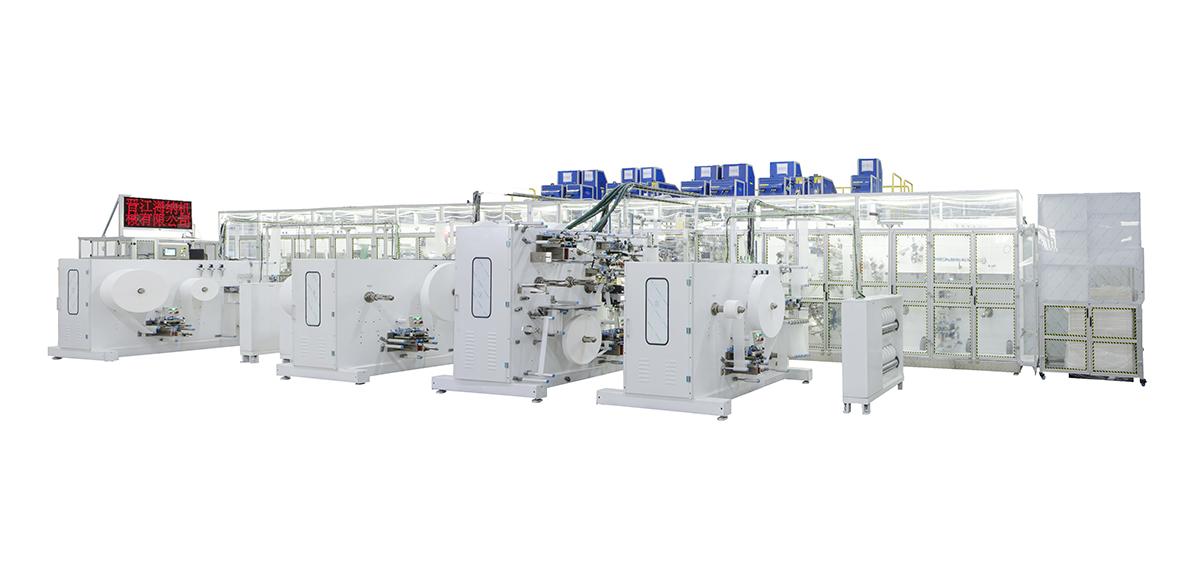
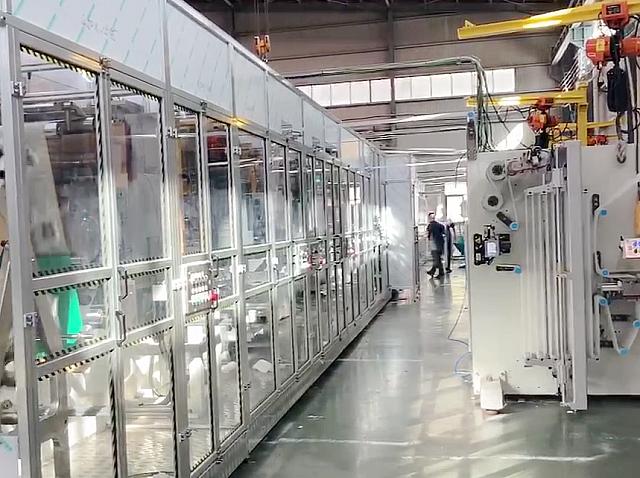
Commissioning should leave the local team with approved methods, role ownership, and traceable settings.
Prepare the Baby Diaper Machine for Startup
A reliable shift begins before the start command. The operator checks that the correct product order, recipe, materials, change parts, adhesives, labels, and packing destination are available. Maintenance verifies that guards are secure, inspection findings are closed, lubrication is current, and tools are removed. Utilities must be stable within the specified conditions. Quality confirms the current product drawing, sample plan, and disposition rules.
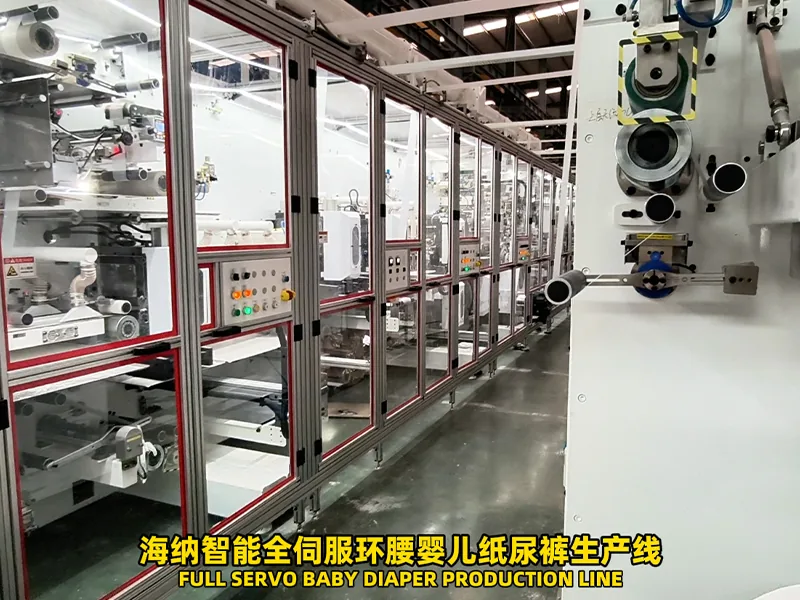
Walk the material route from unwind to discharge. Confirm roll orientation, splice preparation, web paths, guide positions, tension zones, core-forming inputs, elastic or tape placement, adhesive readiness, cutting stations, folding, inspection, reject route, and packer handoff. Use positive identification for each material. Similar-looking nonwovens or films can create defects even when they fit physically, so label checks should connect the production order to the approved material code.
Warm-up and synchronization should follow the validated sequence. Record the first material movement, first complete article, adjustments, rejected setup units, and first sample approved by quality. Do not blend setup loss into unexplained running waste. A defined startup record allows the production manager to compare shifts and identify whether delays come from material staging, utilities, machine condition, recipe control, or approval response.
Hold a Stable Running Window
Stable running is a controlled window in which material behavior, machine settings, product quality, operators, and downstream handling remain capable together. It is not the fastest moment shown on the control screen. Set a normal operating target only after trials establish acceptable output for the actual format. Keep design speed, demonstrated stable working speed, current operating speed, and any contractual acceptance value as separate records.
Operators should watch leading indicators rather than wait for finished-product rejection. Examples include web tracking, tension behavior, pulp or absorbent distribution, adhesive condition, component position, cutter cleanliness, fold timing, vacuum condition, temperature where applicable, and discharge spacing. The exact checks depend on the supplied process and product. Mark normal ranges and reaction plans on the approved centerline sheet; do not invent generic limits.
Use short interval control during ramp-up or after a change. At planned checkpoints, record acceptable output, rejects by defect, minor stops, material changes, and significant setting movements. If a variable drifts, contain affected product, return to the last approved condition, and investigate one cause at a time. Simultaneous unrecorded adjustments destroy the evidence needed for diagnosis.
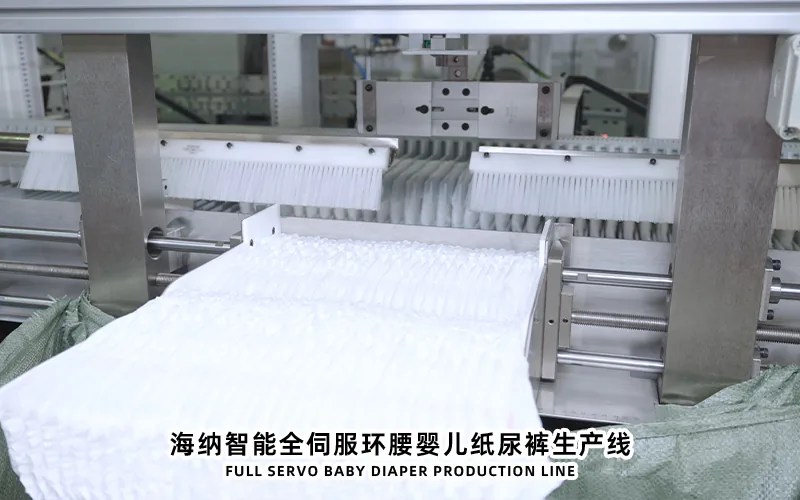
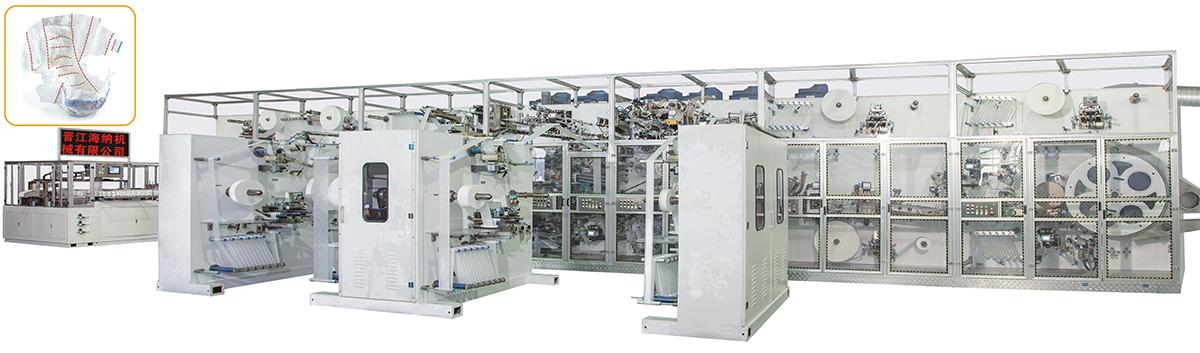
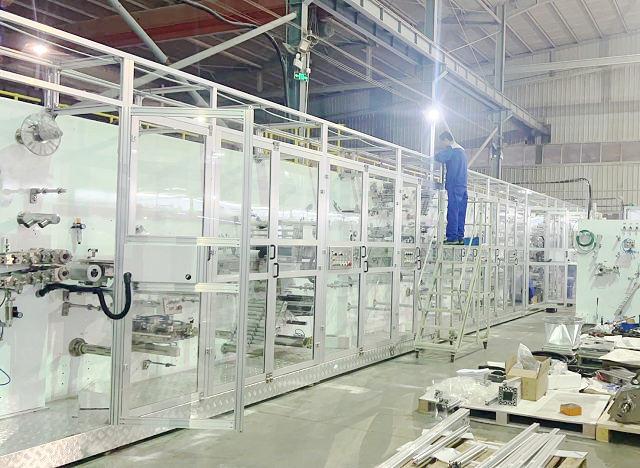
Stable production comes from controlling the entire process window, including the downstream handoff.
Control Material and Quality Variation
Material variation can appear as tracking changes, unstable tension, dust, poor cut quality, bonding differences, elastic response, or inconsistent core formation. Preserve roll and lot traceability in the shift record. When a defect starts, mark the time, product count or roll position, lot, station, sample, and recent event. Quarantine uncertain output according to the site's quality procedure. This gives purchasing and suppliers evidence for a material investigation without prematurely blaming the machine.
Create a defect-to-process map. For each recurring defect, list the product characteristic, likely contributing stations, safe first observations, measurements, and who may adjust the process. For example, component displacement may involve material tension, guiding, transfer timing, adhesive condition, or tooling alignment. The map should guide disciplined checks; it must not encourage operators to bypass guards or alter protected parameters.
Retain approved reference samples for each format and establish a sample labeling method. Visual standards are useful for folds, seals, contamination, and placement, while dimensions and performance characteristics require the plant's specified instruments and methods. Trend results by shift, format, and material lot. A single acceptable sample does not prove stable quality, and a single defect does not identify a root cause.
Make Changeovers Repeatable
Break changeover into preparation, shutdown, clearance, cleaning, mechanical conversion, recipe selection, threading, dry checks, startup, first-piece inspection, and release. Stage verified change parts, materials, tools, and instructions before stopping the line. Give each part an identification and storage location. A missing spacer or mislabeled cutter can create a long delay and repeated adjustment after startup.
Record last acceptable product of the old format and first acceptable product of the new one. Separate active work from waiting for materials, tools, maintenance, quality, or instructions. The production manager can then improve coordination without hiding necessary cleaning or verification. Observe who performs each action and whether parallel work is safe. The fastest sequence is not acceptable if it weakens product clearance, guarding, or quality approval.
After a successful conversion, update the approved setup sheet only through change control. Capture tooling positions, recipe version, material codes, special checks, and known sensitivities. HAINA can support review of the equipment-specific sequence and adjustment logic, while the factory owns authorization of its operating standard and product release.
Changeover acceptance sequence
Confirm the next order, drawing, materials, recipe, and tooling.
Identify and segregate remaining old-format material and product.
Complete cleaning and guarded mechanical work under site procedures.
Verify change parts, paths, settings, and inspection devices.
Run setup material and record every controlled adjustment.
Release production only after required samples are accepted.
Code Downtime Before Solving It
Useful loss analysis begins with mutually understood categories. Separate planned work, no order, missing material, material defect, utility interruption, upstream or downstream blockage, machine mechanical fault, electrical or control fault, quality hold, changeover, cleaning, and operator response. Keep categories few enough for consistent use, then capture a more specific reason in notes. Avoid placing every unexplained event under "machine stop."
Event class
Immediate record
First owner
Evidence for review
Material behavior
Lot, roll, station, symptom, time
Production and quality
Samples, labels, roll position, settings
Machine fault
Alarm, sequence state, affected module
Maintenance
Alarm history, photos, replaced part
Quality hold
Defect, first known good, suspect range
Quality
Measurements, retained samples, traceability
Changeover delay
Step, waiting reason, role
Production supervisor
Timeline, missing resource, release time
Downstream block
Receiver state and accumulation point
Area owner
Line status and product flow record
Preserve the original symptom before resetting controls or replacing parts. Record alarm text, event sequence, operating format, speed state, recent adjustments, material lot, and the first recovery action. A short stop may need immediate restoration, but repeated events require a structured investigation. Rank them by lost time, frequency, quality exposure, and safety consequence rather than choosing only the most memorable failure.
Build Useful Shift Records
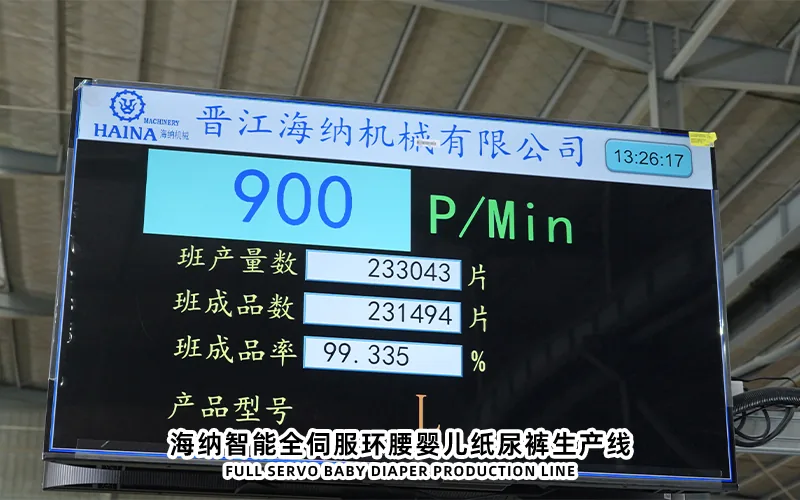
A shift record should explain what the line was asked to make, what it actually made, what prevented output, and what remains open. Capture order and format, recipe version, material lots, start and finish, accepted units, rejected units by reason, setup output, downtime by class, quality samples, maintenance actions, and handover notes. Use the plant's validated calculation methods; do not create attractive percentages from incomplete inputs.
At handover, the outgoing and incoming team should walk open conditions together. Identify isolated equipment, temporary settings, quarantined product, nearly finished rolls, tools or parts in use, active faults, and the next required check. Supervisors review unusual setting movement and repeated stops daily. Engineering reviews longer trends to improve standards, spares, materials, or design. The record must trigger action, not become paperwork stored without use.
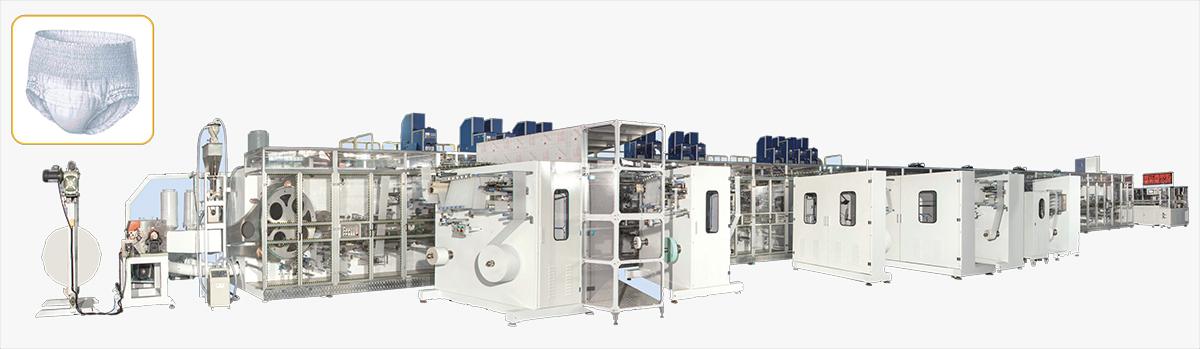
For teams planning a similar operating system, the automatic baby diaper manufacturing equipment page provides a product context for defining module-level checks. Link every local check to the actual supplied configuration because inspection points and operator tasks can differ by project.
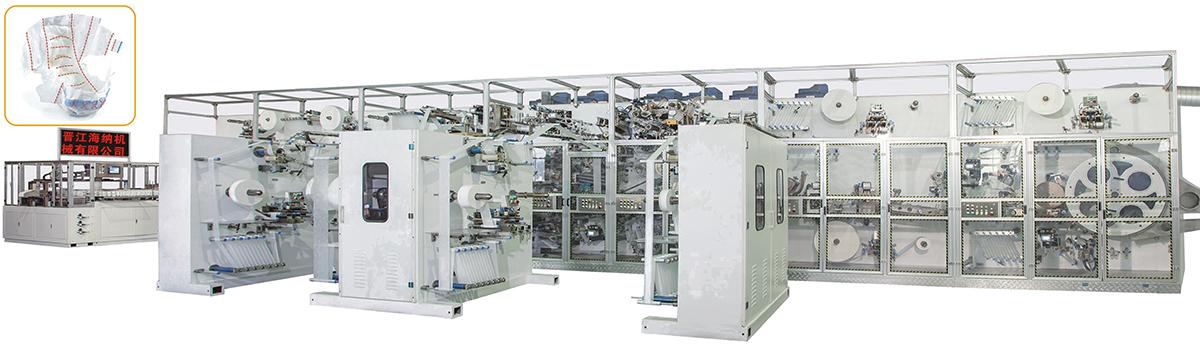
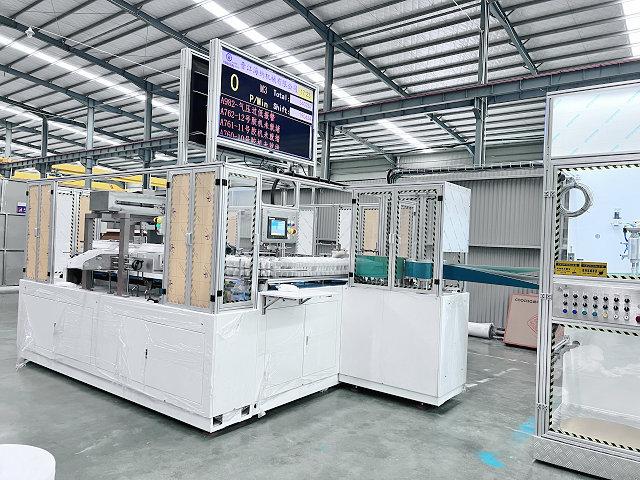
Shift controls should cover materials, converting stations, inspection, rejects, and the final product transfer.
Escalate With an Evidence Package
When local troubleshooting does not resolve a machine-specific problem, send a concise evidence package. State machine identification, software or recipe version where relevant, product format, material lot, operating state, exact symptom, start time, frequency, alarms, recent changes, safe checks completed, parts replaced, and current production impact. Add clear photographs, a short focused video if permitted, trend or event exports, and labeled sample images. Remove confidential information according to company policy.
Ask one precise technical question and name the support needed: interpretation, a check sequence, drawing clarification, parameter review, or parts identification. Record advice in the maintenance ticket and route any setting or software change through authorization. After correction, verify the affected product characteristics and run long enough to confirm that the original symptom has not returned under the same conditions.
Close the loop by updating the defect map, spare strategy, inspection route, lesson, or training assessment. Manufacturer contact has been used effectively when the plant becomes more capable after each event. Repeated calls with no internal record indicate a knowledge-management problem even if the immediate stop is restored.
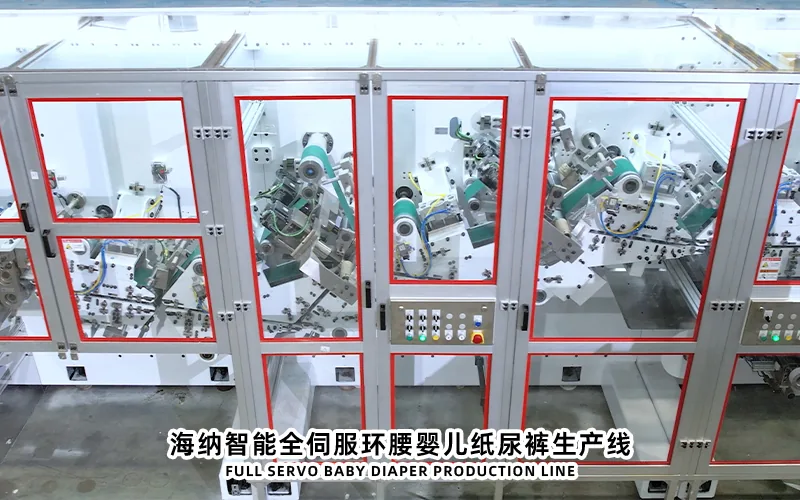
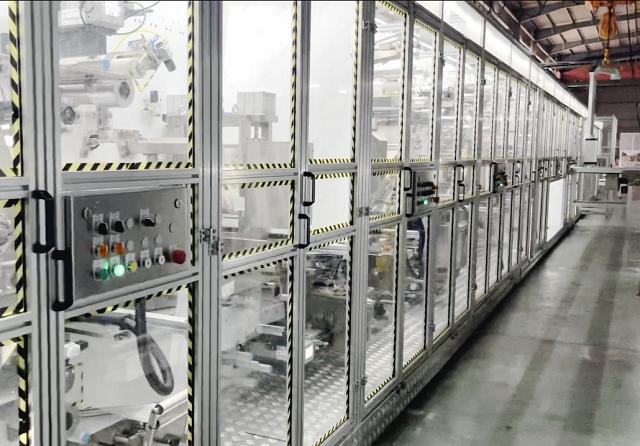
Clear module identification and access help teams document symptoms before technical escalation.
Frequently Asked Questions
Should operators adjust settings whenever quality drifts?
Only within approved authority and process windows. First contain suspect output, identify the changed condition, and use the reaction plan. Protected or structural adjustments belong to authorized technical personnel.
What is the best first measure of a shift?
There is no universal single measure. Review acceptable output alongside planned work, setup, rejects, downtime cause, quality status, and open risk. One total can conceal the action the next shift needs.
When should the equipment manufacturer be contacted?
Escalate after safe local checks when the issue concerns machine design, controls, documentation, parts identification, or a repeated symptom outside local competence. Send evidence instead of a general report that the line is not working.
How can training effectiveness be verified?
Use task demonstrations. Ask each role to complete startup checks, a normal operation, quality response, changeover task, safe fault response, and record handover under observation against an approved checklist.
Conclusion
Effective operation of a baby diaper machine grows from disciplined transfer of manufacturer knowledge into plant-owned recipes, checks, records, and competence. Establish the startup baseline, protect the stable process window, trace materials, standardize changeovers, code downtime honestly, and escalate with evidence. The production manager's next action should be a witnessed shift audit: select one format, follow it from preparation through handover, compare actual actions with approved documents, sample quality, classify every stop, and assign closure owners for each gap. Use the findings with the manufacturer to verify machine-specific corrections and then update the controlled factory standard.