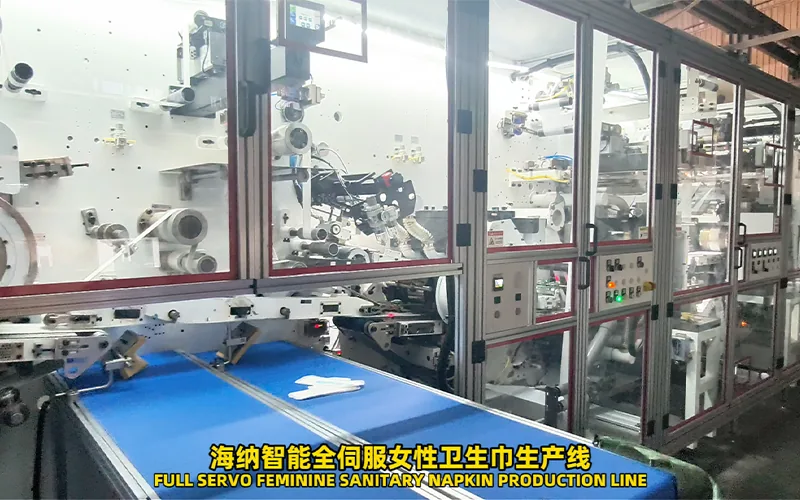
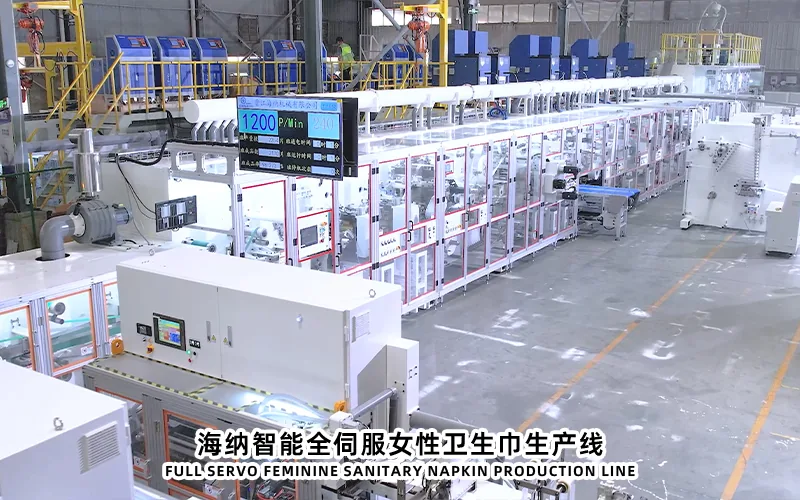
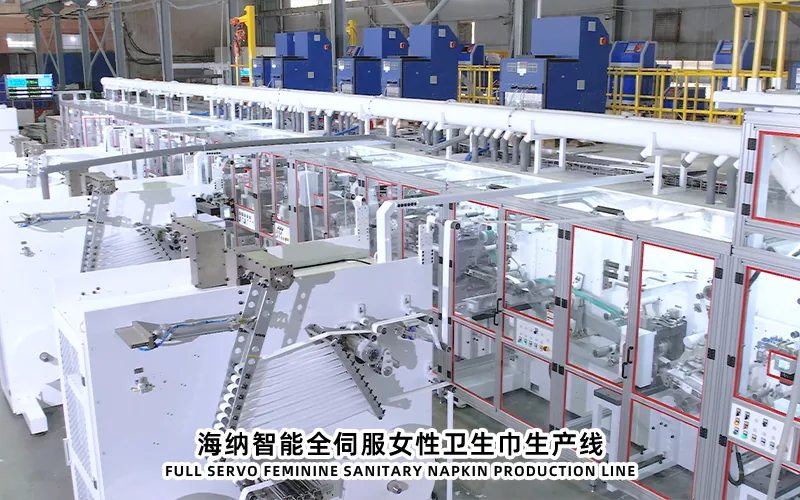
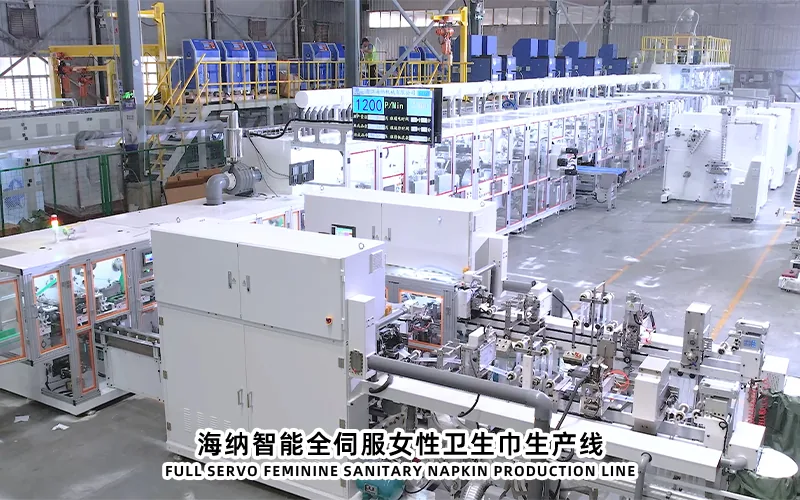
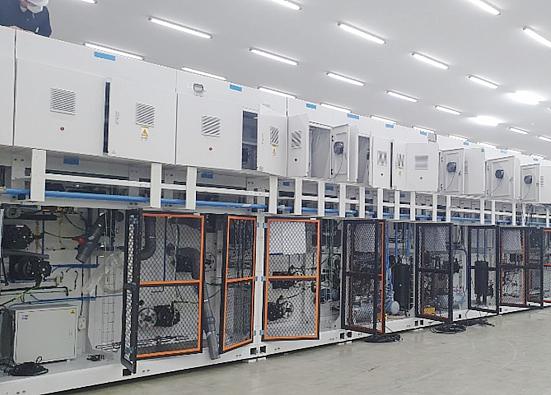
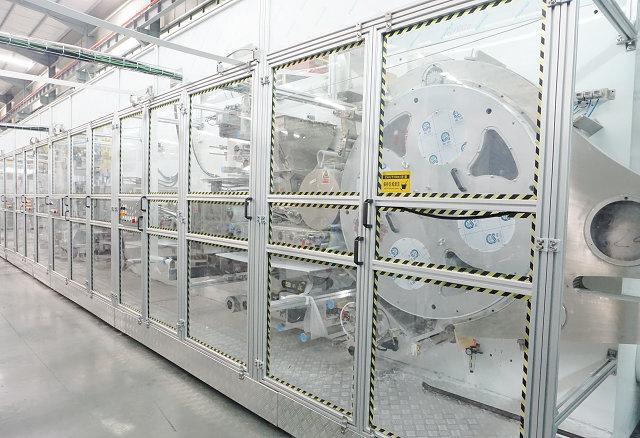
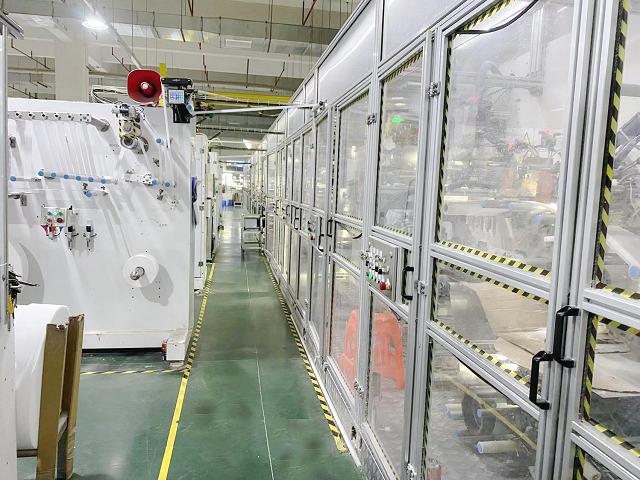
Safe design and maintenance of a fully automatic sanitary pad machine require a documented risk assessment, effective guarding and access controls, defined isolation of every energy source, maintainable process access, competent personnel, condition-based inspection, and controlled restart. Automation does not remove hazards from moving webs, rollers, cutters, drives, heat or adhesive systems, compressed air, electrical equipment, stored energy, or heavy rolls. The factory should convert the supplier's instructions into site tasks with responsible roles, intervals or condition triggers, acceptance criteria, parts, tools, and records. After maintenance, verify reassembly, guards, settings, housekeeping, and product quality before releasing production.
Design risk control into the line
Safety begins with the configured process, not a generic machine label. Review material loading, threading, startup, normal operation, sampling, roll changes, splice preparation, cleaning, blade or cutter work, adhesive-system work, blockage removal, fault diagnosis, changeover, planned maintenance, major repair, and decommissioning. For each task, identify who is exposed, the energy or movement involved, credible misuse, product contamination risk, and the control that prevents or reduces harm.
Typical areas requiring project-specific review include unwind rolls and lifting, nip and draw points, rotating shafts, cutters, folding and transfer mechanisms, drives, electrical cabinets, compressed air, vacuum, heat or molten adhesive where used, stored tension, gravity, and automatic restart. This list is not a substitute for the supplier and factory risk assessments. The final controls must match the purchased layout, auxiliaries, site utilities, and local requirements.
Prefer design measures that keep people away from hazardous motion during foreseeable work. Guards, fixed covers, interlocked access, safe observation, remote adjustment where appropriate, threading aids, lifting provisions, service clearance, and accessible isolation can reduce reliance on behavior. Where an operating mode permits limited movement for setup or diagnosis, its authorization, controls, speed or movement condition, and safe working method must be specifically engineered and documented.
Risk review should continue through engineering changes. A new material path, sensor, cutter, applicator, inspection device, access panel, software sequence, or packing interface can alter hazards and stopping behavior. Require documented review, approval, updated drawings and instructions, testing, and personnel communication before release.
Safety review should follow actual operating and maintenance tasks across each configured station.
Isolation for a fully automatic sanitary pad machine
Isolation must cover every energy that can create hazardous movement or release. Depending on the configuration, this can include electrical supplies, compressed air, vacuum, hydraulic or pneumatic stored pressure, gravity, spring force, rotating inertia, web tension, heat, and adhesive pressure or temperature. Identify sources on drawings and at the machine. A main electrical disconnect alone may not neutralize all stored or separate supplies.
Site procedures should define shutdown, source identification, isolation, personal control devices, dissipation or restraint of stored energy, verification of a zero-energy or otherwise specified safe condition, work execution, personnel accounting, restoration, and restart authorization. Tasks requiring partial energy for diagnosis or adjustment need a separate engineered method and risk control. They should not become informal exceptions to isolation.
Test isolation points during installation and periodically under the factory program. Confirm labels, access, lock accommodation, circuit correspondence, bleed or restraint method, and verification points. Sample real tasks: cutter replacement, sensor alignment, web clearing, drive work, pneumatic component replacement, and adhesive maintenance. The worker must be able to identify the correct sources without relying on undocumented memory.
Contractors and supplier technicians must enter the same coordination system. Define who controls shutdown, who verifies isolation, how group work is managed, how shift changes are handled, and who authorizes re-energization. Production pressure never justifies bypassing this sequence.
Inspect guards and safety functions
Guards and access devices should be inspected for physical condition, secure mounting, correct fit, damage, unauthorized openings, and evidence of defeat. Interlocked access should stop or prevent hazardous operation according to the designed control behavior. Emergency devices, reset functions, warning indicators, and restart prevention should be tested through approved methods at defined intervals and after relevant maintenance.
A safety function test needs more than pressing a device and observing a stop. The task should state the starting condition, action, expected machine response, affected zone, reset behavior, restart condition, test record, and response to failure. Where stopping time or distance is an engineered criterion, use the specified method and value from the approved design source. Do not invent a general acceptance limit.
Bypass or override control is a major governance issue. If a controlled bypass is required for a defined engineering task, record authorization, purpose, duration, compensating controls, indicator state, responsible person, and removal verification. Routine production must not continue with a defeated device. Alarm histories and access records can help reveal recurring bypass pressure or nuisance trips that need engineering correction.
Function tests should be tied to device identity, expected response, reset behavior, and documented release.
Plan safe maintenance access
List maintainable items by station and task. Include unwind supports, guides, tension devices, core-forming areas, adhesive systems, elastic feeds, applicators, cutters, folding units, transfer belts, bearings, drives, sensors, inspection devices, reject mechanisms, extraction, filters, and control cabinets as configured. For each task, assess access posture, reach, lighting, removed guards, lifting, sharp edges, contamination controls, and the possibility of dropped tools or parts.
Cleaning plans should distinguish routine external cleaning from access requiring isolation and disassembly. Specify approved materials and methods, sensitive sensors or surfaces, adhesive residue handling, dust or absorbent-material collection, waste containment, and inspection after cleaning. Avoid compressed-air practices that spread contamination or drive debris into components unless the approved instruction specifically controls the risk.
Cutting and sharp-tool tasks need dedicated storage, handling, protection, removal, installation, alignment, disposal, and verification instructions. A worn cutter can create product defects before it causes a stop. Record observed cut condition, tool identity, replacement reason, adjustment, and product samples after work. Use suitable handling aids and personal protection defined by the risk assessment.
Heavy rolls, assemblies, and motors require lifting plans appropriate to their weight and center of gravity. Verify rated lifting points, access route, equipment compatibility, attachment method, and exclusion zone from approved technical information. Never infer a lifting point from convenient machine structure.
Safe task planning sequence
Identify the machine, station, task, product state, and responsible competent person.
Review hazards, energy sources, isolation, access, lifting, tools, parts, and contamination controls.
Confirm the current instruction, drawings, settings, wear criteria, and required measurements.
Establish isolation and verify the defined safe condition before access.
Perform the work, inspect adjacent components, and record findings and replaced parts.
Reassemble, account for tools and personnel, restore guards, and independently verify critical items.
Restore energy through authorization, conduct controlled startup, and release product after checks pass.
Set task intervals from condition and risk
Start with supplier and component-maker requirements, then adapt the site's schedule using operating history without exceeding mandatory limits. Triggers may be calendar time, operating hours, production cycles, material quantity, changeover events, cleaning events, or measured condition. Record the source of every task and who is authorized to revise it.
Use short operator care routes for visible condition: cleanliness, damage, unusual sound, heat, vibration, leakage, tracking, debris, loose parts, alarm recurrence, and product-defect signals. Planned maintenance can then measure or inspect wear, alignment, belt and bearing condition, cutter quality, filters, sensor mounting, pneumatic condition, adhesive delivery, drive history, and safety functions according to the installed equipment.
Do not use one universal replacement interval without evidence. Product construction, material dust, adhesive, operating pattern, cleaning, environment, loading, and previous adjustments affect deterioration. Define alert and action criteria where engineering data supports them. Where no numeric limit is available, use controlled reference condition, defect examples, trend direction, and an escalation point.
Review schedule effectiveness. Compare planned tasks with failures, minor stops, defects, replaced-part condition, and emergency work. A task that repeatedly finds no useful condition may need a different method or interval; a failure occurring between checks may require stronger monitoring or design improvement. Document the decision and verify the change.
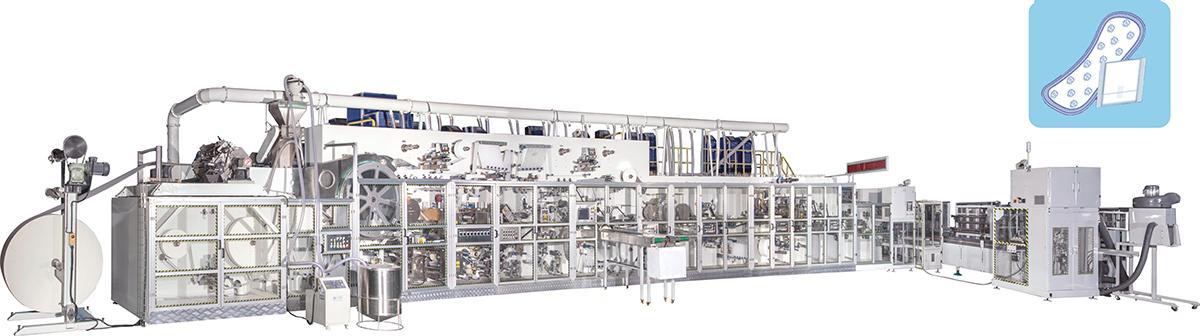
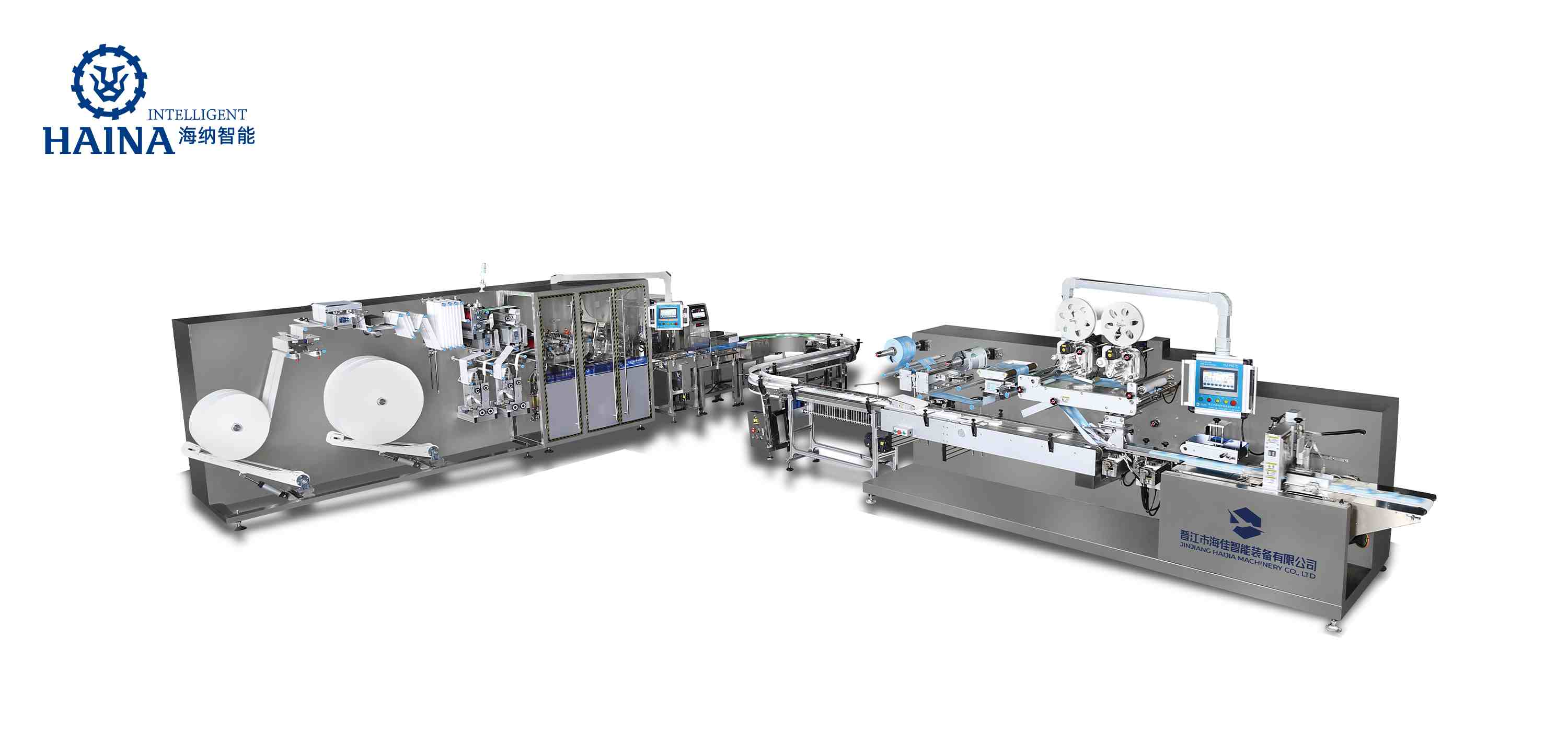
The automatic feminine sanitary napkin machine category supplies the equipment context. HAINA can review configuration-specific maintenance requirements and FAT checks, while the receiving factory remains responsible for integrating those instructions into its site safety and maintenance system.
Condition routes should connect visible equipment findings with product defects, stop history, and planned intervention.
Control spares and technical changes
Build spare stock from risk rather than copying a generic list. Consider failure consequence, probability, lead-time exposure, interchangeability, storage life, preservation, repairability, and detection before failure. Identify normal wear, startup, critical, and general parts separately. Store cutters, sensors, belts, bearings, drives, controllers, and other items under suitable conditions with machine and location references.
Before fitting a substitute, verify dimensions, material, rating, function, software or firmware compatibility, safety effect, quality effect, and required setting or validation. A part that physically fits may change response time, load, accuracy, guarding, or inspection behavior. Require engineering approval and update parts data, drawings, tasks, spares, software, and training as affected.
Machine changes require formal control. State the reason, affected product and equipment, risk assessment, authorization, implementation steps, backup or rollback, test plan, document updates, and communication. Temporary repairs should have defined limits, inspection, owner, expiry, and permanent resolution. They must not quietly become the normal design.
Verify recovery before production release
After work, inspect the maintenance area for correct parts, fasteners, alignment, connections, lubrication where specified, removed restraints, closed drains or vents, tools, waste, and personnel. Restore guards and access devices. Verify critical settings, recipes, sensor references, software versions, and inspection thresholds against the approved baseline.
Restore energy through the site authorization sequence. Use controlled motion and observe the repaired station and adjacent process. Test affected alarms, guards, interlocks, rejection, and other functions by approved methods. If a safety control fails, return the equipment to a controlled unavailable state until corrected.
Segregate startup output. Quality should inspect characteristics connected to the work, such as dimensions, component position, cut edge, core condition, elastic placement, bonding, fold, or reject operation. Record the first accepted product and release authority. Monitor the area for recurrence during a defined follow-up appropriate to the failure risk.
Close the work order with condition found, cause where established, work performed, parts, settings, measurements, test results, product samples, documents changed, and follow-up. Uncertain or recurring causes should remain visible for engineering investigation rather than being closed as reset complete.
Recovery is complete only after safety functions, process condition, product samples, and records support release.
Frequently Asked Questions
Does fully automatic mean the line needs less safety control?
No. Automation changes interaction but does not remove motion, cutting, electrical, pressure, heat, stored-energy, roll-handling, or intervention hazards.
How often should safety functions be tested?
Use the approved design, supplier and component requirements, site risk assessment, relevant local obligations, and operating history. Do not invent one interval for every device.
Can maintenance run the line with a guard bypassed for diagnosis?
Only under a specifically engineered, authorized method with defined controls when such a mode exists. Informal bypass during routine production is unacceptable.
What proves that maintenance is complete?
Documented reassembly, tool and personnel accounting, restored guards, successful function tests, controlled startup, acceptable product samples, and authorized release establish completion.
Conclusion
Safety design and maintenance of a fully automatic sanitary pad machine must operate as one controlled system from risk review through post-work product release. The maintenance supervisor should verify energy isolation, guards, function tests, task access, condition criteria, spares, changes, and recovery records against the actual configuration. Ask HAINA to provide and review the configuration-specific maintenance baseline and FAT evidence, then conduct a witnessed field audit of one cutter task, one safety function, and one restart. Release the sanitary pad line only when safe condition, correct reassembly, approved settings, acceptable samples, and traceable records all agree.