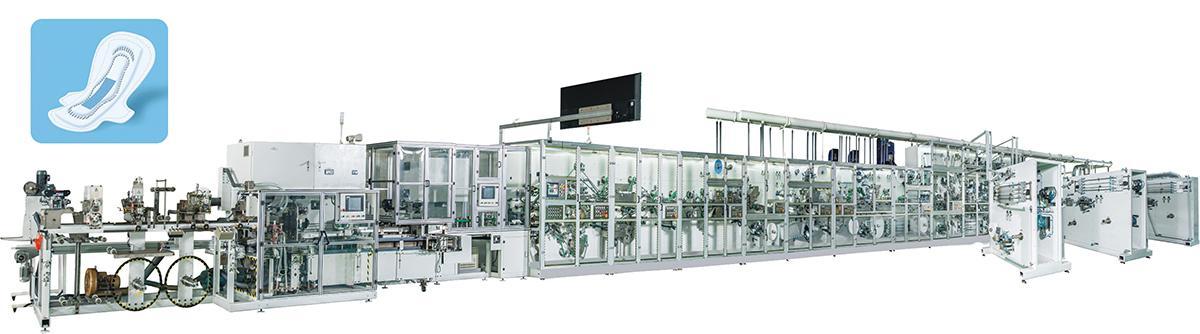
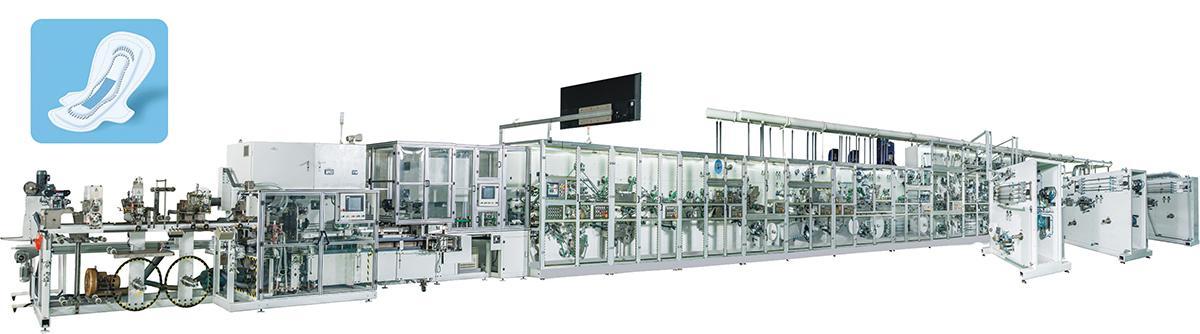
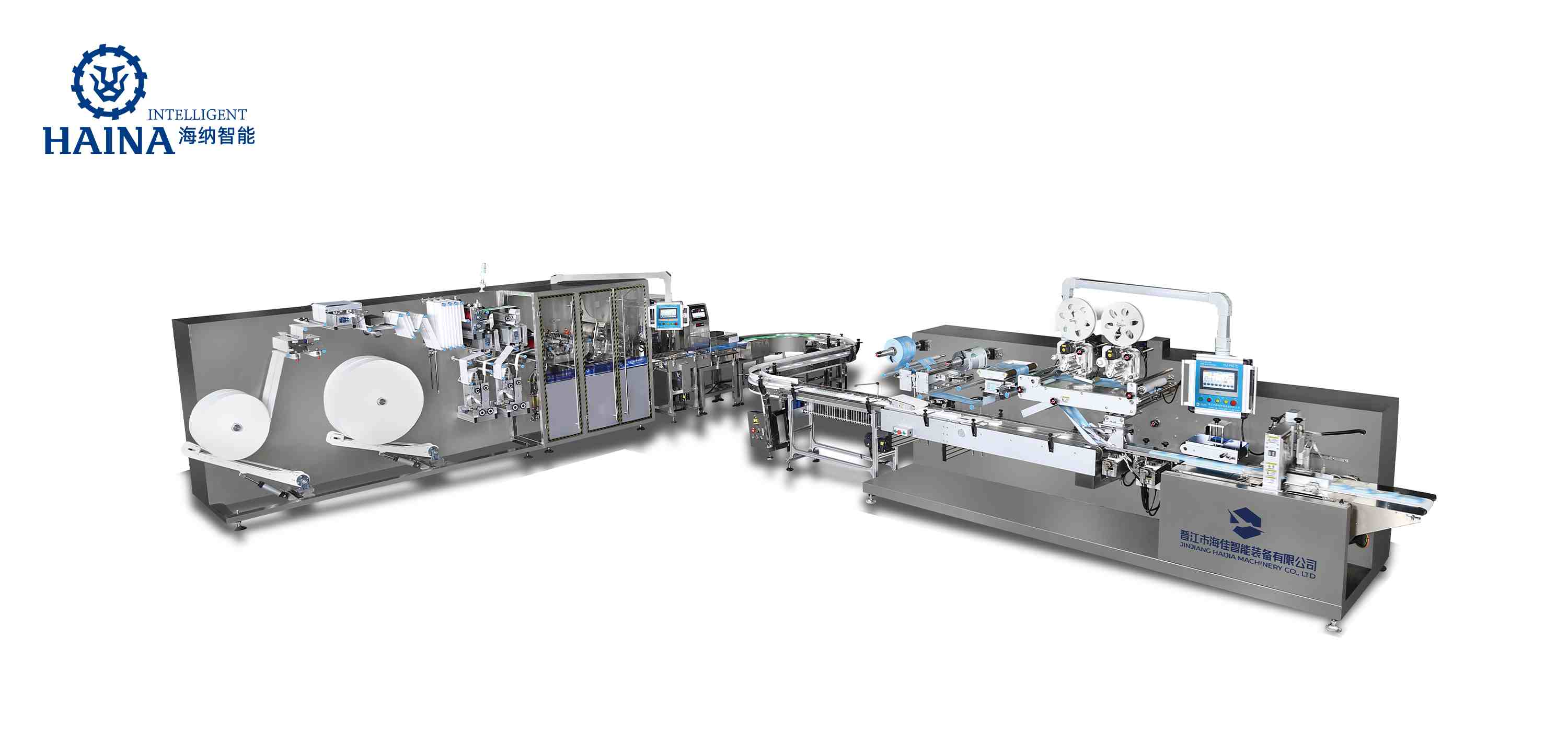
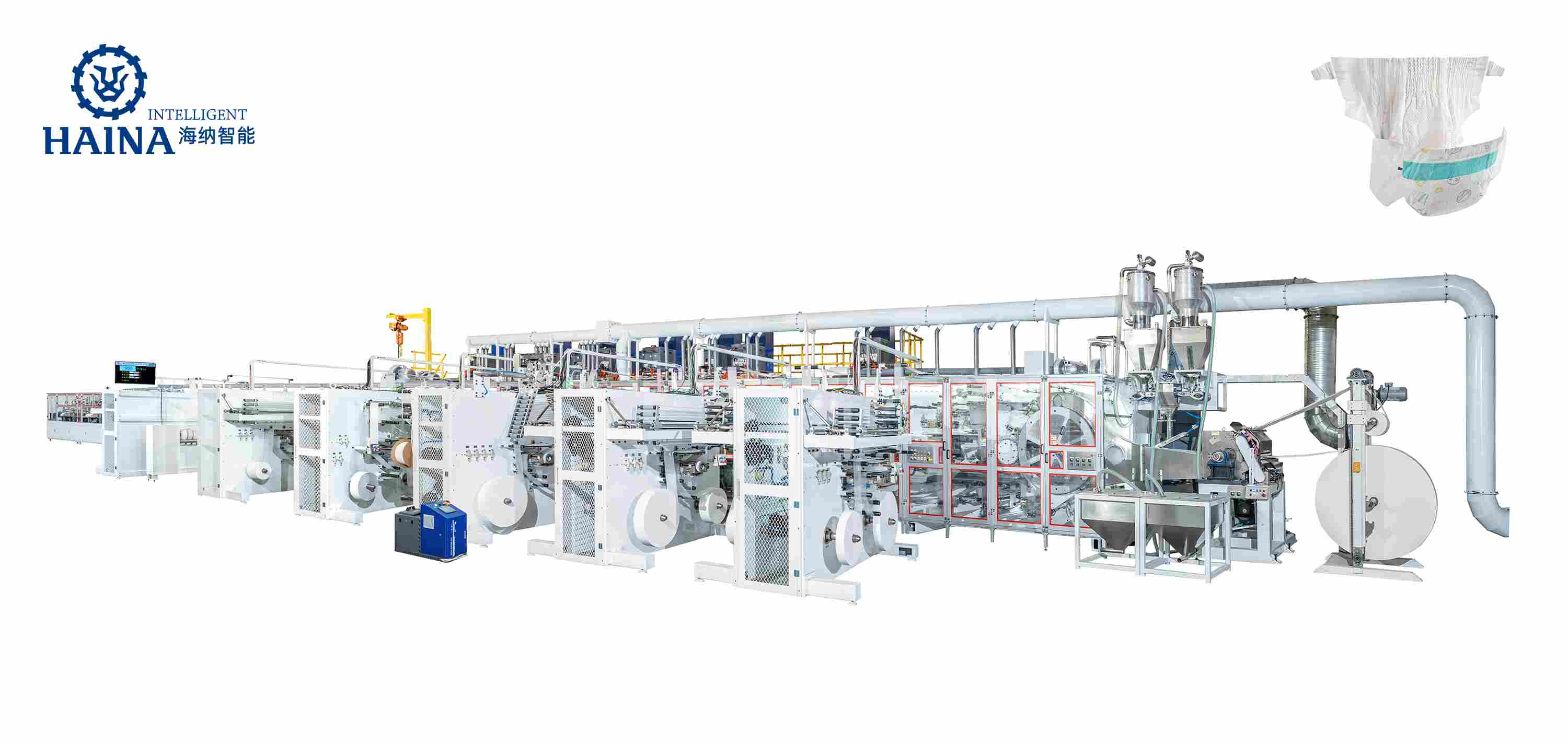
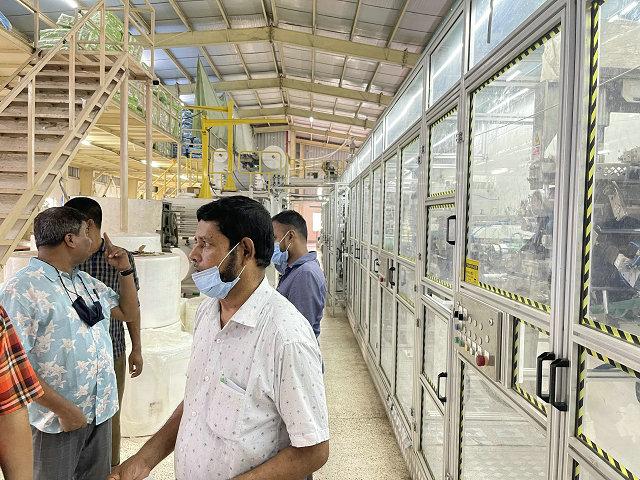
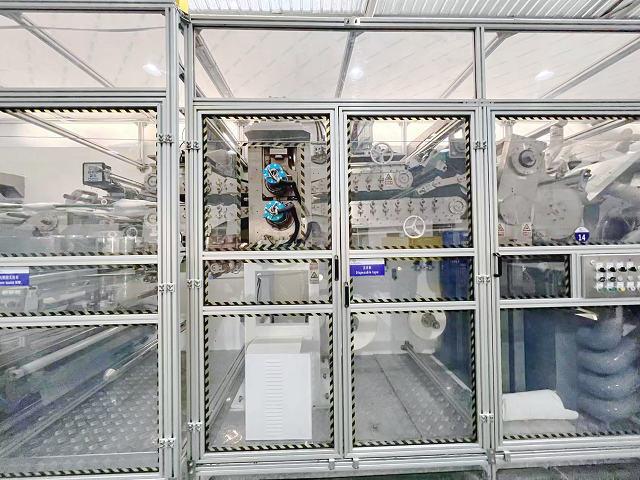
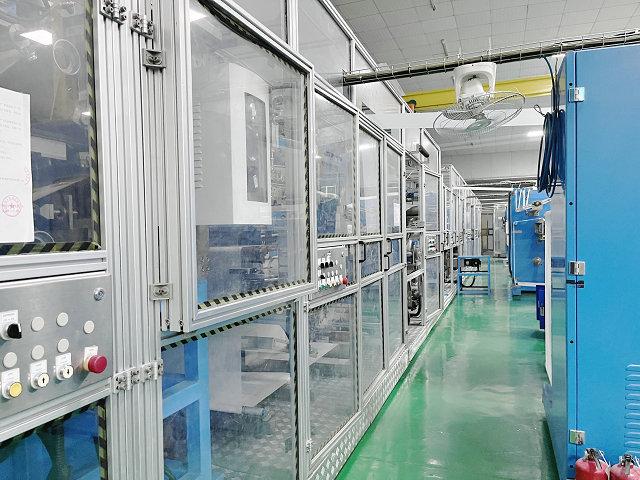
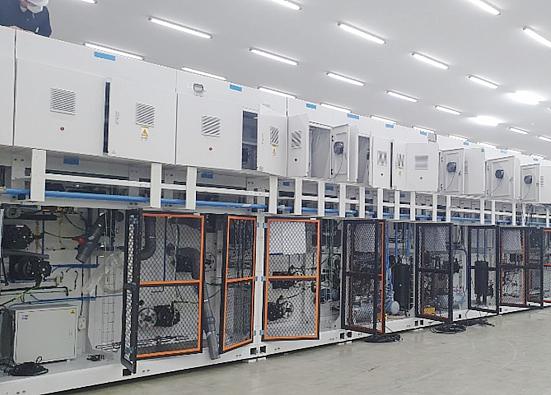
Routine maintenance from a baby diaper production line manufacturer should be treated as a controlled factory system, not a collection of occasional repair jobs. A reliable program defines safe inspection points, task intervals, approved lubricants and parts, measurable condition limits, production records, and authorization for changes. Operators should record abnormalities during every shift, while maintenance personnel verify causes and close corrective work with evidence. Buyers auditing a diaper production line should therefore examine the supplier's maintenance documents, test records, spare-parts logic, training scope, and post-service escalation process before accepting the equipment.
Maintenance as an Engineering Control
A factory auditor should begin by asking what product and process risks the maintenance system controls. On a baby diaper line, web transport, material dosing, adhesive application, elastic handling, cutting, folding, inspection, and packaging depend on interacting mechanical, electrical, pneumatic, and control functions. A loose guide, worn blade, blocked nozzle, drifting sensor, or damaged vacuum path may first appear as a minor stoppage, yet it can also affect dimensions, bonding, placement, cleanliness, or traceability.
The maintenance policy should connect equipment functions to defined checks. General instructions such as "inspect regularly" are not enough. A useful task states the location, safe machine state, inspection method, acceptable condition, required tool, person responsible, and record to complete. The supplier manual supplies the technical baseline, but the factory must adapt intervals to its materials, environment, shift pattern, observed wear, and legal safety obligations.
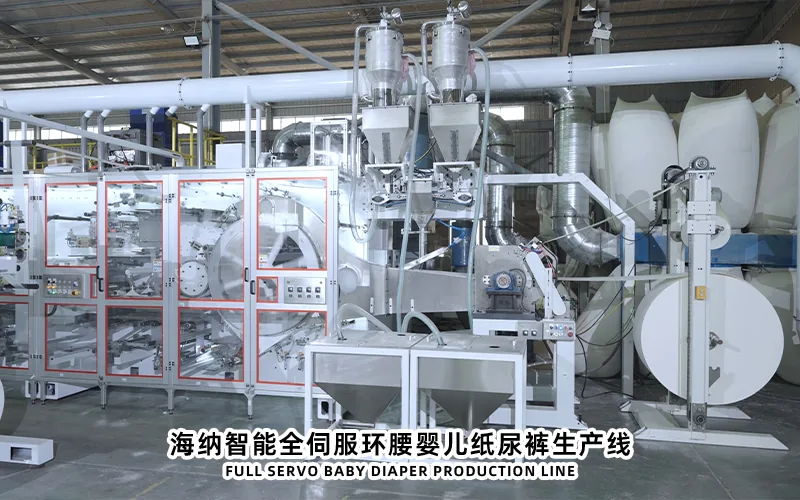
Maintenance planning should follow the actual process sequence and identified access points.
Governance also separates routine care from engineering change. Cleaning a specified sensor with an approved method is a standard task. Moving that sensor, changing a blade material, modifying a control value, or substituting an adhesive component may alter process performance and needs technical review. This distinction protects both product quality and the validity of the accepted machine configuration.
Auditing Diaper Production Line Records
A record is valuable only when it helps someone reconstruct equipment condition and action. Shift logs should identify the line, time, SKU, symptom, affected station, temporary response, and person reporting. Work orders should add the diagnosis, replaced or adjusted item, measurements taken, testing performed, and release authorization. Repeated entries for the same fault should trigger analysis instead of repeated resets.
During supplier evaluation, request sample preventive-maintenance sheets, fault histories from a demonstration or test line where available, and examples of completed inspection records. The aim is not to obtain confidential customer data. It is to see whether the manufacturer structures evidence in a way that the buyer can operate. HAINA can be asked to review the proposed record set during the requirement stage so naming, station references, and responsibilities match the delivered configuration.
Audit evidence
What it should establish
Warning sign
Buyer follow-up
Maintenance task sheet
Exact location, method, interval, and limit
Only broad cleaning language
Ask for station-level instructions
Shift abnormality log
Traceable symptoms linked to SKU and time
Unstructured notes without machine context
Define mandatory fields
Spare-parts register
Identity, revision, storage, and issue history
Parts selected only by appearance
Require controlled part references
Post-work test record
Safe restoration and product verification
Machine returned after repair without checks
Agree a release sequence
Change request
Reason, risk review, approval, and updated documents
Unrecorded setting or component substitutions
Establish change authority
Inspection Intervals and Condition Limits
Calendar labels alone do not make a sound schedule. Some items need attention each shift because contamination or web debris develops quickly. Others are better checked by operating hours, cycle count, product change, condition trend, or a defined shutdown window. The initial intervals should come from the machine documentation, then be reviewed against findings. If inspections repeatedly show clean and stable condition, any extension should be approved and documented rather than assumed. If wear accelerates, the factory should shorten the interval and investigate the cause.
Condition limits make inspections repeatable. Depending on the component, a limit might concern looseness, alignment, surface damage, temperature trend, leakage, filter restriction, blade condition, belt tracking, noise, vibration, sensor contamination, or pneumatic response. The maintenance team should use suitable measuring tools where visual judgment is insufficient. Results need a unit or a clear pass criterion, not just a tick mark.
Inspection routes should identify safe access conditions for every guarded station.
Safety controls govern all intervals. Before opening guards or entering hazardous areas, personnel must follow the factory's isolation, stored-energy, access, and verification procedures. Production pressure must never turn a planned safe stop into an improvised intervention on moving equipment.
Parts, Lubricants, and Tool Control
Spare-parts decisions should start with failure consequence, expected wear, sourcing difficulty, storage sensitivity, and whether a component is configuration-specific. A critical sensor and a routine consumable do not need the same stocking rule. The register should connect each stocked item to a machine position and document compatible revisions. Receiving inspection matters because an incorrect connector, coating, dimension, or material can fit physically while performing differently.
Lubricant control deserves similar discipline. The schedule must identify the approved product, point, quantity or application method, and contamination precautions. Mixing incompatible products or over-lubricating near absorbent material paths can create quality and housekeeping problems. Containers, applicators, and grease points should be clearly identified, with substitutes requiring review.
Tools and measuring devices also affect maintenance quality. Torque tools, gauges, alignment aids, and test instruments should be suitable for the task and managed under the factory's verification practice. Personal or improvised tools can damage fasteners and introduce uncertain results. A tool-return check before guards close reduces the risk of foreign objects remaining in the machine.
Testing After Maintenance Work
Completion of a repair does not automatically mean the process is ready for production. The release sequence should confirm that parts and tools are accounted for, fasteners and connections are secure, guards and interlocks are restored, utilities are stable, and temporary controls are removed. The team can then perform a controlled dry or low-risk functional check according to the approved procedure before introducing normal materials.
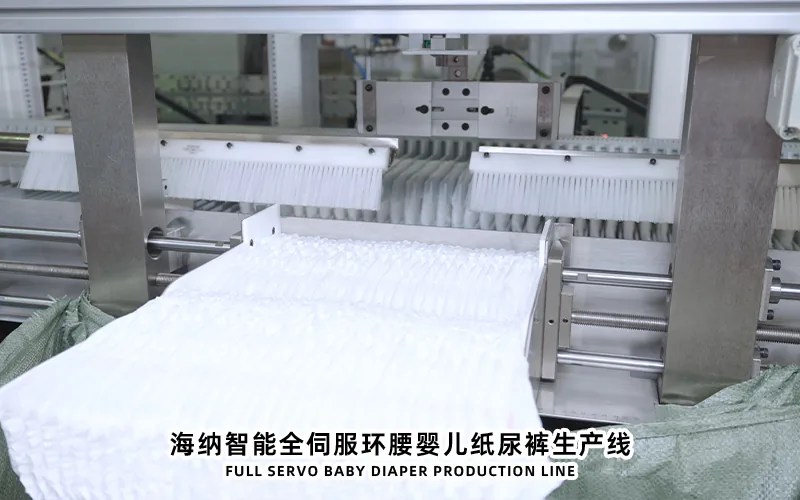
Post-work release should cover machine safety, station function, and resulting product evidence.
Product verification must relate to the work performed. A web-guide adjustment may require checks of tracking, placement, and downstream cut position. Work on adhesive delivery may call for startup stabilization, application inspection, and bond evaluation under the factory's approved test method. Control-system changes require confirmation of alarms, recipes, permissions, data retention, and affected interfaces. Samples, results, and rejected startup material should be identified in the work record.
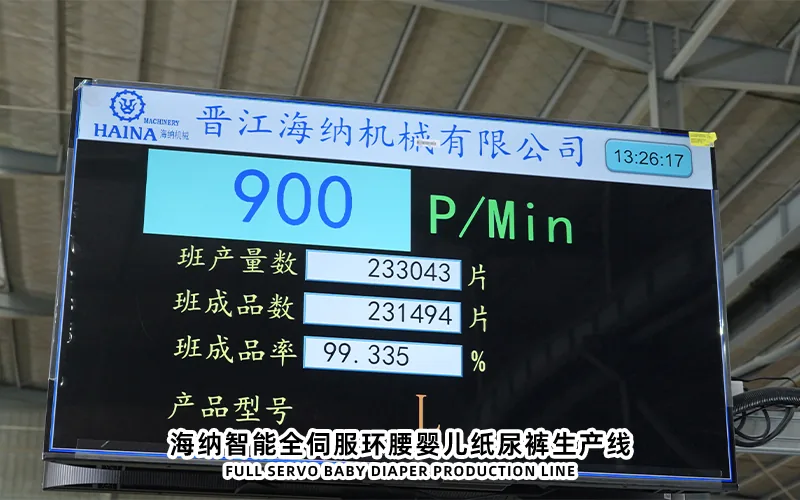
Acceptance values should be agreed before testing. Design speed is a design reference; stable working speed is demonstrated under defined conditions; the operator's current speed is a production decision; and the contractual acceptance value belongs in the signed protocol. Blurring those terms weakens both audit evidence and fault diagnosis.
Change Control and Supplier Support
Change control starts when a proposed alteration could affect safety, product characteristics, process capability, maintainability, controls, or documentation. The request should state the problem, current configuration, proposed change, affected drawings and recipes, risk review, verification plan, rollback method, and approvers. Emergency temporary measures need an expiry point and formal follow-up; otherwise, temporary becomes undocumented permanent configuration.
Supplier support works best when the factory sends evidence rather than a vague failure description. Useful information includes equipment identity, station, software or hardware revision, SKU, material lot, alarm text, sequence of events, photos where permitted, measured values, and steps already attempted. Agree during procurement which diagnostic records the factory may collect and how remote guidance will be authorized.
Buyers comparing automatic baby diaper manufacturing equipment should review the proposed document package, training boundaries, spare identification method, escalation contacts, and process for approving technical revisions. These items affect maintainability long after the purchase specification is signed.
Maintenance Evidence Checklist
Before contract: Map maintainable stations, request the draft task list, identify configuration-specific spares, and define documentation language and format.
Before FAT: Confirm manuals match the assembled machine, observe access to service points, sample alarms and interlocks, and review proposed training exercises.
During FAT: Record baseline settings and conditions, witness selected maintenance tasks, test a fault-to-release workflow, and close document discrepancies.
Before production release: Load approved spares, issue tools and lubricants, train named roles, schedule initial tasks, and establish shift reporting fields.
After startup: Review early wear findings, repeated stops, startup scrap causes, and task duration. Update intervals through controlled approval.
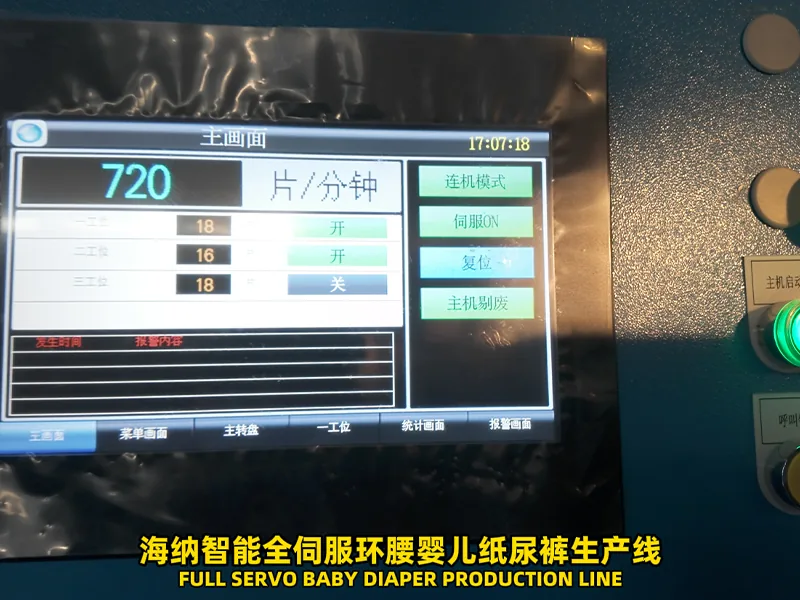
A complete evidence review links each service task to the delivered machine configuration.
The auditor should sample records across several shifts and compare written practice with work on the floor. Interview an operator, technician, supervisor, and stores representative separately. Consistent answers and traceable documents show that the system is operating; a perfect binder with no matching behavior does not.
Close the audit by tracing one overdue task and one repeated failure. Verify who noticed each issue, how risk was assessed, whether production continued under an approved condition, and what evidence closed the action. This sample exposes weak escalation faster than reviewing totals alone. It also shows whether supervisors protect planned work when production priorities change and whether engineering learns from maintenance history.
Frequently Asked Questions
Who should own routine maintenance tasks?
Ownership should follow competence and risk. Operators may perform approved observation, cleaning, and basic care tasks, while trained maintenance staff handle isolated technical work. Engineering or quality personnel should approve changes and product-release criteria where those functions are affected.
How should a factory set preventive-maintenance intervals?
Begin with supplier instructions and component guidance, then account for operating pattern, materials, environment, and consequence of failure. Trend findings and revise intervals through a documented review. Do not extend an interval merely because a task is inconvenient.
What evidence should follow a major repair?
Retain the diagnosis, replaced parts, measurements, configuration updates, safety restoration checks, functional test, relevant product results, release approval, and any follow-up monitoring. The evidence should let another qualified person understand why the line was returned to service.
When should the machine manufacturer be contacted?
Contact the manufacturer when the fault is outside approved factory procedures, repeats after verified correction, affects protected settings or controls, requires a configuration change, or could compromise safety or accepted performance. Send structured evidence to make technical review efficient.
Conclusion
Routine maintenance for a diaper production line is credible when responsibilities, limits, records, testing, spares, and changes form one auditable control system. The practical buyer action is to select several high-risk stations and ask the supplier to demonstrate the full path from inspection instruction to recorded result, corrective work, post-maintenance product check, and controlled release. Before factory acceptance, have HAINA reconcile that evidence with the final equipment list and agreed support scope, then record every open gap with an owner and closure date.