Two seam trial reports can contain neatly arranged results yet answer different questions. One set may represent the left seam of freshly collected pull up diapers; another may contain specimens from both sides after different handling. If the sampling position, condition, and method are not aligned, placing the numbers side by side can create a comparison that the evidence does not support.
The first buyer decision is therefore specimen eligibility for comparison. A specimen comparability register links each result to the product location, preparation record, sample history, and approved test method. This guide explains that record and its review. It does not provide welding settings, test speeds, strength limits, or an alternative to the buyer's approved laboratory procedure.
Write the comparison question
Decide what the review is intended to establish. Comparing left and right seams within one agreed trial is different from comparing two material lots or two production configurations. State the intended difference and identify the conditions that must remain sufficiently consistent for the comparison to be meaningful.
Record the product specification and the approved requirement under review. A numerical result has limited meaning without that context. If the parties have not agreed how results will be assessed, they should settle the acceptance basis before interpreting the data. The test method and product specification should come from the authorized project documents, not from an unsupported general threshold.
For a HAINA pull up diaper project, discuss the proposed evidence format with the responsible technical representatives before the trial. Ask which specimen identities and production references can be supplied and which observations belong to the buyer's laboratory. That discussion defines responsibilities without assuming a built-in sample tracking or laboratory reporting function.
Keep left and right identities visible
Define left and right from an agreed product orientation, then use that convention consistently in labels, photographs, and results. A person viewing a garment from the front may describe its sides differently from someone viewing the opposite face. A simple orientation reference in the sampling record can prevent that ambiguity.
Give the parent product its own identifier and connect each seam specimen to it. This allows the reviewer to distinguish two specimens from the same product from specimens taken from different products. That relationship matters when interpreting variation; repeated observations from one parent sample should not quietly become independent evidence from several products.
If a label is lost or the side cannot be established, retain the result with an appropriate qualification. Do not assign a side based on which group has fewer entries. The measurement may still be useful for a limited purpose, but it should not support a left-versus-right conclusion that depends on information no longer available.
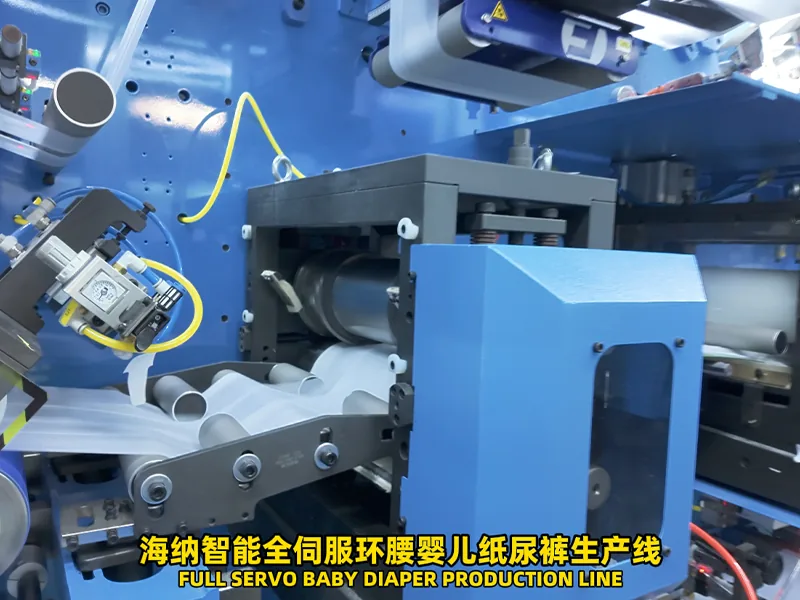
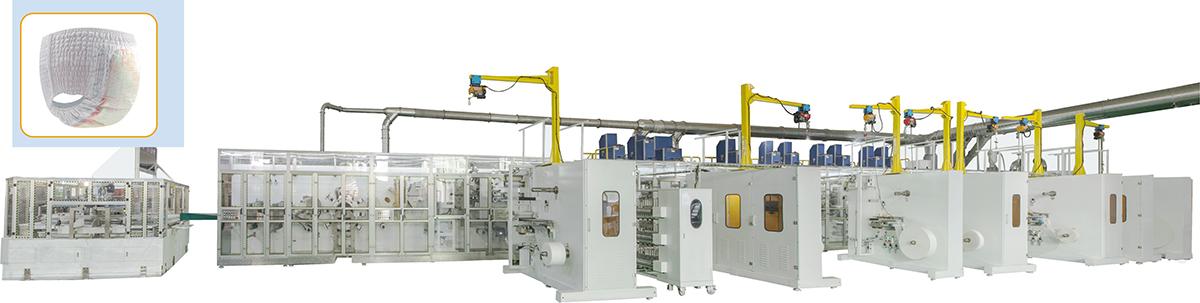
Equipment context does not establish specimen position; that identity belongs in the trial record.
Record direction and preparation
The preparation record should state how the specimen relates to the original seam and to the agreed testing direction. Use the terminology or diagram specified by the approved method. Avoid inventing universal cutting dimensions, loading angles, or preparation rules: those details depend on the applicable procedure and product.
Identify who prepared the specimen and which method revision was followed. If preparation differs from the approved procedure, record the deviation before the result is grouped with conforming specimens. A small-looking difference can change what the test represents, and a later reviewer should not need to infer the preparation from the final number.
Preserve relevant photographs or preparation notes under the specimen identifier. These records should show the feature needed for review rather than merely provide an attractive close-up. If a photograph cannot establish orientation or the relationship to the parent product, say so. Visual evidence is helpful only within the limits of what it actually records.
Reconstruct the specimen history
Record the material and production references required by the trial plan, followed by the sample's collection, storage, transport, and handling history. Do not assume that specimens arriving together experienced the same conditions. A retained sample and a newly collected sample may have different histories even when their product codes match.
Identify any prior manipulation or testing that could affect eligibility under the approved procedure. The reviewer should know whether the product was opened, stretched, examined destructively, or otherwise changed before the seam specimen was prepared. This is a record of sample history, not advice on how to conduct those operations.
Use the agreed conditioning requirements where they exist. If the record cannot establish that those requirements were met, mark the gap. Do not supply an invented waiting period or environmental condition to make the file look complete. The responsible test authority must decide whether the evidence remains usable, needs qualification, or requires a new specimen set.
Confirm the method reference
Two reports that both use the phrase seam strength may still follow different methods. Identify the exact approved procedure and revision behind each result, together with any authorized deviation. The method reference should be accessible to the reviewer and sufficiently clear to establish what was measured.
Confirm how the reported quantity is defined and which units are used. A peak value, another selected reading, and a qualitative assessment cannot be treated as interchangeable merely because the report uses the same informal heading. Ask the laboratory or responsible technical representative to explain unfamiliar result fields.
Where different laboratories are involved, compare the documented methods before comparing their outputs. The parties may agree that certain results can be assessed together, but that conclusion needs a stated technical basis. Do not assume that conversion of units resolves differences in specimen preparation, test direction, or the definition of the reported result.
The method reference connects each reported result to its approved preparation and interpretation.
Qualify entries in a comparability register
Place the identity and method checks beside the result references before calculating any summary. The register should show whether a specimen is eligible for the intended comparison and explain any restriction. An excluded entry should remain traceable rather than disappearing from the dataset without a reason.
Illustrative specimen eligibility records, without trial values
Specimen relationship
Position and direction
Sample history
Method reference
Comparison decision
Left and right specimens linked to one parent product
Both documented using the agreed orientation
Common recorded history
Same approved procedure revision
Eligible for the stated paired comparison, subject to full review
Specimens from different production groups
Comparable positions recorded
Handling difference unresolved
Matching method reference
Keep groups separate until history is assessed
Specimen with uncertain side identity
Direction recorded; side missing
Available history retained
Procedure identified
Cannot support a side-specific conclusion
Result from another laboratory
Preparation description differs
Conditioning references available
Different procedure revision
Technical comparability review required
Use explicit decisions such as eligible for the stated comparison, qualified for a narrower purpose, or not eligible pending review. Avoid a general pass label that could be mistaken for product acceptance. Eligibility tells the reviewer whether evidence can be compared; it does not itself establish that the product meets the requirement.
Where eligibility is conditional, name the missing reference and its owner. A pending method clarification requires a different response from a lost specimen identity. This makes follow-up work specific and prevents an unresolved entry from being included simply because the report deadline has arrived.
Interpret results with failure observations
Keep the observed failure appearance connected to the specimen and result. The record should describe what the examiner observed using the agreed terminology, supported by appropriate images where required. Do not infer the cause solely from the numerical result or from an informal description supplied after the specimen has been discarded.
Different observed failure forms can limit the meaning of a simple numerical ranking. If one set concerns the intended seam behavior and another includes a different failure location, the technical reviewer should assess whether the results answer the same question. The article does not prescribe that interpretation; it identifies why the observation must travel with the number.
Record uncertainty in the observation itself. A photograph may be unclear, the relevant feature may be damaged during later handling, or the examiner may not have used the agreed categories. Preserve the result and its limitation. Do not replace an uncertain observation with a confident explanation merely because it fits the expected outcome.
Report only the supported comparison
State which specimen groups were compared, why they were considered comparable, and which records were excluded or qualified. Keep the eligibility decision separate from the acceptance conclusion. This makes it possible to review the data-selection logic without confusing it with the final product decision.
If a new specimen set is required, identify the gap it is intended to resolve. Repeating collection without correcting missing side identity or inconsistent preparation will produce more data with the same limitation. Preserve the earlier dataset and describe how the new records improve the basis for comparison.
Consider an illustrative review of two reports with matching product names. The first preserves left and right specimens as pairs from identified parent products. The second lists sides but omits the parent relationship. Both may contain usable observations, yet they do not support the same paired analysis. The reviewer should state which comparison is possible with both datasets and which conclusion requires the missing relationship. Renaming the columns cannot recover that information.
A second example concerns an observed failure recorded outside the intended seam region. The result should not automatically be discarded as inconvenient or counted as evidence of seam performance. The test authority should review the specimen preparation, observation, and method rules, then document the allowed interpretation. Keeping that decision visible protects the report from selective use of favorable numbers.
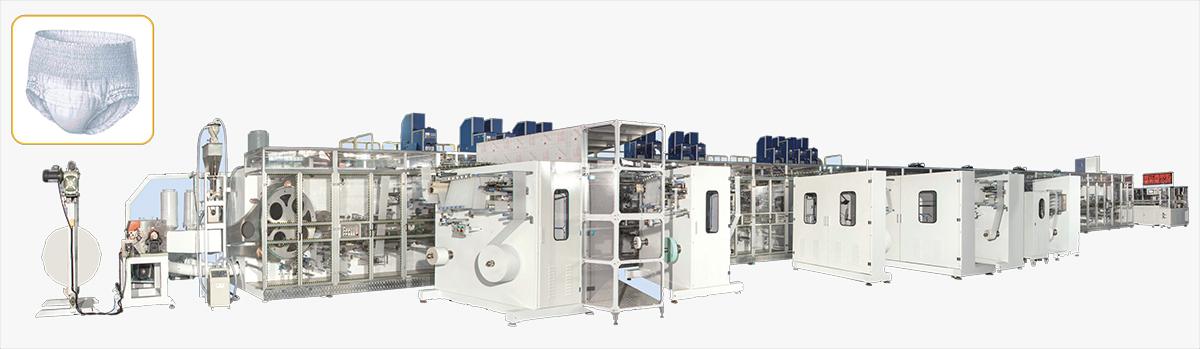
When reviewing the baby diaper and pull up equipment family, provide the proposed comparability register to HAINA and the buyer's test authority. Confirm the production references to be supplied, the laboratory's recording obligations, and the person responsible for deciding whether results can be combined. This supports a focused trial without promising any unverified seam performance.
Keep the scope of the reported comparison aligned with the identities and methods actually documented.
Specimen questions
Can left and right seam results be pooled immediately?
Only if the intended comparison and approved analysis permit it. Preserve side identity first so the reviewer can assess whether pooling hides a relevant distinction or combines noncomparable observations.
Does the same product code make two specimens comparable?
It identifies part of their context, but preparation, sample history, method, and result definition also matter. Review those records before assuming the product code settles comparability.
Should an uncertain specimen be deleted from the report?
Retain its record and state the limitation. It may be excluded from a particular comparison while remaining important evidence about the sampling process or the need for additional work.
Can this guide supply a universal seam acceptance value?
No. Acceptance values and methods must come from the approved product requirements and applicable technical procedure. The register establishes the evidence context needed to apply those requirements responsibly.
Conclusion: Make the comparison decision explicit
Before interpreting a seam result, establish which specimen produced it and under what documented conditions. The comparability register makes missing identities, inconsistent preparation, and method differences visible before they are hidden in a summary.
A useful final review can trace every included result to its parent product, position, history, and method. It can also explain why an excluded result was not used. When those relationships are clear, the authorized technical reviewer has a sounder basis for the actual acceptance decision.