A female diaper manufacturing machine material compatibility test should prove that every proposed topsheet, backsheet, core material, elastic, barrier, adhesive, and packaging material can be unwound, controlled, joined, cut, inspected, and packed across its approved variation. A short run with ideal rolls is not enough. Buyers should create a material passport, define high-risk combinations, verify storage and conditioning, run from setup through stable operation and restart, measure product and process results, and document the settings used. Approval applies only to the tested material specification and operating window; supplier, basis-weight, surface, elasticity, or roll changes require a controlled impact review.
Build a Material Passport for Every Input
Compatibility begins with identification. For each roll material, record commercial description, supplier, grade, lot, basis weight, thickness where relevant, width, outside diameter, core size, winding direction, splice construction, surface treatment, tensile behavior, extensibility, and storage condition. Add incoming observations such as telescoping, edge damage, wrinkles, contamination, loose winding, or inconsistent splice position.
For fluff pulp, SAP, adhesives, and other non-roll materials, record the characteristics used by the material supplier and buyer to control use. Identify batch, packaging, storage, conditioning, handling, and shelf-life requirements where supplied. Do not infer safe adhesive temperatures or application rates without the approved supplier data and product trial.
The passport should distinguish nominal values from allowed variation. A line adjusted to one carefully selected roll has not demonstrated the full purchased specification. Ask material suppliers for realistic ranges and select test lots that represent expected conditions. Where limits are unknown, record that uncertainty and avoid approving a broad range.
Link each material to its product function and machine stations. Topsheet may pass through guiding, tension, lamination, cutting, and folding. Elastic passes through feeding, extension control, bonding, and cutoff. Backsheet passes through tension, lamination, leg cutting, folding, joining, and final separation. This station map defines what the trial must observe.
Each material passport should trace the input through every relevant machine station.
Rank Material-to-Process Interface Risks
Do not test every material in isolation only. Many failures arise at interfaces. A soft nonwoven and elastic may behave acceptably alone but wrinkle after adhesive and draw are applied together. A thin film may track well before leg cutting but distort when waste extraction is increased. Side joining depends on the complete layer stack, not one material data sheet.
Create a risk list by process function. Web handling risks include stretch, curl, edge damage, roll inconsistency, static, slip, and poor guiding response. Bonding risks include surface treatment, adhesive wetting, temperature sensitivity, bleed-through, contamination, and open bonds. Cutting risks include extensibility, thickness, fiber wrap, dust, blade condition, and waste-removal behavior.
Core risks include pulp preparation, SAP flow, air forming, tissue integrity, compression, transfer, and loose material. Elastic risks include feed stability, elongation, recovery, cutoff, adhesive interaction, and detection after break. Joining risks include layer count, basis weight, contamination, alignment, energy or pressure response, edge feel, and intended tear-open behavior.
Rank tests by consequence and uncertainty. A new backsheet that influences containment and side joining may need a broader trial than a packaging artwork change. A known grade from a new roll converter may still require unwind and splice review. Record the reason for each test depth.
Prepare a Controlled Compatibility Test
Write the test protocol before loading materials. Define product code, size, material combination, lot, machine configuration, starting recipe, adjustment authority, run stages, sampling plan, measurements, defect categories, stop logging, and approval responsibility. State which other variables must stay fixed while one material is evaluated.
Check material conditioning. Temperature and humidity can affect webs, pulp, SAP, adhesives, static, and dimensional results. Record storage and test environment rather than assuming they are constant. Bring materials to the agreed condition before the trial where their supplier instructions require it.
Plan enough material for threading, setup, controlled adjustment, acceleration, stable operation, planned stop, restart, splice where relevant, quality sampling, and downstream packaging. A trial that ends immediately after the first acceptable products cannot reveal buildup, drift, roll-end behavior, or recovery.
Pre-test release checklist
Material passports and lot identities are complete.
Product drawing bill of materials and defect definitions are approved.
Machine configuration tooling and baseline recipe are recorded.
Storage conditioning and environmental observations are documented.
Run stages sample times measurements and decision owners are assigned.
Safe adjustment limits and stop conditions are understood.
Packaging materials and downstream equipment are ready when included.
Retained samples and data storage have unique identifiers.
A controlled protocol separates material behavior from uncontrolled setup changes.
Observe Web Handling and Registration
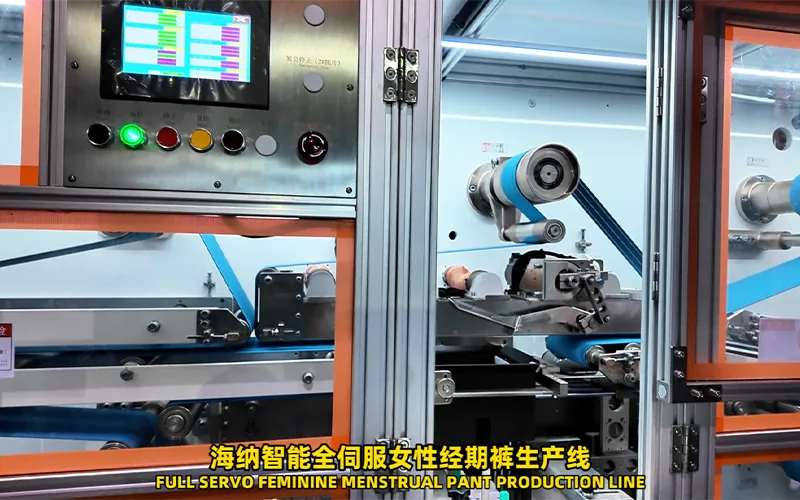
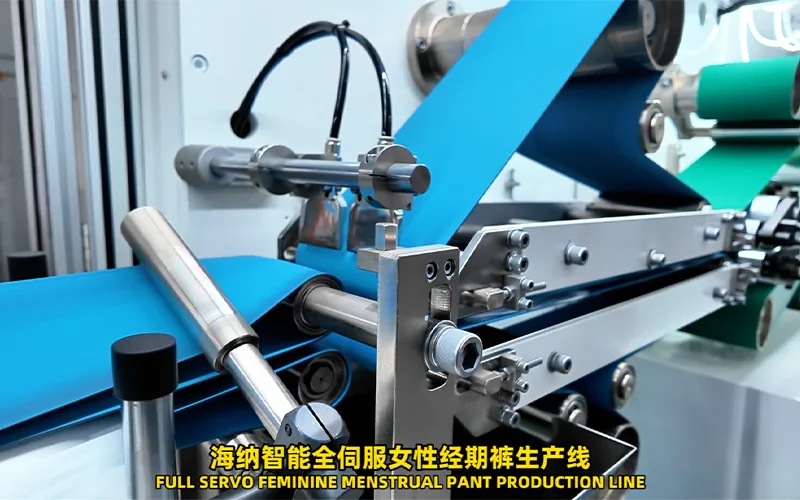
Start at the roll. Observe mounting, shaft or chuck fit, edge condition, unwind brake or drive response, splice passage, web guiding, tension, static, and tracking. Record settings by zone. A total line tension value is not enough because lightweight webs may need isolation between unwinding, lamination, cutting, and folding.
Watch the web during acceleration, steady operation, controlled slowdown, stop, and restart. Note wrinkles, flutter, neck-in, curl, edge wandering, stretching, slippage, roll vibration, and guide saturation. Correlate events with alarms and product defects. A material that runs only at one narrow setting may still be usable, but its operating window should be documented honestly.
Registration should be measured against the approved product reference. Track core, barriers, elastics, leg contour, body fold, side join, and final cutoff. Determine whether variation is random, progressive, speed-related, roll-related, or triggered by splice and restart. Preserve time-linked samples so mechanical and control teams can reconstruct the event.
Keep design speed separate from actual test speed. Stable compatibility is established under the conditions and duration actually demonstrated. If higher operation is required, schedule a defined run rather than extrapolating from a short lower-speed trial.
Verify Bonding Cutting and Side Joining
Adhesive compatibility includes storage, melting, delivery, application, open time, substrate contact, bond development, contamination, stringing, bleed-through, buildup, and cleaning. Record the adhesive grade, batch, temperature settings, pressure where relevant, pattern, and adjustments. Confirm that settings follow approved supplier guidance.
Cutting trials should examine cut completeness, edge quality, material drag, fiber or film buildup, blade contamination, waste separation, and tool condition. Inspect products before and after a planned interval. A clean first cut does not prove that the material can run without rapid buildup or progressive edge damage.
Side joining must be tested with the full final layer stack. Review alignment, continuity, width, appearance, strength or opening method, edge feel, material damage, and nearby elastic behavior. Sample both sides throughout the run and after stops. Record energy, pressure, gap, timing, and tool condition as applicable to the installed method.
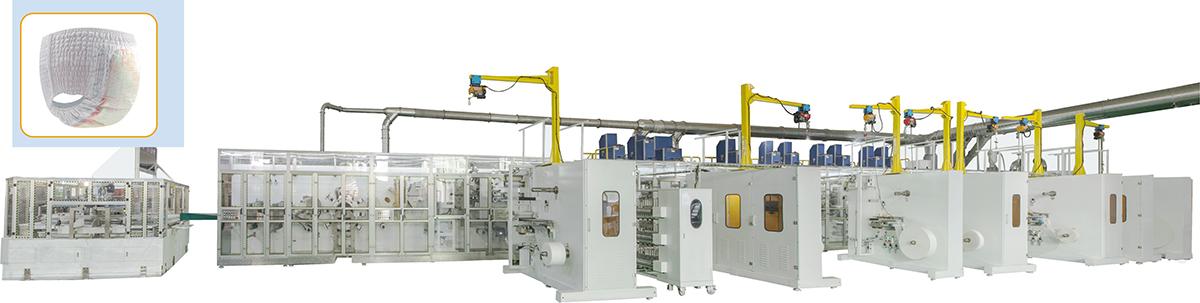
For a HAINA menstrual pants manufacturing machine, the compatibility review should use buyer-approved materials and product tests. Machine settings and approved ranges should become part of the handover record, not remain as informal operator knowledge.
Material compatibility must include buildup cut quality bonding and the complete side-join stack.
Measure Core and Elastic Process Results
Core material trials should record feed behavior and product results. Observe pulp preparation, SAP dosing, air flow, forming stability, buildup, dust load, wrap integrity, compression, transfer, and edge definition. Measure total and zoned core results using an approved method. Note whether variation follows time, raw-material batch, machine adjustment, or stop and restart.
Elastic trials should distinguish input properties from product geometry. Record grade, lot, supplied size, feed settings, extension or ratio settings, adhesive, position, cutoff, detection, and recovery. Measure the finished product after an agreed relaxation and conditioning procedure. Inspect for missing, exposed, displaced, broken, or poorly bonded elastic.
Test combinations, not only components. Core thickness can affect folding. Elastic recovery can change side-join alignment. Adhesive can change film feel or barrier position. A soft body web can respond differently after leg-cut waste extraction. The final approval should cover the complete product bill of materials used during the run.
Apply a Material Compatibility Matrix
Material interface
Process evidence
Product evidence
Approval limit
Nonwoven and web control
Unwind guiding tension splice and restart records
Wrinkle edge and registration measurements
Tested grade lot range and operating window
Core materials
Feed dosing forming transfer and dust observations
Mass distribution shape position and integrity
Approved pulp SAP and environmental condition
Elastic and adhesive
Feed ratio application cutoff break and buildup data
Placement recovery bond and finished dimensions
Specified material combination and settings
Backsheet and cutting
Tension tracking cutter load and waste-removal behavior
Integrity contour edge and contamination checks
Film construction width and tested speed condition
Side-join stack
Alignment tool settings stability and stop recovery
Continuity opening strength appearance and edge feel
Complete layer stack and approved test method
Use a disposition for each combination: approved, approved with a defined operating restriction, held for additional evidence, or rejected. Restrictions must be specific, such as a tested width, recipe, lot range, or lower demonstrated condition. Avoid broad statements such as material works well.
Control Approval and Future Material Change
Archive the material passports, test protocol, machine configuration, recipes, settings, environmental record, stop log, quality data, defect images, retained samples, and approval signatures. Include unsuccessful settings and adjustments because they help site teams avoid repeating failed conditions.
Create a change-review form for future sourcing. Changes in supplier, grade, basis weight, thickness, width, roll diameter, core, winding, surface, elongation, adhesive, pulp, SAP, splice, or package construction can affect different stations. The review should decide whether document approval, a short controlled trial, or a full compatibility run is required.
Train production and maintenance teams to recognize the boundaries of approval. A recipe copied to a new material is only a starting point. Operators should not widen tension, temperature, pressure, or joining settings beyond agreed safe limits to force an unsuitable input through the line. Escalate systematic material issues to engineering, quality, purchasing, and the relevant supplier.
Update the approved-material list after site experience. Record normal settings, warnings, failure modes, storage needs, cleaning impact, and preferred incoming checks. This turns the initial compatibility test into a living control for sourcing and operations.
Controlled records keep later material substitutions inside a verified decision process.
Frequently Asked Questions
Can a supplier data sheet replace a machine material trial?
No. It helps define the input, but the complete material combination still needs testing through unwinding, forming, bonding, cutting, joining, inspection, folding, and packing as applicable.
Should every roll supplier be tested?
Review every change against the approved material passport. A different supplier or converter may require testing when winding, surface, variation, splice, or mechanical behavior can affect the process.
What proves that a material runs at high speed?
Only a documented sustained run under stated material, product, machine, environment, speed, and downstream conditions. Design speed or a brief acceleration does not prove stable compatibility.
How should a material be approved with restrictions?
State the exact allowed grade, range, product, recipe, operating condition, and monitoring requirement, plus the evidence needed before any restriction can be removed.
Conclusion
A material compatibility test for a female diaper manufacturing machine is a controlled process study, not a demonstration with convenient rolls. Identify each input, map its interfaces, test realistic variation through setup and stable running, and measure both machine behavior and product results. Record the approved material combination and operating window, then require impact review for future changes. This protects product quality while giving purchasing teams practical freedom to qualify alternate materials with evidence.