Adult & Baby Diaper Machine,Sanitary Napkins Production Line Blog
Use a supplier sample approval checklist for lady diaper manufacturing machines covering traceability, dimensions, core, joins, run data, and packaging.
Approve samples from a lady diaper manufacturing machine only when they come from the agreed machine configuration, production-intent materials, controlled recipe, and documented run conditions. Appearance alone is insufficient. The supplier checklist should cover sample identity, product drawings, material lots, dimensional methods, core distribution, elastic and side-join checks, visible defects, packaging, online inspection, run stability, and changeover evidence. Buyers should also record who measures each characteristic, which instruments are used, how samples are conditioned, and how nonconformities are closed. This converts sample approval from a subjective review into traceable evidence for FAT and site commissioning.
Set the Sample Approval Boundary
Sample approval must state what is being approved. A product-development sample may confirm dimensions and material construction but say little about sustained machine operation. A setup sample may show that tooling can make the basic shape. A FAT sample should be linked to the contracted line, materials, recipe, speed condition, inspection status, and run segment. Do not use one label for all three.
Create an approval protocol before samples are made. List every launch size and variant, planned material combination, package format, sampling point, sample quantity, conditioning period, test location, responsible person, and disposition authority. Define which tests occur at the supplier factory and which require the buyer's laboratory or a later site acceptance stage.
Use a controlled product drawing and bill of materials as the baseline. Mark revision numbers on the sample label and report. If a sample uses substitute materials, identify every substitution and explain which results remain valid. Approval of a substitute should not silently approve a different commercial product.
Sample approval begins by tying each product to a controlled machine and material condition.
Verify Sample and Material Traceability
Each sample group needs a unique identifier. Record product code, size, drawing revision, bill-of-material revision, date, time, machine recipe, actual operating condition, run segment, material supplier, lot, roll identification, and operator. Mark whether the sample was taken during startup, stable running, after a splice, after a stop, or after a size change.
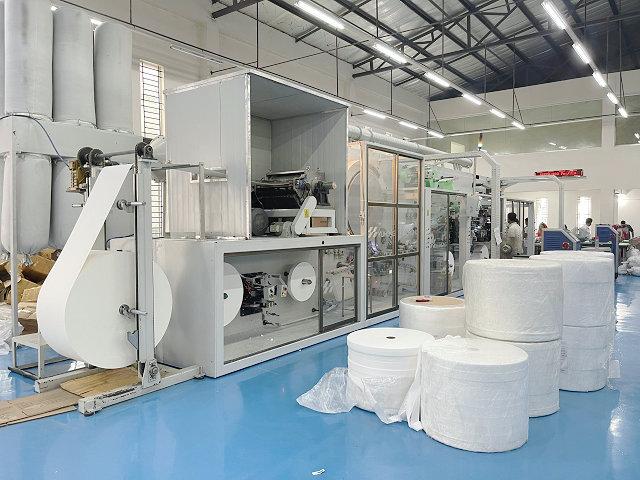
Keep material certificates or supplier data only as supporting documents; verify that the physical rolls used match the recorded identity. Record width, roll diameter, core size, winding direction, and any observed damage before loading. For pulp, SAP, elastic, adhesives, and other non-roll inputs, use batch or container identification where available.
Traceability must survive packaging and shipping. Place samples in labeled, sealed groups that prevent mixing or distortion. Separate accepted references, test samples, destructive-test samples, and retained samples. Photograph the label and the intact sample set before dispatch. Both parties should hold matching retained references when practical.
Approval note: A visually good product selected from an unidentified pile is not an acceptance sample. Without its run position, materials, and recipe, the result cannot be reproduced or used to investigate later differences.
Control Dimensions and Measurement Methods
Wearable absorbent products change shape after cutting because elastics recover and soft webs relax. Define whether each measurement is taken stretched, relaxed, flattened, unfolded, opened at the side seam, or conditioned for a specified period. State how force is applied during extension and where the measurement points sit.
Use a drawing that identifies product length, waist width, crotch width, leg opening, core length and width, core position, elastic zones, side-join width, fold position, and cutoff alignment. Add tolerances only when they are based on an approved product requirement and realistic material behavior. Do not invent tolerance values during the supplier visit.
Document instruments and their fitness for use. Rulers, scales, thickness gauges, force testers, templates, imaging systems, and laboratory devices serve different properties. Record calibration or verification status according to the buyer's quality system. Include enough detail that another trained person can repeat the method.
Sample size and sampling frequency should reflect the decision. First-piece approval may need focused dimensional checks. A sustained run needs samples distributed through time. A changeover review needs samples before the stop, at restart, during adjustment, and after release. Averaging results can hide individual critical defects, so retain both individual data and summaries.
Inspect the Core Chassis and Side Joins
Open selected products carefully to inspect the absorbent core. Measure total and zoned mass using the approved method, then examine contour, edge definition, position, wrapping, compression, and visible distribution. Record material loss caused by disassembly. If a distribution method is not yet approved, report observations without converting them into unsupported numeric acceptance claims.
Review the chassis as a registration system. Confirm the position of topsheet, backsheet, barriers, waist materials, leg elastic, and core against the common centerline. Look for wrinkles, exposed adhesive, missing components, folded barriers, damaged film, uneven leg contours, contamination, or distortion created during folding.
Side joins should be checked on both sides and at multiple points in the run. Inspect alignment, continuity, width, appearance, edge feel, intended opening behavior, and any damage near elastic or film. Use the approved strength or opening method. A join that looks continuous can still vary through its length or behave differently after material conditioning.
Core position elastic geometry and side joins need separate recorded checks.
Separate Cosmetic and Functional Evidence
Cosmetic review covers characteristics visible without destructive testing: fold consistency, print orientation where used, contamination, wrinkles, cut quality, exposed components, adhesive marks, seal appearance, and package presentation. Create defect photographs and written definitions before FAT so inspectors do not negotiate every judgement beside the machine.
Functional review may include core distribution, absorption-related laboratory tests, backsheet integrity, bond or join behavior, elastic recovery, fit-related dimensions, wrapper opening, and package seals. Each test must have a controlled method and clear responsibility. Some results may depend strongly on material selection and conditioning, so identify what the equipment supplier can control.
Machine evidence is another category. It includes stable operation, stops, alarm response, inspection challenges, rejection, splice handling, recipe control, changeover, and downstream interface. A good sample cannot compensate for repeated unrecorded stops, just as a stable run cannot compensate for products outside the approved requirements.
Audit the Machine Run Behind the Samples
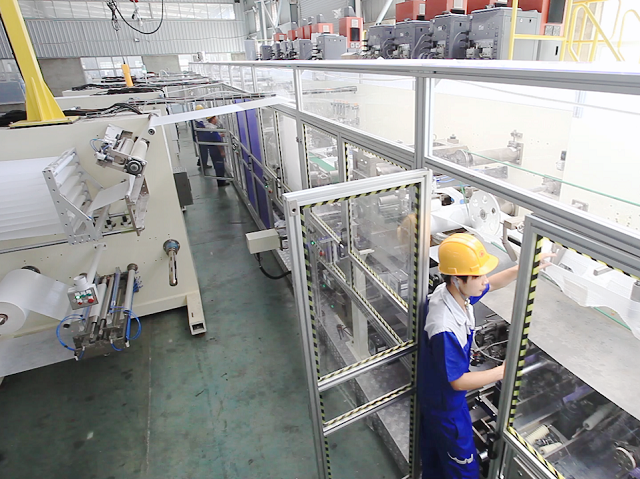
Request the run log associated with every approval set. Record startup time, acceleration, actual operating speed, stable-run period, planned and unplanned stops, cause categories, material splices, adjustments, rejects, inspections, and end time. Keep design speed separate from the demonstrated FAT condition.
Observe how samples are selected. They should follow the agreed sampling plan rather than being chosen only after offline screening. Where automatic inspection is included, link the sample period to inspection status and challenge results. Confirm that the physical rejection system removes the intended product and that reject counts can be reconciled.
Review downstream effects. Counting, stacking, bagging, sealing, coding, and case handling can deform products or create package defects after the converting section has produced acceptable pieces. Define whether sample approval covers loose products, packed products, or both. Record any manual handling used during the test.
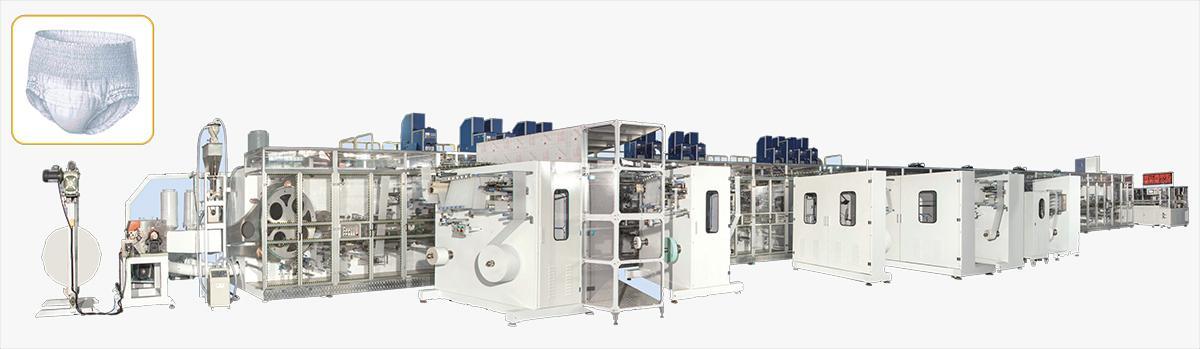
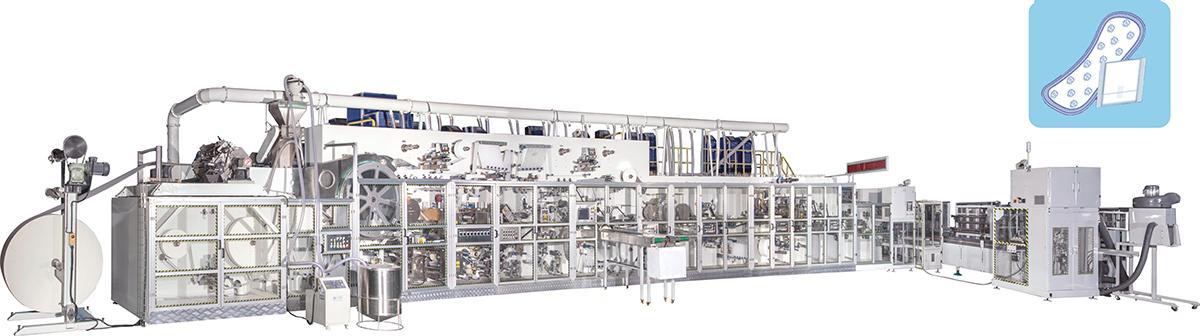
For a HAINA menstrual pants machine project, buyers should place the approved sample protocol beside the product specification and FAT plan. That allows the same references to support later installation and operator training.
The run log explains the conditions under which approval samples were produced.
Use a Sample Approval Decision Table
Evidence group
Approve when
Hold when
Required record
Identity and traceability
Samples match approved revisions materials and run segment
Labels are missing or substitute materials are unexplained
Sample label material log and recipe reference
Dimensions and construction
Approved methods show results within the product requirement
Method conditioning or measurement points are disputed
Individual data sheets and annotated drawing
Core and leak features
Core barriers elastics backsheet and joins meet defined checks
Destructive tests or functional methods are incomplete
Inspection report test results and retained products
Run context
Samples represent the agreed operating and sampling conditions
Products were selected without a traceable run log
Stop log speed record splice log and sample times
Packaging
Packed products meet count fold seal code and presentation criteria
Manual substitution hides an untested line interface
Packing run record and package inspection
The table supports three dispositions: approved, conditionally approved, and rejected. Conditional approval should name the exact deviation, affected characteristics, temporary limitation, corrective action, owner, due condition, and required retest. Avoid open language such as improve quality later.
Close Deviations and Preserve References
Supplier closeout checklist
Number every deviation and link it to a drawing test or run record.
Separate material changes machine corrections method changes and operator actions.
Identify affected sizes variants and previously produced sample groups.
Agree whether evidence needs a document review sample remake or repeated machine run.
Record approved recipe and tooling references after the final correction.
Seal and label retained reference samples for both supplier and buyer.
Transfer open items into installation and site acceptance documents.
Require authorized signatures without erasing the history of earlier results.
When a correction changes one process, check connected characteristics. Moving a core can affect cutoff margin and fold. Changing elastic tension can affect dimensions and side-join alignment. Adjusting join energy can affect opening behavior and material feel. The retest scope should follow the technical impact, not only the original failed row.
Preserve the final baseline in a handover package. Include approved drawings, bill of materials, measurement procedures, instruments, sample data, recipes, tooling list, defect images, run logs, accepted samples, open items, and signatures. Site teams can then compare commissioning output against a known reference instead of relying on memory.
Controlled references make sample approval reproducible after shipment and installation.
Frequently Asked Questions
Can buyers approve samples before the full machine is complete?
They can approve limited product-development characteristics, but the record must state the temporary configuration. Final FAT samples should come from the contracted machine scope and agreed run conditions.
How many samples are needed for approval?
There is no universal count. Define enough samples to represent startup, stable running, splices, stops, each launch size, changeover, destructive tests, packaging, and retained references.
Should the supplier or buyer perform the measurements?
Assign each test in advance. Joint measurements are useful for critical characteristics, while buyer laboratory tests may be needed for methods or instruments unavailable at the supplier site.
Does an approved sample prove stable machine output?
No. Sample quality and machine stability are related but separate evidence. Review run duration, speed condition, stops, rejects, inspection, material changes, and sampling method.
Conclusion
A supplier sample becomes meaningful when its identity, materials, recipe, machine condition, measurement method, and run position are traceable. Inspect dimensions, core, barriers, elastics, backsheet, side joins, visible defects, functional properties, and packaging with controlled methods. Then evaluate the run that produced those products. A written disposition process and retained references protect both parties during FAT, shipment, commissioning, and later product troubleshooting.