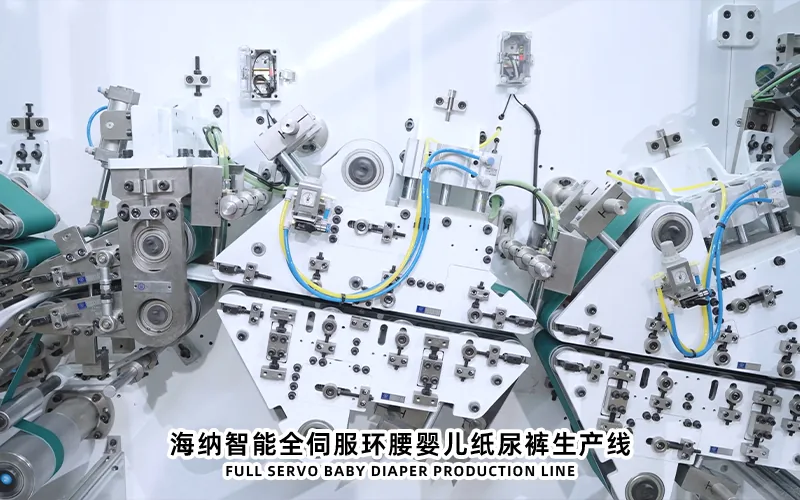
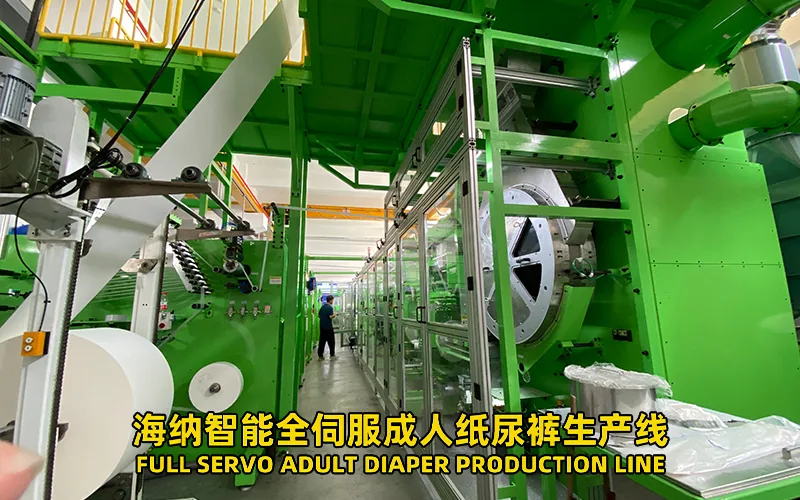
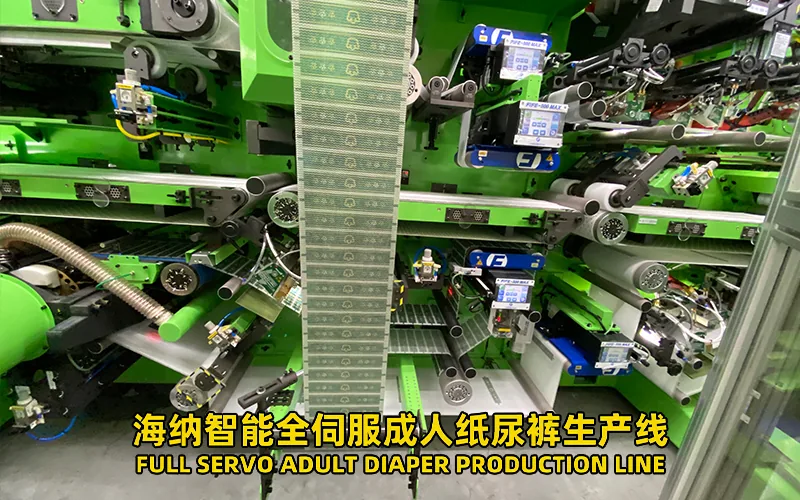
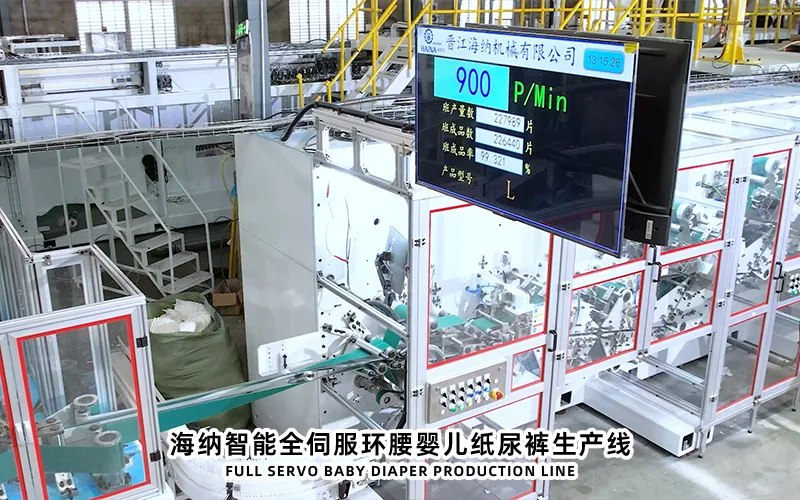
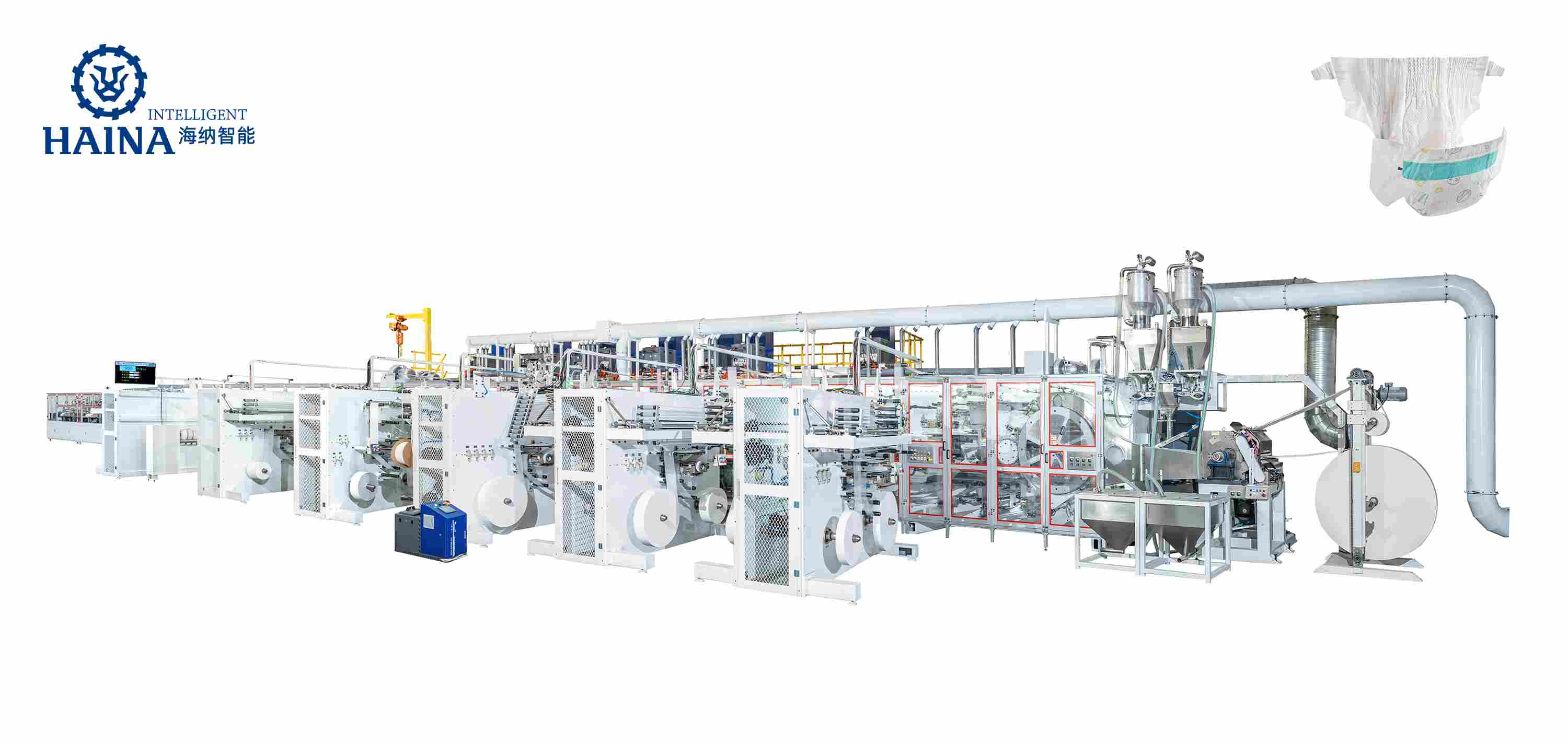
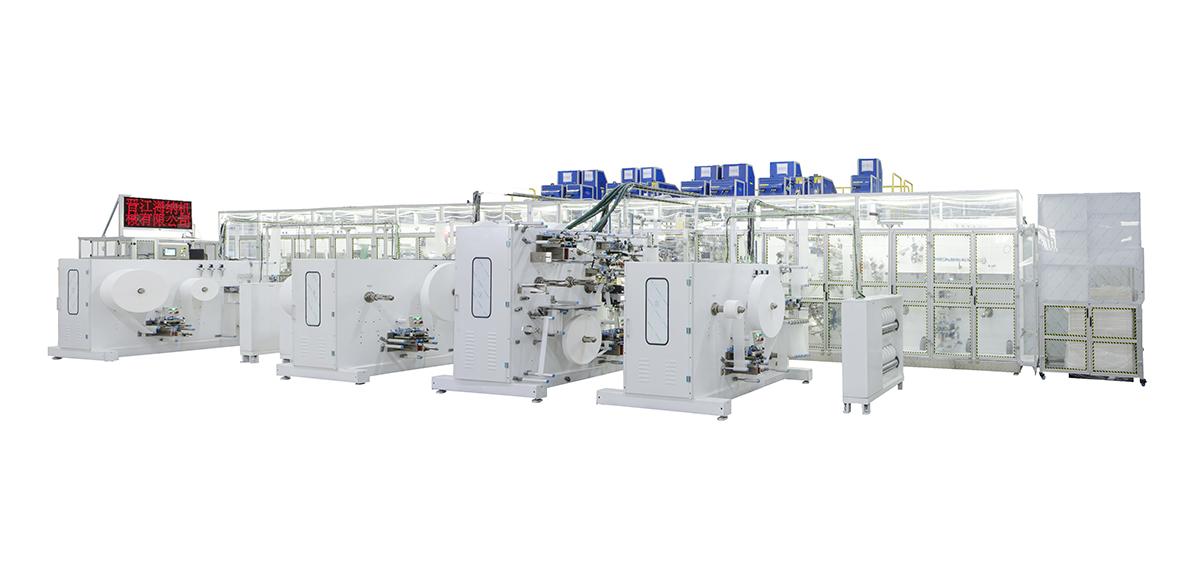
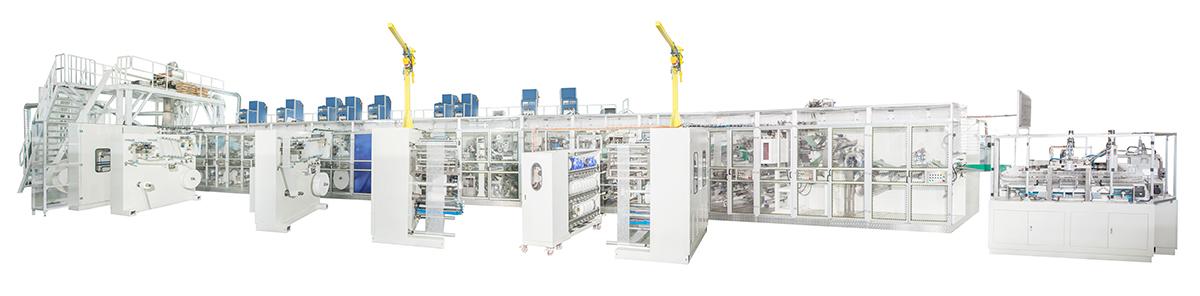
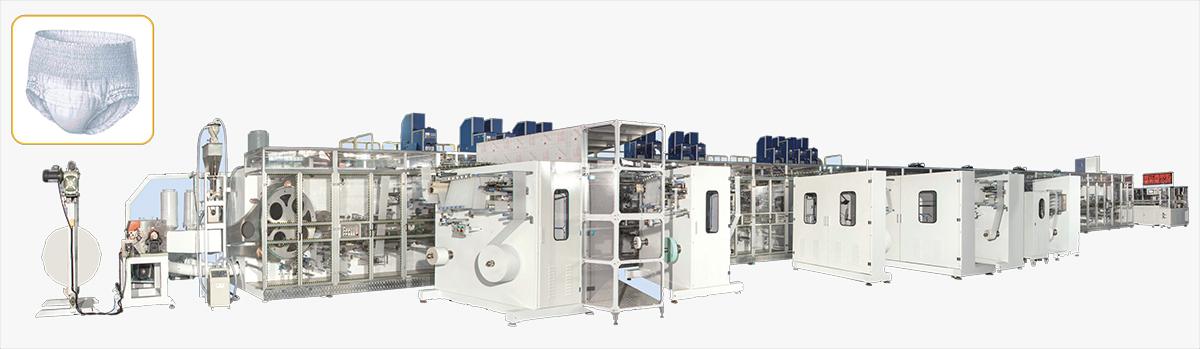
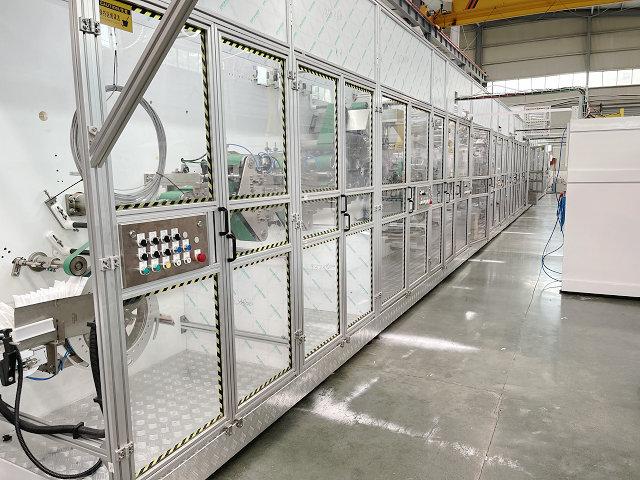
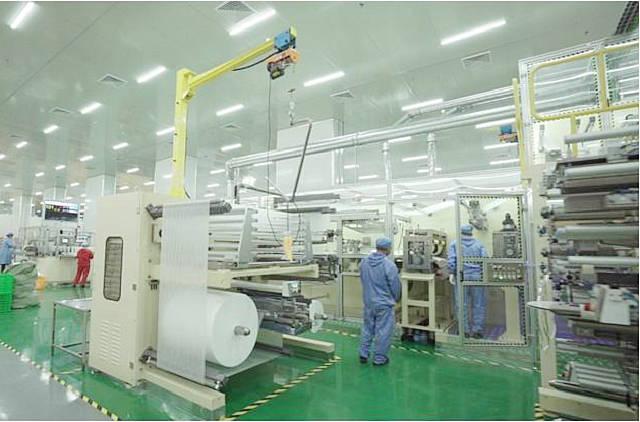
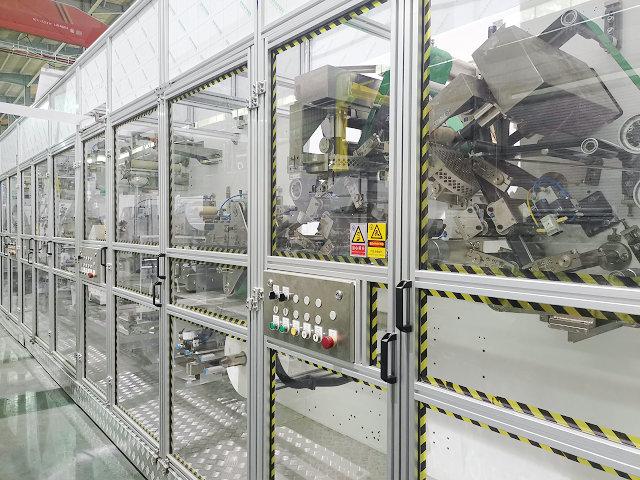
An infant diaper manufacturing machine is materially compatible only when the approved rolls and consumables can be unwound, guided, bonded, cut, formed, inspected, and packed within the agreed product-quality window. Matching width alone is not enough. Buyers should document roll geometry, basis-weight range, tensile behavior, extensibility, surface treatment, winding direction, splice design, adhesive response, elastic performance, pulp and SAP behavior, and storage condition. Verify compatibility with representative production lots across startup, stable operation, roll changes, and restart, then link every accepted material to a controlled machine recipe and finished-product record.
Create a Material Master Before Trials
Give each material an internal code linked to supplier, grade, revision, and approved product. Record functional role, nominal width, acceptable width range, basis weight, thickness where relevant, roll diameter, core dimensions, roll weight, winding direction, splice preparation, surface side, storage limits, and inspection method. Keep units and test conditions consistent.
The master should cover topsheet, acquisition or distribution layer, tissue, backsheet, cuff nonwoven, frontal tape, side tapes, release materials, elastic, pulp, SAP, construction adhesive, elastic adhesive, and packaging film. A trade name alone does not describe how a roll will behave. Capture the properties needed by the specific feeding and process station.
Separate supplier certificates from machine evidence. Incoming documents can support identification, but compatibility is confirmed by actual conversion and finished-product results. Lot-to-lot variability also matters. Preserve the lot number and a retained sample from each trial so a later difference can be investigated.
Material master minimum fields
Internal code, supplier grade, revision, lot identity, and approved product sizes.
Width, basis-weight range, roll diameter, core, weight, and winding direction.
Surface side, splice construction, storage, conditioning, and handling rules.
Relevant tensile, extensibility, absorbency, permeability, or bond properties.
Assigned unwind, process station, recipe, inspection, and substitution status.
Trial report, retained sample, approval owner, and next review condition.
Check Roll Geometry Unwind and Splicing
Confirm that the roll fits the shaft or chuck and that lifting equipment can handle its actual mass and dimensions. Check core strength, concentricity, telescoping, edge damage, winding tightness, and roll orientation. A roll may meet nominal dimensions yet vibrate, wander, or collapse under acceleration.
Review unwind torque or drive control across full and near-empty roll conditions. Observe dancer travel, brake response, tension feedback, low-material detection, edge guiding, and roll-change behavior. Lightweight topsheet and backsheet may require different tension windows from tape or cuff material. Record stable settings by material code.
Test the specified splice method. Evaluate preparation time, tape type, overlap or butt geometry, sensor recognition, acceleration response, and removal of the splice from accepted product. When automatic or zero-speed splicing is included, challenge it under controlled conditions and log the resulting waste. A successful manual splice does not prove an automatic sequence.
Roll geometry and unwind response are tested from full roll through roll change.
Evaluate Web Tension Guiding and Surface Behavior
Observe each web through acceleration, stable operation, deceleration, stop, and restart. Look for neck-in, stretching, wrinkles, edge curl, flutter, slipping, static, contamination, and tracking error. Record where the symptom begins rather than only where it becomes visible. An upstream tension disturbance can appear later as poor component registration.
Check the web-guiding reference and sensor contrast. Porous, embossed, printed, translucent, or low-contrast materials may need different detection settings. Verify that sensor positions stay valid for all approved widths and that the guide does not reach its travel limit during normal roll variation.
Surface treatment affects adhesive wetting and friction. Confirm which side contacts adhesive and which side contacts belts, rollers, or vacuum plates. Excessive dust, release agent, or contamination can reduce bonding or dirty sensors. Material storage and conditioning should be part of the trial record because temperature and humidity can alter handling behavior.
Compatibility includes stable tracking through speed changes, stops, and restarts.
Verify Pulp SAP and Core Formation
For fluff pulp, record bale identity, moisture condition where controlled, sheet dimensions, density, and preparation. Observe feeding, defibration, fiber distribution, dust generation, and accumulation. The process should produce the agreed core profile without unstable feed, excessive clumps, or contamination. Dust extraction must be balanced with core formation rather than treated as a separate utility only.
For SAP, record grade, particle behavior, bulk condition, storage, transfer, and dosing setup. Check bridging, leakage, dust, dosing consistency, and distribution within the approved core construction. Do not infer absorbent performance from feeder settings alone. Weigh or otherwise inspect samples using the buyer's agreed method and evaluate finished-product function under the product quality plan.
Core wrapping and compression depend on tissue or nonwoven behavior, vacuum, adhesive, and forming components. Inspect edge definition, integrity during transfer, positioning, and response to cutting. A core that looks acceptable at low speed may move or break during acceleration, so include dynamic conditions in the trial.
Quality note: Machine compatibility proves controlled processing under stated conditions. Product absorbency and use performance still require the brand owner's separate laboratory and product-release program.
Test Adhesive Bonds Elastics and Tapes
Record adhesive grade, batch, storage, melt condition, application unit, temperature set points, pressure, nozzle or slot configuration, filter state, and application pattern. Temperature displays are process inputs, not bond evidence. Inspect transfer, coverage, stringing, bleed-through, buildup, contamination, and bond performance after the agreed conditioning period.
Elastic compatibility depends on material type, package, feed tension, draw ratio, adhesive, contact geometry, and relaxation. Observe strand breakage, wandering, tension fluctuation, creep, and final placement. Measure the finished product using an agreed method because the machine feed value does not directly establish the product's recovered dimensions.
Frontal tape, side tape, and release materials require correct unwind side, cut length, transfer timing, adhesive or mechanical bond, and placement. Check peel and refastening function under the product specification. If a component supplier changes liner, coating, thickness, or surface, repeat the process review even when the commercial grade name remains similar.
Bonding trials connect process settings to elastic and tape position in the finished diaper.
Inspect Cutting Detection and Rejection
Materials influence cutting through thickness, abrasiveness, extensibility, layering, and adhesive contamination. Inspect cut edges, loose fibers, film damage, tool buildup, noise, heat, and wear pattern. Track condition over a meaningful run rather than accepting the first clean cuts. A material change may require a different maintenance interval even when dimensions remain unchanged.
Verify registration marks, edge sensors, component sensors, vision settings, and rejection timing with the actual material color, texture, print, and transparency. Create controlled missing, shifted, or defective components where the test can be performed safely. Confirm that detection and physical rejection remain synchronized at the tested operating condition.
Check downstream counting, folding, stacking, and bagging. Surface friction, bulk, compression recovery, and static can change stack stability and transfer. A material set that converts in the main process but repeatedly fails during stacking is not compatible with the complete production line.
Run a Controlled Material Compatibility Trial
Trial stage
Condition to control
Evidence to collect
Decision question
Receiving and setup
Correct grade, lot, storage, roll, and winding data
Material sheet, photos, and retained sample
Is the tested material clearly identified?
Threading and startup
Approved web path, initial tension, adhesive, and recipe
Setup sheet and startup observations
Can the material be introduced safely and predictably?
Stable operation
Named product, operating set point, duration, and sampling
Run log, alarms, adjustments, defects, and accepted output
Does the process remain controlled under agreed conditions?
Dynamic events
Acceleration, stop, restart, roll depletion, and splice
Event records, waste, and post-event samples
Does compatibility persist through normal disturbances?
Finished product
Approved drawing, conditioning, and test methods
Numbered samples and quality results
Does the product meet the release specification?
Downstream handling
Fold, stack, count, compression, bag, and reject
Packed samples and interface log
Can the complete line handle the material set?
Write the protocol before material arrives. Define who provides each item, quantity, lot count, conditioning, test sizes, sequence, line condition, quality checks, and failure response. Preserve settings and changes in chronological order. When a trial fails, identify whether the material, machine setup, equipment capability, product specification, or test condition caused the result before making a substitution.
HAINA can review a buyer's material matrix for an infant diaper manufacturing machine and map it to feeding, forming, bonding, inspection, and packing checks. Final compatibility approval should use the buyer's actual product specification and representative lots rather than an unverified equivalence between grades.
Approve Material Substitution with Evidence
Create a change-control trigger for new suppliers, grade changes, specification changes, width changes, winding changes, and recurring lot problems. Ask the proposed supplier for a comparison against the approved material, but let the factory decide which differences affect machine trials and product testing. Similar nominal basis weight does not prove similar tensile, friction, extensibility, surface, or bonding behavior.
Use a staged approval. Review documents and samples, conduct a limited thread and process check, run a controlled production trial, inspect finished products, test downstream handling, and then authorize a defined product and recipe. State whether approval is temporary, lot-specific, size-specific, or general. Keep the original approved material available for comparison where practical.
Update recipes, incoming inspection, storage instructions, operating windows, spare nozzles or cutters, maintenance frequency, and training if the substitution changes them. Monitor early production lots for drift. A successful trial under one condition should not be expanded silently to every size or speed.
Approved substitutions remain tied to recorded lots, recipes, products, and limits.
Material Compatibility FAQ
Can a material be approved from its specification sheet alone?
No. The sheet helps identify risk, but machine processing, finished-product quality, dynamic events, and downstream handling require representative trials.
Does the same width mean two nonwovens are interchangeable?
No. Basis weight, tensile behavior, extensibility, friction, porosity, surface treatment, winding, and roll quality can change feeding and bonding.
When should material compatibility be retested?
Retest after meaningful supplier, grade, construction, specification, winding, adhesive, product, or process changes and when recurring unexplained defects appear.
Should compatibility trials run at design speed?
Use contracted conditions and progress safely. Record operating speed, stable working condition, quality, stops, and limits without treating a short peak at design speed as acceptance.
Conclusion
Material compatibility is a controlled relationship among a defined grade, machine setup, product construction, operating condition, and quality result. Build a complete material master, test roll handling and web behavior, verify core formation, bonding, elastic and tape processes, and include cutting, inspection, rejection, and packing. Representative trials and formal substitution control protect production from hidden changes while giving purchasing teams a defensible path to qualify alternatives.