Adult & Baby Diaper Machine,Sanitary Napkins Production Line Blog
Create a diaper manufacturing equipment maintenance plan with risk priorities, shift checks, planned service, critical spares, backups, and restart tests.
A diaper manufacturing equipment maintenance plan reduces downtime when it combines shift inspections, condition-based triggers, scheduled service, critical-spare readiness, and verified restart procedures. The plan should prioritize failure consequences at unwinds, web guiding, vacuum and core forming, adhesive application, rotary tools, drives, sensors, folding, transfer, and packing. Tasks need a responsible role, safe isolation method, frequency or trigger, acceptance condition, record, and escalation path. Maintenance cannot promise zero stoppages, but it can detect deterioration earlier, make planned work repeatable, and shorten recovery. Build the plan from supplier instructions, actual line history, product quality trends, and the plant's staffing and production schedule.
Rank Equipment by Failure Consequence
Build an asset register that identifies every production station and supporting system. Include unwinds, guides, tension devices, pulp and SAP equipment where used, vacuum, dust extraction, adhesive systems, elastic feeds, cutters, transfer drums, folding, inspection, stackers, baggers, air treatment, and electrical panels. Link each asset to drawings, manuals, installed components, and spare records.
Rank failure consequence in terms of safety, product quality, complete line stoppage, reduced speed, difficult recovery, and spare lead time. A low-cost sensor can be highly critical if its failure stops the line and no substitute can be configured. A large component may be less urgent if deterioration is detectable and a controlled repair window is available.
Identify failure modes rather than assigning one priority to a whole machine. A roller can suffer contamination, bearing wear, misalignment, surface damage, or vacuum blockage, each with different signs and tasks. Use supplier recommendations as the initial baseline, then adjust intervals only from documented operating experience and condition evidence.
Connect the risk ranking to production plans. A component that can be replaced during every product change may need a different strategy from one that requires a major line disassembly. Record detection lead time, preparation time, repair duration, and the products affected. This turns criticality into a scheduling decision rather than a permanent red label on a spare-parts list.
An asset and failure-mode register makes maintenance priorities visible across the complete line.
Define Shift Inspection Routes
Operators often see the first signs of deterioration. Create a short route for each shift that checks unusual sound, heat, vibration, odor, leakage, dust buildup, web tracking, tension behavior, adhesive cleanliness, vacuum indication, air pressure, cutter condition, guards, reject flow, and packaging transfer. Define normal conditions or comparison points so the route is more than a checkbox.
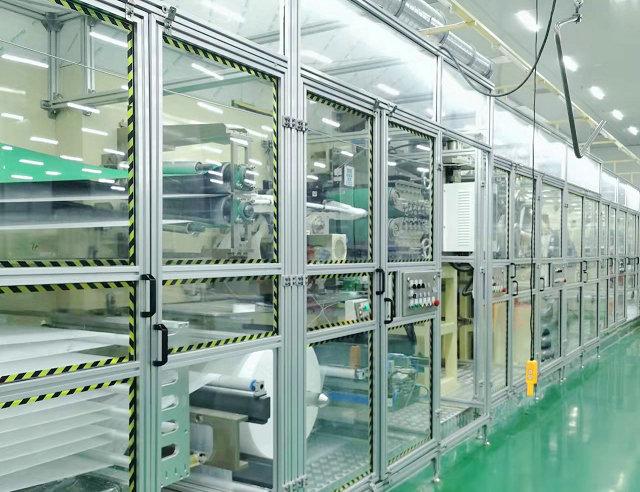
Inspection should not require exposure to moving hazards. Use windows, external gauges, safe observation points, HMI trends, and approved low-speed or stopped conditions. Record abnormalities with asset location, time, product, speed, material lot, symptom, and image when useful. A comment such as "machine noisy" is less actionable than identifying the station, operating event, and change from baseline.
Set escalation rules. An immediate stop may be required for a safety risk, loose critical part, severe overheating, or product contamination. Other conditions can trigger a planned check at the next roll change or maintenance window. Operators should know who decides and how affected products are contained.
Control Web Core and Adhesive Conditions
Web handling problems can begin with roll mounting, brake or drive response, dancer friction, sensor contamination, guide movement, roller buildup, damaged edges, static, or splice preparation. Maintenance routes should inspect bearings, surfaces, alignment references, actuators, cables, air lines, and guide calibration. Cleaning methods must suit material-contact surfaces and avoid residues.
Core systems require attention to pulp feeding or preformed-core web paths, SAP dosing where used, forming surfaces, vacuum passages, filters, seals, dust extraction, compaction, and cutting. Trend vacuum or pressure indicators under a defined product and rate. A changing baseline can reveal filter loading, leakage, blockage, or wear before product measurements fail.
For hot-melt systems, follow approved safety and supplier instructions. Track temperature stability, pressure, filter condition, hose damage, nozzle or slot cleanliness, leaks, char, and bond results. Do not adjust temperature simply to overcome contamination or unsuitable adhesive behavior. Record adhesive lot and operating condition when investigating a bond issue.
Material paths, vacuum, dust, and adhesive conditions often show deterioration before a major stop.
Maintain Rotary Tools Drives and Bearings
Rotary cutters, anvils, embossing or sealing rolls, vacuum drums, transfer rolls, and folding mechanisms depend on surface condition, alignment, timing, bearings, fasteners, lubrication, and controlled loading. Establish visual, dimensional, vibration, temperature, and product-quality indicators appropriate to each asset. Do not wait for a blade to fail if cut quality or required adjustment already shows a trend.
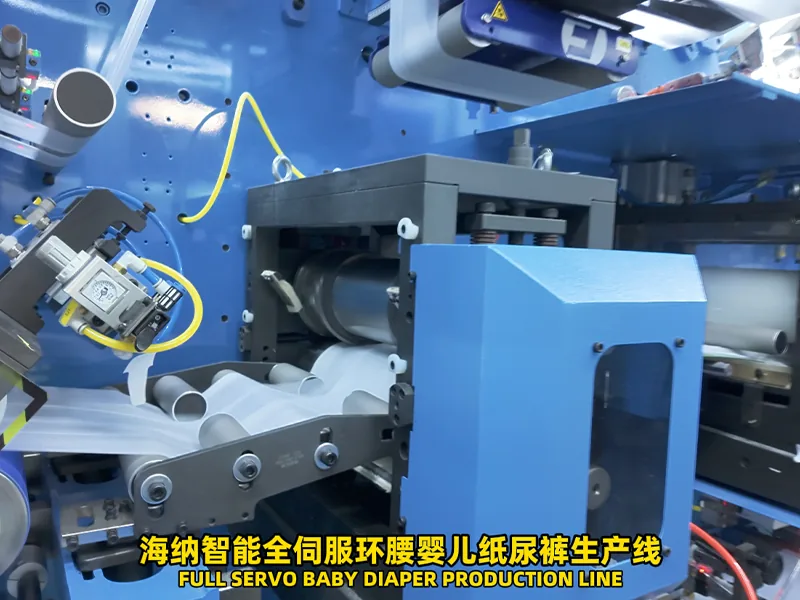
For belts, chains, couplings, gearboxes, and mechanically linked sections, inspect tension, wear, backlash, alignment, lubrication, guards, and debris. Use documented reference positions before disassembly. For servo axes, pair mechanical checks with drive alarms, following error, torque trends, encoder condition, cables, cooling, and parameter control. A high torque value can reflect binding or process load rather than an electrical failure.
Tool removal and installation should specify isolation, lifting, protection, fastener sequence, torque, timing, gap or pressure setting, and post-work inspection. Provide racks or carts so precision parts are not placed on the floor. Track sharpening or refurbishment history and verify the returned tool before production.
Protect Controls Sensors and Program Backups
Inspect electrical cabinets for temperature, filter condition, fan operation, contamination, loose or damaged connections under approved procedures, and signs of moisture. Keep cabinet doors closed during operation unless a controlled task requires access. Review drive and network alarm histories rather than clearing them without cause coding.
Sensors need correct mounting, clean lenses or faces, secure cables, stable targets, and verified calibration. Record reference positions before adjustment. Repeatedly moving a sensor to clear a symptom can hide a web-guiding, mechanical, material, or timing problem. Define a test piece or procedure for important detections and reject confirmation.
Maintain controlled backups for PLC, motion, HMI, drives, recipes, vision, network configuration, and machine parameters where applicable. Label each backup by machine, software version, date, and approval status. Demonstrate a restore process during training and after major changes. Protect write access and record authorized changes.
Electrical condition, sensor references, alarm history, and backups support faster diagnosis and recovery.
Plan Weekly Monthly and Shutdown Work
Group tasks by the access and stop condition they require. Short weekly windows may handle cleaning, external checks, lubrication, filters, simple tension checks, and open observations. Monthly or product-change windows can support guarded access, detailed inspection, alignment checks, tool review, electrical cabinet service, and controlled sensor verification. Major shutdowns should cover intrusive work, overhauls, duct cleaning, calibration, and upgrades.
Freeze the shutdown scope early enough to secure spares, tools, external support, lifting, permits, and production inventory. Rank work as mandatory, condition-triggered, improvement, or opportunity. Avoid adding uncontrolled tasks after the line is isolated; schedule changes need the same risk and resource review.
Estimate duration from a job plan that includes preparation, isolation, access, removal, inspection, repair, installation, setup, cleanup, guarding, testing, and release. The wrench time alone is not the full stop. Review actual duration and delays after completion to improve future planning.
Hold a short readiness review before a major window. Confirm the latest drawing, replacement-part status, permits, isolation plan, lifting arrangement, tools, consumables, technical support, acceptance measurement, and rollback option. If a critical resource is missing, decide whether to postpone or reduce scope before the machine is opened. Planned restraint can prevent a small task from becoming an extended outage.
Manage Critical Spares and Repair Loops
Classify spares by failure consequence, usage, lead time, interchangeability, storage life, setup requirements, and repairability. Typical categories may include sensors, cables, bearings, belts, blades, seals, filters, nozzles, drives, motors, controllers, pneumatic valves, and special tools. The correct stock depends on installed models and local supply; a generic spare list should be reconciled to the final bill of materials.
Store precision and electronic parts under suitable conditions with clear identification. Record issue and return. A spare shown in the inventory system but damaged, obsolete, or missing parameters does not protect availability. For repairable items, define quarantine, evaluation, repair vendor, test, returned status, and maximum quantity outside the plant.
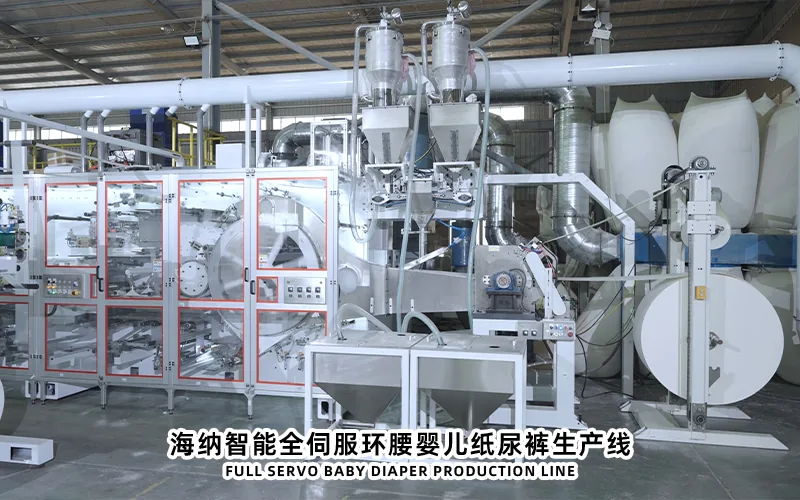
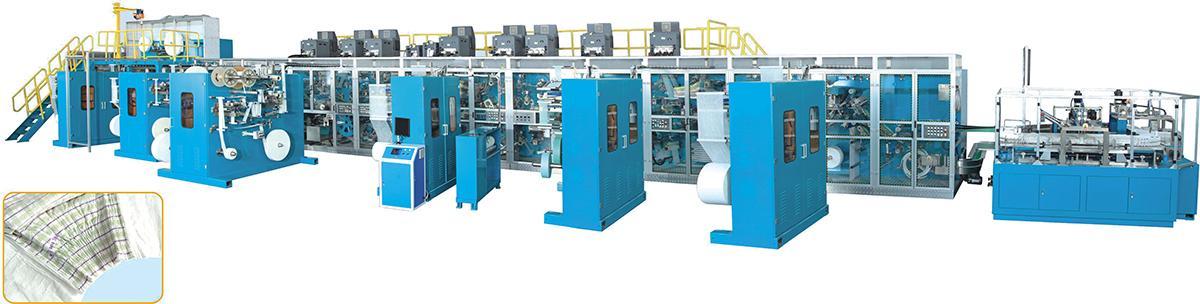
During HAINA project review, buyers can connect the installed component list for the automatic baby diaper manufacturing machine with their own consequence and lead-time assessment. Ask for replacement and setup instructions for the most critical selections instead of purchasing every optional spare without analysis.
Use a Maintenance Task Control Table
Asset or condition
Task and trigger
Acceptance evidence
Downtime control
Web guide or tension zone
Inspect sensor, actuator, roller, cable, air, and response by route or drift
Clean stable movement and documented reference
Combine work with roll or product change
Vacuum and extraction
Check trend, filters, seals, passages, and waste when baseline changes
Reading and product result under reference condition
Prepare filters and cleaning access before stop
Rotary tool
Inspect cut or seal trend, surface, bearing, alignment, and setting
Setup record and accepted sample
Use ready spare or planned refurbishment loop
Servo or control component
Review alarms, cooling, cables, load, backup, and replacement readiness
Normal status and verified configuration copy
Stage programmed spare and recovery instruction
Stacker or bagger
Inspect transfer, guides, compression, seal, sensors, and replenishment
Correct count, pack, code, and fault response
Balance work with main-line shutdown
Restore and Verify the Line After Work
Account for work: confirm parts, tools, fasteners, fluids, temporary devices, and personnel are clear.
Turn safely: use approved manual or low-speed checks for direction, interference, vibration, temperature, and leaks.
Thread and challenge: run approved material and verify the function that was serviced under relevant operating events.
Release quality: measure affected product features and control products made during setup or uncertainty.
Close records: capture findings, parts used, settings, test results, follow-up tasks, and revised interval if justified.
A maintenance task is complete only after safe restoration and product verification.
Maintenance Planning FAQ
Should every maintenance task use a fixed calendar interval?
No. Use calendar, operating-hour, cycle, condition, and event-based triggers according to the failure mode and available evidence.
Who should perform shift inspections?
Trained operators can own safe operating observations, while maintenance handles defined technical checks. Escalation and isolation rules must be clear.
How can a plant reduce repair time for a failed servo drive?
Keep an interchangeable spare where justified, controlled parameters and programs, connection records, trained staff, required tools, and a post-replacement test.
Can maintenance frequency be extended after reliable operation?
Only through documented condition and failure history, supplier guidance, risk review, and approval. Do not extend safety or quality-critical tasks casually.
Conclusion
A practical maintenance plan links failure consequences to observable conditions, safe tasks, ready resources, and verified restarts. Use operator routes for early signs, plan intrusive work in controlled windows, protect programs and sensor references, and stock spares by risk. Review actual failures and job delays so the plan becomes more precise as the diaper manufacturing equipment accumulates local operating evidence.