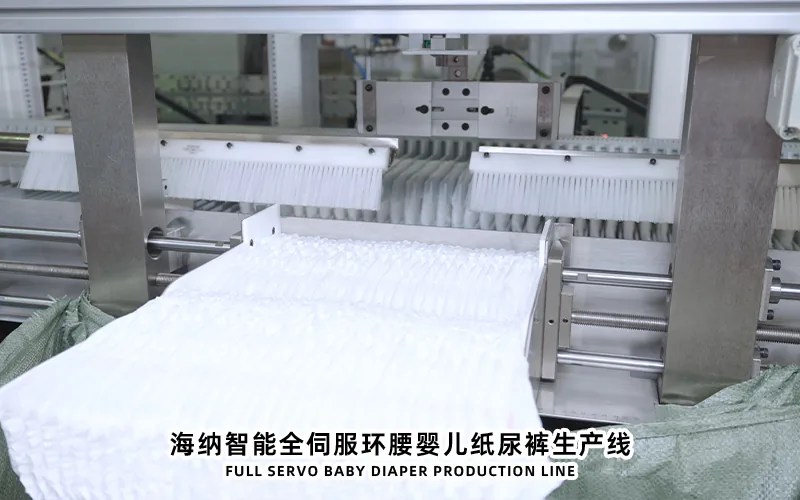
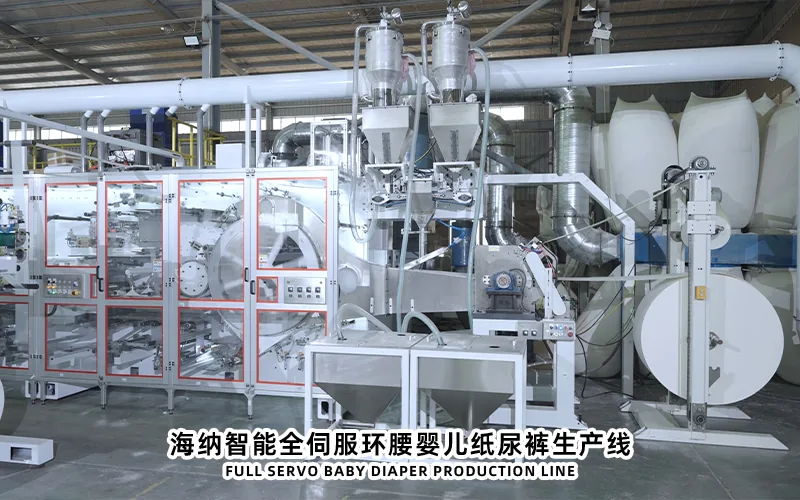
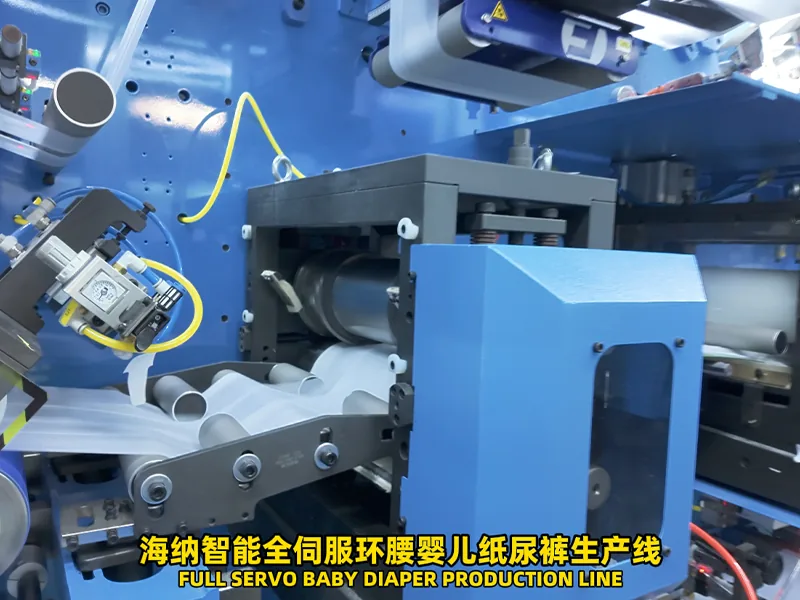
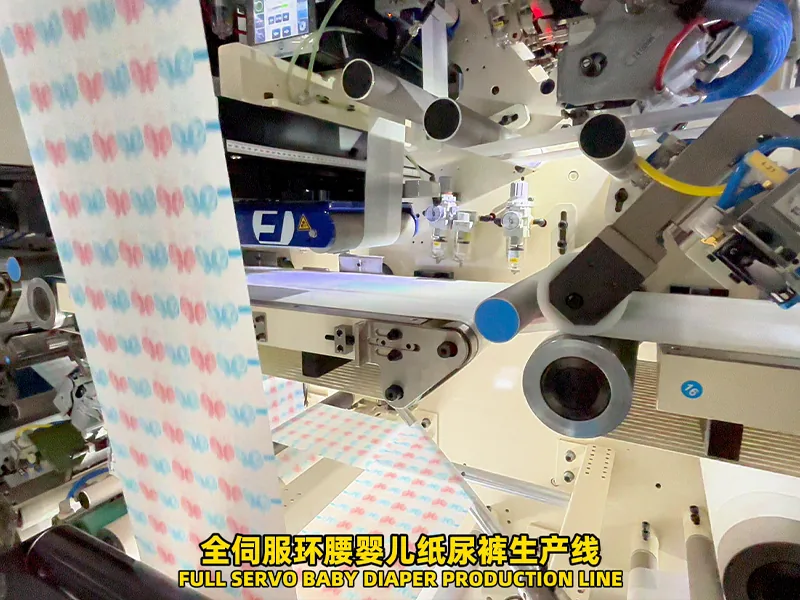
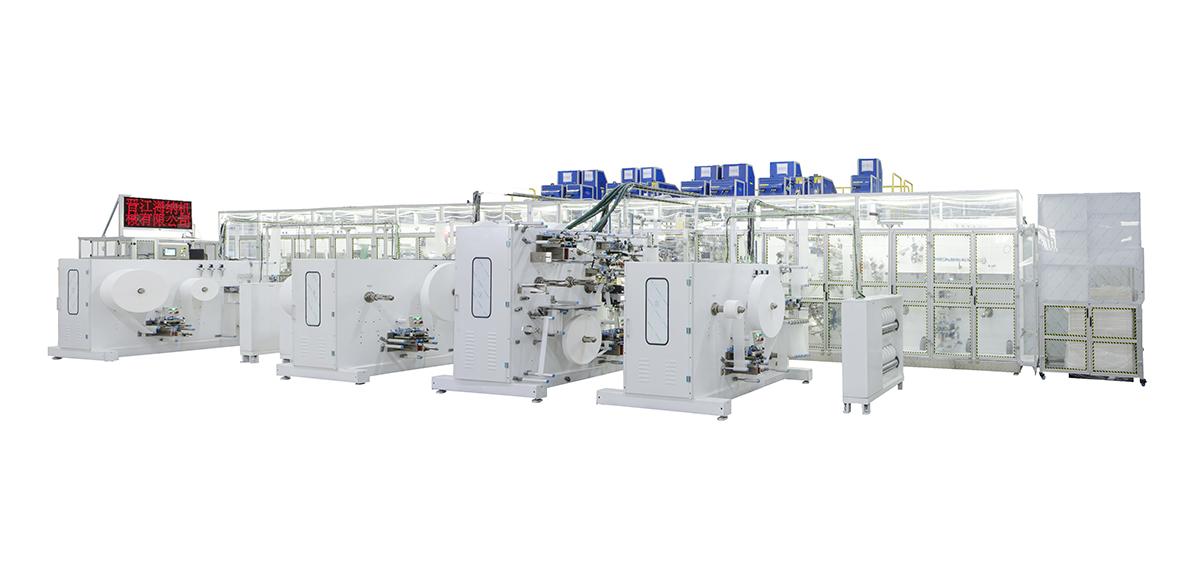
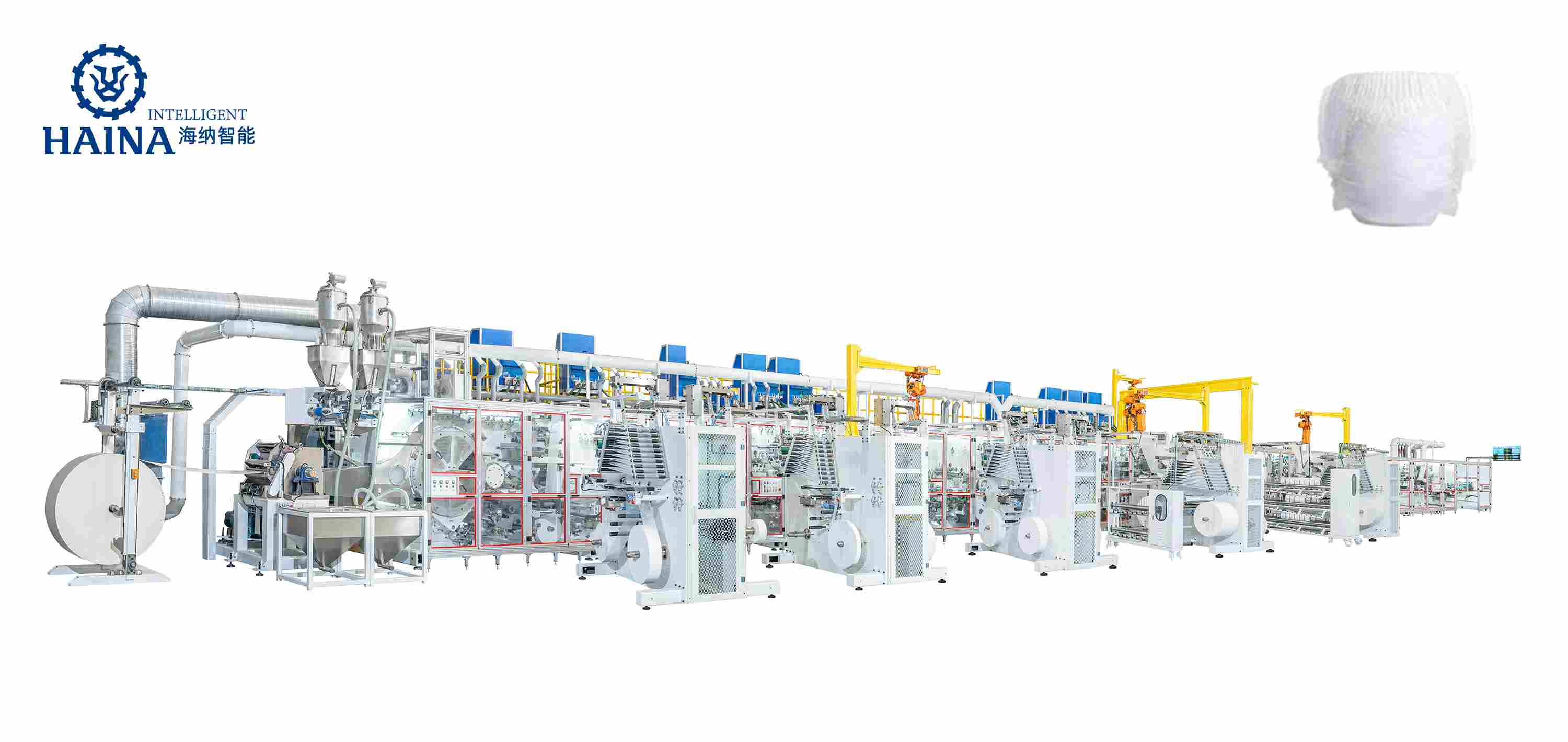
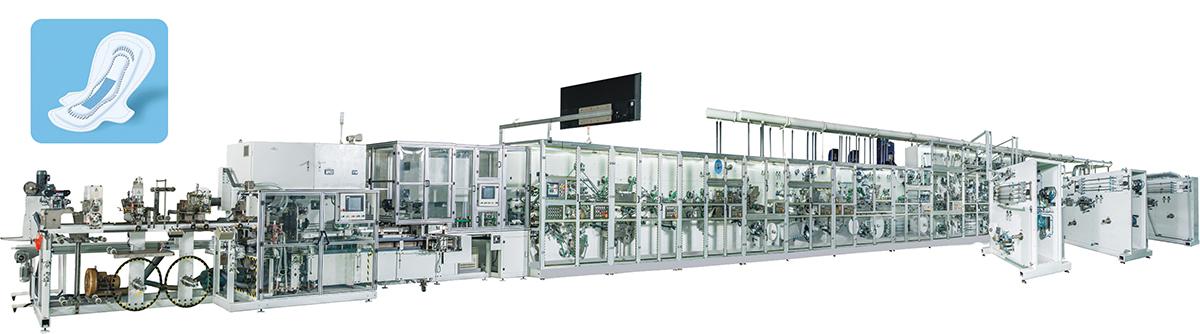
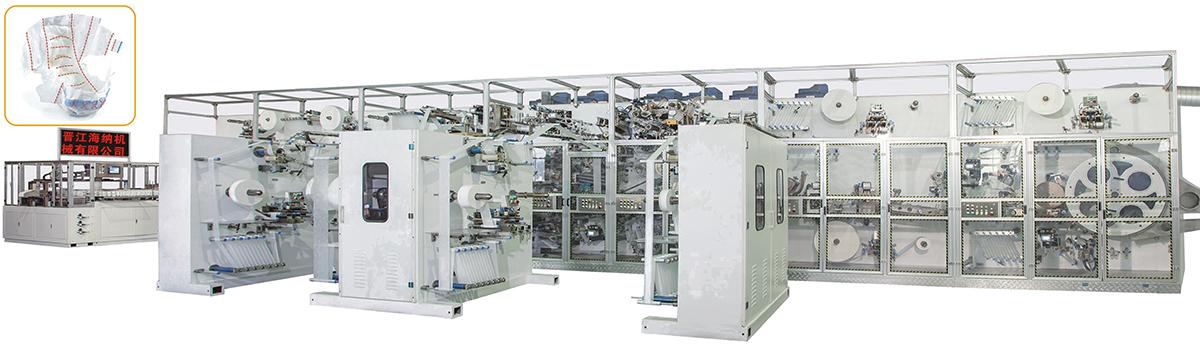
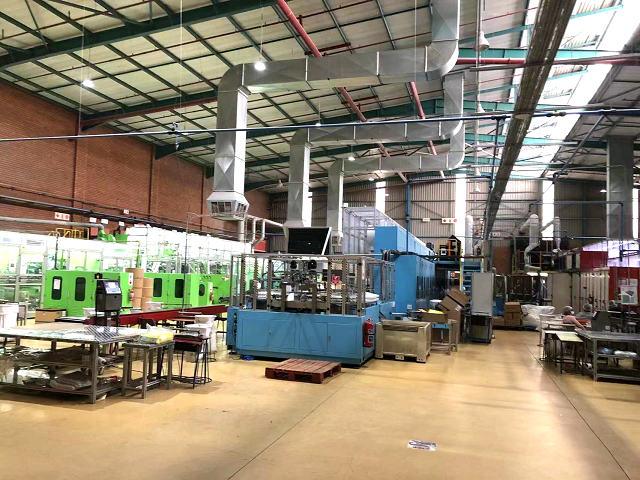
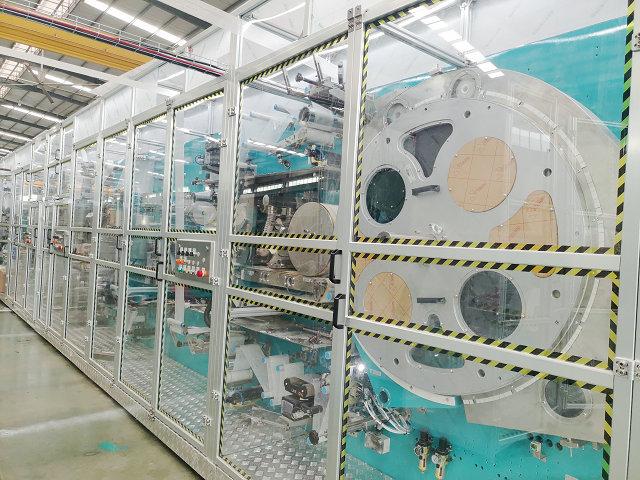
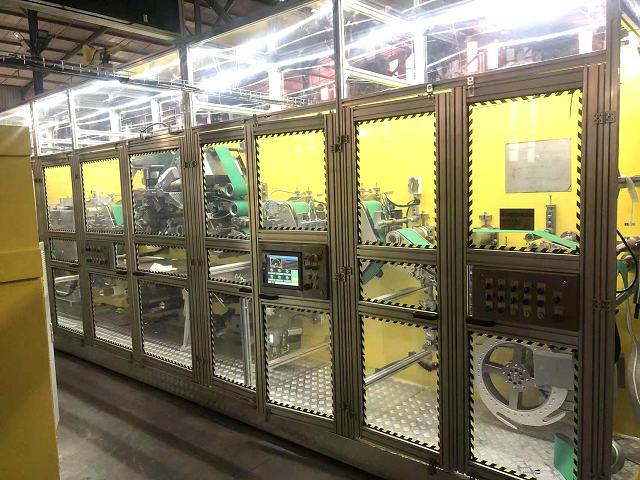
You can purchase a diaper machine directly from a qualified production-line manufacturer, through an authorized industrial representative, or from a used-equipment specialist. For a new B2B project, direct contact with the machine builder normally provides the clearest route for product engineering, customization, factory acceptance testing, commissioning, documentation, and spare-parts support. Do not select a source from price or marketplace photos alone. First define whether you need baby diapers, adult diapers, pull-ups, or another absorbent product, then compare suppliers against one technical brief, one scope list, and one acceptance method.
Choose the Right Purchase Channel
Direct purchase from an original equipment manufacturer is generally suitable when the line needs product-specific design, new tooling, controls integration, packaging coordination, installation, or long-term service. The buyer can discuss requirements with engineering and can witness manufacturing and FAT. The main diligence task is proving that the company actually designs, builds, tests, and supports the proposed equipment.
An authorized representative may be useful when local language, import administration, financing, or nearby service is important. Confirm whether the representative can bind the factory, who signs the technical agreement, where payments go, and which party owns warranty and commissioning duties. A trading company can coordinate sourcing, but it should not obscure the actual manufacturer or substitute its own promises for factory evidence.
Used equipment can reduce initial expenditure and delivery time, yet it carries different risks. Check machine age, operating history, completeness, control-system support, tooling, drawings, software backups, dismantling condition, transport damage, and the availability of technicians who can recommission it. A used line configured for a different product may require more modification than the purchase price suggests.
Purchase decisions should be based on the required product and process scope.
Define the Diaper Machine Before Starting the Search
The term diaper machine covers several product families. Baby open diapers, baby pull-ups, adult tape diapers, adult pants, and underpads use different constructions and process arrangements. Clarify the finished product before requesting proposals. Provide size range, product drawings, absorbent-core concept, raw-material specifications, waist and fastening design, leg elastic arrangement, package format, planned shifts, and expected product changes.
Convert commercial goals into measurable engineering inputs. Instead of requesting high speed, state the product and material conditions under which output should be evaluated. Instead of requesting full automation, list the tasks that should be automatic, such as roll splicing, web guiding, defect detection, rejection, counting, stacking, and bagging transfer. Suppliers can then explain what remains manual.
Buyer brief before contacting sellers
Product family, sizes, drawings, samples, and target materials
Expected operating schedule and a realistic output model
Required automatic functions and packaging boundary
Factory layout, voltage, frequency, compressed air, and environment
Local safety, electrical, labeling, and document requirements
Installation, training, spare parts, language, and support expectations
Shortlist Manufacturers with Verifiable Evidence
Search results, exhibitions, industry referrals, and B2B directories can create a long list, but the shortlist should depend on evidence. Request the company's legal name, factory address, business scope, project contact, product portfolio, relevant line references that can be verified, and examples of technical documents. Check whether the website and quotation identify the same company and whether the proposed product belongs to its demonstrated equipment range.
Ask for a preliminary process flow and dimensioned layout. A capable supplier should be able to explain how each material enters the line, how the product is formed, where quality is checked, what waste is removed, and how finished pieces reach packing. Generic presentations that never connect to your product brief indicate that the proposal may not yet be engineered.
Use video meetings to bring engineering, production, maintenance, and procurement into the discussion. Request a live view of assembly or testing when travel is not yet justified. Recorded videos can help, but a live technical review makes it easier to ask about module identity, control screens, changeover points, guards, and current project status.
A factory visit can connect proposal claims to engineering, assembly, and testing evidence.
Compare Complete Offers Instead of Headline Prices
A purchase comparison should show what the buyer receives and what remains outside the order. Compare product range, process modules, controls, tooling, auxiliary equipment, packaging interface, safety scope, documentation, testing, delivery, commissioning, training, warranty route, and spare parts. Mark every unresolved item. An exclusion is not automatically negative, but its cost and owner must be known.
Purchase route
Main advantage
Key evidence
Primary risk to control
Direct machine manufacturer
Engineering access and project accountability
Design, assembly, FAT, document, and service records
Unverified capability or incomplete scope
Authorized representative
Local coordination and communication
Written authorization and responsibility matrix
Unclear warranty and payment ownership
Trading or project integrator
Multi-supplier coordination
Named OEMs, integration plan, and contract authority
Technical promises disconnected from builders
Used-equipment source
Potentially shorter lead time
History, condition report, software, tooling, and restart plan
Obsolescence, missing parts, or expensive modification
Normalize currencies, payment schedules, trade terms, taxes, freight, installation labor, travel, launch materials, and utilities. Keep a separate allowance for unknowns until suppliers close them in writing. This makes the purchasing decision traceable even when proposals use different formats.
Audit the Factory and Plan a Relevant Trial
A factory audit should follow the proposed machine through engineering, purchasing, incoming inspection, machining or fabrication, assembly, electrical work, software control, testing, and handover. Interview the people who own those processes. Look for controlled drawings, identified components, inspection records, clear work areas, revision control, and a repeatable testing method.
If a suitable line is available, observe material unwinding, tension control, registration, adhesive application, cutting, elastic placement, sealing, folding, rejection, counting, and operator intervention. Confirm that the shown product and materials are relevant to your project. A brief run of a prepared sample is useful for orientation but cannot replace a contractual acceptance test.
Buyers reviewing HAINA can compare its baby diaper machine solutions with the same product brief and evidence checklist used for every candidate. A supplier should earn the order through a project-specific response, not through brand repetition.
Raw-material paths and product construction must be confirmed before the final quotation.
Protect the Order with Contract and FAT Controls
Attach the final technical specification, scope list, layout, utility schedule, component agreement, document list, project milestones, and acceptance protocol to the contract. Define who approves drawings and samples, who supplies trial materials, and how changes affect price and schedule. Verbal clarifications should be transferred into controlled documents before payment gates are reached.
The FAT should define product size, raw materials, test duration, operating condition, output calculation, quality sampling, allowed adjustments, stop classification, waste measurement, alarms, safety checks, packaging interface, and document review. Record results, deviations, responsible persons, and closeout dates. Retain samples and machine settings where practical so site commissioning begins from a known baseline.
Freeze the accepted product and machine scope.
Approve drawings, layout, utilities, and component schedule.
Prepare representative materials and a written FAT protocol.
Witness operation, quality checks, stops, recovery, and changeover tasks.
Close critical deviations before shipment and track remaining actions.
Contractual FAT conditions should be agreed before manufacturing begins.
Confirm Delivery, Commissioning, and Lifecycle Support
Clarify packing, marking, moisture protection, container loading, insurance, shipping documents, import responsibility, and unloading equipment. Before dispatch, verify site readiness through a checklist and remote layout review. Late power, air, foundation, access, or materials can delay commissioning even when the machine arrives on time.
Define the number and role of technicians, expected duration, working hours, interpreter needs, travel responsibility, training content, and completion evidence. Request operating manuals, maintenance plans, electrical drawings, software backups, parameter files, wear-parts lists, recommended spares, and escalation contacts. Keep acceptance at the buyer's site distinct from the earlier factory test.
Support quality is easier to judge when response and ownership are visible. Ask how faults are logged, what information is needed for remote diagnosis, which components can be supplied locally, and how field service is scheduled. A lower purchase price has limited value if production recovery depends on an undefined chain of contacts.
Before final payment, conduct a handover review with production, quality, maintenance, and purchasing. Confirm that each department has the documents and contacts needed for its work. Check that passwords, software media, backups, drawings, spare identification, training attendance, open actions, and acceptance records are controlled by the buyer rather than remaining only on a visiting technician's computer.
Frequently Asked Questions
Is an online marketplace a safe place to purchase a diaper machine?
It can identify possible sellers, but the transaction still needs legal, technical, factory, contract, FAT, and service verification. Do not treat a listing as proof of manufacturing capability.
Should I visit the factory before ordering?
A visit is strongly useful for a customized new line. When travel is impossible, combine live factory review, document evidence, third-party inspection where appropriate, and a tightly defined FAT.
Can one diaper machine make every diaper type?
No. Product families and constructions differ. Confirm the exact formats, materials, tooling, and changeover range in the proposal and acceptance documents.
When should I order spare parts?
Approve a startup and critical-spare list before shipment. Base later inventory on lead time, failure impact, installed quantity, shelf life, and actual consumption.
Conclusion
The best place to purchase a diaper machine is the source that can prove product fit, engineering ownership, controlled manufacturing, relevant testing, complete delivery scope, and a workable support route. Start with a precise product brief, reduce the market to a documented shortlist, inspect the factory, and attach acceptance conditions to the contract. Preserve every clarification in the project record. This method allows direct manufacturers, representatives, integrators, and used-equipment sellers to be compared on evidence rather than presentation alone.