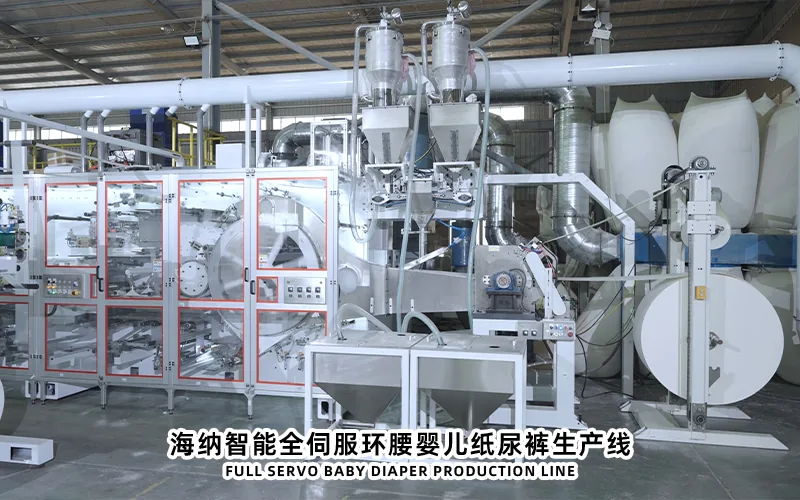
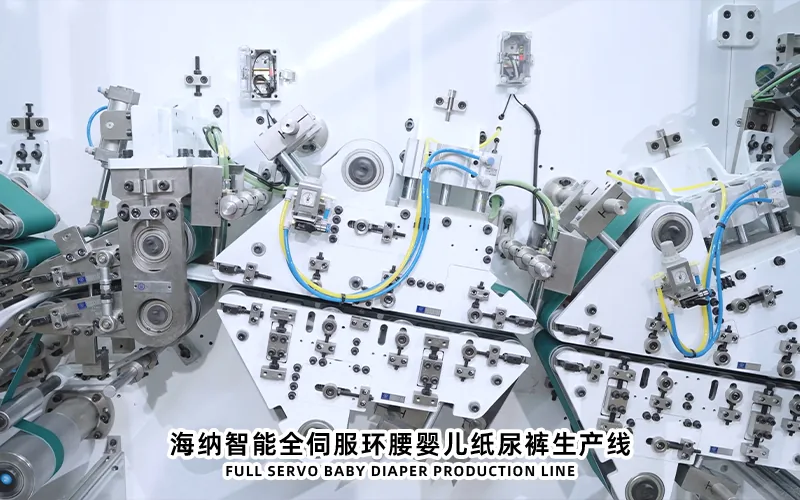
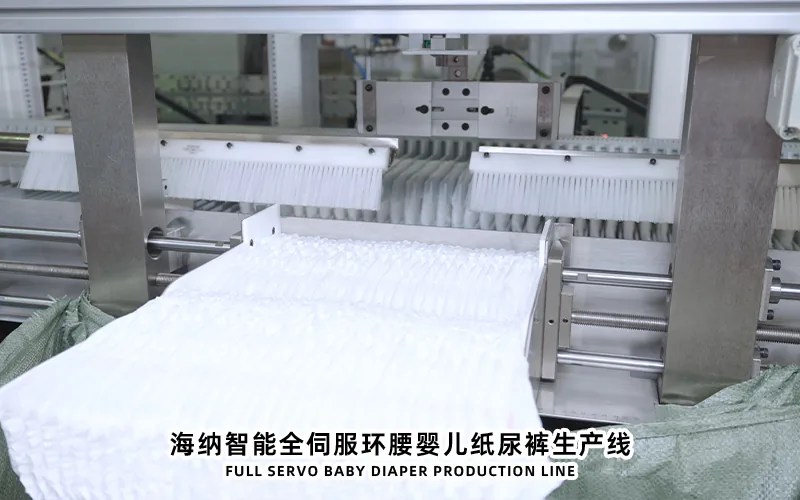
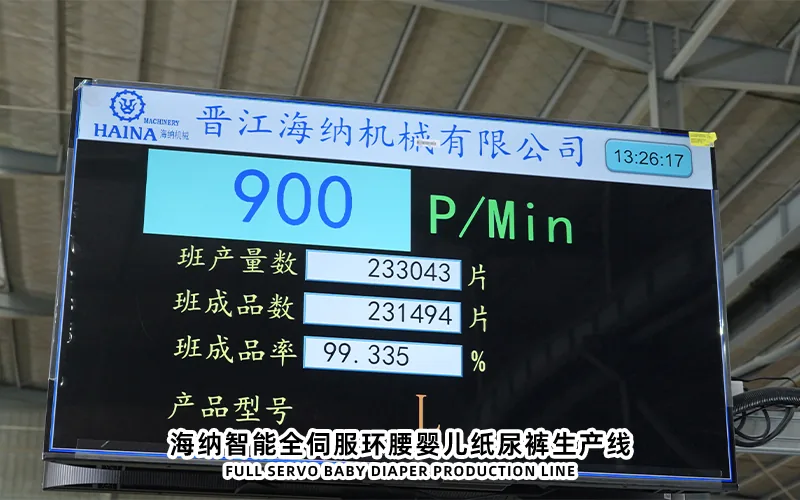
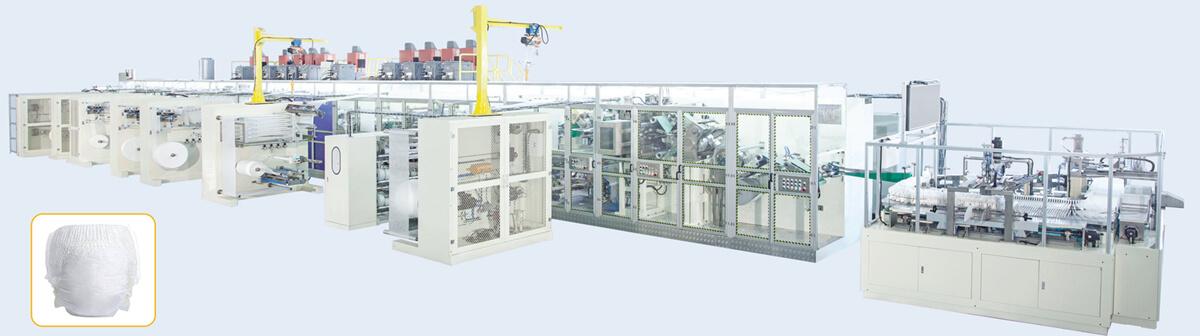
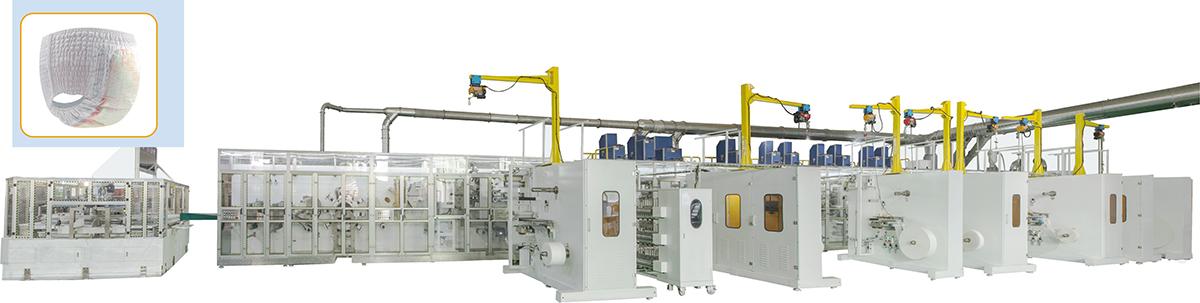
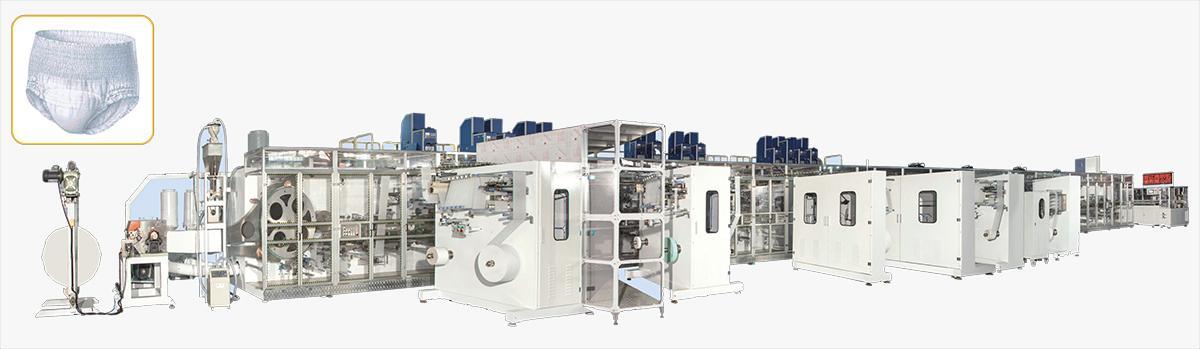
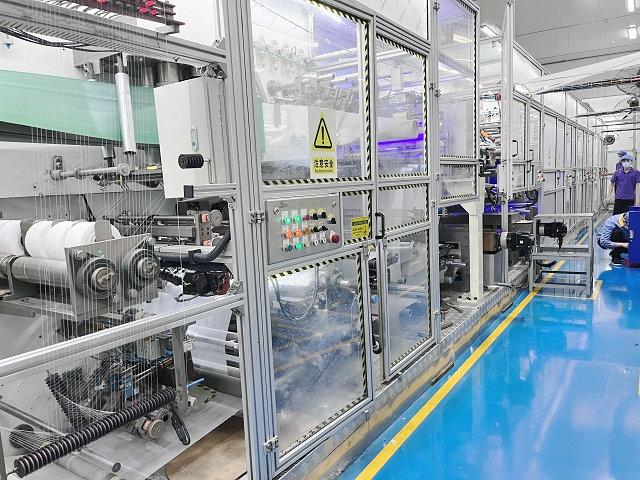
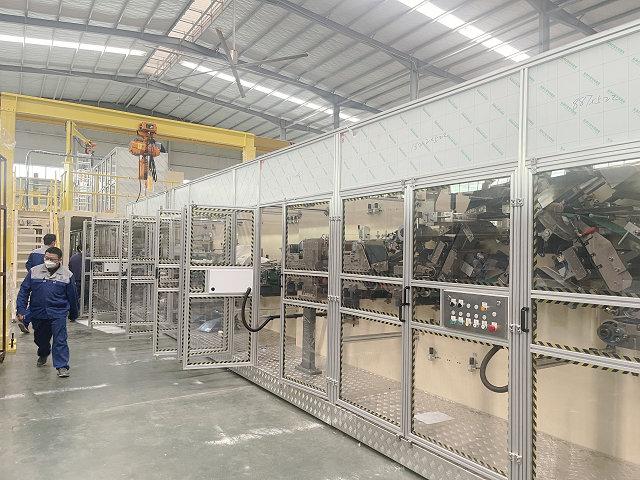
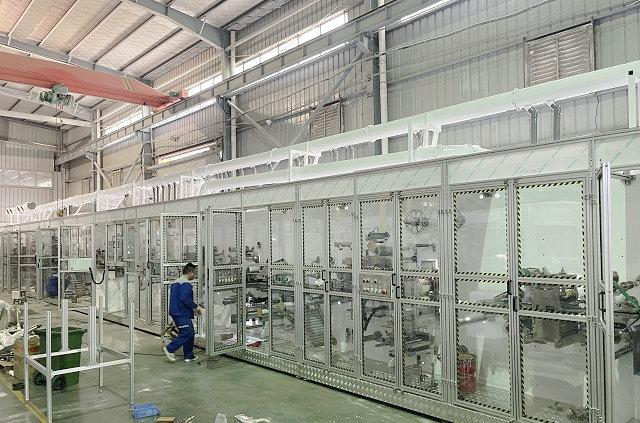
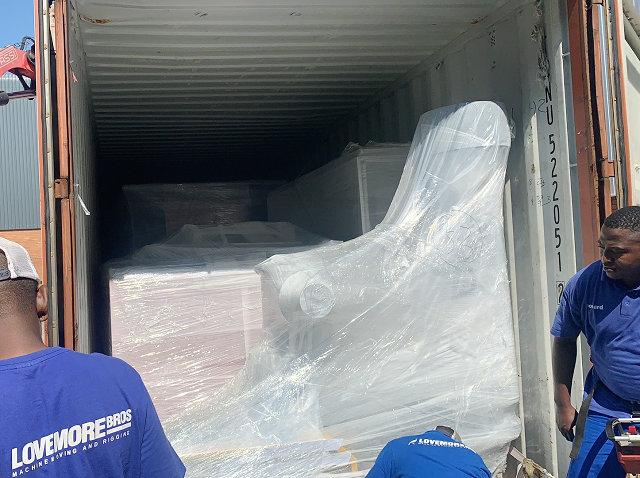
A diaper machine has no single reliable lifespan that applies to every factory. Its useful life depends on structural condition, operating load, materials, cleaning and lubrication, replacement-part quality, alignment, utility stability, control-system support, safety expectations, product changes, and the evidence preserved throughout service. A well-maintained frame may remain usable while cutters, belts, bearings, applicators, sensors, drives, or controls need renewal at different times. Plant investors should therefore assess a diaper machine by remaining capability and lifecycle risk, not age alone. The right question is whether it can safely make future products with supportable controls, acceptable maintenance effort, and verifiable performance.
Define Useful Life for a Diaper Machine
Useful life is the period during which the asset remains safe, maintainable, supportable, and capable of producing required products at an acceptable business risk. Calendar age is only one clue. Two machines installed at the same time may have very different condition because of running hours, start-stop cycles, materials, environment, maintenance, modifications, utilities, and operator practices. A universal year claim would ignore those variables.
Define the future duty before assessing the asset. List intended diaper sizes and constructions, materials, packaging interfaces, planned shifts, quality methods, regulatory and factory safety expectations, data needs, staffing, and available maintenance support. An older line may remain suitable for a stable product portfolio but be poorly matched to a new construction, detection requirement, or unsupported control platform.
Remaining life should be judged against future product duty and support requirements.
Separate economic, technical, and accounting life. Accounting treatment follows financial policy. Technical life concerns physical and functional condition. Economic life considers whether continued ownership is the preferred option after maintenance, downtime, parts, labor, energy, quality loss, obsolescence, and opportunity are evaluated. These definitions can reach different end points, so state which one a decision uses.
Identify Wear and Deterioration Mechanisms
Wear develops differently across the line. Rolling and sliding elements may show looseness, noise, temperature change, vibration, scoring, or alignment drift. Belts and webs can show edge wear, cracking, stretching, tracking instability, or surface damage. Cutting systems may lose edge condition or develop damage at contact surfaces. Adhesive equipment can suffer residue, restriction, seal deterioration, heater or sensor issues, and hose aging. Pneumatic systems may leak or respond slowly.
The main frame, supports, and reference surfaces deserve detailed inspection because they influence whether other components can be restored accurately. Look for corrosion, cracks or damage, repeated unauthorized drilling, distorted mounting, poor anchoring, unstable leveling, contamination, and evidence of collision. Qualified specialists should assess suspected structural damage. Cosmetic paint condition alone says little about geometry or integrity.
Deterioration can originate outside the machine. Unstable electrical supply, contaminated or wet compressed air, unsuitable temperature or humidity, dust, poor housekeeping, incompatible cleaning agents, material abrasiveness, and improper roll handling can accelerate problems. Compare failure dates with utility and material records. Replacing components without correcting the external cause shortens the life of the replacement.
Asset area
Evidence to collect
Remaining-life question
Decision implication
Frame and references
Geometry, damage, anchoring, modification history
Can modules be aligned and supported?
Foundation for rebuild feasibility
Drives and motion
Condition trends, backlash, heat, noise, service history
Mechanical condition and automation support rarely expire together. A structurally sound line can carry drives, controllers, operator panels, networks, storage devices, or sensors that are difficult to replace or restore. Conversely, current controls do not make worn frames, guides, cutters, applicators, and transfers precise. Assess both layers and their interfaces.
For controls, inventory hardware models and revisions, software versions, licenses where applicable, parameter files, recipes, drawings, source or project files where contractually available, user permissions, network connections, and backup media. Confirm restoration responsibility and test a controlled backup. A folder labeled backup is not evidence until identity and recoverability are verified.
Mechanical wear and controls obsolescence require separate evidence and coordinated renewal plans.
A controls migration can alter motion, timing, alarms, safety interfaces, recipe handling, data, and packaging communication. Define the functional specification, current baseline, simulation or bench tests, installation rollback, product verification, and training before changing platforms. Preserve required historical data and access under the factory's security rules. Do not assume a modern component is a direct functional substitute.
Evaluate Maintenance and Operating History
Strong records make remaining-life estimates more defensible. Review operating hours where reliable, product mix, shift pattern, major failures, preventive work, condition measurements, replaced assemblies, repeat faults, modifications, control changes, safety events, material-related problems, utility incidents, and quality trends. Check whether records match physical condition. Missing history increases uncertainty and should change the inspection depth and contingency.
Distinguish chronic faults from isolated events. Repeated bearing replacement may indicate alignment, contamination, load, lubrication, or part-quality issues. Recurrent web drift may come from roll quality, guides, worn rollers, or frame geometry. Frequent sensor replacement may actually reflect contamination, cable damage, incorrect mounting, or unstable power. Cause history matters more than the count of replaced parts.
Examine maintenance capability as part of asset life. Are competent roles available on each shift? Are controlled drawings, procedures, tools, spares, and backups current? Can the factory diagnose faults and restore settings? An asset becomes operationally obsolete when support disappears, even if much of the hardware still moves.
Compare Repair, Rebuild, and Replacement
A repair restores a defined fault or condition. A rebuild renews a planned group of systems to a specified baseline. Replacement introduces another asset and a separate installation and qualification project. Compare these options against the same future requirement and time horizon. Avoid deciding from sunk cost or purchase price alone.
Estimate project-specific categories: inspection and engineering, parts, labor, controls, safety upgrades, utilities, lost production, trial materials, quality verification, documentation, training, spares, site work, disposal, and contingency for hidden condition. Do not apply a universal rebuild percentage. Obtain quotations and state confidence ranges and exclusions. Include the value of continued product compatibility and the cost of introducing a new line.
A rebuild decision should identify exact systems, acceptance criteria, and residual risks.
Repair is reasonable when the cause is understood, damage is bounded, support exists, and future requirements remain achievable. Rebuild is stronger when the frame and basic architecture are sound but defined motion, process, safety, or control systems need coordinated renewal. Replacement becomes more compelling when structural uncertainty, unsupported controls, recurring quality limits, unavailable parts, unsafe access, or new product requirements create a scope close to a new project.
Buyers reviewing current baby diaper manufacturing equipment can use a new configuration as a benchmark for functions, maintainability, controls, and acceptance, without assuming that replacement is automatically preferred. The comparison should make omitted capabilities and migration work visible.
Verify Remaining Capability
Begin with a document and condition audit, then create a risk-ranked test plan. Static inspection may cover frame condition, alignment references, guarding, access, utilities, cabinets, web paths, process components, and packing interfaces. Functional checks may cover drives, actuators, sensors, alarms, recipes, rejection, backups, and interlocks. Only qualified personnel should perform electrical, structural, or safety assessments.
Product trials should use defined representative materials and SKUs. Record setup, operating conditions, stops, samples, dimensions, placement, application, bonding, appearance, detection, rejection, and pack results under approved methods. Keep design speed, stable working speed, actual operating speed, and any acceptance value distinct. One brief successful run cannot establish future life, but it can expose current capability and repeatability gaps.
For a prospective asset decision, ask HAINA or another qualified supplier to review requirement fit using available machine evidence rather than age alone. The reviewer should state assumptions, inaccessible areas, tests not performed, unsupported components, required engineering, and residual uncertainty. The factory still needs independent local safety and compliance review.
Asset-Life Evidence Scorecard
Green evidence: Current drawings and backups, stable condition trends, traceable repairs, supportable parts, passed safety review, and repeatable product results for future SKUs.
Amber evidence: Bounded wear, incomplete records, manageable obsolete items, planned upgrades, or performance that needs a defined verification run before commitment.
Red evidence: Structural uncertainty, bypassed safeguards, uncontrolled modifications, unavailable restoration files, repeated unexplained faults, or inability to test required products.
Decision rule: A total score must not cancel a red safety or structural condition. Treat high-consequence gaps as pass conditions with named closure evidence.
Review date: Give every assessment a validity period and update it after major failure, rebuild, control migration, new SKU, changed duty, or material change.
The scorecard organizes evidence but does not replace mandatory safety and capability gates.
Frequently Asked Questions
Can machine age predict remaining lifespan?
Age helps frame the review but cannot predict remaining life by itself. Inspect structure, wear systems, controls, safety, utilities, records, parts support, and future product capability. Missing evidence should increase uncertainty and contingency.
Does preventive maintenance guarantee a long life?
No. Good maintenance reduces avoidable deterioration and creates evidence, but materials, operating duty, environment, design, accidents, modifications, utilities, and obsolescence also matter. Outcomes should be verified, not guaranteed from task completion alone.
When should controls be upgraded?
Plan an upgrade when support, spares, restoration, security, interfaces, or required functions create unacceptable risk. Define current behavior, migration tests, rollback, product verification, and training before the old platform becomes an emergency failure.
What evidence supports a rebuild decision?
Use condition inspection, geometry and safety review, failure history, controls inventory, parts status, future SKU requirements, trial results, detailed scope, quotations, downtime plan, acceptance criteria, and explicit residual risk.
Conclusion
The lifespan of a diaper machine is a condition-and-capability decision, not a universal number of years. The practical investor action is to define the next production duty, inspect structure and wear systems, audit controls and support, review failure evidence, and test representative products before comparing repair, rebuild, and replacement. Require every assessor to state limitations and unresolved risks, then approve the option only when safety, maintainability, parts, controls, product results, project cost, and acceptance evidence are reconciled in one dated lifecycle decision.