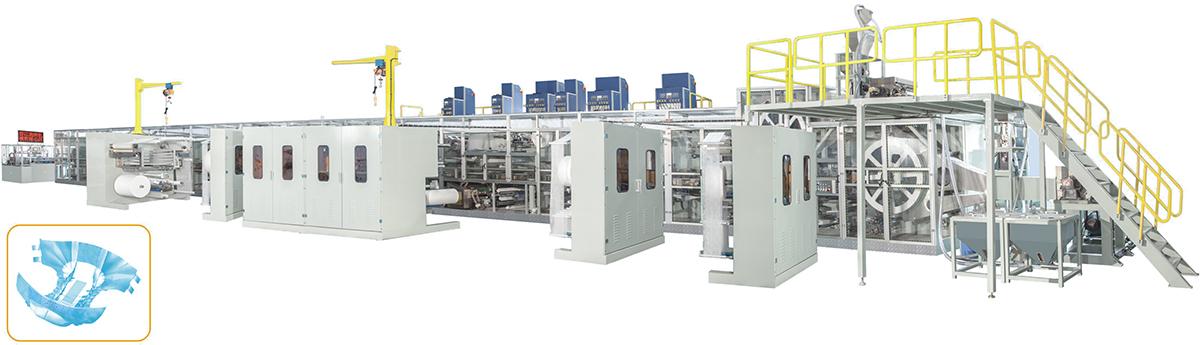
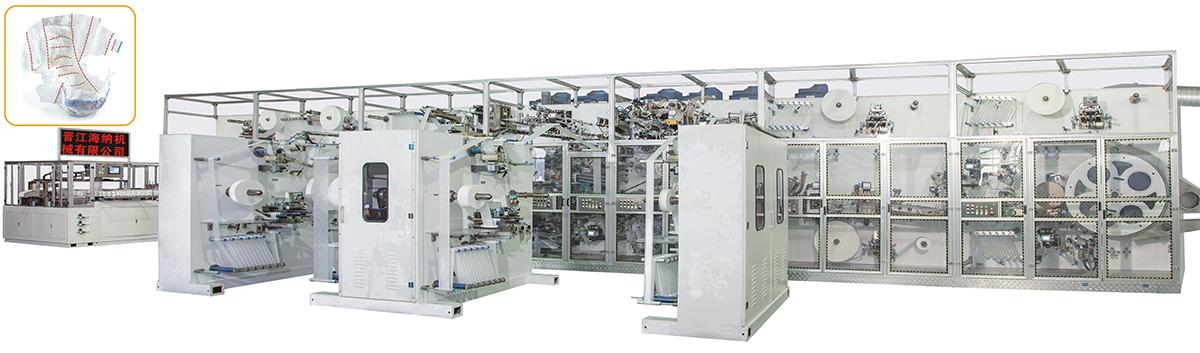
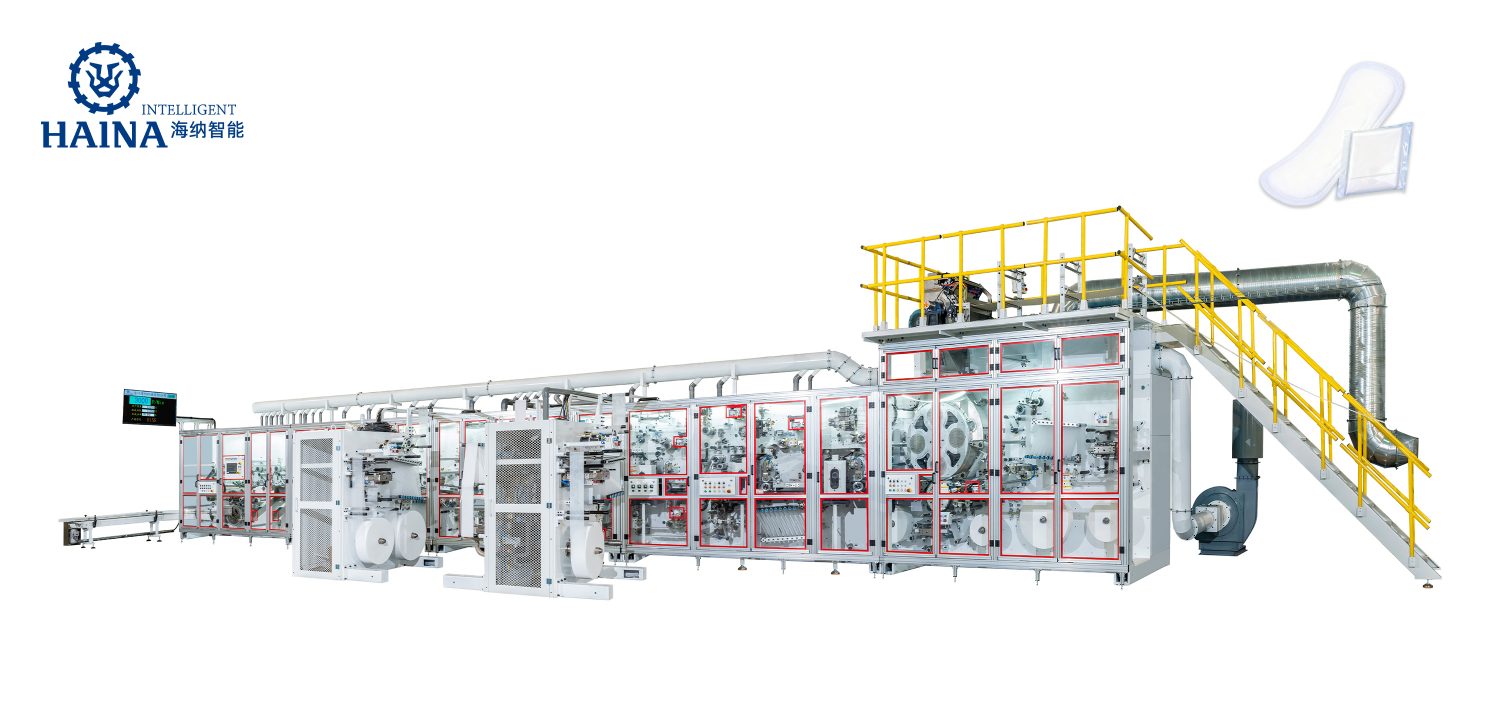
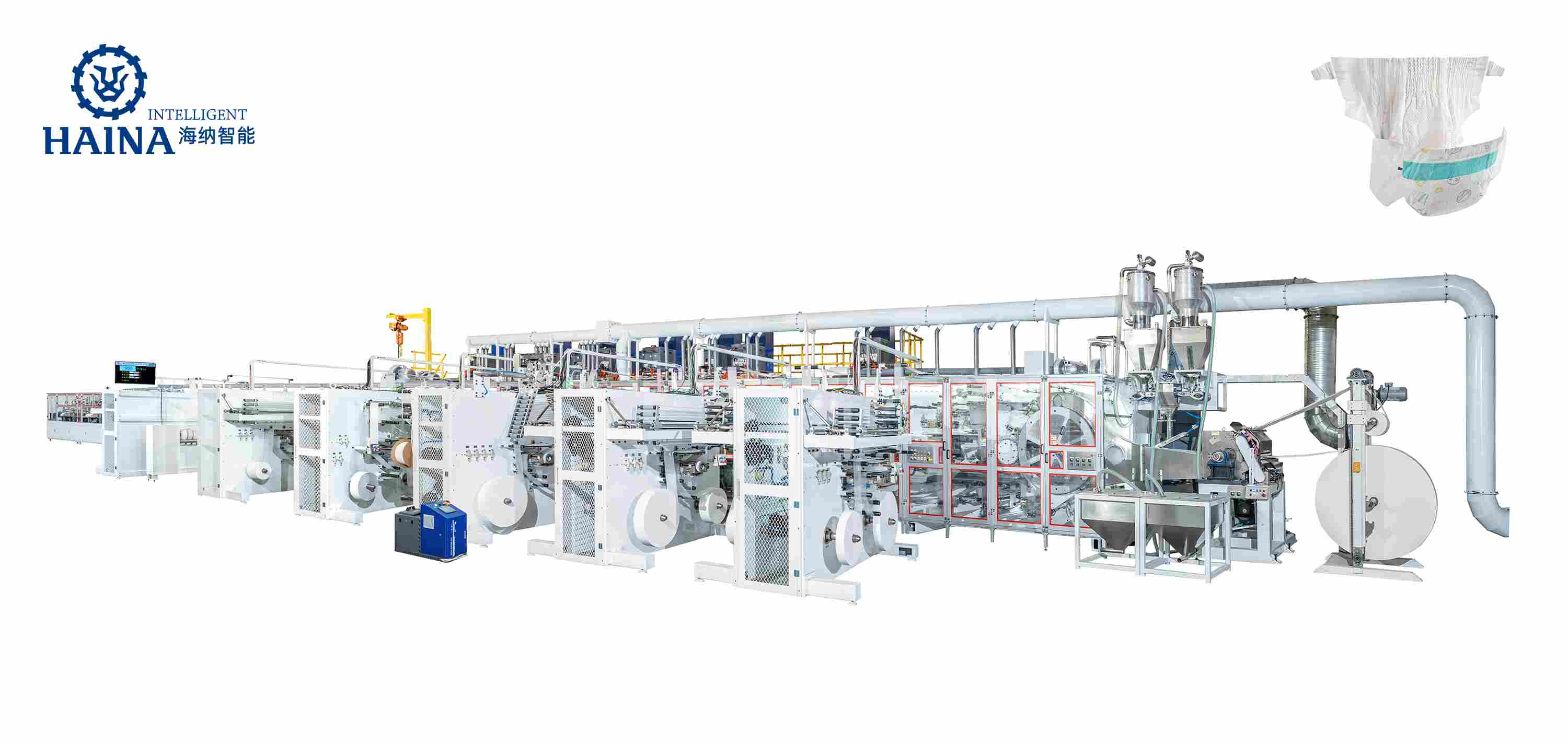
Choose the right diaper machine by defining the product category before comparing equipment. Baby taped diapers, pull-on pants, adult briefs, and other absorbent products can require different line architectures, modules, web widths, tooling, and quality controls. Once the category is fixed, specify launch sizes, layer structures, materials, packing handoff, acceptable output, factory utilities, layout, staffing, and maintenance skills. Ask each supplier to map those requirements to the proposed configuration and demonstrate the highest-risk product with traceable materials. The final choice should follow stable quality, controlled changes, complete scope, FAT evidence, documents, training, and lifecycle support.
Identify the Diaper Category
The word diaper is not a sufficient equipment specification. A taped baby diaper uses a different chassis and size logic from a pull-on pant. Adult taped briefs can require broader materials and different fit features. Menstrual pants serve a different product category. Underpads or sanitary pads are not simply diaper formats. Name the exact launch product and require the supplier to confirm that the proposal corresponds to it.
Write a one-page product architecture statement. Describe open or closed form, intended user size range, absorbent core, top and back sheets, acquisition components, leak guards, leg and waist elastic features, side panels, fasteners, fold, and final discharge. Attach controlled drawings and reference samples. If product development is incomplete, separate fixed requirements from assumptions and postpone irreversible equipment choices where possible.
Define future products carefully. A line can support a documented qualified range, additional formats through identified tooling or modules, and unsupported concepts. Keep those categories separate. A general promise that the machine is multifunctional should not replace a format-to-module response or trial plan.
Equipment selection begins with the exact absorbent-product architecture and intended size range.
Write a Diaper Machine Product Matrix
Create one row for every launch format. Record finished dimensions, component positions, layer sequence, material codes, core construction, elastics, fastening, cutting, fold, inspection criteria, count, and packer orientation. Identify the drawing revision, approved sample, required tooling, recipe status, and FAT test priority. This matrix becomes the common language among product development, procurement, suppliers, production, and quality.
Add a material schedule for every web or process input: width, range, roll diameter, core, winding, basis weight, stretch or thickness information where controlled, surface condition, splice, and approved grade. Ask the supplier to state assumptions and trial quantity. Similar materials may behave differently in tension, vacuum, static, adhesive bonding, cutting, and component placement.
Define quality methods before demonstrations. Dimensions need instruments and sample rules. Component registration, folds, bonds, visible contamination, fastening, and core integrity need approved criteria. Functional performance should follow validated product methods. A trial can only prove capability when the acceptable result was defined before products were made.
Choose the Automation Boundary
List included functions from material unwinds through core preparation, component application, adhesives, guiding, cutting, folding, inspection, rejection, counting, stacking, and packing. Some quotations end at converted products, some at counted stacks, and others include bagging. Extraction, compressed air, adhesive equipment, conveyors, coding, case packing, and data interfaces can fall outside the main line.
Draw battery limits and allocate design, supply, installation, connection, test, and maintenance. Include roll loading, scrap removal, material splices, guards between equipment, packing signals, accumulated product, utilities, and network. Where two vendors meet, they should share one interface document. The buyer owns coordination unless the contract assigns a system integrator.
Describe manual work. Operators still support material staging, loading, replenishment, quality sampling, cleaning, changeover, and abnormal recovery. Decide whether staffing and competence match the boundary. More automation may reduce transfers while increasing the need for control and maintenance skills; less integration may add handling and work-in-process exposure.
Mark every automatic function, manual task, utility, auxiliary, and downstream interface in the quoted scope.
Match Capacity to Demand Conditions
Calculate acceptable output needed by product and period from a documented demand scenario. Include shifts, operating days, size mix, planned maintenance, cleaning, roll changes, changeovers, sampling, packer availability, and warehouse flow. Use downside and expansion cases. Avoid converting an uncertain sales forecast into a contractual machine requirement without explaining its assumptions.
Keep design speed, stable working speed, actual operating speed, and contractual acceptance output separate. Ask each supplier to state the product, materials, staffing, quality rule, duration, and downstream boundary behind its value. Different formats may have different evidence. A speed display during a short run does not establish sustained saleable capacity.
Model bottlenecks beyond conversion. Material supply, core preparation, inspection, packing, utilities, quality release, case handling, and labor can constrain delivered output. Assign every constraint an owner and a verification step. Select expansion provisions only when the base factory can use them and the future tie-in is documented.
Verify Material and Quality Control
Run production-intent materials and preserve lot traceability. Observe roll handling, splice passage, web tracking, component registration, adhesive condition, cutting, folding, inspection, rejection, and discharge. Record settings, interventions, stops, input, accepted product, and defect categories. The highest-risk material or format deserves priority over the easiest supplier demonstration.
Challenge agreed inspection functions using safe approved methods. Verify sensor response, alarm, reject timing, confirmation, repeated-fault behavior, and segregation. List characteristics not automatically inspected and preserve offline sampling. If inspection is bypassed or unavailable, define product hold and release rules before production begins.
Ask the supplier to demonstrate controlled startup, stable operation, normal stop, and recovery from representative faults. Record the first acceptable product after each event. Quality after restart matters because synchronization and web conditions can change. A machine that only performs in uninterrupted steady state has not answered routine factory risk.
Material trials should include product measurement, inspection challenges, interruptions, and controlled recovery.
Check Site, People, and Maintenance Fit
Review a scaled layout with building columns, doors, levels, floor data, material routes, staging, lifting, operator positions, quality sampling, tooling carts, scrap, maintenance removal, packing, and emergency access. Obtain configuration-specific utilities and service clearances. Qualified local teams should verify workplace, electrical, fire, building, and environmental obligations.
Build a role matrix for startup, normal running, replenishment, quality checks, cleaning, changeovers, alarm response, preventive maintenance, and escalation. Ask plant personnel to perform representative tasks during training. Attendance is not competence. The selected line should leave the local team able to restore approved operation without constant supplier presence.
Review maintenance information and access. Verify lubrication points, wear areas, inspection intervals, tools, backup and restore process, bill-of-material identification, drawings, and recommended spares. Classify parts by failure consequence, wear, sourcing difficulty, and storage needs. Do not assume a warranty statement replaces preventive care or local technical capability.
Before approving a broad future-product claim, run a category-change impact review. Ask engineering to identify which chassis functions, web widths, component applicators, controls, inspections, guards, utilities, and packing interfaces would change. Record whether the proposed base line has a tested provision, only reserved space, or no supported route. This protects the buyer from treating physical room for another module as proof that a different diaper architecture can be produced.
Rank Candidates by Decision Gates
Use mandatory gates first: correct product architecture, all launch formats addressed, factory and utility fit, accepted safety review path, complete battery limits, representative material trial plan, and objective FAT. A candidate with an open gate remains in clarification; points in unrelated categories should not conceal it.
Gate
Evidence required
Buyer witness
Release rule
Product match
Format-to-module matrix
Trace components and make samples
All launch products resolved
Stable output
Defined run condition and log
Measure products throughout trial
Quality and stop rules satisfied
Factory fit
Layout, loads, and utilities
Multidiscipline site walkthrough
Interfaces have owners and capacity
Change control
Tooling, recipe, and deviation registers
Complete a relevant format change
First acceptable product released
Handover
Documents, training, and parts index
Plant roles demonstrate tasks
Required competence and files accepted
Shortlist clarification packet
Controlled product, material, inspection, and pack requirements.
Included modules, options, exclusions, and buyer-supplied systems.
Site layout, utilities, access, and responsibility schedules.
Format tooling, recipe, inspection, and changeover status.
FAT protocol with product, time, quality, stop, and retest rules.
Training, manuals, backups, spares, and escalation deliverables.
Prove the Choice Before Shipment
Make FAT traceable to the requirement. Verify identification, completeness, safety functions, controls, recipes, alarms, product quality, inspection and reject functions, stable operation, changeover, fault recovery, documents, backups, tooling, and training. Agree the exact material lots, duration, sample frequency, witness roles, stop accounting, and retest process.
Record actual conditions in signed result sheets with labeled samples, logs, photographs or video where allowed, and open-item records. Classify issues that block shipment or can be closed at site under formal concession. Do not treat verbal correction promises as completed evidence. HAINA can coordinate project requirement review and FAT support for the proposed configuration, while buyer approvers control acceptance.
For a baby diaper example, review the automatic baby diaper machine configuration, then ask which exact product, tooling, inspection, packing, and utility functions apply. The response should be incorporated into the final project compliance matrix rather than remain an informal sales explanation.
Shipment approval should follow product-specific results, closed interfaces, documents, and trained task evidence.
Frequently Asked Questions
Can one diaper machine make baby and adult products?
Do not assume so. Product width, chassis, components, tooling, folding, controls, and material handling may differ. Require a format-specific engineering response and proof.
What should be decided before contacting suppliers?
At minimum, decide the product category, launch formats, materials, packing boundary, factory site, quality methods, demand scenarios, and expected acceptance process. Mark remaining items as controlled assumptions.
Is design speed useful for comparison?
It is one engineering reference, but not enough. Compare stable acceptable output for representative products and the same test boundary, then model normal shifts and downstream constraints.
Why is a changeover test part of selection?
It reveals tooling, access, recipe control, cleaning, staffing, setup waste, measurement, and repeatability. Those factors matter when the business sells more than one format.
Conclusion
The right diaper machine starts with the right product category and ends with evidence that the receiving factory can operate it. Define formats and materials, draw automation boundaries, model stable capacity, check quality controls, and verify site and maintenance fit before ranking features. As the final decision action, issue every shortlisted supplier the same compliance and FAT packet. Require a representative product run, controlled stop and restart, inspection challenge, changeover, and plant-staff task demonstration. Approve the machine only when samples, records, interfaces, documents, and open-item closures all trace to the signed requirement.