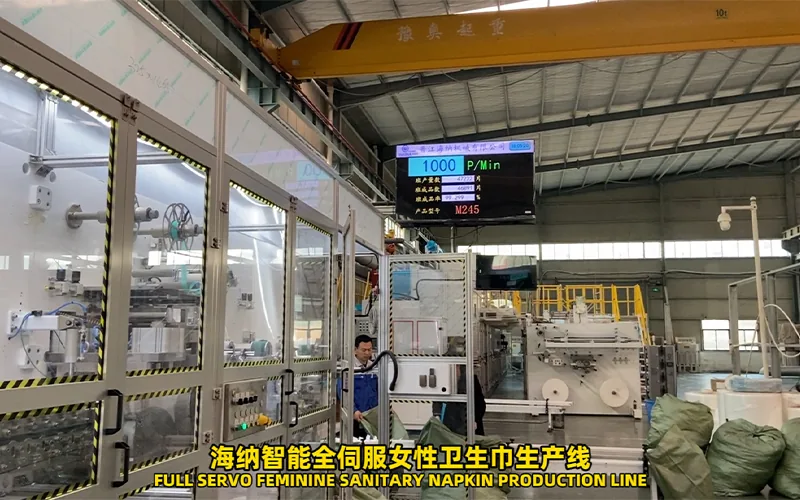
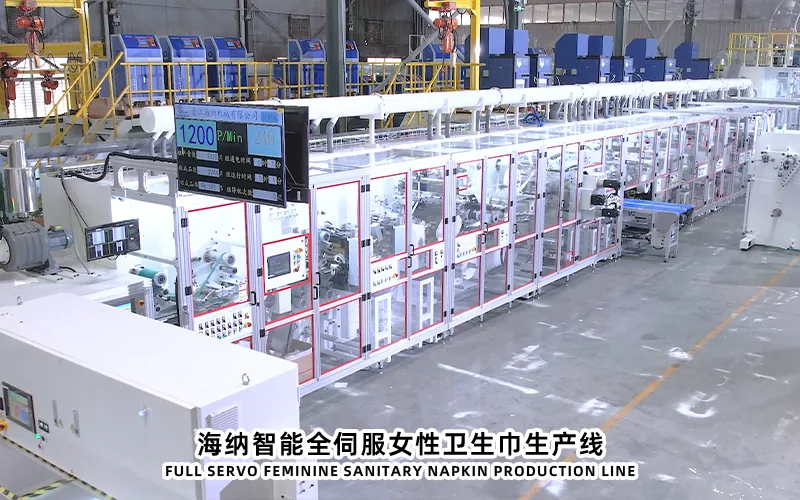
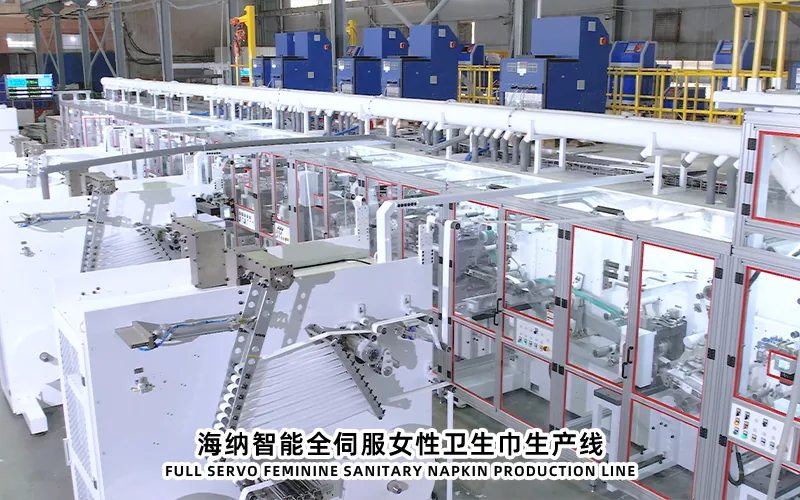
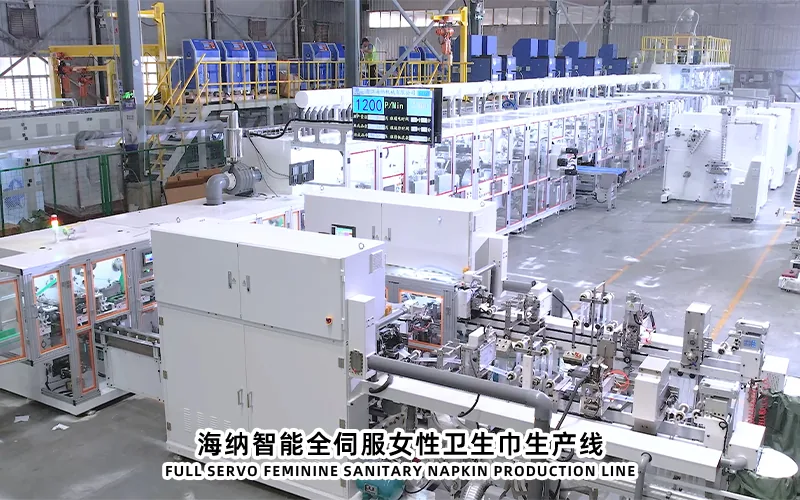
Adult & Baby Diaper Machine,Sanitary Napkins Production Line Blog
Calculate sanitary pad machine capacity from stable tested speed, accepted yield, downtime, changeover, line balance, packaging, and reproducible FAT evidence.
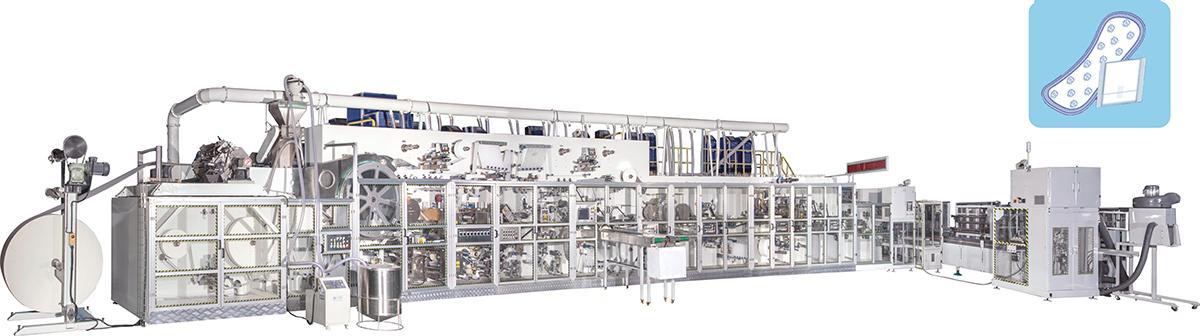
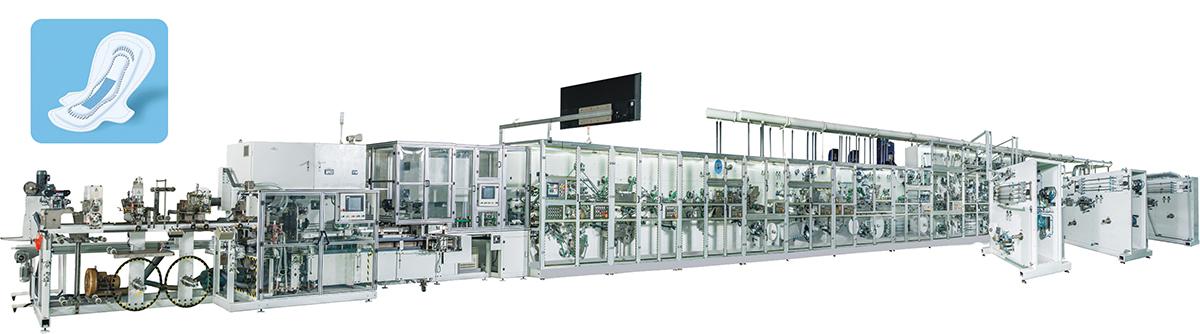
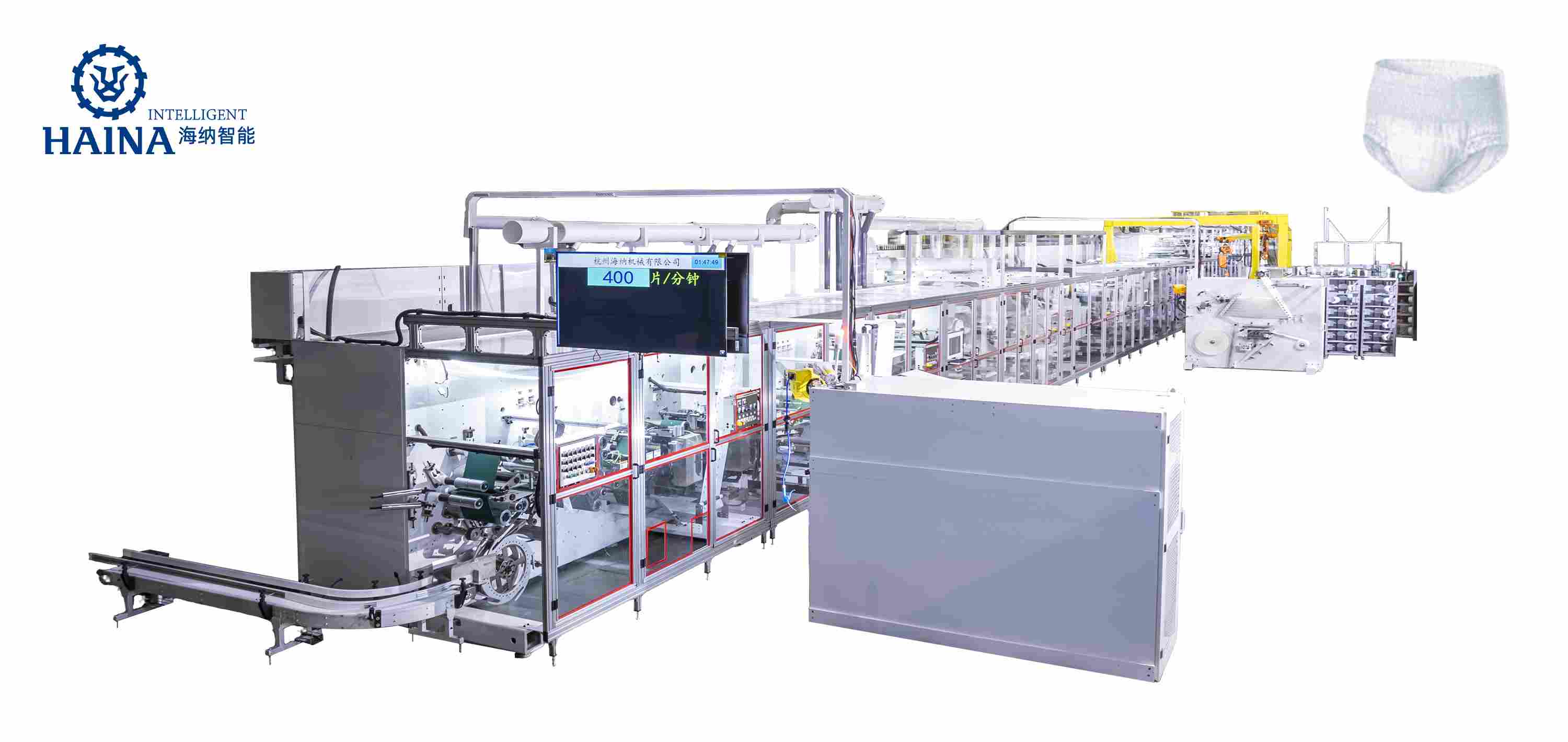
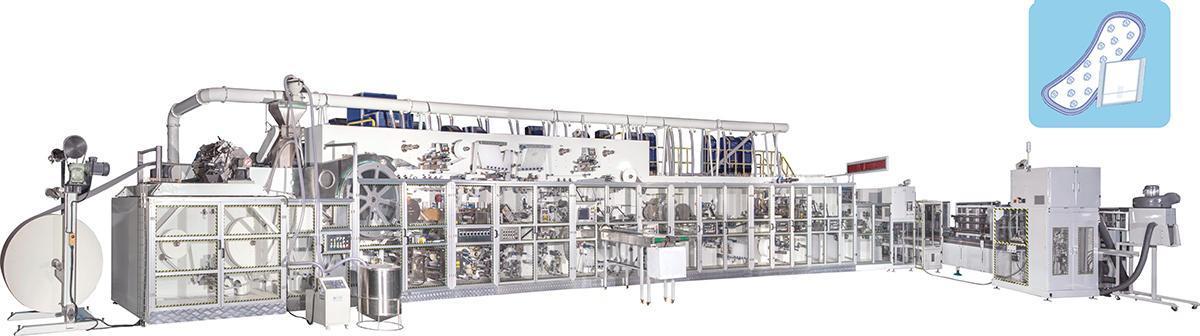
The production capacity of a sanitary pad machine cannot be stated responsibly as one universal number. Capacity depends on the specific line configuration, pad size and construction, raw materials, stable working speed, accepted product yield, changeovers, planned stops, breakdowns, quality holds, and downstream packaging balance. Design speed is only a reference and must not be treated as saleable output. An operations planner should calculate accepted pads per planned period from witnessed stable-run evidence and the factory's own loss assumptions. The final contractual capacity should name the product, materials, test duration, quality method, stop rules, accepted-output calculation, and supplied line boundary.
Sanitary Pad Machine Capacity Definitions
Capacity discussions become reliable only when terms are fixed. Design speed is a machine engineering reference or upper design condition. Stable working speed is a demonstrated rate under identified product, material, configuration, utility, and operating conditions. Operating speed is the setting chosen by the factory during production. Contractual acceptance value is the rate or output method written into the purchase agreement and FAT protocol. None of these alone equals annual accepted production.
Gross cycle output counts machine cycles or discharged pieces before quality and planned losses are applied. Accepted output counts products that meet the agreed acceptance definition. Net production over a shift, day, or month additionally reflects available scheduled time, changeovers, cleaning, material events, planned maintenance, quality holds, and unplanned stops. The operations planner should state which level is being used whenever reporting capacity.
The same sanitary napkin manufacturing equipment may show different stable results with different product sizes, wrapper configurations, materials, or downstream boundaries. A capacity statement should therefore be attached to a format and condition set, not copied across the entire product portfolio.
Capacity evidence must identify the exact product, materials, configuration, and line boundary.
Start With Product and Material Conditions
Freeze representative products before requesting a capacity commitment. Record dimensions, wings or no wings, layer construction, absorbent-core concept, wrapper and fold, and quality criteria. A smaller or simpler format may not place the same demands on forming, cutting, folding, registration, and sealing as a larger or more complex one. Test the commercial priority, not only the easiest product.
Identify all trial materials by source and grade or project code. Include relevant roll dimensions, splice arrangement, wrapper print repeat, adhesive, and storage condition. Web stretch, curl, thickness variation, friction, dust, and bonding behavior can change stable running. When a supplier demonstrates unfamiliar substitute materials, the result should not automatically be applied to the buyer's launch set.
Define utilities and environment for the test. Electrical condition, compressed-air quality and stability, extraction or dust handling, adhesive-service readiness, temperature or humidity where process relevant, and downstream equipment state can influence stops or quality. The FAT record should note deviations so the buyer can judge whether the result remains representative.
Operator skill and setup state also matter. Record who operated the machine, recipe and tooling identity, warm-up or stabilization method, and pretest adjustments. The purpose is not to invalidate a supplier-run FAT; it is to preserve enough context for transfer and later site comparison.
Separate Speed From Accepted Output
A speed display shows a commanded or measured rate, not necessarily acceptable pieces. Sensors, counters, and reject logic can use different count points. Ask where the production count is taken and how startup products, test pieces, detected rejects, failed rejections, and downstream losses are handled. Reconcile machine counts with a physical sample or packaging count during the trial.
Quality sampling must accompany the run. Define dimensional checks, layer or component position, bond or seal condition, appearance, fold, wrapper registration, and other project criteria. State sampling frequency and reaction to a failed result. A long run at high speed followed by a failed sample cannot be accepted without agreed rules for the affected interval and corrective retest.
Stable operation includes recovery. Observe a planned stop and restart, a material replenishment or splice event where included, and an approved inspection or reject challenge. A line that reaches the target only after extensive adjustment and loses control after every ordinary event may not support the intended shift plan even if the peak display looks strong.
Accepted output combines rate, product conformity, normal events, and controlled recovery.
Capacity layer
Meaning
Required evidence
Do not confuse with
Design speed
Engineering reference for the configuration
Supplier technical definition
Guaranteed accepted production
Stable working speed
Demonstrated rate under stated conditions
Run log, materials, quality, and stops
Short peak display
Accepted run output
Conforming products during the test method
Count reconciliation and sample results
Total machine cycles
Planned-period output
Accepted output after scheduled loss assumptions
Factory calendar and product mix model
Supplier catalog capacity
Actual period output
Recorded accepted production in operation
Shift records and controlled definitions
Forecast or target
Include Yield, Downtime, and Changeover
Accepted yield needs a defined numerator and denominator. Decide whether input is material, machine cycles, or produced pieces and how startup, setup, inspection samples, rework if allowed, and detected rejects are categorized. Use the buyer's accounting and quality logic consistently. Do not insert an industry-average yield or waste assumption without local evidence.
Time losses should be separated by purpose. Planned losses can include product change, material change, cleaning, inspection, breaks, preventive maintenance, and scheduled meetings. Unplanned losses can include mechanical, electrical, material, process, quality, and downstream events. Record waiting separately when useful, because waiting for material or quality disposition requires a different response from equipment repair.
Changeover evidence should span last accepted old product to first accepted new product. Split offline preparation from stopped-line work, then record trial output and quality release. Product mix can dominate monthly capacity when many formats are scheduled. A model based on continuous production of one format may mislead a factory with frequent campaigns.
Use distributions or scenarios where assumptions are uncertain. A conservative, expected, and improvement scenario can show the effect of downtime and changeovers without pretending to predict one exact figure. State assumption owners and update the model after commissioning data is available.
Check Line Balance and Packaging
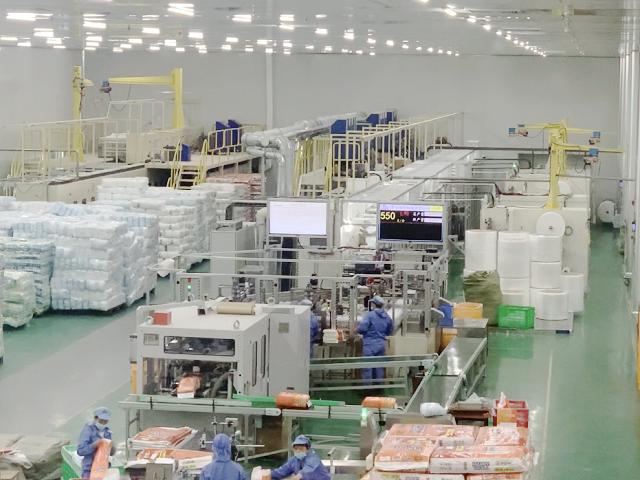
The forming process is only one part of output. Review raw-material loading and splicing, absorbent preparation, web control, adhesive application, cutting, folding, wrapper feed, registration, sealing, inspection, reject, counting, accumulation, and packaging. The slowest or least stable linked process defines the practical boundary.
Specify whether quoted capacity ends at product discharge, individual wrapping, stack formation, bagging, or a further package. Mechanical and control interfaces with downstream equipment need accepted orientation, pitch, batch count, transfer height, signals, stop logic, accumulation, and recovery. A line can produce loose items faster than the packaging boundary can accept them.
Buffering can reduce stop propagation but does not create output by itself. Record usable accumulation, entry and exit logic, product handling, and behavior when full or empty. Excess accumulation may affect product orientation or traceability if poorly controlled. Test buffer transitions during acceptance where they are part of the supplied system.
Capacity planning follows the complete accepted boundary, including wrapping and transfer.
Build a Capacity Model Without False Precision
Start with scheduled production time for the chosen planning period. Subtract planned nonproduction time using the site's calendar. Apply demonstrated stable rate only to the remaining running time, then account for unplanned downtime and accepted-yield assumptions from explicit sources. Keep assumptions in separate fields so decision makers can see which variables are supplier evidence and which are factory estimates.
A useful conceptual model is: accepted planned-period output equals scheduled time minus planned stops, multiplied by expected running availability, multiplied by demonstrated stable rate, multiplied by accepted yield. If changeovers are modeled individually, subtract their full time before applying the remaining factors. This structure is not a claim about what a particular factory will achieve.
Model each important product family separately because rate, yield, changeover, and material events may differ. Add demand and packaging constraints after equipment capacity. The result can reveal that a second wrapper, better material logistics, fewer campaign changes, or stronger quality release may matter more than a higher design-speed option.
After site startup, compare actual definitions with the model. Verify that counters, accepted output, downtime categories, and changeover start and end points match. Update assumptions through controlled review rather than moving targets informally.
Verify Capacity During FAT
The FAT protocol should state machine configuration, representative product, materials, utilities, operator roles, prerequisites, stabilization, test sequence, run duration or event sequence, target condition, sample plan, accepted-output calculation, permitted interventions, stop rules, and retest logic. Agree it before the trial so the result is not negotiated after observation.
Use a time-stamped log for starts, stops, alarms, adjustments, material events, samples, rejects, and quality findings. Reconcile machine and physical counts. If the line changes settings during the acceptance segment, note the effect and decide whether the segment restarts. Preserve final recipes or settings in the as-built baseline.
HAINA can review capacity conditions and FAT evidence for the offered sanitary line. The buyer remains responsible for its demand calendar, product mix, material logistics, staffing, quality release, and downstream assumptions. Capacity is accepted when both parties can reproduce the calculation from the same evidence.
Capacity Evidence Register
Product record: Format, construction, size, wrapper, quality methods, and acceptance limits.
Material record: Identified rolls and inputs, splices, storage state, approved substitutions, and observed behavior.
Run record: Configuration, settings, utilities, operator, timestamps, speed condition, stops, interventions, and count points.
Planning record: Scheduled time, mix, changeovers, planned stops, downtime assumptions, yield assumptions, owners, and revision date.
Capacity acceptance should leave a reproducible record rather than a single headline figure.
Frequently Asked Questions
Is design speed the machine's production capacity?
No. Design speed is a reference. Production planning needs demonstrated stable rate, accepted quality, operating time, changeovers, downtime, yield, and downstream capacity.
Why can capacity change by pad size?
Format affects material behavior, tooling, pitch, forming, cutting, folding, wrapper registration, sealing, quality checks, and downstream handling. Conditions must be verified per representative product.
Should rejected products count in capacity?
Track them, but do not treat them as accepted output. The contract and planning model should define gross cycles, detected rejects, failed rejects, samples, and accepted products separately.
How long should a capacity FAT run?
There is no universal duration. Set a sequence long enough to test the agreed stable condition, quality sampling, ordinary events, and stop rules for the project risk.
Conclusion
The production capacity of a sanitary pad machine is a condition-based accepted-output result, not a universal speed number. A credible forecast connects a defined product and materials to witnessed stable working speed, measured quality, line balance, changeovers, planned time, downtime, yield, and packaging constraints. The operations planner's next action is to issue a capacity worksheet with separate supplier-evidence and factory-assumption columns, then witness a FAT run and recalculate accepted output from timestamps, physical counts, samples, stops, and the complete supplied boundary before approving the capacity commitment.