Adult & Baby Diaper Machine,Sanitary Napkins Production Line Blog
Understand China sanitary pad machine cost drivers, quotation scope, factory preparation, lifecycle expenses, and a practical method for comparing offers.
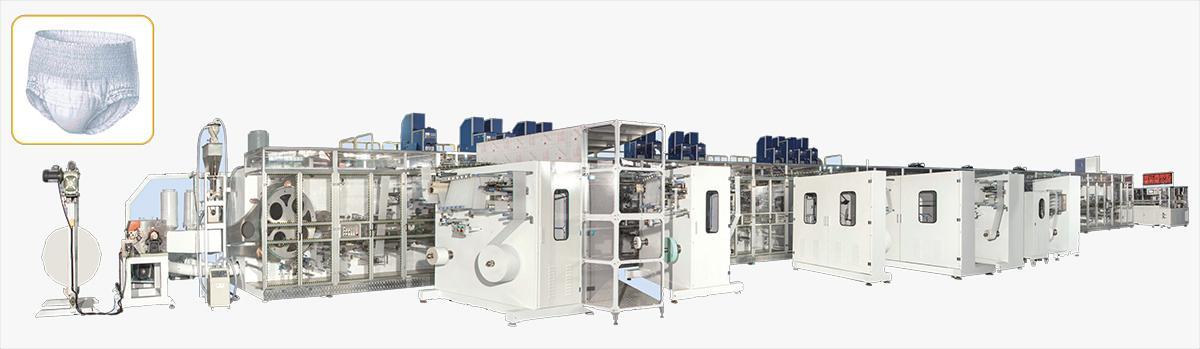
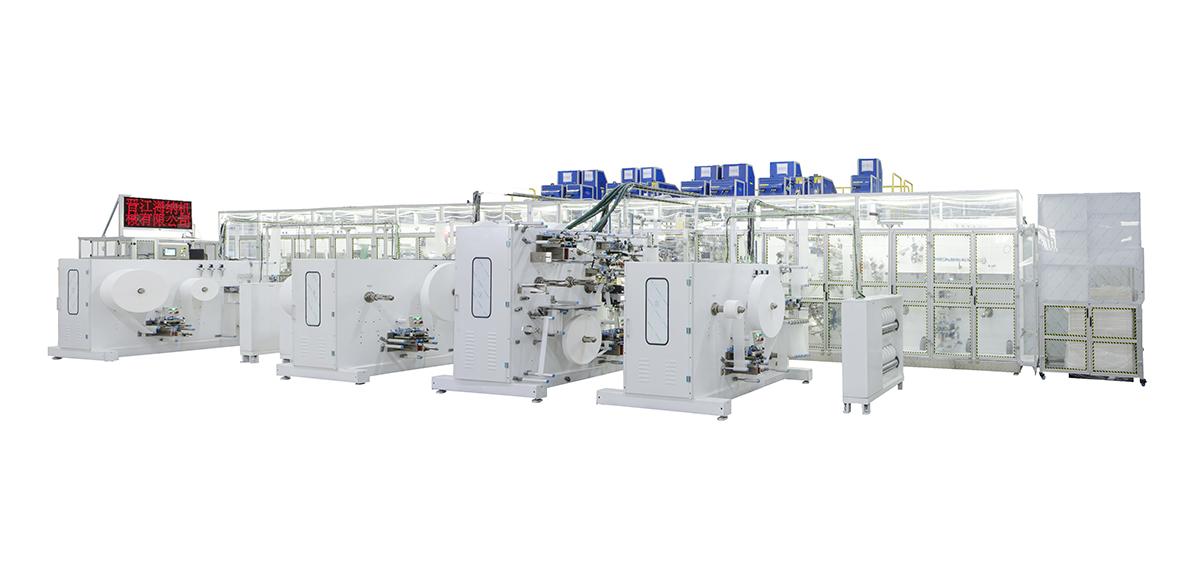
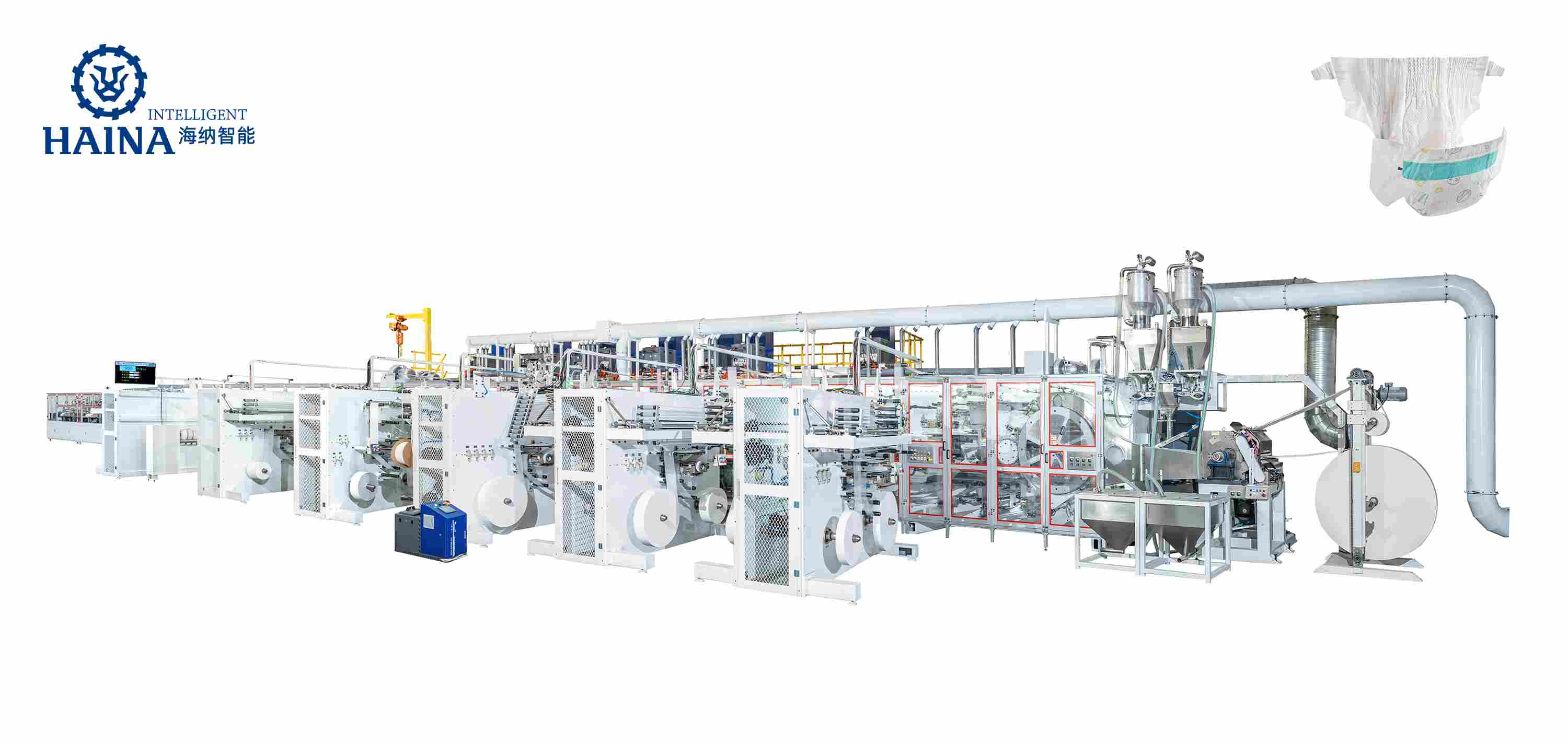
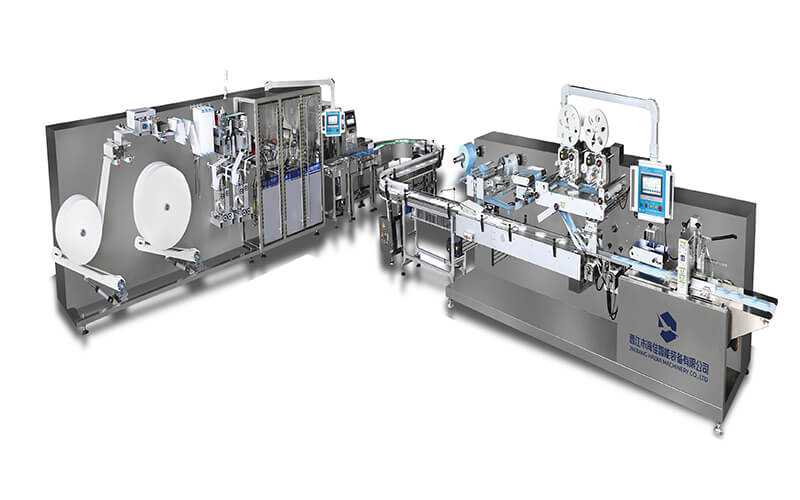
There is no reliable single average for a China sanitary pad machine cost because the quoted amount depends on product format, automation level, operating range, raw-material handling, controls, inspection, packaging interface, and delivery scope. A useful budget separates the converting line price from tooling, auxiliary systems, freight, duties, factory utilities, installation, training, startup materials, spares, and working capital. Ask every supplier to quote against the same requirement sheet and acceptance plan. Comparing equal scope is more valuable than comparing headline prices that include different functions and responsibilities.
Define What the Quoted Machine Cost Includes
The first cost question is not how low the number can be. It is where the supplier's responsibility begins and ends. Some quotations cover only the main converting machine. Others include unwind stands, glue systems, dust collection, air preparation, product rejection, stacking, bagging interfaces, tooling, commissioning, and operator training. Two proposals can therefore describe a sanitary pad machine while representing very different projects.
Write a scope boundary before requesting prices. Identify the product types, size range, absorbent structure, wing design, release paper, packaging method, utilities, local regulations, and desired acceptance conditions. Require the supplier to mark each function as included, optional, excluded, or buyer supplied. Also distinguish a demonstration configuration from the machine that will actually be shipped.
Minimum quotation boundary
Main process modules and unwind stations
Tooling and change parts for each confirmed product format
Electrical control, HMI, drives, sensors, and safety devices
Adhesive application, air, dust, and waste-handling interfaces
Counting, stacking, conveying, and packaging connection
FAT materials, test duration, installation, commissioning, and training
Documentation, recommended spares, freight terms, and taxes or duties
A meaningful quotation identifies the complete process scope rather than presenting one headline number.
Identify the Main Configuration Cost Drivers
Product complexity is a major driver. A basic pad format and a multi-size ultra-thin winged product do not require the same material paths, cutting units, sealing control, change parts, or inspection logic. The proposed raw materials also affect unwinding, tension control, bonding, dust management, and trial work. Give suppliers representative material specifications and product drawings so they can identify where customization is required.
Automation changes both machine price and the wider factory model. Servo control, automatic web guiding, zero-speed splicing, recipe management, online inspection, automatic rejection, and packaging integration can reduce manual intervention, but only when the upstream and downstream process is designed around them. Ask what the operator still performs during roll changes, size changes, fault recovery, quality sampling, and packing.
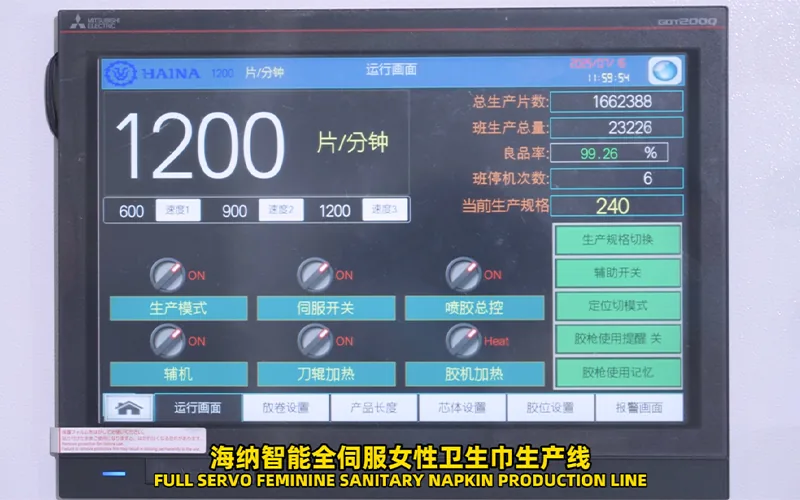
Operating range must be defined carefully. Design speed, recommended stable working range, product-dependent speed, and contractual acceptance speed are not interchangeable. A supplier should explain which product, material, test duration, quality criteria, and stop-recording rules support each figure. Paying for a nominal speed that the planned product cannot sustain does not increase sellable output.
Budget the Factory Around the Production Line
The machine is one part of the investment. The building needs sufficient length, width, height, floor condition, access, lighting, ventilation, and safe maintenance space. Electrical capacity, voltage quality, grounding, compressed air, dust extraction, temperature and humidity control, adhesive storage, fire protection, and material flow may require additional work. Packaging, laboratory equipment, warehousing, and finished-goods handling also belong in the project budget.
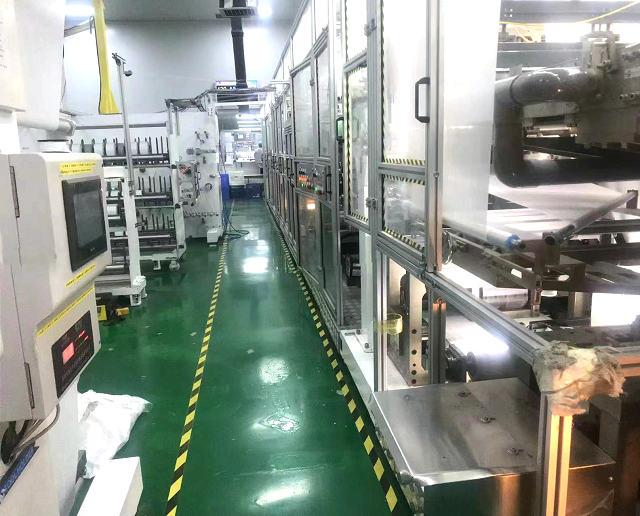
Layout decisions create costs early or late. A machine may physically fit a room yet leave no safe route for jumbo rolls, maintenance lifts, tool changes, or finished-product transfer. Request a dimensioned layout with operating side, utility points, door clearance, removal paths, and maintenance zones. Verify it against the real site before finalizing the order.
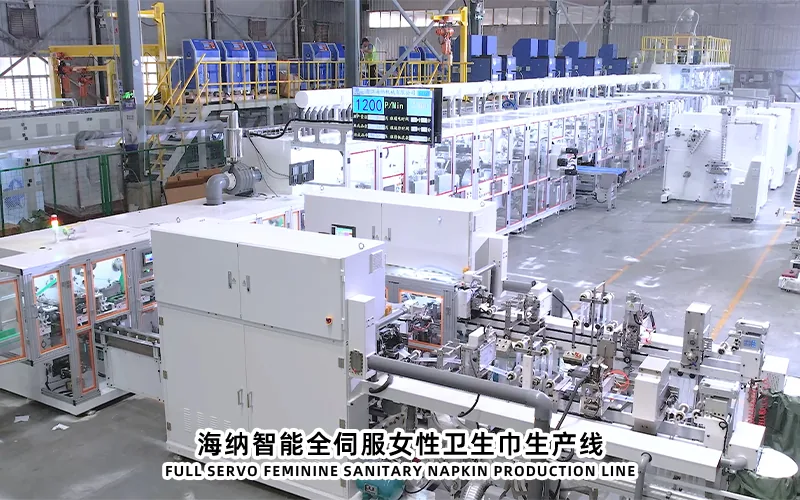
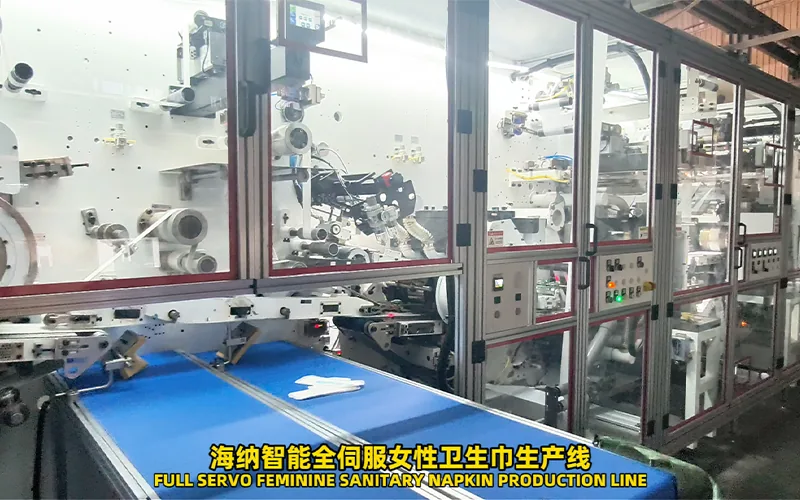
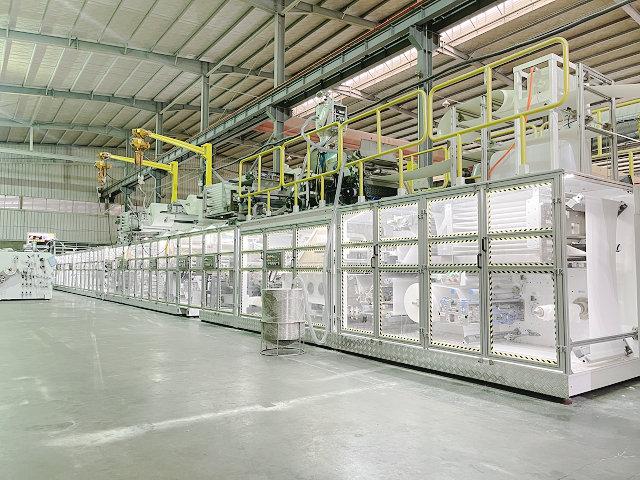
Product construction, automation level, and inspection requirements change the equipment scope.
Normalize Supplier Quotations Before Comparing Price
Build a comparison sheet that converts every offer into the same commercial and technical boundary. Add missing modules to a supplier's base price, remove duplicated responsibilities, and flag items whose cost is still unknown. Convert payment terms, delivery terms, currency exposure, and tax treatment into comparable assumptions. Do not assign a zero cost to an exclusion simply because no supplier has priced it yet.
Cost block
Questions for the quotation
Common comparison error
Evidence needed
Machine configuration
Which product formats, modules, controls, and tools are included?
Comparing a base line with a fully configured line
Signed scope list and layout
Acceptance
Which materials, speed definition, duration, quality limits, and stops apply?
Treating a design value as guaranteed output
Draft FAT protocol
Delivery
What are the trade terms, packing method, freight responsibility, and insurance?
Ignoring destination and import expenses
Commercial terms and packing list
Startup
Who installs, commissions, trains, and supplies trial materials?
Assuming labor and travel are included
Responsibility matrix
Lifecycle
What documentation, spares, remote support, and service rates are provided?
Looking only at purchase price
Support and spare-parts schedule
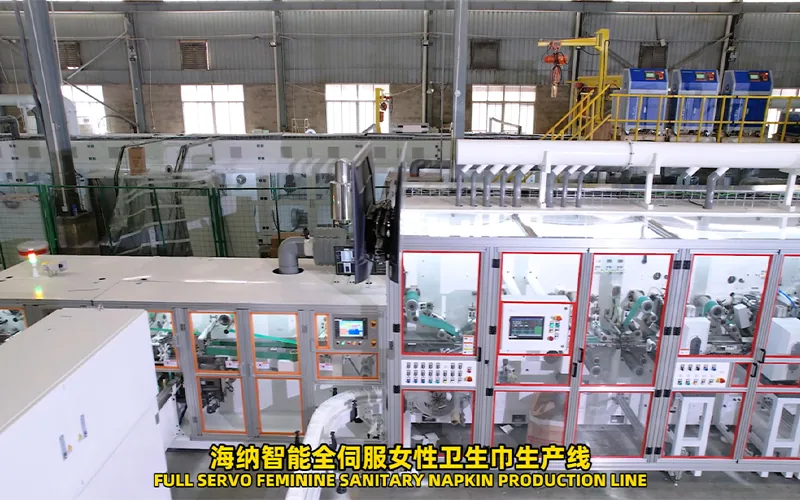
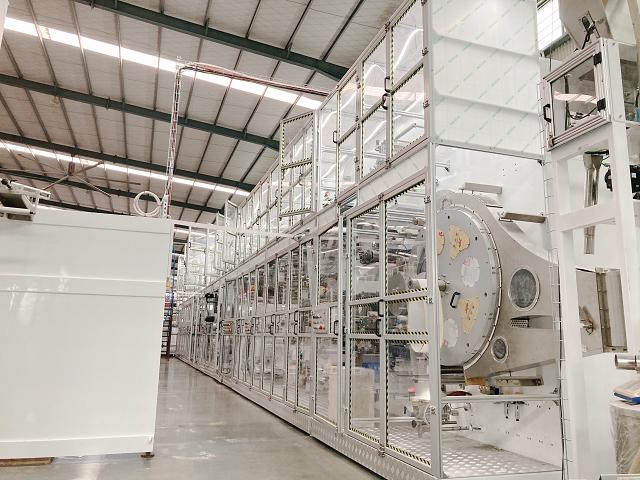
Control architecture, documentation, and support are part of lifecycle value.
Calculate Cost Across the Operating Lifecycle
Total cost of ownership includes energy, compressed air, adhesive use, raw-material waste, labor, maintenance, wear parts, unplanned downtime, quality losses, and product changeovers. The importance of each item depends on local wages, energy prices, material costs, production schedule, and service access. Use your own assumptions rather than a supplier's generic ROI statement.
Build several scenarios instead of one optimistic forecast. A launch case may use lower utilization and more setup waste. A stable case can reflect trained operators and proven materials. A stress case should test delayed spare parts, lower demand, a difficult product format, or higher raw-material prices. This range shows which configuration choices remain affordable when the original assumptions change.
Track sellable pieces rather than gross cycles. Stable output is affected by planned production time, changeovers, stops, reject rate, material availability, and downstream packing. A faster line can have a higher cost per sellable pad if it creates frequent interruptions or cannot match the packing process.
Use an RFQ and Factory Review to Reduce Cost Uncertainty
A well-prepared request for quotation reduces contingency pricing and exposes technical gaps. Provide product drawings, size list, materials, package format, planned shifts, utilities, layout, regulatory constraints, and target acceptance tests. Ask suppliers to identify assumptions and alternatives openly. Where a function remains unproven, place it in a sample trial or engineering review rather than treating it as settled.
During a factory review, trace how the proposal becomes drawings, purchased components, assembly, software, testing, and documentation. Look at an actual machine rather than relying only on sales images. Discuss changeover access, web control, adhesive management, alarms, fault diagnosis, spare availability, and the handover process. A higher quotation may be justified if the evidence shows more complete scope and lower implementation risk, but that conclusion must come from the comparison record.
HAINA can prepare a project-specific proposal for its sanitary pad machine configurations after product and factory inputs are defined. Buyers should request an itemized scope and verify each acceptance value instead of using an unqualified online price as a budget commitment.
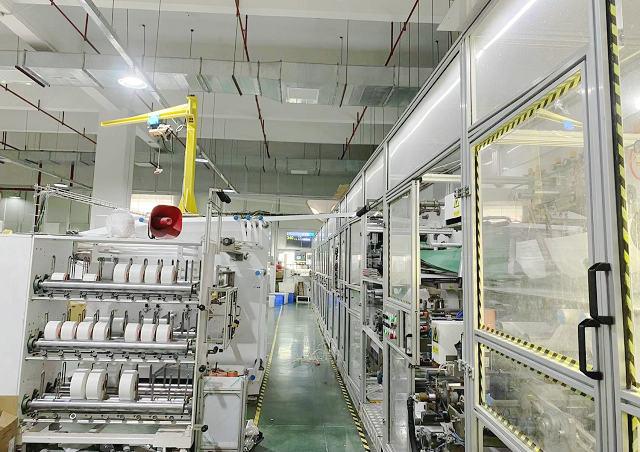
FAT, delivery, commissioning, and training should be separated clearly in the commercial offer.
Plan the Investment as a Stage-Gated Timeline
Suggested budget control sequence
Concept stage: define products, market requirements, expected output, and a broad factory boundary.
RFQ stage: issue one controlled requirement sheet and request itemized technical and commercial offers.
Clarification stage: close exclusions, test materials, layout conflicts, utility needs, and packaging interfaces.
Contract stage: attach the final scope, drawings, acceptance method, schedule, documentation, and responsibility matrix.
Delivery stage: update freight, duty, site work, installation resources, startup materials, and spare inventory.
Ramp-up stage: measure real labor, waste, maintenance, energy, output, and quality costs against the business case.
Approve additional spending only when the previous gate has produced enough evidence. This prevents late discovery that a low equipment quote omitted a necessary process unit or that an ambitious product portfolio requires unbudgeted tooling and trials.
Keep a decision log beside the cost model. When the team selects a component level, automatic function, local auxiliary system, or optional size, record the alternatives considered and the assumption that justified the choice. The same log should identify items deferred until sample trials. This prevents the project from paying twice when staff change or suppliers revisit a point with different terminology.
Frequently Asked Questions
Can a supplier give an exact sanitary pad machine price from a short inquiry?
Only a preliminary figure. A firm quotation requires product formats, materials, automation, output expectations, packaging scope, utilities, delivery terms, and acceptance conditions.
Why do two Chinese quotations differ greatly?
The difference may come from scope, component level, tooling, inspection, packaging integration, service, test conditions, or commercial terms. Normalize these items before judging value.
Should I choose the lowest equipment price?
Not without checking lifecycle and execution risk. An incomplete scope can transfer cost into site work, startup delay, extra labor, waste, or later modification.
What contingency should I include?
Set contingency from unresolved items in your own project register. Do not use one universal percentage; close high-impact unknowns through drawings, trials, supplier evidence, and local quotations.
Conclusion
A China sanitary pad machine cost becomes useful only after the product, configuration, acceptance method, delivery boundary, and factory responsibilities are defined. Build the budget in layers, compare itemized scope, test lifecycle assumptions, and retain several operating scenarios. The next practical step is to issue one RFQ pack to shortlisted manufacturers and require written responses to every inclusion, exclusion, and performance condition. That process produces a defendable investment range without inventing a universal machine price.