Choose an infant diaper manufacturing machine by testing how well it protects infant-product quality through materials, component placement, absorbent-core formation, elastic application, fastening, cutting, folding, inspection, and rejection. Define each launch size and the smallest-format handling risks before discussing speed or price. The proposed line should run production-intent soft and lightweight webs without uncontrolled wrinkles, tension, contamination, or registration drift, while making measured samples across startup, stable operation, roll events, and size changes. Procurement should also verify factory hygiene interfaces, operator access, maintainability, packing handoff, FAT evidence, training, documents, and support responsibilities before technical approval.
Define the Infant Diaper Range
Infant diapers are not one format. Define the intended taped-diaper sizes, user range terminology, flat dimensions, core shape, top and back sheets, acquisition layer, leak guards, leg elastics, waist features, side panels, fastening tapes, landing area, fold, and count orientation. Product development should issue controlled drawings, material codes, quality methods, and labeled samples. Avoid unsupported health or performance claims in the equipment specification.
Pay special attention to the smallest launch product. Narrow webs, short repeat lengths, small components, reduced distances between operations, and lightweight materials can create different registration, threading, and handling risks from larger diapers. Ask the supplier to identify the configuration and tooling used for that format, not merely confirm it is within a nominal size range.
Classify later growth sizes separately. Each should have a status: included and qualified, included but awaiting trial, available through listed change parts, optional module, or not evaluated. This protects the purchase from vague flexibility claims and creates a practical expansion plan aligned with market evidence.
The smallest launch format should be traced through every module, tool, material, and inspection step.
Map the Infant Diaper Manufacturing Machine
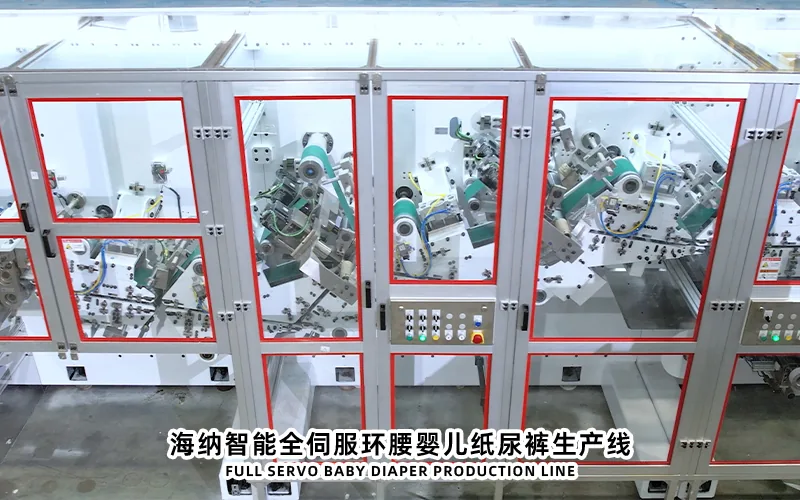
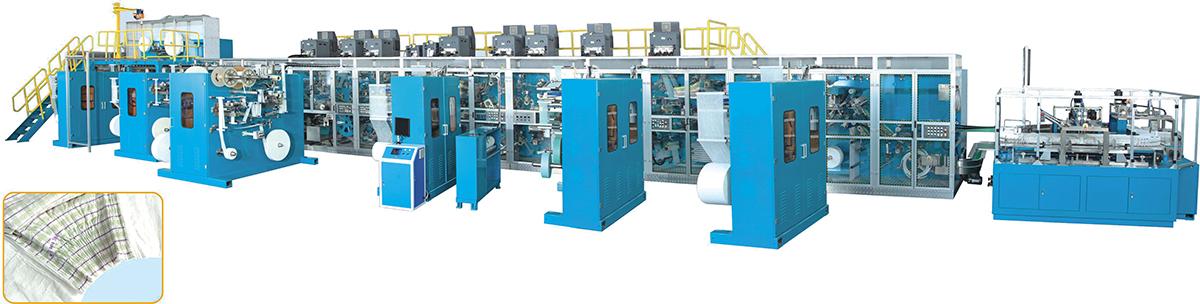
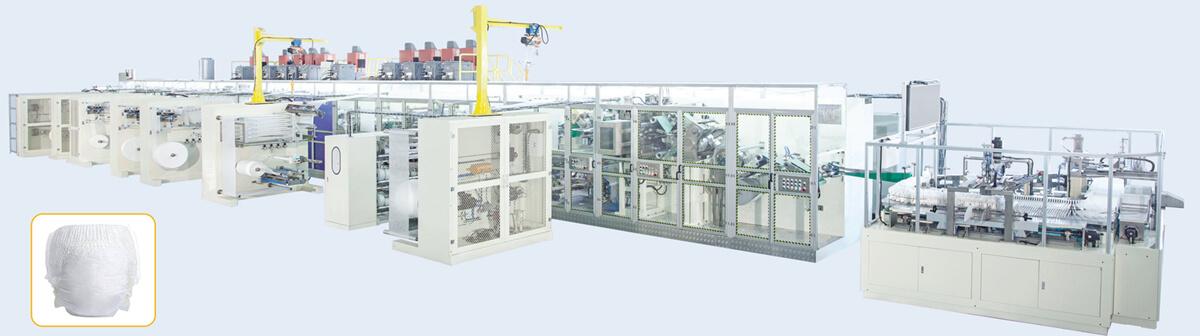
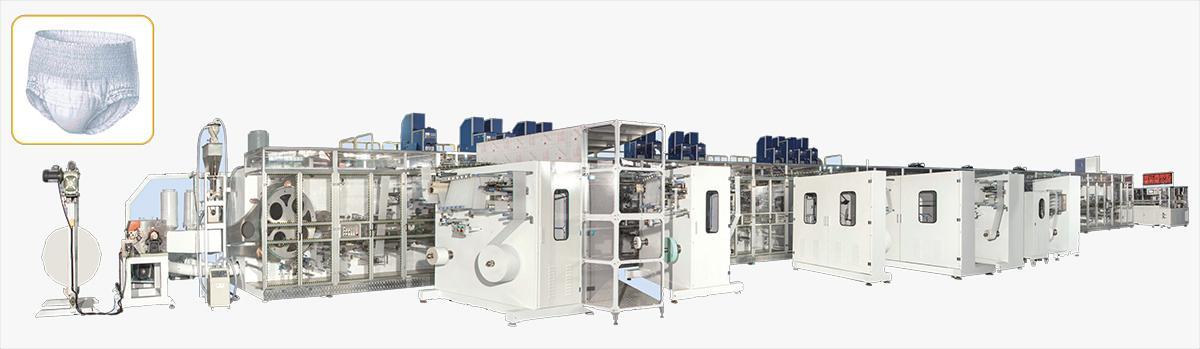
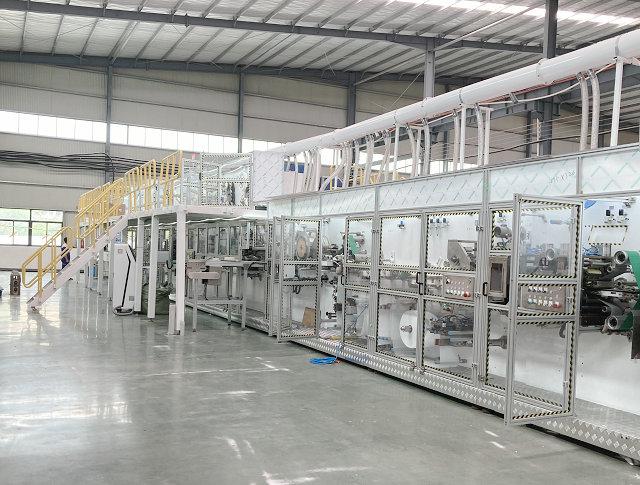
Map each layer from unwind to finished fold. Depending on the diaper design, the line may prepare or feed an absorbent core, apply acquisition material, guide top and back sheets, form leak guards, place leg and waist elastics, apply side panels, tapes and landing zones, add adhesives, compress, contour cut, fold, inspect, reject, count, and stack. Require the proposal to mark all included, optional, and excluded functions.
Define where acceptable products leave the machine. Individual packing, bagging, coding, case packing, extraction, air supply, adhesive preparation, conveyors, and data connections may be separate. Draw every mechanical, electrical, signal, utility, and product-transfer boundary. Assign design, supply, installation, testing, and maintenance so no interface is left between contracts.
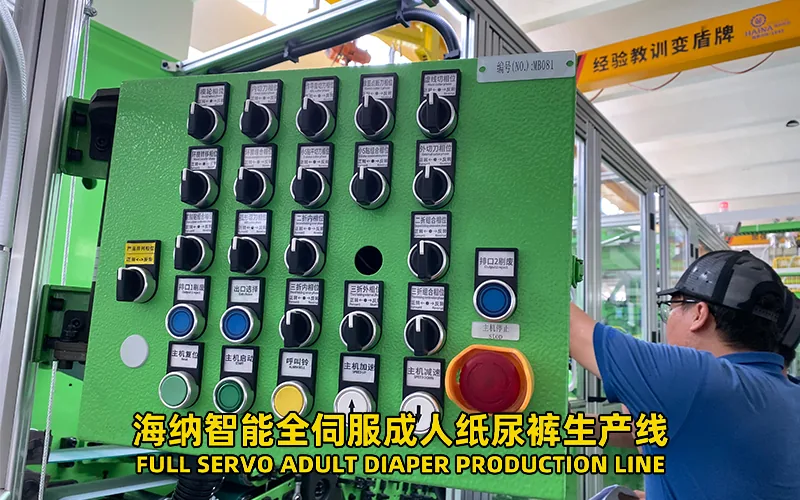
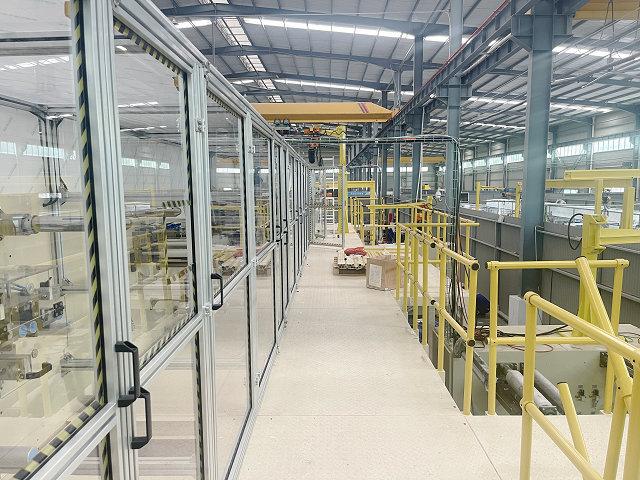
List operator work for roll loading, splice preparation, consumable replenishment, sample collection, reject removal, cleaning, changeover, and fault response. A line's automation level should be judged by actual tasks and controls. Check that the proposed layout provides safe access and does not place material movement through released-product or quality-sampling zones.
Protect Delicate Material Feeding
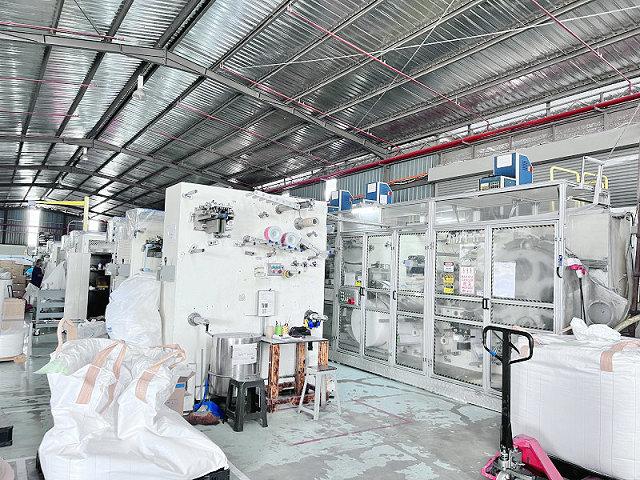
Infant product designs may use soft, light, thin, or stretch-sensitive webs. Provide suppliers with roll width, diameter, core, winding direction, basis weight, thickness, stretch data where controlled, surface treatment, splice form, and storage condition. Material names are insufficient. A change in friction, elongation, static response, or adhesive compatibility can alter tracking and product quality.
During a trial, observe loading, threading, guiding, tension isolation, splice passage, roll depletion, edge condition, wrinkles, static, vacuum pickup, and transfer. Record material lot, settings, stops, interventions, and samples. Check startup and restart products because webs can move before controls stabilize. Use approved containment until the first samples pass.
Ask how the line protects materials and products from contamination. Review covered routes, dust extraction where relevant, cleaning access, contact surfaces, adhesive control, foreign-material prevention, and reject segregation. Factory hygiene procedures and environmental requirements remain buyer responsibilities, but equipment design should support the approved plan.
Production-intent webs should be observed through loading, tension, guiding, splices, and restart.
Control Small-Format Registration
Build a characteristic-to-station matrix. Link core position, acquisition layer, leak guards, elastics, side panels, tapes, landing zone, contour, and fold to the station that creates or controls it. Define the machine reference and sample measurement. If one characteristic depends on several stations, identify the safe diagnostic sequence instead of allowing unrelated simultaneous adjustments.
Sample across time, after material events, and across relevant machine positions. Label products with format, lot, test interval, and event. Measure against the buyer's approved method. Small components can look acceptable in one product while drifting over a longer run, so stability evidence should include more than a first-piece approval.
Review registration controls and alarm history. Confirm recipe protection, manual adjustment authority, sensor setup, trend information where supplied, and response to repeated drift. The equipment may not automatically measure every product characteristic. Quality must retain offline checks and define product disposition whenever process control becomes uncertain.
Verify Hygiene and Defect Containment
Write a line-clearance and cleaning plan for startup, product changes, material changes, maintenance, and abnormal events. Identify tools, access, inspection points, approved cleaning materials, and responsibility. Make sure the layout allows cleaning without unsafe reaching or contamination from overhead work, scrap movement, or uncontrolled compressed-air use.
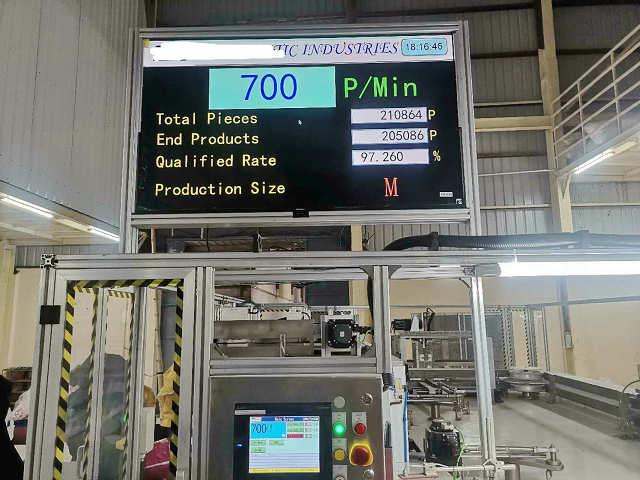
For each online inspection function, define detectable conditions, challenge method, alarm, reject point, confirmation, and reaction. Witness that rejected articles are positively separated and cannot re-enter accepted stacks. When an inspection is disabled or failed, apply a predetermined hold and offline verification route. An attractive display does not replace challenge evidence.
Trace raw materials, setup products, accepted output, rejects, and retained samples. Record the first known acceptable product before a fault and the first accepted product after correction. This supports precise quarantine rather than discarding or releasing an undefined quantity. Quality controls should be designed before the event, not improvised under production pressure.
Cleaning access, inspection coverage, and positive reject separation are essential acceptance points.
Test Growth Sizes and Changeovers
Obtain a size-to-tooling matrix for guides, applicators, cutters, drums, folders, inspection regions, conveyors, count settings, and packing signals. Identify recipe-controlled changes, measured manual settings, and exchanged parts. Label and store tooling so a small-format part cannot be confused with a neighboring size. Include all launch tooling in the quotation normalization.
Witness a conversion between commercially relevant infant sizes. Begin with staged, inspected tooling and the correct materials. Record line clearance, cleaning, mechanical work, recipe selection, threading, setup units, measurements, corrections, and quality release. Separate waiting from hands-on work. Have trained plant roles perform tasks to expose any competence or ergonomic gap.
Evaluate first-piece quality and return to stable operation, not only elapsed change time. Monitor component registration, elastic positions, core geometry, cutting, fold, inspection, and discharge. Preserve the accepted settings through controlled centerlines and recipes. If repeated adjustment is needed, investigate the underlying condition before approving flexibility.
Infant format release sequence
Verify order, drawing, material lots, recipe, and tooling.
Clear old products and identify all remaining materials.
Complete approved cleaning and mechanical conversion.
Check guides, sensors, inspection regions, and packing count.
Run setup products under containment and record adjustments.
Measure infant-specific characteristics and release quality.
Confirm stable output before ending enhanced sampling.
Score Infant-Product Evidence
Infant-product criterion
Evidence to collect
Witness condition
Reason for priority
Smallest size
Format, module, and tooling matrix
Sustained run with measured samples
Exposes narrow-web and short-repeat risk
Delicate materials
Traceable roll data and settings
Load, splice, stop, and restart
Shows tension and registration stability
Component placement
Characteristic-to-station map
Time-linked product measurements
Confirms fit-related consistency
Hygiene support
Cleaning and material-flow review
Access and line-clearance task
Protects controlled product handling
Defect containment
Inspection coverage and hold plan
Challenge, reject, and recovery
Prevents uncertain product release
Use mandatory gates for product category, smallest launch size, material compatibility, site fit, safety review, and testability. Then score stable quality, changeovers, controls, maintainability, documents, training, and support. Do not award points for an unverified superlative or a feature unrelated to the infant range. Preserve open evidence as a clarification rather than converting it into a favorable assumption.
Prepare FAT and Production Release
FAT should include machine identification, completeness, guards and interlocks, controls, recipes, alarms, inspection and rejects, smallest-format production, another representative size, stable-run records, material events, changeover, controlled stop, restart, documents, tooling, backups, and task training. Set material lots, duration, sample frequency, stop rules, staffing, and retest criteria before formal testing.
If the smallest format fails a placement, fold, or containment criterion, do not accept a larger format as a substitute result. Record the affected station, product sequence, settings, material lot, samples, and corrective action, then repeat the relevant run and event challenge under the original condition. The retest should prove both restored quality and stable recovery, because a single corrected sample does not close the infant-format risk.
Site release adds installation, utilities, local material condition, packing interface, hygiene procedure, staff competence, and sustained factory operation. Keep an open-item register through both stages. HAINA can connect the equipment-specific FAT and training records with site startup, while the buyer's quality team owns final infant-product approval.
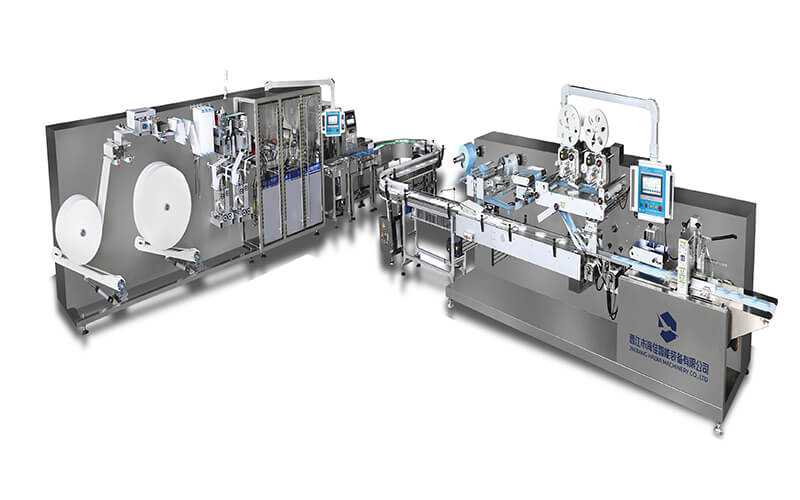
Review the automatic infant and baby diaper equipment configuration as a starting point, then ask the supplier to mark the exact smallest-size modules, tooling, trial conditions, and limitations. The signed response should become part of the acceptance matrix, not remain a general sales claim.
FAT should prioritize the smallest launch format, controlled materials, defect containment, and trained operation.
Frequently Asked Questions
Why test the smallest infant diaper at FAT?
It can expose web handling, component spacing, tooling, inspection, folding, and registration risks that a larger or easier format may not reveal.
Does a softer material always run better?
No. Softness is a product attribute, while machine behavior also depends on thickness, stretch, friction, static, winding, splice, and bonding. Trial the approved grade under controlled conditions.
Can online inspection release infant diapers automatically?
Only for the defined detectable conditions and site procedure. Offline measurements and functional tests remain necessary, and uncertain products need controlled containment and disposition.
What proves size flexibility?
A documented change using included tools and trained roles, followed by measured first products and stable output, proves more than a catalogue size range.
Conclusion
An infant diaper manufacturing machine should be selected around the smallest and most demanding launch formats, production-intent delicate materials, measurable component registration, hygiene support, and reliable defect containment. Before approval, require a FAT sequence that loads the intended material, runs the smallest size through a normal roll event, measures time-linked products, challenges inspection, stops and restarts, and changes to a growth size. Have future plant operators and quality staff perform their tasks. Release the decision only when the supplier documents the process window, limitations, tooling, cleaning, training, and closure evidence.