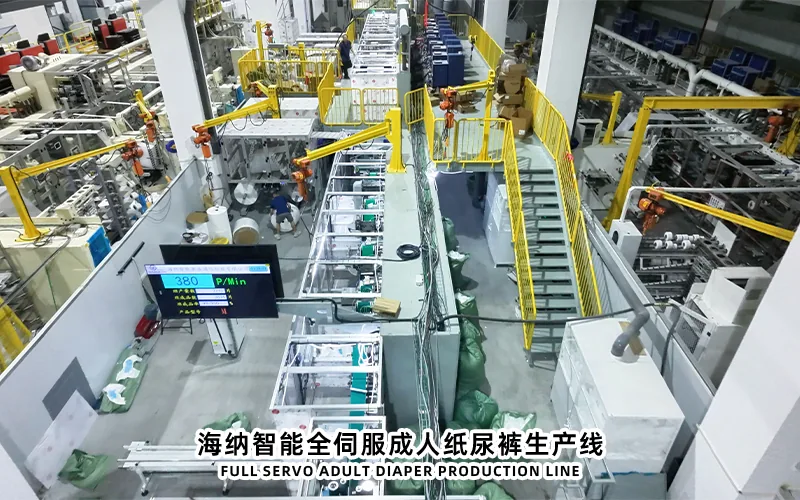
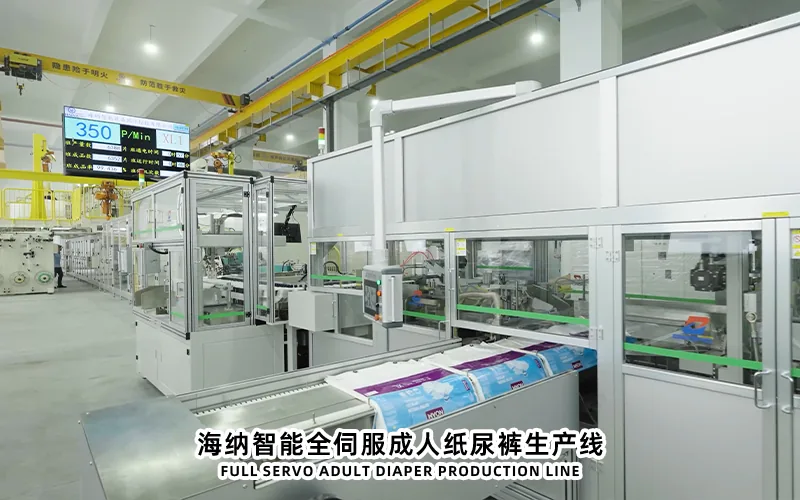
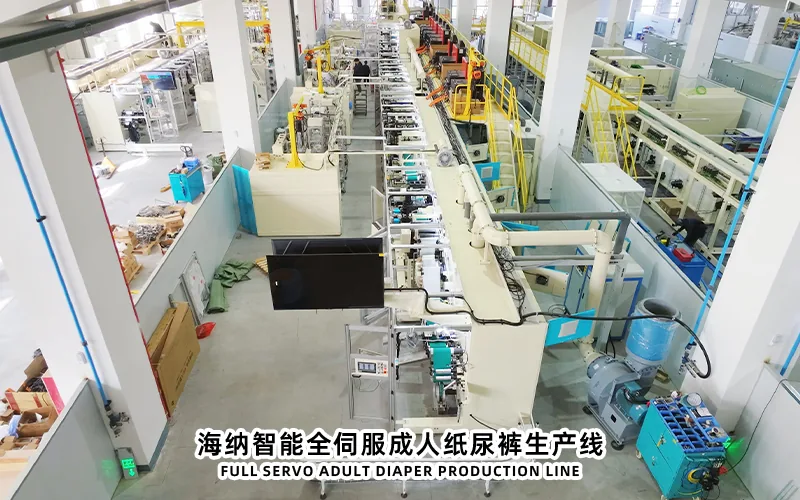
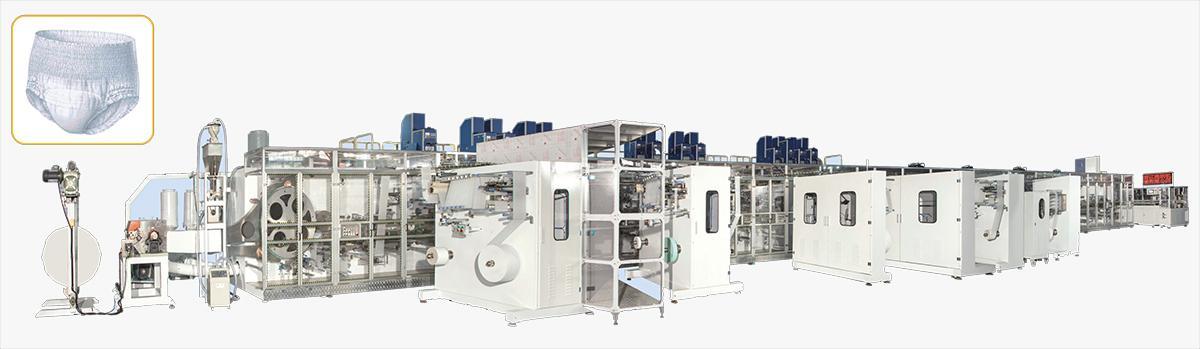
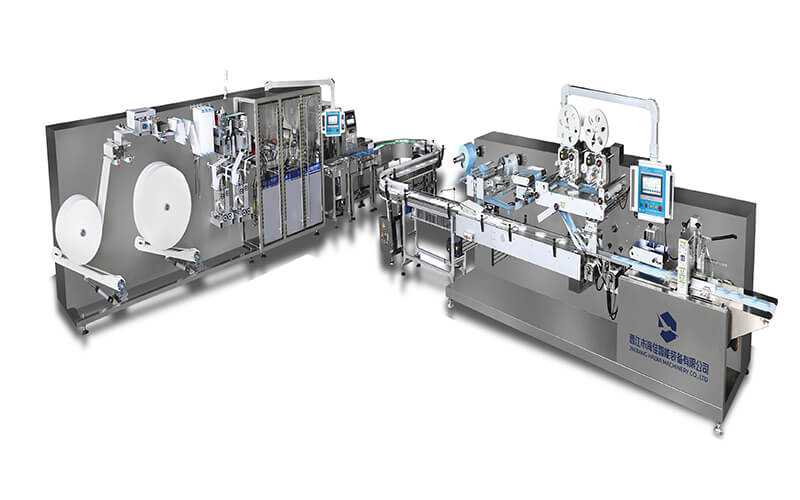
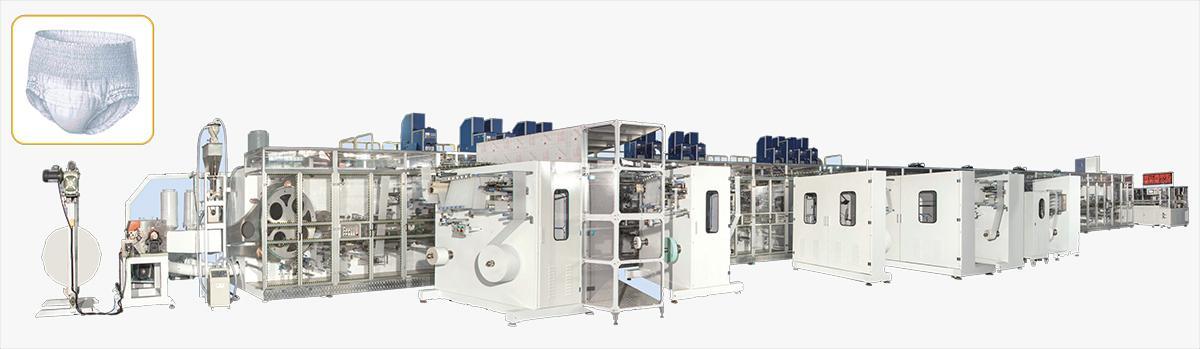
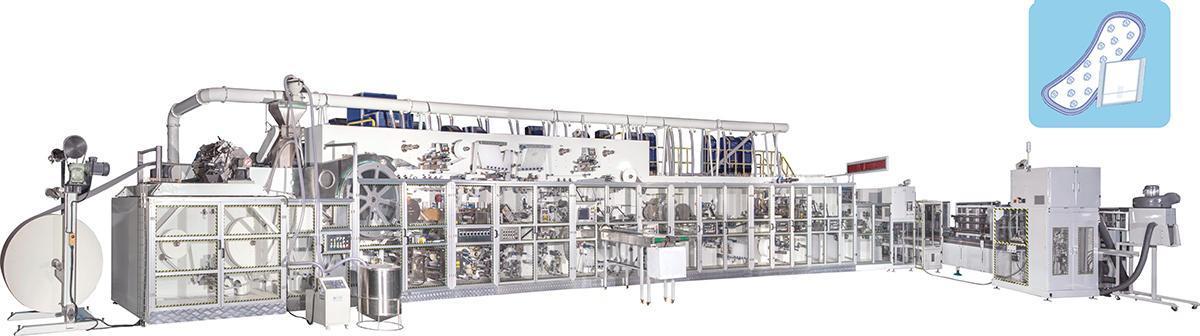
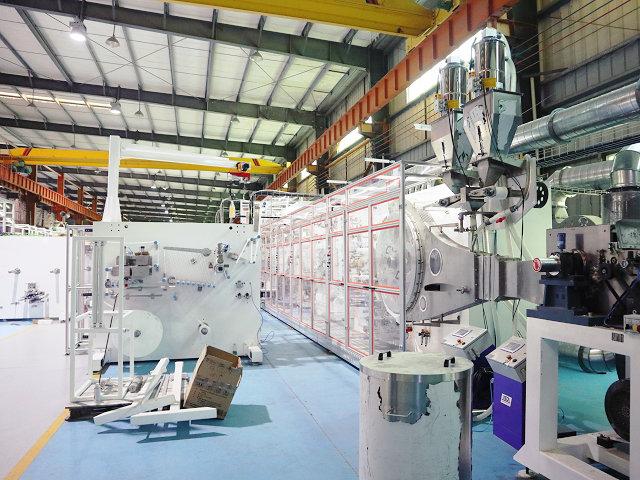
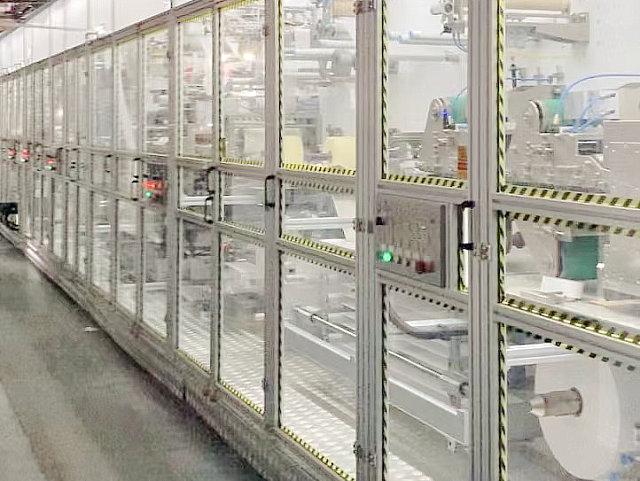
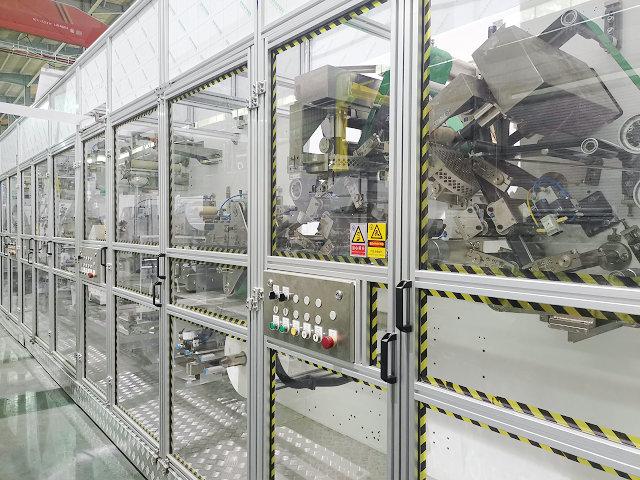
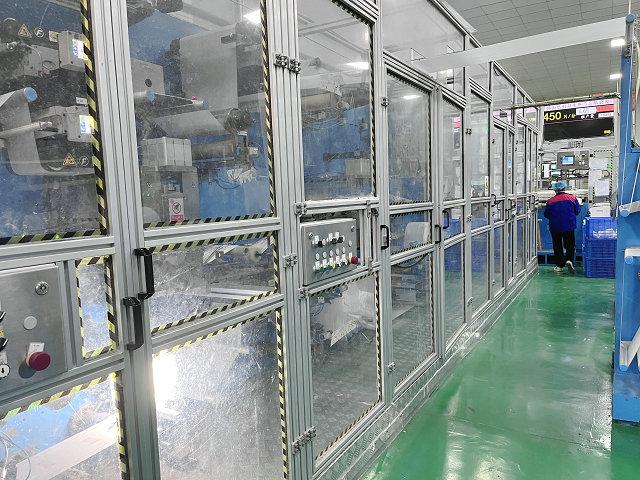
Choose a fully automatic adult diaper machine by proving that it can handle the intended product dimensions, absorbent structure, waist system, side panels, fastening components, and folded presentation under realistic factory conditions. Adult products can place different demands on web width, core handling, elastic control, cutting, folding, and material logistics than baby formats. Define the launch product matrix and packing interface first, then compare line scope, stable acceptable output, changeover work, inspection coverage, maintenance access, and supplier evidence. Approve the equipment only after a product-specific FAT demonstrates quality, recovery, documents, and trained operation.
Define the Adult Care Product
Adult diaper equipment cannot be selected from the product name alone. Freeze a format matrix that distinguishes taped briefs from other incontinence products and records every launch size. For each brief, define finished dimensions, core shape, layer sequence, front and back waist construction, side-panel arrangement, standing leak guards, leg elastics, fastening tapes, landing area, back sheet, acquisition layer, folding sequence, and count orientation. Attach controlled drawings, material codes, and labeled reference samples.
State the user and channel requirements that affect manufacturing without making unsupported medical claims. Institutional packs may have different count, identification, or logistics needs from retail packs. Product development should translate fit, discretion, absorbent distribution, fastening, and appearance goals into measurable characteristics. Procurement then traces each characteristic to a machine function, inspection method, or offline quality test.
Keep future concepts separate from accepted scope. If a larger size, different fastening design, or alternative core is under discussion, ask the supplier to classify it as recipe enabled, change-parts enabled, optional module, redesign required, or not evaluated. This protects the launch schedule and exposes expansion costs. A general statement that the line is flexible is not enough to authorize a future product.
The equipment architecture must correspond to the controlled brief design, component set, and folded output.
Configure the Fully Automatic Adult Diaper Machine
Draw the process route from roll staging through discharge. Depending on the agreed product, functions may include material unwinding, guiding and tension isolation, absorbent-core preparation, core wrapping, acquisition-layer placement, elastic and leak-guard application, waist and side-panel construction, tape and landing-zone placement, adhesive application, compression, contour cutting, folding, inspection, rejection, counting, stacking, and transfer to packing. Require the proposal to identify included, optional, excluded, and buyer-supplied elements.
Define automation at each interface. Automatic web control does not load every roll; automatic converting does not necessarily include bagging or case packing. List tasks for roll loading, splice preparation, adhesive replenishment, scrap removal, sample collection, reject disposal, stack handling, cleaning, and abnormal recovery. State the expected roles and make sure the planned access allows those tasks without reaching through hazards or blocking material flow.
Create a battery-limit schedule for electrical supply, compressed air, dust extraction, ventilation, network connections, adhesive equipment, conveyors, packing signals, and waste handling. Allocate design, supply, installation, testing, and maintenance. Review utilities using supplier data and local engineering requirements. Avoid repeating values from unrelated machines; the contractual project schedule should govern the selected configuration.
Verify Wide Material Handling
Adult brief formats can require broad webs and substantial rolls, so material logistics deserve an early review. Provide roll width, diameter, core size, mass where controlled, winding direction, splice type, storage orientation, and handling method for every input. Confirm aisle widths, door openings, lifting equipment, staging locations, unwind access, and disposal of cores and wrapping. A line footprint without these zones is not an operational layout.
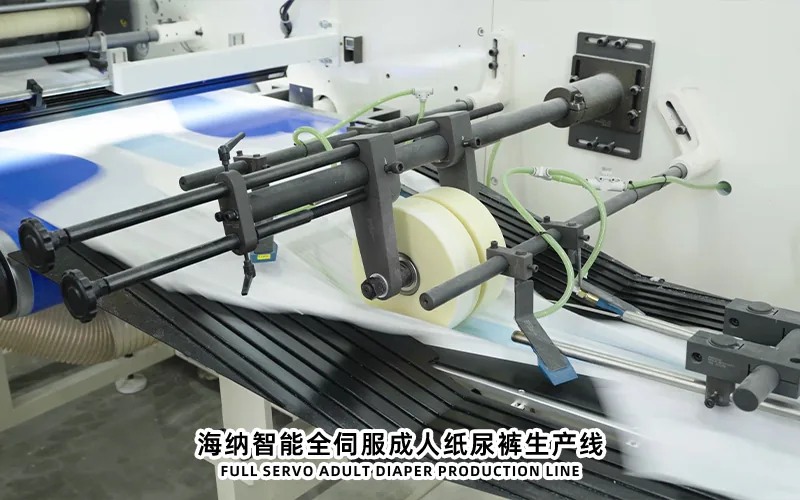
During trials, observe web behavior across its usable width. Check guiding, tension response, edge condition, wrinkles, static effects, splice passage, adhesive placement, and alignment at transfer points. Material grades with the same nominal dimensions can differ in stretch, friction, thickness, permeability, or surface treatment. Keep test lots traceable and record the settings used. Substitutions need qualification against product and process results, not approval by name similarity.
Maintenance should review shafts, chucks, lifting assists, guides, rollers, sensors, vacuum paths, cutters, and cleaning access. Ask how safely a damaged or partly used roll can be removed. Consider the human effort required during repeated changes. Material handling affects uptime and risk, but no universal staffing or roll-change claim should be accepted without a witnessed task using representative conditions.
Roll data, lifting routes, unwind access, and web control should be verified for each production material.
Protect Fit and Absorbent Quality
Link product characteristics to process controls. Core dimensions and integrity may depend on forming, dosing, transfer, wrapping, compression, and cutting. Fit features depend on component position, elastic application, side-panel geometry, tapes, waist construction, and fold. Appearance depends on web tracking, adhesive control, cutting cleanliness, contamination prevention, and handling. Ask the supplier to show where each critical characteristic is created and what feedback or inspection is available.
Develop a measurement plan before FAT. Identify overall dimensions, component positions, symmetry, core placement, fastening location, fold, seal or bond appearance, contamination, and other drawing requirements. State instruments, sample frequency, labeling, acceptance rule, and disposition. Functional absorbency and fit evaluations should follow the buyer's validated product methods. Machine witnesses should not improvise pass criteria after samples have been made.
Inspection systems have boundaries. For each supplied camera, sensor, metal detector, or process monitor, document what it checks, challenge method, reject logic, confirmation, and reaction after repeated faults. Also list characteristics that remain offline. Products made while an inspection function is unavailable need a predetermined hold and release route. Positive reject segregation should be witnessed so failed articles cannot mix with acceptable stacks.
Evaluate Size Change and Factory Flow
Adult brief size changes may involve recipes, guide positions, applicators, cutters, folding components, conveyors, inspection regions, and count settings. Obtain a format-to-change-parts matrix. Every removable item needs identification, storage, handling information, and quotation status. Ask which adjustments are indexed or measured and which depend on trial correction. This distinction influences both changeover control and training effort.
Witness a representative size conversion from last acceptable old product to first acceptable new product. Record line clearance, cleaning, mechanical work, recipe selection, web threading, setup units, measurements, corrections, and quality release. Separate work from waiting for tooling, materials, maintenance, or approval. A credible plan preserves product segregation and safety rather than optimizing only elapsed time.
Test the proposed factory layout with these actions. Trace raw-material movement, operator routes, quality sampling, tool carts, maintenance removal, scrap collection, accepted stack transfer, and emergency egress. Check clearances with guards open for authorized service, not only with everything closed. Use layout review findings to resolve columns, utilities, doors, and packing interfaces before fabrication is advanced.
Size-change work and material flow should be rehearsed against the proposed installation layout.
Separate Speed From Saleable Output
Start capacity analysis with acceptable packed demand by size and production calendar. Account for format mix, planned maintenance, sanitation, roll changes, quality sampling, changeover, operator breaks under site policy, and downstream constraints. Use scenarios and show assumptions. This calculation defines the required operating window; it does not guarantee a financial return or force the machine to match a theoretical demand peak.
Keep four terms distinct. Design speed is an equipment design reference. Stable working speed is a demonstrated sustainable condition for a defined product and material set. Operating speed is what a shift selects under current conditions. Contractual acceptance output is the value and quality outcome agreed for a specified FAT or site test. A proposal that uses one word for all four creates avoidable dispute.
Run long enough to expose routine events. Log inputs, acceptable products, rejects, stops, causes, interventions, samples, and downstream status. Agree whether planned material replenishment or a staged fault pauses, restarts, or remains inside the test. Observe recovery as well as uninterrupted operation. A line that reaches a high point after repeated expert adjustment has not demonstrated autonomous stable production.
Use an Adult Product Scorecard
Apply mandatory gates before weighted comparison: adult brief scope confirmed, launch formats traceable to modules and tooling, material handling accepted, site and utilities compatible, safety review open items controlled, and FAT method agreed. Then weight the remaining evidence according to project risk. A plant with many sizes may weight changeover repeatability more heavily than a dedicated-format operation.
Adult brief decision
Evidence
Witness action
Uncontrolled risk
Wide-format capability
Format and web-width matrix
Run representative production rolls
Tracking or access problems
Core and fit control
Characteristic-to-station map
Measure labeled samples over time
Acceptable appearance hides variation
Size flexibility
Tooling register and setup sheet
Complete a size change and release
Unpriced parts or long adjustment
Factory integration
Scaled layout and battery limits
Walk material and service routes
Late civil or handling redesign
Production readiness
FAT, training, and document index
Have plant staff perform tasks
Dependence on supplier technicians
Adult diaper selection evidence file
Controlled drawings, samples, layer structures, and format status.
Material roll schedule with handling and staging assumptions.
Module, tooling, inspection, packing, and auxiliary boundaries.
Stable-run conditions and product measurement plan.
Layout review signed by production, maintenance, safety, and logistics.
Deviations, open decisions, owners, and contractual closure dates.
Design FAT and Handover Evidence
Draft FAT while negotiating the order. Trace each requirement to a check, test condition, witness, sample rule, record, and acceptance response. Include completeness, guarding and interlocks, manuals, recipes, alarm history, inspection challenges, sustained adult product production, size change, reject handling, controlled stops, restart, backups, and spare identification. Label samples and material lots so results remain meaningful after shipment.
Handover requires task competence. Operators demonstrate preparation, loading support, threading, startup, quality checks, cleaning, normal stop, and first response to alarms. Maintenance demonstrates inspection, lubrication, safe access, diagnostics, parts identification, and backup restoration. Supervisors demonstrate record review and escalation. HAINA can align training and FAT support with the project configuration, while the buyer verifies each task against its site procedure.
Use the automatic adult diaper making machine configuration as a discussion reference, then require the proposal to identify the exact included modules and limits. Keep signed results, videos where permitted, measurement sheets, software versions, open-item records, and document revisions in one index. Site acceptance should revisit unresolved transport, assembly, utility, training, and product conditions rather than repeat an undefined factory demonstration.
The final acceptance package should connect delivered hardware, adult product samples, settings, and trained ownership.
Frequently Asked Questions
Can baby diaper equipment be assumed to make adult briefs?
No. Product width, chassis design, components, material handling, tooling, folding, and line architecture may differ. Submit the adult product matrix and ask for a configuration-specific compliance response.
How should the largest adult size be evaluated?
Review it as a complete risk case: material widths and rolls, process control, tooling, access, folding, discharge, inspection, sample results, and sustained operation. Do not verify only that material can be threaded.
Does automatic inspection replace offline testing?
No. Online systems inspect only defined detectable conditions. Product dimensions, absorbent performance, bonds, and other characteristics still need the buyer's approved sampling and laboratory methods.
The right fully automatic adult diaper machine must prove adult-product capability, not inherit credibility from another absorbent-product line. Define the brief, trace wide materials and fit features to equipment functions, qualify format changes, and evaluate saleable output under stated conditions. Before technical approval, require the supplier to run a representative large format, measure samples throughout the trial, demonstrate reject control and a size change, and walk the actual factory material route with the buyer's team. Close every tooling, utility, document, training, and support deviation in writing before authorizing the purchase milestone.