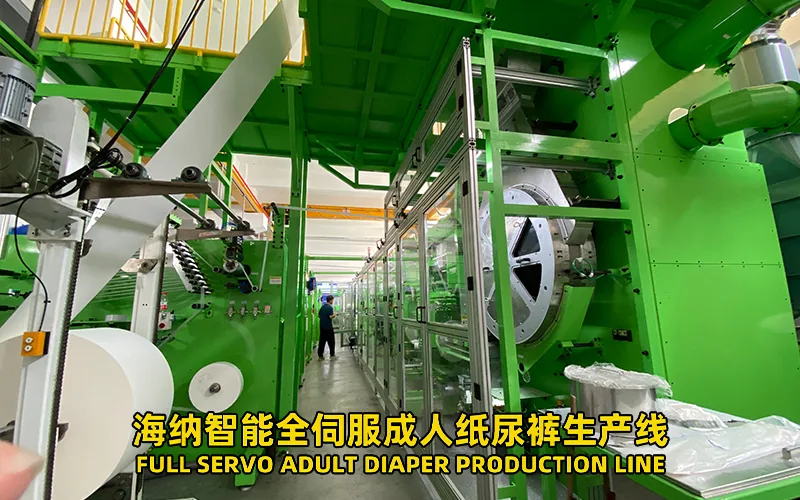
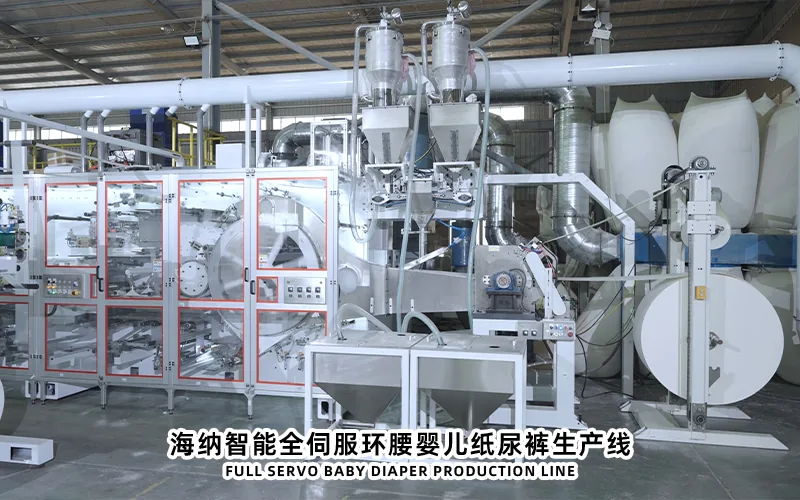
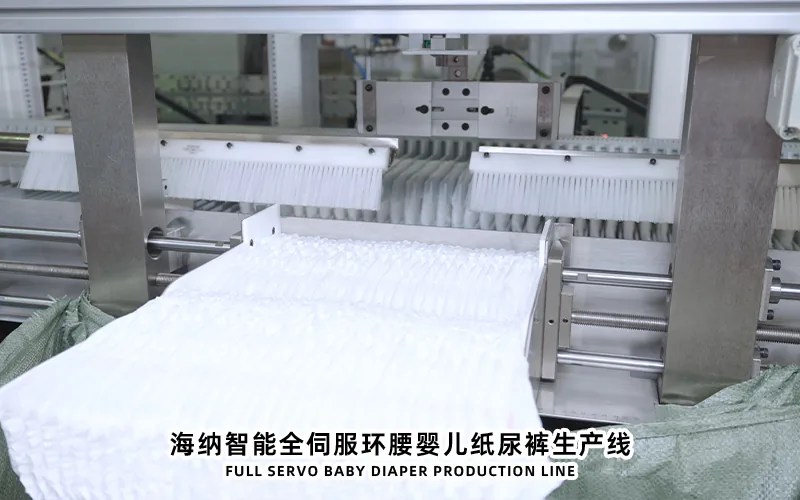
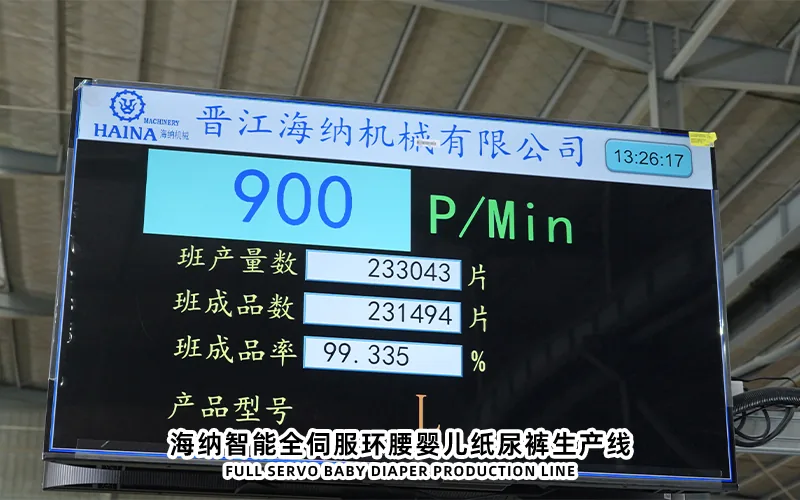
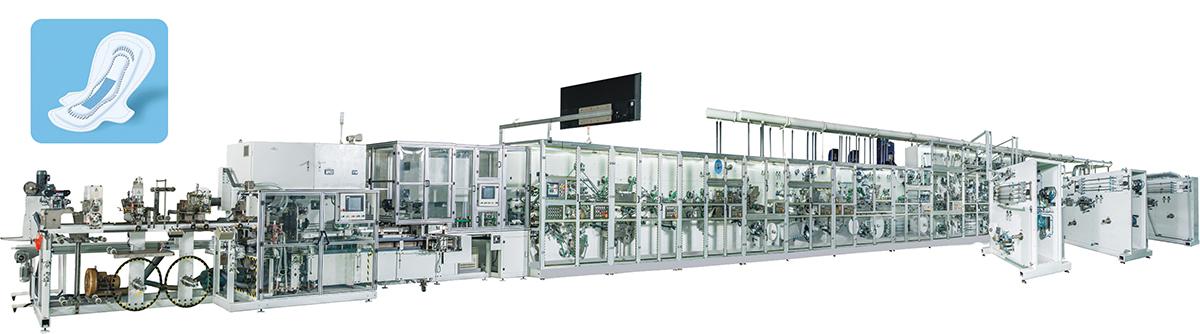
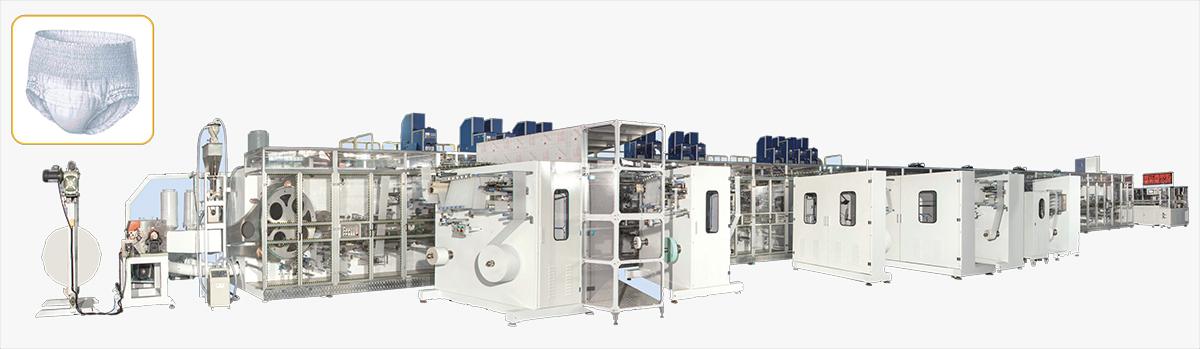
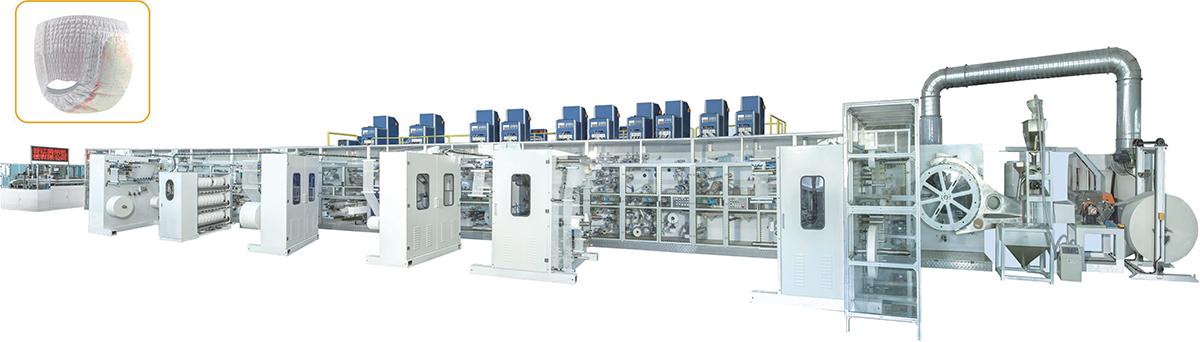
Choosing the best diaper production line means selecting the configuration with the strongest verified fit for the buyer's product matrix, materials, factory, operating model, and acceptance plan, not the highest unqualified speed or lowest initial quotation. Define diaper formats and critical quality attributes first, then compare modules, format range, material handling, stable output evidence, safety, controls, changeovers, utilities, packaging interfaces, maintenance, spares, training, and supplier engineering. Weight these criteria by project risk and score missing evidence separately from confirmed compliance. The final choice should survive material trials, factory audit, FAT, contract review, and a realistic lifecycle responsibility check.
Define the Best Diaper Production Line for Your Project
"Best" is a requirement-relative decision. A new brand launching a narrow baby-diaper range may value process clarity, training, material qualification, and launch support. A multi-product manufacturer may value repeatable format changes, recipe control, spare commonality, packaging integration, and maintenance access. A factory with constrained utilities or layout needs a different configuration from one building a new production area.
Write the decision statement before requesting offers: target product family, launch formats, future options, approved or intended materials, quality methods, demand scenarios, operating calendar, site, utilities, staffing, packaging boundary, project schedule, and risk priorities. HAINA can review this basis against available equipment configuration, but the buyer must own market assumptions and product approval.
The best line is the one whose actual configuration fits the approved project basis.
Separate mandatory requirements from preferences and future provisions. A mandatory launch format must be included and accepted. A preference can be scored. A future provision should state exactly what is installed now and what later engineering, hardware, software, tooling, and testing will be required. Empty frame space does not prove future product capability.
Match Product Definition to Configuration
Create a product matrix with taped or pull-on architecture as relevant, size range, open and folded dimensions, absorbent-core design, topsheet, distribution layer, backsheet, cuffs, elastics, fastening components, landing zone, optional features, package presentation, and critical quality attributes. Do not assume one diaper line can make adult, baby, pull-on, or underpad products without configuration-specific proof.
Map every product feature to process modules and controls: unwinds, core formation or supply, polymer feed where applicable, wrapping and transfer, web guiding, elastic and cuff application, fastening placement, adhesive, bonding, shaping, cutting, folding, inspection, rejection, and discharge. List format parts and adjustments for each size. Require drawings and a module schedule.
Material compatibility requires more than width. Compare roll diameter and core, winding, splice, basis and thickness behavior, tensile and stretch, friction, stiffness, surface treatment, elasticity, adhesive response, dust, static, print registration, and storage condition according to material function. Risk-rank intended supplier grades and require trials for uncertain webs, elastics, tapes, films, or bond pairs.
Compare Stable Output With Context
Supplier speed statements are not comparable until defined. Design speed is a design reference. Configurable range describes possible settings or formats. Operating speed is the observed instantaneous or run condition. Stable working speed requires sustained acceptable running with identified product, material, utilities, staffing, quality checks, and downstream flow. Contractual acceptance value is the condition and method written into the agreement.
Ask each supplier to state product, size, material set, run duration, setup state, quality sampling, stop accounting, reject treatment, output definition, utility condition, and packaging interface behind the proposed acceptance. If evidence is based on a different product or supplier material, mark the transfer assumption. Do not award full score to an untested headline.
Evaluate repeatability, not only the run average. Review stops, manual intervention, web corrections, setup waste, process waste, rejects, product variability, and downstream interruptions. Separate causes controlled by machine, material, operator, utility, quality hold, and packaging. Use the agreed method and retain raw data.
Stable output evidence includes material behavior and quality across the linked process.
Score Factory Fit and Lifecycle Control
Factory fit includes footprint and access, roll logistics, maintenance clearances, hygienic cleaning, waste flow, operator stations, quality sampling, electrical supply, air, extraction or vacuum, environment, adhesive systems, network, and packaging integration. Validate utility behavior under relevant load. Include installation route and lifting constraints. A high-performing line on paper can be a poor selection for an incompatible building.
Review staffing by task and mode. Material loading, splice preparation, sampling, waste handling, packaging, maintenance, and fault response may remain manual even on automatic equipment. Conduct a workload review under the intended product and shift pattern. Do not assume a headcount or labor saving from the word automatic.
Lifecycle control covers cleaning, lubrication, inspection, calibration or verification needs, wear parts, failure spares, strategic items, backups, component obsolescence governance, training, and troubleshooting. Request the final installed-component list and spare recommendations. Verify safe access through a representative maintenance task from isolation to product release.
Compare cost variables without inventing prices or ROI. Normalize base equipment, modules, options, format parts, utilities, site works, materials for trials, packaging interface, quality equipment, spares, training, FAT, shipping boundary, installation, commissioning, and support. Model demand, margin, utilization, and financing separately under buyer governance. Technical fit should not be distorted to justify a preferred payback narrative.
Verify Supplier Engineering and Support Evidence
Audit how the supplier converts requirements into engineering and production. Trace a diaper feature to a controlled drawing, component, assembly record, and test. Review drawing revisions, purchased-component identity, substitutions, nonconformance, inspection instruments, software control, and as-built documents. Interview the people doing the work and compare records with physical equipment.
Configuration changes should explain reason, technical impact, affected products, safety and maintenance effects, spare implications, documents, and verification. A substitute sensor, drive, adhesive part, motor, cutter material, or software revision may need buyer review. A component brand alone does not prove correct model, rating, setup, or integrated behavior.
Supplier selection should examine traceable engineering and the physical as-built equipment.
Assess support through deliverables and demonstrations. Define manuals, diagrams appropriate to scope, component lists, lubrication, spares, format records, recipes, backups, alarms, test reports, training, and change history. Ask the supplier to identify a part, restore a controlled backup, diagnose a representative alarm, and explain a product defect path. Avoid unverified response-time or service-result promises.
Training should be task-based for operator, maintenance, quality, and engineering roles. Verify local competence through observed startup, changeover, normal adjustment, quality hold, fault evidence, maintenance, and restart. The best supplier for a project transfers the knowledge needed to sustain the accepted configuration, not only the ability to demonstrate it once.
Use FAT and Contract Gates to Reduce Selection Risk
Write the FAT concept during selection. Identify configuration and software, buyer materials, product formats, utilities, setup responsibility, test sequence, stable condition, duration or sample basis, quality methods, challenge tests, changeover, stop recovery, event and loss accounting, documents, training, and open-item classification. A supplier unwilling to define testable acceptance transfers uncertainty to the buyer.
Choose the highest-risk coverage. The widest format, narrowest format, difficult material, critical bond, registration feature, fastening component, or packaging handoff may reveal more than the easiest product. Use a coverage matrix if every format cannot be tested. Record which functions are common and which remain unverified.
The technical contract should freeze product scope, modules, interfaces, components or substitution method, controls, safety requirements, utility basis, documents, training, spares, FAT, packing, installation, commissioning, site tests, change process, and open-item consequences. Align payment or release milestones with objective deliverables through commercial and legal review.
During FAT, record actual product, materials, lots, recipes, tooling, versions, utilities, operation, alarms, stops, interventions, loss categories, samples, and tests. Classify deviations by impact and require owner, date, closure evidence, and shipment decision. A video or edited summary cannot replace witnessed raw evidence.
Build a Weighted Selection Scorecard
Choose criteria and weights before final offers to reduce preference bias. Mandatory compliance remains a gate, not a score that can be offset by a cheap option. Among compliant candidates, weight product and material fit, stable-output evidence, quality and safety controls, changeover, factory interfaces, maintainability, supplier governance, FAT, documents, training, support, and normalized lifecycle scope according to project risk.
Use separate ratings for capability and evidence confidence. A supplier may claim full capability but provide weak proof; that should not equal demonstrated compliance. Deduct or flag open assumptions, exclusions, future development, and buyer dependencies. Record the source for every score and allow cross-functional reviewers to challenge it.
Perform sensitivity analysis. If a small weight change reverses the winner, the decision is fragile and needs more evidence. Focus trials or audits on those criteria. Compare baby diaper production line configurations using the same product matrix and acceptance basis, not supplier-specific interpretations.
The final score should lead to verified conforming products under the buyer's stated conditions.
Document the selection decision with confirmed strengths, exclusions, residual risks, contract actions, and revalidation triggers. Do not state that a supplier is universally best. State why the selected line is the strongest evidenced fit for this defined project and what must still close before FAT, shipment, or production.
Frequently Asked Questions
Is the fastest diaper line always the best choice?
No. Compare defined stable output with product quality, materials, interventions, utilities, packaging, changeovers, maintenance, and acceptance context. Design speed alone does not establish project fit.
How many diaper formats should be tested before selection?
Test or otherwise verify all mandatory unique risks. Use a coverage matrix to select representative and difficult formats, and explicitly mark any capability that remains trial-dependent or excluded.
Should price be included in the technical score?
Keep mandatory technical gates and evidence confidence visible, then normalize commercial scope separately or under a clearly governed weighting. A low price should not offset a failed launch requirement.
What supplier evidence matters most?
Look for traceability from buyer requirement through controlled design, installed component, integrated test, accepted product sample, as-built document, and trained factory task. This chain exposes unsupported claims.
Conclusion
The best diaper production line is the configuration that proves product and material fit, stable conforming output, factory compatibility, maintainability, and supplier control under the buyer's accepted evidence plan. The procurement engineer should now freeze mandatory gates and a weighted scorecard before the final supplier review. Ask HAINA to populate each criterion with drawings, trials, FAT methods, and support proof, then award selection only after high-weight uncertainties are verified or carried as explicit contractual conditions.