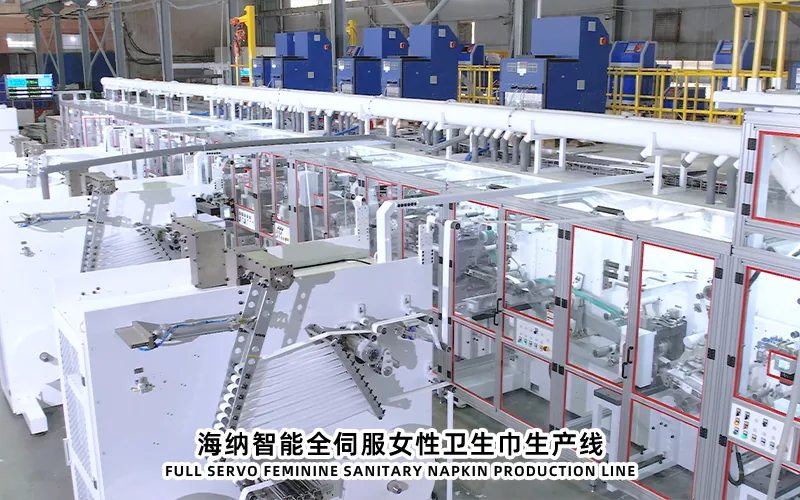
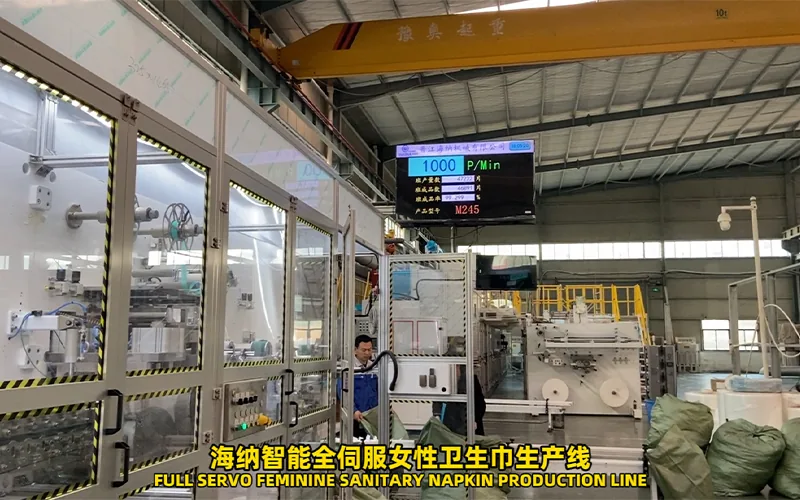
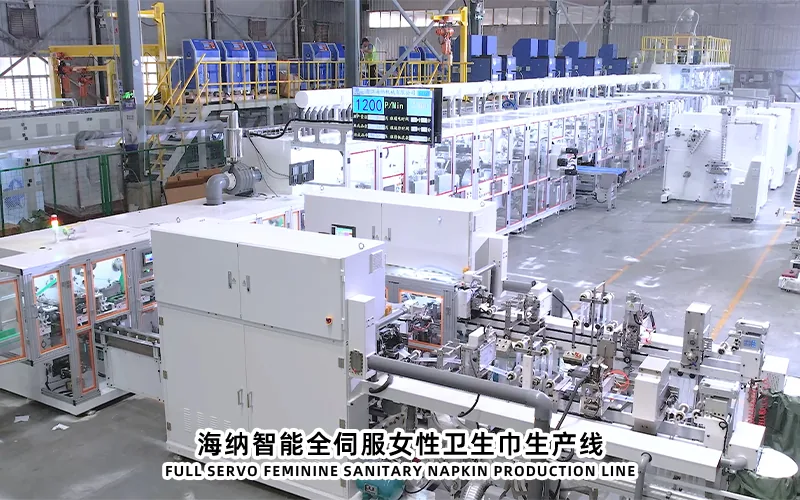
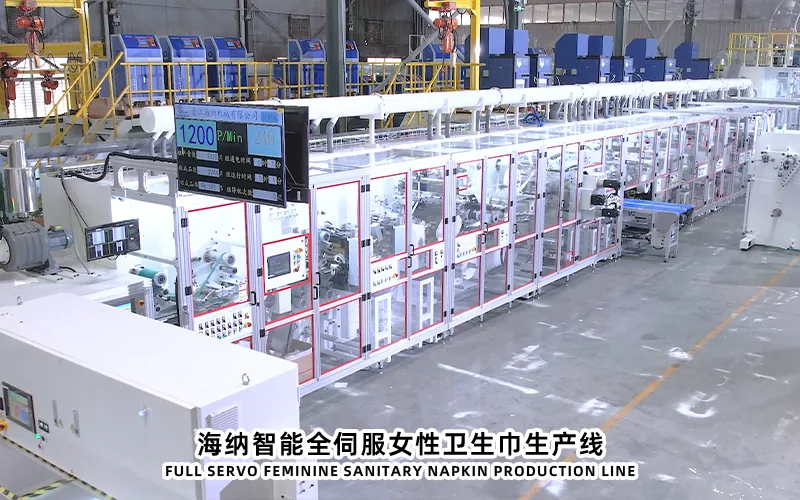
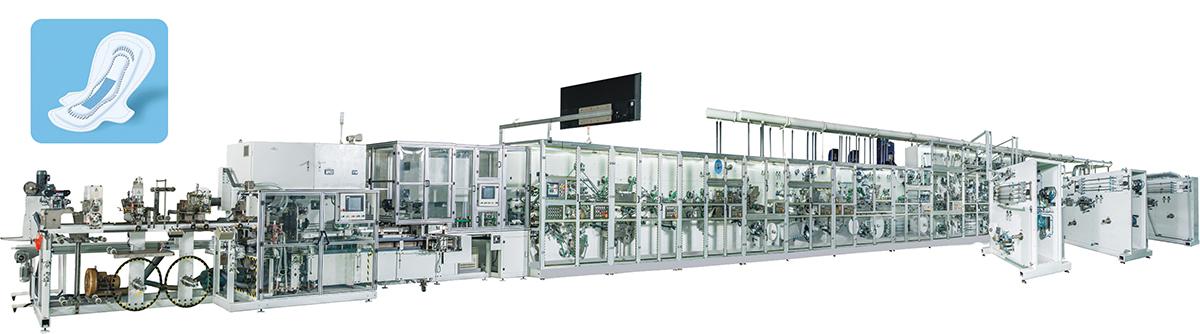
Efficient use of a sanitary napkin production line comes from controlling the full shift cycle: product release, material verification, safe startup, stabilization, steady running, planned changeover, quality response, downtime learning, and complete handover records. Production managers should measure saleable output under defined product and material conditions rather than chase an isolated speed display. Operators need approved recipes and clear reaction limits, while maintenance and quality teams must respond to developing variation before it becomes sustained waste. A sanitary napkin production line is utilized well when every shift can reproduce an accepted product, explain losses, and leave the next team a controlled machine state.
Define Efficient Manufacturing
Efficiency is not the highest momentary setting. It is the reliable conversion of released materials into conforming packed products within a planned production window. The calculation boundary should include startup, normal stops, changeovers, inspection holds, rejected output, packing constraints, and scheduled care. A shift that runs rapidly but creates unclassified scrap, rework, or an unstable next startup has not used the asset efficiently.
Define the required result by SKU. The production order should identify approved product construction, material references, dimensions, placement criteria, pack format, labeling, sampling plan, and recipe revision. Machine capability and process targets must remain distinct. Design speed is not an operating guarantee, and stable working speed must always be associated with stated materials, product format, line condition, and acceptance method.
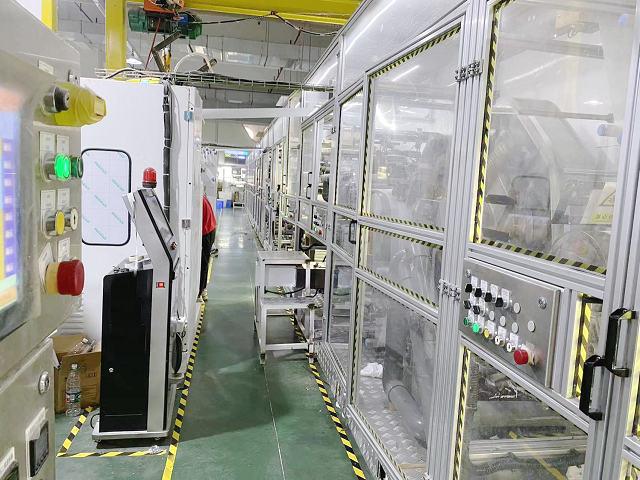
Efficient production begins with a released SKU, known material set, and controlled line condition.
Use a balanced shift view. Track saleable output, first-pass quality, material variance, stop categories, changeover completion, planned tasks, and open abnormalities together. A single percentage can hide whether losses came from a supplier material, operator response, equipment condition, quality hold, or downstream packing. The purpose of the record is to direct action, not to create a favorable headline.
Release Materials and Start the Shift
Before startup, verify that the work order and line clearance agree. Remove material, labels, packaging, documents, and change parts from the previous SKU. Confirm the required recipe, format parts, web threading references, adhesives, absorbent materials, topsheet and backsheet, release paper, wrapper, and pack components. Record material lots so quality issues can be traced without placing an entire warehouse on hold.
The pre-start check should cover guards and safety devices, utilities, cleanliness, loose items, roll mounting, guide positions, collection bins, inspection devices, reject path, counters, printer or coding function where configured, and communication with packaging. Abnormal conditions need disposition before starting. A signed checklist is useful only if operators know the expected state and supervisors sample its accuracy.
Startup should follow a defined sequence instead of bringing every station to production state at once. Establish utilities and approved heating or preparation conditions, run authorized function checks, introduce webs, confirm tracking, and observe each joining or application point. Segregate all startup material. The team should identify which samples represent early adjustment and which begin the verification run.
Control stage
Required evidence
Release question
Escalation trigger
Line clearance
Previous SKU items removed and area checked
Could anything cause mix-up?
Unidentified material or document
Material issue
Approved references, lots, and condition
Do all items match the order?
Damage, substitution, or missing release
Machine setup
Recipe revision and format-part check
Does setup match the SKU specification?
Uncontrolled setting or part mismatch
First product
Identified samples and recorded measurements
Are critical features within limits?
Repeated adjustment without cause
Pack release
Count, seal, code, label, and appearance check
Is the complete saleable unit correct?
Converter passes but pack fails
Stabilize the Sanitary Napkin Production Line
Stabilization is the controlled period between initial web movement and released continuous production. Operators should avoid making several adjustments simultaneously. Begin with material identity and path, then evaluate web tension and guiding, core forming or placement, adhesive application, layer alignment, release paper, wing formation if applicable, cutting, folding, wrapping, detection, rejection, and pack transfer. Record each material or setting change and its observed effect.
Use a defined sample set rather than selecting only the best pieces. Examine products across time and, where relevant, positions associated with repeating machine cycles. Evaluate the approved critical characteristics: dimensions, component placement, absorbent-core distribution, application presence, bond condition, edge quality, fold, wrapper or release paper placement, contamination, and packaging. The exact tests and limits belong in the product control plan.
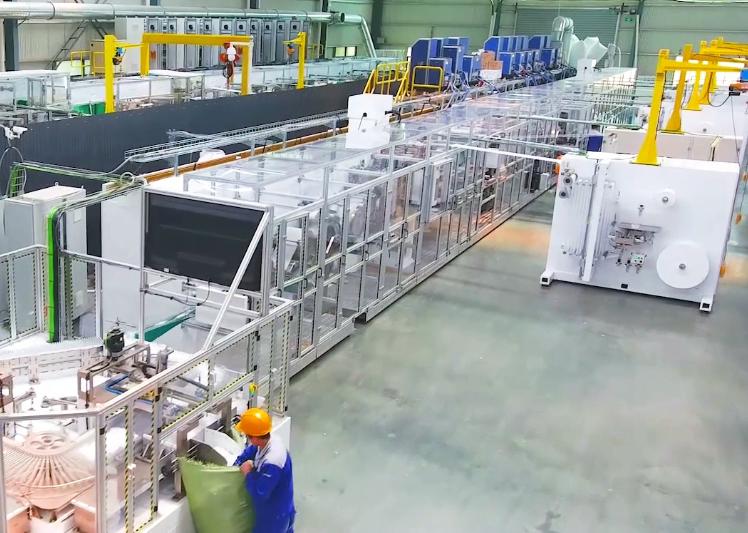
Stabilization should proceed station by station with identified samples and recorded adjustments.
Release continuous production only after the process has remained acceptable for the defined confirmation window and the packing interface is stable. The confirmation should state SKU, materials, recipe, time, operating condition, sample identifiers, results, and authorizing roles. If the line later changes material, format, key setting, or technical condition, define whether partial or complete re-verification is needed.
Control Quality During Steady Running
Steady running needs layered control. Operators watch machine and product signals continuously. Quality personnel perform scheduled or risk-based checks under the sampling plan. Automated sensors may detect selected presence, position, splice, or process conditions, but their capability and limitations should be documented. No inspection system can replace control of materials, setup, and equipment condition.
Reaction limits should state what to do when a trend approaches a specification boundary and what to do after a failure. The team may need to stop, isolate output since the last acceptable check, identify affected lots and times, inspect equipment and materials, correct the cause, and re-verify. Continuing production while repeatedly sorting output can conceal an unstable process and consume capacity needed for good product.
Trend by defect type and station signal. Placement drift, intermittent adhesive application, cutting variation, wrapper defects, false rejects, and packing interruptions require different owners and evidence. Review the first occurrence, not only the final scrap total. A small change over several samples can support planned intervention before the product crosses a limit.
Hygiene and foreign-material controls should match the factory's product-risk assessment. Define apparel, hand practices, line cleaning, maintenance release, tool accountability, damaged-component response, and material protection. Keep rejected and startup products physically identified. Never return questionable units to saleable flow merely to improve a yield number.
Plan Fast, Controlled Changeovers
A good changeover begins before the current campaign ends. Confirm the next work order, released materials, recipe, change parts, tools, cleaning scope, sample plan, and trained team. Stage items at designated locations without exposing them to damage or mix-up. Review open machine abnormalities and decide whether they must be corrected before changing the format.
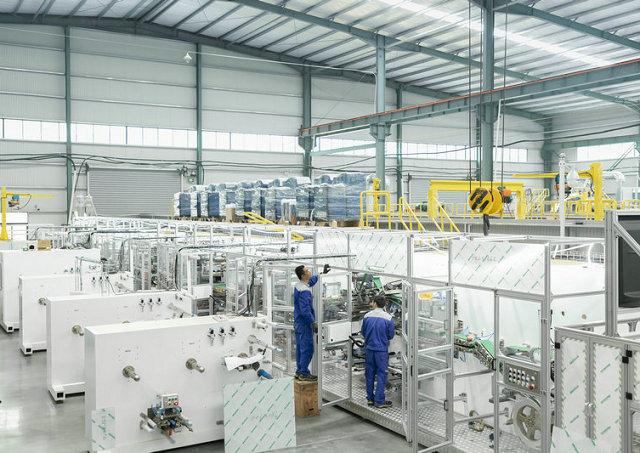
Pre-staged parts, released materials, and clear roles reduce delay without weakening setup control.
Separate external work that can be completed safely while the line runs from internal work that requires a stop and isolation. The approved sequence should include shutdown, material reconciliation, clearance, cleaning, part removal, inspection, new part installation, recipe selection, threading, fastening checks, guard restoration, and startup. Account for every removed and installed part. Use visual or keyed controls where suitable to prevent wrong orientation.
Measure changeover by phases, not just total duration. Waiting for materials, searching for tools, technical adjustment, sample testing, and quality approval have different solutions. Do not shorten the result by excluding verification time; the production benefit begins when conforming output is released. After the event, record deviations and improve preparation or instructions through change control.
Classify Downtime and Material Loss
Loss classification should be simple enough for consistent shift use and detailed enough for action. Separate planned maintenance, setup, material waiting, quality hold, upstream conversion, inspection or rejection, downstream packing, utility, and organizational delay. Record the first constraining event when one stop produces many alarms. Supervisors should review uncertain classifications promptly instead of allowing a large "other" category.
Material loss should distinguish planned startup, changeover, roll-end or splice handling, quality rejection, equipment fault, handling damage, test samples, and packaging loss. Weighing or counting methods must be consistent and their limitations known. Material issued minus finished product is not automatically machine waste because inventory, retained samples, work in process, and measurement differences may be included.
Use Pareto review to select a problem, then investigate its mechanism. For a recurring web break, compare material lot, roll position, tension history, guide condition, splice, operator action, and machine station. For adhesive defects, compare application evidence, supply condition, temperature indication, cleaning, material surface, and timing. Confirm the correction over an agreed run and across a relevant change, not only for a few minutes.
Shift Acceptance Workflow
Plan: Release the production order, SKU specification, material list, recipe revision, pack requirement, staffing, planned stop, and sampling schedule.
Prepare: Complete line clearance, issue traceable materials, inspect machine condition, stage change parts, and confirm quality and maintenance availability.
Start and verify: Follow the staged sequence, segregate startup output, record adjustments, inspect the complete product and pack, and authorize continuous running.
Control: Monitor process and product trends, apply reaction limits, classify stops and losses at the time they occur, and protect affected output.
Handover: Reconcile output and materials, identify open work, preserve current machine state, review abnormal events, and transfer records face to face.
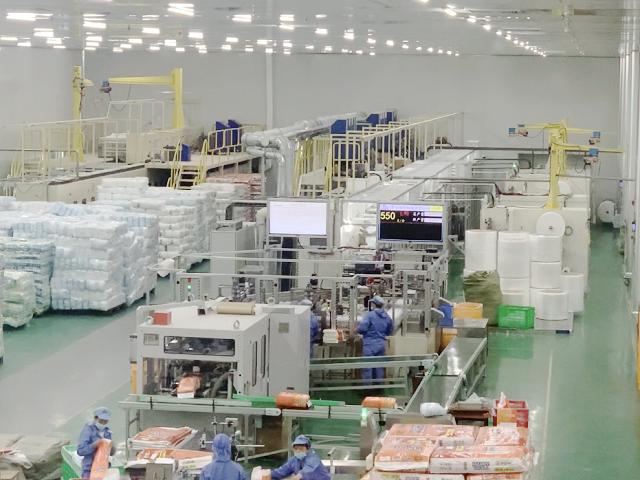
Shift acceptance should reconcile the machine state, product evidence, materials, losses, and open actions.
The production manager should audit one shift record against physical evidence each day during startup and at a risk-based interval afterward. Compare material labels, current recipe, retained samples, reject bins, alarm history, maintenance calls, and handover notes. This confirms whether reported performance represents the factory floor.
When reviewing automatic feminine sanitary napkin equipment, ask how the proposed line supports recipe control, inspection, rejection, changeover, data capture, and packing interfaces. HAINA can review the buyer's planned shift record and FAT scenarios so those controls are demonstrated with representative products and materials.
Frequently Asked Questions
Does a higher line speed always improve manufacturing efficiency?
No. Efficiency depends on conforming packed output over the scheduled window. If a higher setting increases stops, defects, startup time, or downstream backup, saleable output may fall. Compare defined operating conditions and product evidence rather than display values alone.
When should startup products become saleable?
Only after the approved startup verification passes and designated roles release the process. Keep earlier products identified and segregated. The release point should be traceable to sample results, recipe, materials, time, and line condition.
How can changeover time be reduced safely?
Prepare released materials, tools, parts, instructions, and roles before stopping; separate external from isolated work; use a practiced sequence; and analyze delay by phase. Preserve clearance, fastening, guard, setup, and product-verification checks.
What should a shift handover include?
Include current SKU and recipe, material lots, output status, open quality holds, machine abnormalities, temporary controls, maintenance work, recent trends, planned tasks, and physical location of identified products. Both shifts should confirm the transfer.
Conclusion
Effective utilization of a sanitary napkin production line is the repeated delivery of released packed products through controlled startup, stabilization, running, changeover, loss response, and handover. The practical production action is to observe one complete shift and reconcile every stop, adjustment, material issue, reject category, and release decision with physical or recorded evidence. Before approving routine targets, run representative SKUs during FAT or site verification, agree the performance boundaries, and ensure operators can explain the reaction plan whenever quality or process conditions move away from the accepted state.